The Himalayan Blackberry Removal Mistake That Makes It Return Stronger Next Oregon Season
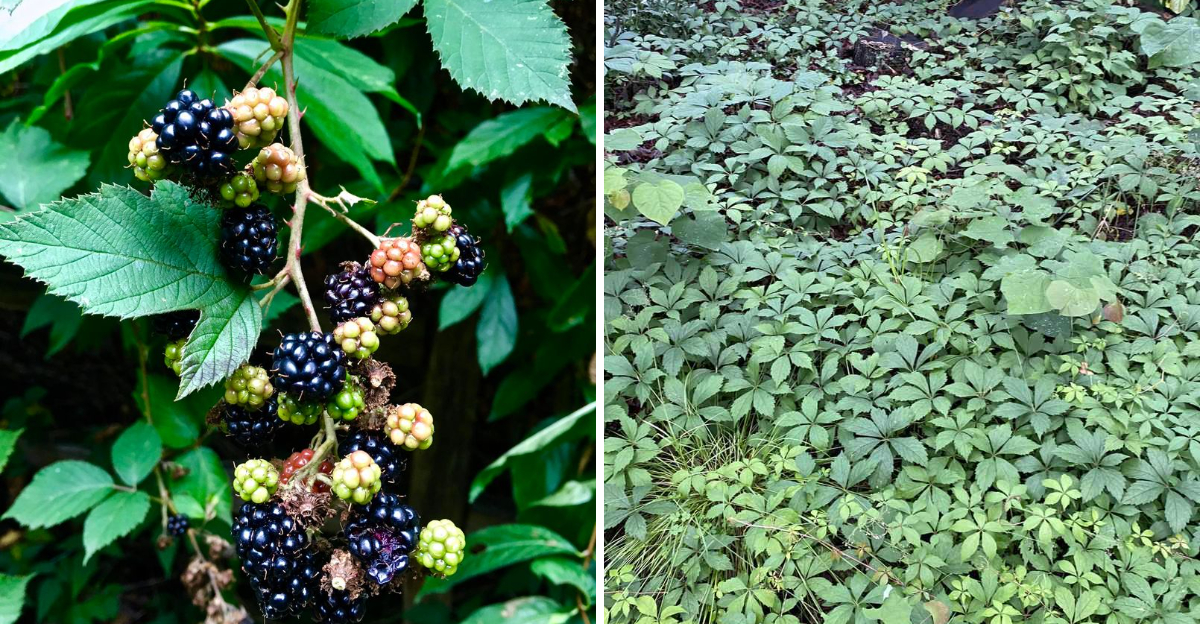
Cutting down Himalayan blackberry canes feels like progress. The tangled mess is gone, the ground is clear, and the job seems finished.
Many Oregon homeowners discover the uncomfortable truth a few months later when new canes push through the exact same spot, often thicker and more vigorous than before.
The plant was not removed. It was provoked.
Himalayan blackberry is one of the most aggressive invasive species in the Pacific Northwest, and it has a survival strategy that most removal efforts accidentally work against.
The mistake many people make is not about effort. It is about leaving the part of the plant underground that drives every single comeback, fully intact and loaded with stored energy.
Oregon State University and Pacific Northwest invasive plant researchers have documented exactly why this happens, and the answer changes everything about how removal needs to be approached.
These reasons explain why Himalayan blackberry keeps returning stronger every season a step gets skipped.
Cutting Canes And Leaving Crowns
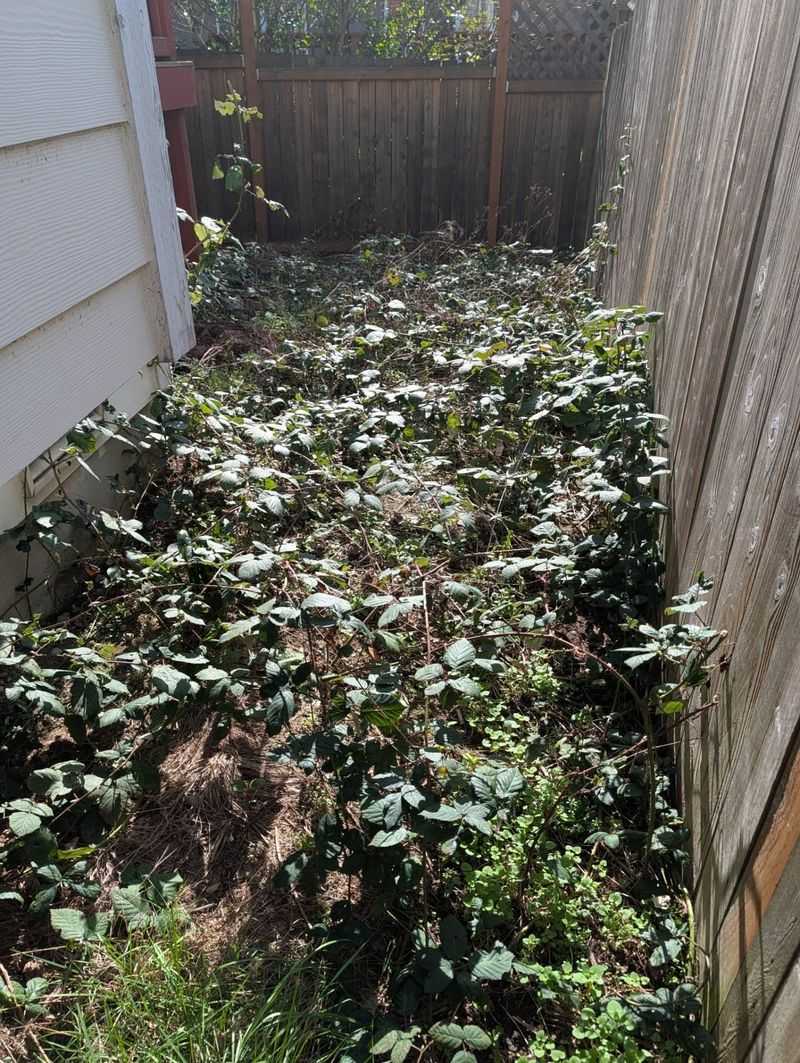
This is the core mistake behind every frustrating blackberry comeback story in Oregon. Most people grab loppers or a chainsaw, cut the canes to the ground, and feel like the job is finished.
The yard looks clear. The canes are gone. Underground, the root crown is sitting exactly where it always was, completely intact and loaded with stored energy that was not touched by the cutting at all.
Root crowns are the thick, woody bases where canes meet the root system.
On mature Himalayan blackberry plants, these crowns can grow as large as a dinner plate and store massive amounts of carbohydrates the plant uses to push out new canes after any disturbance.
Cutting canes above ground does not weaken the crown. It signals the plant to respond by producing even more vigorous new growth than what was removed.
Oregon State University extension guidance on Himalayan blackberry management confirms that cutting alone, without addressing root crowns, is one of the least effective long-term removal strategies available.
The plant essentially treats a clean cut the same way a well-maintained shrub treats pruning. The gardener is not removing the problem. The gardener is grooming it into a more aggressive version of itself.
Effective removal requires either physically digging out root crowns or following a multi-season strategy that depletes crown energy over time.
A single cut is the opening move of a much longer process, not the conclusion of it.
Every crown left in the ground is a future blackberry patch waiting for its next opportunity to reestablish, and those opportunities arrive reliably every spring whether or not anyone is paying attention.
Root Crowns Drive The Comeback
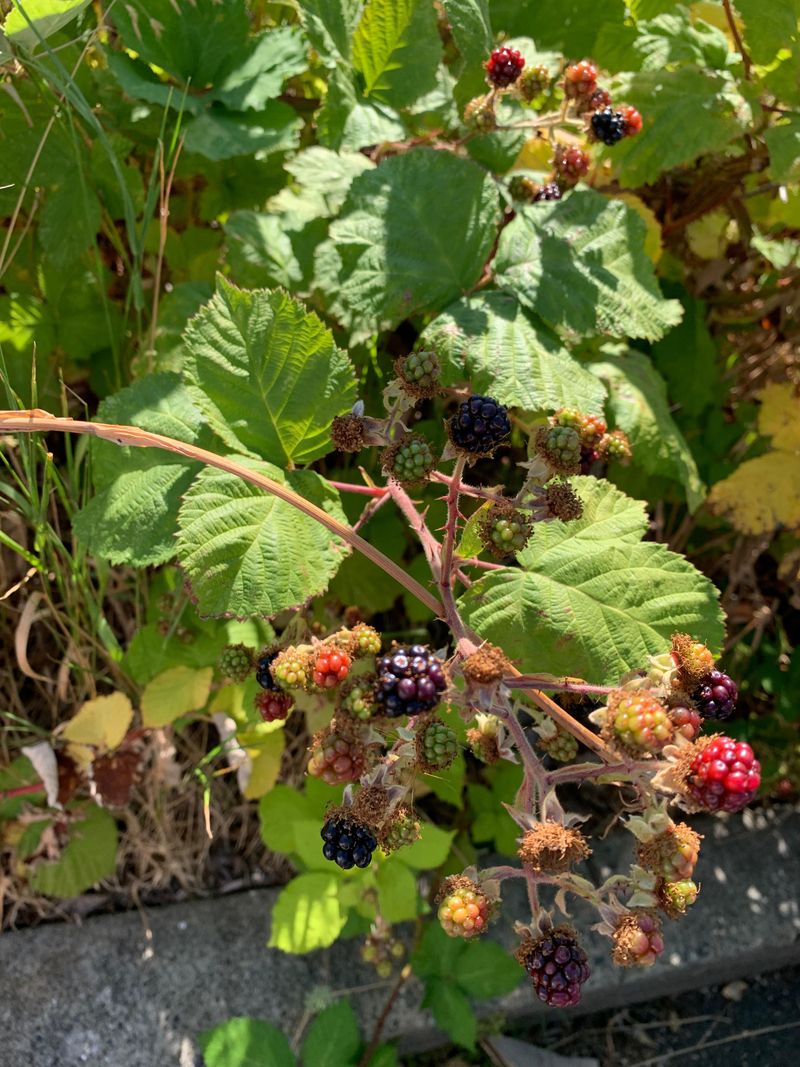
Underground, Himalayan blackberry is structured like a fortress.
The root crown stores a concentrated energy reserve that the plant draws on the moment canes are removed.
The stored carbohydrates function like a rechargeable system that does not run out unless very specific steps are taken to deplete it over multiple seasons of deliberate effort.
Root crowns on mature plants can extend several inches deep and spread outward in multiple directions.
Your Oregon Garden Changes Every Week. Your Plan Should Too.
Gardening in Oregon changes quickly throughout the season. Every Friday you’ll receive a simple weekly plan showing exactly what to plant, prune, fertilize, harvest, and protect so you never miss the right timing.
Lateral roots branching from the crown can reach six feet or more from the base of the original plant, and each one carries stored carbohydrates ready to fuel new shoot production the moment conditions allow.
When canes are cut and crowns are left undisturbed, the plant redirects all that stored energy upward into fresh, fast-growing replacement canes within weeks.
First-year regrowth after cutting can actually be more vigorous than the original growth that was removed. The plant is not recovering from a setback.
It is responding to a stimulus, and that distinction matters significantly when planning a removal approach. Recovery implies weakness. Response implies the plant is fully functional and now motivated.
Physically removing root crowns is labor-intensive but produces results that cutting alone never will.
Using a mattock, pulaski, or dedicated root removal tool to excavate the crown and as much of the lateral root system as possible creates a genuine reduction in the plant’s capacity to regrow.
Hard work that targets the crown counts. Hard work that only removes the canes leaves the actual problem completely intact and ready for the next growing season.
Mowing Alone Only Buys Time
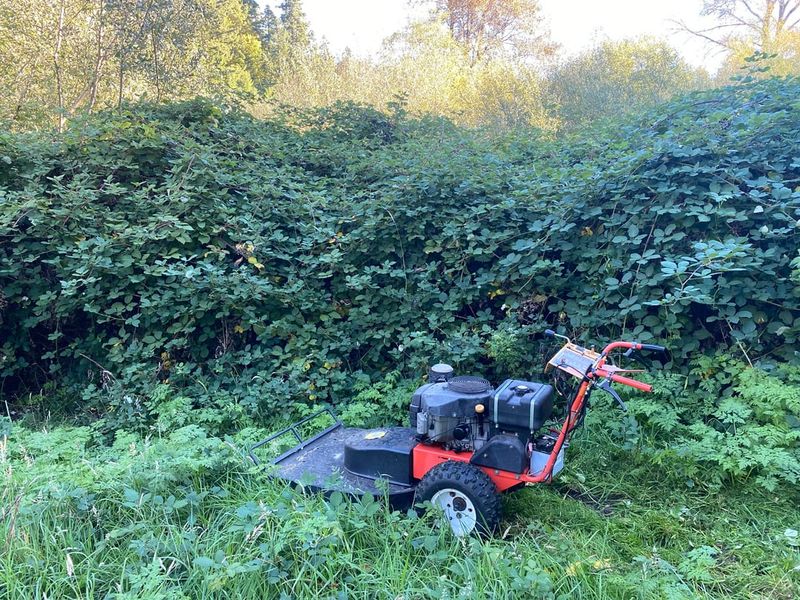
Mowing a blackberry patch feels productive.
The noise, the visible progress, the open ground afterward. Mowing is genuinely useful as a first step in a larger plan, but as a standalone removal strategy, it is a delay tactic with a short window of effectiveness.
Repeated mowing can weaken Himalayan blackberry over time by forcing the plant to keep spending stored root energy on new cane production rather than building reserves.
That weakening effect requires consistent mowing every four to six weeks throughout the growing season for multiple consecutive years.
One mow, or even one full season of mowing, is not enough to exhaust a mature root crown that has been building its reserves for years.
Mowing delivers its best results when used as site preparation before a follow-up treatment rather than as the treatment itself.
Cutting canes down first makes it easier to apply targeted treatment to young regrowth or to access root crowns for manual removal. Used in that sequence, mowing becomes a smart component of a larger strategy.
The problem develops when mowing gets treated as the whole plan. Property owners mow in spring, see clean ground by summer, assume the situation is handled, and step away.
By fall, new canes are already pushing up from intact crowns. By the following spring, the patch has returned to full strength.
Mowing without any follow-up is essentially free maintenance for the blackberry. The plant stays trimmed and energized without the removal process ever addressing what is actually driving regrowth from below the surface.
Small Root Pieces Can Resprout
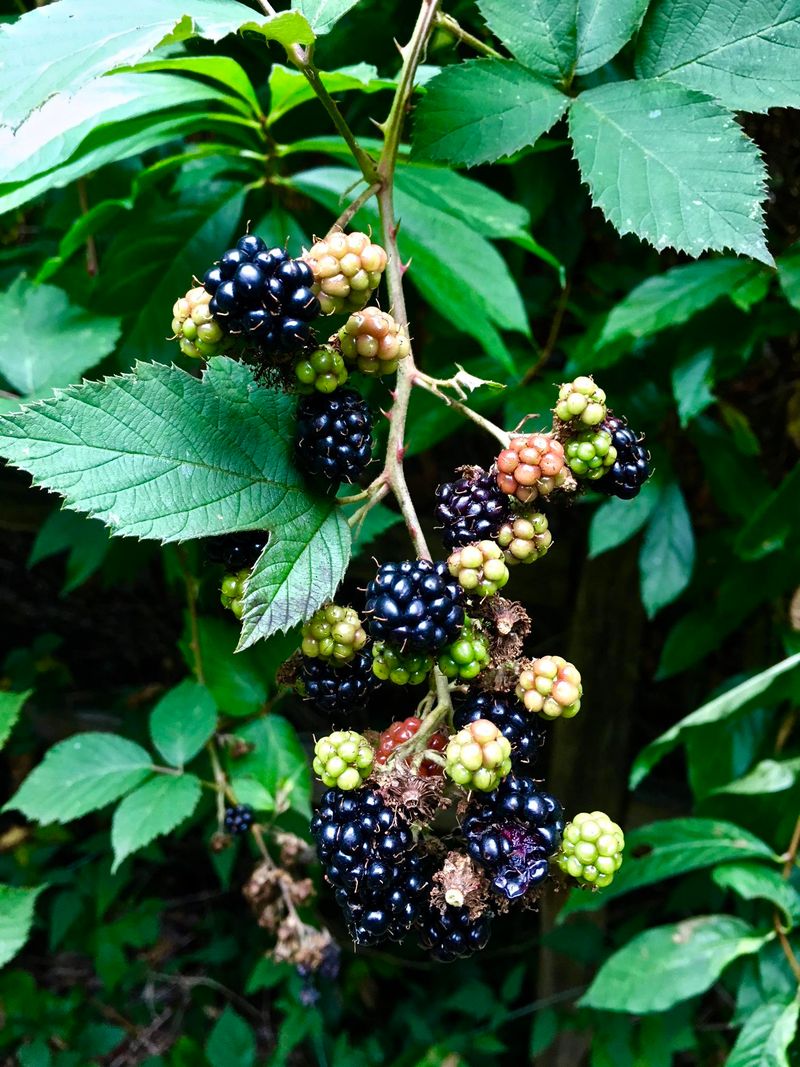
Few experiences in invasive plant removal are more discouraging than completing a thorough digging session and watching new plants emerge from the same area a few weeks later.
This is not bad luck. It is a specific biological characteristic of Himalayan blackberry that makes physical removal more complicated than it initially appears.
Root fragments as small as a few inches long retain enough stored energy to resprout into new plants. When root crowns are excavated, the process almost always disturbs and breaks lateral roots in the surrounding soil.
Those broken pieces do not simply stop functioning because they have been separated from the crown.
Each fragment that remains in the soil carries sufficient carbohydrate reserves to send up a new shoot when moisture and temperature conditions are favorable.
Tilling a blackberry patch makes this problem dramatically worse rather than better.
Running a tiller through the root zone chops lateral roots into dozens of small fragments and distributes them across a wider area of soil than the original plant occupied.
What was one established plant can effectively become many smaller establishing plants spread across the site.
Pacific Northwest invasive plant management resources specifically caution against tilling blackberry patches for exactly this reason.
Careful hand digging, removing as many root pieces as possible during excavation, and bagging all root material for disposal rather than composting gives the best chance of limiting fragment regrowth.
Compost piles provide warm, moist conditions that are exactly what root fragments need to survive and eventually resprout.
All roots pulled from the ground should go into designated yard waste collection or trash, not back into any garden bed or compost system anywhere on the property.
Follow Up Takes Several Seasons
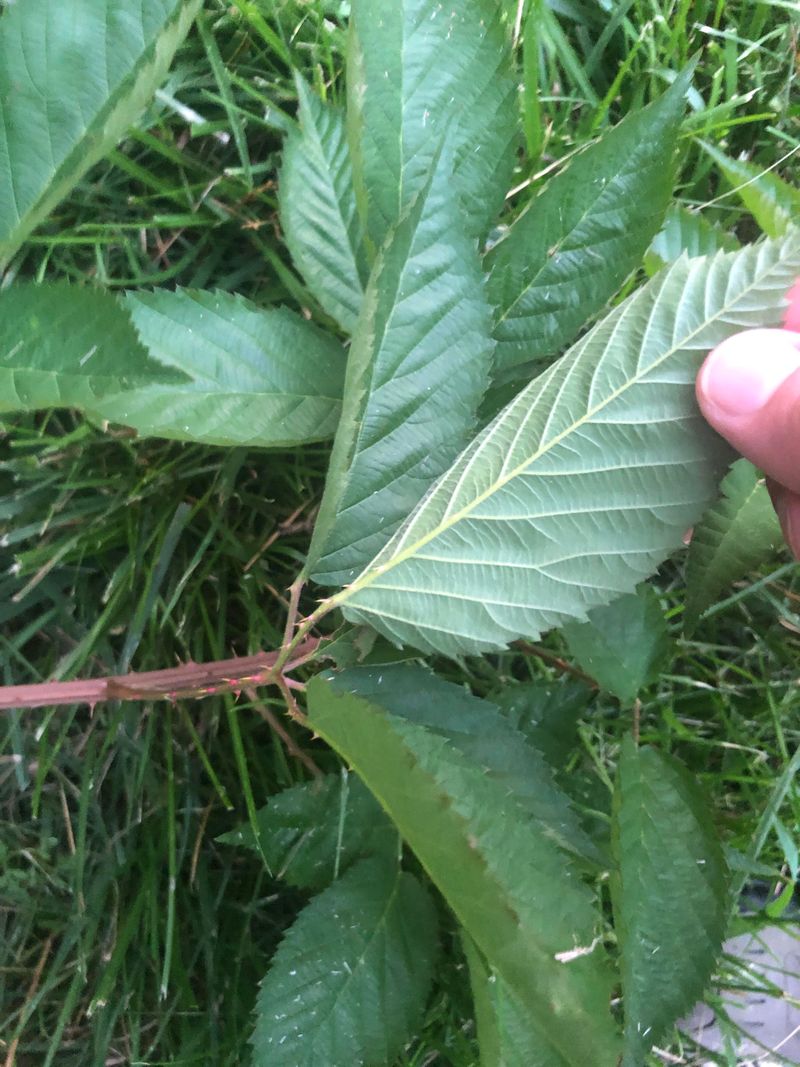
One serious removal effort rarely resolves a Himalayan blackberry infestation.
The plant has been establishing itself across Oregon for over a century and did not become one of the most persistent invasive species in the Pacific Northwest by giving up after a single challenging season.
Successful removal consistently requires a minimum of three to five years of deliberate follow-up effort to produce lasting results.
Each season of follow-up addresses a specific ongoing threat. Root crowns that were cut but not fully removed will attempt to regrow from remaining tissue.
Fragments left in the soil will sprout when conditions allow. Seeds from nearby plants will germinate in the open, disturbed soil that good removal work creates.
Every one of those regrowth events needs to be caught and addressed before the plant rebuilds enough energy reserves to accelerate back toward full establishment.
The follow-up phase is consistently where most removal projects either succeed or collapse. Thorough initial removal followed by abandoning the site is an extremely common pattern.
The site looks clean for a season or two, attention moves to other priorities, and the blackberry quietly reestablishes.
By the time regrowth becomes visible and concerning again, the plant has already rebuilt a functioning root system capable of producing significant new growth.
Setting consistent calendar reminders for site checks every four to six weeks during the growing season prevents follow-up from being forgotten.
Each check does not need to be a full workday. A walk-through to identify and address early regrowth while plants are still small takes considerably less effort than waiting for a patch to rebuild through an entire season.
Consistency across multiple seasons is the actual variable that determines long-term success.
Regrowth Needs Timely Treatment
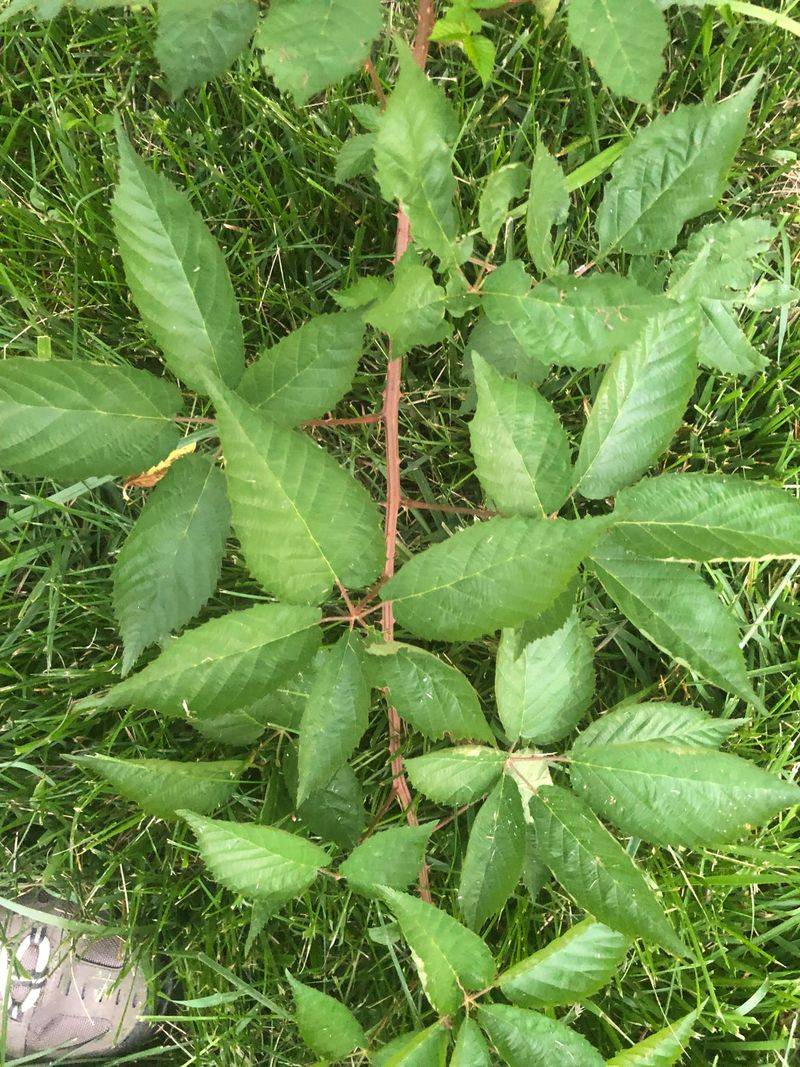
Young regrowth is the most vulnerable stage of Himalayan blackberry, and that vulnerability is the highest-leverage opportunity in any long-term removal plan.
Small new shoots have not yet rebuilt the root crown energy reserves that make mature plants so difficult to address effectively. Catching regrowth early and treating it promptly takes advantage of a window that closes quickly.
New canes left to grow through a full season will photosynthesize actively and send that energy back down into the root system.
By the end of the growing season, a plant that appeared as a small sprout in spring can have a root crown already rebuilding its carbohydrate reserves significantly.
Missing that window provides the plant with a free season of recovery at no cost to itself and considerable cost to the removal effort.
For manual removal, young regrowth with shallow, undeveloped root systems is far easier to pull or dig than mature canes with established crowns.
The physical effort required is a fraction of what mature plants demand, and the results are more complete because the root system has not yet spread laterally.
For herbicide approaches, small regrowth with actively growing leaf tissue responds more effectively to foliar treatments than large, woody canes with thick cuticles and limited surface absorption.
Late summer through early fall is one of the most effective treatment windows, when the plant is moving energy downward into roots and foliar treatments can follow that directional movement for better systemic results.
Waiting until canes are tall and woody again before responding is the pattern that keeps most blackberry patches cycling through the same removal and regrowth loop indefinitely.
Early action, applied repeatedly across multiple seasons, is what actually changes the trajectory of a removal project from frustrating to finished.
Seed Banks Extend The Timeline
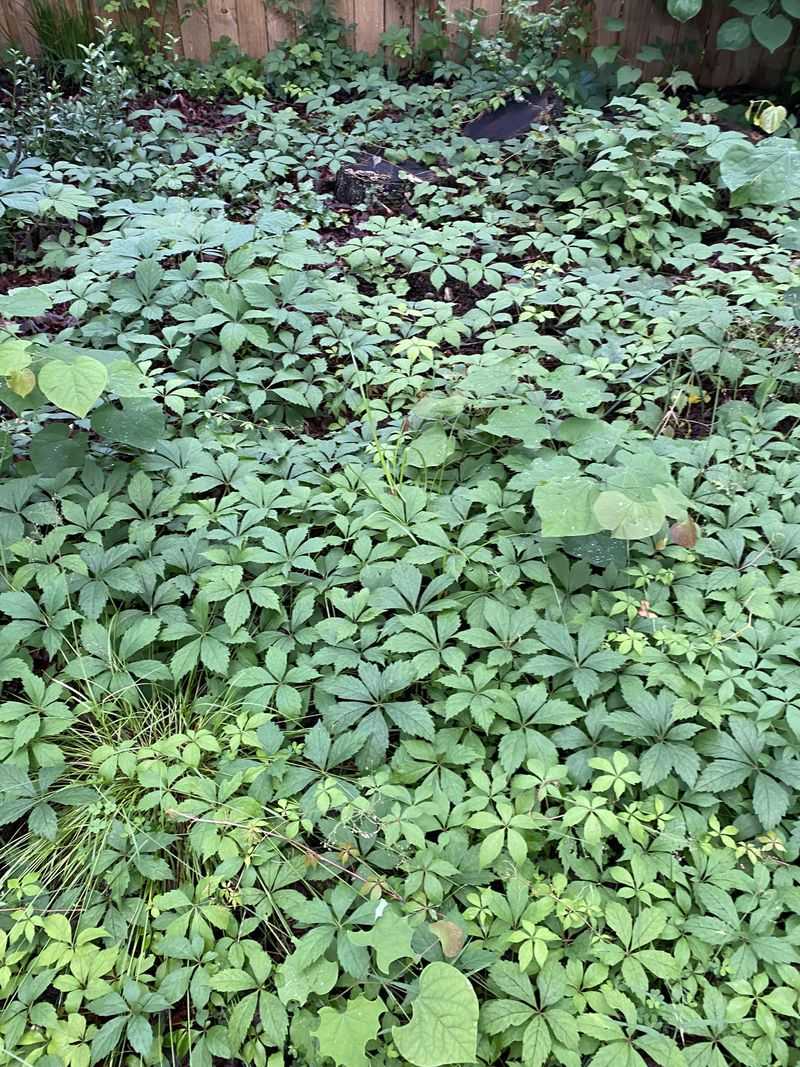
Removing every root crown and fragment from a site does not mean the work is finished.
Himalayan blackberry produces abundant fruit, and each berry contains seeds that can remain viable in the soil for several years after the original plants are gone.
A site that looks completely clear above ground can have thousands of viable seeds waiting in the top few inches of soil, ready to germinate when light and moisture conditions are right.
Birds are one of the primary reasons blackberry seeds spread so effectively. They consume the fruit, move across the landscape, and deposit seeds in their droppings across a wide area.
A cleaned-up property bordered by blackberry patches on neighboring land will receive fresh seed input every season regardless of how thorough the removal work has been on site.
Wind and water movement also distribute seeds into cleared areas, making seed pressure an ongoing reality rather than a one-time concern.
Germinating seedlings are the easiest form of Himalayan blackberry to address.
They have no established root system, no significant energy reserves, and no lateral roots spreading through the surrounding soil.
A quick pull or a targeted spot treatment handles them efficiently when they are caught at the seedling stage.
The problem is that seedlings are easy to overlook when they are small, and a seedling that grows unaddressed through even half a season starts developing the root structure that makes the plant progressively harder to manage.
Keeping cleared sites mulched reduces the light reaching the soil surface, which slows seed germination significantly.
Regular monitoring for seedlings during the first several years after initial removal keeps seed bank pressure from undoing the work already invested.
The root crowns may be gone, but the seed bank is a separate problem on its own timeline, and that timeline runs longer than many people expect.