The Palm Tree Habit That Can Increase Fire Risk During Arizona Summers
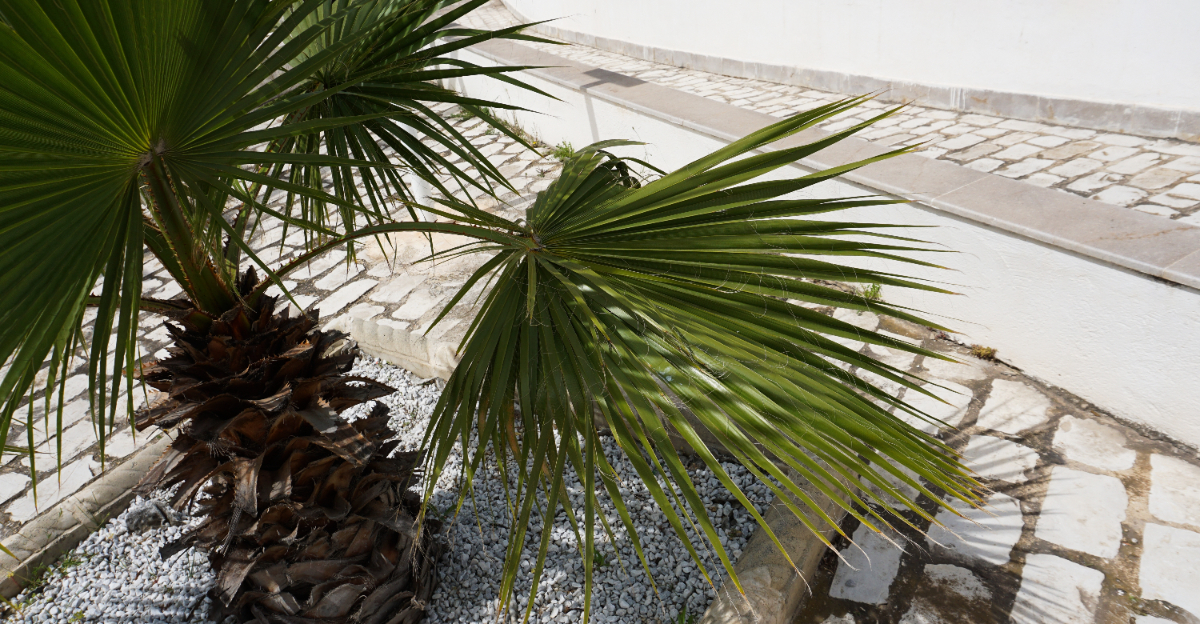
Most people look up at a palm tree and see a symbol of the Southwest. What they don’t see is the layer of dry, neglected fronds that can stay attached far longer than they should.
That’s where the problem begins. A palm doesn’t have to look unhealthy to become part of a larger fire risk during an Arizona summer.
Don’t make the mistake of treating palm maintenance as something that can wait until fall. Hot, dry weather changes the equation.
Leaving old fronds hanging on the tree allows combustible material to build up when conditions are already at their harshest.
A few minutes of attention at the right time can make a meaningful difference. Understanding this overlooked habit helps you protect your landscape, keep your palm looking its best, and avoid creating a fire hazard without even realizing it.
1. Waiting Too Long To Remove Old Fronds
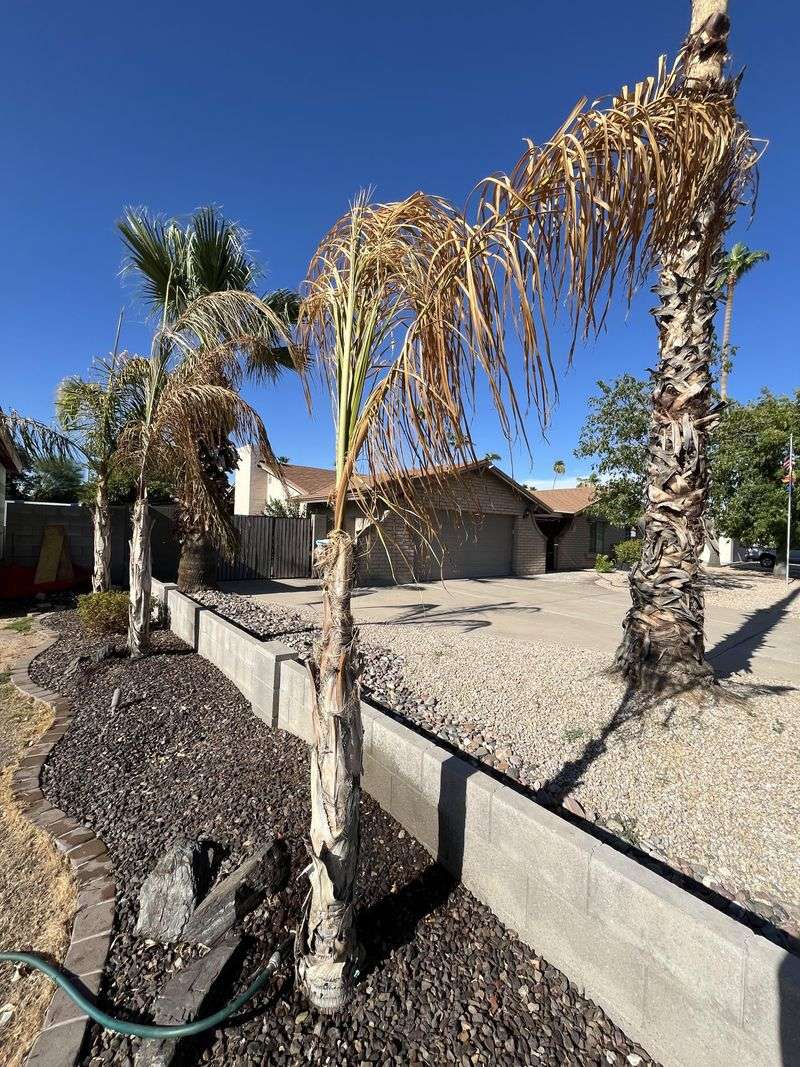
Old fronds hanging off a palm tree are not just an eyesore. Left in place long enough, they become a serious fire hazard, especially when summer heat turns everything bone dry.
Fronds that have been on the tree for months lose all their moisture. At that point, they are essentially dry kindling wrapped around the trunk.
A single spark from nearby equipment or an errant firework can catch them fast.
Skipping frond removal for even one season can lead to a thick skirt of dry fronds around the trunk.
Some people think it looks natural, but that buildup creates a perfect ladder for flames to climb upward toward the canopy.
Aim to trim fronds before they turn fully brown. Waiting until they are completely dry makes the job harder and increases risk.
A good schedule in warm climates is trimming once or twice a year, though frequency depends on the tree species and growth rate.
Avoid over-trimming too. Removing green fronds can stress the tree and weaken its structure.
Focus only on fronds that are yellow, brown, or hanging downward past a 45-degree angle from the trunk.
Hiring a licensed arborist for taller trees is worth considering. Working at height on a dry palm without proper tools adds unnecessary risk.
2. Brown Fronds Burn More Easily
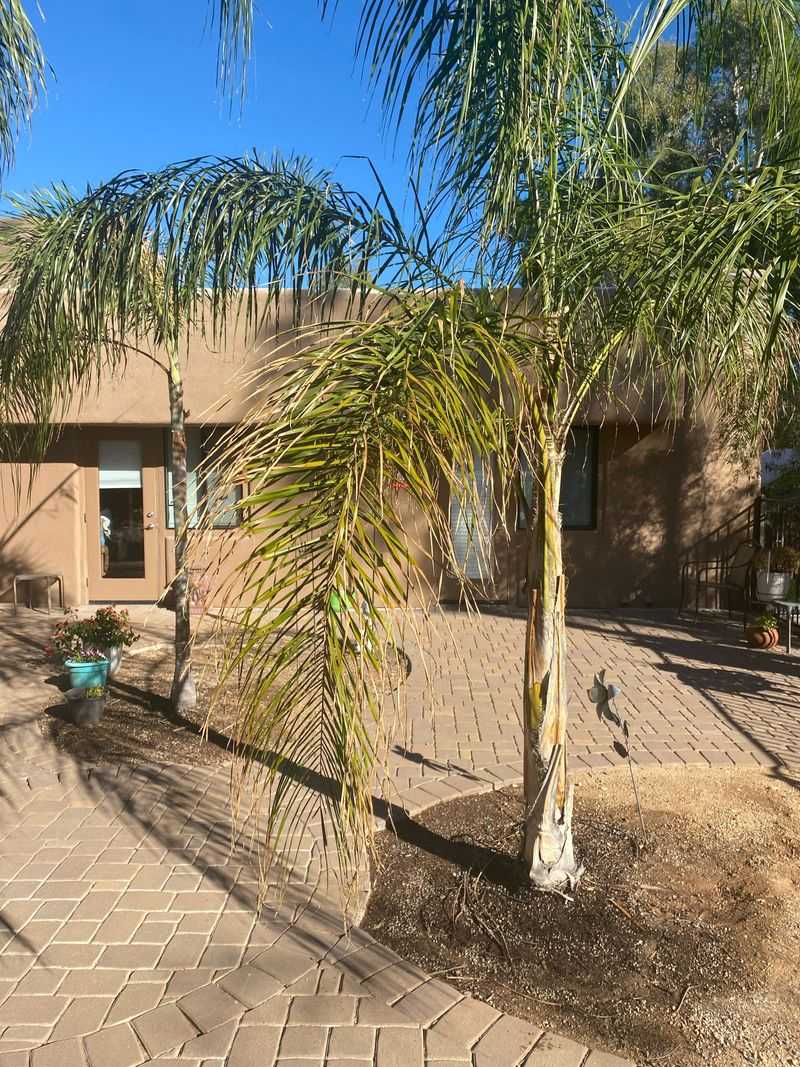
Brown fronds are not just ugly. They are one of the most flammable materials found on any residential property in a hot, dry climate.
Once a frond loses its moisture, it becomes extremely light and porous. That structure allows flames to travel through it quickly.
In Arizona summers, where humidity can drop below 10 percent, brown fronds can ignite faster than most dry grass.
A common misconception is that fronds are harmless until there is an open flame nearby. That is not entirely accurate.
Radiant heat from a nearby fire, hot embers carried by wind, or even a carelessly tossed cigarette can be enough to start combustion in very dry conditions.
Brown fronds also tend to break apart in strong winds, scattering dry debris across the yard or onto neighboring properties. Those scattered pieces can carry embers or catch them, spreading a small fire into a larger one before anyone notices.
Your Arizona Garden Changes Every Week. Your Plan Should Too.
Gardening in Arizona changes quickly throughout the season. Every Friday you’ll receive a simple weekly plan showing exactly what to plant, prune, fertilize, harvest, and protect so you never miss the right timing.
Removing brown fronds promptly reduces that risk considerably. Do not let them pile up at the base of the tree either.
Once removed from the tree, they need to be bagged and disposed of quickly rather than left in a pile on the ground.
Check fronds after monsoon storms too. Wind damage can accelerate browning and cause fronds to detach partially, leaving them dangling and dry.
3. Clear Palm Debris From The Ground
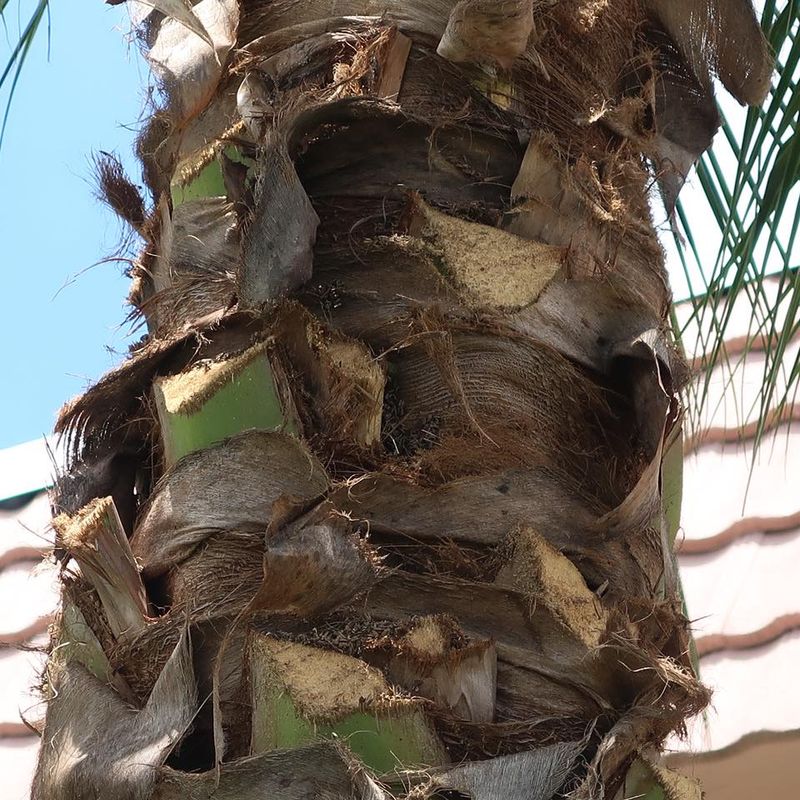
Ground debris around palm trees gets overlooked more than any other fire hazard in the yard. People trim the tree, bag the big fronds, and then leave behind a scattered mess of smaller material without realizing it.
Dried leaflets, broken frond stems, and seed pods all accumulate at the base of palm trees over time. In summer heat, that layer of debris dries out completely.
It sits right at ground level where a spark, ember, or even reflected heat from pavement can reach it easily.
Clearing the ground around your palm trees should be part of the same routine as trimming the fronds themselves. Rake up loose debris after trimming and after windstorms.
Monsoon season in particular tends to knock down a lot of loose material from the canopy.
Keep a clear zone of at least three to five feet around the base of each palm. That buffer reduces the chance that ground-level flames can travel up into the tree.
It also makes spotting new debris buildup much easier during routine walkthroughs.
Pay attention to what collects between multiple trees planted close together. Debris tends to accumulate in those gaps and can create a connected fuel path between trees.
Spacing matters, but regular cleanup matters even more when trees are planted in rows or clusters.
Ground debris removal takes only a few minutes per tree. Skipping it regularly, though, builds up a fire risk that grows with each passing week of summer heat.
4. Keep Fire Pits Away From Palm Trees

Fire pits and palm trees are a bad combination that many backyard owners do not think twice about until something goes wrong.
Palms are tall and their canopy hangs outward. Embers from a fire pit can travel several feet in even a light breeze.
In dry summer air, those embers stay hot longer before cooling down. That increases the window in which they can catch a dry frond on fire.
A general rule of thumb is to keep any open fire source at least 10 feet from a palm tree. That distance may need to increase depending on how large the canopy extends.
Look up before lighting a fire and check what is directly overhead and downwind.
Wind direction changes frequently in desert evenings, especially during monsoon season. A fire that seems safely positioned can shift direction unexpectedly.
Positioning your fire pit in an open area away from all trees and structures is the safest approach.
Some homeowners in Arizona use propane fire pits as an alternative to wood-burning ones. Propane pits produce fewer embers and can be turned off instantly.
That does not eliminate all risk, but it does reduce the chance of stray sparks reaching nearby vegetation.
If you have palms planted close to a patio or seating area, consider relocating the fire pit rather than trimming back the tree. Removing mature palms is expensive and often unnecessary.
5. Dispose Of Removed Fronds Promptly
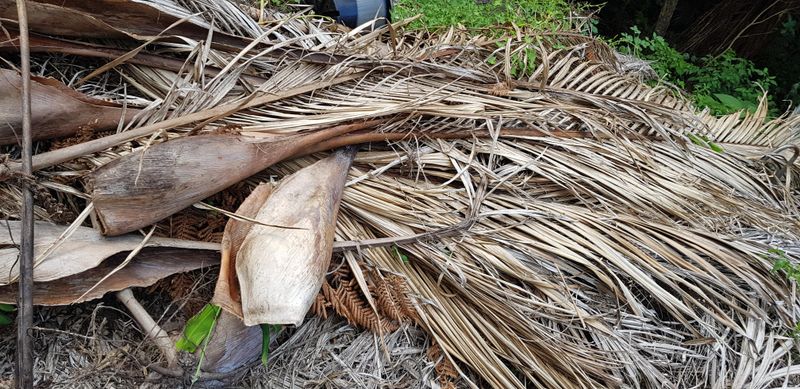
Cutting fronds off the tree is only half the job. Where those fronds go after removal matters just as much as getting them down in the first place.
Piles of cut fronds left in the yard can sit for days or even weeks before people get around to hauling them away. In summer heat, that pile dries out fast.
What started as slightly green fronds can become tinder-dry within a couple of days in direct sun.
Stacking removed fronds next to the tree trunk is one of the most common mistakes. That pile sits right at the base of the tree, which is exactly where you do not want a fuel source.
Any spark or ember reaching that pile has a direct path to the tree above it.
Bag fronds in yard waste bags and set them out for pickup as soon as possible. Many municipalities in the Southwest offer green waste collection on a regular schedule.
Check your local schedule and time your trimming sessions accordingly so fronds do not sit around for long.
If you use a hauling service or take debris to a disposal site yourself, do not let cut fronds sit in the bed of a truck or trailer overnight in dry conditions. They can shift, scatter, and create a road hazard or a fire risk if they contact a hot surface.
6. Avoid Using Palm Fronds As Mulch
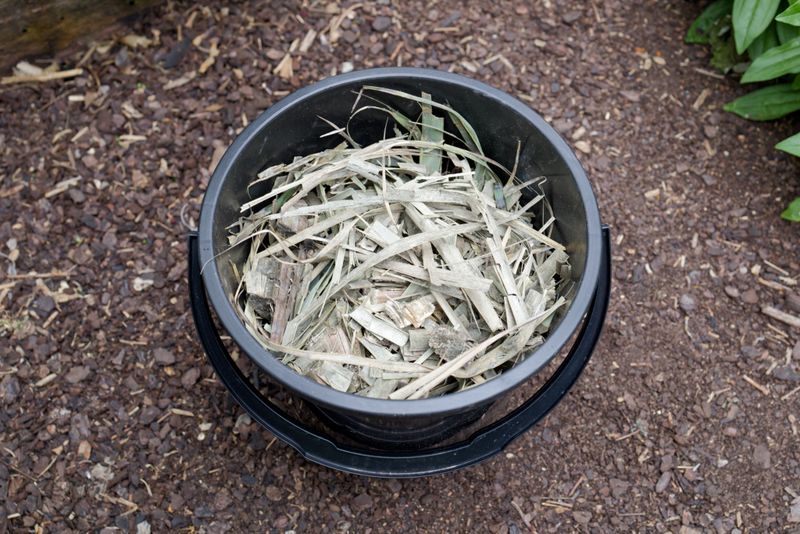
Using palm fronds as mulch might seem like a smart recycling move. In practice, it can create more problems than it solves, especially during hot and dry summers.
Palm fronds do not break down the same way wood chip mulch does. They stay fibrous and dry for a long time.
Even shredded frond material retains a loose, airy structure that burns more readily than denser organic mulches.
Spreading dry palm material around the base of plants or trees essentially creates a fire-friendly layer at ground level. Embers landing on that surface have an easy time catching.
Standard wood chip mulch or gravel is a much safer option for desert landscaping.
Some gardeners assume that wetting the frond mulch regularly will reduce the risk. That can help temporarily, but in summer heat the material dries out again within hours.
Maintaining consistent moisture in that kind of mulch is not realistic during peak summer conditions.
Gravel mulch is widely used in the Southwest for good reason. It does not burn, it suppresses weeds, and it holds heat that can benefit certain desert plants.
It also requires far less maintenance than organic mulch in a dry climate.
If you prefer organic mulch for moisture retention, choose wood chips or bark from non-palm sources. Those materials tend to hold moisture longer and break down into the soil more effectively.
7. Inspect Palm Trees Regularly During Summer
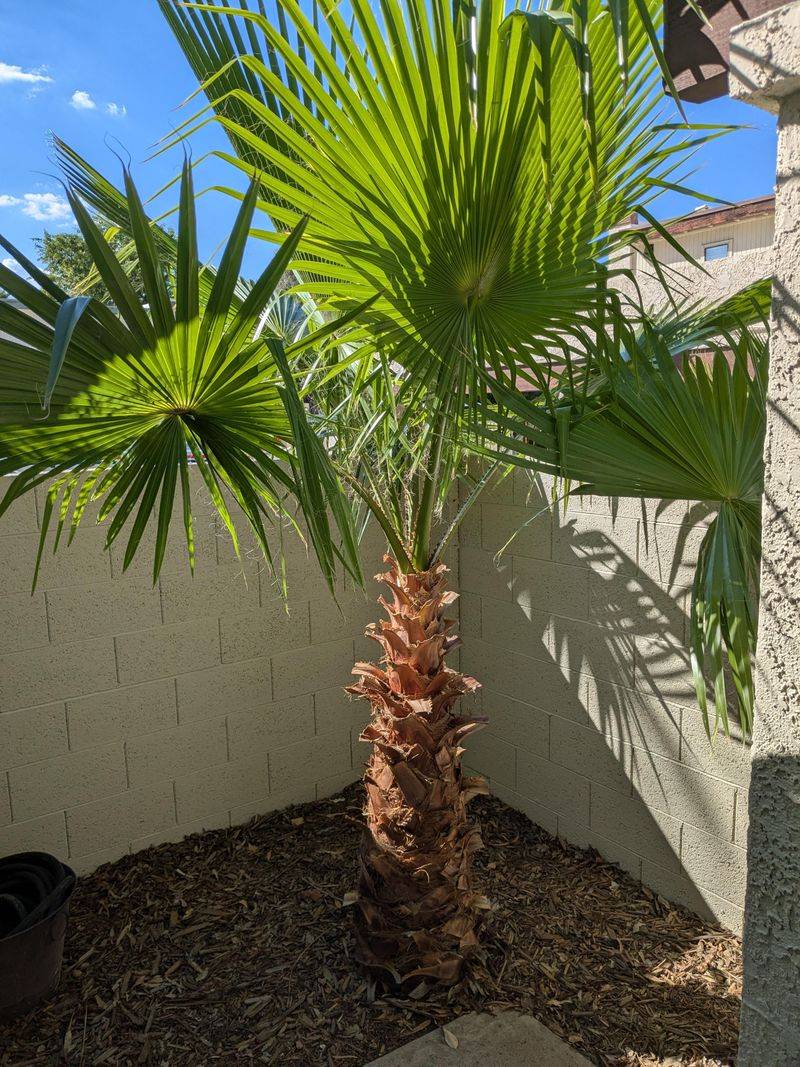
Regular inspection is the foundation of any good palm tree maintenance routine. Without it, problems build up quietly between trimming sessions.
Summer is the season when palms grow fastest and when conditions are most dangerous. New fronds push out quickly, older ones brown faster in the heat, and debris accumulates at an accelerated pace.
Checking your trees weekly during peak summer months takes only a few minutes but catches issues early.
Look for fronds that have turned yellow or brown since the last inspection. Note any that are hanging at an unusual angle or appear partially detached.
Fronds in that condition are more likely to fall and more likely to catch fire if conditions are right.
Check the base of the tree as well. Ground debris builds up between inspections, especially after windy days.
Spotting and clearing that buildup early prevents it from becoming a larger accumulation that takes much more time to address.
Watch for signs of pests or disease too. Certain insects and fungal issues can accelerate frond browning, creating more dry material than usual.
Catching those problems early can slow the progression and reduce the amount of dry, damaged material on the tree.
Keep a simple log of when you last trimmed and inspected each tree.