Ohio Herbs That Actually Get Better In Containers During August Heat
August heat in Ohio does not negotiate. Sidewalks radiate warmth, lawns fade to straw, and most containers start looking tired by noon. Yet a handful of herbs treat this stretch of summer like an invitation, not an obstacle.
Swapping the ground for a pot is one of the sharpest tricks in a gardener’s back pocket this time of year. Pots let you dictate the soil mix, the drainage, and the exact patch of sun or shade each plant gets.
These eight herbs are not just clinging on through August, they are putting out fresh growth while everything else wilts. Late summer does not have to mean an empty porch, not when these eight herbs are just hitting their stride.
1. Rosemary
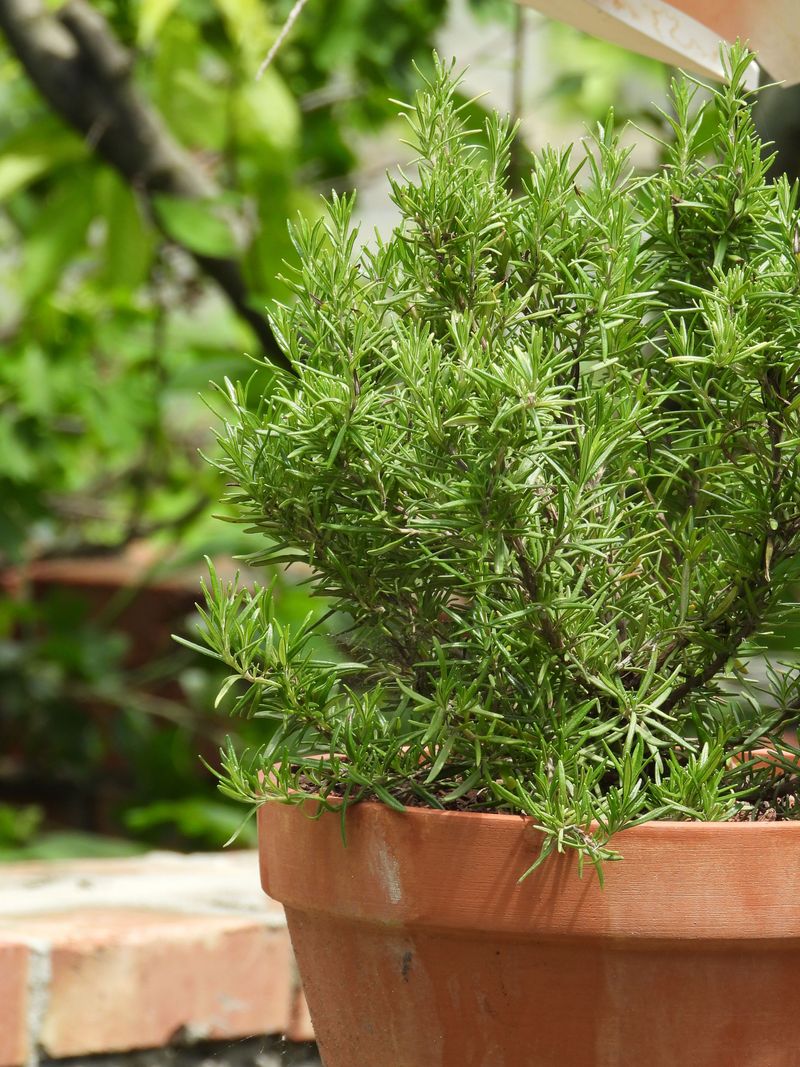
Rosemary is basically the overachiever of the herb world. When August heat cranks up, this Mediterranean native leans into it like a sunbather on vacation.
With rosemary, everything starts with understanding drainage. Rosemary dislikes wet roots, and containers let you control that with precision.
Choose a terracotta pot for best results. The porous walls pull excess moisture away from the roots, keeping your plant happy even on the muggiest days.
Full sun is non-negotiable for rosemary. Give it at least six hours of direct light, and it will reward you with fragrant, resinous leaves all season long.
Container growing also means you can skip the clay soil problem that plagues many Ohio yards. Use a well-draining potting mix with a little sand or perlite added in.
Watering is simple: let the top inch of soil dry out before watering again. Overwatering is the fastest way to lose this tough plant.
Rosemary in a pot can grow surprisingly large by late summer. Trim it regularly to keep growth bushy and encourage fresh, flavorful new shoots.
The scent alone makes it worth growing. Brush your hand across the leaves on a warm evening and the aroma is nothing short of intoxicating.
Use fresh rosemary on roasted chicken, potatoes, or even stirred into lemonade for a herbal twist. This plant earns its keep all the way through fall.
2. Thyme
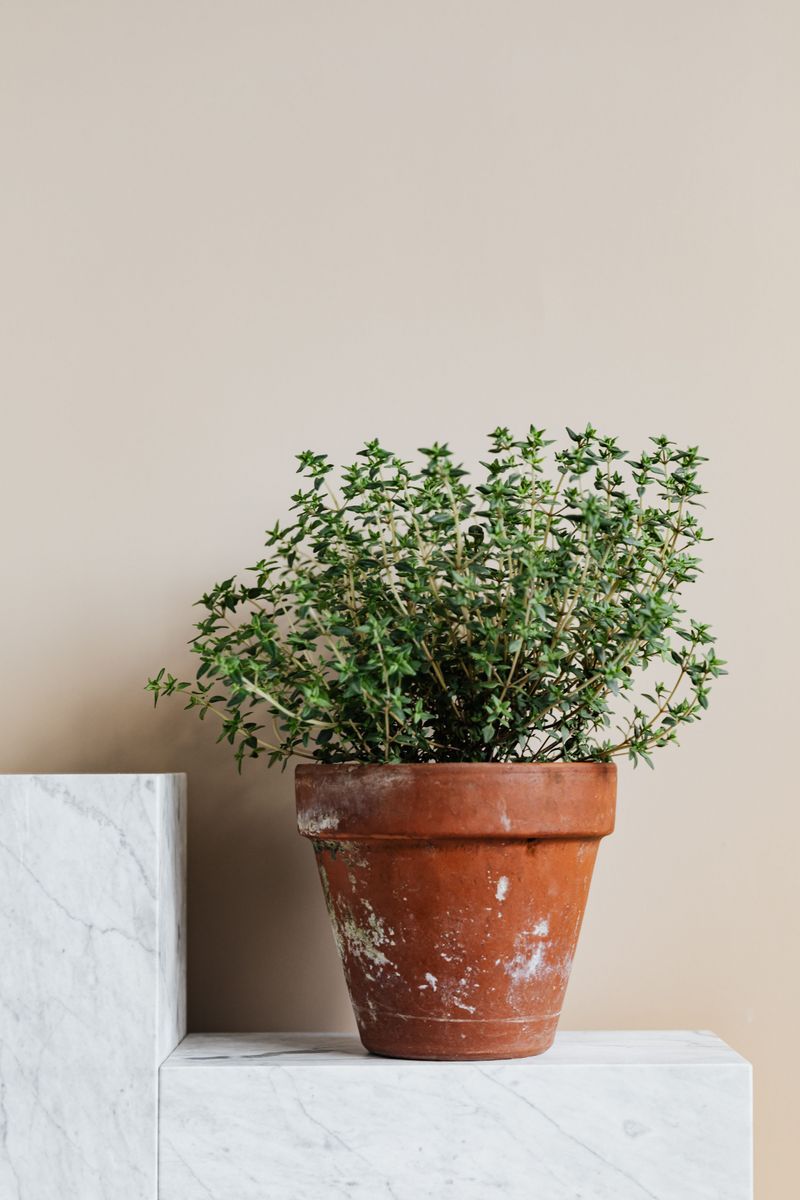
Thyme is the scrappy underdog that shrugs off neglect. While other herbs wilt and sulk in August, thyme quietly puts out new growth and even blooms.
It is one of those plants that genuinely prefers neglect over coddling. Less water, more sun, and a tight container make it feel right at home.
Sandy or gritty potting mix works best for thyme in containers. Good drainage prevents root rot, which is the main threat during humid Ohio summers.
Place your pot in the hottest, sunniest spot on your porch or patio. Thyme will soak up that heat and convert it into intense, concentrated flavor.
Container growing rewards drought-tolerant varieties, and thyme tops that list. Thyme fits that description better than almost anything else on the market.
English thyme is the classic kitchen choice. Lemon thyme adds a citrusy pop that pairs beautifully with fish, roasted vegetables, and summer salads.
Your Ohio Garden Changes Every Week. Your Plan Should Too.
Gardening in Ohio changes quickly throughout the season. Every Friday you’ll receive a simple weekly plan showing exactly what to plant, prune, fertilize, harvest, and protect so you never miss the right timing.
Trim thyme back by about a third after it flowers. This keeps the plant from going woody too fast and pushes out a fresh flush of tender growth.
The tiny flowers are edible and gorgeous. Sprinkle them over a summer cheese board for an impressive and delicious touch that guests will notice right away.
Thyme also repels certain garden pests, making it a smart companion for other container plants. One small pot pulls a lot of weight on a summer porch.
3. Oregano
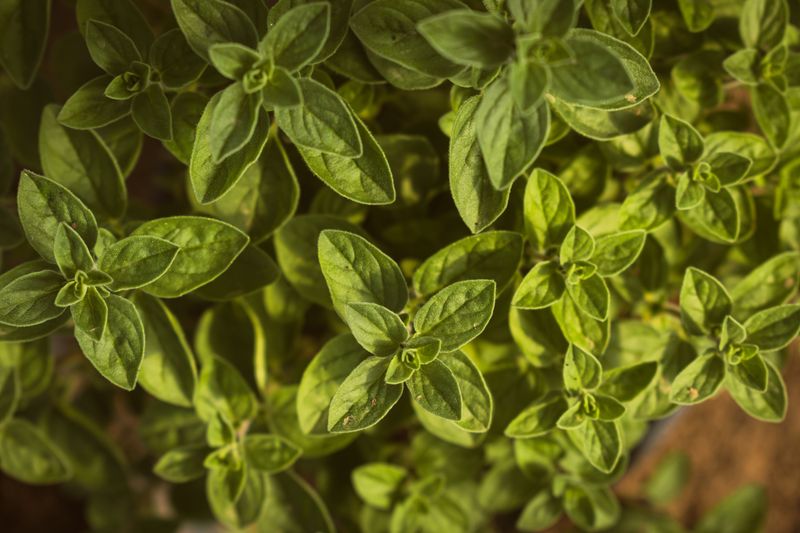
Oregano gets more flavorful as temperatures rise, which makes August its best month of the year. The essential oils in the leaves concentrate under heat, producing a bolder, more pungent taste.
Greek oregano is the most heat-tolerant variety and the one you want in your container. It has smaller leaves but a punch of flavor that puts grocery store dried herbs to shame.
Pick a pot that is at least ten inches wide to give oregano room to spread. This herb grows enthusiastically once established, and cramped roots slow everything down.
Full sun is where oregano thrives. Six to eight hours of direct light per day keeps the oils strong and the plant producing all summer long.
A container also means you can move the pot to higher, drier ground after a heavy Ohio thunderstorm. That kind of flexibility is hard to get with oregano planted straight in the ground.
Harvest often to keep the plant bushy and productive. Pinch off the tops before flower buds fully open to maintain the strongest flavor in the leaves.
Fresh oregano on homemade pizza is a different experience altogether from the dried stuff. The aroma alone will make your neighbors wander over to investigate what smells so good.
Few container herbs shine as brightly as oregano does at peak season.
4. Basil
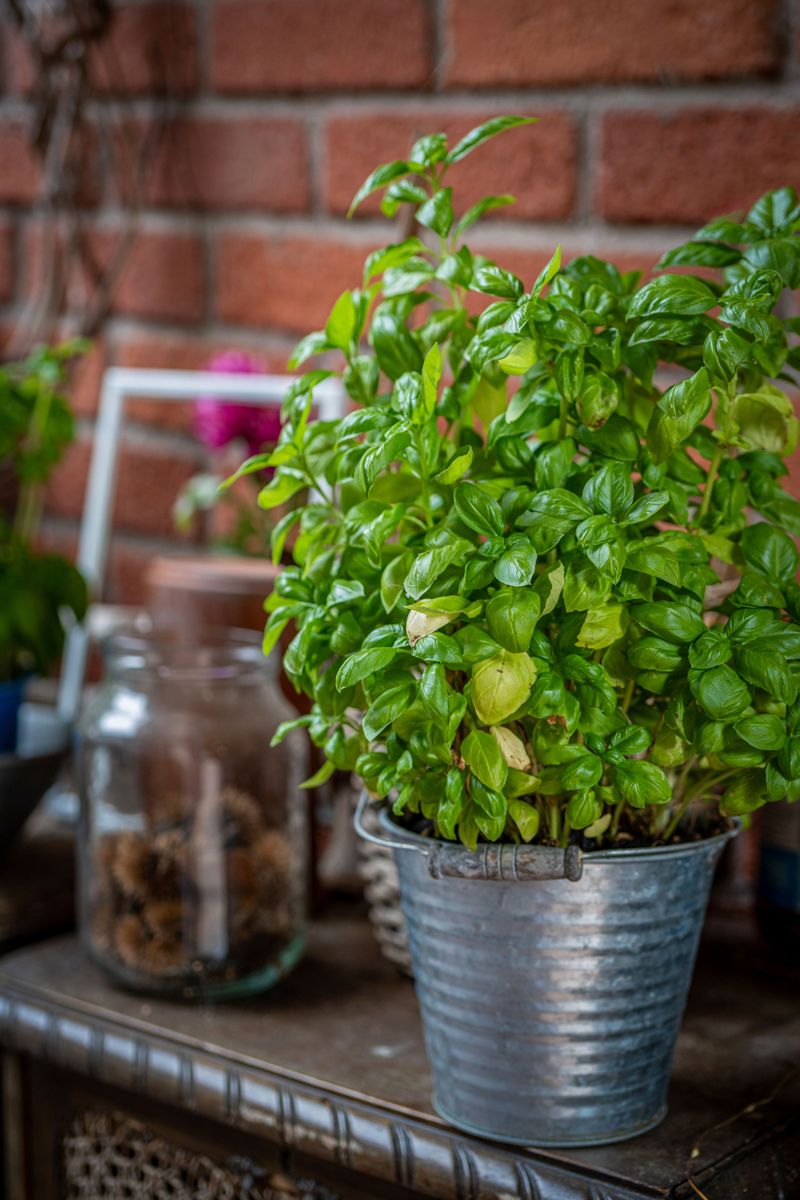
Basil is the quintessential summer herb, and it has strong opinions about temperature. Below 50 degrees, it sulks. Above 70 degrees, it takes off with growth.
August in Ohio gives basil exactly what it craves: long, hot days with plenty of light. Container growing keeps the roots warm and protected from any cool ground temperatures.
Choose a pot at least twelve inches deep for basil. Deep roots mean a more stable, productive plant that handles heat spikes without wilting dramatically between waterings.
Water basil consistently, and keep it from sitting in standing water. Morning watering works best because it keeps the leaves dry overnight, which reduces the chance of fungal issues.
Pinch off flower buds the moment you see them. Once basil bolts and goes to seed, the leaves turn bitter and the plant shifts all energy to reproduction instead of leaf growth.
Genovese basil is the classic choice for cooking. Thai basil handles heat especially well and adds a slightly anise-flavored twist to stir-fries and summer noodle dishes.
Place the container in a spot that gets morning sun and some afternoon shade. This setup keeps the plant thriving even on the most brutal August afternoons.
Fresh basil makes everything better, from caprese salads to homemade pesto. A single container plant can produce enough leaves to keep your kitchen stocked for weeks.
Basil is a true champion of the container garden, peaking right when summer is at its most intense.
5. Lavender
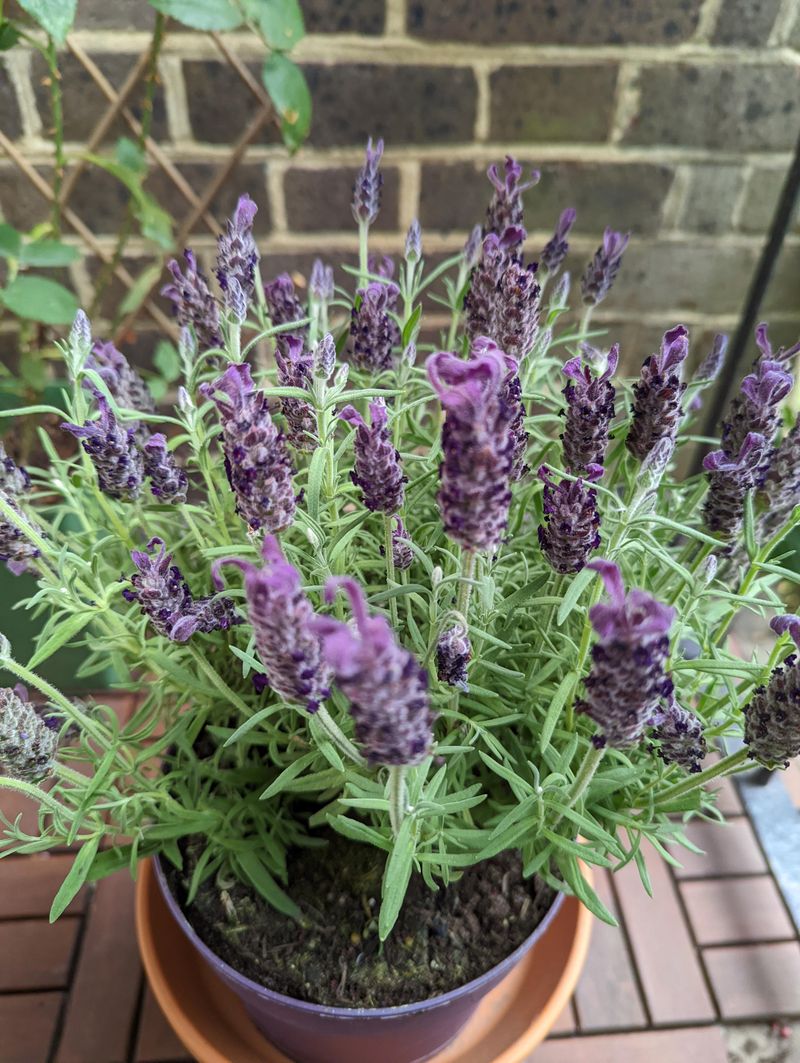
Lavender is the herb that makes people stop walking and just breathe. The scent is calming, the look is stunning, and the plant is surprisingly tough in August heat.
Most people assume lavender needs a big garden bed to flourish. Containers actually work better in Ohio because they provide the sharp drainage this plant demands to stay healthy.
Spanish and French lavender varieties handle humidity better than English types. In a muggy Ohio August, choosing the right variety makes a noticeable difference in plant performance.
Use a mix of potting soil and coarse sand or perlite to create the fast-draining environment lavender needs. Heavy, moisture-retaining soil is the quickest path to root rot.
Full sun is essential, at least eight hours per day. Lavender planted in partial shade tends to stretch, flop, and produce fewer of those gorgeous purple flower spikes.
Water deeply but infrequently. Let the soil dry out almost completely between waterings, and your plant will reward you with strong roots and continuous blooms through late summer.
Container placement matters more than most gardeners realize. Set the pot against a south-facing wall to capture maximum reflected heat and light throughout the day.
Harvest flower spikes just before they fully open for the strongest fragrance. Dried lavender bundles from your own container plant make incredibly thoughtful handmade gifts for friends and family.
Lavender turns any container lineup into something worth showing off, blooming boldly through the season.
6. Sage
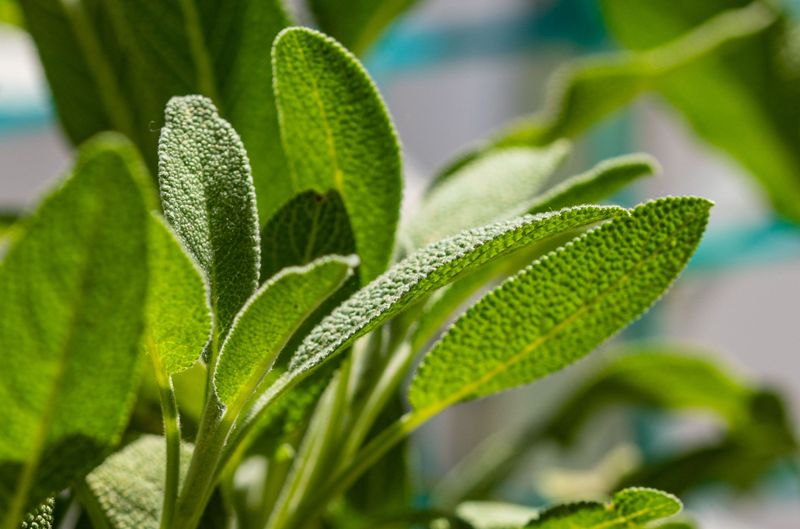
Sage has a certain old-fashioned confidence about it. This is not a trendy plant chasing attention, it is a workhorse herb that delivers incredible flavor without asking much in return.
August heat suits sage perfectly because it mimics the dry, sun-baked hillsides of southern Europe where the plant originally evolved. Containers let you recreate those conditions right on your porch.
Use a well-draining potting mix and choose a pot with multiple drainage holes. Sage roots need air as much as water, and compacted, soggy soil will bring the plant down fast.
Six to eight hours of full sun per day keeps sage producing those beautiful, velvety leaves. Less light means less flavor and a plant that stretches awkwardly toward whatever light it can find.
Water sage sparingly during peak summer heat. Once established in a container, it can handle several days without water and actually prefers that kind of dry cycle.
Harvest regularly to prevent the plant from going woody too quickly. Cut stems back by about a third, always snipping just above a set of healthy leaves.
Purple sage and golden sage are beautiful ornamental options that taste just as good as common sage. They add serious visual interest to a container garden lineup.
Crispy fried sage leaves in brown butter are one of the simplest and most elegant garnishes in home cooking. One container plant can fuel weeks of kitchen creativity.
Sage stands tall as one of the most rewarding plants a container garden can hold this time of year.
7. Mint
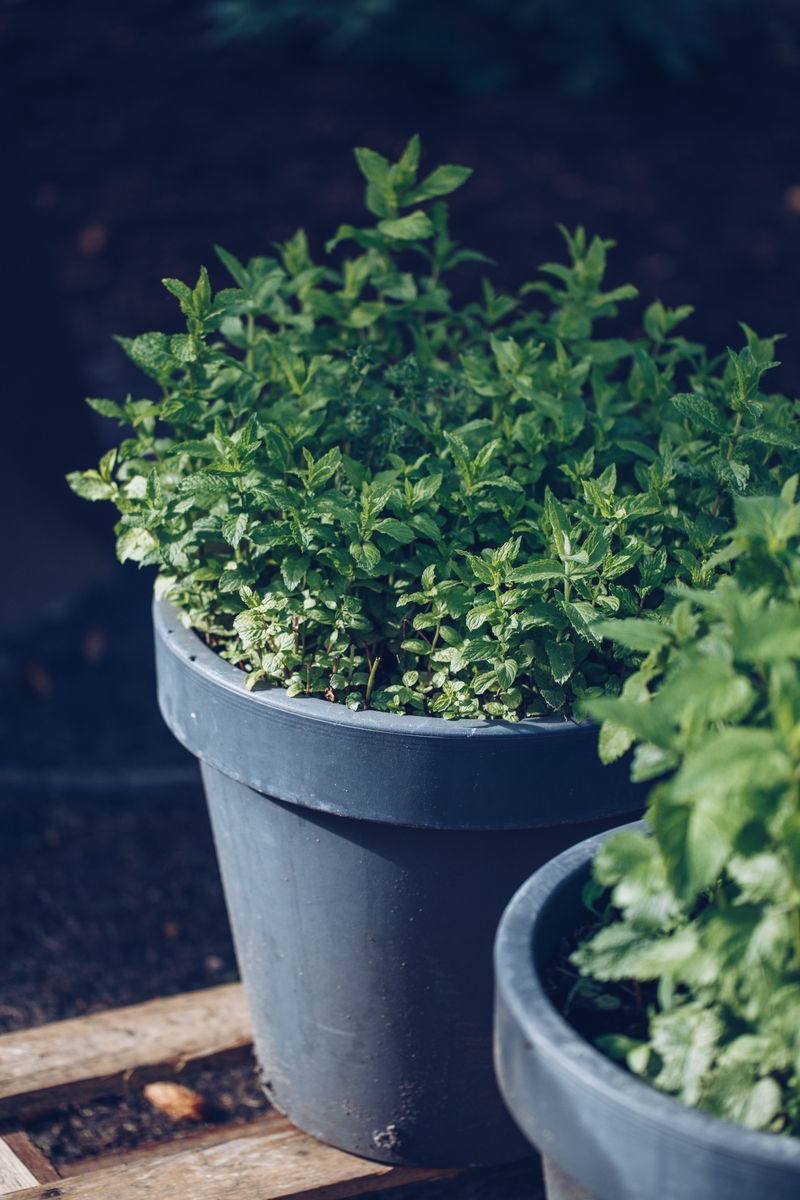
Mint is the herb world’s enthusiastic overachiever, and it truly needs to be grown in a container. Plant it in the ground and it will take over your entire yard within a season.
A pot is not just a suggestion for mint, it is a requirement. Containment keeps the aggressive root system in check while still allowing the plant to grow with impressive speed and vigor.
August heat actually pushes mint to produce more aromatic oils in its leaves. The hotter the days, the more fragrant and flavorful your harvest will be throughout the month.
Spearmint and peppermint are the most common choices for home growers. Chocolate mint and apple mint are fun alternatives that add unexpected flavor twists to summer drinks and desserts.
Mint loves moisture more than most heat-tolerant herbs. Water it consistently and keep the soil evenly moist, but make sure the container drains well to prevent root problems.
Partial shade in the afternoon helps mint stay lush during the most intense August heat. A spot with morning sun and filtered afternoon light produces the most flavorful leaves.
Harvest aggressively to keep the plant from flowering. Once mint blooms, the leaves lose some of their signature punch and the plant begins to slow down its leaf production.
Fresh mint in cold water, iced tea, or a sparkling summer lemonade is one of life’s simple pleasures. A single pot can produce enough to keep your drinks and desserts stocked all month long.
Mint proves a container plant can be both practical and wildly refreshing at the same time.
8. Lemongrass
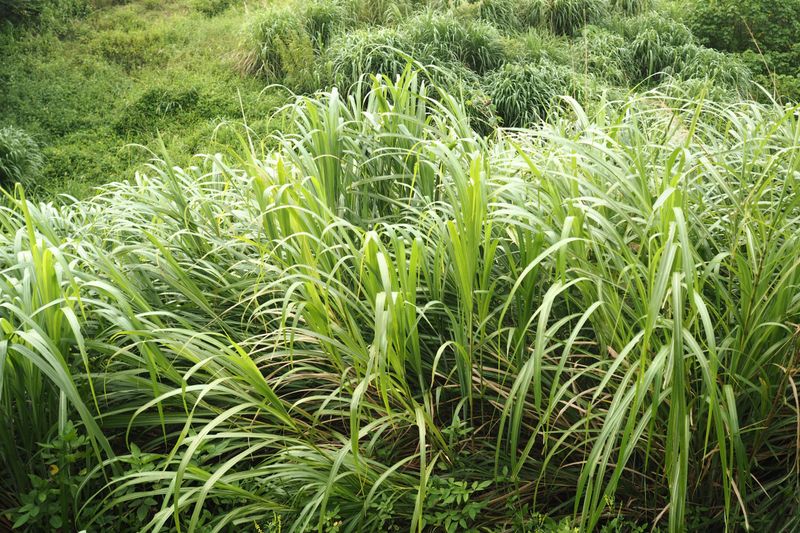
Lemongrass is the tropical showstopper that most Ohio gardeners have not tried yet. Tall, architectural, and incredibly fragrant, it transforms a plain patio into something that feels almost exotic.
August is lemongrass season, full stop. The heat, the humidity, the long days of sunlight, all of it lines up perfectly with what this plant needs to grow its best.
Choose a large container, at least fourteen inches wide and deep. Lemongrass grows in dense clumps and needs room to spread its roots before it will put up those impressive tall stalks.
Full sun is a must, at least eight hours per day. Lemongrass planted in shade will grow slowly, produce weak stalks, and miss out on developing its signature citrusy scent and flavor.
Water deeply and consistently during the hottest weeks of August. The soil should stay evenly moist but never waterlogged, so a container with solid drainage holes is non-negotiable.
Feed lemongrass with a balanced liquid fertilizer every two to three weeks during the growing season. This plant is a heavy feeder and rewards extra nutrition with rapid, lush growth.
Harvest stalks by cutting them at the base once they reach about a half-inch in diameter. The lower, pale portion of the stalk is where all the flavor lives for cooking.
Use fresh lemongrass in Thai soups, marinades, and herbal teas for a bright, citrusy lift. The fragrance alone makes this one of the most enjoyable container plants to tend all summer. Lemongrass closes out the lineup with bold flavor and tropical flair.