The Bermuda Grass Mowing Mistake Every Florida Homeowner Makes In Summer Heat
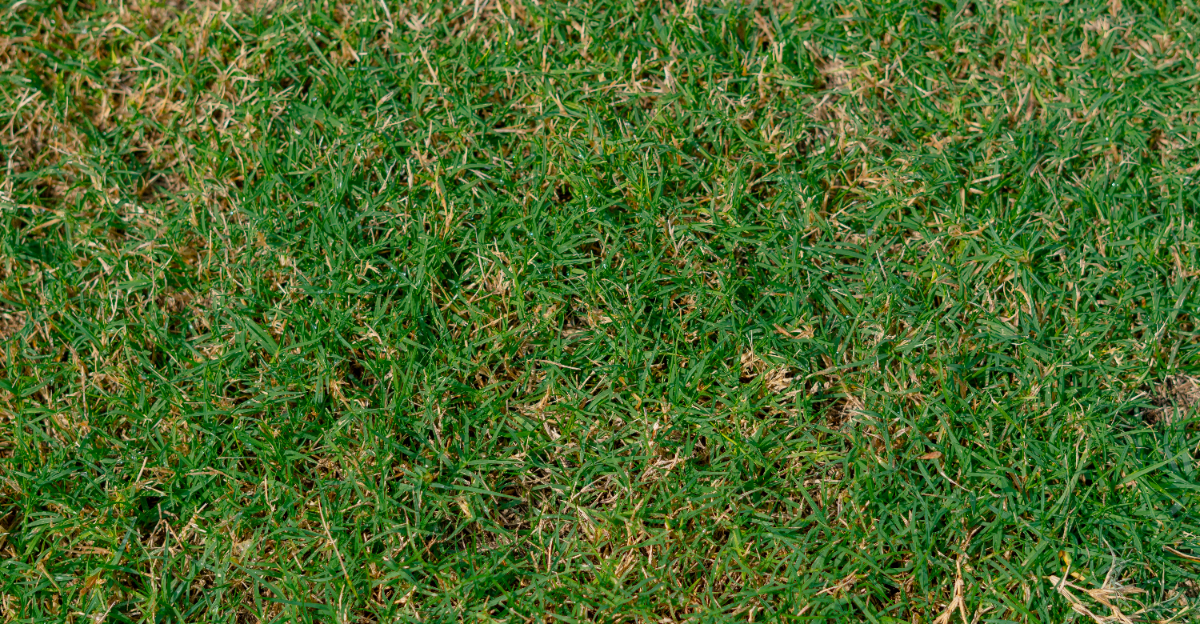
Every summer, Florida homeowners make the same Bermuda grass mistake, and their lawn pays for it by August. Heat pushes people toward one instinct: mow shorter and mow less often, hoping less grass means less work in brutal temperatures.
Bermuda grass does the opposite of what that logic expects. Cut too low during peak heat and you strip away the shade the grass needs to protect its own root zone, leaving soil exposed to scorching sun and roots stressed right when they need protection most.
Weeds notice the opening immediately. Bare, sunbaked patches invite crabgrass and other invaders that a properly grown lawn would have crowded out on its own.
One mowing height adjustment changes that entire equation. Get it right this summer, and your Bermuda grass holds its color and density through the worst heat instead of thinning out as the season peaks.
1. Stop Cutting Bermuda Grass Like A Putting Green
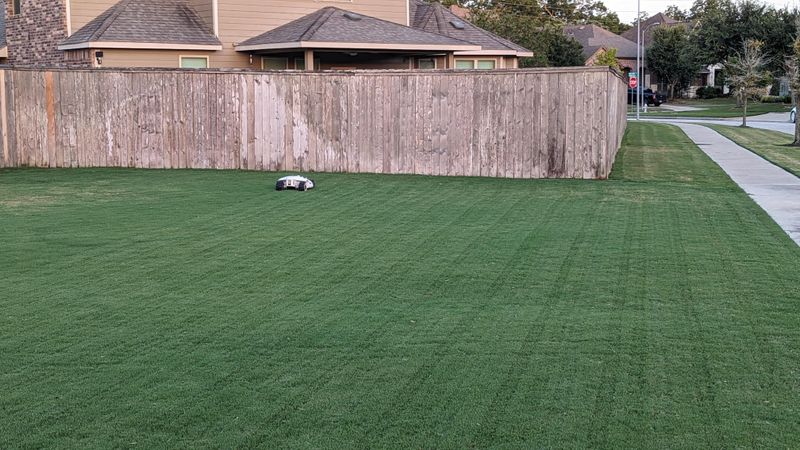
A lawn that looks like a golf course fairway from the curb is hard to resist. Many homeowners lower the mower deck chasing that tight, manicured look, and Bermuda grass does have a reputation for tolerating short cuts.
But there is a wide gap between what professional turf managers do on a putting green and what a typical residential lawn can handle.
Golf greens use specific dwarf Bermuda cultivars bred for ultra-low mowing. They also receive daily maintenance, precise irrigation, and specialized equipment.
Most home lawns grow common Bermuda or hybrid varieties that perform best at moderate heights. Dropping the blade too low removes leaf tissue the plant needs to capture sunlight and fuel new growth.
UF/IFAS notes that common Bermuda grass needs enough leaf surface for recovery. The ideal height depends on the cultivar, equipment, and level of maintenance.
Chasing a putting-green look without the matching management program can leave a home lawn thin and struggling. The goal is not to let grass grow uncontrolled.
The goal is choosing a height that fits what the turf and the homeowner can realistically support throughout the summer season.
2. Short Mowing Leaves Roots Struggling Below
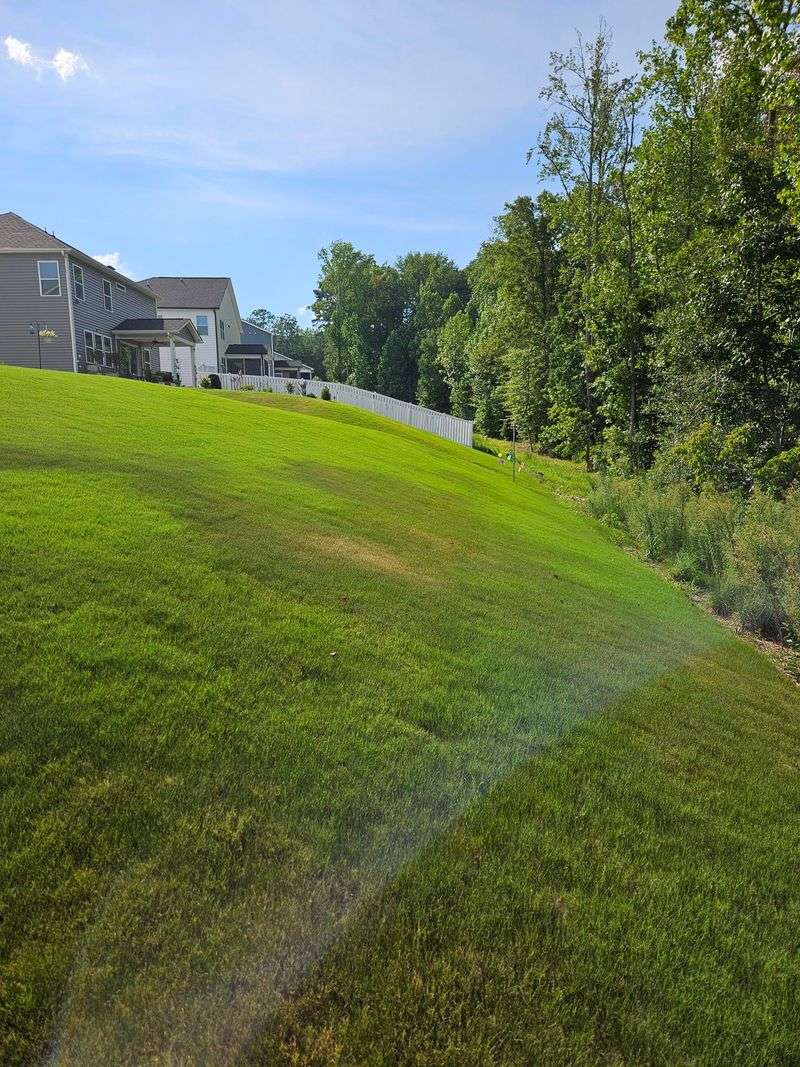
A hot afternoon after a low mowing day can reveal something the sidewalk view never shows. Beneath the surface, the grass plant depends on its leaves to run photosynthesis and send energy downward.
When too much leaf tissue gets removed at once, that energy supply gets interrupted.
Turfgrass research links leaf area with recovery ability. Bermuda grass with enough leaf surface handles heat, foot traffic, and short dry periods better than repeatedly over-trimmed turf.
Removing too much blade tissue during a single mow does not always cause immediate visible damage. The bigger concern is repeated stress over weeks or months.
UF/IFAS turfgrass guidance explains that warm-season grasses like Bermuda rely on active leaf tissue to maintain vigor during the growing season.
A lawn with too little leaf area may show slow recovery, thin density, or increased vulnerability during periods of high temperature or reduced rainfall.
Roots do not operate in isolation from the canopy above them. The two systems support each other.
Your Florida Garden Changes Every Week. Your Plan Should Too.
Gardening in Florida changes quickly throughout the season. Every Friday you’ll receive a simple weekly plan showing exactly what to plant, prune, fertilize, harvest, and protect so you never miss the right timing.
Cutting too low without extra management can stress the plant during Florida summers. Keeping enough leaf tissue helps maintain a dense, resilient lawn.
3. Raise The Blade Before Summer Stress Hits
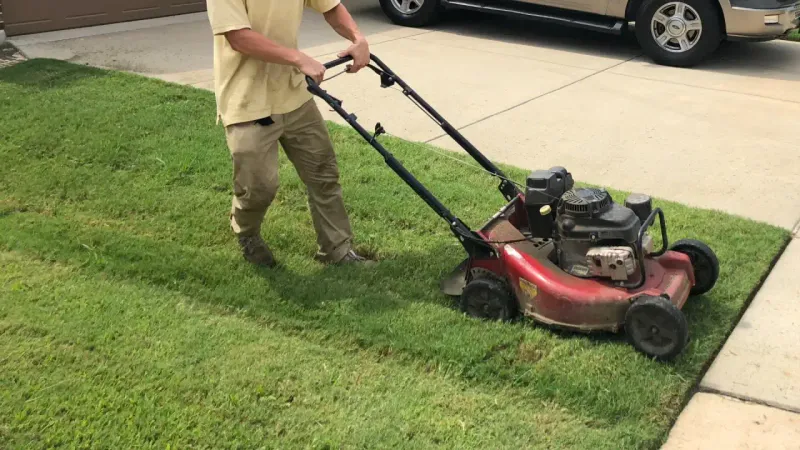
A mower blade set too low heading into July is a setup for a rough couple of months. Adjusting mowing height before peak summer conditions arrive gives Bermuda grass a better chance to handle the heat without losing density or color.
Gradual changes work better than sudden dramatic shifts.
Raising the deck by a small increment allows the turf to adapt without shock. Jumping from an extremely low setting to a much taller one in a single week can cause its own problems, including uneven growth and a thatchy appearance.
The transition should be steady, matching the turf’s natural growth rate during the warming season.
UF/IFAS recommends that homeowners consider the specific Bermuda cultivar they are growing when deciding on mowing height. Common Bermuda grass and hybrid varieties do not all perform the same at identical heights.
A height that works well for one variety may not suit another. Maintain enough leaf surface so the plant can handle high temperatures, lower soil moisture, and summer stress.
More leaf area does not mean an unkempt lawn. A lawn mowed at the right height for its cultivar and conditions can still look sharp while having what it needs to stay strong through the hottest part of the year.
4. Follow The One Third Mowing Rule
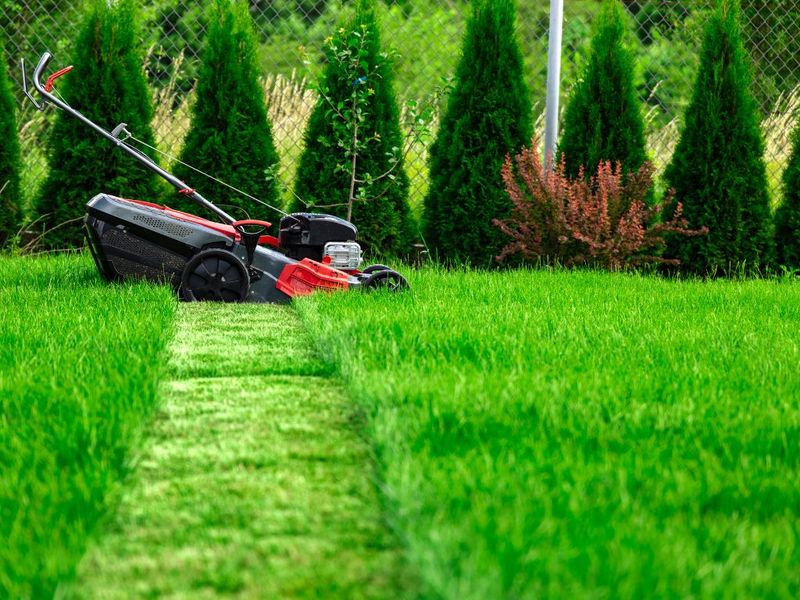
Turfgrass specialists repeat one guideline more than almost any other, and it applies directly to summer mowing. Never remove more than roughly one-third of the grass blade during a single mowing session.
Cutting beyond that threshold forces the plant into recovery mode at a time when summer heat is already demanding more from it.
Here is a practical way to think about it. If a homeowner wants to maintain Bermuda grass at two inches, they should mow before it reaches three inches.
Waiting until the grass is significantly taller and then cutting it back hard is exactly the kind of single-event stress the one-third rule is designed to prevent. Scalping a lawn that has gotten away from a regular schedule is a common version of this mistake.
The University of Florida IFAS Extension reinforces the one-third rule as a core turfgrass management principle. Removing too much at once reduces the leaf area available for photosynthesis and can temporarily slow recovery.
During summer, when the turf is already managing heat and potential moisture fluctuation, that slowdown matters more than it would in milder conditions. Following this rule consistently also helps homeowners avoid the cycle of neglecting mowing and then cutting aggressively to compensate.
Steady, moderate mowing sessions keep the turf balanced and reduce the chance of visible damage or thin patches developing in high-traffic areas.
5. Let Taller Grass Shade The Soil
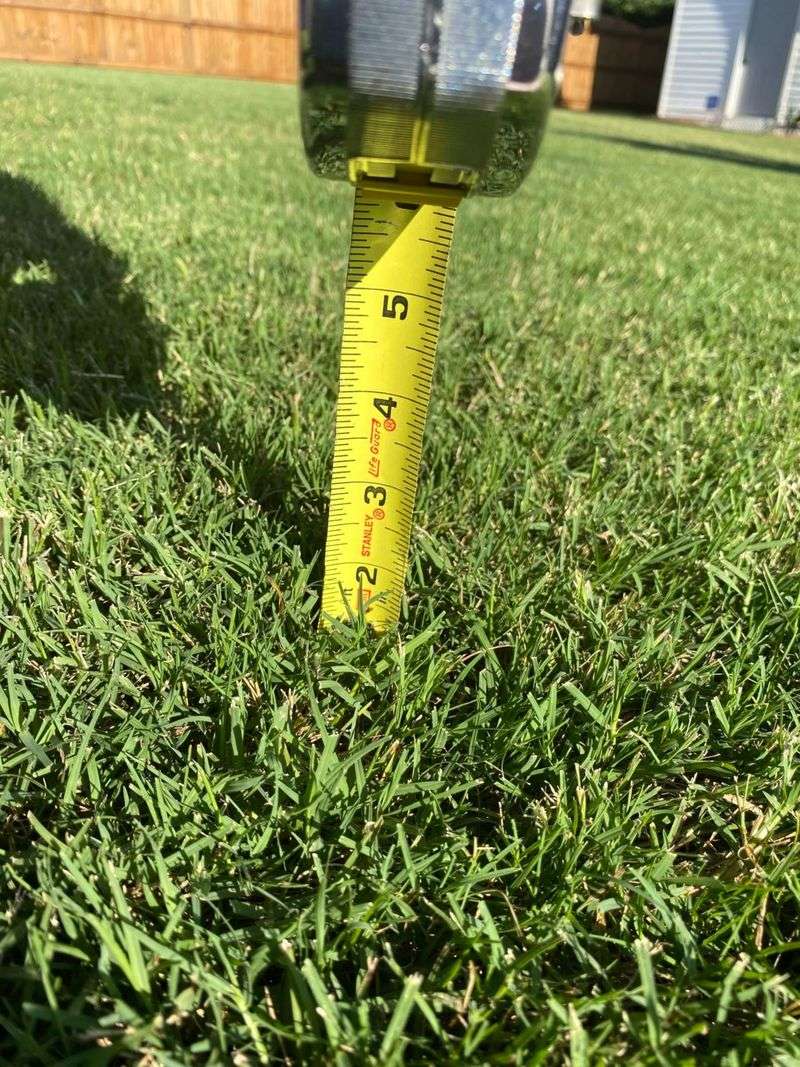
Soil temperature matters more than most homeowners realize during a Florida summer. When Bermuda grass is mowed very short, more of the soil surface gets exposed to direct sun.
That exposure can raise ground-level temperatures and increase the rate at which moisture evaporates from the upper soil layer.
Maintaining a bit more leaf surface creates a natural canopy effect at ground level. The grass blades shade the soil beneath them, which can help moderate temperature and slow moisture loss between irrigation cycles.
Scalped turf leaves bare or nearly bare soil patches that absorb and radiate heat more intensely. Those patches also tend to be entry points for weeds, which compete with recovering Bermuda grass for water and nutrients.
UF/IFAS Florida-Friendly Landscaping principles note that proper mowing height supports a healthier turf microenvironment. This does not mean taller grass eliminates the need for irrigation or prevents all heat-related stress.
Bermuda grass still needs consistent moisture management regardless of mowing height. The point is that mowing decisions affect conditions at the soil surface, not just the appearance of the lawn from above.
Keeping turf at the correct height for its cultivar gives the soil some protection from intense summer heat. This helps during Florida’s hottest months.
6. Sharp Blades Prevent Hidden Summer Damage
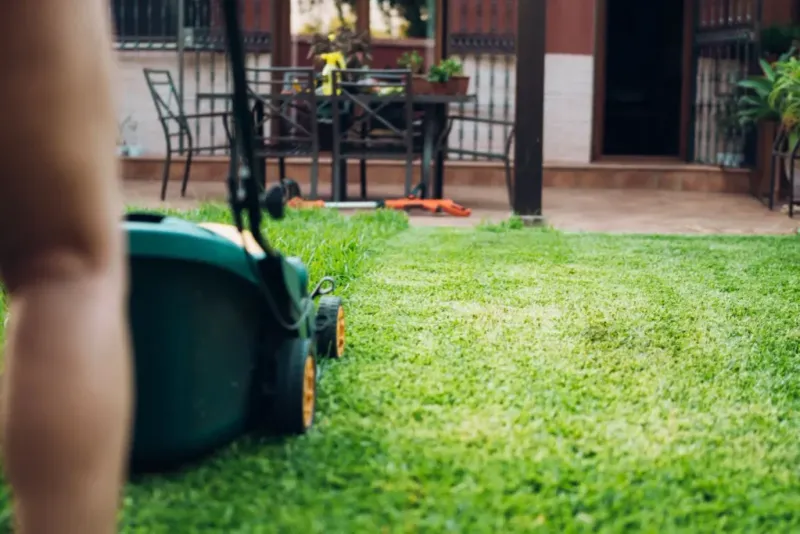
A dull mower blade does not cut grass. It tears it.
The difference is visible under magnification, but the effects show up on the lawn without a microscope.
Ragged, frayed grass tips turn tan or white within a day or two after mowing, giving the lawn a dull, washed-out appearance even when the turf underneath is healthy.
Beyond appearance, torn leaf tissue takes longer to heal than a clean cut. During summer, when Bermuda grass is working hard to maintain density and color, slower recovery from mowing adds unnecessary load.
UF/IFAS turfgrass guidance supports keeping mower blades sharp as a standard part of equipment maintenance. A blade that is sharpened regularly produces cleaner cuts and puts less mechanical stress on the plant with each pass.
Homeowners should inspect mower blades at least a few times during the active growing season. A blade that strikes rocks, roots, or hard soil edges can lose its edge quickly.
Running a hand carefully along the blade edge after cleaning the mower can reveal nicks and dullness before they affect the whole lawn. Sharpening frequency depends on lawn size, how often the mower runs, and what obstacles the blade encounters.
Keeping the blade balanced after sharpening is also important. An unbalanced blade vibrates during mowing and can affect cut quality across the entire mowing path.
7. Change Your Mowing Schedule During Heat
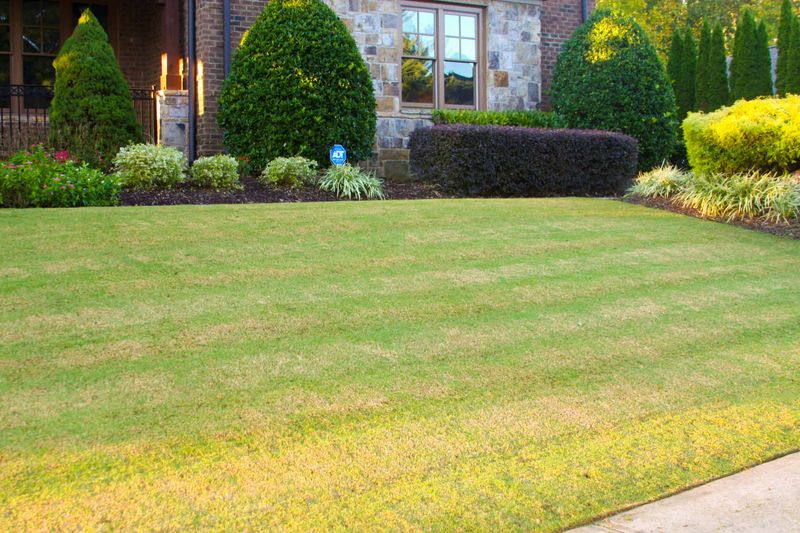
A missed mowing week after heavy summer rain can leave Bermuda grass significantly taller than expected. Growth rates during Florida summers are not constant.
Rainfall, irrigation, temperature swings, and fertilization all influence how fast the turf puts on new growth. Mowing on a rigid calendar without checking actual growth can lead to exactly the kind of over-removal the one-third rule warns against.
During peak summer heat, mowing frequency should follow the turf, not the week. If Bermuda grass is growing quickly after rain and fertilization, it may need more frequent cuts to stay within the one-third guideline.
If growth slows during a dry stretch or a heat spike, mowing less often may be appropriate. Mowing on wet turf can lead to uneven cuts and clumping, so waiting until the grass surface dries out is generally better practice.
UF/IFAS turfgrass resources advise against mowing during the hottest part of the day when heat stress on both the turf and the person mowing is highest. Early morning or late afternoon mowing is generally more practical during summer months.
Adapting the schedule to real conditions rather than a fixed routine helps homeowners stay within healthy mowing parameters.
A lawn that gets mowed at the right time, under the right conditions, and at the right frequency handles summer far better than one managed by the calendar alone.
8. Build A Bermuda Lawn That Handles Summer
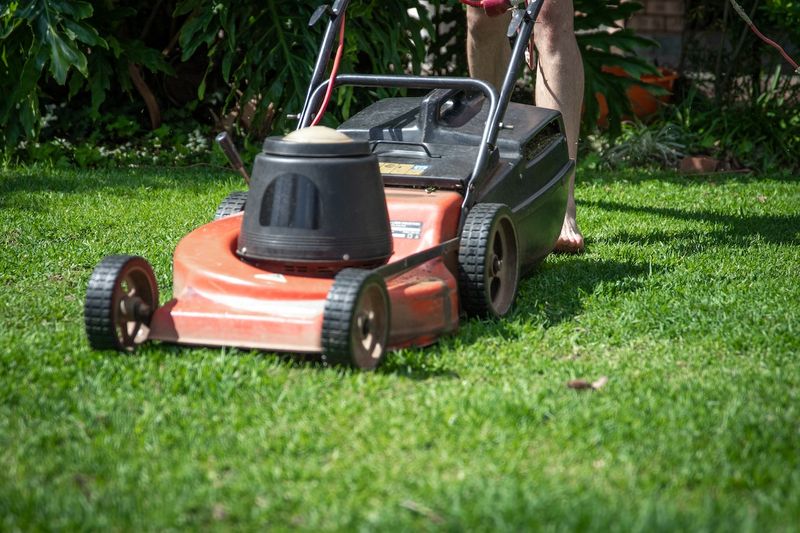
A summer Bermuda lawn that stays dense, recovers quickly, and holds its color does not happen by accident. It comes from layering consistent habits rather than relying on any single practice.
Mowing height, the one-third rule, sharp blades, mowing timing, and observation all work together. None of them alone determines how well the turf performs through the hottest months.
Irrigation and fertility play supporting roles. Watering deeply and infrequently encourages deeper root development.
Fertilizing according to UF/IFAS recommendations for Bermuda grass, rather than guessing or over-applying, keeps the turf growing at a manageable rate. Excess nitrogen can cause overly rapid growth.
This makes it harder to follow the one-third mowing rule and may increase thatch buildup.
UF/IFAS Extension recommends that Florida homeowners consult local extension resources for guidance specific to their Bermuda cultivar and county.
Bermuda grass varieties differ in their ideal mowing height, drought tolerance, and response to summer management.
What works well for one neighborhood lawn may not be the right approach for a different cultivar a few streets over. The takeaway is straightforward.
A summer Bermuda lawn does not need the shortest cut possible. It needs the right cut, applied consistently, with equipment that is properly maintained and a schedule that responds to real growing conditions rather than habit or assumption.