What Yellowing Crape Myrtle Leaves In North Carolina Are Really Telling You This Late In Summer
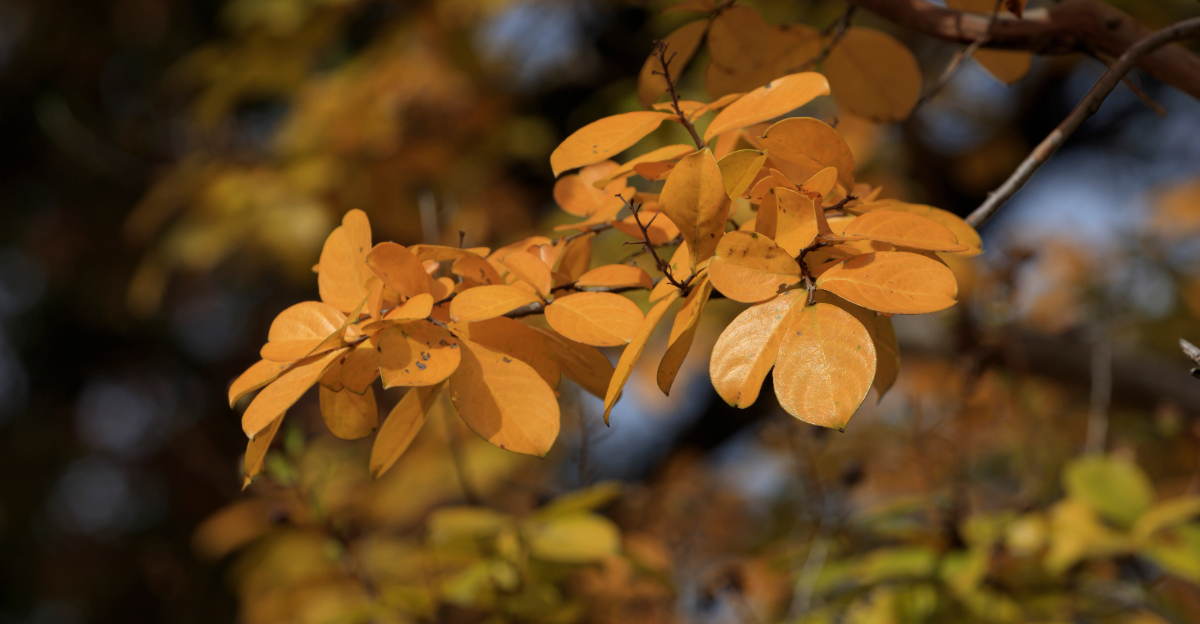
Yellowing crape myrtle leaves late in summer often confuse North Carolina gardeners, though the cause isn’t always cause for concern. Natural aging is common this time of year, as older leaves lose chlorophyll before the plant eventually drops them in fall.
Prolonged heat and inconsistent watering can also trigger yellowing, especially in plants growing in full sun all day long. Nutrient deficiencies, particularly nitrogen, may show up as yellowing that spreads evenly across older leaves first.
Powdery mildew, a common issue in humid conditions, can cause yellowing paired with a dusty white coating on leaf surfaces. Checking whether yellowing is isolated or spreading quickly helps determine whether action is needed.
Consistent watering during dry spells supports overall plant health through the rest of summer. In many cases, this yellowing simply signals the tree preparing for its seasonal transition.
1. Dark Spots With Yellow Leaves Point To Cercospora
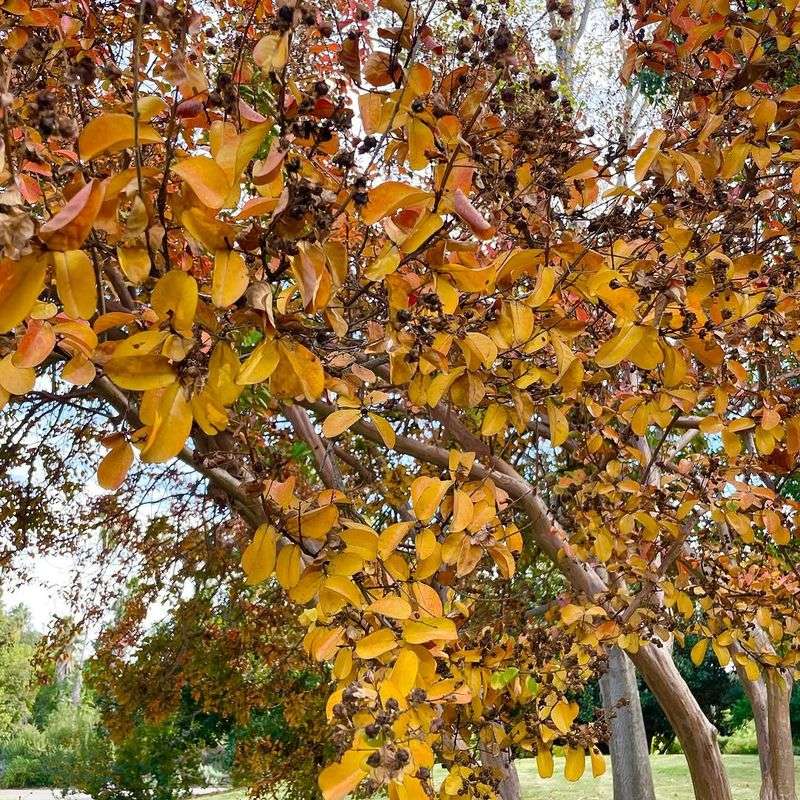
Something sneaky is happening when you notice both yellow leaves and tiny dark spots appearing on your crape myrtle at the same time.
That combination is one of the strongest clues pointing toward Cercospora leaf spot, a fungal disease that affects crape myrtles across North Carolina, especially during warm and humid late summer conditions.
The spots themselves start small and may appear yellow, brown, reddish, or purple depending on how far along the infection has progressed.
Older leaves in the lower part of the canopy tend to show symptoms first. From there, the disease works its way upward through the tree.
One of the most telling signs is premature leaf drop, meaning leaves fall well before autumn color season should begin.
If you notice a steady carpet of spotted leaves collecting beneath your tree in August or early September, Cercospora is worth suspecting.
Warm temperatures combined with extended leaf wetness create perfect conditions for this fungus to spread. Overhead irrigation, crowded planting, and poor airflow all make things worse.
Gathering and removing fallen leaves regularly helps reduce the source of future spread. Improving air circulation around the canopy is also a smart move.
Avoid wetting the foliage when you water, and focus moisture at the root zone instead.
Before reaching for any product at the garden center, confirm your diagnosis through your local North Carolina Cooperative Extension office to make sure you are treating the right problem with the right tool at the right time.
2. Yellow Leaves Without Spots May Signal Dry Soil
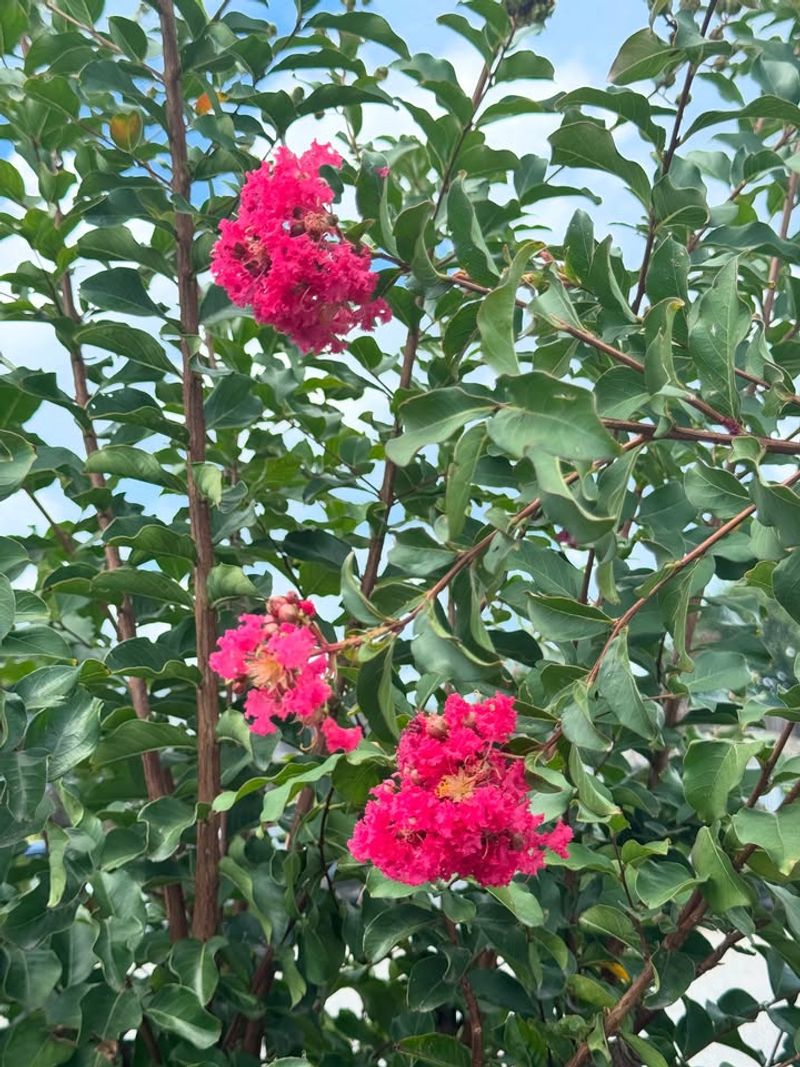
North Carolina summers can be brutal, and crape myrtles planted near pavement or in full reflected heat sometimes struggle more than people expect.
When yellow leaves appear without any spots, webbing, sticky residue, or powdery coating, dry soil moves right to the top of the suspect list.
Heat and inconsistent rainfall put serious pressure on roots, and when the soil dries out too deeply, the tree simply cannot replace water fast enough to keep up with what the canopy loses on hot afternoons.
Watch for a few extra clues alongside the yellowing. Leaf edges that curl inward, foliage that looks dull rather than glossy, and slight wilting during the hottest part of the day all point toward moisture stress.
Your North Carolina Garden Changes Every Week. Your Plan Should Too.
Gardening in North Carolina changes quickly throughout the season. Every Friday you’ll receive a simple weekly plan showing exactly what to plant, prune, fertilize, harvest, and protect so you never miss the right timing.
Dig down several inches near the outer edge of the root zone and feel the soil. If it feels dry and powdery well below the surface, the tree is likely not getting enough water to stay comfortable.
Established crape myrtles are reasonably tough and can handle short dry spells, but extended heat with no rain wears them down. The fix is slow, deep watering spread across the full root area rather than quick sprinkling near the trunk.
Soaker hoses or a slow trickle from a garden hose moved around the drip line works much better than a few minutes of sprinkler time.
Yellowing tends to concentrate on older leaves first, so catching the pattern early gives you a real head start on turning things around before the tree drops more foliage than necessary.
3. Wet Soil Can Produce Similar Yellowing
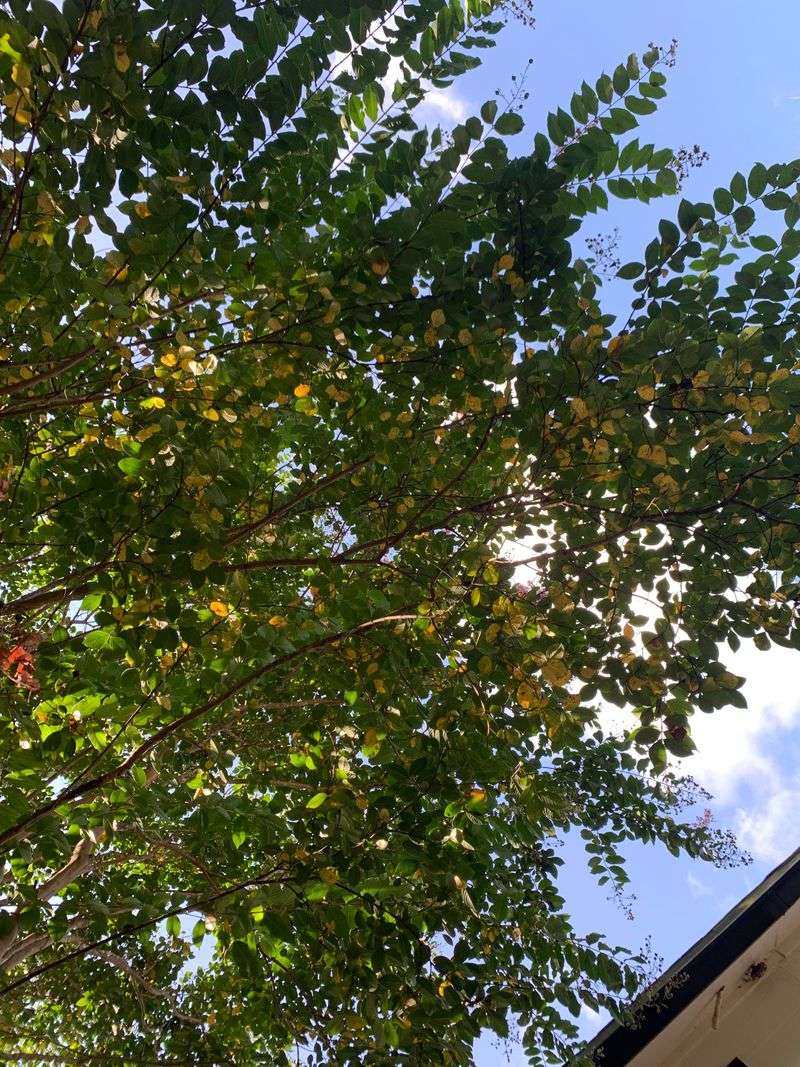
Here is something that surprises a lot of gardeners: too much water can cause yellowing that looks almost identical to drought stress.
North Carolina is no stranger to heavy summer storms that dump several inches of rain in a single afternoon, and if your soil does not drain well, that moisture just sits around the roots far longer than it should.
Compacted clay soils, low planting areas, and spots where water naturally collects are the most common trouble zones.
Saturated soil pushes oxygen out of the root zone, and roots need oxygen just as much as they need water. When roots struggle to function properly, the canopy starts showing it through pale, yellow, or wilted foliage.
The tricky part is that the wilting and yellowing look very similar to what you see during a drought, so gardeners sometimes add more water and accidentally make the situation worse.
If the soil feels wet and soggy several inches down and the tree still looks stressed, excess moisture is likely the culprit rather than the cure.
Soil piled too deeply around the trunk is another problem worth checking. A buried trunk flare traps moisture against the bark and creates stress over time.
Keep the base of the trunk visible above the soil line at all times. Before you water again, press your finger several inches into the soil and check what you find.
Good drainage is the real solution here, and sometimes that means improving the planting area or redirecting downspouts that send runoff straight toward your crape myrtle.
4. Sticky Leaves Reveal Crape Myrtle Aphids
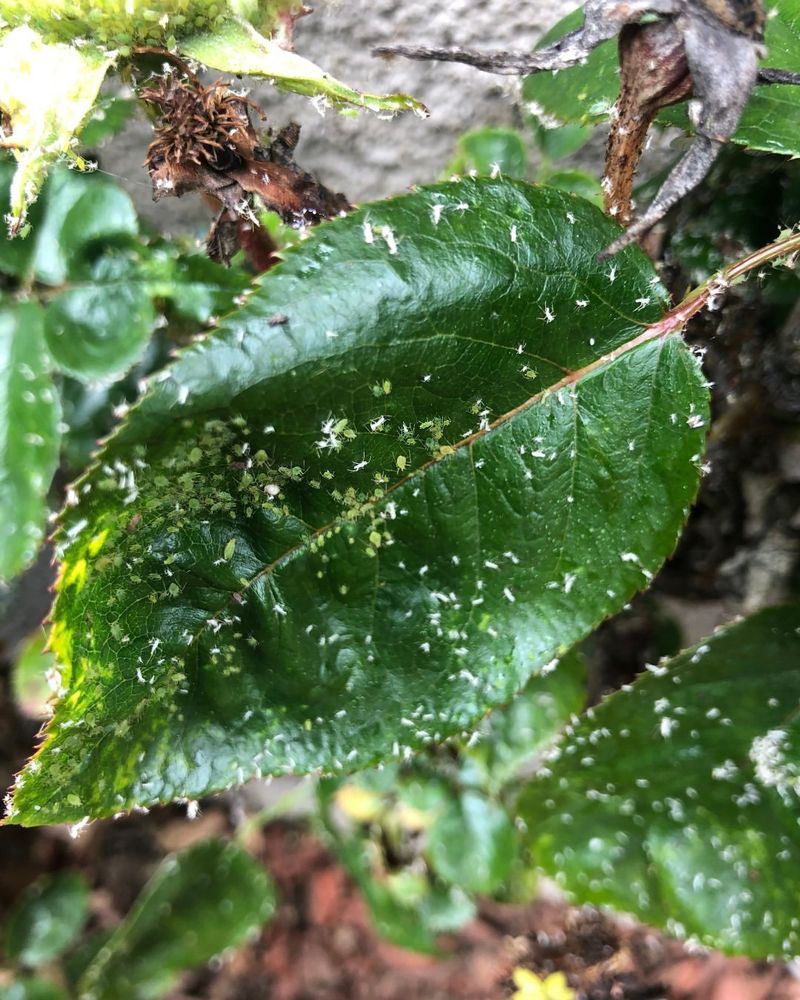
Run your hand along a few lower branches and then check your fingers. If they feel sticky, you may have just found your answer.
Crape myrtle aphids are small, pale yellow-green insects that cluster on the undersides of leaves and feed by drawing sap from the plant.
They are active through much of the summer in North Carolina, and a large enough population can weaken foliage and cause leaves to look pale, distorted, or prematurely yellow.
The sticky substance you feel is honeydew, a sugary liquid the aphids produce as they feed. Honeydew drips onto lower leaves and surfaces below the tree, and a black fungal coating called sooty mold grows right on top of it.
The mold itself does not attack the leaf directly, but a thick enough coating blocks sunlight and makes the tree look much sicker than it actually is.
Ants traveling up and down the trunk are another giveaway since they are drawn to the honeydew and will actually protect aphid colonies from predators to keep the supply going.
Before spraying anything, take a careful look at the undersides of several branches throughout the canopy. Beneficial insects like lady beetles and lacewings are natural aphid predators, and they often show up right alongside a heavy infestation.
Giving them time to work can bring populations down without any outside help. A strong spray of water from a garden hose can also knock aphids off leaves effectively.
Confirm the pest clearly before choosing any labeled product so you protect the helpful insects already working in your favor.
5. White Bark Coverings Suggest Crape Myrtle Bark Scale
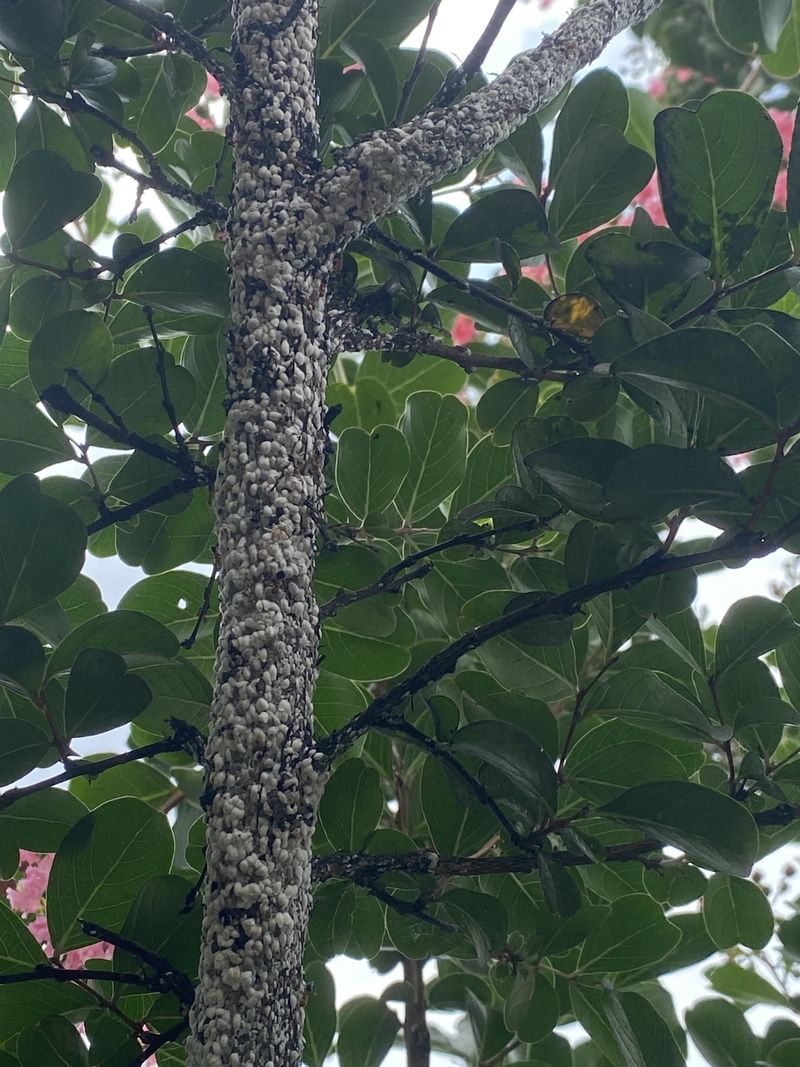
Crape myrtle bark scale has spread steadily across North Carolina over the past several years, and it brings a very recognizable set of clues. Look closely at the trunks, main branches, and even smaller twigs.
If you see white or grayish felt-like bumps attached directly to the bark, you are most likely looking at this pest.
A gentle press on one of the white coverings may release a pink or reddish liquid, which is another strong confirming sign specific to this scale insect.
The damage shows up on the leaves because bark scale produces large amounts of honeydew, just like aphids do. That honeydew coats the bark, branches, and foliage, and sooty mold follows right behind it.
Trees with heavy infestations can become almost entirely black in appearance, which is striking and alarming to see for the first time.
Beyond the cosmetic issue, the constant feeding weakens the tree over time, reducing its vigor and cutting back on flower production, which is one of the main reasons people grow crape myrtles in the first place.
Reaching out to your county Cooperative Extension office before treating is genuinely worthwhile here. Treatment timing matters a great deal with bark scale, and the approach that works best depends on the time of year and the severity of the infestation.
Scrubbing accessible areas of bark with a soft brush and soapy water during the dormant season can reduce populations.
Following current North Carolina guidance gives you the best chance of actually solving the problem rather than just managing it temporarily.
6. White Powder With Yellowing Points To Mildew
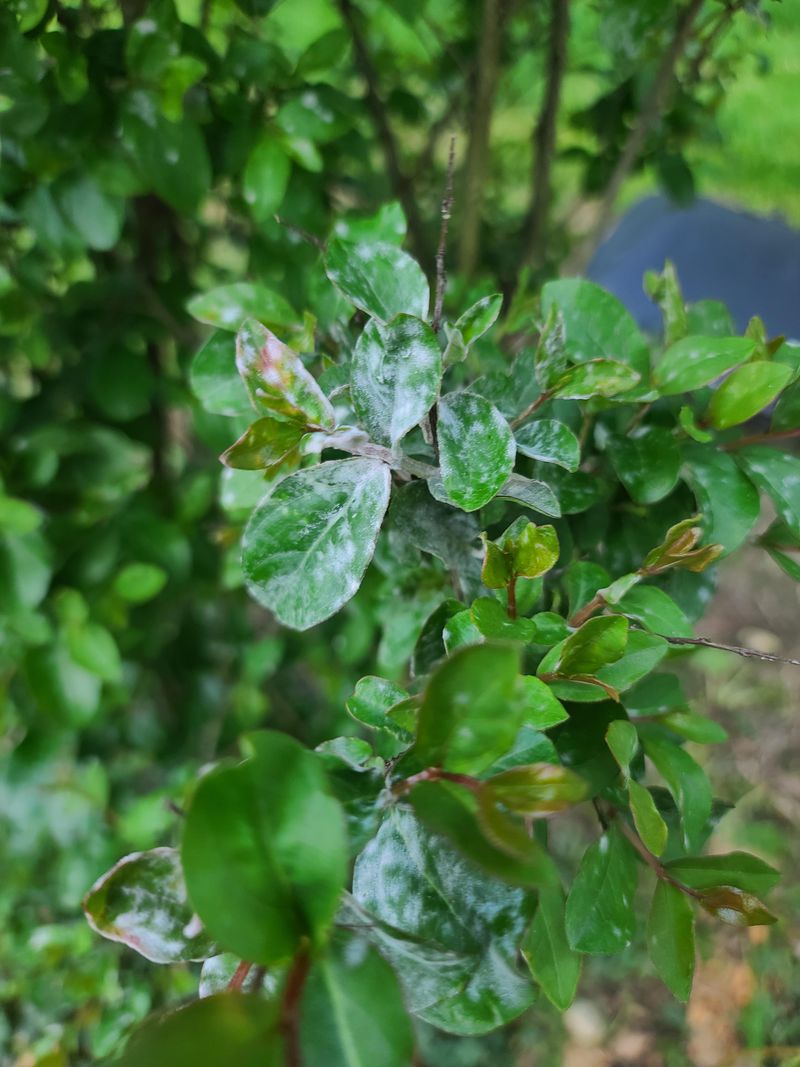
Powdery mildew has a look that is hard to mistake once you have seen it. A white or grayish powdery coating spreads across leaves, tender new shoots, and even flower buds on susceptible crape myrtle varieties.
Affected foliage often looks pale, slightly distorted, or stunted, and in some cases the leaves take on a yellowish tone as the coating becomes heavier and the tissue underneath weakens.
The good news is that modern crape myrtle cultivars bred for the Southeast tend to have much stronger resistance than older varieties.
Conditions that favor powdery mildew include crowded planting, partial shade, and poor airflow through the canopy.
Unlike most fungal diseases, powdery mildew actually prefers dry leaf surfaces with high humidity in the surrounding air, so wetting leaves late in the day does not help and may encourage other problems.
Excessive nitrogen fertilizer pushes out soft, fast-growing new shoots that are especially vulnerable to infection, so hold back on heavy feeding late in the season.
Planting crape myrtles in full sun with enough space for air to move freely through the branches is the most effective long-term solution. Removing crowded interior shoots during the appropriate pruning season improves airflow significantly.
Water should still reach the root zone during dry stretches, but aim it at the soil rather than the foliage.
If you are selecting a new crape myrtle, choosing a cultivar with documented mildew resistance from a reputable North Carolina nursery will save you a lot of trouble down the road.
7. Even Yellow Color May Reflect Root Or Nutrient Stress
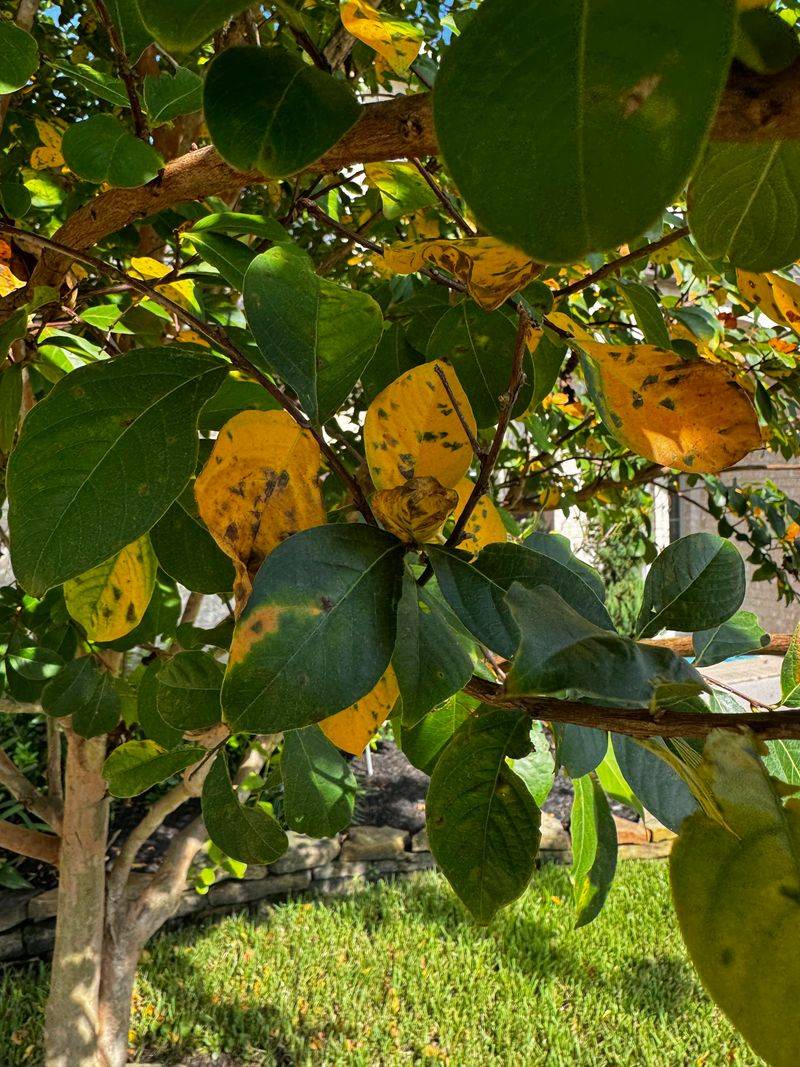
When the yellowing spreads fairly evenly across the whole canopy and there are no spots, no sticky residue, no powdery coating, and no visible insects, the problem is likely coming from below the surface rather than above it.
Root stress and soil conditions are easy to overlook because the damage shows up in the leaves while the actual cause is hidden underground.
Planting too deeply is one of the most common culprits, and it causes slow, steady decline that can take years to fully show itself.
Compacted soil, poor drainage, damaged roots from nearby construction or digging, and soil that is too acidic or too alkaline for healthy nutrient uptake can all produce this uniform yellowing pattern.
Here is something worth understanding: even when nutrients are present in the soil, a stressed or damaged root system may not be able to absorb them properly.
That means adding fertilizer without addressing the underlying root issue often does very little good and may actually add more stress to an already struggling plant.
Before reaching for any fertilizer bag, check the planting depth and make sure the trunk flare sits above the soil line.
Review the drainage situation around the root zone, think about any recent landscape work that may have disturbed nearby roots, and consider whether the watering schedule has been consistent.
A North Carolina soil test through your local Extension office gives you real data about what is actually happening in the soil, which is far more useful than guessing based on leaf color alone. Start with information, then act.
8. Seasonal Color Is Normal When The Whole Tree Stays Healthy
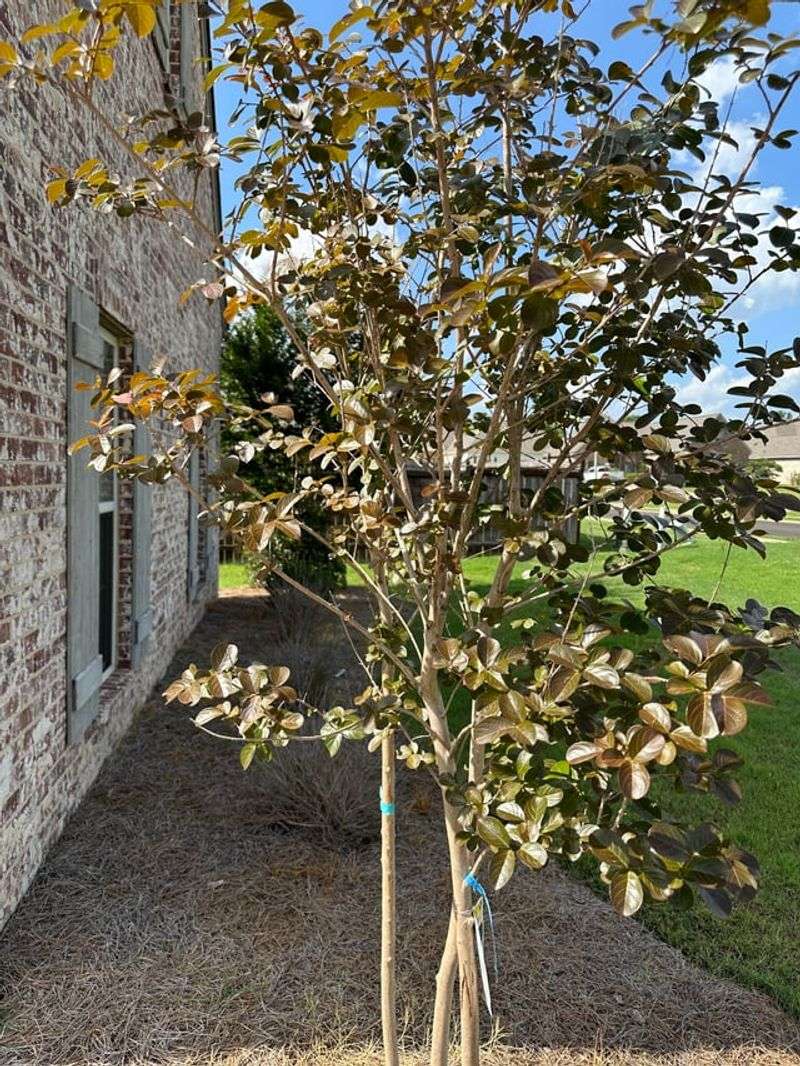
Not every yellow leaf is a warning sign. Crape myrtles are deciduous trees, which means they naturally drop their leaves every year, and the color show they put on before that happens can be genuinely beautiful.
As late summer shifts toward early autumn, the foliage gradually transitions from green to yellow, orange, or red depending on the cultivar, the local temperatures, and the rainfall pattern for that particular season.
Timing varies across North Carolina too, with trees in the mountains often changing earlier than those along the coast.
Normal seasonal color change looks gradual and fairly even across the whole canopy. There are no dark spots, no sticky surfaces, no white powdery growth, no wilting that refuses to improve, and no single branch declining while the rest of the tree looks fine.
The leaves simply shift color, hold for a while, and then fall. That is exactly what a healthy crape myrtle is supposed to do, and it is worth appreciating rather than worrying about.
A smart inspection routine helps you tell the difference between seasonal change and something that actually needs attention. Start by checking for spots on the leaf surface, then flip a few leaves over and look at the undersides for insects.
Move to the trunk and branches and check for scale coverings. Press into the soil to check moisture, and think about drainage and any recent work done nearby.
Rapid color change affecting only part of the canopy, unusual early leaf drop, or a general decline in vigor all deserve a closer look rather than an automatic dose of fertilizer.