The Best Arizona Nurseries for Rare Native Plants Worth the Drive
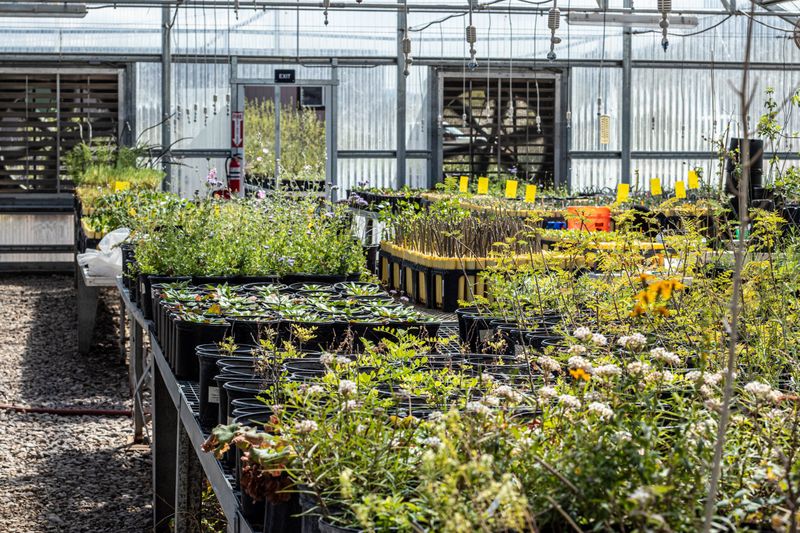
A nonprofit nursery in a tiny border town grows over 100,000 native plants each year from local wild seed. I nearly drove past the turnoff on my first visit, and I still laugh about that near miss.
Big box garden centers in Arizona mostly stock the same handful of desert shrubs over and over again. The truly odd local plants that feed wildlife tend to hide at small growers who collect seed by hand.
I love how one oddball shrub can pull in hummingbirds and lizards that happily snack on garden pests. You might notice your yard feels busier and more balanced once it starts feeding the right wild neighbors.
October is prime planting time across low desert Arizona, since cooler nights let new roots settle before spring. So which nurseries actually deserve a full tank of gas and a free Saturday morning on the road?
1. Spadefoot Nursery
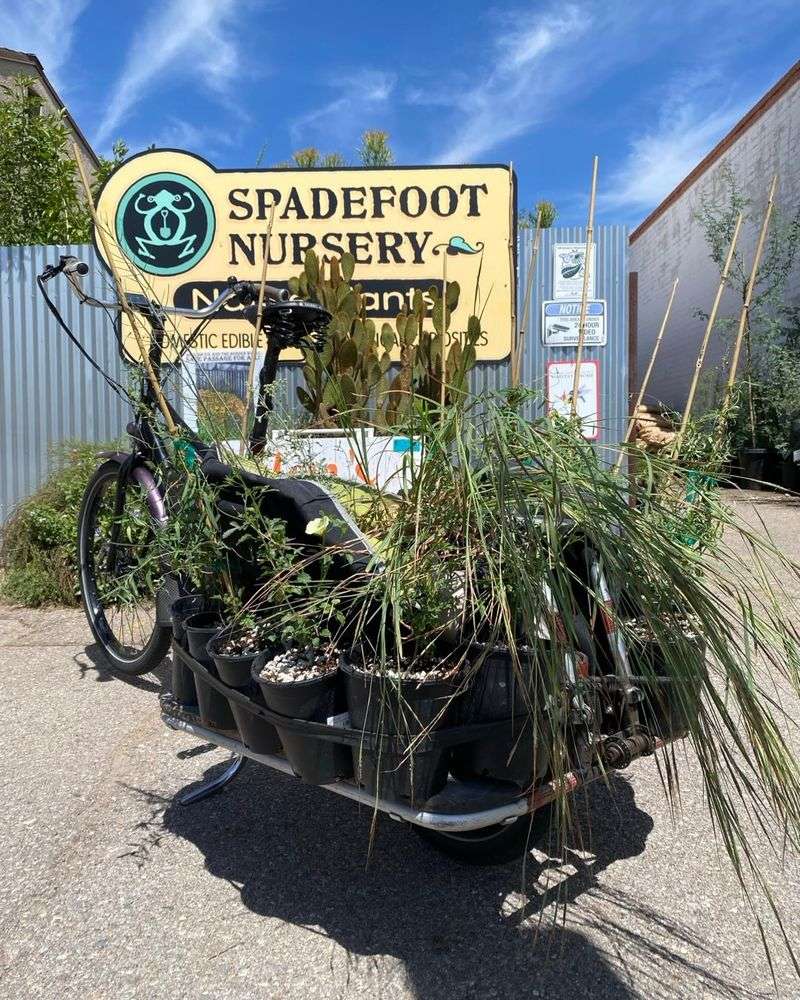
Named after a toad that sleeps underground until summer rain arrives, Spadefoot Nursery feels like a delightful local secret. I grinned the first time I learned the nursery takes its name from a desert amphibian.
The family-owned Tucson grower focuses on plants native to the Southwest and northern Mexico. Everything is raised without pesticides or synthetic fertilizers, which matters when your goal is feeding caterpillars and bees.
Personally, I appreciate how they favor seed-grown plants over cloned cultivars to keep genetic diversity strong. That choice gives you tougher plants with slightly different personalities, much like the wild populations they came from.
Look for western coral bean, Erythrina flabelliformis, which flashes red tubular flowers before its leaves appear in spring. Hummingbirds lean heavily on that nectar, though every part of the plant, especially the seeds, is toxic.
You can browse their current inventory online and arrange pickup, which saves wandering around with a long wish list. October planting gives roots several cool months to grow before the next brutal stretch of summer heat.
2. Borderlands Nursery And Seed
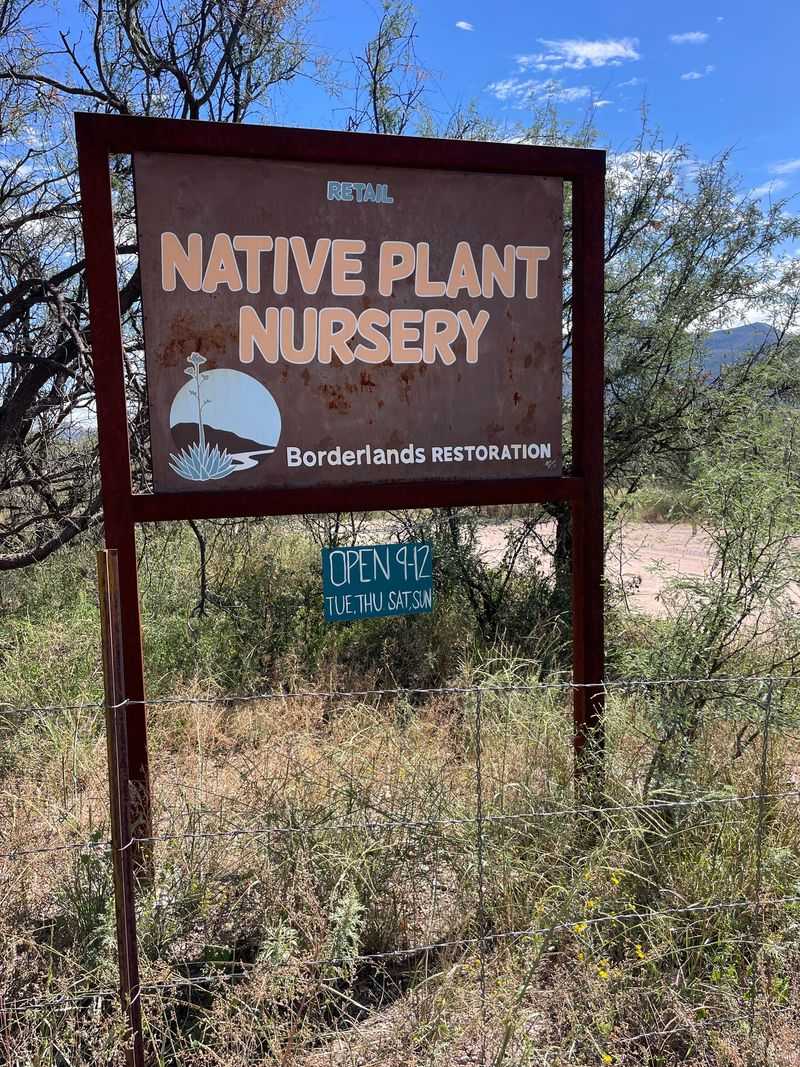
Bats might be the biggest fans of this little nursery tucked into the grassy hills of Patagonia. Its Agaves for Bats project grows nectar plants for the migrating bats that pollinate desert agaves.
Borderlands Nursery and Seed runs as the native plant program of the nonprofit Borderlands Restoration Network. They grow tens of thousands of plants each year from regional seed collections for restoration projects.
I have to admit, buying a plant meant for habitat repair makes my backyard feel more important. Many of these plants carry local adaptations that suit the Madrean Sky Island region surprisingly well.
Parry’s agave, Agave parryi, forms tight blue-gray rosettes that need very little water once established. Give it full sun and plenty of room, since those terminal spines can snag careless ankles near paths.
Native milkweeds also show up here, offering host food for monarch caterpillars and nectar for countless native bees. The drive south winds through beautiful ranch country, so pack snacks and plan a slow, scenic afternoon.
3. Desert Survivors Native Plant Nursery
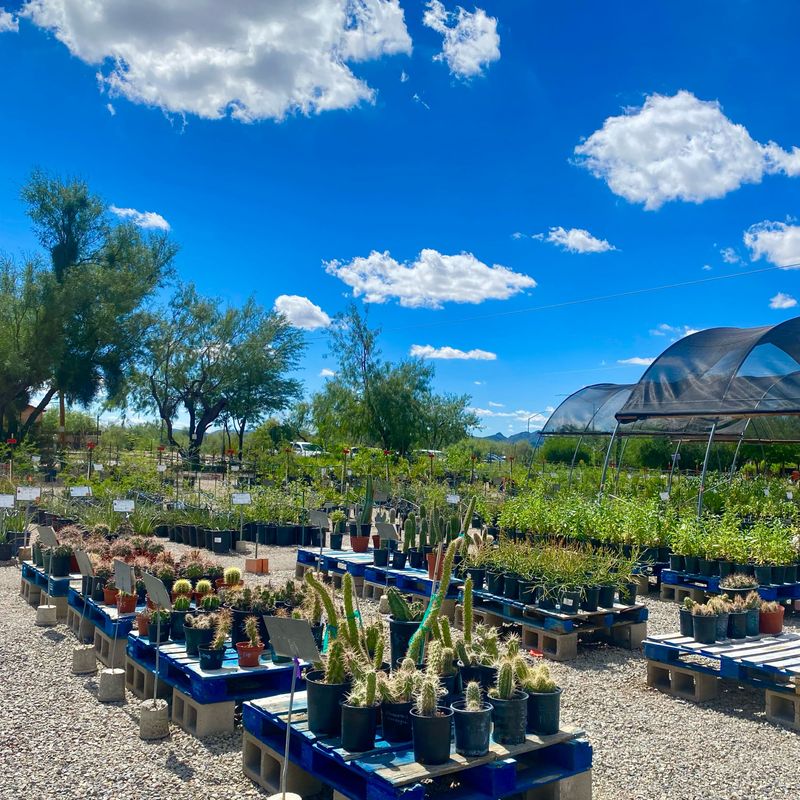
Few plant purchases feel as good as the ones made at Desert Survivors in Tucson. The nonprofit offers meaningful work and horticultural therapy for adults with intellectual and developmental disabilities.
Their shelves lean heavily toward plants native to the Sonoran and Chihuahuan deserts plus the cooler Sky Islands. Shoppers often stumble onto regional oddities that rarely appear at chain garden centers in big cities.
Parry’s penstemon, Penstemon parryi, is a crowd favorite here with tall spikes of hot pink tubular flowers. Hummingbirds find those blooms quickly in late winter, so October planting lets the rosette establish before then.
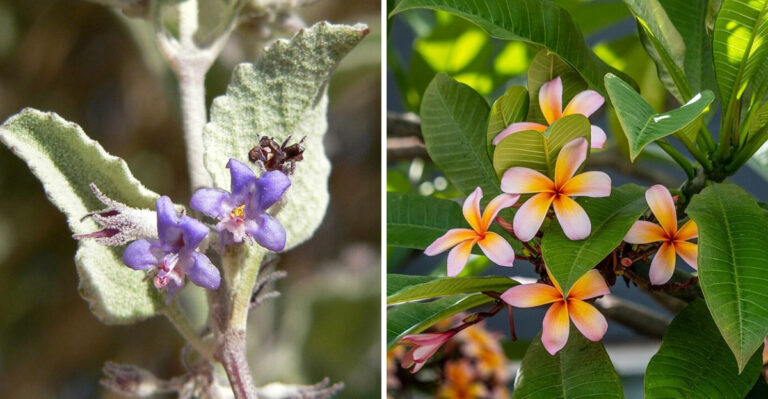
You might also spot rock hibiscus, Hibiscus denudatus, a scrappy little shrub with pale lavender to pinkish flowers. It loves rocky, well-drained spots and asks for very little attention once roots reach deeper soil.
What surprises me most is how patient the staff are with beginner questions about watering and placement. Ask which plants suit higher elevations too, since they stock species that handle colder towns like Oracle nicely.
4. Tohono Chul Botanical Garden Nursery
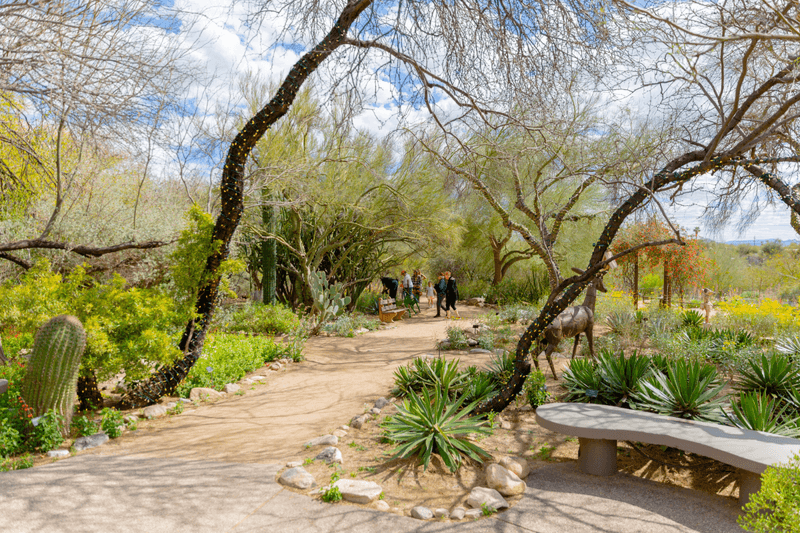
Shopping right after a garden stroll is my favorite kind of plant research, and Tohono Chul makes that easy. You can admire mature specimens along winding paths, then find young versions waiting in the retail greenhouse.
The 49-acre garden and preserve in northwest Tucson features native and arid-adapted plants grown in real desert conditions. Seeing how big a shrub gets after years in the ground prevents plenty of crowded planting mistakes.
Desert willow, Chilopsis linearis, is a standout small tree with orchid-like trumpet flowers loved by hummingbirds and bees. It drops its leaves in winter, letting sunshine warm your walls when the weather turns chilly.
Prickly pear cactus also appears in many forms, offering spring flowers and fruit that feeds birds and other wildlife. I believe a well-placed clump looks sculptural beside softer shrubs, especially when backlit by late afternoon light.
Bring a notebook or snap photos of plant labels while walking the gardens before you shop. Fall visits are pleasant too, since the paths cool down and the pollinator beds still buzz with activity.
5. Gila Watershed Partnership Native Plant Nursery
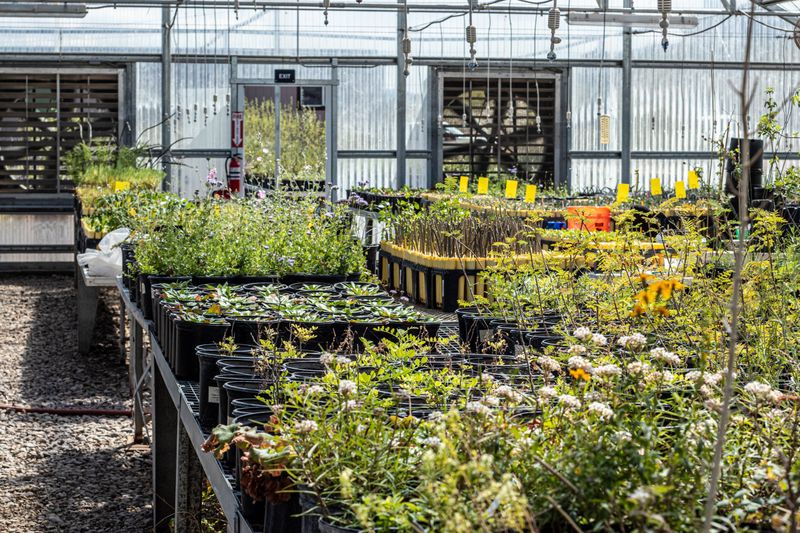
Safford sits far from the big city crowds, and that distance keeps this nursery wonderfully under the radar. The Gila Watershed Partnership grows plants from regionally collected seed for river and grassland restoration work.
Local ecotypes matter because plants from nearby wild parents often handle regional weather better than distant nursery stock. Personally, I trust a plant more when its grandparents grew along the same river valley I visit.
The partnership has supported projects focused on milkweeds for monarchs and agaves for nectar-feeding bats. Those efforts give home gardeners a chance to plant the same species used in larger habitat projects.
Native milkweeds need full sun and well-drained soil, plus modest water while their roots get established. Agaves ask for even less, rewarding patient gardeners with a dramatic bloom stalk after many years of growth.
Check their schedule before driving, since plant availability and sale days can shift from season to season. Mount Graham towering over town makes the trip feel like a mini vacation instead of an errand.
6. Desert Botanical Garden Fall Plant Sale

Gardeners in Phoenix mark their calendars for the fall plant sale at Desert Botanical Garden each October. Members usually get early access, and the best rare treasures can disappear surprisingly fast that first morning.
The garden sits in Papago Park among striking red buttes, so the setting alone justifies the trip. Thousands of plants fill the sale, including natives that rarely show up at regular retail stores.
I love how volunteers and horticulture experts hang around to answer questions about sun, soil, and spacing. Their advice helps you avoid buying a gorgeous shrub that later swallows your patio or walkway.
Look for native milkweeds, globemallow, and penstemons that bring pollinators and pest-eating insects into the yard. Lizards and birds follow those insects, creating a busier backyard food web with very little extra effort.
Arrive early with a wagon or sturdy box, since tables thin out quickly once doors open. October timing works beautifully because new plantings settle in before winter and bloom when spring arrives.
7. Boyce Thompson Arboretum
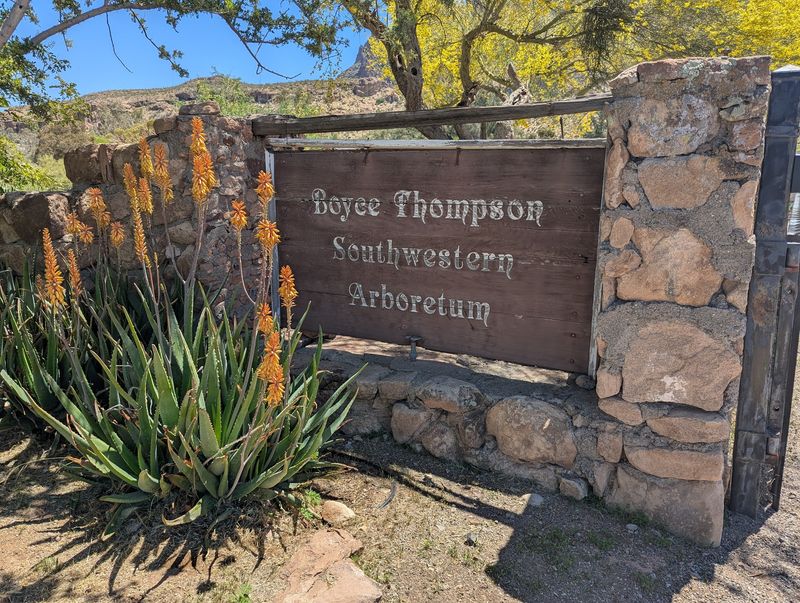
Founded in 1924, Boyce Thompson Arboretum is the oldest and largest botanical garden in the state. Picketpost Mountain looms over the grounds like a stone guardian, and the views alone reward the drive.
The arboretum near Superior hosts seasonal plant sales, and the fall event typically lands in October. Shoppers find native perennials and shrubs alongside desert-adapted plants from similar climates around the world.
You need to wander the trails before shopping, since mature plantings show real growth after decades outdoors. Seeing a full-grown shrub in place helps you picture where it belongs in your own yard.
Ask about native shrubs that offer cover for quail and lizards, which happily patrol gardens for insects. A few dense plantings near walls can encourage these helpful neighbors to stick around year after year.
Bring water and wear good shoes, because the main loop trail climbs a little and the sun still bites. Afterward, a picnic near Ayer Lake makes the long drive feel completely worth the effort.
8. The Arboretum At Flagstaff
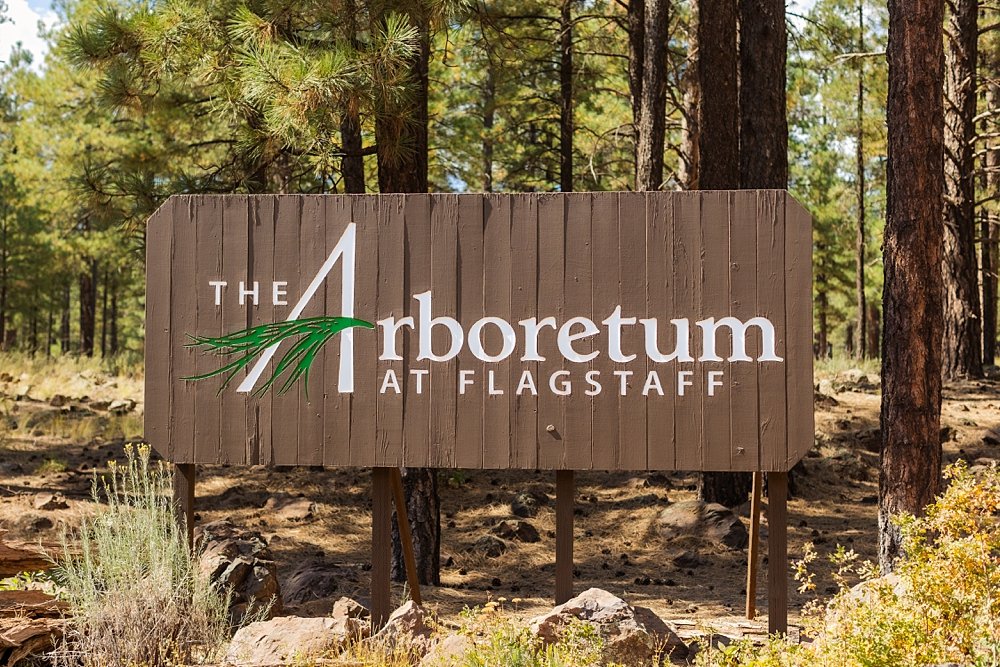
Cool pine air greets you at about 7,150 feet, which feels like a different planet from the low desert. The Arboretum at Flagstaff focuses on plants of the Colorado Plateau and high country forests.
Mountain gardeners struggle to find plants that handle hard freezes and short summers, so this place fills a real gap. Their seasonal plant sales offer natives suited to elevation, frost, and ponderosa pine soils.
Personally, I love how their gardens showcase penstemons and wildflowers that attract hummingbirds during summer migration. Watching those tiny birds zip between blooms makes the curvy drive up the forest road feel worthwhile.
The season winds down as October arrives, so check their calendar before heading north with an empty trunk. Fall is still a fine time for planting many hardy perennials before the ground freezes up.
Gardeners from Prescott or Payson will find species that match their cooler climates better than desert stock. Pack a jacket even on sunny afternoons, since mountain weather can change quickly this time of year.
9. Civano Nursery
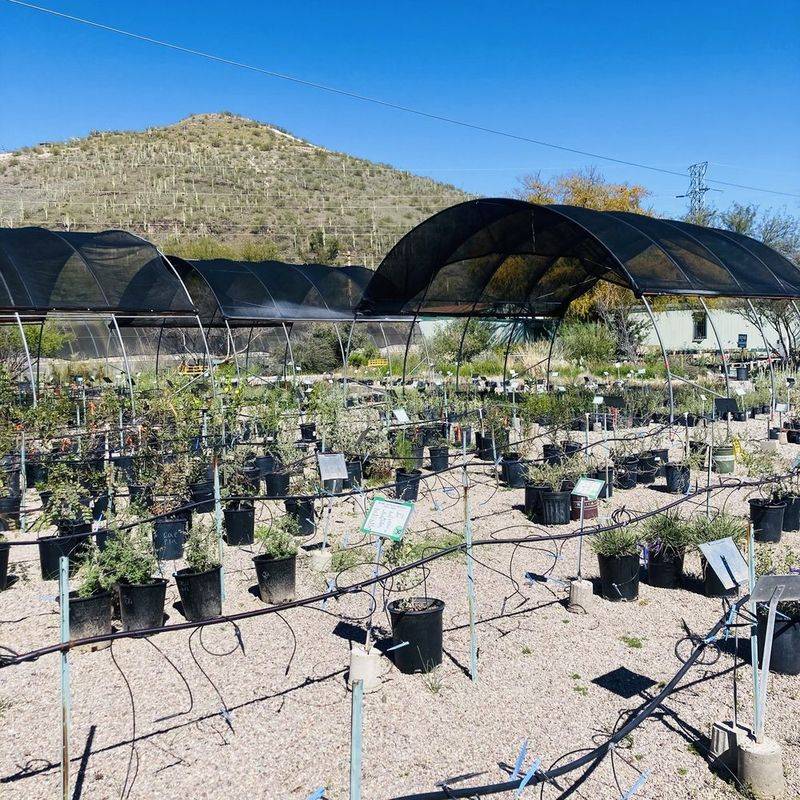
Some nurseries feel like tiny secret gardens, while Civano Nursery feels like a sprawling desert plant library. Its large selection makes it a favorite stop for Tucson gardeners hunting specific native species.
Native shrubs, trees, and perennials sit beside desert-adapted plants, so reading labels carefully pays off here. Ask staff to point out true natives if wildlife support sits at the top of your goals.
I have to admit, I rarely leave without one more plant than my list allowed. Their selection of native salvias, globemallow, and desert milkweed keeps tempting me during every single fall visit.
Fall is the main planting season in the Tucson basin, and October shelves often look especially well stocked. Cooler weather also makes browsing comfortable, unlike summer trips where everyone races between shade structures.
The nursery sits on the east side near Rita Ranch, which makes it handy for southeast Tucson neighborhoods. Combine the trip with a hike in nearby Saguaro National Park East for a fun desert day.
10. Bach’s Cactus Nursery
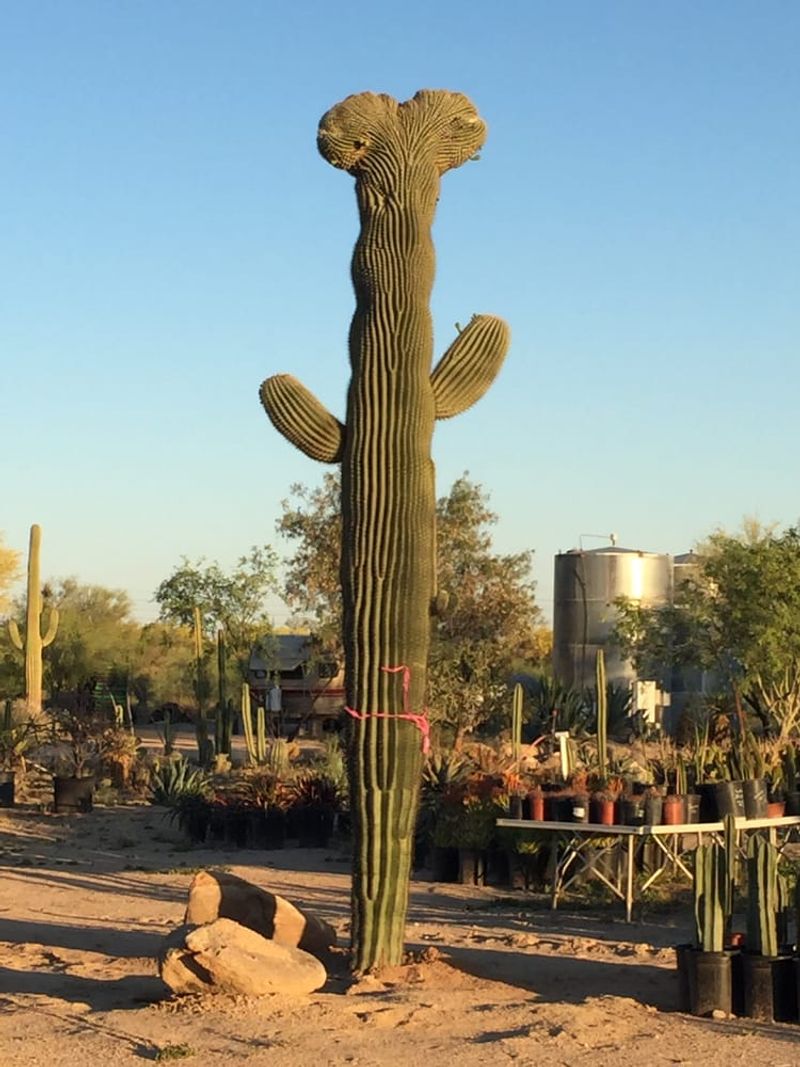
Walking into Bach’s Cactus Nursery feels like entering a spiny maze built by a patient cactus collector. Rows of barrel cactus and hedgehog cactus stretch out in every direction under the bright Tucson sun.
The family-run northwest Tucson nursery has specialized in cacti and succulents for decades. Native species share space with plants from other dry regions, so ask which ones grow wild locally.
You’re in for a big surprise when you see how many native cactus species exist beyond saguaros. Fishhook barrel cactus, for example, produces yellow fruit that birds and small mammals happily eat later in the year.
Cacti planted in fall settle in while temperatures drop, avoiding the scorching stress of early summer planting. Use gritty, fast-draining soil and go easy on water, since soggy roots cause more problems than drought.
Bring thick gloves and folded newspaper for handling, because even small specimens can deliver a memorable poke. Clumps of spiny plants also give lizards safe shelter, and those lizards gladly snack on garden insects.