The Best Herb Pairings To Grow Together In Pots In Oregon
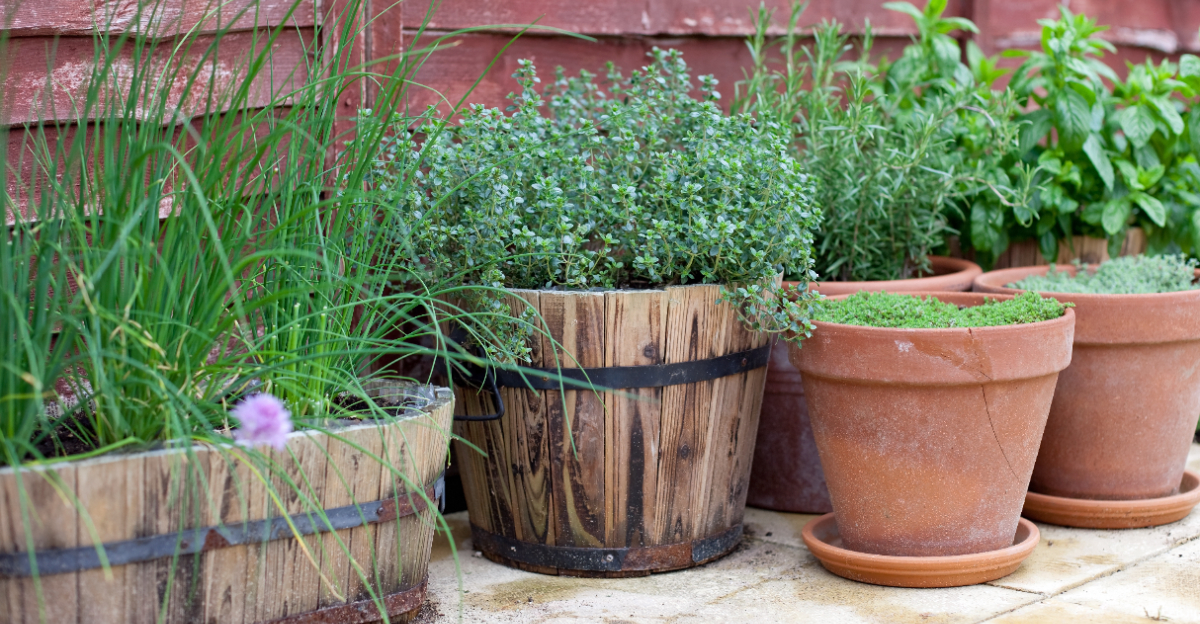
Growing herbs in pots is a smart move in Oregon, especially when spring weather keeps changing its mind.
Containers let gardeners move plants toward sun, shelter them during cold snaps, and keep fast growers under control.
Herbs can also look great near a kitchen door, which is handy when dinner needs a quick flavor boost. The trick is knowing which herbs actually enjoy sharing space.
Some like drier soil, while others want more steady moisture. Put the wrong ones together, and one plant may thrive while its neighbor pouts.
Nobody wants a dramatic basil situation. Good pairings make container care easier because the plants have similar needs.
They also give you fresh flavor close by for soups, roasted vegetables, tea, and summer salads.
For Oregon gardeners with small patios or crowded decks, the right herb pot can be useful, pretty, and surprisingly fun to grow.
1. Rosemary And Thyme Like It Dry
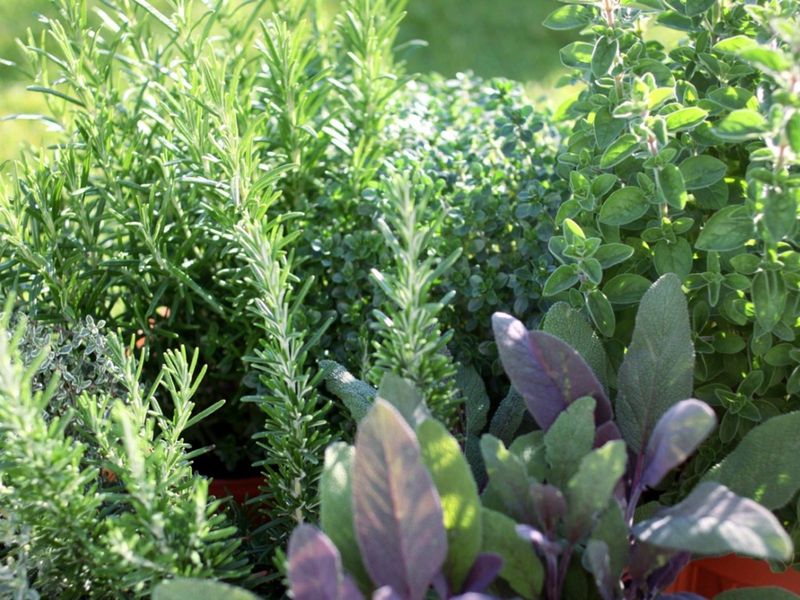
Few herb combinations work as reliably well as rosemary and thyme sharing a single pot. Both of these Mediterranean herbs were built for dry, sunny conditions, and our state’s warm summers give them exactly what they need to flourish.
They both have deep roots in traditional cooking and have been grown together in gardens for hundreds of years.
The key to success with this pairing is keeping the soil on the dry side. Overwatering is the most common mistake gardeners make with these two herbs.
Use a well-draining potting mix, ideally one made for cacti or succulents, and always let the top inch of soil dry out completely before watering again.
A terracotta pot works especially well here because it pulls moisture away from the roots naturally.
Place the container in the sunniest spot you have, whether that is a south-facing porch or a bright windowsill during cooler months. Both herbs can handle some wind, which is helpful in many parts of our state.
Rosemary tends to grow taller and woodier over time, while thyme stays low and spreads outward. This makes them visually appealing together in the same container.
Trim both regularly to encourage bushy, full growth. Harvest often, and these two will keep producing fragrant, flavorful leaves from late spring all the way through fall in most regions across the Pacific Northwest.
2. Sage And Oregano Share The Same Sunny Pot
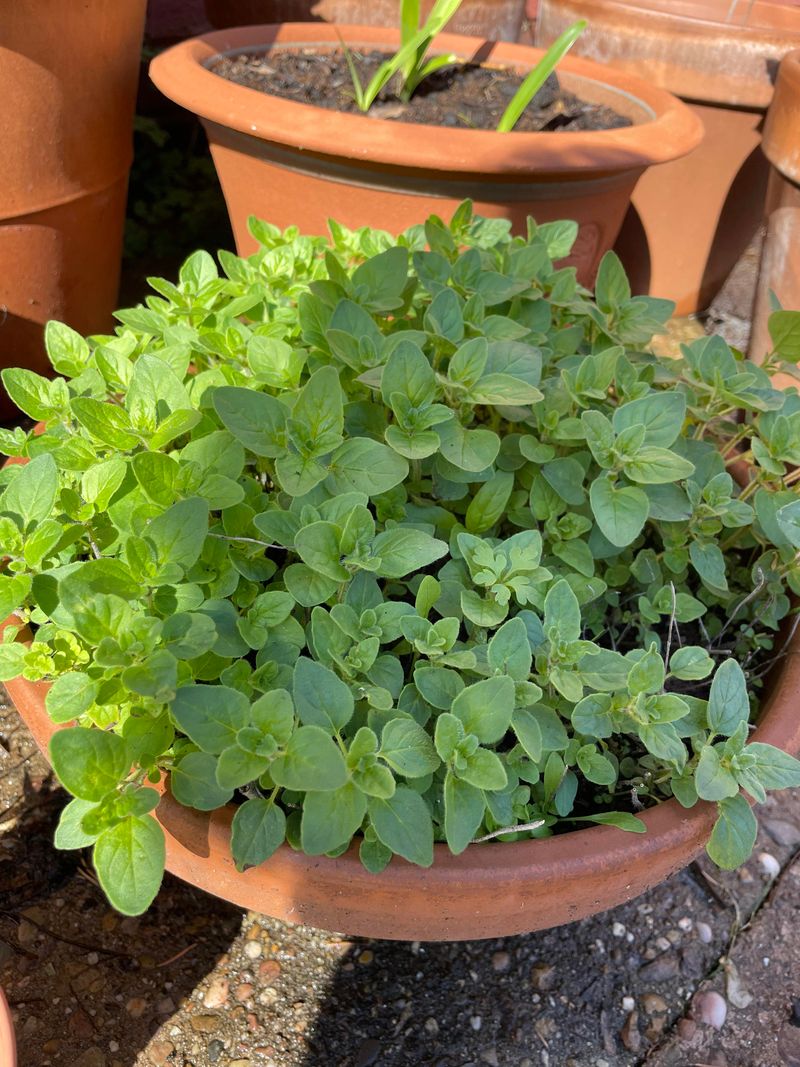
Sage and oregano are a natural match in any container garden. Both herbs come from warm, dry regions of the Mediterranean and thrive under similar growing conditions.
They love full sun, low humidity, and soil that drains fast. Planting them together in one pot makes caring for both herbs much simpler.
In our state, summers can get surprisingly warm and dry, especially east of the Cascades. That dry heat is actually ideal for this pairing.
Give them a pot with drainage holes and fill it with a gritty, well-draining mix. Avoid heavy potting soils that hold too much moisture, as soggy roots can cause both herbs to struggle.
Sage has soft, silvery-green leaves that feel almost velvety to the touch. Oregano has smaller, rounder leaves with a bold, peppery flavor.
Your Oregon Garden Changes Every Week. Your Plan Should Too.
Gardening in Oregon changes quickly throughout the season. Every Friday you’ll receive a simple weekly plan showing exactly what to plant, prune, fertilize, harvest, and protect so you never miss the right timing.
Together, they create a beautiful contrast in texture and color while also being two of the most useful culinary herbs you can grow at home.
Both plants benefit from regular trimming. Cutting them back encourages fresh, tender growth and keeps the plants from getting leggy. Sage can grow quite large over time, so give it a slightly bigger pot if needed.
Water only when the soil feels dry, and fertilize lightly once a month during the growing season. This low-maintenance duo is a great choice for beginner gardeners across the region.
3. Parsley And Chives Handle Cooler Oregon Weather
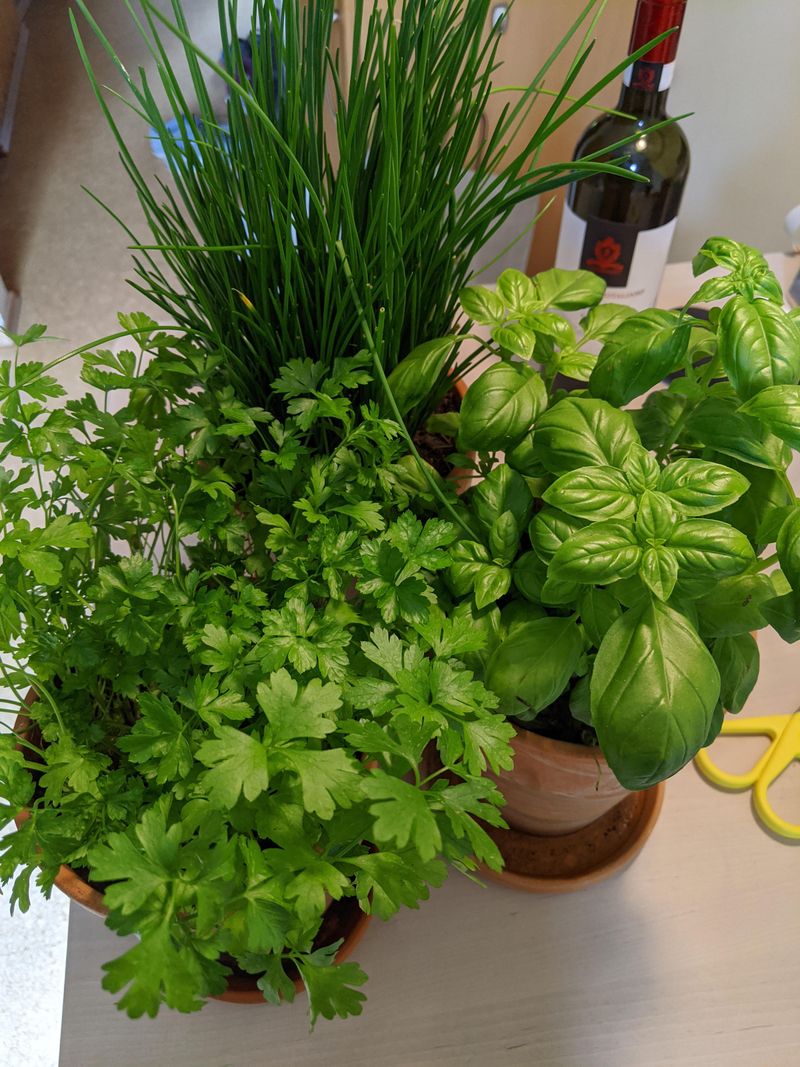
Not every herb needs blazing sunshine to do well. Parsley and chives are two cool-season herbs that actually prefer the mild, slightly overcast weather that much of our state sees from fall through early summer.
They are hardy, reliable, and incredibly useful in the kitchen. Chives are one of the first herbs to pop up in spring, often pushing through the soil before most other plants have even started.
Parsley takes a little longer to get going but quickly fills in once it gets established. Together, they create a lush, full-looking container that stays productive through cooler months when other herbs slow down.
Both herbs appreciate consistent moisture, unlike their drought-tolerant counterparts. Keep the soil evenly moist but never waterlogged.
A standard potting mix with good drainage works perfectly here. Place the pot in a spot that gets partial to full sun, which is easy to find during our state’s longer summer days.
One fun fact about parsley is that it is actually a biennial plant, meaning it lives for two growing seasons before going to seed. Chives, on the other hand, come back year after year without much effort.
Harvest both herbs regularly by snipping from the outer edges first. This encourages new growth from the center and keeps your pot looking neat and full.
This pairing is especially popular with gardeners in the Willamette Valley where cool, damp springs are the norm.
4. Basil And Parsley Like Steady Moisture
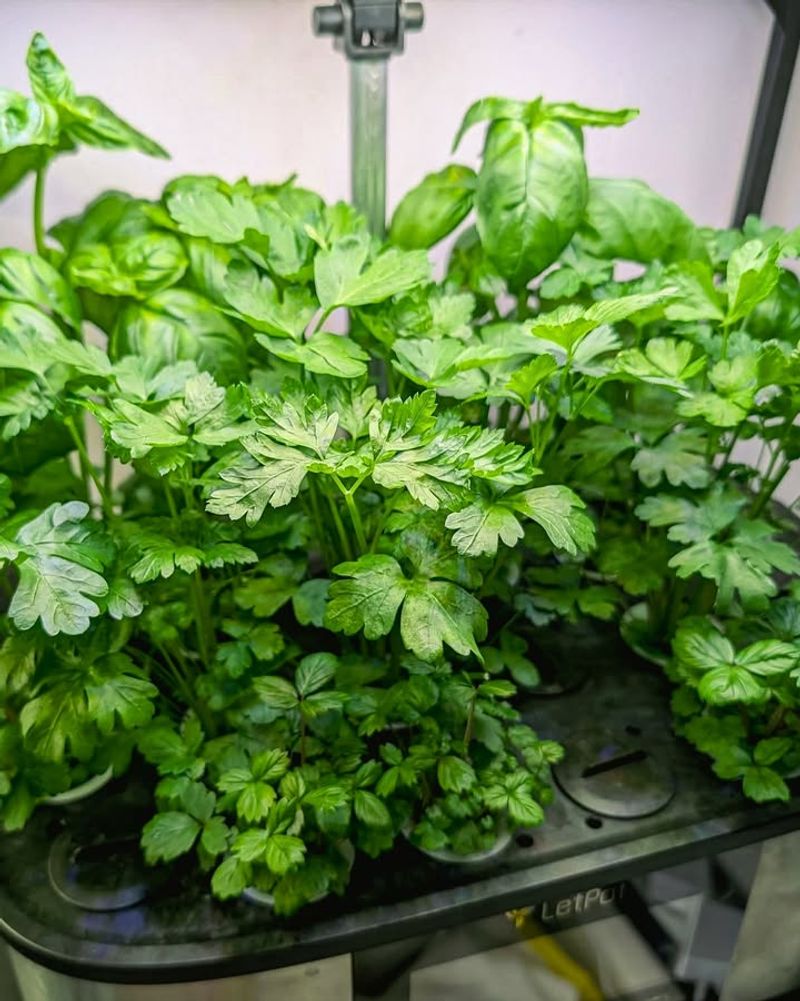
Warm, steady moisture is the secret to keeping both basil and parsley happy in the same pot.
These two herbs are popular kitchen staples, and they happen to share similar water and light needs, making them a practical and productive pairing for home gardeners.
Basil loves heat and needs at least six hours of direct sunlight each day. Parsley is slightly more flexible but also does well in warm, sunny spots.
During our state’s summer months, a south-facing patio or deck is ideal for this combination. Keep the soil consistently moist, especially during hot spells, because basil wilts quickly when it gets too dry.
Use a rich potting mix with good water retention for this pairing. Adding a layer of mulch on top of the soil can help lock in moisture between waterings.
Water deeply every day or every other day during peak summer heat, and always water at the base of the plant rather than from above.
Pinching off basil flower buds as soon as they appear keeps the plant focused on producing flavorful leaves rather than seeds. Parsley should be harvested from the outer stems to encourage steady new growth from the center.
Together in one pot, these two herbs can produce abundantly from late spring through early fall.
They also look beautiful side by side, with basil’s large, glossy leaves contrasting nicely against parsley’s delicate, feathery texture.
5. Cilantro And Dill Grow Fast In Cool Conditions
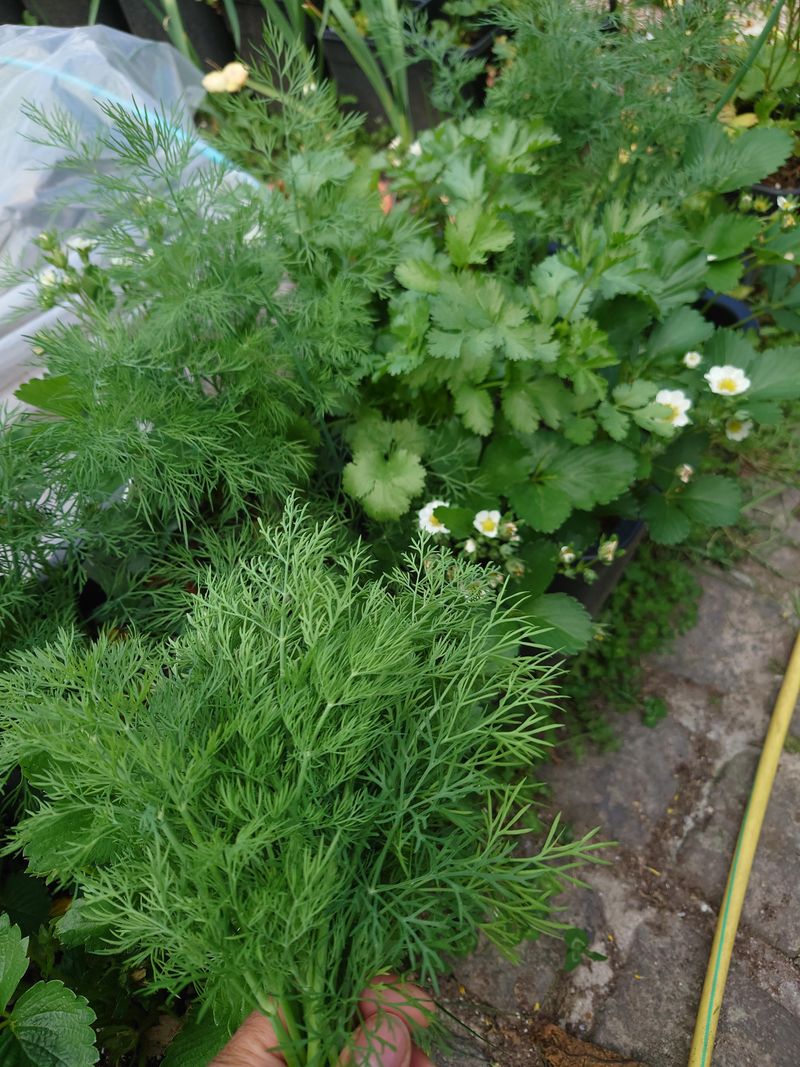
Speed is one of the most surprising things about growing cilantro and dill together. Both herbs germinate quickly, grow fast, and are ready to harvest in just a few weeks from seed.
They are perfect for gardeners who want results without a long wait. Cool weather is where both of these herbs truly shine.
Our state’s spring and fall seasons offer the mild temperatures that cilantro and dill prefer.
Once summer heat arrives, both herbs tend to bolt, meaning they quickly go to flower and seed. Planting them in early spring or late summer gives you the best window for a productive harvest.
A wide, shallow pot works well for this pairing since both herbs have relatively short roots. Fill it with a light, well-draining potting mix and keep the soil consistently moist.
Place the container in a spot that gets morning sun and afternoon shade to slow down the bolting process during warmer stretches.
Both herbs are incredibly useful in the kitchen. Cilantro adds bright, citrusy flavor to salsas and Asian dishes.
Dill is wonderful with fish, potatoes, and homemade pickles. Harvest both regularly by snipping from the top down, which encourages bushier growth.
When the plants do eventually go to seed, save the seeds for replanting or use them as spices in your cooking. This fast-growing duo is a smart choice for container gardeners who want fresh flavor fast.
6. Lavender And Rosemary Prefer Sharp Drainage
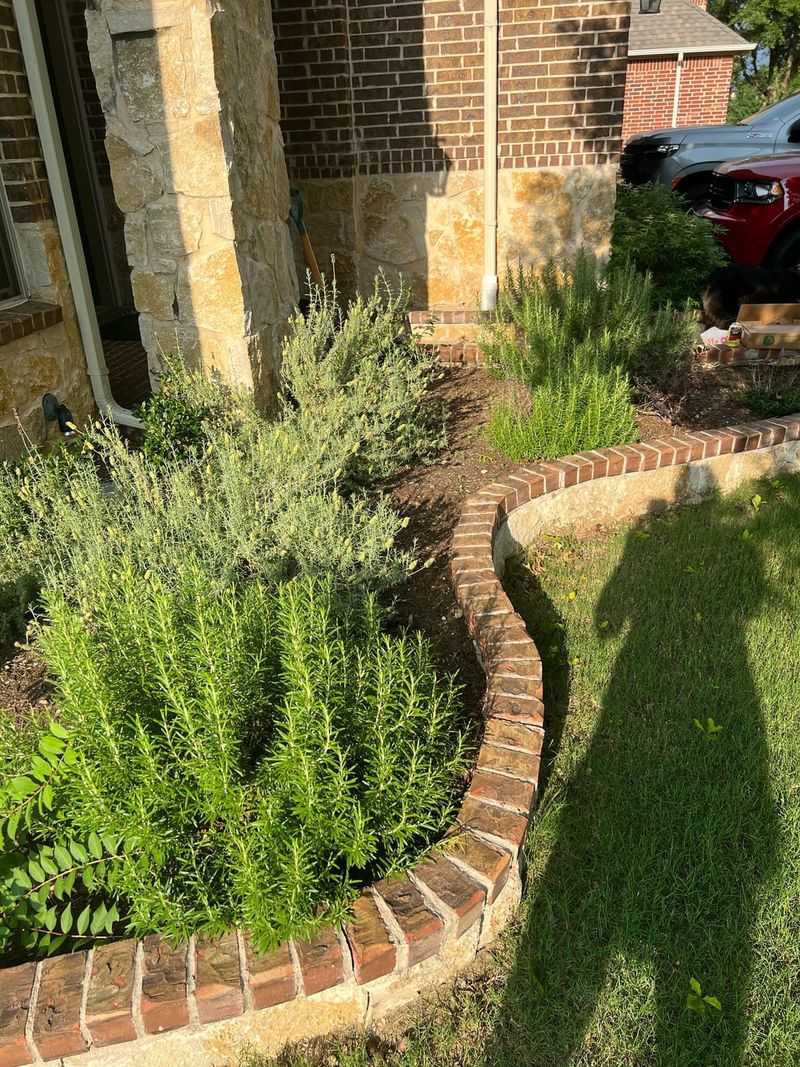
Sharp drainage is non-negotiable for lavender and rosemary, and that is exactly why they work so well together.
Both plants come from dry, rocky landscapes in the Mediterranean, and they have adapted to survive in soil that barely holds any moisture at all. Wet roots are their biggest enemy.
In our state’s wet winters, container growing is actually an advantage for this pairing. You can move the pot to a covered area or indoors during heavy rain to protect the roots from sitting in soggy soil for too long.
During summer, bring the pot out to the sunniest spot you have and let the heat do its work.
Use a gritty mix of potting soil and coarse sand or perlite when planting this duo. A terracotta pot with large drainage holes is the best container choice.
Avoid plastic pots, which trap moisture and stay cold longer in our wet springs. The goal is fast-draining, breathable soil that mimics their natural rocky habitat.
Lavender brings gorgeous purple blooms and a calming fragrance, while rosemary adds height and a woody, aromatic presence. Together, they create a stunning container display that also attracts pollinators like bees and butterflies.
Both plants are relatively slow-growing, so they can share a pot for several seasons without competing too aggressively.
Trim lavender after it blooms and shape rosemary lightly in spring to keep both plants looking their best all year long.
7. Oregano And Marjoram Stay Happy Together
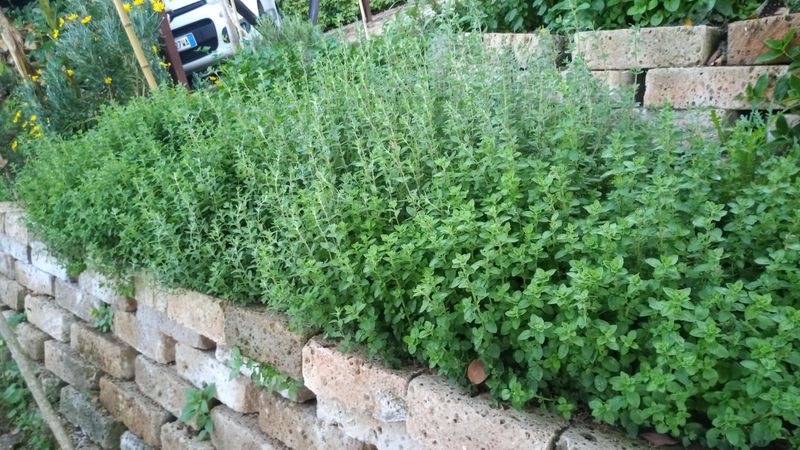
Oregano and marjoram are so closely related that many gardeners mix them up at first glance.
They are botanical cousins, and they share nearly identical growing needs, which makes them one of the most compatible herb pairings you can plant in a single container.
Both herbs love full sun and dry soil conditions. Marjoram is slightly more delicate than oregano and prefers a bit more warmth, making our state’s summer months the ideal time to grow them outdoors.
During cooler months, both can be brought inside to a sunny windowsill to continue growing.
The flavor difference between the two is subtle but worth knowing. Oregano has a bold, slightly peppery taste that holds up well in cooked dishes like pizza sauce and roasted vegetables.
Marjoram is sweeter and more delicate, often used fresh in salads or added to dishes right before serving. Having both in one pot gives you a wider range of flavors to work with in the kitchen.
Plant them in a well-draining potting mix and water sparingly. Both herbs are drought-tolerant once established and actually produce more flavorful leaves when the soil is kept on the dry side.
Trim them regularly to prevent woody stems from taking over and to encourage fresh, tender growth.
This low-effort pairing is a wonderful choice for gardeners who want flavorful herbs without spending a lot of time on upkeep throughout the growing season.
8. Mint And Lemon Balm Need Their Own Container
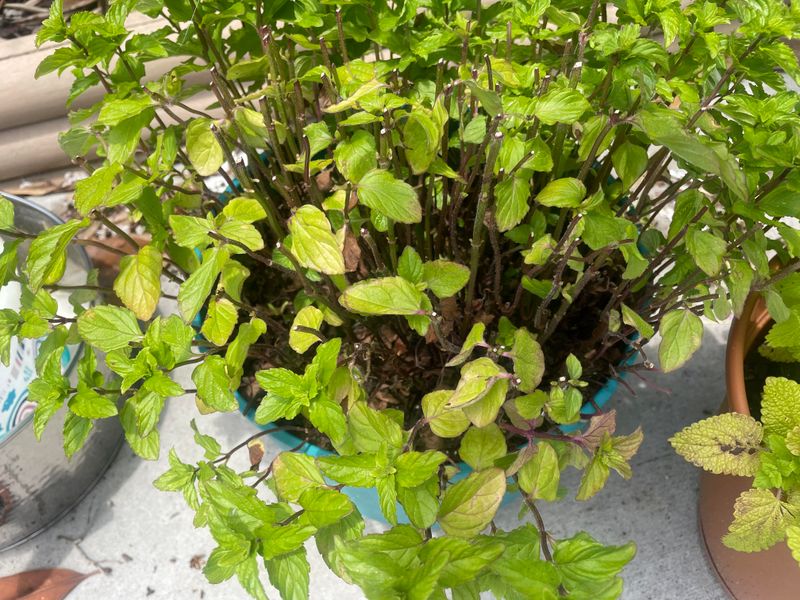
Here is something every gardener should know before planting mint: it spreads like wildfire.
Mint sends out underground runners that take over any space they can find, which is exactly why it should never be planted directly in a garden bed alongside other herbs. A dedicated container is the only way to keep it under control.
Lemon balm is mint’s closest companion in terms of growing habits. It also spreads enthusiastically and loves moisture, making it a natural match for a shared pot.
Both plants prefer consistently moist soil and can handle partial shade, which is a bonus in parts of our state where full sun is not always available.
Together, mint and lemon balm create a lush, fragrant container that is hard to resist. Mint has that classic cool, refreshing scent, while lemon balm adds a soft, citrusy note that is wonderful in teas, lemonades, and desserts.
Bees and other pollinators are also drawn to lemon balm’s tiny white flowers, making this pot a helpful addition to any garden space.
Water this container regularly, especially during dry summer spells. A pot with drainage holes is still important here, as neither plant likes standing water.
Harvest both herbs frequently to keep growth in check and to encourage fresh, flavorful leaves.
If the pot gets too crowded, divide the plants and repot them separately. Keeping them contained is the smartest move you can make for your whole garden.