The Best Low-Maintenance Texas Shrubs To Plant In Fall
Texas summers have a way of sorting out which plants are tough and which ones need constant babysitting.
By August, the divas are wilting, scorched, and begging for water. The tough ones are still standing, looking almost unbothered. Those are the shrubs worth planting.
Low-maintenance shrubs handle heat, drought, and poor soil without needing daily attention.
They don’t demand constant pruning, frequent feeding, or a steady stream of sprays. Many are native or well adapted to Texas, so they already know how to cope with our wild weather swings.
Plenty also bring blooms, berries, or evergreen color, along with food and shelter for birds and pollinators.
Fall is the ideal time to plant them. Cooler weather gives roots months to settle in before the next summer scorcher arrives. Choose wisely now, and your yard can look great with far less effort.
1. Texas Sage Brings Silver Leaves And Purple Surprises
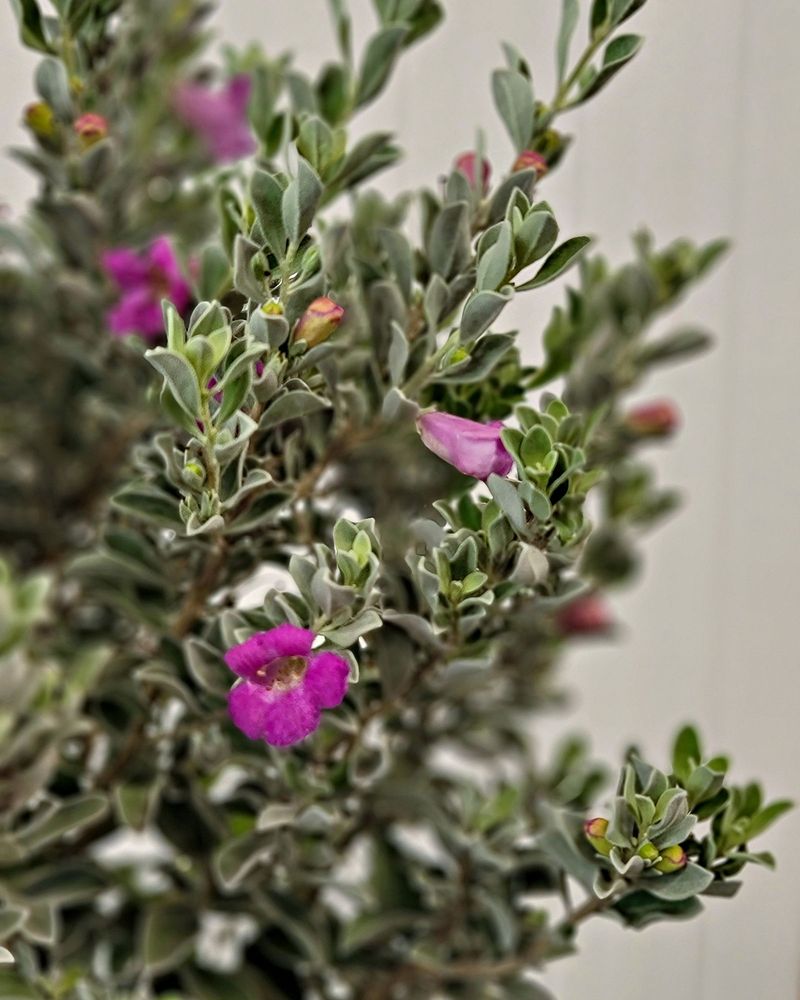
Old-timers in Texas call it the barometer bush. Why? Texas sage often bursts into bloom right before or after a rain, almost like it can feel the weather changing. Folks also know it by its Spanish name, cenizo.
The leaves are soft and silvery, a bit like the fuzz on a peach. That pale color helps reflect harsh sunlight, so the plant stays cool in brutal heat. When the flowers show up, the whole shrub turns into a cloud of lavender and purple.
Planting in fall gives it a great start. Pick a spot with full sun, at least six hours a day. Shade makes it leggy and shy about blooming.
Good drainage matters even more than sun. Soggy roots are its biggest enemy, so avoid low spots where water puddles.
Dig a hole about twice as wide as the pot. Set the plant at the same depth it grew in the container.
Water it well, then water about once a week through its first winter if rain is scarce. After the first year, you can mostly forget about the hose.
Skip the fertilizer. Rich soil actually makes Texas sage floppy and less colorful. Rocky, poor soil suits it just fine.
Many gardeners make the mistake of shearing it into tight boxes. Light shaping is fine, but natural shapes bloom far better.
Most types grow 4 to 6 feet tall and wide. Compact kinds like Compacta or Silverado stay smaller for tight spaces. Deer usually leave it alone, which is a big bonus in the Hill Country.
Bees flock to the blooms. Plant a few in a row, and you will have a living, color-changing hedge that barely asks for anything in return.
2. Black Dalea Packs Purple Power Into A Small Package
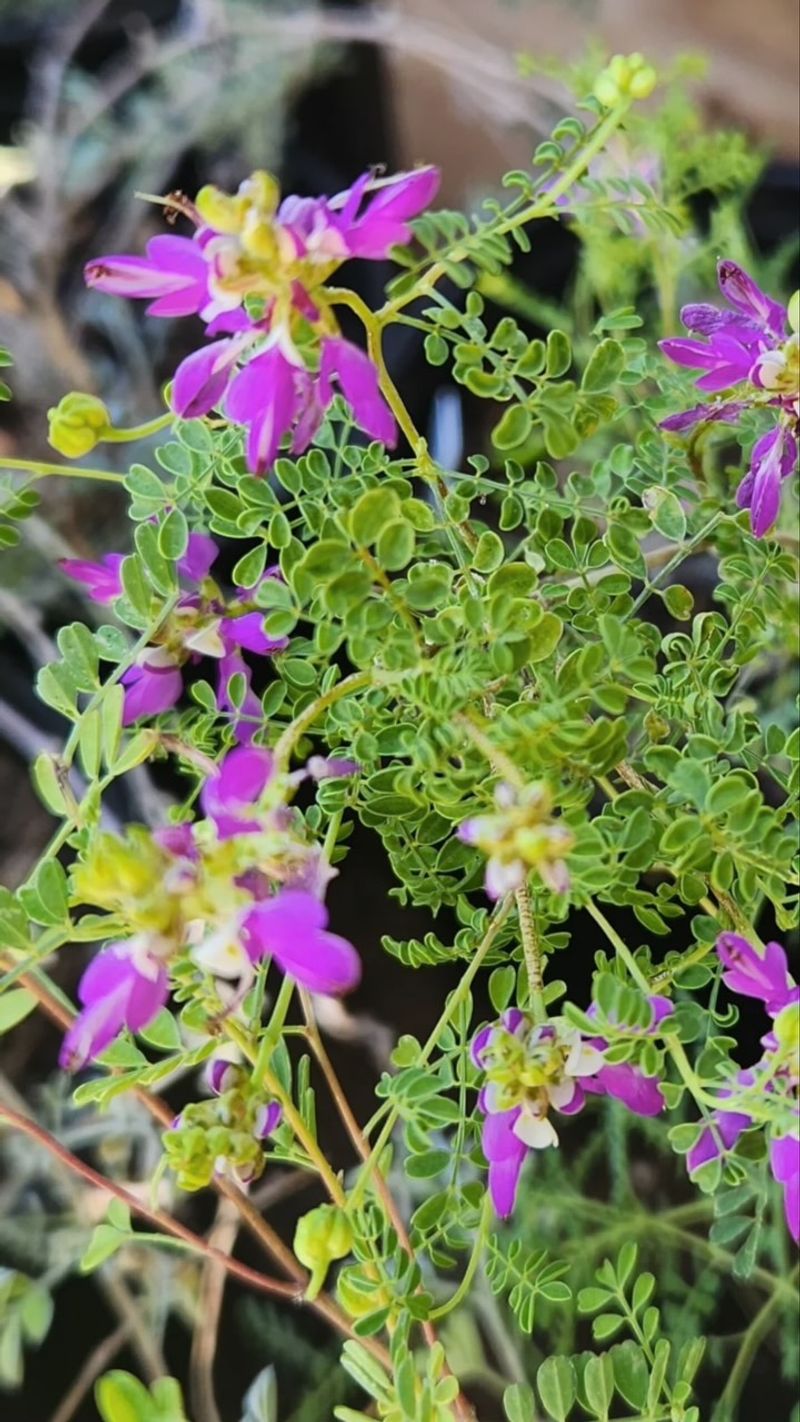
Small spaces deserve big color too. Black dalea is proof that a shrub does not have to be huge to make a statement. It usually stays just 2 to 3 feet tall, but it can spread a bit wider.
This little native hails from Central and West Texas. It grows wild on rocky hillsides where water is scarce and the sun is fierce.
Your Texas Garden Changes Every Week. Your Plan Should Too.
Gardening in Texas changes quickly throughout the season. Every Friday you’ll receive a simple weekly plan showing exactly what to plant, prune, fertilize, harvest, and protect so you never miss the right timing.
Late summer and fall bring its big show. Tiny purple flowers with white centers cover the feathery green leaves.
Fun fact time. The name comes from the dark stems and seed parts, not the flowers. The blooms are actually a cheerful violet. Gardeners often find that surprising.
Bees and butterflies love it during autumn. Many other plants are fading by then, so black dalea becomes a valuable food stop. Pollinators heading south for winter will thank you.
Drainage is the key to success. Rocky, gravelly, or sandy soil works best. Heavy clay can hold too much water and cause root rot.
If your yard has thick clay, try a raised bed or a sloped spot. Mixing in some decomposed granite also helps.
Give it full sun. Water every week or so during its first few months. Once roots settle in, natural rainfall is usually enough for most of the year. Too much water is more harmful than too little.
Pruning is simple. Trim it back lightly in late winter if it looks scraggly. You can also leave it alone completely, and it will still look tidy.
Use black dalea along walkways, in rock gardens, or at the front of a flower bed. It also works nicely spilling over a low retaining wall.
3. Kidneywood Smells As Sweet As It Looks
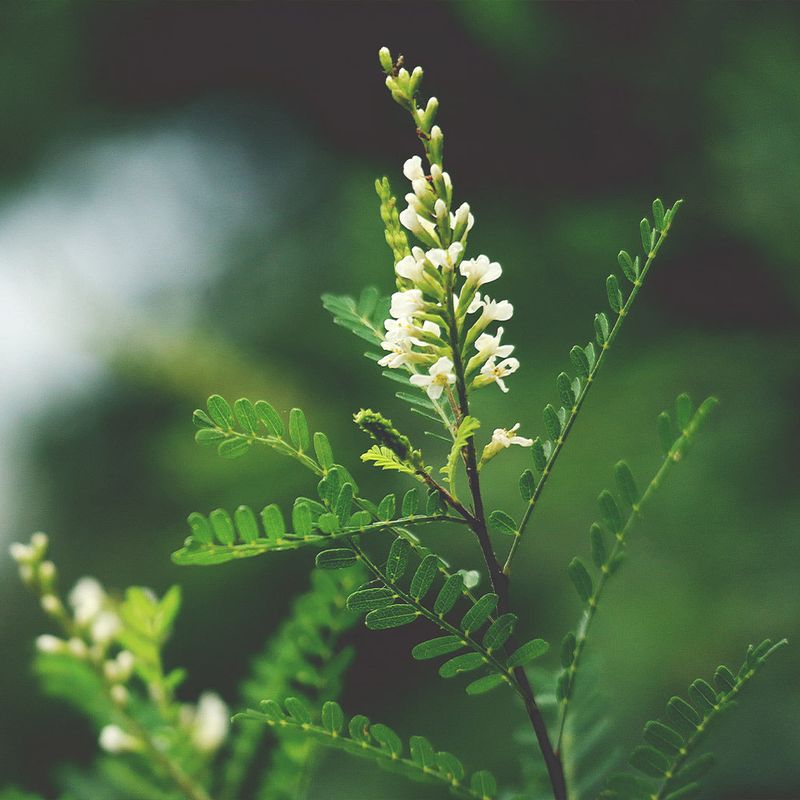
Walk past a blooming kidneywood on a warm evening, and you might stop in your tracks. The scent is sweet and a little like vanilla. Many gardeners plant it near a patio just to enjoy that smell.
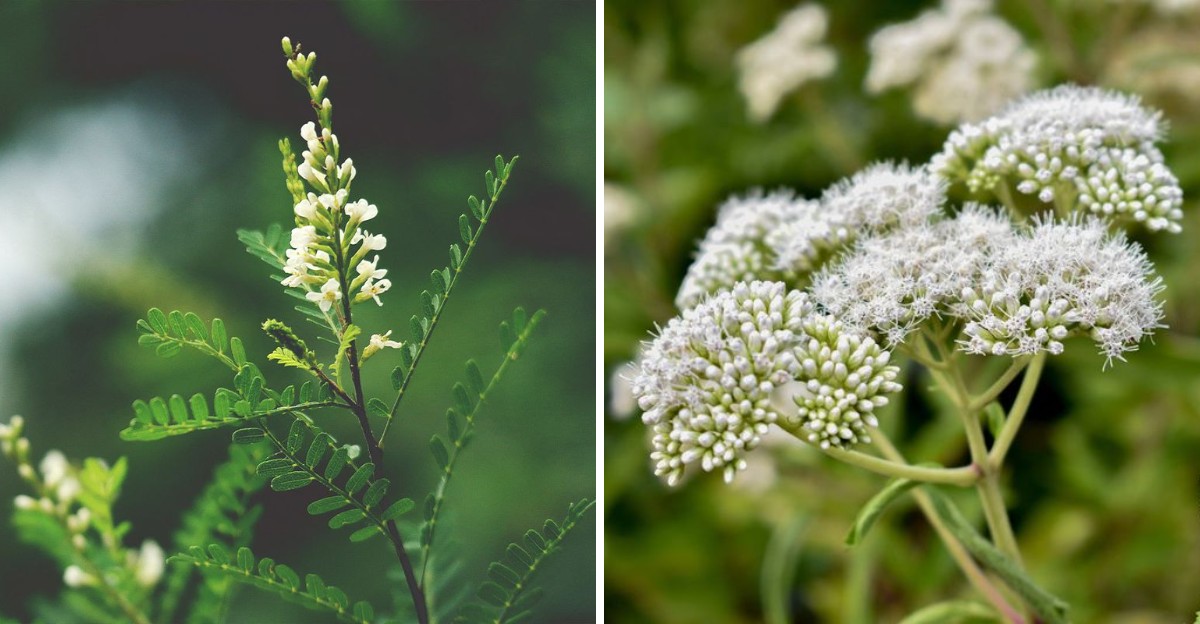
Kidneywood is a native shrub that grows across much of central and south Texas. After a good rain, it sends up long spikes of tiny white flowers. Butterflies swarm them. Bees join the party too, and the whole shrub seems to buzz with life.
Here is a quirky bit of history. The plant got its name because people once believed it helped with kidney problems. Early settlers made a tea from the wood. Today, we mostly enjoy it for beauty and wildlife value.
The leaves are small and lacy. They give the shrub a soft, airy look that blends well with bolder plants. Kidneywood usually grows 6 to 10 feet tall, so it can fill a corner or act as a light screen.
Care is refreshingly easy. Full sun gives you the most flowers, but part shade works fine too. It handles many soil types as long as water drains away. Once established, it shrugs off long dry spells.
Fall planting helps its roots grow deep before summer. Water every week or two during the first winter if rain is light. After that, an occasional deep soak during long droughts is plenty.
In colder parts of the state, kidneywood may drop its leaves in winter. Do not worry. It bounces back in spring.
You can trim off any dry twig tips then. Plant one near a window, and you will have a front-row seat to a butterfly show all season.
4. White Mistflower Becomes A Monarch Magnet In Autumn
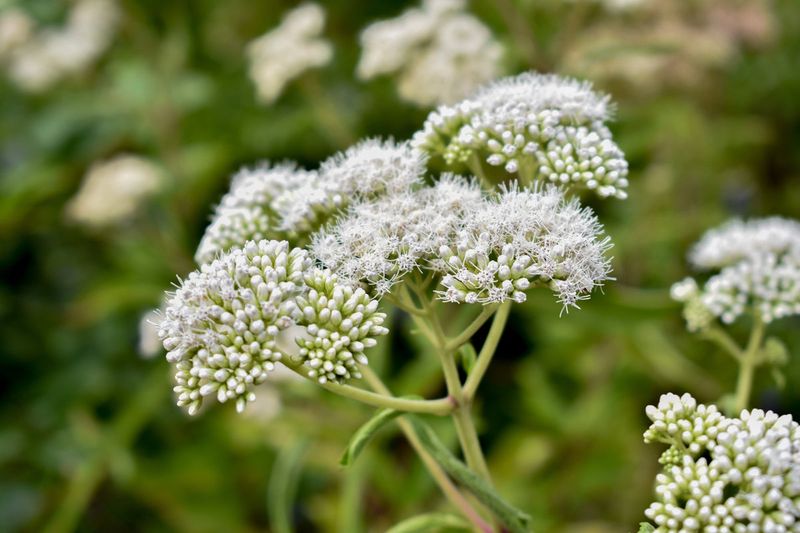
Every October, millions of monarch butterflies fly through Texas on their way to Mexico. They need fuel for that long trip. White mistflower is one of the best gas stations you can offer them.
Picture fluffy white blooms that look like little puffs of cotton candy. They appear in October and November, just as the monarchs pass through. Queen butterflies, which are cousins of monarchs, love them even more. On a sunny day, you might count dozens on a single plant.
The flowers smell sweet and honey-like. Some people say the scent reminds them of fresh laundry. Either way, it is a lovely bonus when you step outside on a crisp fall morning.
White mistflower is a native shrub that grows about 3 to 4 feet tall. It is more flexible than many plants on this list. It handles full sun, but it also does well in part shade. That makes it handy for yards with big trees.
Drought is not a problem once it settles in. During its first year, water it every week or so when rain is scarce. After that, it mostly takes care of itself. Average soil works fine, and fertilizer is not needed.
Here is one simple chore. In late winter, give the shrub a light trim. Cut back about a third of the growth. That keeps it tidy and encourages fresh branches that will bloom heavily the next fall.
Plant several together for the biggest impact. A cluster of white blooms glows at dusk and draws more butterflies than a single plant. You are not just adding a pretty shrub. You are helping a famous migration succeed.
5. Barbados Cherry Offers Shade Tolerance And Tasty Fruit
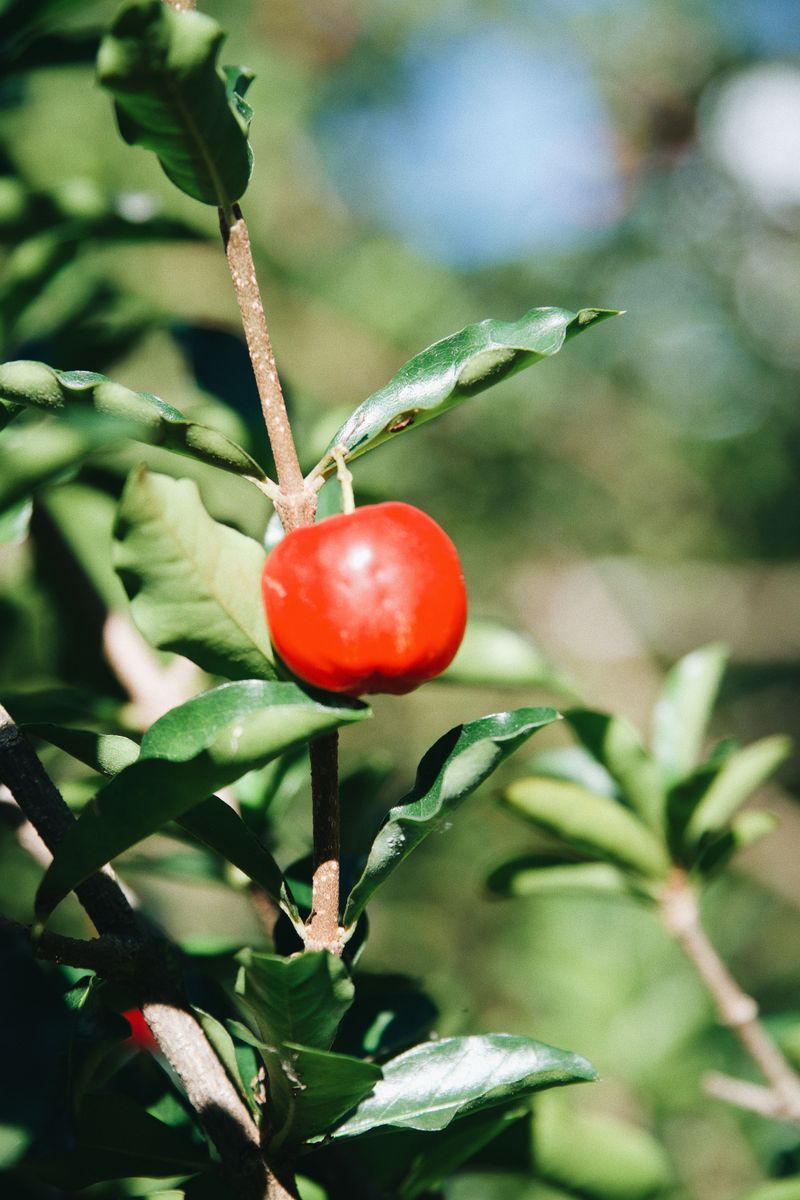
Few shrubs let you snack straight from the branches. Barbados cherry does exactly that. Its bright red fruits are tart, juicy, and packed with vitamin C.
In fact, these little cherries hold far more vitamin C than an orange. Some people use them in jelly, juice, or smoothies. Others just pop them in their mouths while weeding. Just watch out for the seeds inside.
This shrub is native to South Texas. You may also hear it called Manzanita or Acerola. The leaves are glossy and evergreen, so the plant looks fresh all year long in warm areas. Small pink flowers show up several times a year, often after rain.
Shady yards will love it. Barbados cherry is one of the few fruiting shrubs that handles part shade well.
It can grow under tall trees where other plants struggle. It does fine in sun too, especially with a little afternoon relief.
Birds adore the fruit. Mockingbirds and other songbirds will visit often. If you want cherries for yourself, pick them as soon as they turn red.
Care is simple. Water weekly during the first winter after planting. Once established, it handles dry spells but fruits better with an occasional deep drink. A layer of mulch keeps roots happy.
Colder parts of Texas need a heads-up. A hard freeze can knock it back to the ground. Usually, it regrows from the roots in spring. Gardeners north of San Antonio can plant it near a south-facing wall for extra warmth.
Most plants grow 3 to 6 feet tall. Use it as a short hedge, a foundation plant, or an edible accent near the patio.
6. Flame Acanthus Laughs At Texas Heat
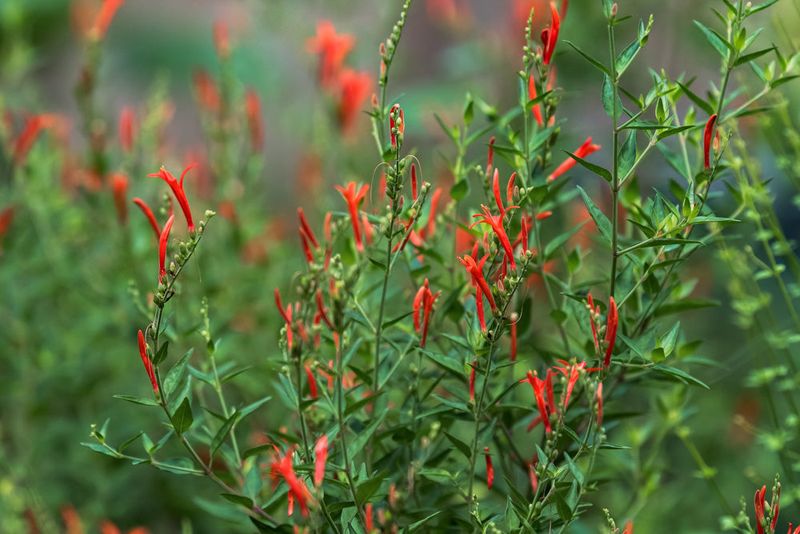
August in Texas can wilt almost anything. Flame acanthus does not seem to notice. While other plants droop, it keeps pumping out bright orange-red flowers like nothing is wrong.
Hummingbirds treat it like their personal buffet. The blooms are long and tube-shaped, a perfect fit for their slender beaks.
During fall migration, hungry hummers stop by again and again to refuel. Gardeners often call it hummingbird bush for good reason.
Blooming starts in summer and lasts well into fall. That long season fills a gap when spring flowers have faded. Butterflies visit too, adding even more motion to your yard.
This tough native grows 3 to 5 feet tall and wide. It thrives in full sun but tolerates a little shade. Almost any soil works, from rocky limestone to clay, as long as it does not stay soggy. Once it settles in, it handles serious drought.
Fall is a smart time to plant. The roots grow over winter, so the shrub is ready to bloom hard next summer. Water every week or so until it is established. After that, a soak during very long dry periods is enough.
Now for the one big job. In late winter, cut the whole shrub back hard, down to about 6 to 12 inches tall. It sounds scary, but trust the process.
Fresh stems pop up in spring, and those new stems carry the most flowers. Skipping the trim leads to a woody, sparse plant. A yearly haircut keeps it full and bushy.
Plant it near a window or porch. Watching hummingbirds zip around those fiery blooms is one of the best free shows in Texas.
7. Autumn Sage Gives You A Rainbow Of Choices
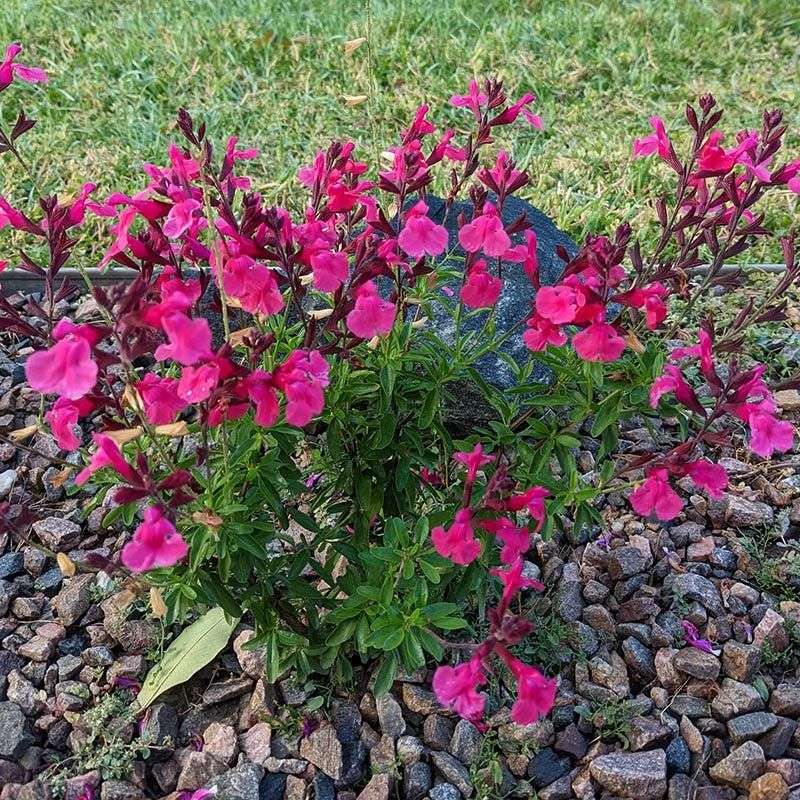
Ask ten Texas gardeners for a can’t-fail shrub, and many will name autumn sage. It is cheerful, colorful, and nearly impossible to mess up. That is why you will spot it at schools, parks, and gas stations across the state.
Color choices are a big part of its charm. You can find it in red, pink, coral, white, purple, and even two-toned types. Mix a few colors together for a bright border. Or stick with one shade for a clean, simple look.
Despite the name, it blooms more than just in autumn. The heaviest flowering happens in spring and fall.
Light blooms often pop up in summer too, especially after rain. The small leaves smell a bit minty when you brush against them.
Hummingbirds visit constantly. The tiny tube flowers hold nectar they love. Bees and butterflies stop by as well.
Autumn sage usually grows 2 to 3 feet tall. It likes full sun and soil that drains well. Clay soil works if you plant on a slight mound.
Once it settles in, it handles drought like a champ. Deer usually skip it, which makes it great for Hill Country homes.
Plant in fall and water weekly through winter when rain is light. By next summer, it should need water only during long dry stretches.
Pruning is light and easy. In late winter, trim the plant back by about a third. You can also shear the tips lightly in midsummer to encourage a strong fall bloom. Avoid cutting it all the way to the ground.
Every few years, older plants may get woody. Simply replace them or take cuttings, which root easily and give you free new plants.