Stop Soil Erosion In Your Tennessee Garden With These 7 Native Plants
Erosion doesn’t announce itself. One season your slope looks fine, and the next, a storm rips through and drags half your mulch bed down toward the sidewalk.
Clay-heavy soil, steep yards, and thin grass cover make the perfect setup for disaster, especially during Tennessee’s unpredictable spring downpours.
But here’s the fix hiding in plain sight: plants that evolved right here already know how to hold this ground together.
Their root systems don’t just sit near the surface, they dive deep, branch out, and lock soil particles in place like a living net.
While ornamental imports struggle and wash out, Tennessee natives shrug off heavy rain and keep doing their job season after season.
Pick the right species for a hillside, a ditch, or a bare patch under trees, and you’re not just decorating, you’re building a defense system.
These natives prove that the best erosion control doesn’t come from a hardware store. It grows.
1. Switchgrass
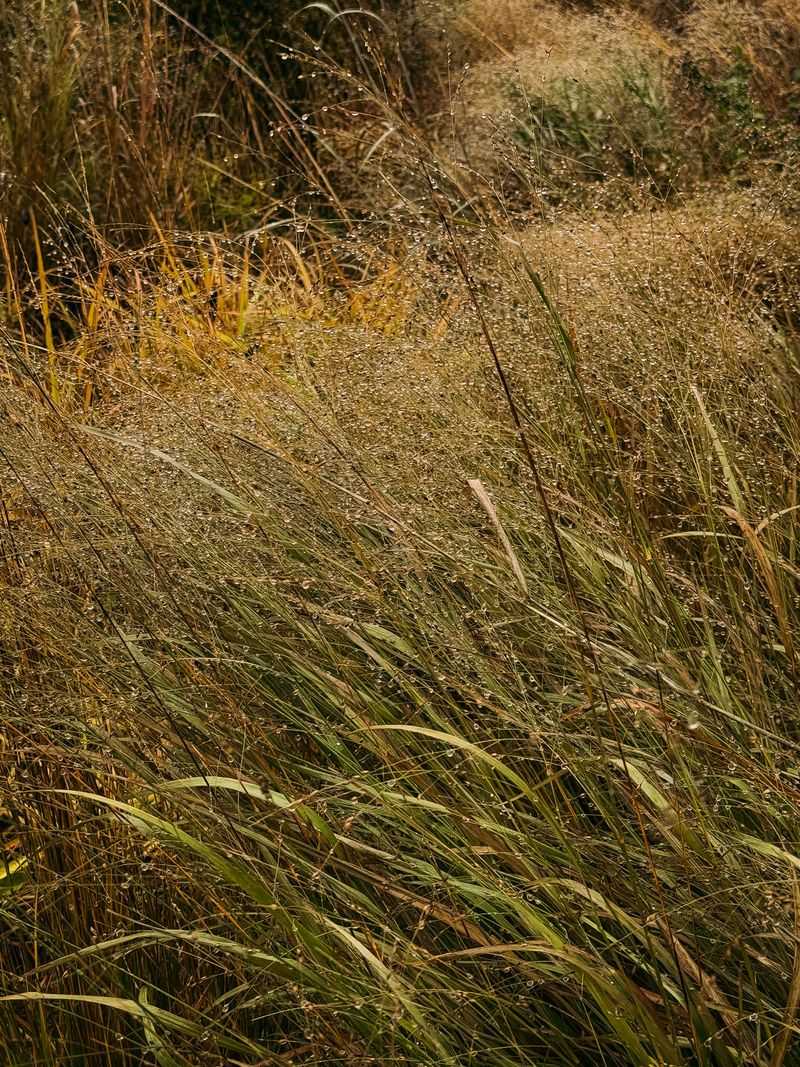
Switchgrass is the overachiever of the native plant world. It grows fast, stands tall, and sends roots deep into the ground before you even notice it is getting established as a permanent fixture in your yard.
Those roots can reach six feet or more underground, creating an underground web that holds soil firmly in place long after the top growth fades back for winter.
That kind of grip is exactly what a sloped Tennessee yard needs during a heavy summer downpour. Switchgrass thrives in a wide range of conditions, from wet lowlands to dry upland slopes, adapting itself to whatever the terrain throws at it.
It handles clay soil, sandy soil, and everything in between without much complaint, which makes it a low-risk choice for tricky spots.
In fall, it transforms into a showstopper with golden and burgundy hues that rival any ornamental grass you could plant.
Gardeners often use it along stream banks or on hillsides where erosion pressure is heaviest and where few other plants manage to hold on.
Varieties like ‘Shenandoah’ and ‘Heavy Metal’ are popular choices that offer both beauty and function in a smaller footprint. Planting in clusters rather than single rows gives you maximum ground coverage and root density.
Birds absolutely love the seeds, so you get wildlife benefits on top of erosion control, turning a practical choice into a year-round attraction.
Once established, switchgrass needs almost no watering, no fertilizing, and minimal maintenance to thrive year after year.
It is truly a plant that works harder than you do. If your yard has a bare slope that washes out every spring, switchgrass is the first plant you should reach for.
2. Little Bluestem
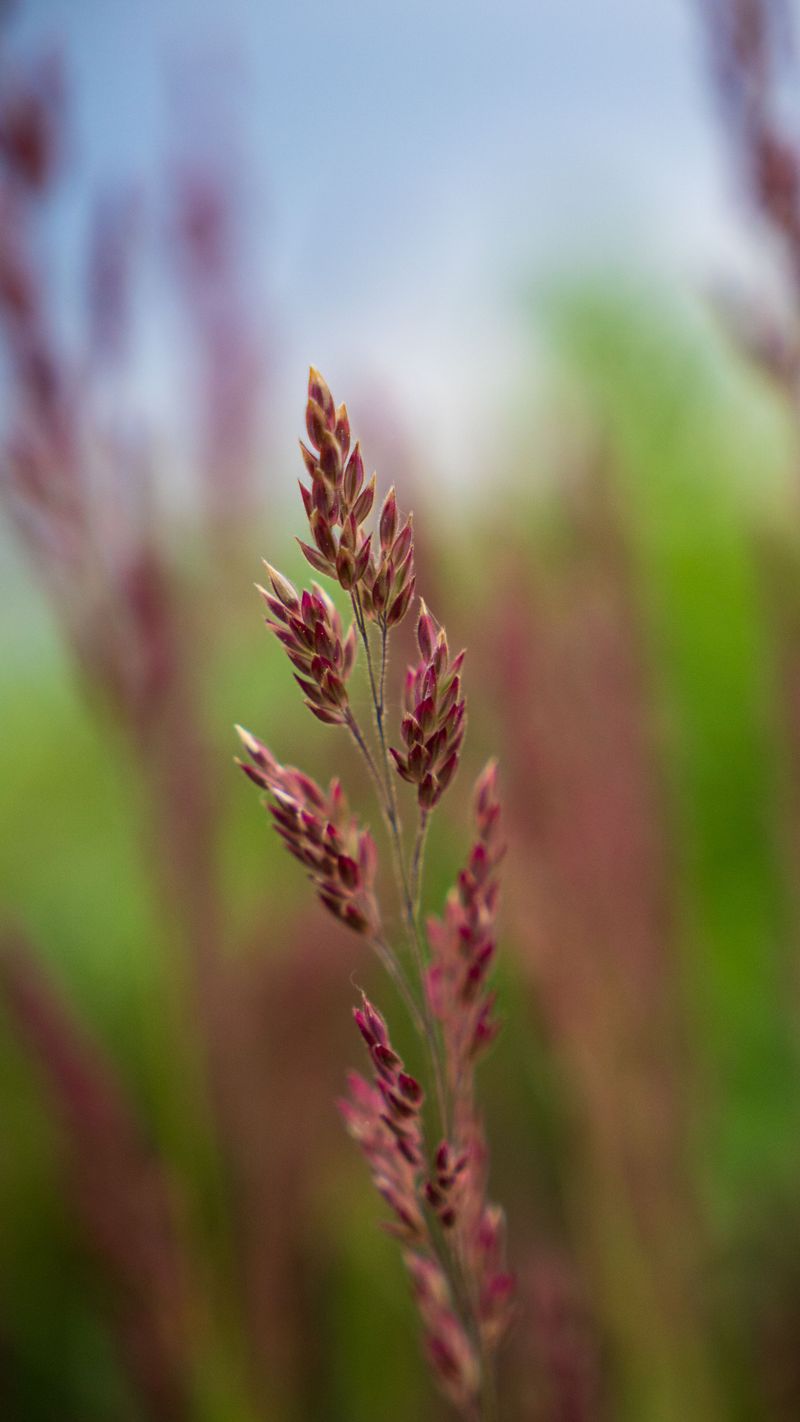
Few native grasses turn heads quite like Little Bluestem does in the fall. Its steel-blue summer color shifts to copper-red, like the hillside caught fire.
Beyond its good looks, this grass is a serious workhorse when it comes to holding soil. Its fibrous roots dig several feet deep, locking in topsoil even on steep, sun-baked slopes.
Your Tennessee Garden Changes Every Week. Your Plan Should Too.
Gardening in Tennessee changes quickly throughout the season. Every Friday you’ll receive a simple weekly plan showing exactly what to plant, prune, fertilize, harvest, and protect so you never miss the right timing.
Little Bluestem is one of the most drought-tolerant natives you can plant in a Tennessee landscape. Once it gets going, it laughs at dry spells that leave other plants gasping, and rarely needs watering after its first year in the ground.
It grows in tight clumps that cover ground efficiently without becoming invasive or spreading where you do not want it. That habit makes it easy to control in a garden bed or naturalized area.
This grass pairs beautifully with Purple Coneflower and Indian Grass for a layered, natural-looking planting. The combination creates a dense root mat that is nearly impossible for rain to wash away, even during a hard Tennessee thunderstorm.
Pollinators visit the flowers, and songbirds feast on the fluffy white seed heads all winter long. Planting Little Bluestem on a sunny slope is one of the smartest moves a Tennessee gardener can make.
It asks for almost nothing in return for all the hard work it does underground. Start with small plugs or transplants in spring, and watch this grass take charge of your erosion problem by summer.
3. Indian Grass
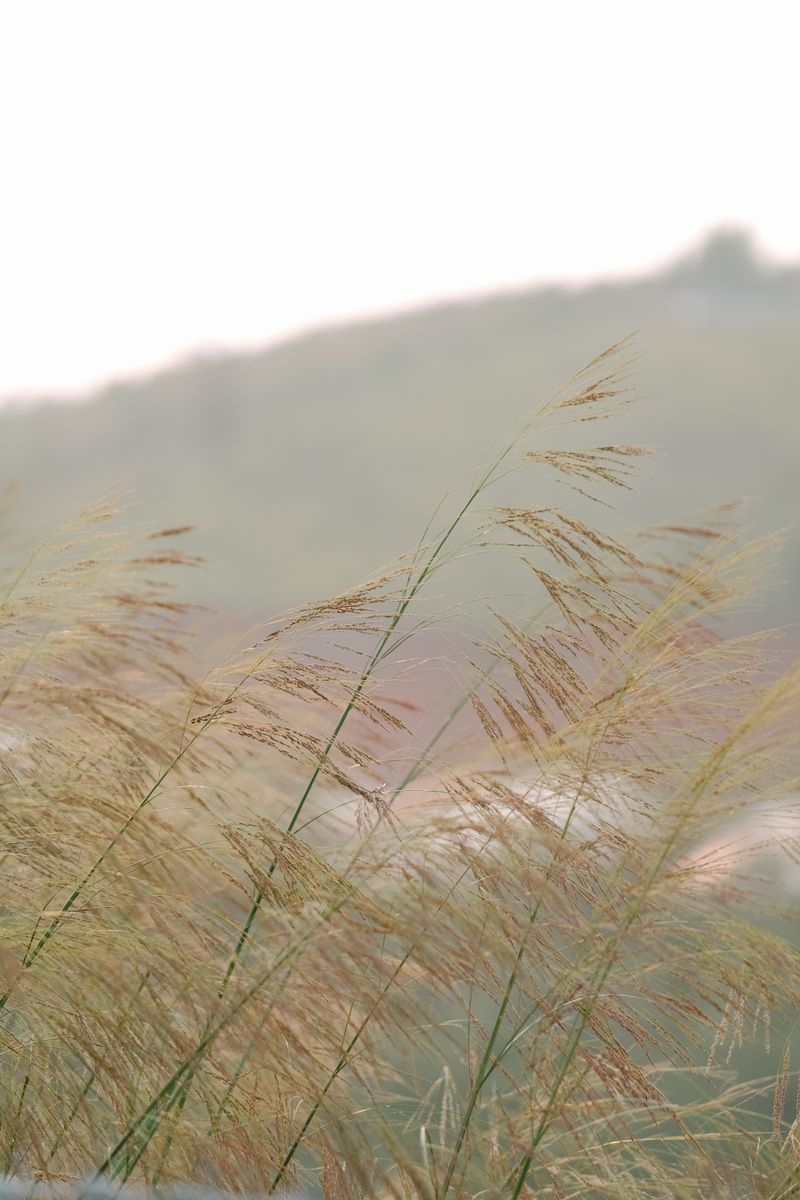
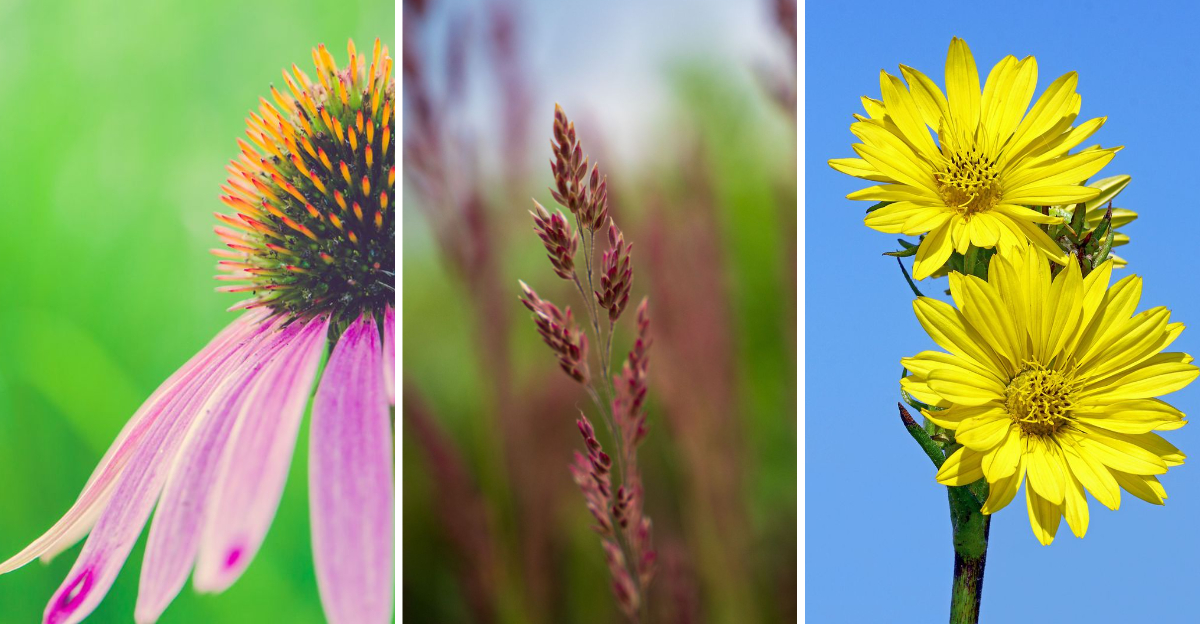
Indian Grass has a golden, feathery seed head that catches the late afternoon sun like something out of a painting. It is the kind of plant that makes neighbors slow their cars down to take a second look.
Standing four to seven feet tall at maturity, it brings dramatic height to any planting while doing serious work underground. The root system is deep and fibrous, anchoring soil on slopes and banks where water runoff is a constant threat.
Native to Tennessee and much of the eastern United States, Indian Grass evolved alongside the land it grows in. That long history means it is perfectly adapted to local rainfall patterns, soil types, and seasonal temperature swings.
It grows best in full sun but tolerates light shade without losing much of its vigor. Poorly drained or compacted soils do not slow it down the way they would stop a non-native ornamental grass.
Planting Indian Grass alongside Switchgrass creates a layered root structure that covers multiple soil depths at once. That double-layer approach gives you even stronger protection against erosion on challenging terrain.
Wildlife benefits are significant too, as native sparrows and finches rely on the seeds through cold winter months. The dried stalks also provide nesting material for small birds and overwintering insects.
Indian Grass is low-maintenance once established and rarely needs supplemental water after its first season. Cut it back in late winter before new growth emerges, and it will reward you with another season of beauty and function.
4. Rattlesnake Master
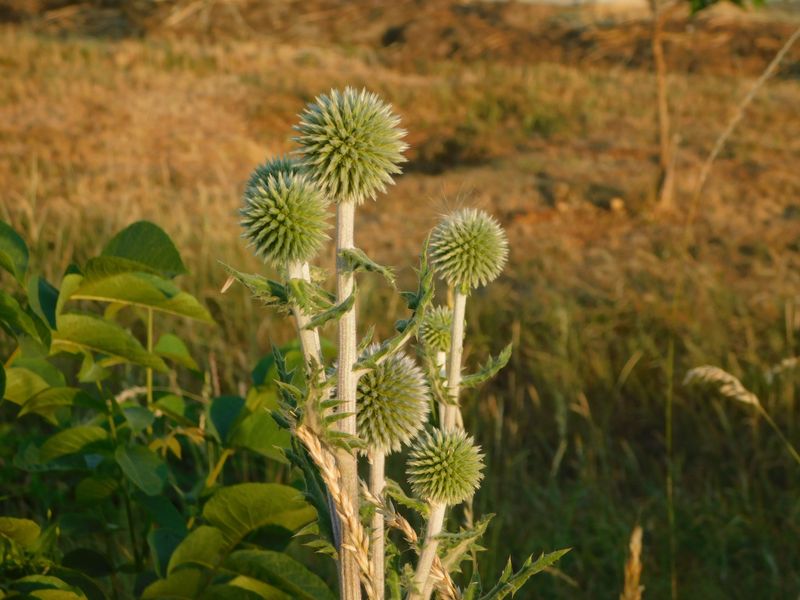
Rattlesnake Master sounds like something from a wild west story, but it is actually one of the most fascinating native plants you can add to a Tennessee garden.
Its spiky, globe-shaped flower heads sit atop tall stems and look like something from another planet entirely.
The plant belongs to the carrot family, which surprises most people who see it for the first time given how little it resembles anything in a vegetable patch.
Its rigid, yucca-like leaves form a bold rosette at the base that anchors the plant firmly in the ground.
Those thick, fleshy roots go surprisingly deep, making Rattlesnake Master a reliable choice for stabilizing dry, rocky slopes where erosion tends to hit hardest.
It thrives in poor soil conditions where other plants simply give up and fade out within a season or two.
Full sun and good drainage are its two main requirements, and it will tolerate drought once established without skipping a beat.
That toughness makes it especially valuable on south-facing slopes that bake in summer heat and see little relief from rain.
Monarch butterflies and native bees are drawn to the flowers, so you get a lively pollinator scene all summer long.
Few plants offer this level of ecological value while also protecting your soil from washing away during storms. Rattlesnake Master is slow to establish but extremely long-lived once it finds its footing.
Patience pays off big here, as a mature clump can hold its ground for decades with minimal intervention required from the gardener.
Pairing it with Compass Plant creates a visually striking, erosion-resistant combination that also feeds local pollinators all season. This plant earns its unusual name by being absolutely unbeatable in tough conditions.
5. Compass Plant
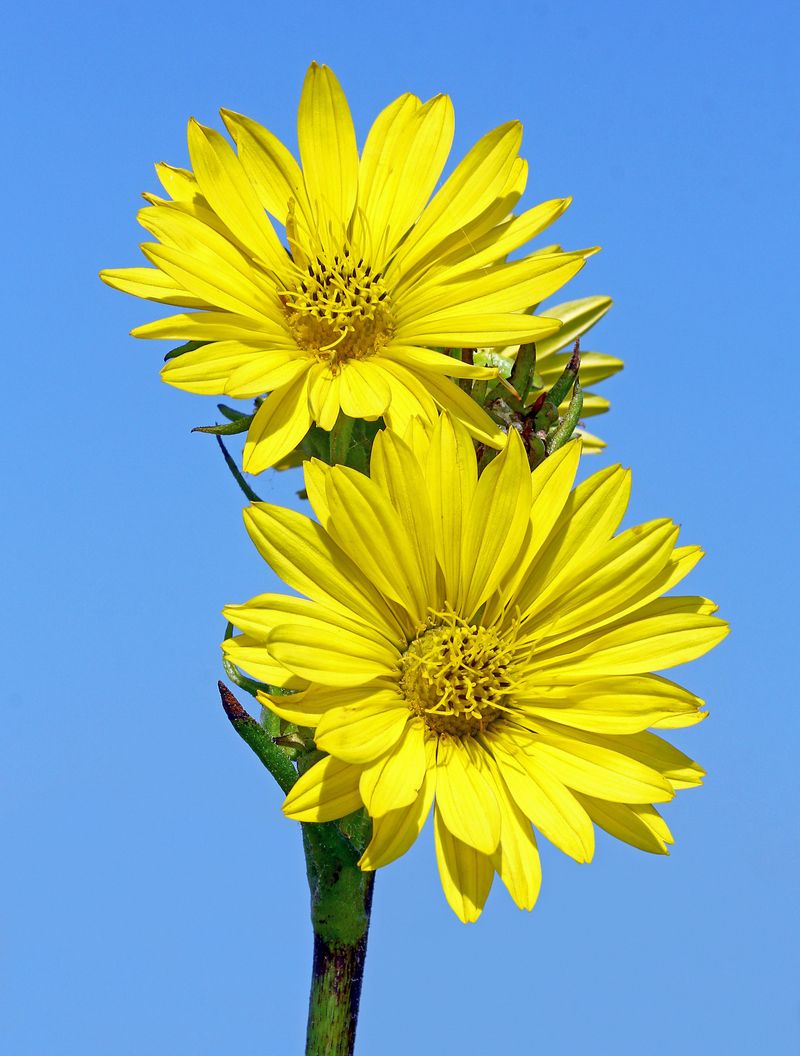
Compass Plant gets its name from a genuinely cool survival trick. Its large, deeply lobed leaves orient themselves north to south, minimizing sun exposure during the hottest part of the day.
Keep in mind that Compass Plant is considered a threatened species in Tennessee, where it naturally occurs in only a few western counties.
Always source plants from a reputable native plant nursery rather than the wild. Early American settlers reportedly used it as a natural compass when crossing open prairies.
That same ancient wisdom about direction is baked into a plant that also happens to be an erosion-fighting champion.
Growing up to eight feet tall with bright yellow flowers, Compass Plant is impossible to miss in a garden setting.
But the real action happens underground, where its taproot can plunge ten to fifteen feet into the earth.
That extraordinary root depth makes it one of the most powerful soil anchors in the native plant world. Even on steep slopes with heavy clay soil, Compass Plant holds the ground firm through the heaviest rains.
It prefers full sun and well-drained soil, and nursery-grown plants adapt well to open, sloped areas in a Tennessee yard.
Once established after two or three seasons, it becomes essentially indestructible and self-sufficient.
Goldfinches and other seed-eating birds flock to the plant in late summer when the large seed heads ripen. Bees and butterflies work the flowers all season, turning your erosion-control planting into a buzzing wildlife habitat.
Compass Plant is slow to establish because most of its early energy goes into root development rather than top growth.
Stick with it through the first two seasons, and nursery-sourced Compass Plant will become a permanent, powerful anchor for your soil erosion problem in your Tennessee garden.
6. Purple Coneflower
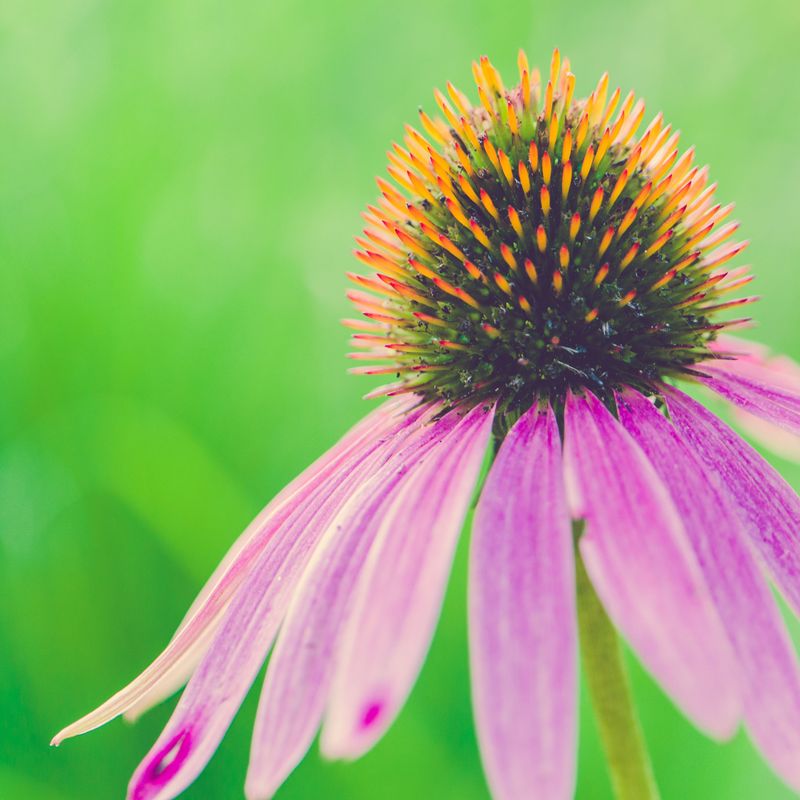
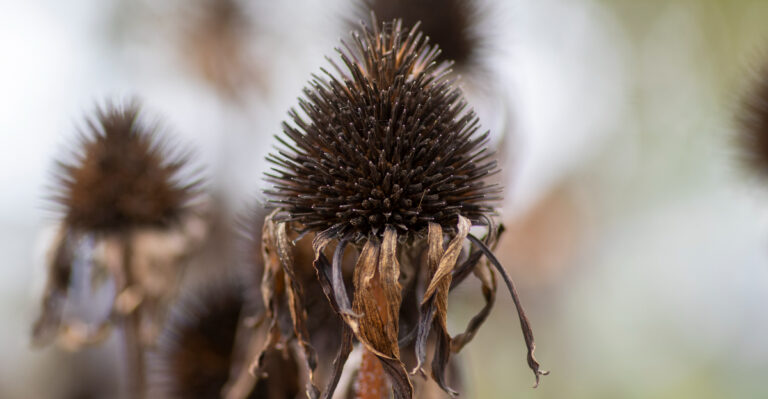
Purple Coneflower might be the most recognizable native wildflower in the entire eastern United States. Those cheerful pink-purple petals surrounding a spiky orange cone are a classic summer sight in Tennessee gardens everywhere.
Most gardeners know it for its beauty, but its root system is equally impressive and deeply functional. Its thick, branching roots bind soil together, resisting even heavy rainfall.
Echinacea purpurea, its scientific name, is native across much of the Midwest and South, including right here in the Volunteer State.
That native heritage means it is perfectly tuned to local weather patterns without needing any extra coddling from you.
It grows happily in average to poor soil, which is actually good news for erosion-prone slopes that tend to be nutrient-depleted. Rich, over-amended soil actually causes it to flop and sprawl rather than stand upright and strong.
Plant it in masses of five or more for the best erosion-control effect, since dense groupings create overlapping root systems.
That interconnected underground network holds soil far more effectively than scattered individual plants ever could.
Pollinators go absolutely wild for the flowers from midsummer through early fall. Leave the seed heads standing, they feed goldfinches and chickadees all winter.
Purple Coneflower spreads slowly by seed and division, gradually filling in bare spots on its own over time. Few plants deliver this much beauty, wildlife value, and erosion protection all in one tidy package.
7. Wild Quinine
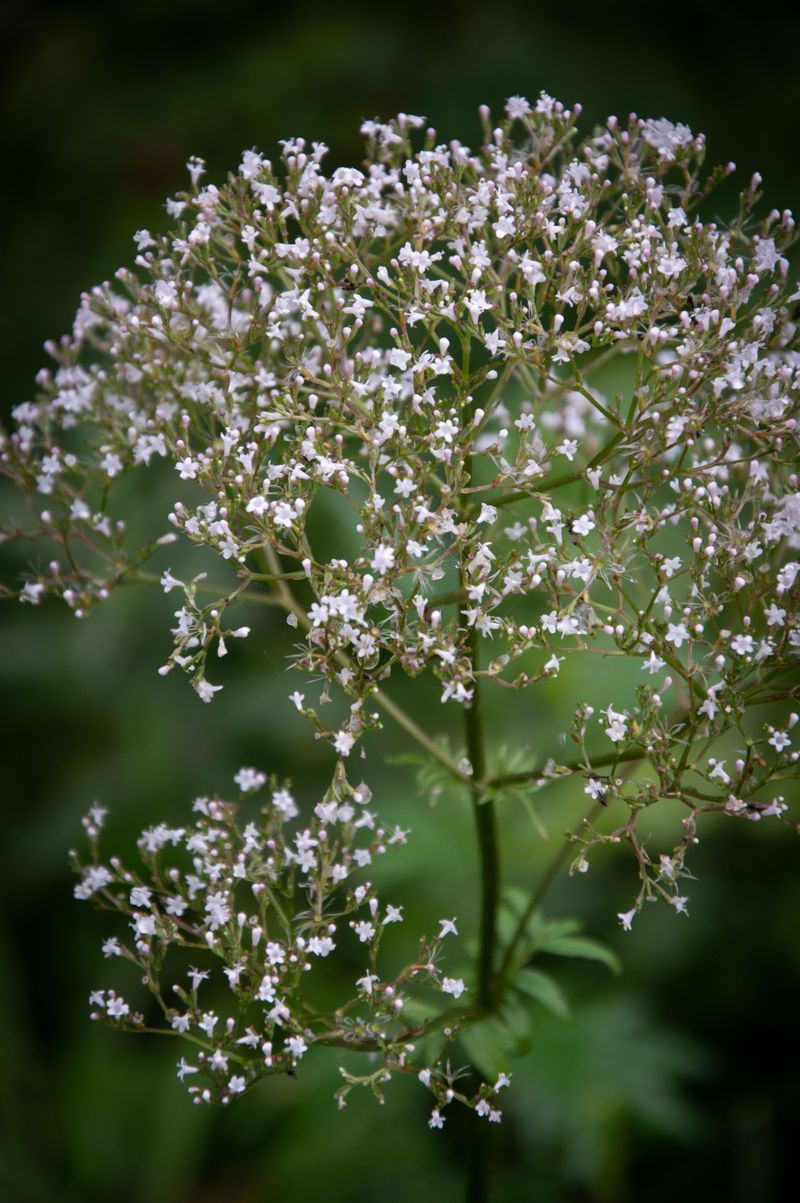
Wild Quinine is one of those underrated natives that deserves a lot more attention than it typically gets. Its small, white button flowers look modest, but the roots below are a powerhouse.
The root system is thick, deep, and remarkably tough, making it a top-tier choice for stabilizing dry, sunny slopes.
It handles drought, poor soil, and neglect with the kind of quiet confidence that makes it a garden favorite.
Native to open woodlands and prairies across the eastern United States, Wild Quinine has been growing in this region for thousands of years.
That deep regional history means it is fully adapted to the clay-heavy soils and unpredictable rainfall patterns common across Tennessee.
It grows two to four feet tall and forms clumps that spread gradually without becoming aggressive or invasive.
That well-mannered spreading habit makes it easy to manage while still providing excellent ground coverage over time.
The flowers bloom from late spring through midsummer, attracting a wide range of native bees and beneficial insects.
Deer tend to leave it alone, which is a genuine bonus for anyone gardening in areas with heavy deer pressure. Wild Quinine pairs especially well with Little Bluestem and Purple Coneflower in a mixed native planting.
Together, those three create a layered root system that covers multiple soil depths and resists erosion from multiple angles.
If you have a dry, sunny slope that keeps washing out every spring, Wild Quinine is ready to solve that problem permanently. Plant it once and let it quietly do its job for years without asking much in return.