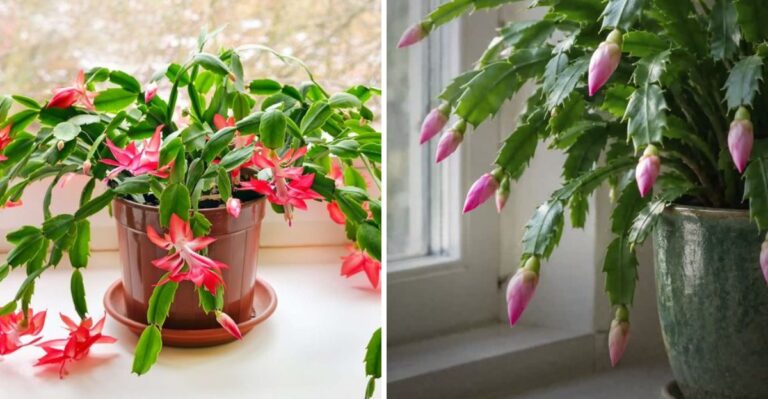
Why Drafts And Heating Vents Make California Christmas Cactus Buds Fall Early
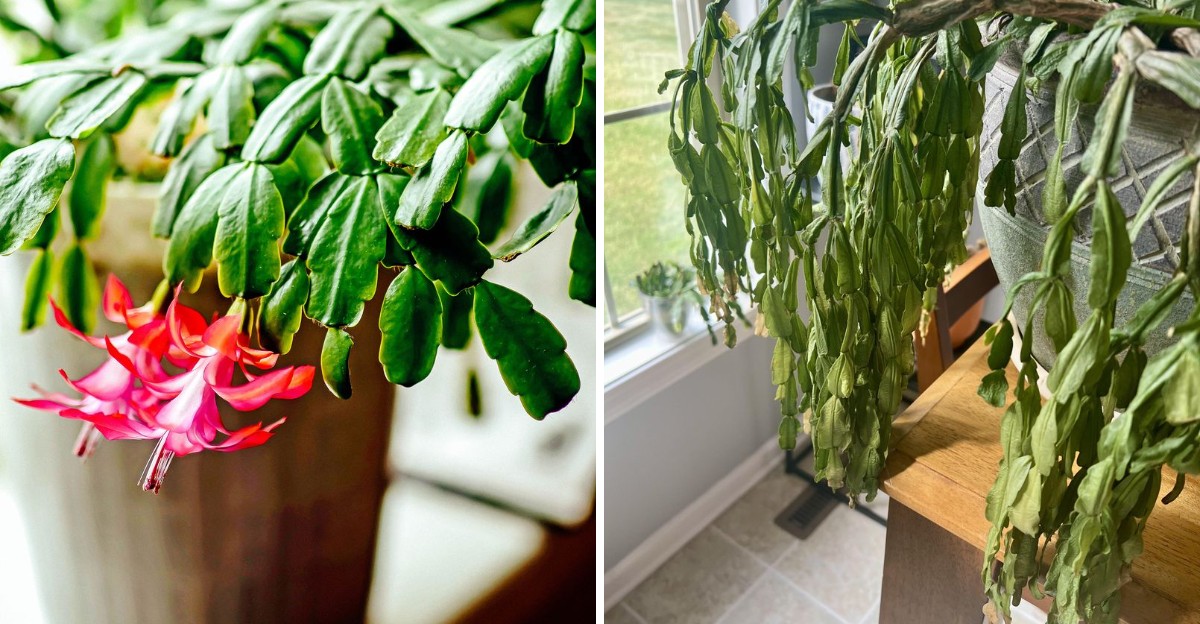
A single blast of furnace air can make a plump flower bud let go of its stem within days. Those tiny pink drops on the windowsill rarely mean the plant is sick, and that surprised me at first.
The real culprit often hides in plain sight, like a heater register or a front door that swings open. Even mild California winters bring chilly nights, and many homes run the furnace right when buds are swelling.
I have to admit that I once parked my favorite holiday bloomer beside a sunny vent and felt proud. You can probably guess how that story ended, with buds scattered across the carpet like dropped candy.
Plenty of California gardeners face the same puzzle every December, and the fix is often surprisingly simple. So what is your cozy living room secretly doing to those buds, and how can you stop it?
1. Cold Drafts From Opening Doors Shock Budding Christmas Cactus
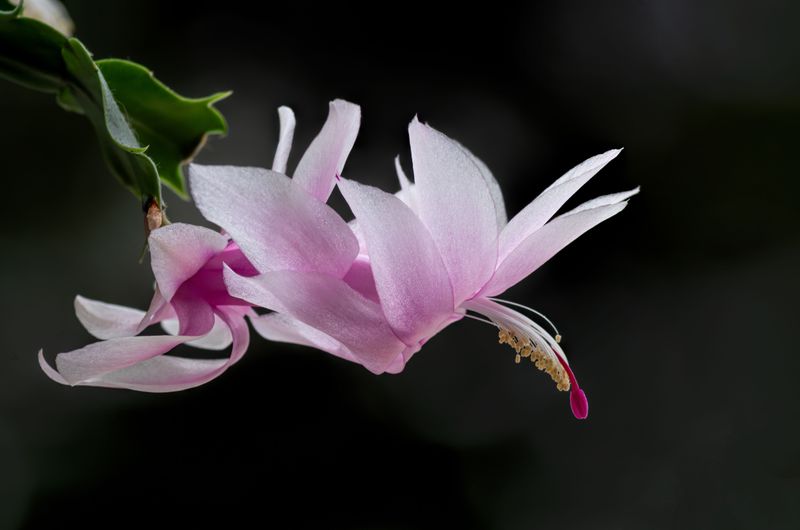
Every time the front door swings open, a rush of cool outdoor air sweeps across anything sitting nearby. Your budding Christmas cactus feels that chill instantly, and its fragile flower buds react faster than you might expect.
Botanists call this plant Schlumbergera, and it comes from shady mountain forests in southeastern Brazil. Those forests stay fairly mild and steady, so sudden cold gusts feel like a strange and stressful event to the plant.
Buds are expensive for a plant to build, using stored energy and water over several weeks. When conditions suddenly turn harsh, the plant often drops those buds to protect its leaves and stems instead.
Personally, I learned this lesson with a gorgeous plant parked on a hallway bench beside our entry door. Guests came and went all December, and the buds fell one by one until barely any were left.
You can test your spot by holding a hand near the plant while someone opens the door outside. If you feel moving cool air on your skin, the buds feel it too, so find a calmer location.
Interior walls away from entryways usually make better homes during the bloom season for these sensitive plants. A side table in a quiet living room corner often works nicely, as long as bright indirect light reaches it.
Even coastal homes with gentle winters see chilly evening breezes slip through doors during the holidays. Moving the pot just a few feet can make the difference between bare stems and a colorful show.
2. Heating Vents Blow Dry Hot Air Across Delicate Buds
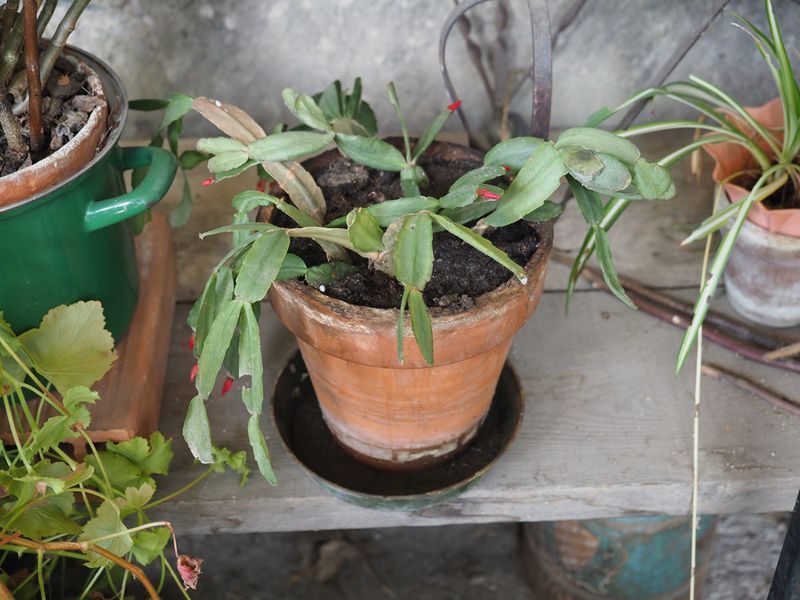
Warm air pouring from a floor register feels wonderful on cold toes, but your holiday plant disagrees strongly. That steady stream of heated air pulls moisture from buds and stems faster than roots can replace it.
A Christmas cactus is an epiphyte, meaning it naturally grows perched on trees and rocks in humid forests. It expects soft, moist air around its segments, not a desert wind blowing straight from a furnace duct.
You might notice buds turning limp or slightly wrinkled before they finally drop onto the floor below. Some growers also spot segments looking thin and puckered, which signals the plant is losing water too quickly.
I like to check every vent in a room before choosing a spot for any blooming houseplant. Ceiling vents can be sneaky, sending a downward blast onto shelves and tables that seem perfectly safe at first.
Simple vent deflectors from a hardware store can redirect airflow away from your plant if moving it is tricky. Still, the easiest fix is shifting the pot several feet away from the heated airflow path.
University extension experts note that hot, dry indoor air is one of the most common bud drop triggers. That advice matches what many gardeners discover the hard way during their first holiday season with this plant.
Many homes in the Central Valley and mountain areas run heaters often on frosty winter nights. Keep those buds out of the direct breeze, and you will likely enjoy far more open flowers this year.
3. Low Indoor Humidity Makes Christmas Cactus Buds Shrivel
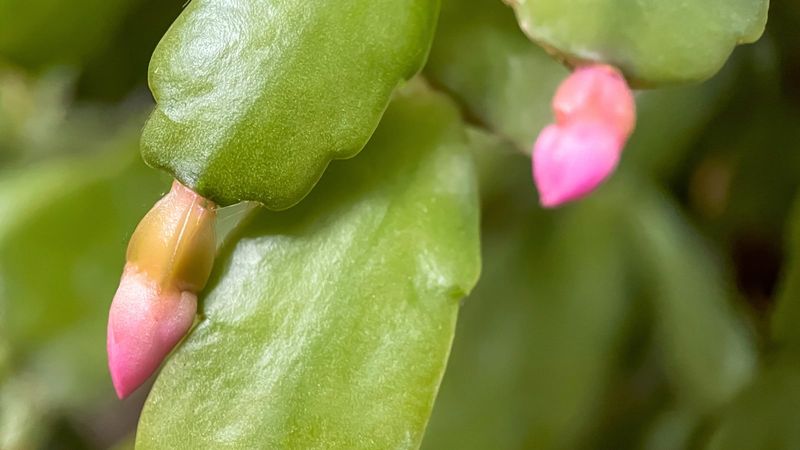
Dry winter air can leave your lips cracked, and it quietly does something similar to swelling flower buds. Heated homes often have much lower humidity than the forest air this plant enjoys in its native range.
Many care guides suggest aiming for moderate humidity around fifty percent or a bit higher for best results. A cheap digital hygrometer can tell you exactly how dry your room really gets once the furnace starts running.
What surprises me most is how fast a dry room can affect buds that looked plump just days earlier. The tips may brown slightly, and then the whole bud loosens and tumbles off with a gentle touch.
A pebble tray is an easy fix that many gardeners swear by during the heating season. Fill a shallow tray with gravel and water, then set the pot on top so it stays above the waterline.
As water evaporates from the tray, it adds a little moisture to the air right around your plant. Grouping several houseplants together helps too, because their leaves release moisture that benefits close neighbors.
A small room humidifier works even better if you have a collection of tropical plants sharing one space. Just avoid misting heavily every day, since constantly wet segments can invite fungal spots in cool rooms.
Dry inland regions of California, especially during Santa Ana wind events, can push indoor humidity surprisingly low. Watching that number closely gives you a real edge in keeping buds healthy until they open.
4. Sudden Temperature Swings Confuse A Budding Plant
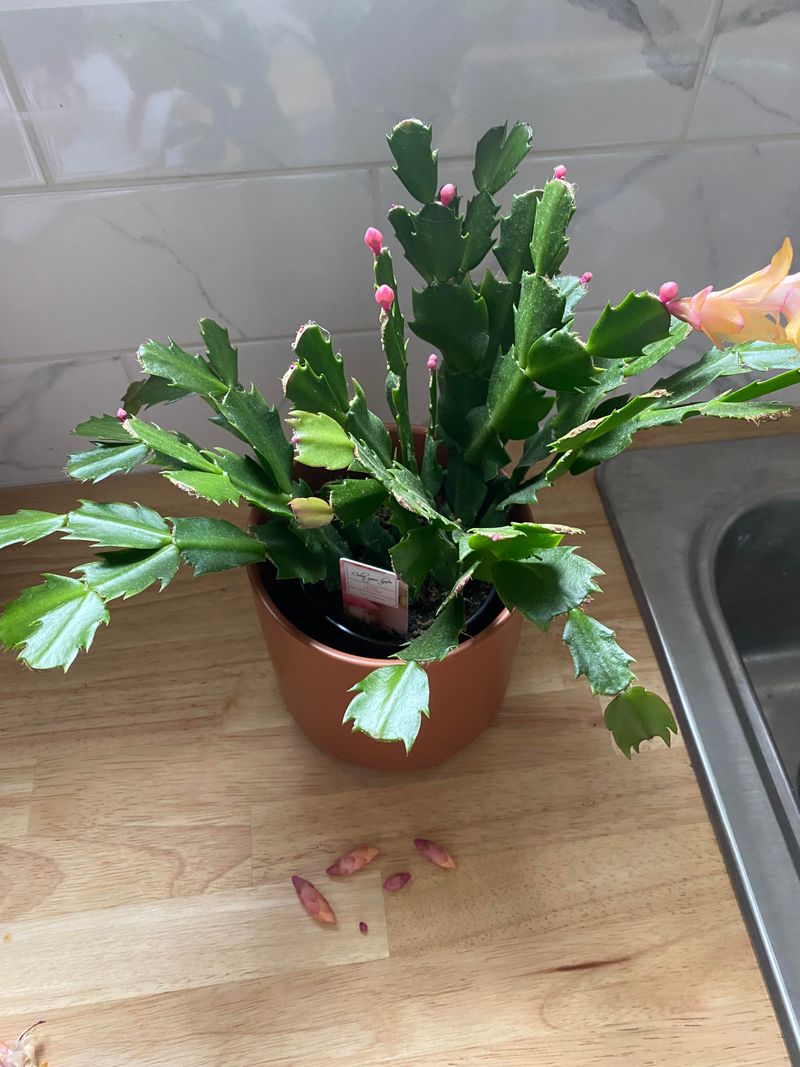
Imagine waking up chilly at dawn and sweating by lunch, all without leaving your living room couch. Plants placed between a drafty window and a heater experience roughly that kind of roller coaster every day.
A budding Christmas cactus prefers steady conditions, ideally with daytime temperatures in the sixties and slightly cooler nights. Big swings of fifteen or twenty degrees can stress the plant enough to start shedding buds early.
Thermostat schedules often cause these swings without anyone noticing, especially in homes that cool down overnight. The heater kicks on hard in the morning, and that sudden warm surge reaches plants sitting nearby.
I believe a cheap thermometer placed beside your plant is one of the smartest tools you can buy. After a few days of checking, you will know whether your chosen spot stays calm or bounces around wildly.
Rooms you rarely heat, like a guest bedroom with an east window, can turn out to be wonderful choices. They often stay cool and stable, which matches what these forest plants handle best during bloom time.
Kitchens can be tricky because ovens and stovetops release bursts of heat during holiday cooking marathons. Keep the pot away from the range, and avoid the top of the refrigerator where warm air collects.
Steady conditions also help open flowers last longer once they finally unfurl their bright layered petals. A calm room rewards you with weeks of color instead of just a few hurried days.
5. Chilly Window Glass Chills Christmas Cactus Leaves At Night
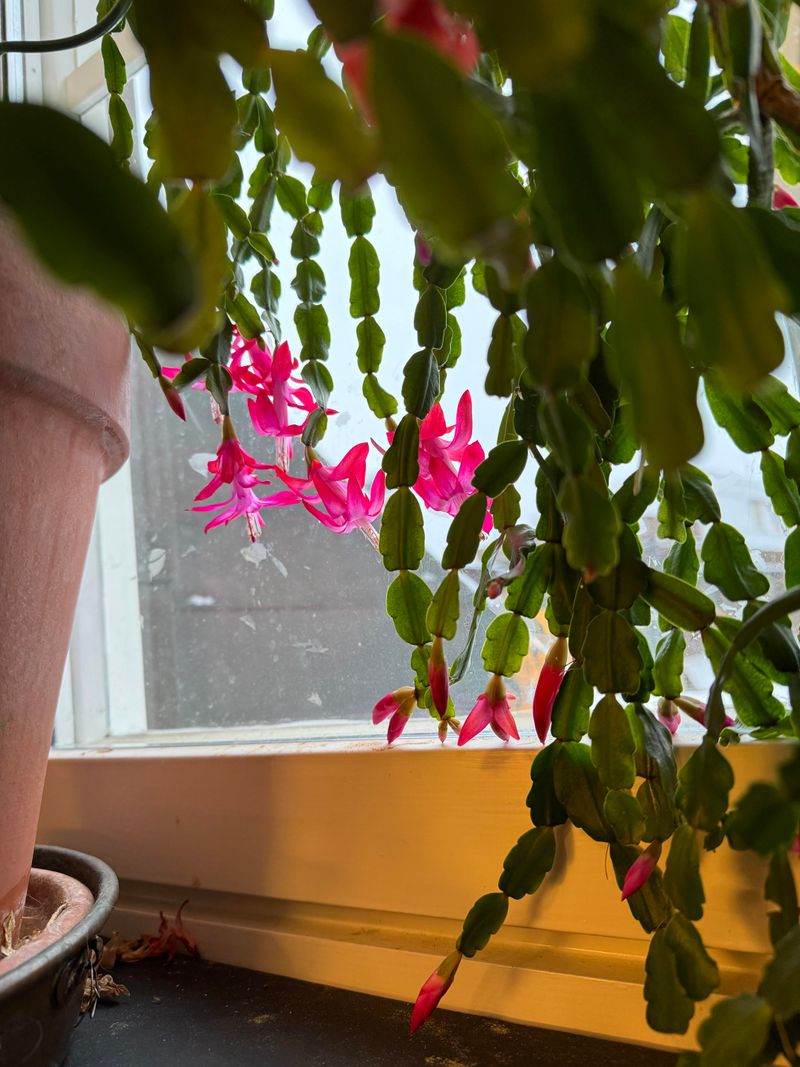
Window glass can feel icy on a winter night, even when the rest of the room seems pleasantly warm. Plants touching that glass sit in a pocket of cold air that slides downward like an invisible waterfall.
Bright windows are great for daytime light, so this problem catches many careful gardeners completely by surprise. The plant soaks up sunshine all afternoon, then spends hours chilling against cold panes after sunset.
Christmas cactus actually likes cool nights during bud formation, often around fifty to fifty-five degrees Fahrenheit. Trouble begins when segments press against glass that drops much colder, especially in older single-pane windows.
You need to leave a gap of several inches between leaves and glass during the coldest weeks. That small buffer lets the plant enjoy bright light without resting directly in the coldest air zone.
Closing curtains at night can help, but make sure the plant ends up on the room side. Trapping it between fabric and glass actually creates a colder pocket, which is the opposite of what you want.
Frosty nights are common in high desert towns and foothill communities during December and January. Coastal areas stay milder, yet single-pane windows can still feel surprisingly cold after a clear evening.
I keep a small towel handy to test my windowsills, resting a hand there after dark. If the spot feels uncomfortable for my fingers, it is far too chilly for those tender buds.
6. Moving Your Christmas Cactus Mid-Bloom Triggers Bud Drop
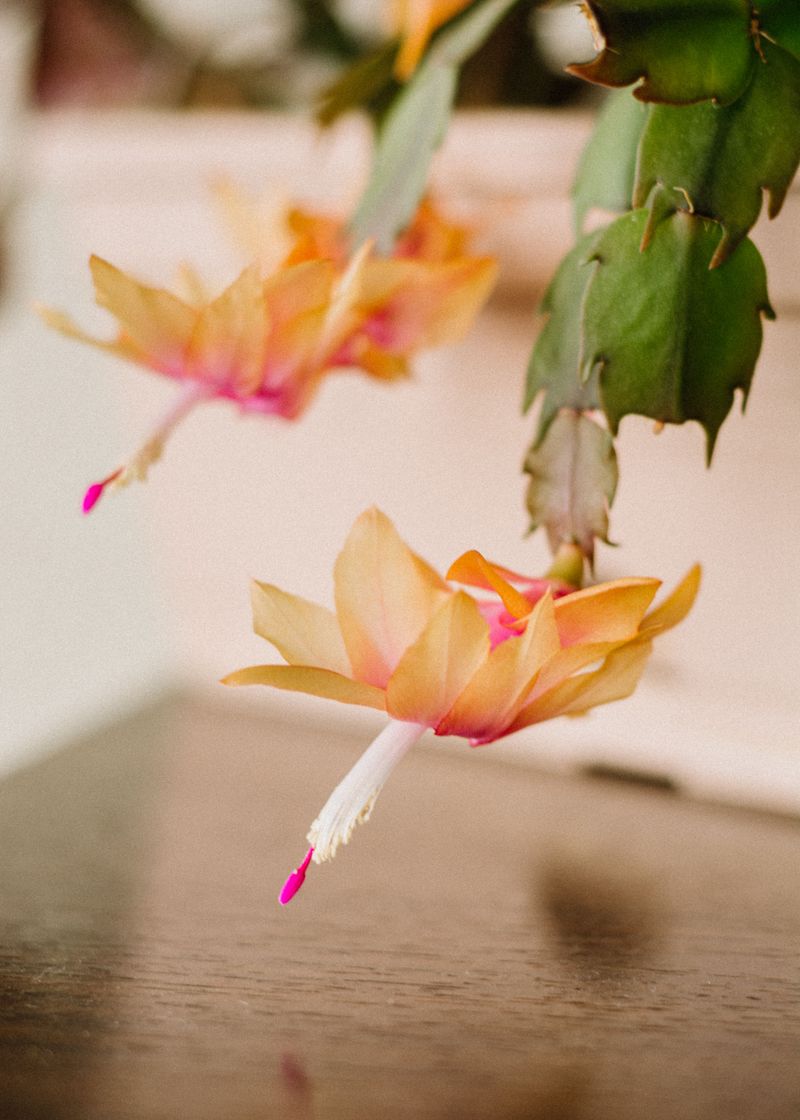
Carrying a budding plant from room to room to show it off feels harmless, yet buds often disagree. Many growers notice flowers dropping a few days after they relocate the pot to a fancier display spot.
Buds tend to orient toward their light source as they develop over several weeks of steady growth. A new spot changes light direction, temperature, and airflow all at once, which can overwhelm the plant quickly.
Store-bought plants face this challenge more than most, since they travel from greenhouse to truck to shelf. That journey explains why some nursery plants drop buds soon after arriving in a warm, dry home.
I love how quickly a plant settles when you pick one good spot and simply leave it there. Choose that location before buds appear, ideally in early autumn, so the plant can adjust gradually over time.
Rotating the pot for even growth is fine before buds form, but stop once you spot tiny tips. After that point, patience matters more than symmetry, and a slightly lopsided bloom is still lovely.
If you must move it for a party, keep the trip short and the new spot similar. Bring it back to its usual home afterward, avoiding vents and doors along the way.
Gifted plants deserve a little grace during their first weeks with you, since stress builds during travel. Even if a few buds fall, the remaining ones often open beautifully once conditions settle down.
7. Dry Potting Soil Near A Furnace Stresses Roots
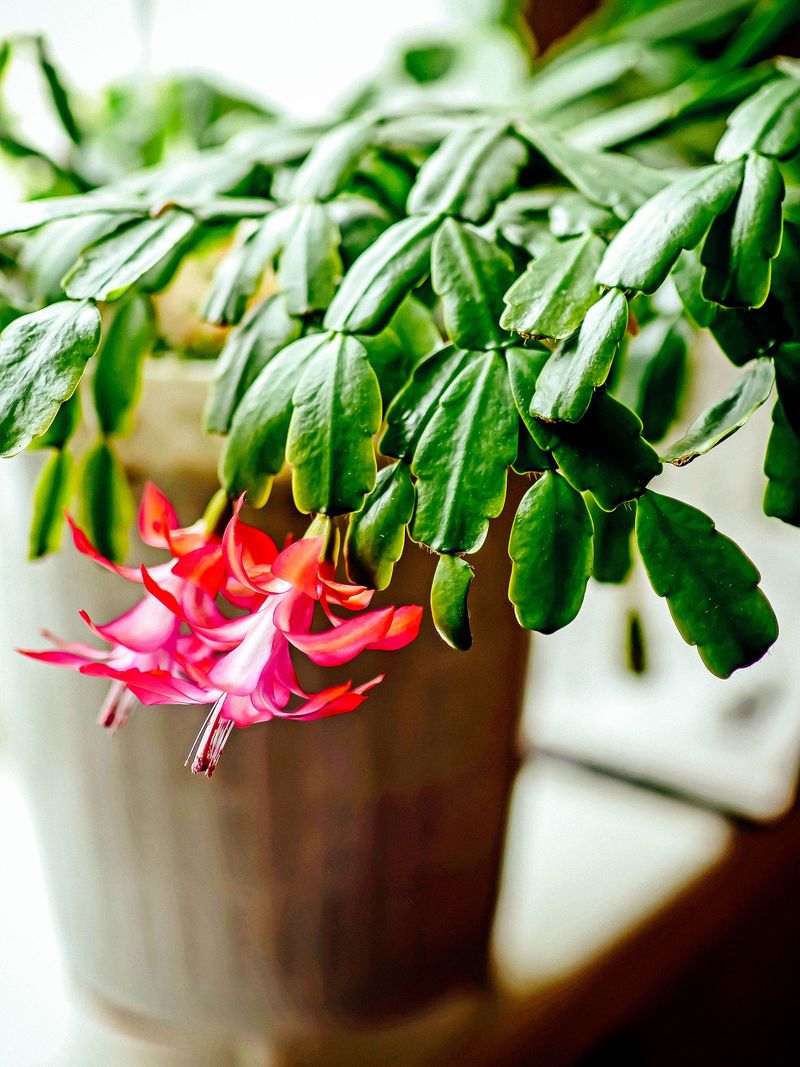
Heated rooms dry out potting mix much faster than most people expect during the winter months. A pot that stayed damp for ten days in autumn might dry out in four once the furnace runs.
When roots run short of water, the plant cannot keep its buds plump and fully hydrated. Those buds are often the first thing sacrificed, because the stems and roots matter more for long-term survival.
Personally, I check soil moisture with a finger every few days instead of following a strict calendar. Many experts suggest watering when the top inch or so feels dry, then letting extra water drain away.
Lifting the pot is another clever trick that seasoned growers use during busy holiday weeks. A dry pot feels noticeably lighter, and you will quickly learn the difference between thirsty and freshly watered.
Terra cotta pots dry faster than plastic ones, especially when placed near a warm wall or register. If your plant lives in clay, plan on checking it more often during the coldest stretch of winter.
Water at room temperature works best, since icy tap water can shock roots in a chilly house. Fill a watering can the night before, and it will reach a comfortable temperature by morning.
Consistent moisture during bud development helps flowers swell evenly and open on schedule for the holidays. Small, steady adjustments usually work far better than a sudden heavy soak after a long dry spell.
8. Soggy Soil And Overwatering Cause Root Trouble
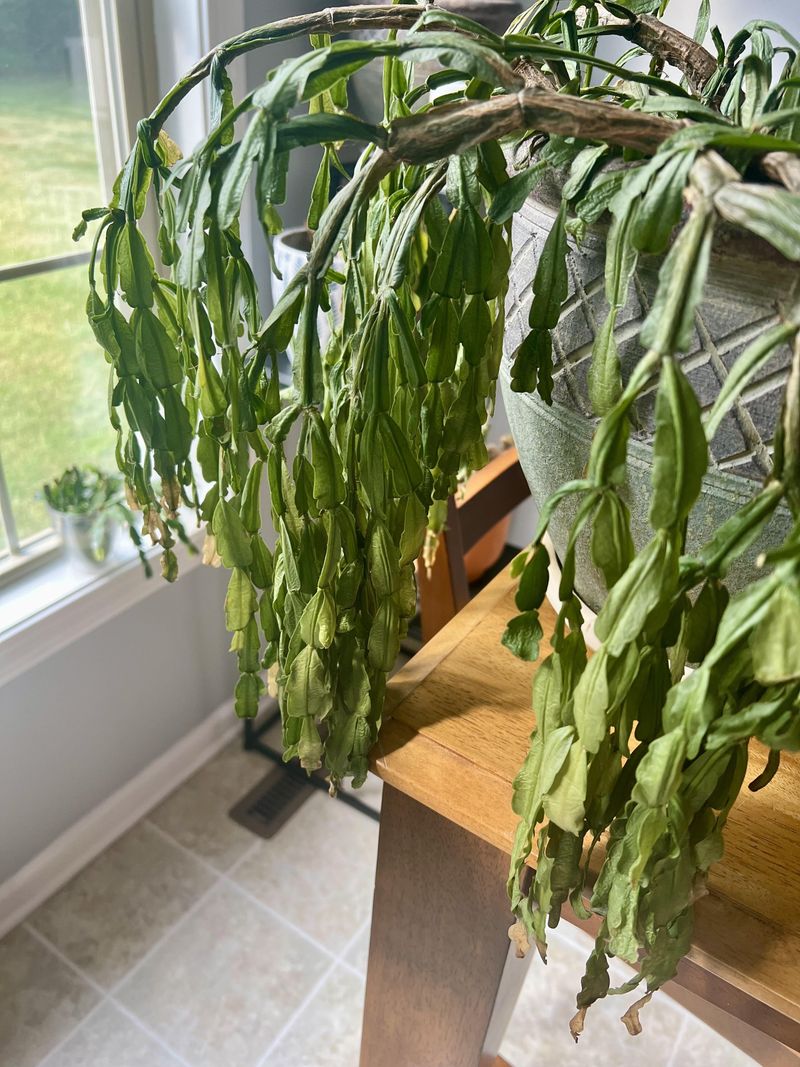
Ironically, worried gardeners often respond to falling buds by pouring on extra water, which makes things worse. Soggy soil starves roots of oxygen, and struggling roots cannot support a heavy crop of flowers.
These forest plants grow naturally in loose, airy pockets of debris on tree branches and mossy rocks. Their roots expect quick drainage, so dense, wet potting mix creates conditions where root rot can develop.
You might notice limp, droopy segments even though the soil feels wet to the touch. That combination often points to root problems rather than thirst, so hold off on watering until things dry somewhat.
A well-draining mix makes a huge difference, and many growers blend potting soil with perlite or orchid bark. The goal is soil that holds some moisture while letting excess water rush out the bottom quickly.
Empty the saucer under your pot about fifteen minutes after watering so roots are not sitting in puddles. Decorative pots without drainage holes are a common trap, especially with plants wrapped in festive foil.
I have to admit I once forgot to remove the shiny foil from a gift plant for weeks. Water pooled inside, the buds dropped, and I finally discovered mushy roots when I peeked underneath.
Cool rooms slow evaporation, so plants kept in chillier spots need water less often during winter. Balance is the real secret, with soil that stays lightly moist instead of soaked or bone dry.