These Grass Cutting Habits Are Stressing Illinois Lawns This August
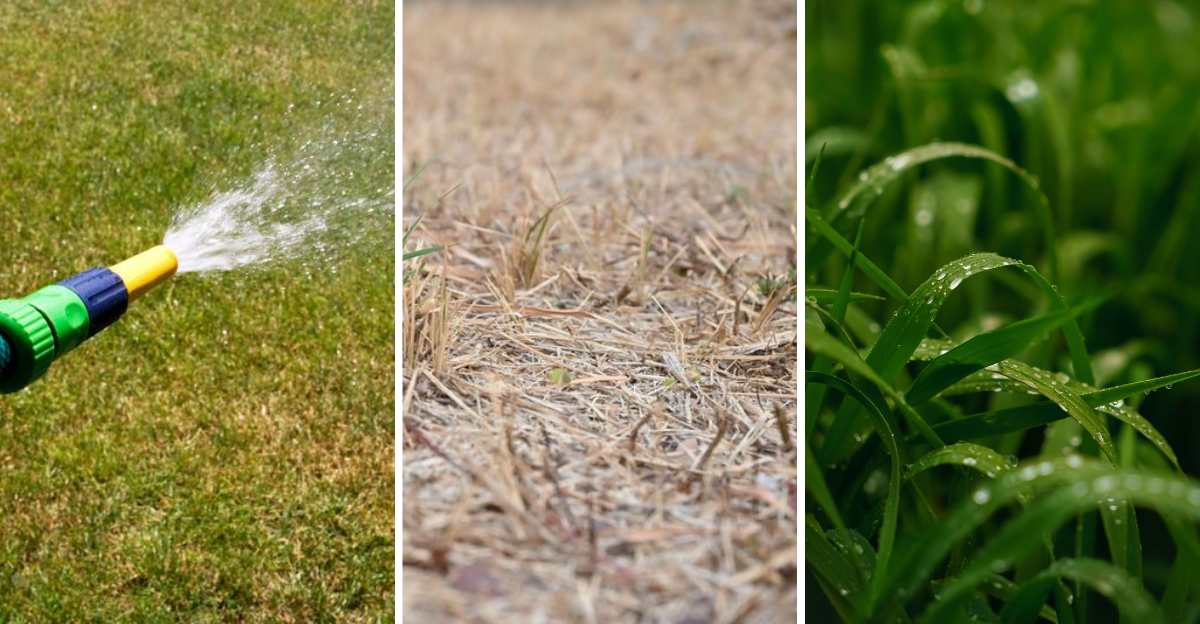
Your lawn is quietly rebelling against habits you never questioned. August heat in Illinois exposes every mistake hiding in your mowing routine. Grass does not fail overnight, it fails one bad habit at a time.
Scalped blades, dull steel, and rigid schedules all chip away at what should be a resilient lawn. Illinois summers push cool-season grass past its comfort zone fast. Small mistakes multiply quickly once heat and stress combine.
Most homeowners repeat these habits for years without noticing the damage building underneath. Timing, blade sharpness, and soil moisture matter more in August than any other month.
Your lawn is sending signals right now, whether or not you are reading them. Correcting even one habit can change how your grass survives the rest of the season. These habits are worth examining before your lawn pays the price.
1. Cutting Grass Too Short In The August Heat
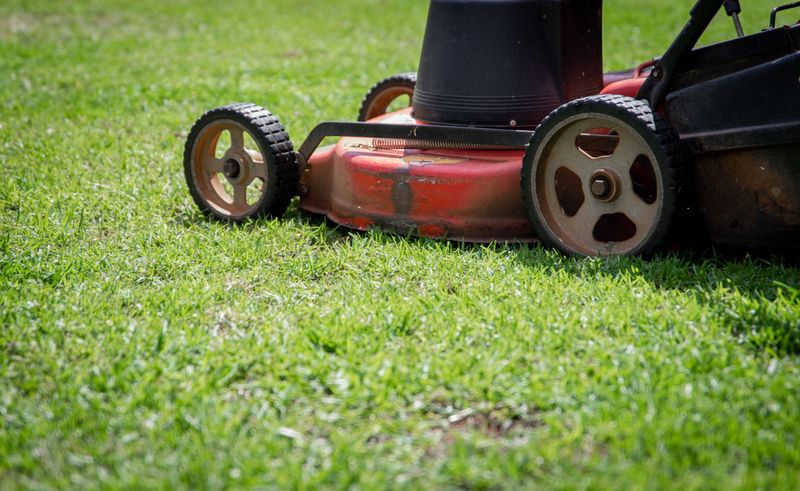
Scalping your lawn in summer feels satisfying in the moment. You think shorter means less mowing later, but your grass thinks otherwise. Every pass with the deck set too low costs you later.
When you cut too low, you remove the leaf blade that shades the soil. That exposed soil heats up fast and dries out even faster. Without that shade, roots below feel the heat almost instantly.
Grass needs its height to protect its own root system. Taller blades act like tiny umbrellas, keeping moisture locked in below the surface. That stored moisture becomes vital during long August afternoons.
Most cool-season grasses common in Illinois, like tall fescue, should stay at three to four inches in August. Dropping below that threshold causes serious heat stress fast.
Scalped grass also invites weeds to move right in. Bare soil patches are an easy opportunity for crabgrass and other invasive summer weeds. Once established, weeds take far longer to remove.
These grass cutting habits are stressing Illinois lawns more than homeowners realize. Raising your mower deck one notch can genuinely change your lawn’s entire August outlook.
A good rule: never cut more than one-third of the blade at one time. That single habit protects your lawn from shock and keeps roots calm. Consistency truly pays off.
Your neighbors might have a shorter lawn, but yours will stay greener through the hottest weeks. Height is your lawn’s best defense right now, so protect it.
2. Mowing During Peak Afternoon Sun
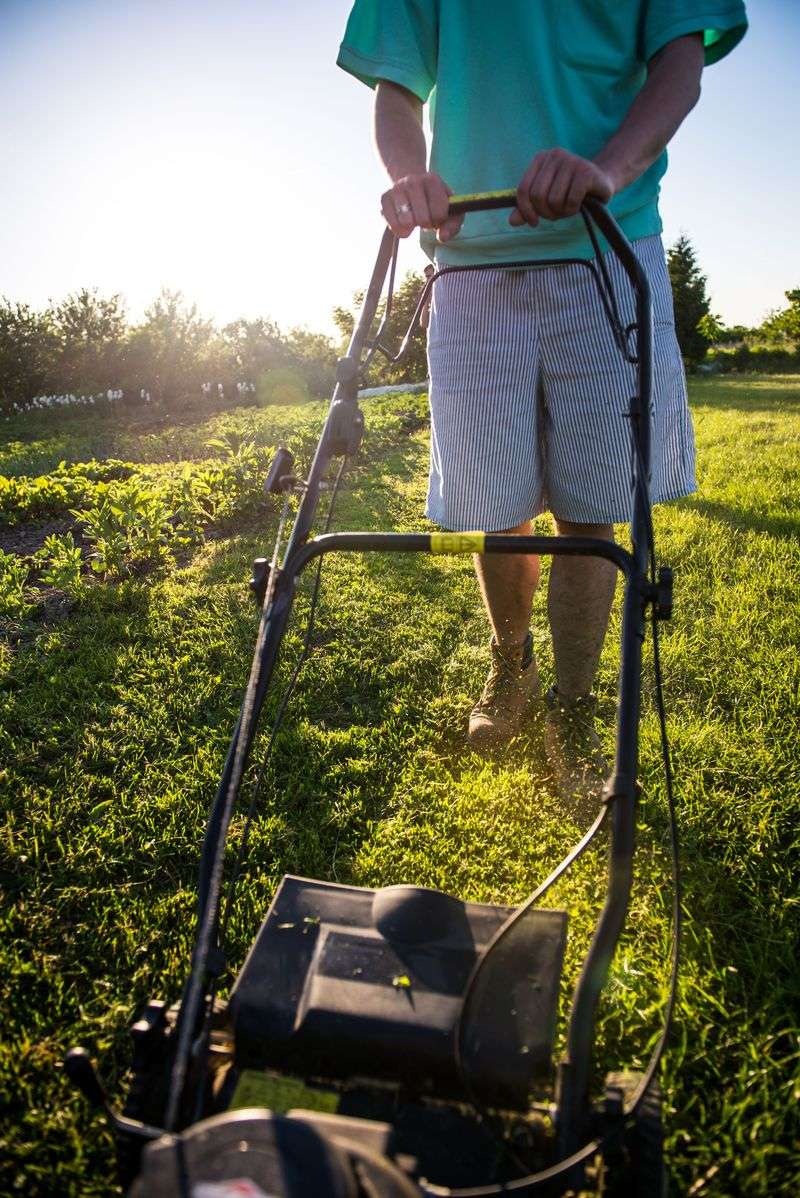
Noon in Illinois during August gets extremely hot. Your grass feels it too, maybe even more than you do.
Mowing during peak afternoon hours, usually between 11 a.m. and 3 p.m., puts grass under double stress. The heat from the sun plus the physical trauma of cutting is a difficult combination.
Freshly cut grass loses moisture through its open tips. When temperatures rise above 90 degrees, moisture loss accelerates significantly.
The best time to mow in August is early morning or early evening. Cooler air temperatures let the grass recover before the next heat wave hits.
Morning mowing also gives cut ends time to dry out before nightfall. Wet clippings sitting overnight can encourage fungal growth, which is an additional issue to manage.
Your Illinois Garden Changes Every Week. Your Plan Should Too.
Gardening in Illinois changes quickly throughout the season. Every Friday you’ll receive a simple weekly plan showing exactly what to plant, prune, fertilize, harvest, and protect so you never miss the right timing.
Evening mowing works too, but aim to finish at least an hour before dark. That window gives grass just enough time to start healing before temperatures drop.
Grass cutting habits like afternoon mowing might seem harmless, but the timing alone can set your lawn back by days. Switching your schedule is one of the easiest wins available to you.
Think of your lawn like a person working outside in August. You would not ask someone to run a marathon at noon, so do not mow at noon either.
3. Using Dull Blades That Tear The Grass
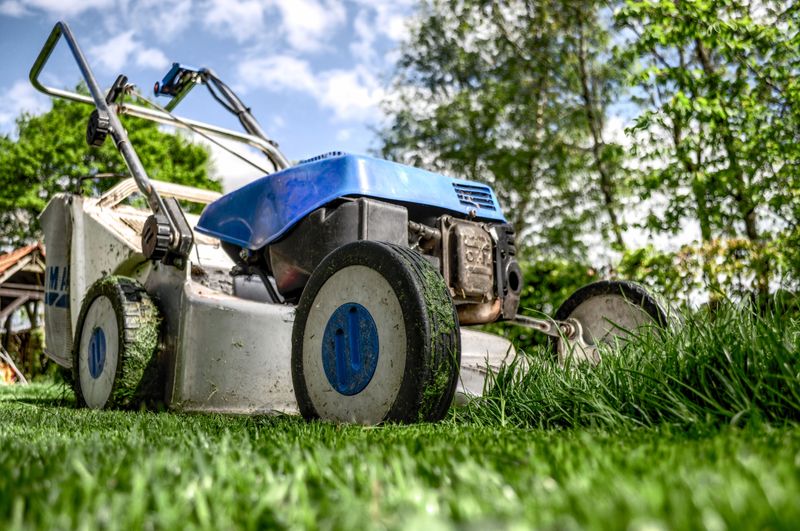
Run your finger along your mower blade right now. If it feels like a butter knife, your lawn may be affected with every cut.
Dull blades do not slice grass cleanly. They tear and shred the tips, leaving jagged edges that turn brown within a day or two.
Those torn tips are not just ugly. They create open wounds that lose moisture rapidly and invite disease to take hold.
Sharp blades make clean, precise cuts that heal quickly. A clean cut means less stress, less browning, and a healthier lawn overall.
Most lawn care experts recommend sharpening blades at least twice per season. In August, when grass is already stressed, a sharp blade is non-negotiable.
You can sharpen a blade yourself with a metal file or take it to a hardware store for a few dollars. Either way, the payoff is immediate and visible.
Look at your lawn after the next mow. If the tips look tan or frayed a day later, your blade is the likely culprit causing that damage.
Swapping in a sharp blade is one of the simplest grass cutting habits you can change today. Your lawn will show you the difference within the very first week.
A sharp blade is cheap insurance against a brown, struggling August lawn. Do not let a ten-dollar fix turn into a costly lawn repair.
4. Skipping Water Right After Mowing
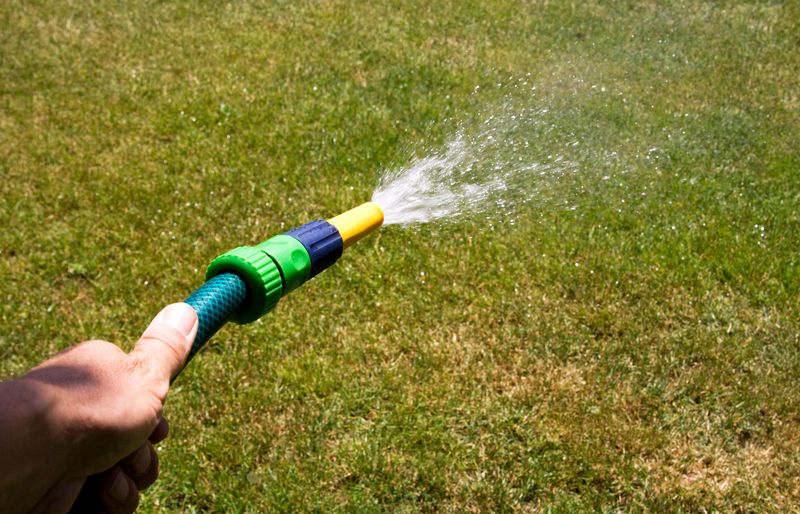
Mowing is stressful for grass, plain and simple. Every cut blade is a small wound that needs support to heal properly.
Skipping a watering session after mowing in August leaves your lawn without the moisture it needs to bounce back. The combination of heat and physical stress without water is a common cause of decline.
Watering within a few hours after mowing helps grass recover faster. It replenishes moisture lost through those freshly cut tips and cools the soil surface down.
You do not need to flood the yard. A deep, slow watering that reaches about an inch is usually enough to get the job done right.
Morning mowing followed by an afternoon watering is a great one-two punch. Your grass gets cut during cooler hours and then gets hydrated before peak heat fades.
Avoid watering immediately after evening mowing, though. Wet grass sitting overnight is an open invitation for fungal issues that spread fast in humid August air.
Timing your post-mow watering is one of the smarter grass cutting habits you can build into your routine. It takes maybe twenty minutes and saves you weeks of recovery time.
Think of water as your lawn’s first aid kit after a mow. Without it, healing slows and stress builds up layer by layer through the season.
5. Bagging Clippings Instead Of Leaving Them
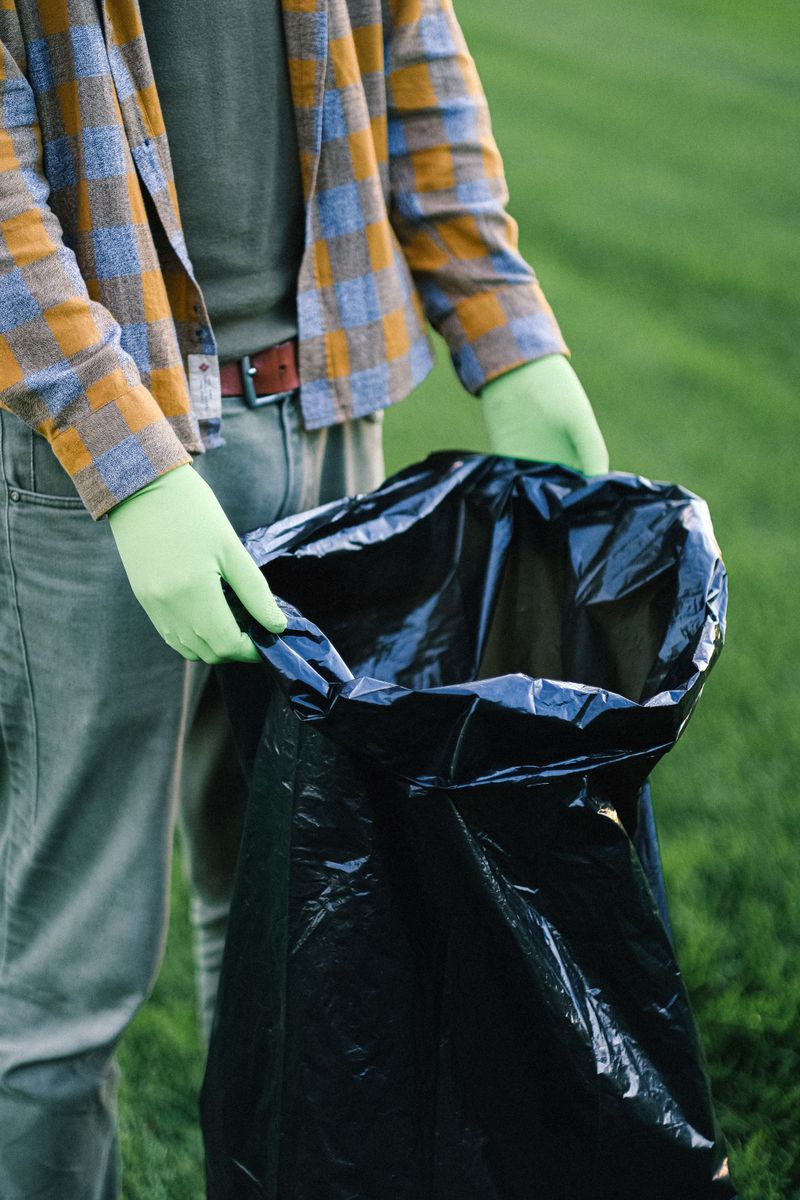
Bagging your clippings feels tidy and satisfying. But those clippings you are hauling away are actually free fertilizer you are throwing in the trash. That habit costs you more than you realize.
Grass clippings are about 90 percent water and break down within days. They return nitrogen, potassium, and other nutrients directly back into the soil. Nothing goes to waste when you leave them behind.
In August, when lawns are under heat stress, that nitrogen boost is genuinely valuable. It helps grass maintain color and resilience without requiring extra chemical fertilizer.
Leaving clippings on the lawn is called grasscycling, and it works. Some studies suggest grasscycling can meaningfully reduce fertilizer needs, though the exact percentage varies by region and grass type.
Short clippings, about an inch or less, will not cause thatch buildup. Thatch comes from stems and roots, not the soft leaf blades you are leaving behind. Understanding that difference removes a common worry.
If clippings are too long and clumping, mow more frequently or use a mulching blade. Clumps can smother grass beneath them, so breaking them up matters.
Changing this one grass cutting habit can make a noticeable difference in your lawn’s August health. Less work, less waste, and a greener yard all at once.
Your lawn is basically asking you to stop bagging its food. Listen to it this summer and watch how it responds with better color and thickness.
6. Ignoring Drought Stress Before Cutting
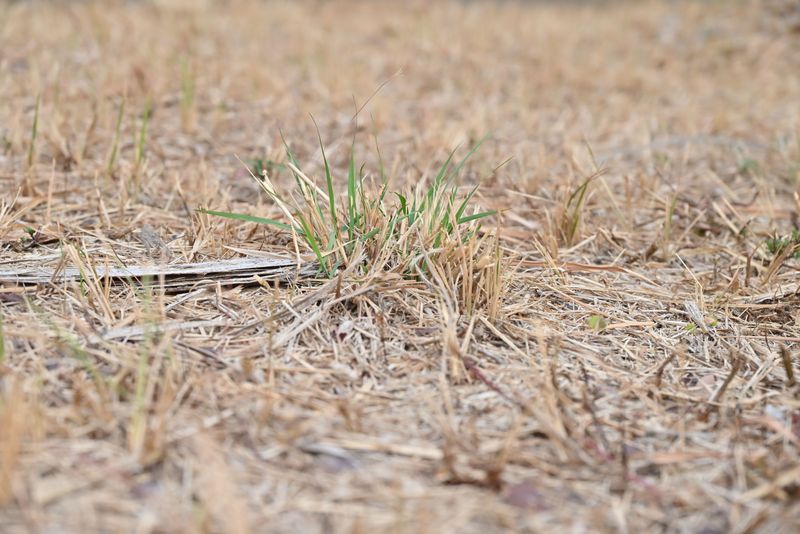
Your lawn sends signals when it is thirsty. Most homeowners just do not know what those signals look like before they start the mower.
Drought-stressed grass turns a dull, bluish-gray color instead of its usual green. The blades also curl inward slightly, trying to conserve every drop of moisture they have left.
Mowing drought-stressed grass causes serious damage. The roots are already shallow and struggling, and removing blade length at that point can seriously slow the plant’s recovery.
A simple footprint test can tell you everything you need to know. Walk across the lawn and look back. If your footprints stay visible, the grass is too stressed to mow.
When you see those signs, water first and wait. Give the lawn at least 24 to 48 hours to rehydrate before you even think about running the mower.
Ignoring drought stress is one of the most damaging grass cutting habits homeowners repeat every August. It feels routine, but the lawn suffers noticeable setbacks from that assumption.
Healthy grass springs back after you walk on it. Stressed grass lies flat, and that flat posture is a clear signal that mowing should wait.
Respecting your lawn’s stress signals is not babying it. It is smart lawn management that keeps you from spending September trying to repair what August damaged.
7. Mowing On A Rigid Weekly Schedule
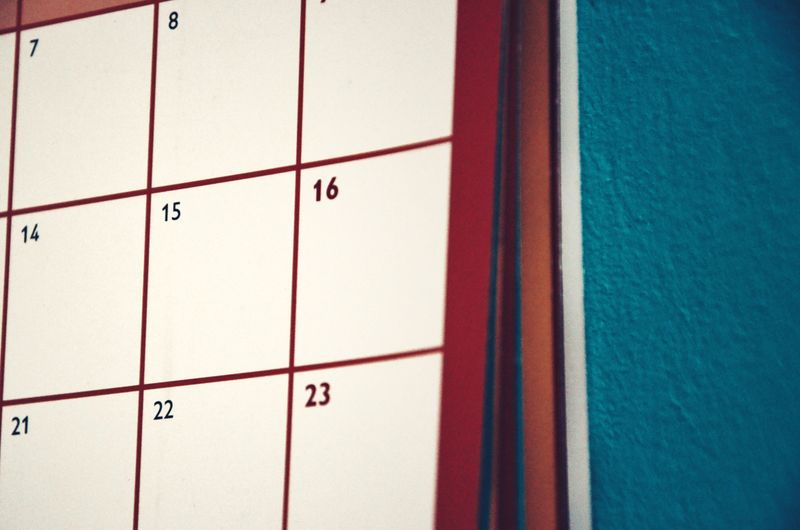
Saturday mowing is practically an American tradition. But your lawn does not care what day of the week it is when August heat sets in. Habit and biology rarely agree here.
Grass growth slows dramatically in hot, dry weather. Mowing on a fixed schedule means you might be cutting grass that barely grew since the last pass. That extra cut adds stress without real payoff.
Unnecessary mowing in August adds stress without purpose. You are wounding the plant, removing moisture, and disrupting root activity for no real benefit. Each pointless pass sets recovery back further.
Grass cutting habits built around the calendar instead of the lawn are a common mistake. Growth rate, not the date, should always be the deciding factor. Watching your grass matters more than checking a calendar.
Let the grass guide you. If it has not grown at least a third of its target height since the last mow, skip the session entirely. Patience protects the roots below.
During a heat wave, you might go ten days or even two weeks between mowings. That is not laziness. That is reading the situation correctly and responding well.
Skipping unnecessary mows also saves fuel, reduces wear on your mower, and gives you your Saturday morning back. That sounds like a win from every angle. Fewer mows can still mean a healthier lawn.
Flexible mowing keeps your lawn healthier through summer’s toughest weeks. Once cooler fall temps arrive, you can return to a regular schedule without any guilt at all.
8. Ignoring Soil Moisture Before Starting The Mower
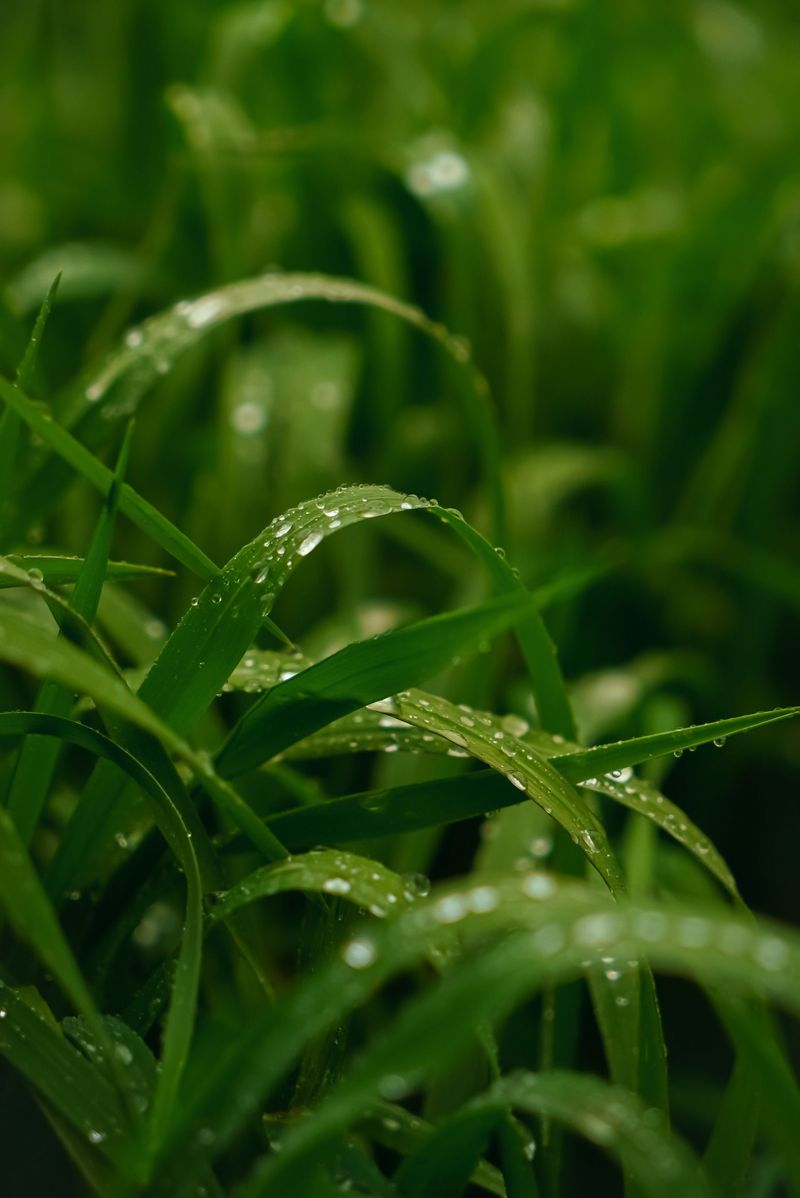
Most people check the weather before mowing, but very few check the soil. That one extra step could save your lawn from serious August damage.
Mowing dry, compacted soil puts enormous stress on grass roots. The vibration and weight of a mower on bone-dry ground can compact the soil even further.
Compacted soil blocks water and oxygen from reaching roots. When roots cannot breathe or drink, the grass above ground becomes more vulnerable to stress.
On the flip side, mowing waterlogged soil causes different problems. Wet soil compacts under mower wheels and creates ruts that damage grass and soil structure together.
The sweet spot is moist but not soggy soil. A quick finger test or a moisture meter tells you everything you need before firing up the engine.
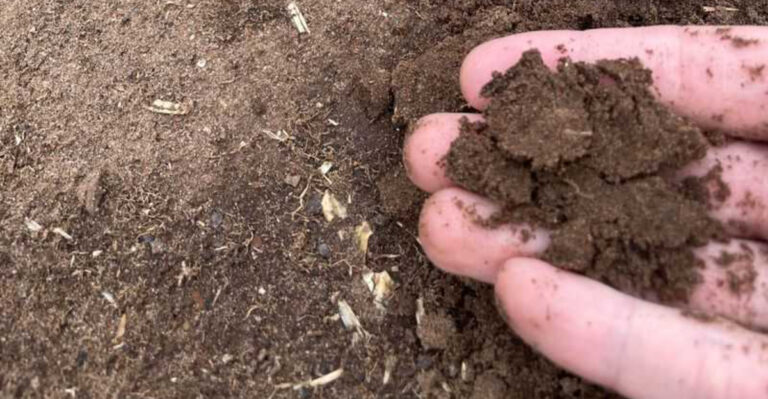
Push your finger about an inch into the soil. If it crumbles and feels powdery, water before mowing. If it feels muddy and sticks, wait a day.
These grass cutting habits around soil moisture are easy to overlook but hard to fix once the damage is done. A thirty-second check saves hours of lawn repair work.
Healthy soil is the foundation of every great lawn. Protecting it before each mow in August is the kind of quiet habit that pays off all season long.