The Bird That May Visit Your Texas Yard More Often As The Weather Cools
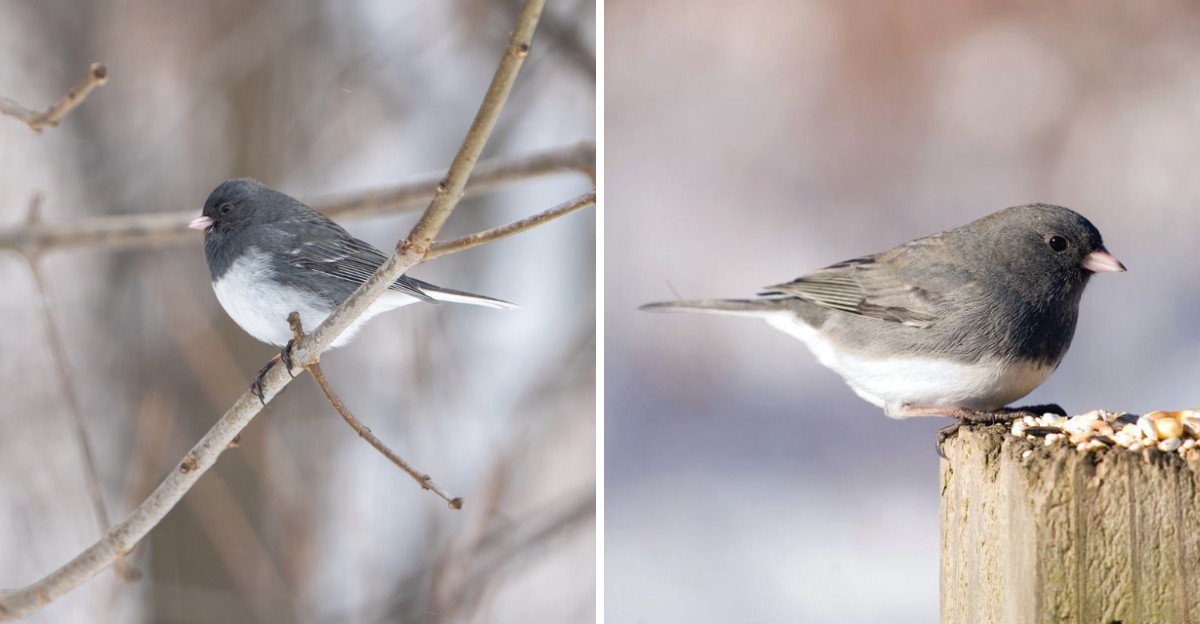
A little gray bird that weighs about as much as five pennies may have flown over a thousand miles just to scratch around under your shrubs. Some of these travelers spent the summer in the forests of Canada and Alaska.
I love how their arrival sneaks up on you. One chilly morning the yard seems quiet, and the next morning a small flock is hopping through the leaf litter like they own the place.
Many people across Texas call them snowbirds, and the nickname fits. They tend to show up as cold fronts push south, and they often stay until spring warms things up again.
Personally, I think they are one of the most underrated winter guests a gardener can host. They are easy to attract, fun to watch, and surprisingly picky about where they eat. So what exactly brings them to your patch of ground?
1. That Little Gray Bird Flashing White Tail Feathers Has Traveled Far
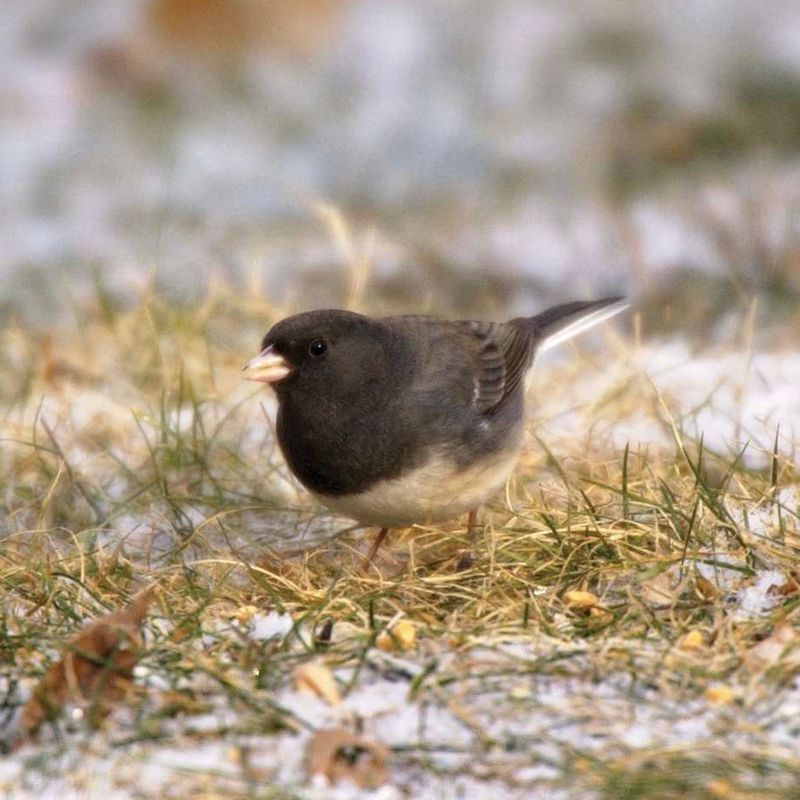
Watch the next small gray bird that bursts up from your lawn. If two bright white stripes flash along the edges of its tail, you just met a Dark-eyed Junco.
Juncos are sparrow-sized birds, about 5.5 to 6.5 inches long. Most of the ones in Texas yards are dark gray on top with a clean white belly, like they are wearing a tiny tuxedo. Their pale pink bill stands out against that dark face.
That white tail flash is not just for show. Birders believe it may help flock members keep track of each other and could startle predators for a split second.
When a junco feels nervous, it often flicks those tail feathers open and closed. Here is the fun part. The junco you see scratching under your bird feeder in December likely did not grow up anywhere near you.
Many of them breed in cool northern forests or high mountains, then head south when the weather turns cold.
So that tiny gray visitor is a long-distance traveler. It picked your yard as one stop on a big seasonal journey, which makes each sighting feel a little more special.
2. Cold Fronts Push These Snowbirds Into Texas Backyards
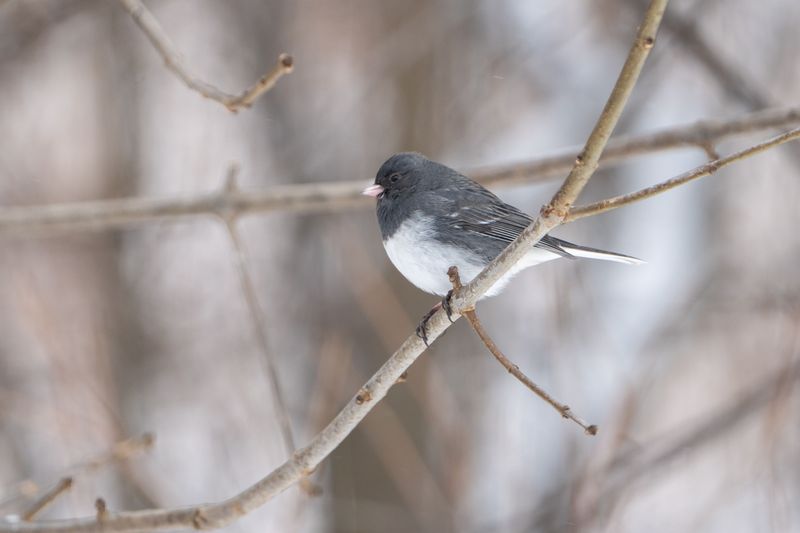
Timing is everything with juncos. According to Cornell Lab of Ornithology range maps, Texas sits inside their winter range, while most breeding happens far to the north and in western mountains.
In many parts of the state, the first birds trickle in during October or November. Numbers often build through December and January, then fade by March or April as they head back north.
Local Audubon groups, including Travis Audubon in Austin, describe them as regular winter visitors rather than year-round residents.
Cooler weather plays a big role. As snow covers the ground up north, seeds become hard to reach, so juncos move south where food is easier to find. A strong cold front can bring a noticeable wave of them into yards almost overnight.
Where you live in Texas matters too. The Panhandle and North Texas usually see more juncos, while the Gulf Coast and far South Texas get fewer.
One quirky detail stands out. Studies show males often winter farther north than females, possibly so they can return home early and grab good breeding spots. Many juncos also come back to the same winter area year after year.
3. Millet Scattered On The Ground Is A Junco Magnet
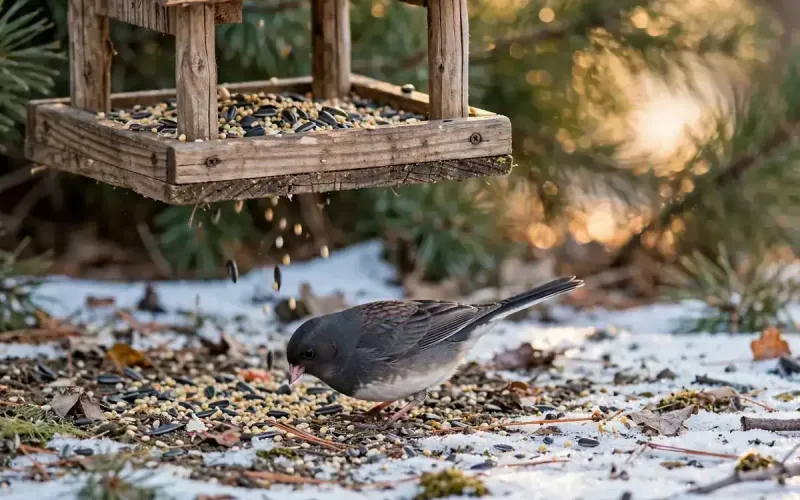
Juncos are seed lovers through and through. Research summarized by the Animal Diversity Web notes that seeds make up roughly three-fourths of their yearly diet, and that number climbs in winter.
If you want to roll out the welcome mat, small seeds work best. White proso millet is a top pick, and juncos also eat cracked corn, hulled sunflower chips, and nyjer that falls from finch feeders.
Large striped sunflower seeds are harder for their small bills to handle. Bird feeding experts at Wild Birds Unlimited and Cornell both point out one key habit.
Juncos prefer to eat on the ground, not on a hanging tube feeder. You will often see them picking up the seeds other birds spill.
So go ahead and scatter a handful of millet on a bare patch of soil or a low tray. A little goes a long way, and fresh small portions keep seed from getting moldy.
I like to sprinkle seed in the morning and again in the late afternoon. Juncos tend to feed heavily before dark to store energy for chilly nights, so that evening snack really helps them.
4. Low Platform Feeders Near Dense Shrubs Make Juncos Feel Safe
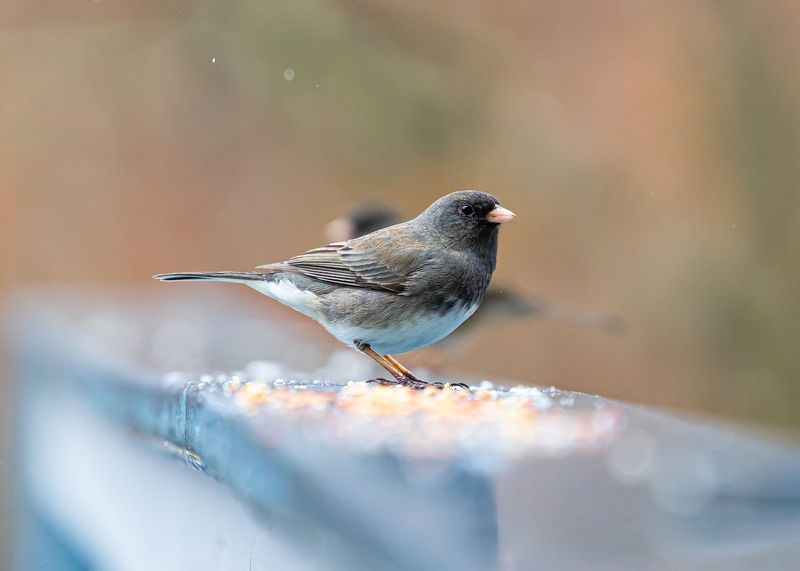
Safety comes first for a bird this small. Hawks, roadrunners, and outdoor cats all see juncos as a quick meal, so these birds stay close to cover while they eat.
A low platform feeder or open tray set just a few inches off the ground suits their style perfectly.
Place it about 10 feet from a thick shrub, hedge, or brush pile. That distance gives birds a quick escape route without giving cats a hiding spot right beside the food.
Native shrubs work great as shelter. In Texas, yaupon holly, American beautyberry, and agarita offer dense branches, and some even produce winter berries for other birds.
Keep the feeding area clean. Rake away old, wet seed and shells every week or so, since damp piles can grow mold and spread disease among birds. Moving the tray a few feet now and then also helps.
Cats deserve a special mention. The American Bird Conservancy encourages keeping pet cats indoors, and ground-feeding birds like juncos benefit a lot from that choice. A safe yard keeps them coming back all season.
5. A Shallow Birdbath Gives Juncos A Reason To Linger
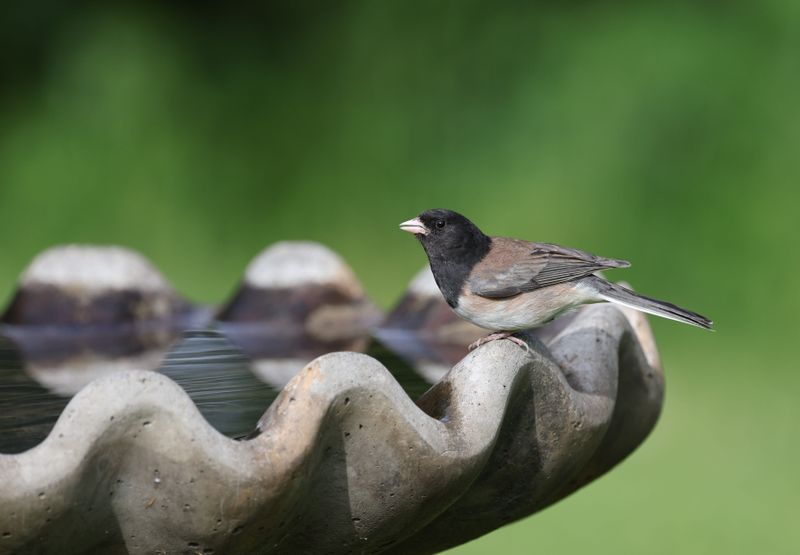
Water often gets overlooked in winter, yet birds still need it every day. Juncos drink and bathe year-round, even on chilly mornings.
A shallow dish works best for small birds. Aim for water about one to two inches deep, with a rough bottom or a flat stone so tiny feet can grip. Ground-level or low birdbaths match the junco habit of staying near the soil.
Hard freezes do happen in Texas, especially up in the Panhandle and North Texas. On those mornings, a heated birdbath or a simple heater made for bird baths can keep water open. Farther south, you may just need to pour warm water into the dish after a cold night.
Fresh water also matters for health. Scrub the bath and change the water every few days to stop algae and germs from building up.
Place the bath near cover but in a spot you can see from a window. I find a birdbath brings in more variety than a feeder alone, so you might spot cardinals, kinglets, and sparrows splashing right beside your juncos.
6. Leaf Litter And Seed Heads Turn Your Garden Into A Junco Buffet
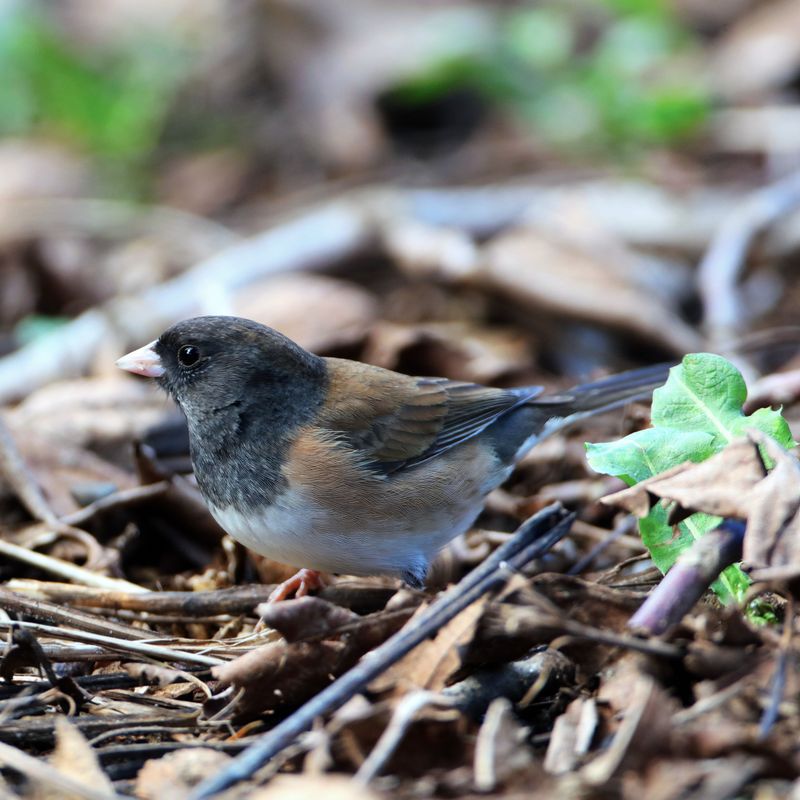
Lazy gardeners, rejoice. One of the easiest ways to attract juncos is to skip some fall cleanup.
Juncos use a funny two-footed hop to scratch through leaves, flipping them aside to find seeds and tiny insects underneath.
A layer of fallen leaves under shrubs and trees gives them a natural place to hunt. Raking every corner bare takes that food source away.
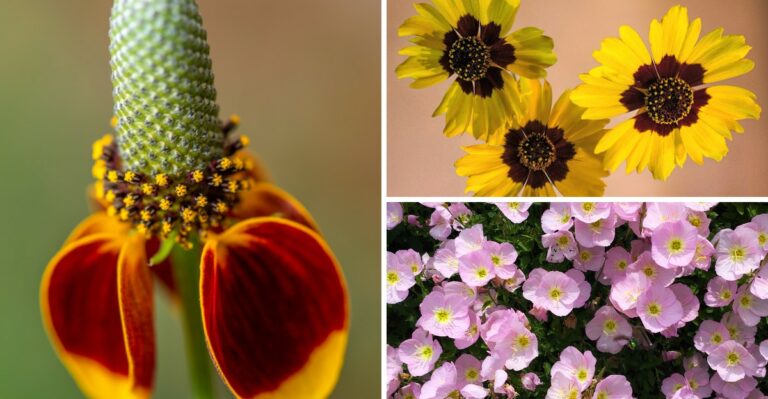
Seed heads matter too. Leave native plants like purple coneflower, black-eyed Susan, Maximilian sunflower, and little bluestem standing through winter. Their seeds feed juncos and many other small birds when food gets scarce.
Juncos also eat seeds from common yard plants like chickweed and native grasses. You do not need a messy yard, just a few relaxed corners where nature can do its thing.
Brush piles add another layer of comfort. Stack trimmed branches loosely in a back corner, and juncos may duck inside during wind or rain. It costs nothing and uses material you would otherwise haul away.
Choose native plants over invasive ones like nandina or Chinese tallow. Natives support local insects and seeds that birds have relied on for a very long time.
7. Not Every Junco Wears The Same Gray Coat
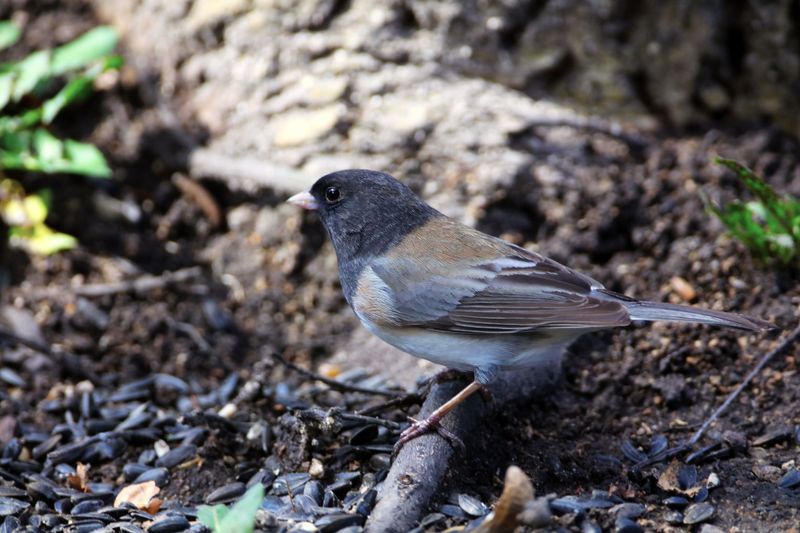
Bird watchers love a good puzzle, and juncos deliver one. The Dark-eyed Junco comes in several regional forms that look surprisingly different.
Across most of the eastern and central parts of Texas, the Slate-colored Junco is the one you will likely see.
It is solid gray above with a white belly. Males look darker and crisper, while females and young birds show a brownish wash.
Out west, things get more colorful. In West Texas and the Panhandle, you might find the Oregon Junco, with a black or dark gray hood, brown back, and rusty sides.
The Pink-sided and Gray-headed forms can show up there too, and they occasionally wander farther east.
Every form shares the same pale pinkish bill and white outer tail feathers. Those two clues help you confirm that a mystery bird is still a junco.
Did you know? These forms were once treated as separate species. Scientists later grouped them together because they interbreed where their ranges meet.
Free tools like the Merlin Bird ID app from Cornell can help you sort out which junco is visiting. Snap a photo and compare.
8. Your Junco Sightings Can Help Scientists Track These Winter Birds
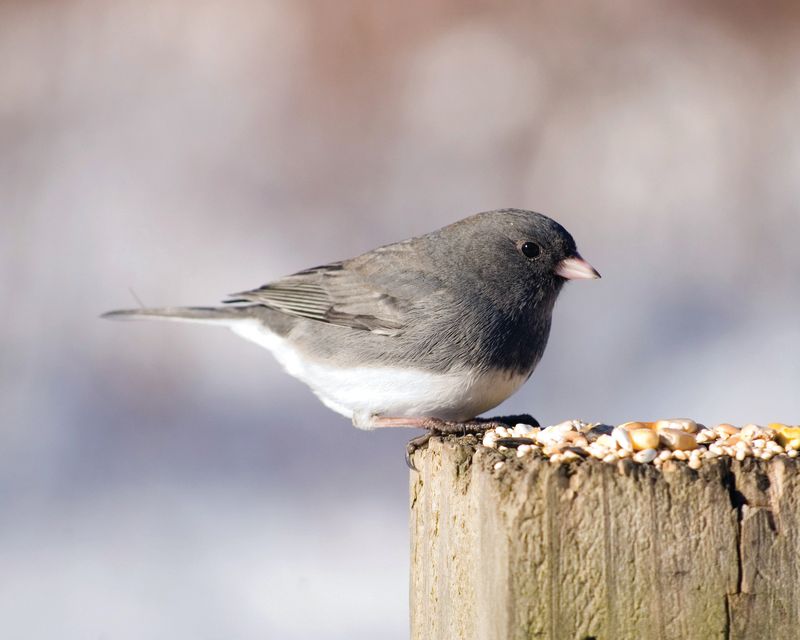
Counting birds might sound like a small hobby, but it adds up to real science. Juncos are one of the most commonly reported species in winter bird surveys across North America.
Project FeederWatch, run by Cornell Lab and Birds Canada, invites people to count birds at their feeders from November through April.
The Great Backyard Bird Count each February asks for just 15 minutes of watching. Your Texas yard counts as valuable data, even if you only see a few birds.
Scientists use these reports to track when juncos arrive, how far south they travel, and how their numbers shift over time. Changes in winter weather can affect where they spend the season, so long-term records matter.
Getting started is simple. Pick a regular spot near a window, keep a notebook or app handy, and jot down the highest number of juncos you see at one time.
You might notice patterns of your own. Maybe they show up right after cold fronts or vanish on warm spells.
Watching closely turns a quiet winter garden into a living lesson, and that feels like a pretty great reward for scattering a little millet.