These Texas Vegetables Can Regrow After Cutting
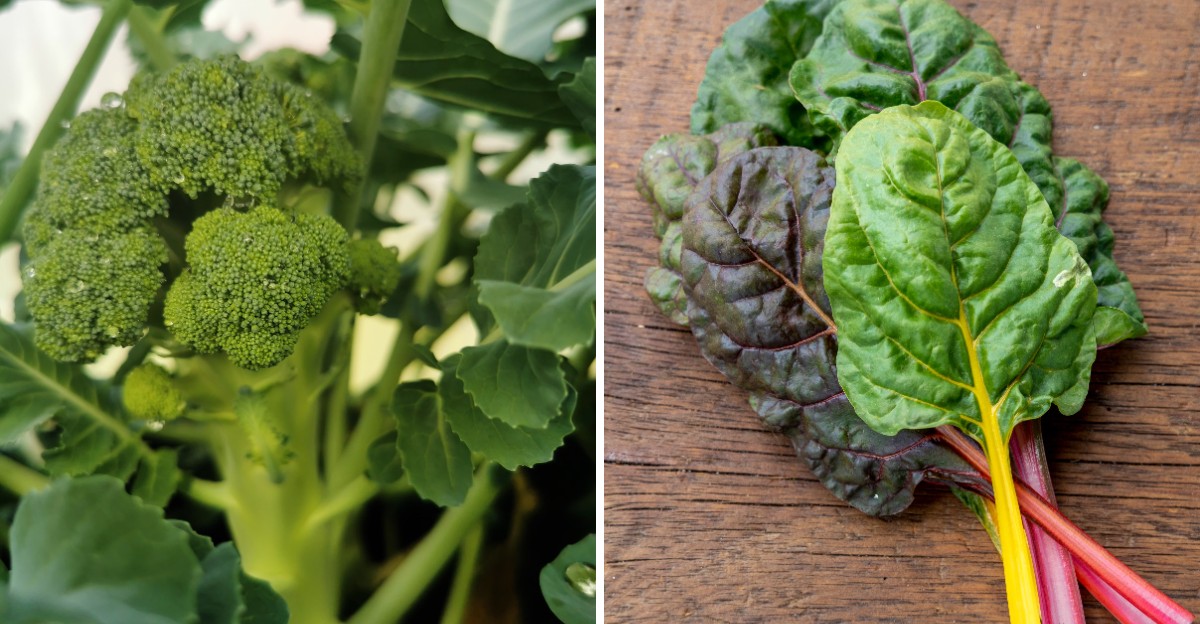
Most vegetables are a one-time deal. You plant a seed, wait weeks for it to grow, harvest it, and that’s the end of the story. Some crops don’t follow that rule.
Cut them back, and they simply grow again. Leafy greens push out fresh leaves from the center. Green onions sprout new tops within days.
Certain plants even send up a second round of smaller heads after the main harvest. With the right care, a single planting can keep feeding your family for weeks, sometimes months.
Texas makes this even better. Our mild fall and winter weather is ideal for many of these cut-and-come-again crops, so you can keep picking long after gardeners up north have called it a season.
It’s one of the easiest ways to get more food from less space and less work.
1. Leaf Lettuce Keeps Coming Back
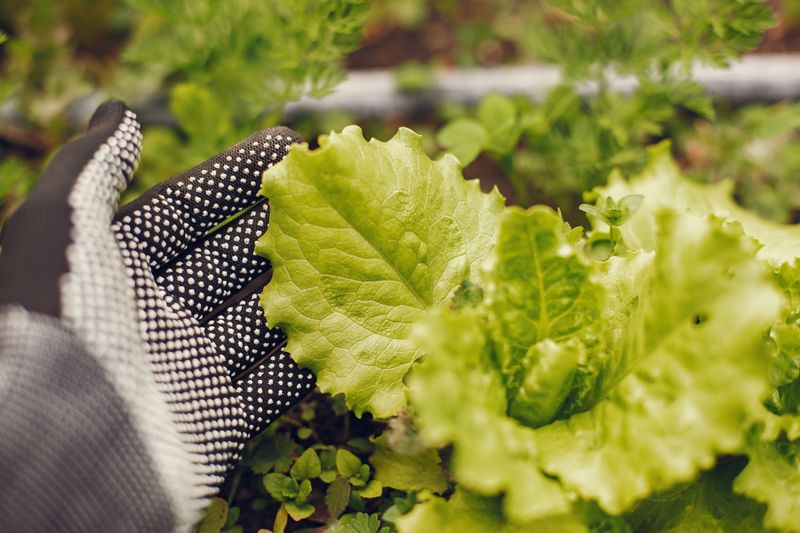
Snip, wait, and snip again. That is the simple rhythm of growing leaf lettuce in Texas. Unlike head lettuce, which you pick all at once, leaf lettuce is happy to be trimmed over and over.
The secret is where you cut. Use clean scissors and trim the leaves about one inch above the soil. Leave the small growing point in the center alone. In about two to three weeks, fresh new leaves will pop up for another salad.
Timing matters a lot in Texas. Lettuce loves cool weather, so plant it in fall, winter, or early spring. In most of the state, September through February is a great window.
Once the summer heat shows up, lettuce gets bitter and starts to bolt, which means it sends up a tall flower stalk.
Want more harvests from each planting? Try these easy tips. Water the soil, not the leaves, to help stop rot. Add a thin layer of mulch to keep roots cool and moist.
Feed the plants with a gentle fertilizer after each cutting to give them a boost.
Many gardeners get three or four harvests from one patch. Some even plant a new row every few weeks.
That way, one row is growing back while another is ready to eat. It is an easy way to enjoy fresh salads for months.
Here is a fun fact. Lettuce was first grown in ancient Egypt, where people used it more for its seeds than its leaves. Today, it is one of the easiest crops for beginners.
Varieties like Black Seeded Simpson, Red Sails, and Oakleaf do very well in Texas gardens. They are colorful, tender, and quick to bounce back after every trim.
2. Swiss Chard Brings The Color
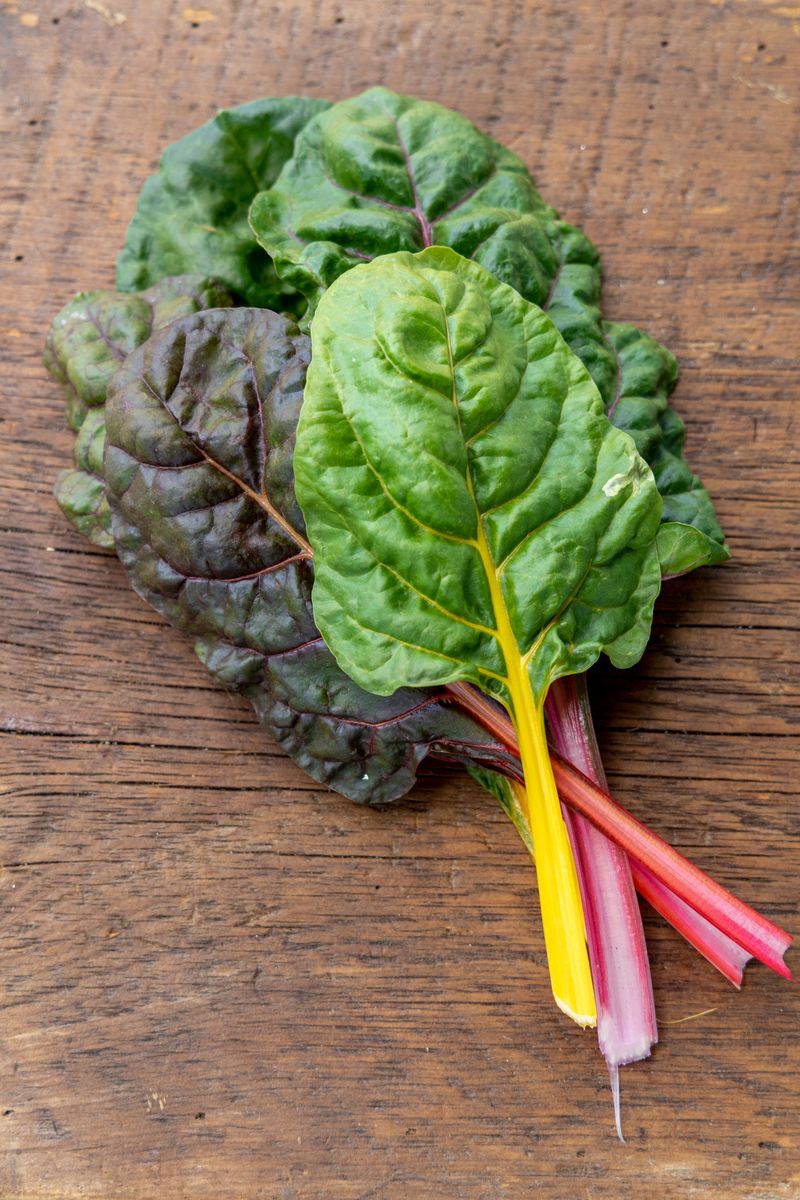
My grandmother called Swiss chard her garden rainbow. Its stems come in red, yellow, orange, pink, and white. It looks almost too pretty to eat, but it tastes great and keeps growing for months.
Chard is one of the most forgiving greens you can plant. It handles cool weather well, and it can even take a little heat.
In Texas, one fall planting can feed you through winter and often into late spring. That is a lot of meals from a few seeds.
Your Texas Garden Changes Every Week. Your Plan Should Too.
Gardening in Texas changes quickly throughout the season. Every Friday you’ll receive a simple weekly plan showing exactly what to plant, prune, fertilize, harvest, and protect so you never miss the right timing.
The key is how you pick it. Always harvest the outer leaves first. Cut them near the base of the plant with a sharp knife or scissors.
Leave the small leaves in the center alone. These inner leaves will grow into your next harvest.
Try to take only a few leaves from each plant at a time. A good rule is to leave at least half of the plant standing. That way, it has enough leaves to keep making food from sunlight.
Chard likes rich soil with lots of compost. Water it deeply about once a week, or more if the weather is dry and windy. A layer of mulch helps hold moisture in our Texas soil.
In the kitchen, chard is very handy. You can cook the leaves like spinach. The stems can be chopped and sauteed like celery. Toss them in soups, eggs, tacos, or pasta.
Did you know? Despite its name, Swiss chard did not come from Switzerland. It actually comes from the Mediterranean area.
It is also closely related to beets, which explains its bright colors. Popular types like Bright Lights and Fordhook Giant are easy picks for Texas gardeners.
3. Kale Is A Cool Season Champion
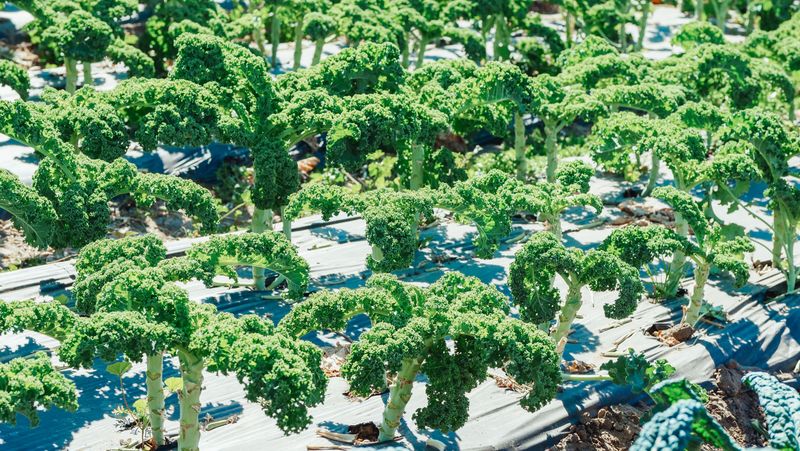
Ask any Texas gardener which green works the hardest, and many will say kale. It is tough, tasty, and almost nonstop. One plant can give you handfuls of leaves every week for months.
Kale grows from the center up. As it gets taller, it makes new leaves at the top. That is why you should always pick the lower, outer leaves first. Grab the leaf stem and snap it off near the main stalk, or cut it with clean shears.
Never cut off the top of the plant. That center bud is its engine. If you leave it alone, your kale will keep growing taller, almost like a little palm tree. Some plants reach two or three feet tall by spring.
Kale loves Texas winters. Plant seeds or small transplants in early fall. It handles light freezes just fine. In fact, frost often makes kale taste sweeter.
Cold weather causes the plant to turn some of its starches into sugars, which helps it handle the chill. Here are some smart tips for strong plants:
Give each plant about 12 to 18 inches of space. Keep the soil moist but not soggy. Watch for small green caterpillars on the leaves and pick them off by hand.
There are many kinds to try. Curly kale is the classic choice. Lacinato, also called dinosaur kale, has bumpy dark leaves. Red Russian kale has purple stems and soft, mild leaves.
Kale is also very healthy. It is full of vitamins A, C, and K. You can bake it into crunchy chips, blend it into smoothies, or toss it in soup. With just a few plants, your family can enjoy fresh greens all season long.
4. Collard Greens Are A Southern Classic
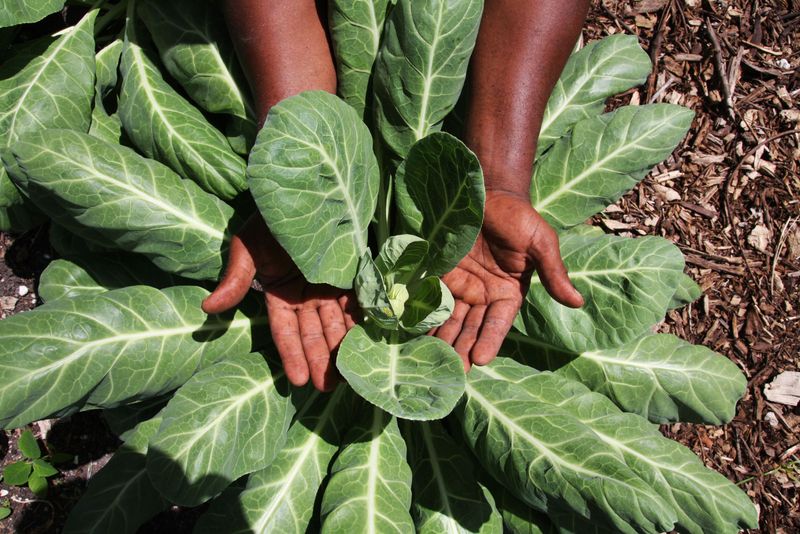
Sunday dinners in the South often include a big pot of collard greens. For generations, Texas families have grown them right outside the back door. They are tough, generous plants that keep giving week after week.
Collards grow a lot like kale. New leaves form at the top of the stalk, while older leaves sit near the bottom.
To harvest, pick a few of the lowest leaves at a time. Leave the top part of the plant alone so it can keep making fresh growth.
Try to choose leaves that are about the size of your hand or a little bigger. Very old leaves can get tough and stringy. Younger leaves are more tender and cook faster.
Cold weather does not scare collards one bit. They can handle temperatures down into the low 20s. Many people say the flavor gets better after a frost. That makes them a perfect fall and winter crop for most of Texas.
Plant collards in late summer or early fall. Space them about 18 inches apart because they grow big. Give them plenty of sunlight and rich soil. A little nitrogen fertilizer helps them grow those large, leafy greens.
Keep an eye out for pests like aphids and cabbage worms. A quick spray of water can knock off aphids. You can also cover young plants with light garden cloth.
Here is a neat bit of history. Collards have been grown for over 2,000 years. They became a key part of Southern cooking thanks to African American cooks who turned simple greens into beloved dishes.
Try Georgia Southern or Vates varieties. Cook them low and slow with onions and a splash of vinegar. You will taste why folks love them.
5. Mustard Greens Pack A Peppery Punch
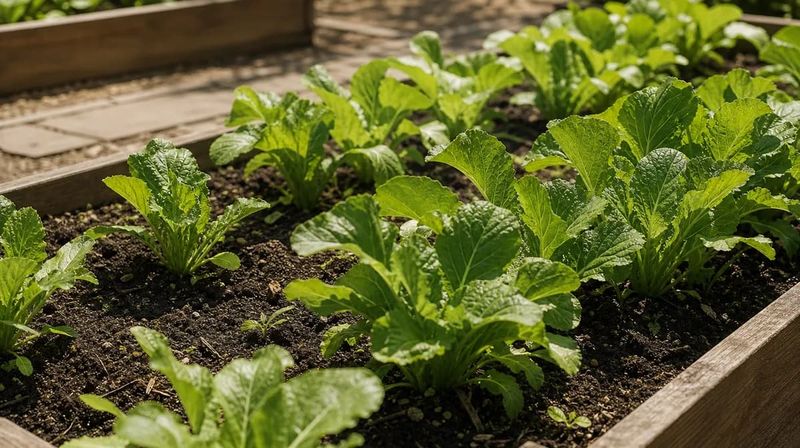
Bite into a raw mustard leaf and you might be surprised. It has a spicy kick, a bit like horseradish or wasabi. That bold flavor is exactly why so many cooks love it.
Mustard greens are speed racers in the garden. Some types are ready to pick in just three to four weeks. That makes them great for impatient gardeners and kids who want quick results.
You have two easy ways to harvest. First, you can cut young plants about two inches above the soil. They will regrow for another cutting in a few weeks. Second, you can pick the outer leaves one at a time as the plant grows bigger.
Both methods work well. Cutting young leaves gives you tender baby greens for salads. Picking larger leaves gives you more to cook.
Weather plays a big part in flavor. In hot weather, mustard greens get very spicy and may turn bitter. In cool weather, the flavor becomes milder and sweeter. That is why fall is the best time to plant them in Texas.
Sow seeds from September through November in most areas. They can also go in pots on a patio or balcony. Keep the soil moist, since dry soil makes the leaves tough and extra hot.
Once the plant starts sending up yellow flowers, the leaves get stronger in taste. You can let a few flower to feed bees. The seeds can even be used to make homemade mustard.
Fun fact: the yellow mustard on your hot dog comes from seeds of plants in this same family. Try varieties like Southern Giant Curled, Red Giant, or Mizuna for a mix of colors and flavors.
6. Green Onions Grow From Kitchen Scraps
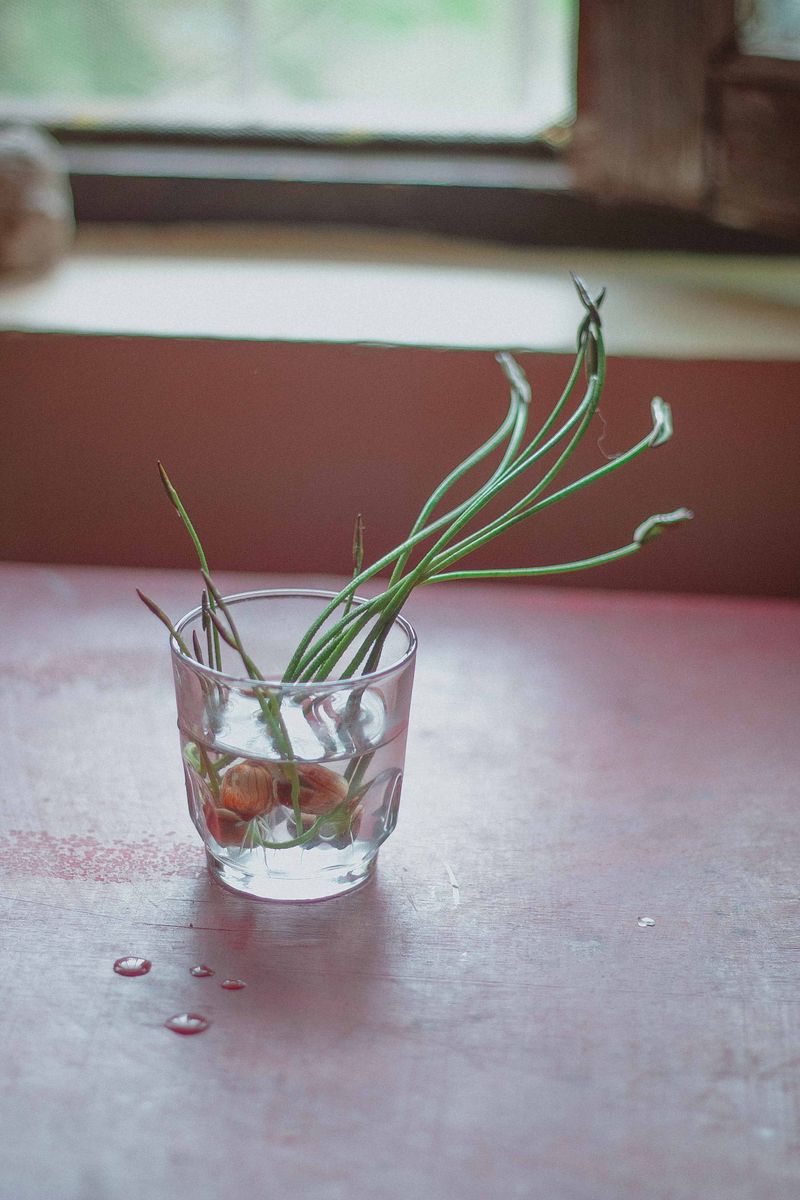
Here is a garden trick you can start tonight. Save the white root ends from a bunch of green onions from the grocery store. With a little water or soil, they will grow brand new green tops.
Green onions, also called scallions, are some of the easiest plants to regrow. Leave about one inch of white bulb with the roots attached. Place them in a glass with a little water, roots down. Set the glass in a sunny window.
In just a few days, you will see green shoots poking up. Change the water every couple of days to keep it fresh. After about a week, you can move them into soil for stronger growth.
Planting them in soil is the better long-term choice. Onions grown only in water get weaker over time. In a pot or garden bed, they can keep producing for months.
Harvesting is simple. Cut the green tops about an inch above the white base. Do not pull up the whole plant. New tops will grow back in one to two weeks.
In Texas, green onions grow well outdoors in fall, winter, and spring. They can handle some cold. During the hot summer, keep them in partial shade or grow them indoors. A few tips help a lot:
Use loose, well-draining soil. Water when the top inch feels dry. Add a little compost every month or so.
Green onions add flavor to almost anything. Sprinkle them on tacos, baked potatoes, eggs, or chili. Having a pot nearby means you never have to run to the store for them again. It is also a great project for teaching kids where food comes from.
7. Broccoli Offers Bonus Side Shoots
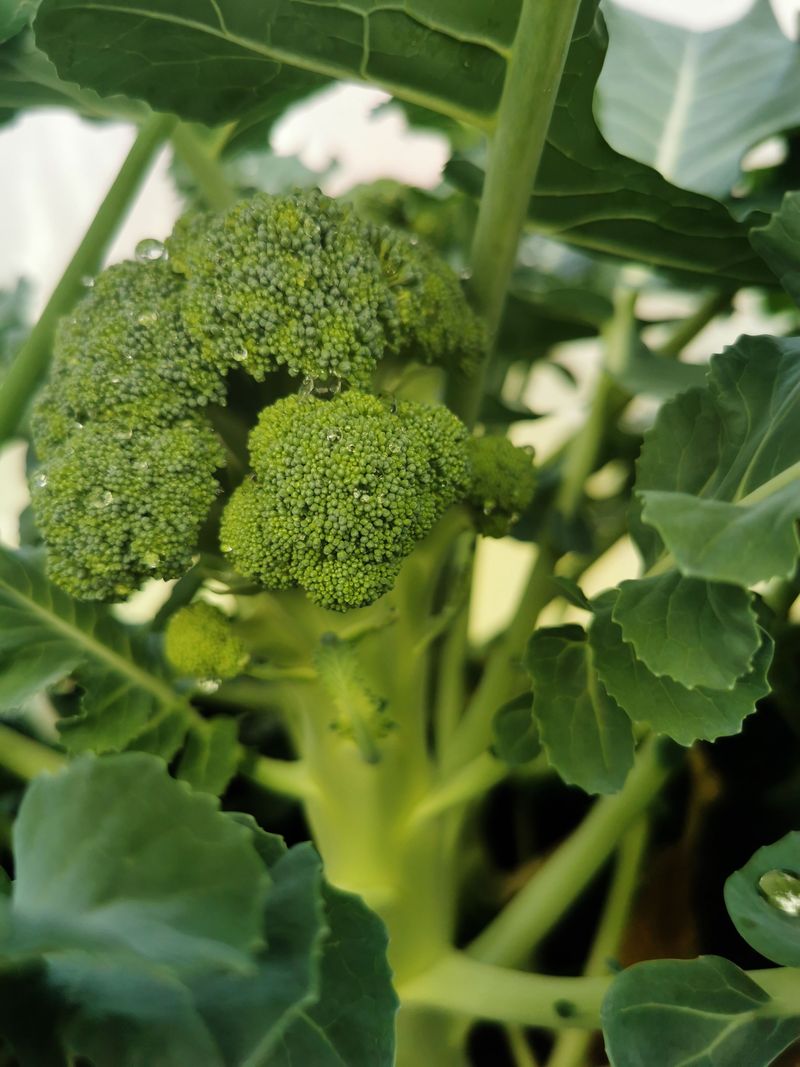
Most people think broccoli is a one-time harvest. You grow the plant, cut the big head, and pull it out. But wait! Stopping there means missing out on weeks of extra food.
After you cut the main head, the plant often starts growing smaller side shoots. These pop up where the leaves meet the main stem. They look like tiny broccoli heads, about the size of a golf ball or smaller.
To get the most side shoots, harvest the main head the right way. Cut it at a slant about five to six inches below the head. The slanted cut helps water run off so the stem does not rot. Leave the rest of the plant and all its leaves in place.
Pick the head while the little buds are still tight and dark green. If you see yellow flowers starting to open, harvest right away. Once it flowers, the plant slows down.
Now comes the fun part. Check your plant every few days for side shoots. Cut them while they are small and firm. The more often you pick, the more the plant tends to make.
In Texas, broccoli is a cool-season crop. Plant transplants in late summer or early fall. In some areas, you can also plant in late winter for a spring harvest. Hot weather makes broccoli flower fast, so timing is key.
Feed plants with compost or a balanced fertilizer after the first harvest. That extra food helps power new shoots.
Varieties like Packman, Green Magic, and Calabrese are known for strong side shoot production. Those small shoots are tender and sweet. They are perfect for stir fries, snacks, or steaming for dinner.