The 6 Shrubs To Prune This August In Ohio (And 4 You Shouldn’t Touch)
August pruning feels productive. A few cuts here, a little shaping there, the yard looking tidier before summer closes out.
Some shrubs reward that instinct. Others spend the entire following spring paying for it.
The wrong cut in August does not announce itself immediately. It shows up in March as a shrub that barely blooms, or does not bloom at all, because the buds that were supposed to open got removed by someone who did not know they were there.
Some Ohio shrubs need a trim before September. Others need to be left completely alone until the calendar gives the green light.
The divide between those two groups is not obvious from looking at the plant. Grabbing the pruners without knowing which side each shrub falls on is one of the more common ways Ohio yards quietly underperform the following spring.
1. Shape Rose Of Sharon After The Main Bloom Slows
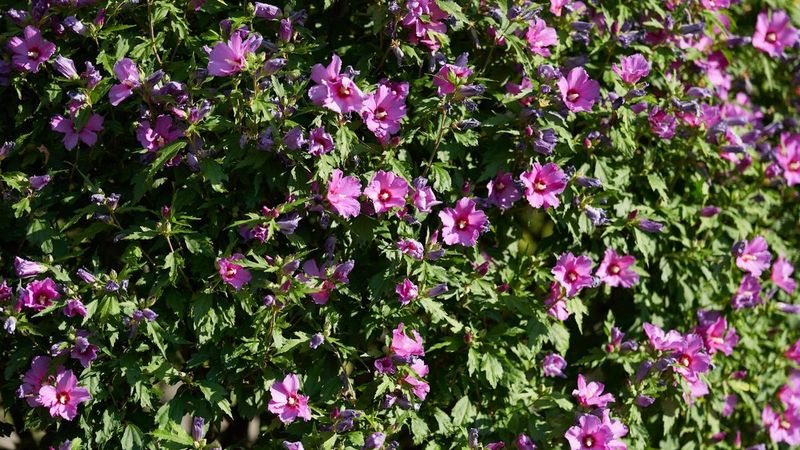
We all know that Rose of Sharon is controversial because this nonnative shrub can produce large numbers of seedlings and spread beyond its intended planting area. Although it is not currently regulated as invasive in Ohio, fertile varieties may behave aggressively.
They can form colonies and compete with more valuable native plants. Gardeners concerned about its spread may prefer sterile cultivars or native alternatives.
Those who decide to keep an established rose of Sharon should remove volunteer seedlings and trim fading flowers before seedpods mature.
Once the shrub’s main flush of blooms begins to slow in August, give it only a light shaping. Remove withered, damaged, crossing, or awkwardly protruding branches, cutting back to a healthy bud or branch junction.
Avoid shearing the entire plant or performing a severe size reduction this late in the season. Rose of Sharon flowers on new growth, so substantial pruning is better saved for late winter or early spring, when it can stimulate fresh flowering stems.
Heavy August pruning may also encourage tender growth that has insufficient time to harden before Ohio’s cold weather arrives.
2. Trim Spirea Lightly After Summer Flowers Fade
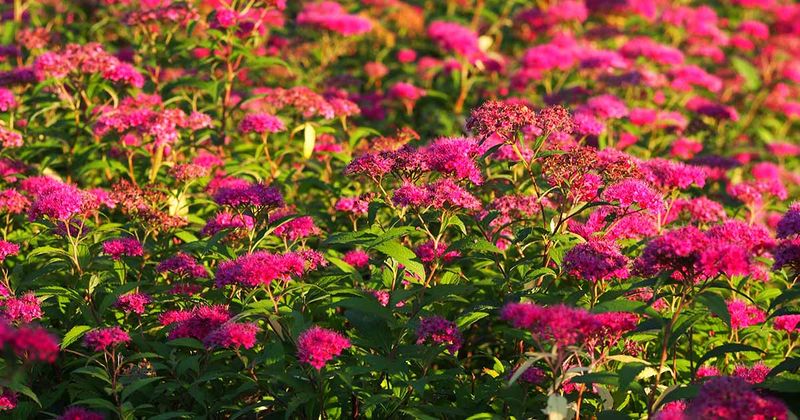
Not every shrub called spirea behaves exactly the same way, and that matters a lot in August. Some spireas, including summer-blooming types like Spiraea japonica, flower on new wood.
They can be lightly clipped after flowering for a tidier look and sometimes a smaller second bloom.
The key word here is lightly. University extension shrub guidance generally recommends removing faded flower clusters and cleaning up any awkward growth rather than shearing the entire plant down.
Harsh, repeated shearing can weaken the shrub over time and ruin its naturally graceful, arching form.
Before picking up the hedge shears, take a moment to identify which spirea you have. Spring-blooming spireas, such as bridal wreath types, flower on old wood and should not be shaped hard in August at all.
For summer-blooming types, a selective trim with hand pruners after flowers fade is usually the safest approach. Avoid cutting back into thick, woody stems without a good reason.
Keep the plant’s natural shape in mind, and let the shrub guide the size of the cuts rather than forcing it into a rigid box or ball.
Your Ohio Garden Changes Every Week. Your Plan Should Too.
Gardening in Ohio changes quickly throughout the season. Every Friday you’ll receive a simple weekly plan showing exactly what to plant, prune, fertilize, harvest, and protect so you never miss the right timing.
3. Clip Smooth Hydrangea Blooms Without Cutting It Hard
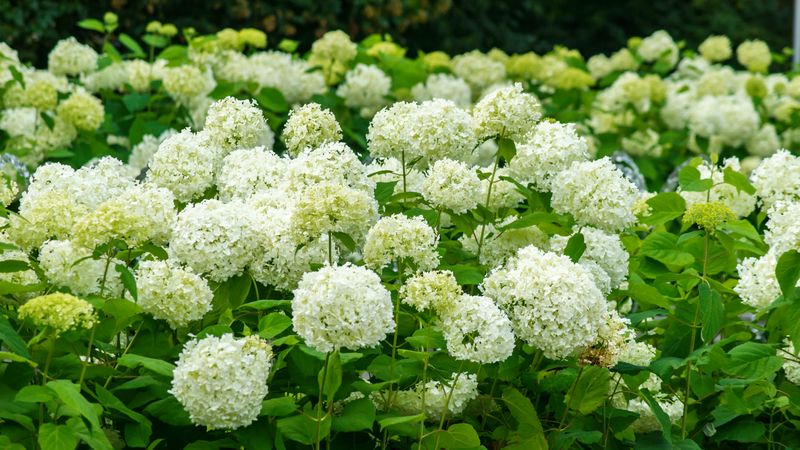
Smooth hydrangea, Hydrangea arborescens, is the one most people know from the popular Annabelle variety. It blooms on new wood, which means it produces flowers on stems that grew during the current season.
That new-wood habit gives it more flexibility than old-wood hydrangeas when it comes to pruning timing.
Even so, August is better suited for clipping spent blooms than for any serious cutting. Horticulture experts and hydrangea pruning guidance note that major pruning of smooth hydrangea is best done during dormancy.
That usually means late winter or very early spring before new growth begins. Cutting hard in August removes healthy foliage and can stress the plant heading into fall.
If the large flower heads have turned papery, brown, or straw-colored, you can snip them off just below the bloom. Leave the healthy stems and leaves intact.
Do not confuse smooth hydrangea with bigleaf hydrangea, Hydrangea macrophylla, or oakleaf hydrangea, Hydrangea quercifolia. Those bloom on old wood and follow very different pruning rules.
Keeping hydrangea types straight is one of the most important habits a gardener can build. That matters in late summer, when bud formation is quietly underway on nearby plants.
4. Tidy Panicle Hydrangea But Save Big Cuts For Dormancy
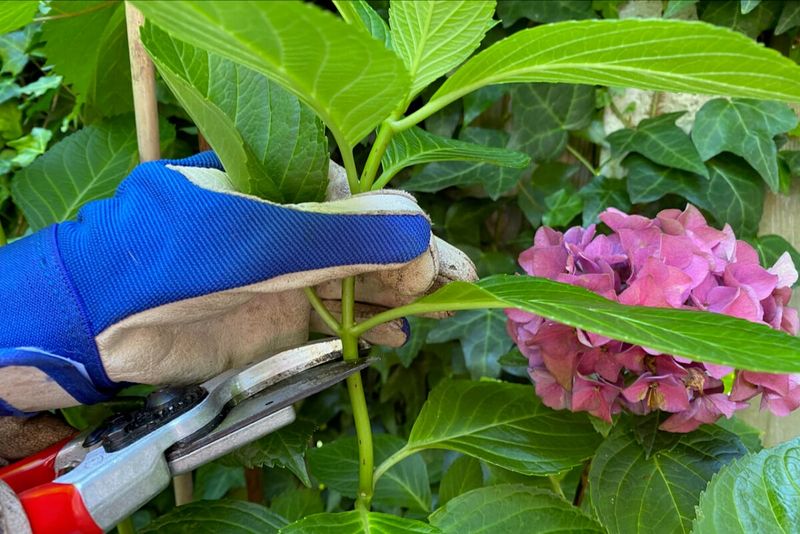
Panicle hydrangea, Hydrangea paniculata, is one of the most cold-tolerant and adaptable hydrangeas grown across the Buckeye State. Varieties like Limelight and Bobo are common in local yards.
Panicle hydrangeas bloom on new wood, so they are generally more forgiving than old-wood types when it comes to pruning flexibility.
In August, the cone-shaped flower clusters often start shifting from white or green to shades of pink or tan. Removing faded clusters is fine, and snipping any storm-broken twigs is a reasonable task for this time of year.
Botanical garden sources and hydrangea pruning guidance recommend saving major size reduction and framework pruning for dormancy. In late winter or early spring, the plant structure is easier to see.
Panicle hydrangeas differ importantly from oakleaf hydrangeas and most bigleaf hydrangeas, which bloom on old wood. Pruning those types hard in August can cost you next year’s flowers.
With panicle hydrangea, the risk of losing blooms from late-summer tidying is lower, but heavy cutting in August can still weaken the plant before winter. Keep August cuts modest, targeted, and purposeful rather than using this as a time for major reshaping.
5. Remove Damaged Canes From Ninebark After Summer Stress
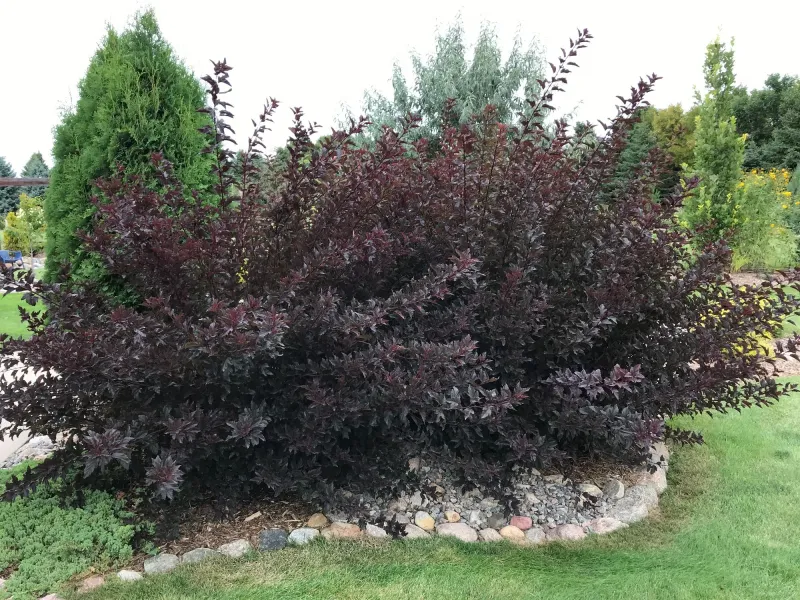
Ninebark, Physocarpus opulifolius, earns its place in Ohio landscapes with its peeling bark, colorful foliage, and tough nature. Varieties with deep burgundy or golden leaves are especially popular.
The shrub is generally low-maintenance, but that does not mean it never needs attention in summer.
August storms can snap canes, and summer heat or moisture stress can leave some stems looking brown, weakened, or struggling. When that happens, removing the problem growth is a reasonable response, even if it is not the ideal time for any major work.
Plant-care guidance suggests cutting damaged canes back to a healthy branch junction or to the base. Use clean, sharp pruners to avoid adding more stress.
What August is not suited for is full rejuvenation pruning, the kind where you cut the whole shrub back hard to encourage fresh growth from the base.
That type of renewal pruning is better timed for late winter or early spring, following guidance from horticulture sources specific to your region.
Also avoid constant shearing, which flattens the shrub’s natural arching form and can reduce its visual appeal over time. Ninebark looks best when allowed to keep its graceful, layered structure.
6. Cut Out Broken Stems On Red Twig Dogwood
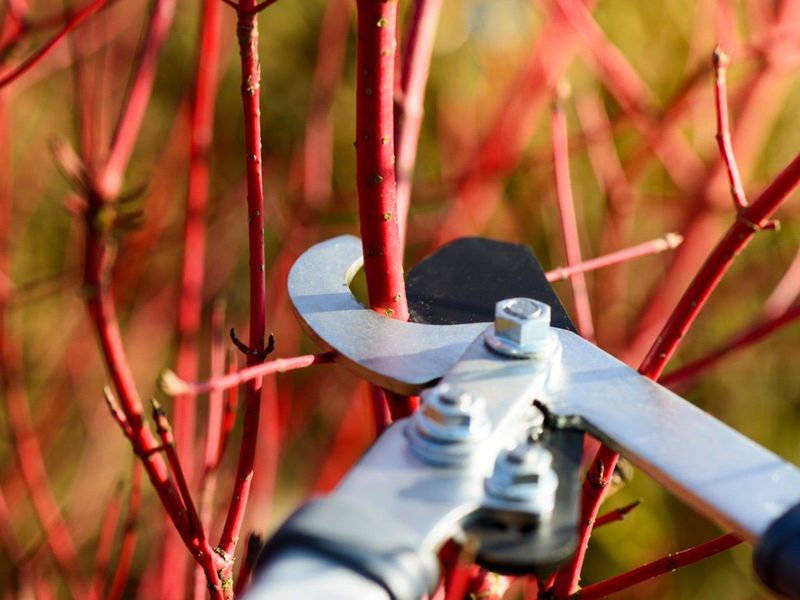
Few shrubs earn as much admiration in winter as red twig dogwood, Cornus sericea. Those vivid crimson stems stand out beautifully against snow and gray skies.
Horticulture sources confirm that the brightest stem color tends to come from younger stems. That is why selective renewal pruning is recommended, but the work belongs in late winter or early spring.
Summer storms, however, do not check the calendar before snapping branches. If a cane is broken, bent at an odd angle, or clearly struggling after heat stress, removing it in August is a practical and appropriate response.
Cut the stem back cleanly to a healthy branch point or to the base, using sharp, clean pruners. This kind of targeted removal keeps the shrub tidy without triggering unwanted late-season growth.
Save larger renewal cuts, where you remove one-third or more of the oldest stems, for the proper seasonal window. Doing that work in late winter gives the shrub time to push fresh, colorful growth before the following winter display.
Consider planting red twig dogwood where its winter stems can be seen from a window or walkway. That placement turns a simple shrub into a true seasonal feature in the yard.
7. Do Not Prune Lilacs After Buds Are Forming
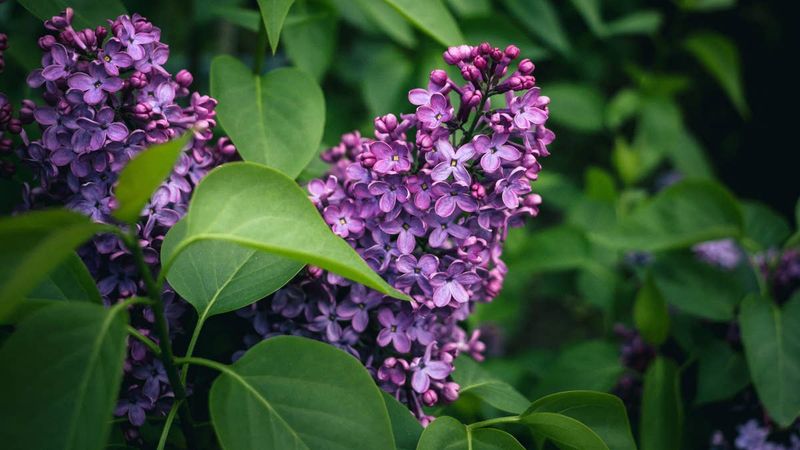
Hidden inside those green lilac stems right now are the beginnings of next spring’s flowers. Lilacs, Syringa vulgaris and related species, bloom on old wood, meaning next season’s flower buds form on stems that grew during the previous season.
By midsummer and into August, many of those buds are already quietly developing.
OSU Extension pruning guidance and university extension shrub resources recommend pruning lilacs soon after spring bloom. Do not prune them in late summer.
That post-bloom window, usually within a few weeks of flowering, gives the shrub time to set new growth and develop buds without interference. Cutting in August removes the very stems that carry those buds.
If a branch is broken or clearly damaged, carefully removing just that stem in August is far less harmful than general shaping. But avoid any cuts aimed at reducing size, thinning the canopy, or tidying the outline of the plant at this time of year.
Lilacs that get sheared in late summer often bloom poorly the following spring, and sometimes not at all. Patience is the best tool for this shrub.
Mark your calendar for right after bloom and make that the one time each year you reach for the pruners on your lilac.
8. Leave Forsythia Alone Until After Spring Bloom
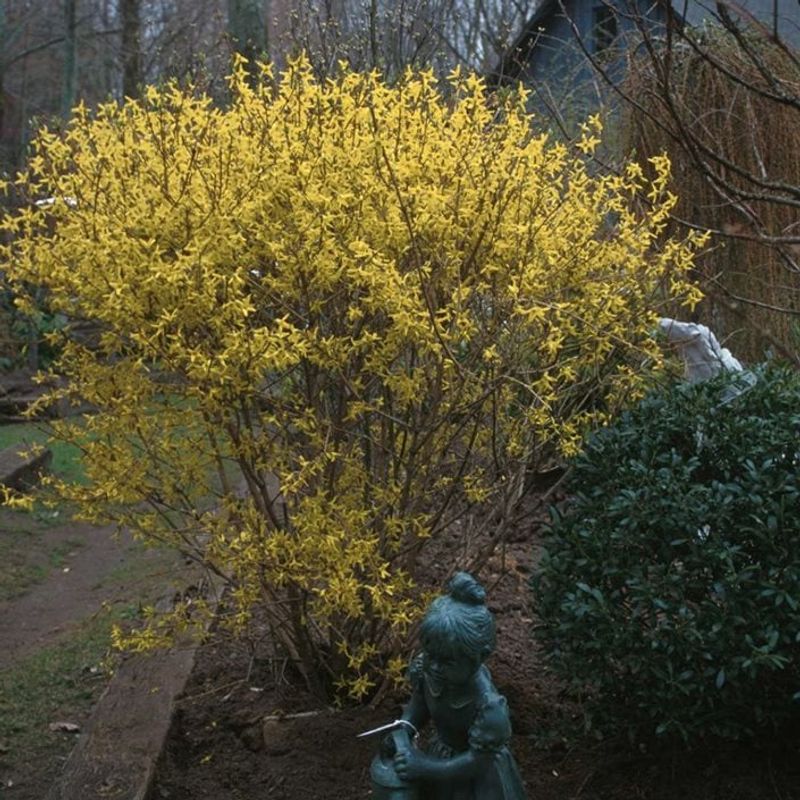
Forsythia is one of those shrubs that brings pure joy every spring with its burst of yellow flowers before almost anything else blooms.
What many gardeners do not realize is that those cheerful blooms come from buds that form on old wood, on stems that grew during the previous season.
Shaping forsythia in August can remove exactly those stems.
University extension shrub guidance recommends pruning forsythia right after it finishes blooming in spring. That timing allows the shrub to push new growth throughout the rest of the season, and those new stems will carry next year’s yellow display.
Waiting until August or later to do any shaping work almost guarantees a thinner bloom the following spring.
Forsythia is often hedged into tight rectangles or balls, which looks tidy but dramatically reduces flowering. If you have a broken or diseased stem that needs to come out in August, removing just that one stem is far less damaging than shaping the whole plant.
For general size control and thinning, wait until the proper post-bloom window in spring. Forsythia grows vigorously and can handle thoughtful pruning.
But it needs that pruning done at the right time to reward you with a brilliant yellow show in March and April.
9. Avoid Cutting Oakleaf Hydrangea In August
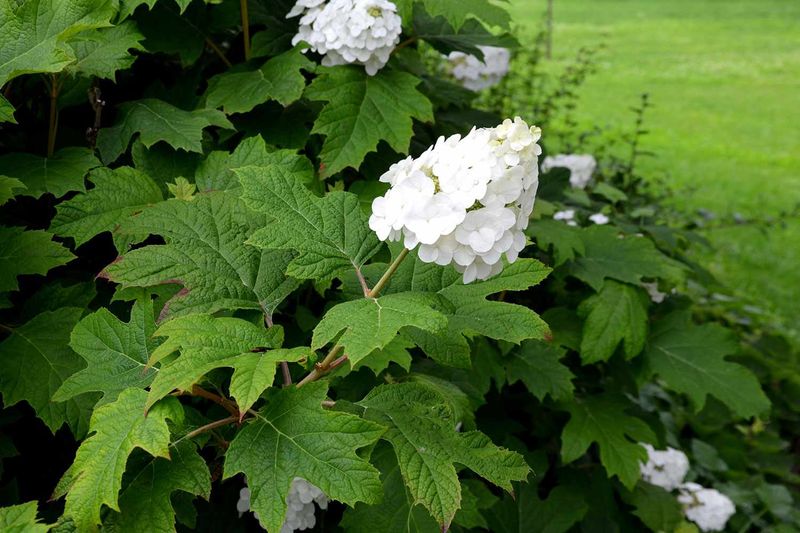
Oakleaf hydrangea, Hydrangea quercifolia, is easy to recognize once you know what to look for. Its leaves are large, deeply lobed, and shaped somewhat like oak leaves, which is exactly where the name comes from.
The flower clusters are long and cone-shaped, starting creamy white and aging to parchment tones as summer winds down. The fall foliage often turns shades of burgundy and orange, making it a multi-season beauty.
Oakleaf hydrangea blooms on old wood. Hydrangea pruning guidance is clear on this point: cutting the stems in August removes the buds that will produce next year’s flowers.
Unlike panicle and smooth hydrangeas, oakleaf hydrangea cannot simply be cut back and expected to bloom again right away. It needs old wood and may require a recovery period.
The best approach in August is to simply enjoy it. The aging blooms add texture and soft color to the late-summer garden, and the foliage is just beginning its shift toward fall color.
If you need to remove a broken or damaged stem, do it carefully and sparingly. For any real pruning work, wait until just after bloom in late spring or early summer.
Follow botanical garden and extension guidance for this specific hydrangea type.
10. Do Not Shear Azaleas Once Next Year’s Buds Set
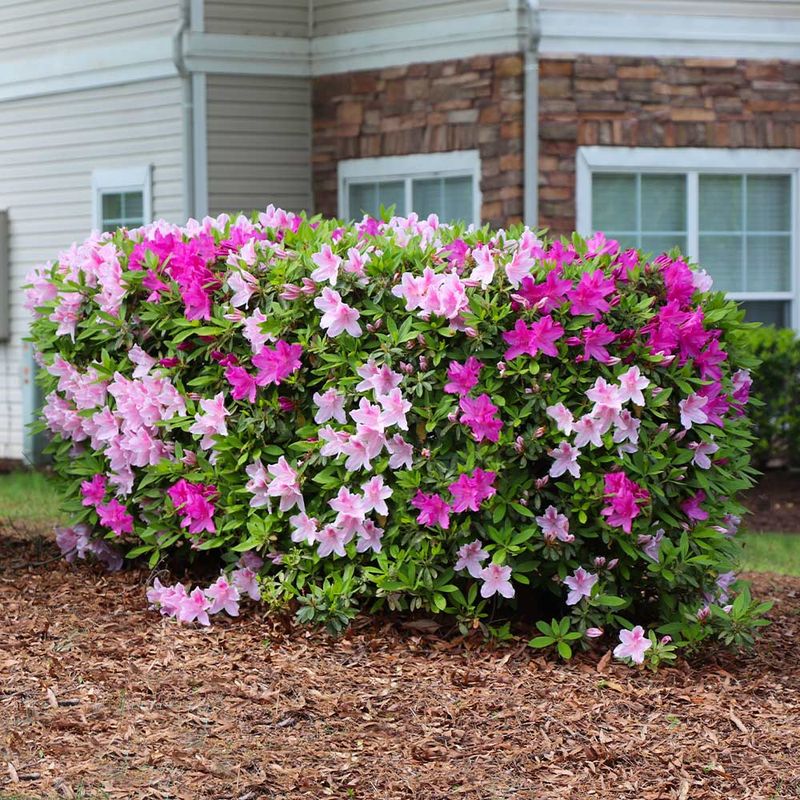
Azaleas are among the most beloved spring-flowering shrubs in Ohio landscapes. This is especially true in southern regions where milder winters allow more varieties to thrive.
Their spring display of pink, white, red, or coral blooms is stunning. But that display depends on buds that form after the current season’s bloom finishes, often by midsummer.
Botanical garden sources and azalea pruning guidance consistently note that shearing azaleas in late summer removes the buds that carry next year’s flowers. The safest pruning window for azaleas is the few weeks right after spring bloom ends.
That timing lets you shape the plant, remove awkward growth, or reduce size without touching the buds that are about to form.
By August, those buds are likely already present on many varieties. Running hedge shears across an azalea at this point can leave you with a tidy-looking shrub that barely blooms the following spring.
If you need to remove a broken or damaged stem, do it carefully with hand pruners, making one clean cut rather than shearing the whole plant. Before making any cuts, check what type of azalea you have, since deciduous and evergreen types can differ slightly.
The best August habit with azaleas is simple: step back, admire the foliage, and save the pruners for after next spring’s bloom.