The Underrated Herb To Plant In North Carolina Window Boxes This September
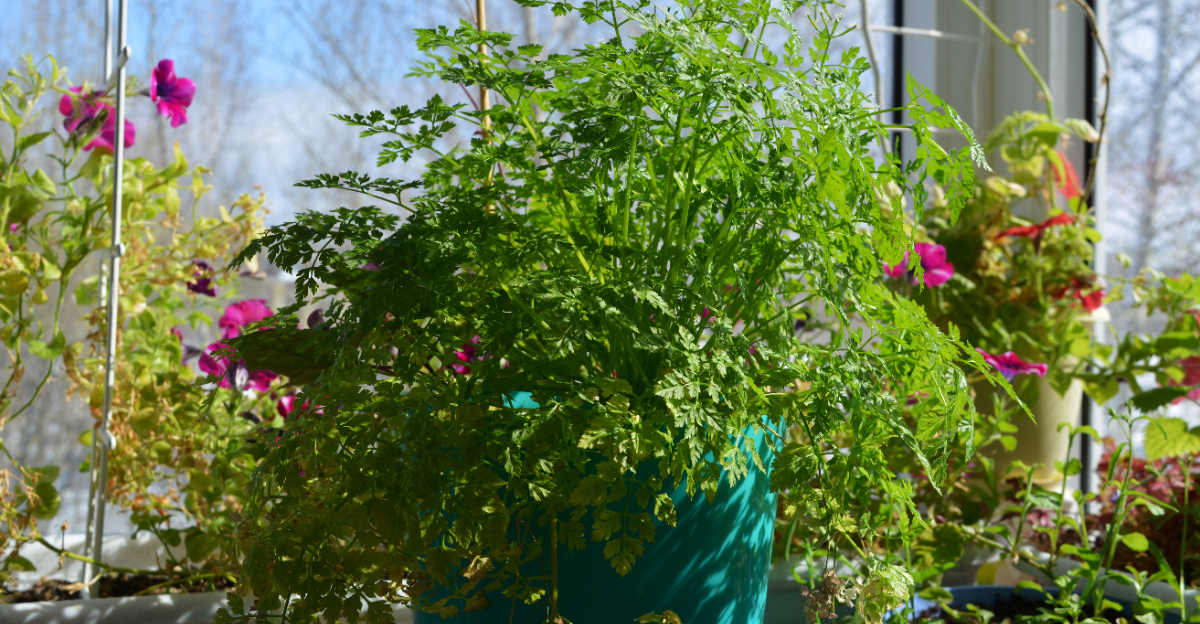
Window boxes usually get filled with the same handful of predictable choices, leaving one particularly useful herb overlooked by most North Carolina gardeners heading into fall.
September specifically offers ideal conditions for this plant, though hardly anyone thinks to add it to their window box lineup this time of year.
Understanding why this specific herb deserves a spot could completely change how you think about filling that often underused space just outside your window.
Many gardeners are surprised by how well it performs once they finally give it a try, especially compared to more common window box choices.
This herb also brings a practical, useful bonus that goes well beyond simple decoration. Once you know what it offers, you’ll likely wonder why it took this long to consider planting it there.
A small addition now could turn your window box into something far more rewarding than just a pretty view.
1. Chervil Is The Herb To Plant
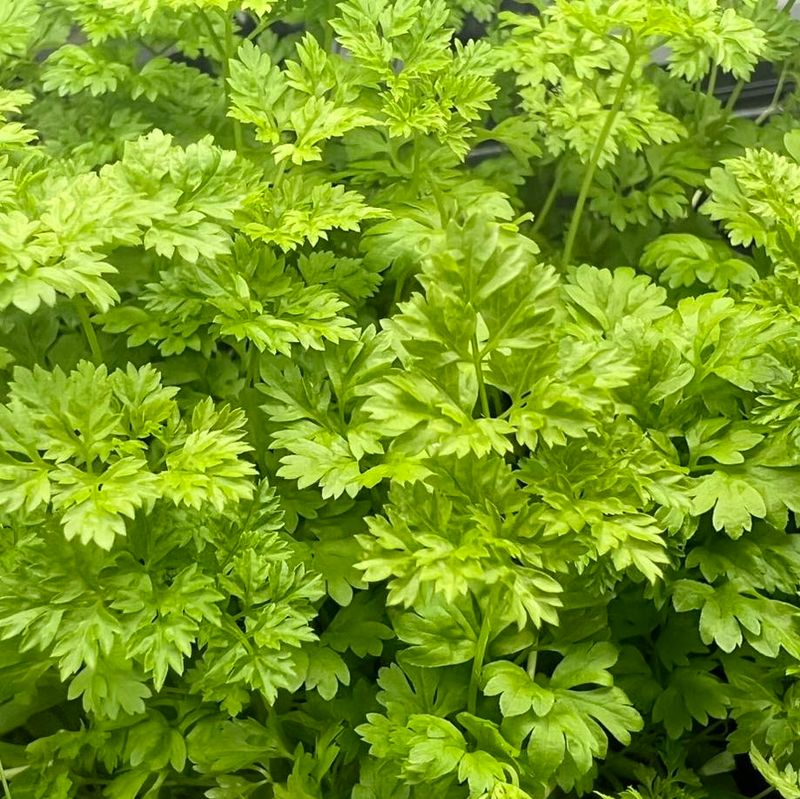
Cooks in France have loved chervil for centuries, yet plenty of gardeners in North Carolina have never tried growing it. That is a shame, because this leafy herb is easy to start and rewards you quickly with soft, feathery leaves.
Chervil belongs to the same plant family as parsley and carrots, and its lacy foliage looks almost delicate enough to be a decoration. Do not let that fool you though.
It is a hardworking little plant that thrives in the cooler months when many summer herbs begin to fade.
Fall is the perfect season to give it a try in containers. A window box is a great home because it keeps the herb close to your kitchen, where you can snip a few leaves whenever a recipe calls for something fresh.
Because chervil grows fast, you will not wait long for results. Seeds sown in early fall can give you tender leaves within a matter of weeks, which feels rewarding for anyone new to herb gardening.
Think of chervil as a gentle introduction to cool season growing. It does not demand much space, expensive tools, or fancy skills.
All it really asks for is loose soil, steady moisture, and a spot that stays comfortable as the weather shifts.
If you want an herb that feels a little special and adds a fresh touch to your cooking, this is a wonderful choice to plant this September in your North Carolina window box.
2. September Brings The Cooler Weather It Likes
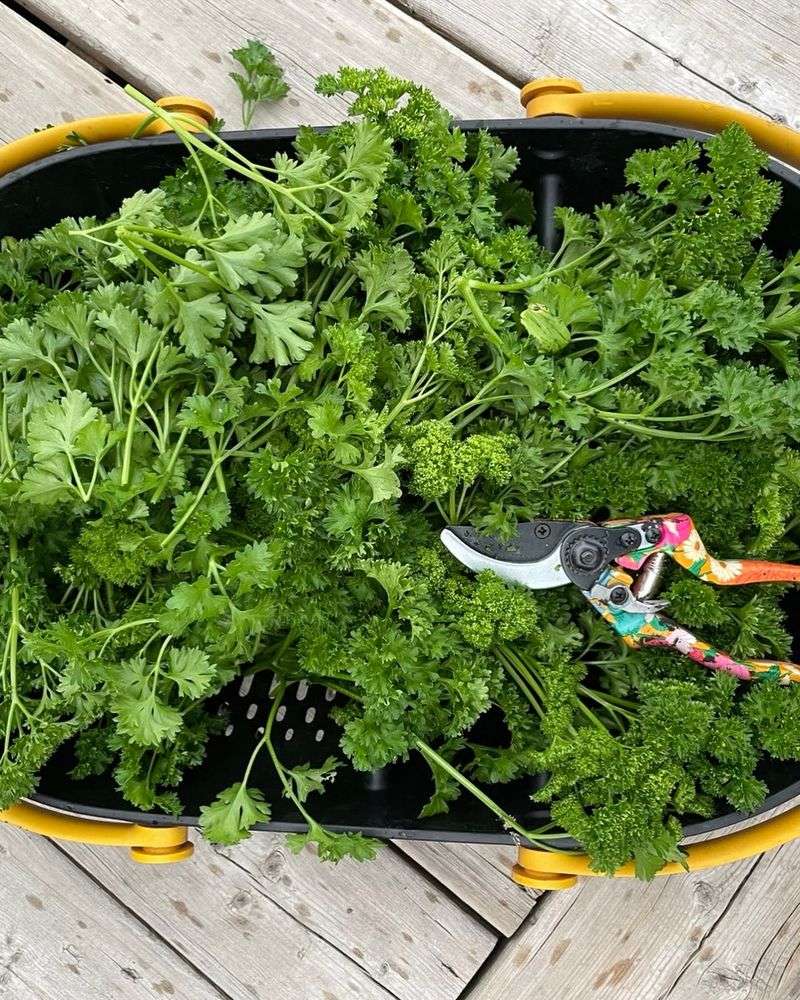
Warm summer afternoons in North Carolina can be tough on tender herbs, and chervil is no exception. When temperatures climb high, this plant tends to bolt, which means it shoots up flowers early and stops making the flavorful leaves you want.
September changes everything. As the heat begins to loosen its grip, chervil settles into its happy zone and grows the way it was meant to.
Cooler air keeps the leaves tender and full of flavor, and the plant stays leafy for much longer. That is why fall planting works so much better than trying to grow chervil in the middle of a hot summer.
Your North Carolina Garden Changes Every Week. Your Plan Should Too.
Gardening in North Carolina changes quickly throughout the season. Every Friday you’ll receive a simple weekly plan showing exactly what to plant, prune, fertilize, harvest, and protect so you never miss the right timing.
The mild days and crisp nights of autumn create just the right rhythm for this herb. It does not want to be baked by blazing sun, and it does not want a hard freeze either. September in North Carolina lands right in that comfortable middle.
Growing during the cooler season also means fewer struggles with wilting and stress. Your plant spends its energy making leaves instead of trying to survive the heat.
Many gardeners are surprised at how much easier fall growing feels compared to summer. The plants seem calmer, the soil dries out more slowly, and the whole process becomes more relaxing.
By starting your window box now, you match the herb with the weather it enjoys most. That simple timing choice can make the difference between a frustrated plant and a lush, leafy one ready for your kitchen.
3. Sow The Seeds Right In The Window Box
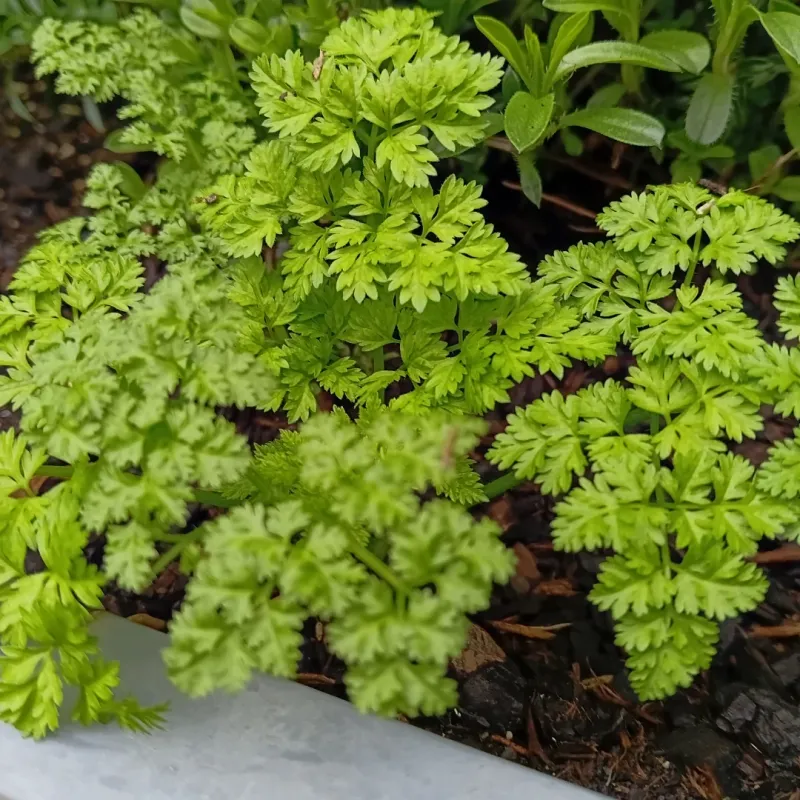
Some herbs are happy to be moved around, but chervil is not one of them. Its roots are sensitive, and transplanting often shocks the plant so badly that it never fully recovers.
The smart move is to sow the seeds directly into the window box where they will grow for the whole season. Skip the little starter pots and plant right in their final home.
When you scatter the seeds, keep them very close to the soil surface. Chervil seeds need a bit of light to sprout well, so bury them too deep and you may see nothing come up at all.
A gentle press into the soil with just a thin dusting of mix on top works nicely. Then water carefully so you do not wash the tiny seeds away.
Keeping the soil surface moist during those first days really helps the seeds wake up. Once you see the first small sprouts, you will know your direct sowing paid off.
Space the seeds so the young plants have a little room to stretch out. Crowded seedlings compete for light and water, which slows everyone down.
Because chervil dislikes being disturbed, try to resist the urge to move or thin plants too roughly once they take hold. A light touch keeps them content.
Direct sowing might feel too simple, but that is exactly why chervil is such a friendly herb for beginners. Plant the seeds where you want them, keep them damp, and let nature handle the rest with very little fuss from you.
4. Give It Morning Sun And Afternoon Shade
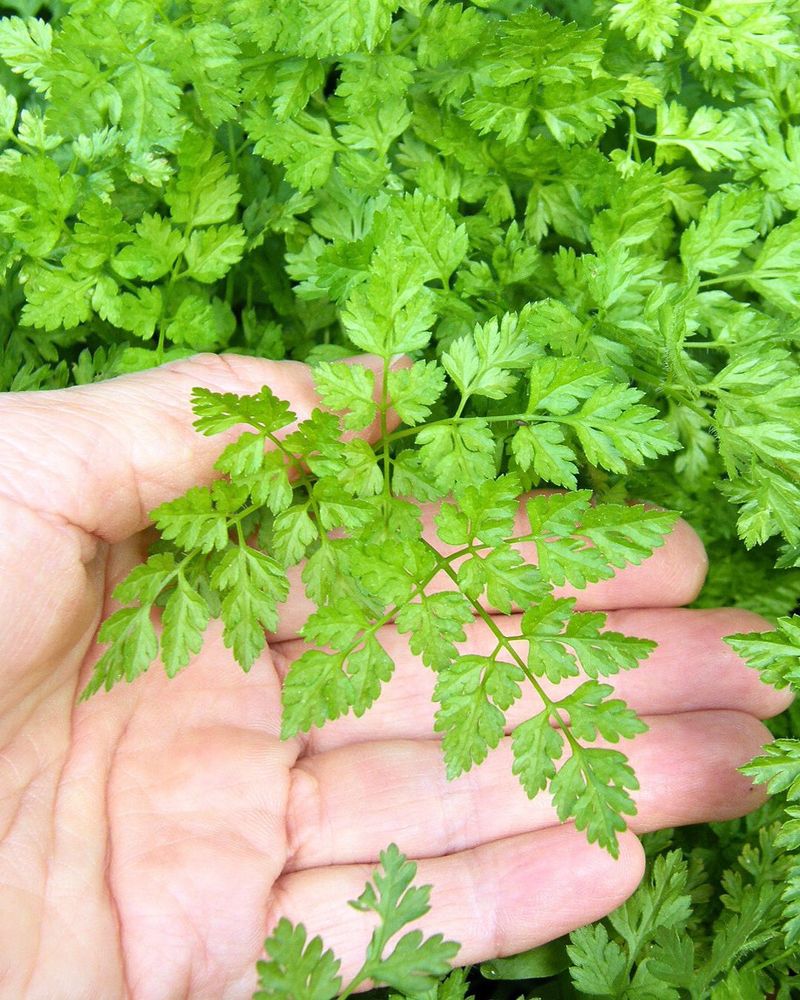
Not every herb wants to soak up sun all day long, and chervil is one that actually prefers a little break from bright light. It grows beautifully in partial shade, which makes it a great pick for spots that do not get full sun.
Morning light is gentle and cool, and that is exactly what this herb enjoys. A few hours of soft sun early in the day give it the energy it needs without overheating the leaves.
By afternoon, especially during warm September days, strong sun can stress the plant. Shade during those hotter hours protects chervil from wilting and helps it hold off on bolting.
Look for a window box location that faces east if you can, since that side usually catches morning light and then falls into shade later. A porch or spot near a taller plant can also provide helpful cover.
Too much harsh sun makes the leaves toughen and the plant rush toward flowering. That is the opposite of what you want when you are growing chervil for its tender greens.
Balancing light and shade might sound tricky, but it really just means avoiding a blazing all day exposure. A little dappled shade goes a long way.
If your only sunny window gets intense afternoon rays, you can move the box or use a light cloth to soften the glare on the hottest days.
Give chervil that gentle mix of early sun and cooler shade, and it will reward you with lush, flavorful leaves all season.
5. Keep The Soil Moist But Well Drained
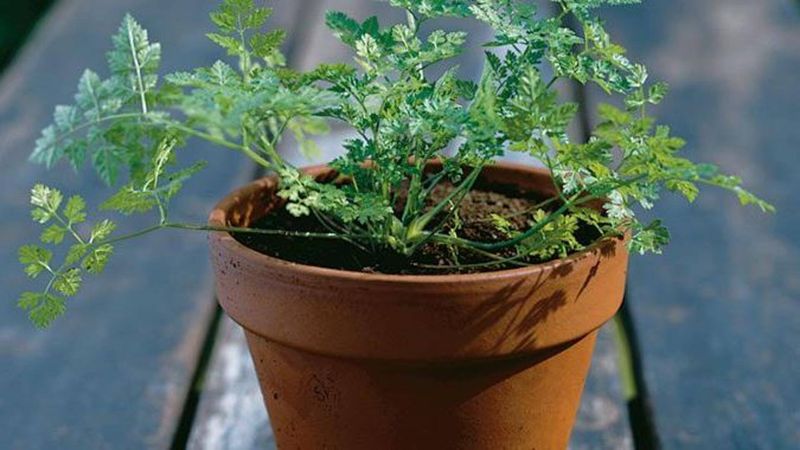
Water is where many container herbs run into trouble, and chervil has clear preferences. It likes soil that stays evenly moist, but it does not want its roots sitting in a soggy puddle.
Getting that balance right keeps the plant healthy and the leaves tender. Think damp like a wrung out sponge, not muddy and waterlogged.
Window boxes dry out faster than garden beds because they hold less soil and get more air around them. That means you will likely need to check the moisture more often, especially on warmer September afternoons.
Stick your finger about an inch into the soil. If it feels dry there, it is time to water, and if it still feels damp, you can wait.
Good drainage matters just as much as regular watering. Make sure your box has holes in the bottom so extra water can escape instead of pooling around the roots.
Roots that stay drenched too long can rot, and a rotting plant will quickly fade. A quality potting mix that drains well helps prevent that problem.
On the other hand, letting the soil go bone dry stresses chervil and can trigger early flowering. Steady moisture keeps it calm and productive.
A layer of mulch on top of the soil can help hold moisture between waterings, which is handy if you get busy and forget a day.
Treat watering like a gentle routine rather than a flood, and your chervil will stay lush, green, and ready to snip whenever you need it.
6. The Leaves Bring A Delicate Flavor
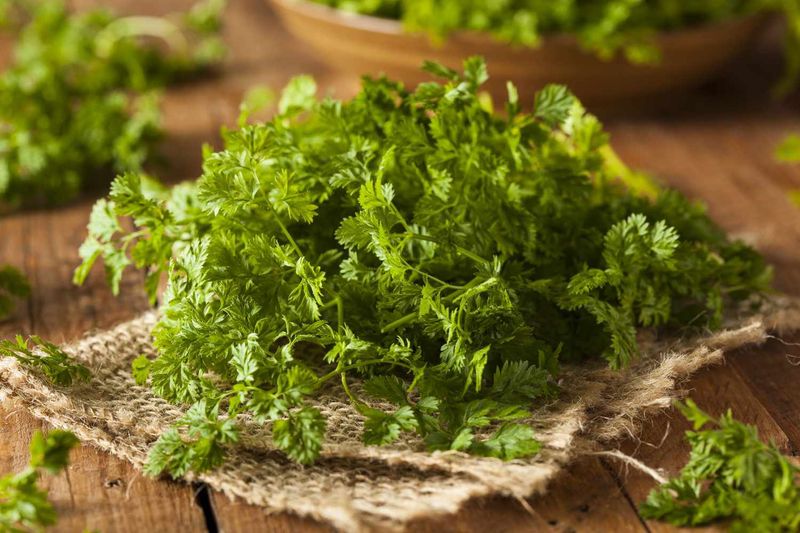
Taste a leaf of chervil and you might think of parsley, but softer and more refined. It carries a mild, fresh flavor with a faint hint of licorice that makes it feel a little fancy.
That gentle taste is exactly why chefs treasure it. Chervil does not overpower a dish; instead it adds a light, pleasant note that lifts the other ingredients.
Eggs are a classic match. A sprinkle of chopped chervil over scrambled eggs or an omelet turns a simple breakfast into something that feels special.
It also shines in fresh salads, where the tender leaves blend right in with lettuce and other greens. The flavor stays delicate, so it never fights with your dressing.
Soups and sauces welcome chervil too, though you want to add it near the end of cooking. Heat can dull its subtle flavor, so a last minute sprinkle keeps it bright.
Steamed vegetables get a lovely boost from a handful of chopped leaves. Try it over carrots or green beans for a fresh finishing touch.
Because the flavor is so mild, you can use chervil generously without worrying about overdoing it. That makes it forgiving and fun to cook with.
In France, chervil is part of a famous herb blend called fines herbes, tucked alongside parsley, tarragon, and chives. That history shows just how respected this little plant really is.
Having it growing right in your window box means you always have that soft, elegant flavor within arm’s reach whenever inspiration strikes in the kitchen.
7. Harvest The Tender Leaves Regularly
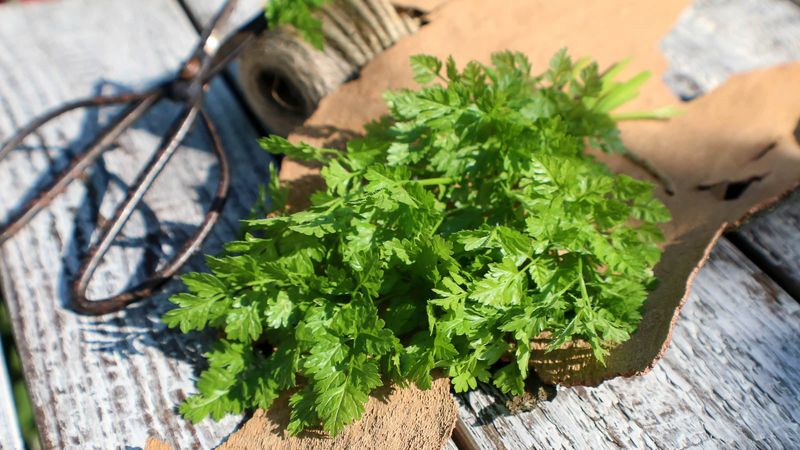
The best part of growing chervil is that you get to start picking pretty early. Once the plant has a few sets of leaves, you can begin snipping the young, tender greens for your kitchen.
Regular harvesting is not just about getting food. It actually helps the plant stay bushy and keeps it producing more fresh leaves.
Use clean scissors or just pinch off the outer leaves with your fingers. Take a little from several plants rather than stripping one bare, and they will all keep growing happily.
Snipping often also slows down flowering. When you keep cutting back the growth, the plant stays focused on making leaves instead of rushing to bloom.
Morning is a nice time to harvest, since the leaves are crisp and full of moisture before the day warms up. They taste their freshest right after cutting.
Because chervil grows so close to the kitchen in a window box, you can grab a handful exactly when a recipe needs it. There is no fresher way to cook.
Try to use the leaves soon after picking, since they do not store for long. Their delicate flavor fades quickly once they sit in the fridge.
If you do need to keep some, wrap them loosely in a damp paper towel and use them within a day or two.
Making harvesting a regular habit turns your window box into a steady little supply of fresh green flavor. The more you snip, the more the plant gives back, which feels wonderfully rewarding.
8. Keep Sowing For A Longer Harvest
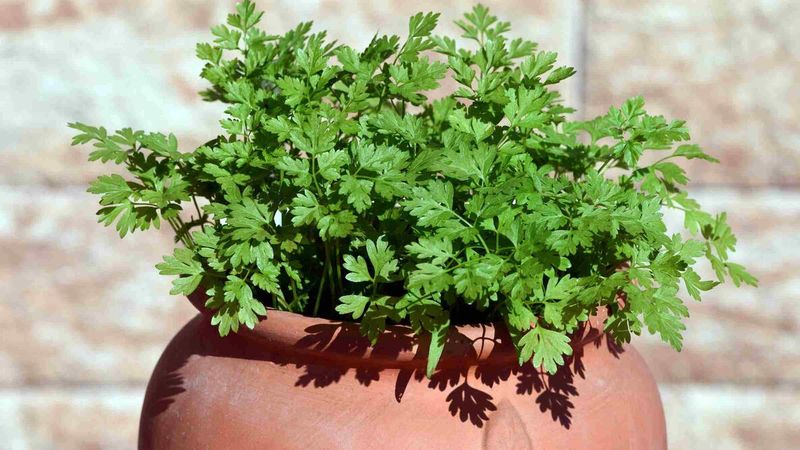
One planting of chervil gives you a nice batch of leaves, but there is a clever trick to enjoy fresh greens for much longer. The secret is called succession sowing.
Instead of planting all your seeds at once, sprinkle a small handful every couple of weeks. That way, new plants keep coming up as the older ones start to fade.
Chervil grows and matures fairly quickly, and it does not stay productive forever. By staggering your sowings, you always have young, tender plants ready to take over.
Picture a fresh little wave of chervil arriving every few weeks throughout the cool season. That steady supply beats harvesting one big crop that gets used up all at once.
This approach works especially well in a window box, where space is limited. You can tuck new seeds into open spots as you clear out spent plants.
Keep a simple note or reminder so you remember when to sow the next round. A quick mark on your calendar makes the routine easy to follow.
Because North Carolina autumns stay mild for a good stretch, you can keep this cycle going well into the cooler months. Each small sowing extends your harvest window.
Successive planting also spreads out the risk. If one batch struggles, the next one is already on its way, so you are never left without fresh leaves.
Adopt this little habit and your window box becomes a reliable source of flavor all season long. A few minutes of planting now and then keeps chervil coming back again and again.