This Underused Native Tree Deserves A Spot In More Texas Yards
Live oaks, cedar elms, and pecans tend to get all the glory in Texas landscapes. They’re big, bold, and impossible to miss. But some of the best native trees are much smaller and far less famous.
This one stays compact enough for most yards, usually topping out at a modest height that fits beside a patio or near the house.
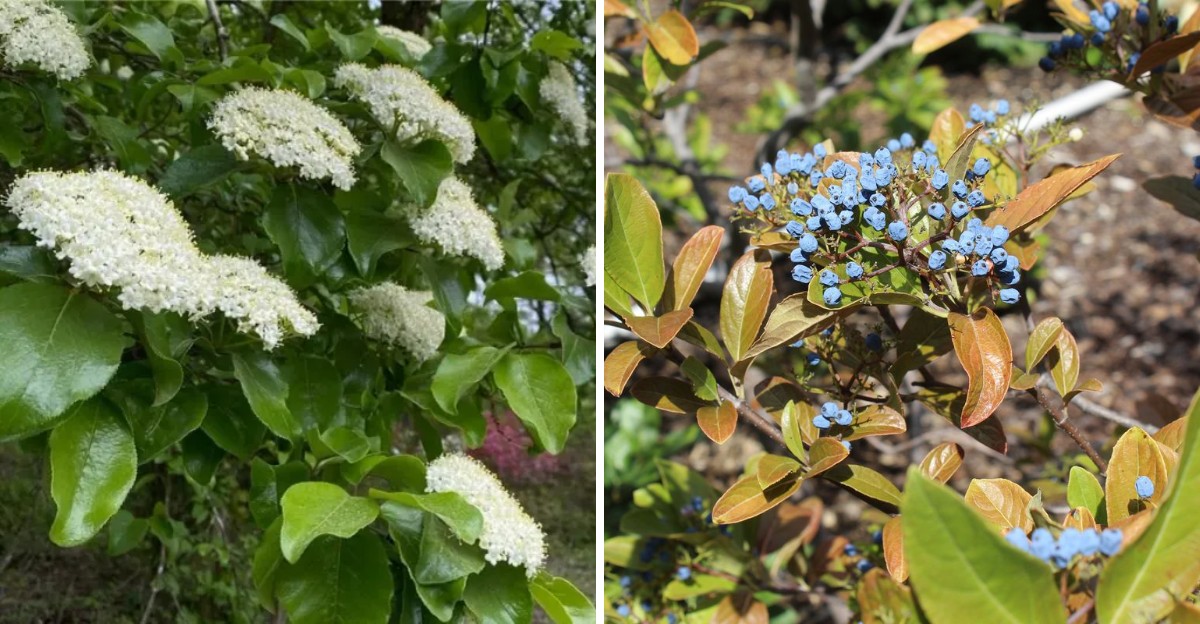
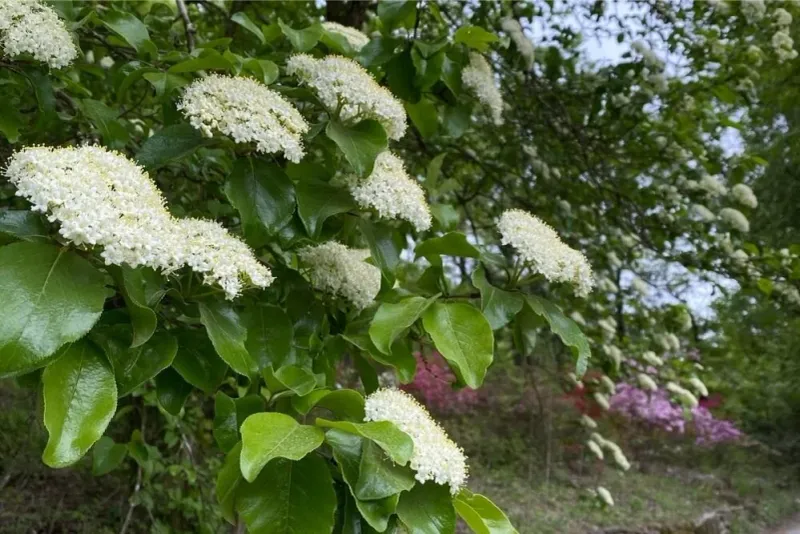
In spring, it bursts into clusters of creamy white blooms that buzz with pollinators. Its glossy leaves stay neat all summer, then turn rich shades of burgundy and red in the fall.
By then, dark blue berries are ripening, and songbirds are lining up to eat them. It also handles heat, drought, and partial shade with very little fuss.
So why don’t more Texans plant it? Most simply haven’t heard of it yet. Once you know what it offers, it’s hard to pass up.
The Native Worth Knowing
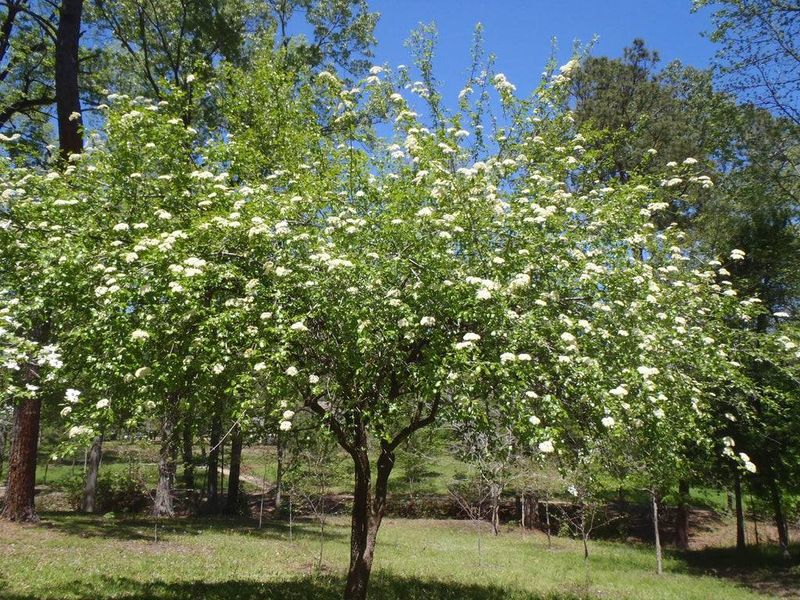
Walk through a shady patch of woods near Austin or Tyler, and you may pass a rusty blackhaw without even noticing it. Plenty of Texans have. The plant has been hiding in plain sight for generations.
Rusty blackhaw viburnum, known to scientists as Viburnum rufidulum, is a small native tree or large shrub.
It grows wild in woodlands and along forest edges across East and Central Texas. You can also find it in other southern states, from Virginia to Florida and west into Oklahoma.
So where does the odd name come from? Look closely at the new leaf buds and young stems.
They are covered in tiny reddish-brown hairs that look a lot like rust. Once you spot them, you will never forget them.
Size is one of its biggest selling points. Most rusty blackhaws reach about 10 to 20 feet tall and grow slowly over many years.
That makes them a smart pick for small yards, narrow side beds, and spaces near patios where a giant oak would be too much.
Many new neighborhoods have small lots. A tree that stays compact can save you from problems with roofs, power lines, and foundations later on. Rusty blackhaw fits right in without crowding everything else.
Want to find one? Check local native plant nurseries or plant sales held by groups like the Native Plant Society of Texas. Big box stores rarely carry it, so asking around helps.
Fun fact: the bark on older trunks breaks into small, blocky squares. Some people say it looks like alligator skin. It adds texture to your yard, even in the middle of winter when the branches are bare.
Spring Flowers That Feed Pollinators
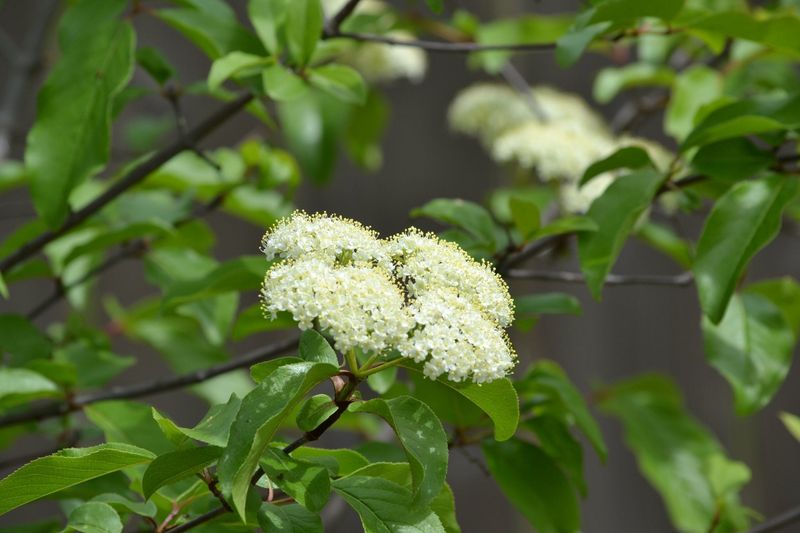
Spring in Texas often starts with a splash of pink from redbud trees. Right around the same time, rusty blackhaw joins the party in its own quiet way. Its branches fill up with creamy white blooms.
Each flower cluster is flat and wide, about three to five inches across. Up close, every cluster is made of dozens of tiny star-shaped flowers. From a distance, the whole tree looks like it is dressed in lace.
Your Texas Garden Changes Every Week. Your Plan Should Too.
Gardening in Texas changes quickly throughout the season. Every Friday you’ll receive a simple weekly plan showing exactly what to plant, prune, fertilize, harvest, and protect so you never miss the right timing.
Bees go wild for these blooms. Native bees, honeybees, butterflies, and small beetles all stop by for a sip of nectar and a bite of pollen. Early spring food is hard to find, so these flowers give pollinators a real boost after a long winter.
Why should you care about pollinators? They help many of the plants we eat make fruit and seeds. A yard that feeds them helps your garden, your neighbors’ gardens, and the wider world too.
Here is a fun design trick. Plant a rusty blackhaw near a redbud. When both bloom together, the white and pink look amazing side by side. It feels like a spring painting right outside your window.
For the best flower show, give your tree some morning sun. It still blooms in part shade, but more light usually means more flowers. Skip heavy pruning in late winter, because that cuts off the buds that will open in spring.
One small tip: avoid spraying bug killers near the tree while it blooms. Those sprays can harm the helpful insects you are trying to invite. Let the bees do their busy work in peace, and enjoy the buzz.
Glossy Leaves And Brilliant Fall Color
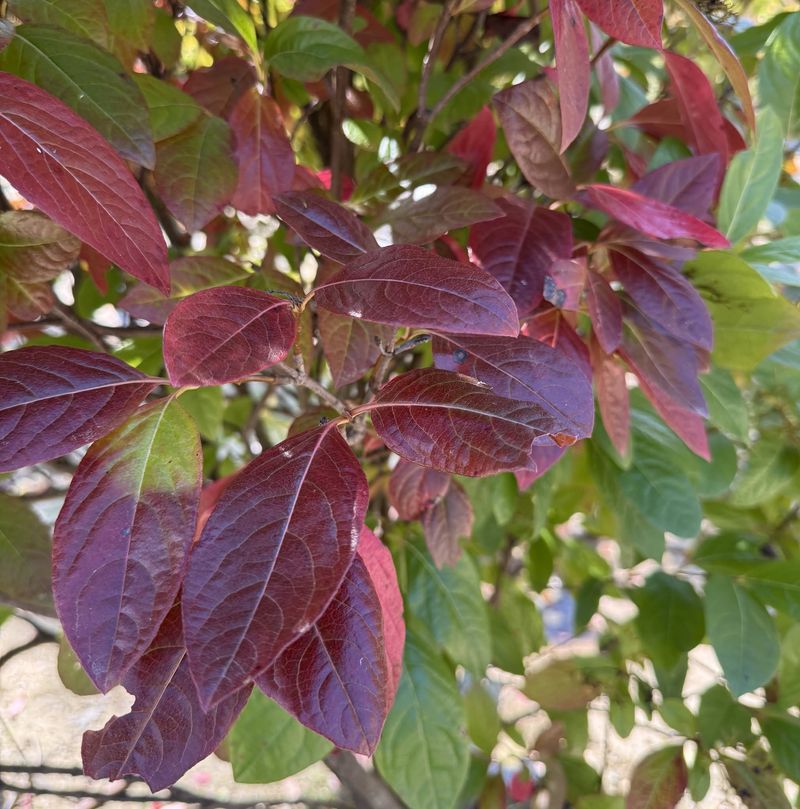
Ask any Texas gardener about fall color, and you might hear a sigh. Our autumns are often warm, and many trees simply fade from green to brown. Rusty blackhaw is a happy exception.
All summer long, its leaves stay dark green and glossy. They almost look polished, like someone wiped them with a cloth. Even in the hottest weeks of August, the shiny leaves help the tree look fresh and tidy.
Then the weather cools, and the show begins. The leaves slowly turn deep red, rich burgundy, and even shades of purple. Some years, a single tree can hold several colors at once.
That kind of fall color is not common among Texas natives. Rusty blackhaw is known as one of the more reliable choices. Year after year, it puts on a colorful display, even when other trees let you down.
Where should you plant it to enjoy the color? Try a spot you see every day. Near a front window, beside a driveway, or along a walkway all work well. You will notice the change each morning as you head out the door.
Sunlight makes the colors brighter. A tree in full sun usually turns a deeper red than one tucked in heavy shade. If you want maximum color, give it at least a few hours of direct light.
Pair it with plants that have yellow or gold fall leaves, like a native cedar elm or flame leaf sumac nearby. The mix of warm tones looks stunning together. Your yard could become the one neighbors slow down to admire every November.
Berries For Birds In Fall And Winter
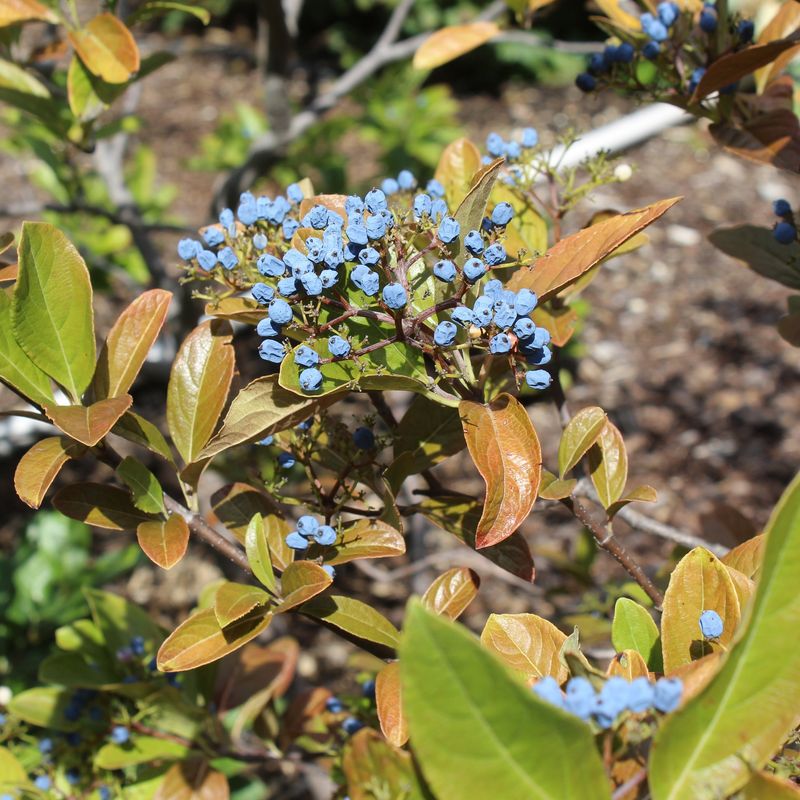
A cardinal lands on a branch, grabs a dark berry, and zips away. Moments later, a mockingbird shows up for its turn. Moments like these happen often when a rusty blackhaw grows nearby.
Once the flowers fade, small green fruits start to form. Over the summer, they swell and slowly change color. By fall, they ripen into hanging clusters of blue-black berries with a dusty, waxy coating.
Birds love them. Cardinals, robins, cedar waxwings, bluebirds, and many other songbirds feed on the fruit. Small mammals like foxes and raccoons may also nibble the ones that fall to the ground.
Timing matters a lot here. In late fall and winter, bugs are scarce and many plants have stopped producing food. Berries that last into the cold months can help birds stay strong until spring returns.
Did you know people have eaten these berries too? Long ago, folks sometimes snacked on the ripe fruit or made it into jam. The taste is sweet and a little like raisins, though the big seed takes up most of the space.
Want to turn your yard into a bird hotspot? Place your rusty blackhaw where you can watch it from inside. A kitchen or living room window is perfect. Add a shallow birdbath nearby, and you may see even more visitors.
Keep a little patience in your pocket. Young trees may only make a few berries at first. As they grow older and bigger, the fruit crop gets heavier, and the bird traffic picks up too.
Before long, you might find yourself buying a field guide just to name all your feathered guests.
Tough Enough For Texas Conditions
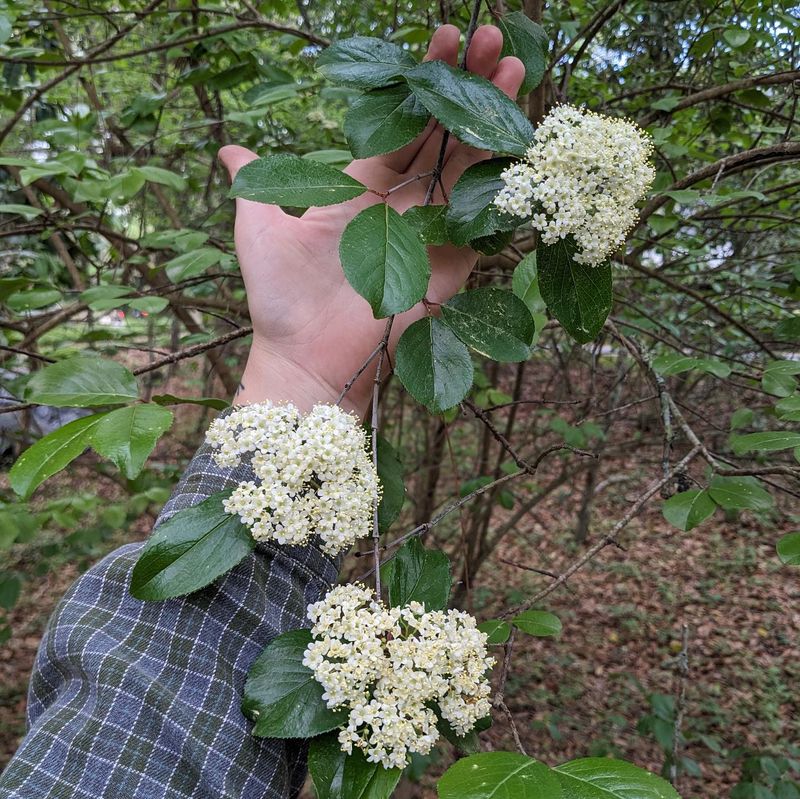
Texas weather does not play nice. One month it floods, the next it bakes at 105 degrees with no rain in sight. Plenty of trees struggle, but rusty blackhaw was born for this kind of rough ride.
Because it grew up in Texas, it already knows how to handle our climate. Once its roots settle in, it can take long stretches of heat and drought. You will not need to stand outside with a hose every evening.
Soil is another big win. Much of Central Texas has rocky, chalky, alkaline soil that many plants dislike. Rusty blackhaw handles it well, and it also grows fine in the sandier soils of East Texas.
Light needs are flexible too. It grows in full sun or part shade. That means it can live happily beneath big oaks and pecans, filling the space under their canopy as a pretty understory tree.
So how do you help it get established? Water deeply once or twice a week during its first summer.
Spread two to three inches of mulch around the base, keeping it a few inches away from the trunk. Mulch holds moisture and keeps roots cool.
After the first year or two, you can slowly water less. During extreme drought, a deep soak every few weeks will keep it looking its best. Otherwise, rain usually does the job.
Fall is the best time to plant in Texas. Cooler air and warm soil help roots grow before summer heat arrives. Plant in October or November, and your tree gets a head start on its first tough season.
Easy Care For Busy Homeowners
Between work, school pickups, and weekend sports, who has time to babysit a tree? Good news: rusty blackhaw does not ask for much. It is the kind of plant that mostly takes care of itself.
Pruning is simple. The main chore is snipping off suckers, which are little shoots that pop up from the roots near the base. Clip them at ground level with clean hand pruners a couple of times a year.
You also get to choose its shape. Some people like a single trunk, which makes it look like a small classic tree. Others prefer a multi-trunk form, with three to five stems rising together for a natural woodland look.
To train a single trunk, pick the strongest, straightest stem and remove the others while the plant is young.
For a multi-trunk shape, keep a few healthy stems spaced evenly apart. Do any shaping right after it blooms in spring, so you do not cut off next year’s flowers.
Pests rarely cause big trouble. Rusty blackhaw has few serious insect or disease problems in Texas. Now and then you might see a few chewed leaves, but the tree usually shrugs it off without help.
Fertilizer is not really needed either. Native plants are used to local soil, and too much feeding can cause weak, floppy growth. A fresh layer of mulch each year is plenty.
When you add it all up, you get four seasons of beauty for very little effort. Spring flowers, shiny summer leaves, bold fall color, and winter berries all come with a short chore list. For busy families, that is a pretty sweet deal.