The California Native Plant That Gives Fall Gardens Food And Shelter For Birds
Something in the corner of a California yard starts to shake on a quiet October morning, and it has nothing to do with wind.
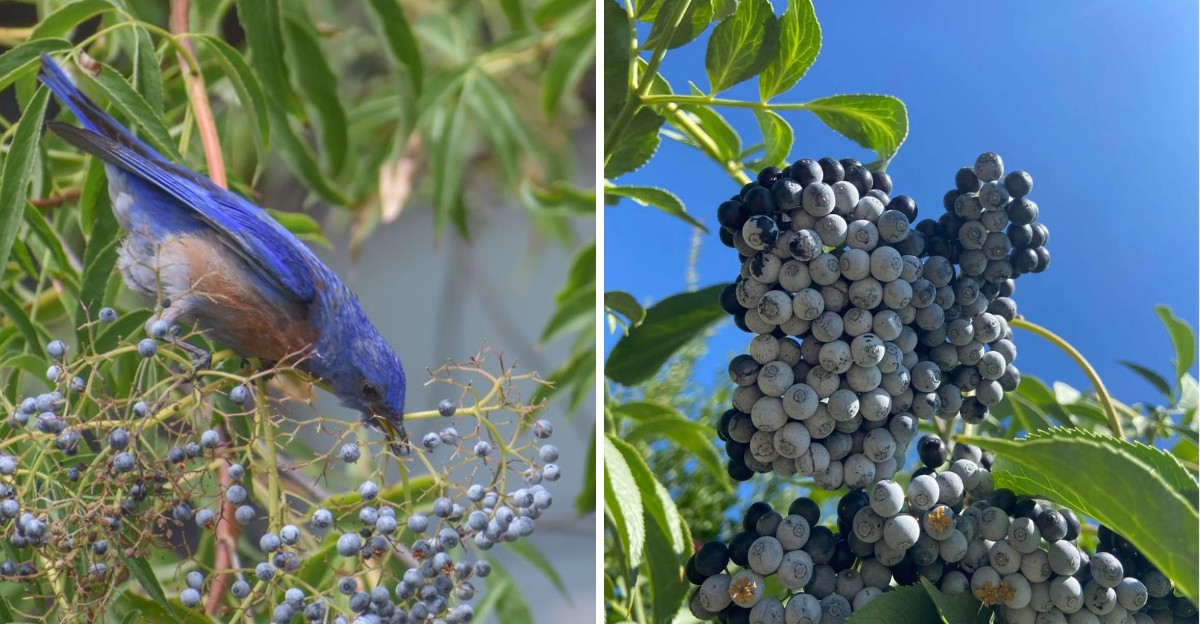
Bluebirds, waxwings, and finches flutter in and out constantly, snapping up clusters of dusty blue berries. The lawn stays still. The flower beds sit quiet. But this one shrub is throwing an entire party.
Here’s the thing about this plant that most gardeners never learn until they see it in action. It doesn’t just feed birds. It houses them too.
Two jobs, one shrub, and a name most people walk right past at the nursery without a second glance.
Eight facts explain exactly how this generous native pulls off that trick, and what you need to know before you plant one, including a safety rule worth memorizing.
Curious which shrub just became the busiest corner of somebody’s yard this fall? It starts along a creek bank, long before any garden existed at all.
Meet Blue Elderberry, The Native Provider
Picture a shrub that shows up along creek banks from the Oregon border all the way down to San Diego County. Blue elderberry, known to botanists as Sambucus nigra ssp. caerulea, has been growing in California long before anyone planted a garden here.
You may also see it listed under its older name, Sambucus mexicana, on nursery tags and in older plant books.
Out in the wild, it grows in valleys, foothills, and canyons, usually near streams, washes, or other spots where water collects naturally. It can reach anywhere from about 6 to 30 feet tall, depending on how much water and space it gets.
What makes this plant special for birds is that it does two jobs at once. Its clusters of dusty blue berries feed hungry birds in late summer and fall, and its thick, leafy branches give them a place to hide and rest.
Few garden plants cover both needs so well in one package.
Native plants like this one also fit naturally with local wildlife. Birds in California have been eating elderberries for thousands of years, so they recognize the fruit right away without any hesitation.
California Native Americans valued the plant too, using its stems for flutes and clapper sticks and its berries for food after cooking properly.
If you want a single shrub that brings birds to your yard and belongs in the landscape, blue elderberry deserves a close look. The sections ahead explain how to grow it well and how to handle its berries safely.
Berries Ripen Right Into Fall
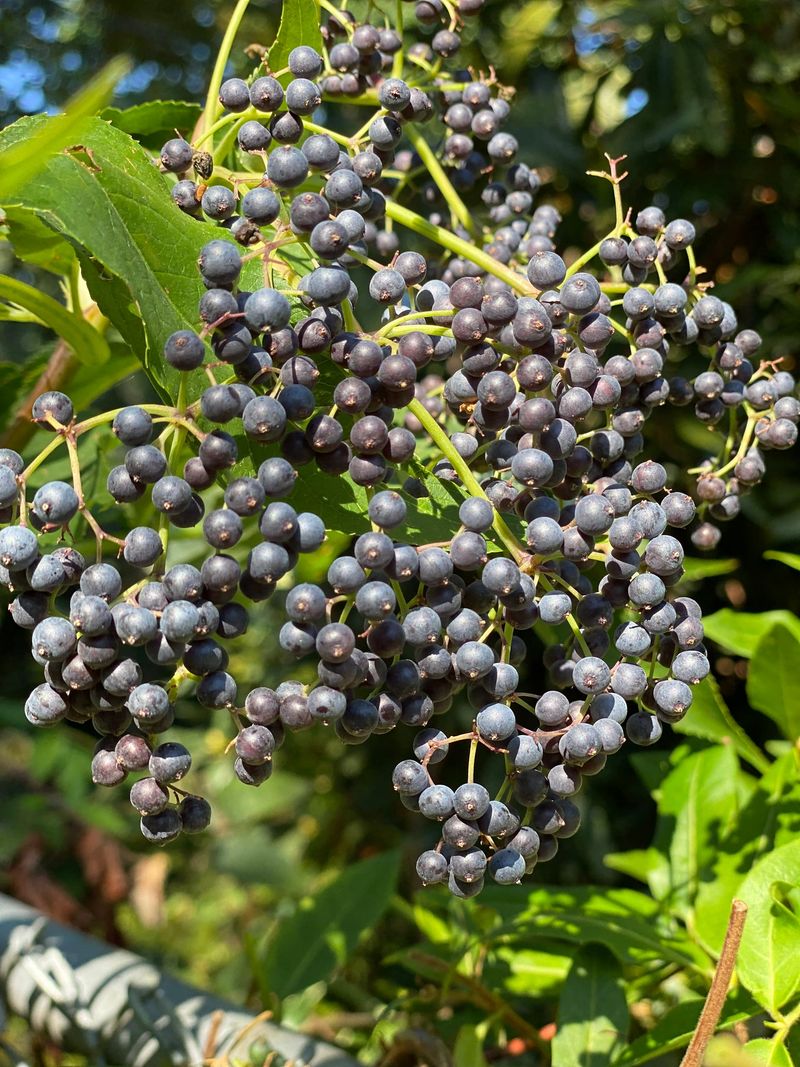
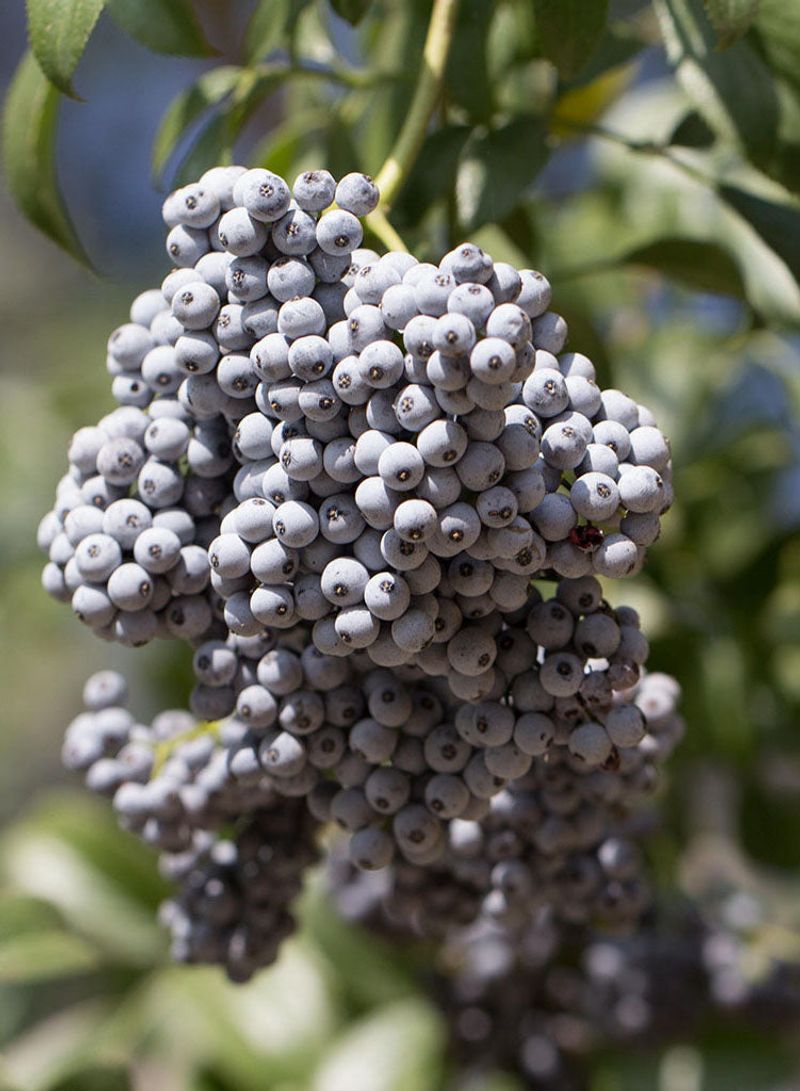
Late summer brings a quiet color change you can almost miss if you blink. The flat clusters of small green berries on blue elderberry slowly swell, then turn a deep blue to purple.
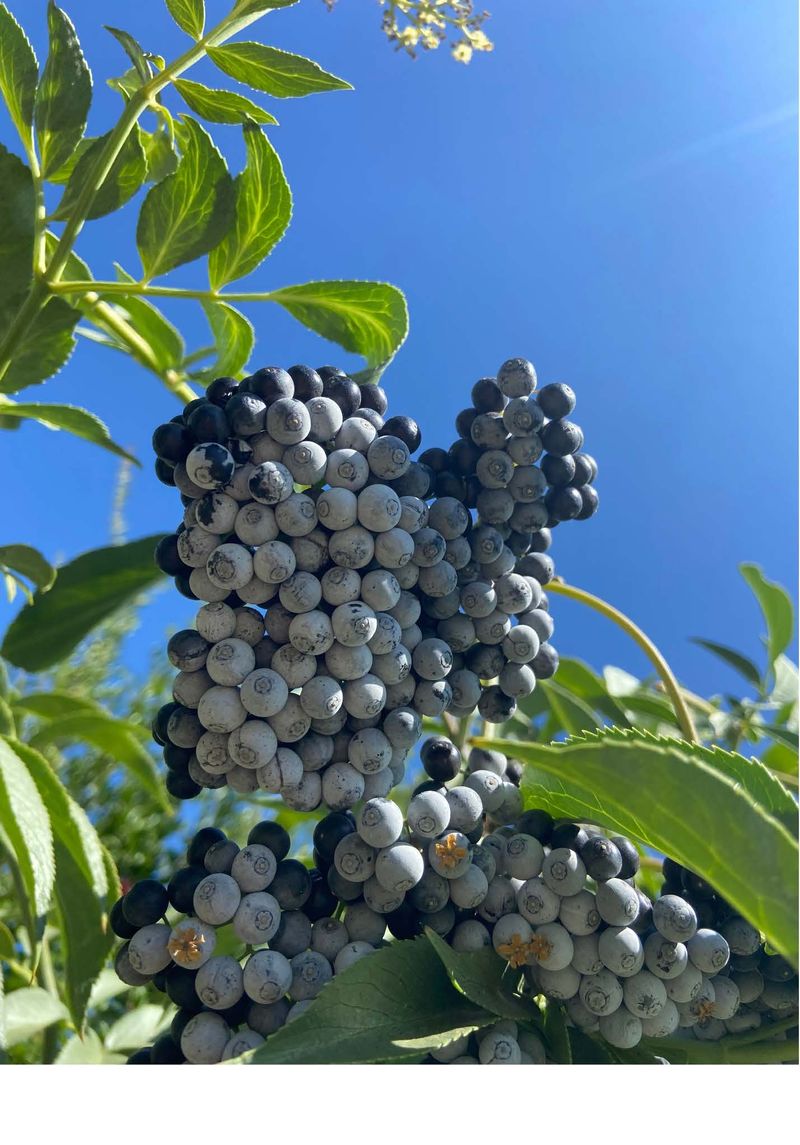
A pale, powdery coating called bloom covers them, which gives the fruit its dusty, almost frosted look.
The timing depends on where you live and how warm your season runs. In many parts of California, berries begin ripening in summer and keep coming into early fall, often from around July through September or October.
Your California Garden Changes Every Week. Your Plan Should Too.
Gardening in California changes quickly throughout the season. Every Friday you’ll receive a simple weekly plan showing exactly what to plant, prune, fertilize, harvest, and protect so you never miss the right timing.
Because flowers open over a long stretch, different clusters ripen at different times.
That staggered schedule is great news for birds. Instead of one short feast, they get a steady supply of fruit for weeks, right when many are fattening up for migration or preparing for cooler months.
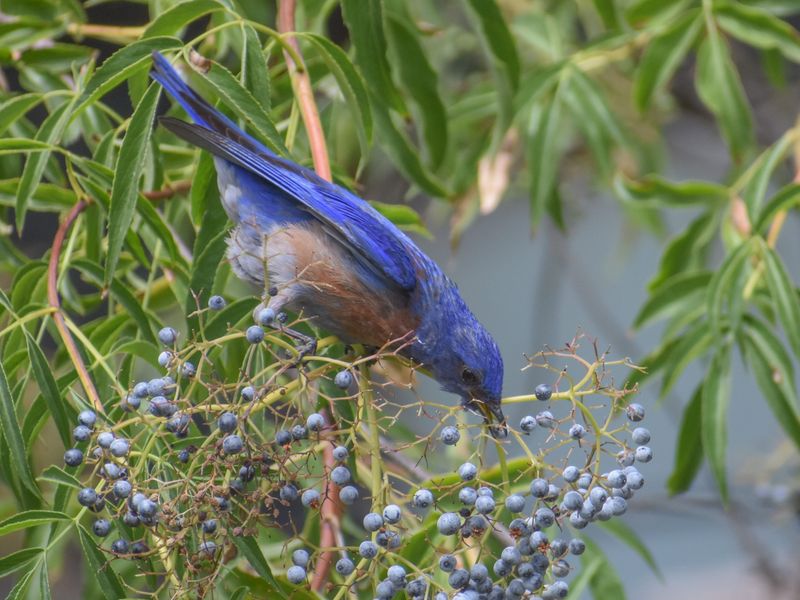
Cedar waxwings, western bluebirds, and band-tailed pigeons are among the visitors that may show up to eat.
Watching the clusters is a fun way to track the season yourself. Ripe clusters usually droop a bit from the weight, and the berries look fully colored with no green ones mixed in among them.
A single cluster can hold dozens or even hundreds of tiny berries.
If you plan to harvest some for yourself, leave plenty behind for wildlife. Pick only clusters that are completely ripe, and remember that elderberries must be cooked before eating, which the next section explains in detail.
Only Ripe Cooked Berries Are Safe
Here’s the one rule every elderberry grower should memorize. Ripe, cooked berries only. Blue elderberry is a useful food plant, but parts of it can make people sick if handled wrong.
Green or unripe berries, along with the leaves, stems, bark, roots, and seeds, contain natural compounds called cyanogenic glycosides, which can release cyanide as they break down.
Eating these parts raw can cause nausea, vomiting, stomach cramps, and diarrhea. Never eat them raw, and never chew on twigs or leaves out of curiosity.
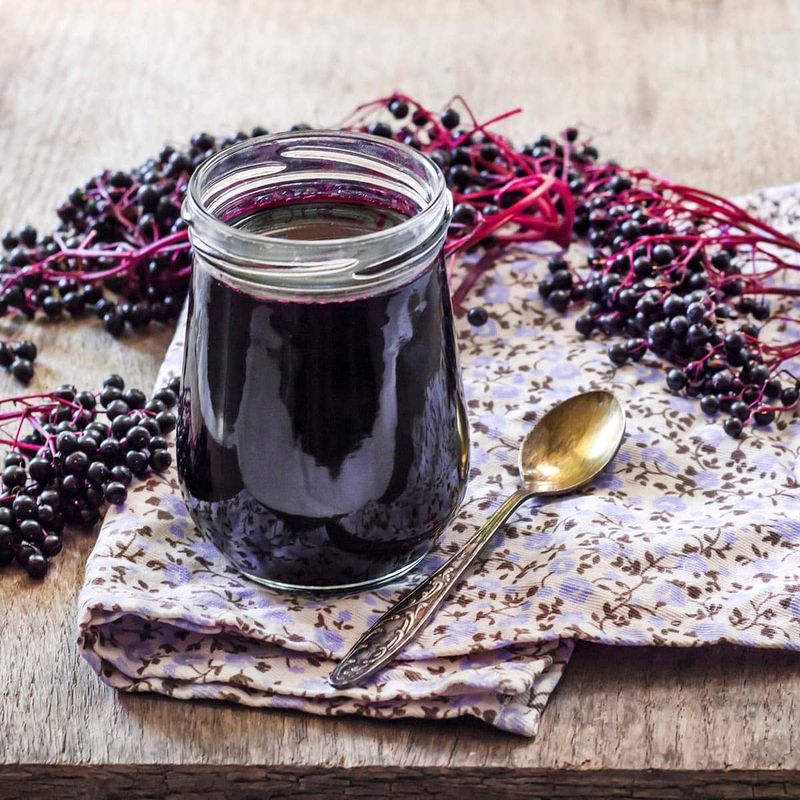
Even fully ripe berries should be cooked before you eat them. Cooking helps break down the troublesome compounds, which is why traditional elderberry recipes call for jams, syrups, pies, and sauces instead of eating handfuls straight off the shrub.
Remove all stems carefully before cooking, since tiny stem pieces sneak into bowls easily without anyone noticing.
The creamy white flowers can also be used, but they should be properly cooked too, such as in fritters or simmered into syrups. Only pick flowers from plants you have identified with certainty.
Some look-alike plants in the carrot family, like poison hemlock, also have flat white flower clusters and are extremely dangerous.
Kids should learn that the shrub is for looking, not snacking. A simple family rule, like asking an adult before tasting anything from the garden, goes a long way toward keeping everyone safe.
Birds can eat the raw fruit without trouble, but people need the extra cooking step.
Dense Branches Offer Real Shelter
A scrub jay darts into the elderberry and simply disappears from view. That vanishing act happens because blue elderberry grows many stems from its base, creating a thick tangle of branches and leaves.
For small birds, that tangle works like a living fortress.
Hawks and outdoor cats have a hard time reaching birds tucked deep inside all those crisscrossing stems. The large compound leaves, each made of several toothed leaflets, add even more cover from spring through fall.
Birds use the shrub as a safe waiting room between trips to feeders or birdbaths.
Shelter also means protection from weather extremes. On a blazing afternoon, the shady interior stays cooler than open lawn, and during a sudden rainstorm, birds can hunker down under the leafy canopy above them.
Some species, such as finches and other songbirds, may even build nests in the forked branches.
Keep in mind that blue elderberry is deciduous, so it usually drops its leaves in winter. Even bare, the thick framework of stems still gives birds a perch with a view and somewhere to duck when danger appears.
Pairing it with evergreen natives like coffeeberry creates year-round cover for the birds.
To keep the shelter strong, avoid shearing the shrub into a neat ball shape. Light pruning in winter, removing spent or crossing stems, keeps it healthy while preserving the dense, bushy shape birds love. A little messiness is a feature here, not a flaw.
Riparian Roots Prefer Consistent Moisture
Plenty of gardeners assume every California native loves drought, but blue elderberry breaks that rule entirely. In the wild, it grows along streams, washes, and low spots that collect seasonal water, which makes it a riparian plant.
Its roots are used to finding moisture close by, not searching for it far below.
That means your shrub will need regular supplemental water, especially during its first two or three years in the ground. As a general starting point, deep, slow watering once or twice a week during hot, dry months helps young roots spread downward.
Always check the soil first, since soggy, airless ground can cause its own set of problems too.
Once established, blue elderberry handles heat reasonably well and can survive some dry spells. Still, if it goes without water through a long summer, it may drop leaves early, look ragged, and produce fewer berries.
More water usually means more fruit and fuller foliage for the birds relying on it.
Placement can make watering easier on you. Try planting it where rain runoff naturally gathers, near a downspout, at the edge of a rain garden, or in a low corner of the yard.
Grouping it with other thirsty natives helps you water efficiently without soaking drought-loving plants nearby.
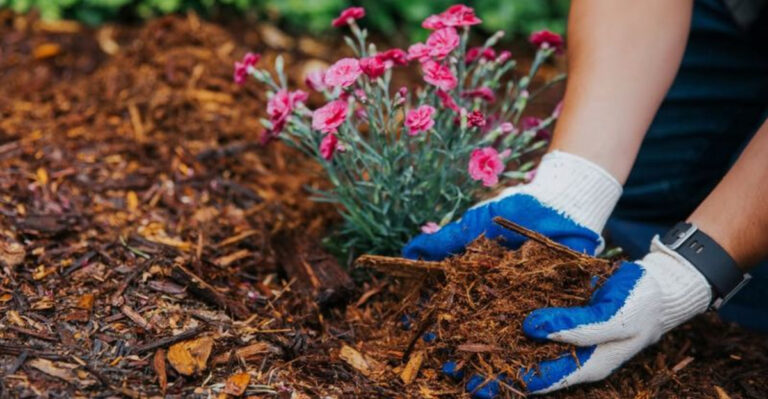
Full sun to part shade works well, and a layer of mulch helps hold moisture in the soil. Keep the mulch a few inches away from the trunk to prevent rot. Treat it like a creekside plant, and it will reward you generously.
Birds And Pollinators Share The Benefits
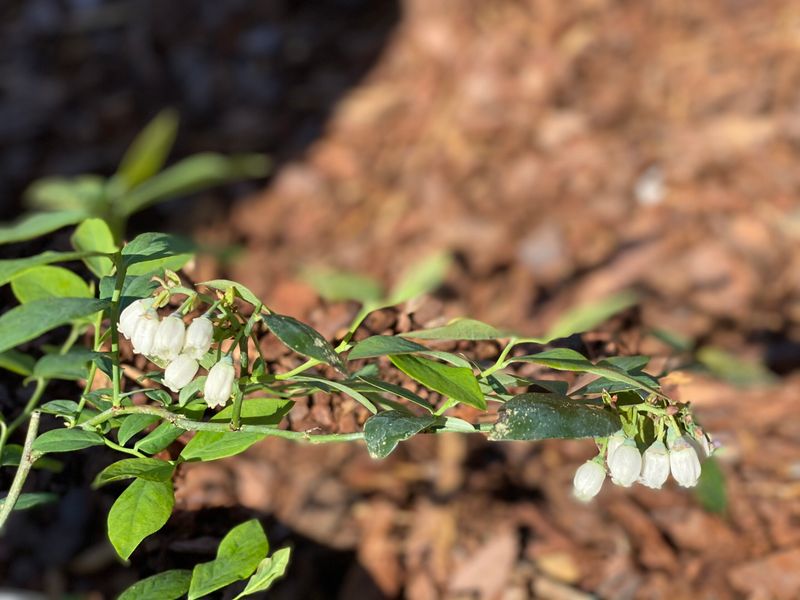
Long before the first berry ripens, blue elderberry is already busy feeding wildlife in other ways. In spring and early summer, the shrub is covered with flat-topped clusters of tiny creamy white flowers, some as wide as a dinner plate.
Their sweet, light scent draws in a crowd of insect visitors right away.
Native bees, honeybees, butterflies, and helpful flies all stop by, mostly to gather pollen. Many of these insects pollinate other plants in your garden too, which can boost your vegetable and flower harvests elsewhere in the yard.
Every visit also helps the elderberry set the fruit that birds will eat later in the season.
Here’s a bonus many people miss entirely. All those insects become food themselves, and songbirds raising chicks in spring depend heavily on caterpillars and other bugs. So the flowers feed birds indirectly, months before the berries ever do.
When late summer and fall arrive, the spotlight shifts to the fruit itself. Western bluebirds, phainopeplas, black-headed grosbeaks, northern mockingbirds, and many others gobble the berries.
Because birds pass the seeds, they help spread new elderberry plants across the landscape naturally.
This long season of usefulness is what sets blue elderberry apart from so many other options. Many garden shrubs offer either flowers or fruit, but few manage both on such a generous scale.
Skip pesticides around the shrub, since sprays can harm the very insects that make this whole system work.
Fast Growth Fills Gaps Quickly
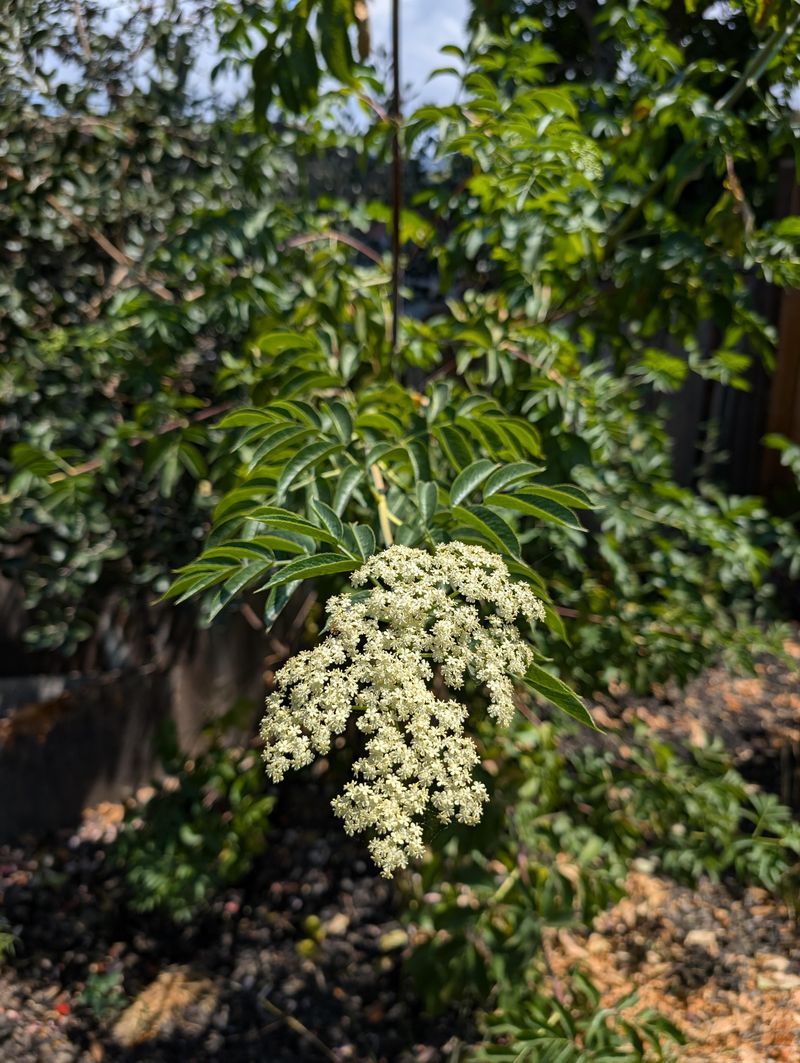
Patience is a virtue, but not every gardener wants to wait ten years for a shrub to fill in a bare corner. Blue elderberry is known as a fast grower, and with good water and sun, it can add several feet of growth in a single season.
Within a few years, a small nursery plant can become a sizable shrub with real presence.
That speed makes it handy for fixing bare spots fast. It works well as a summer screen along a fence, a backdrop for smaller plants, or a quick way to soften an empty corner of the yard.
Birds often start using it for cover sooner than they would a slow-growing shrub of similar size.
Fast growth does come with a few responsibilities, though. Give it plenty of room, since mature plants can spread wide as well as tall, and avoid planting it right against walls or under power lines.
It may also send up new shoots from the base, which you can keep or remove as you see fit.
Pruning stays forgiving with this plant overall. During winter dormancy, you can cut back older, woody stems to encourage fresh growth, which often produces more flowers and fruit the following year.
Some gardeners even cut it back hard every few years to keep it compact, and it usually bounces right back without complaint.
Wear gloves while pruning, and don’t leave clippings where pets or kids might chew them, since the stems and leaves are not safe to eat raw.