This Texas Native Plant Can Help Keep Sloped Yards From Washing Out
Sloped yards in Texas are one of those landscape challenges that most homeowners manage rather than solve.
Every heavy rain moves a little more soil downhill, bare patches appear where grass can’t hold, and the erosion that felt minor in year one becomes noticeably worse by year three.
Most conventional solutions require significant investment or ongoing maintenance to remain effective. There is a native Texas plant that addresses this problem from the ground up.
Its root system goes deep. Considerably deeper than most lawn grasses or ornamental plants.
Those roots grip the soil, slow water movement, and hold slopes in place through the kind of heavy Texas rainfall that sends topsoil running.
And above ground, it looks genuinely beautiful through fall and winter when most other plants have little to offer.
Plant This Native To Help Stabilize Slopes
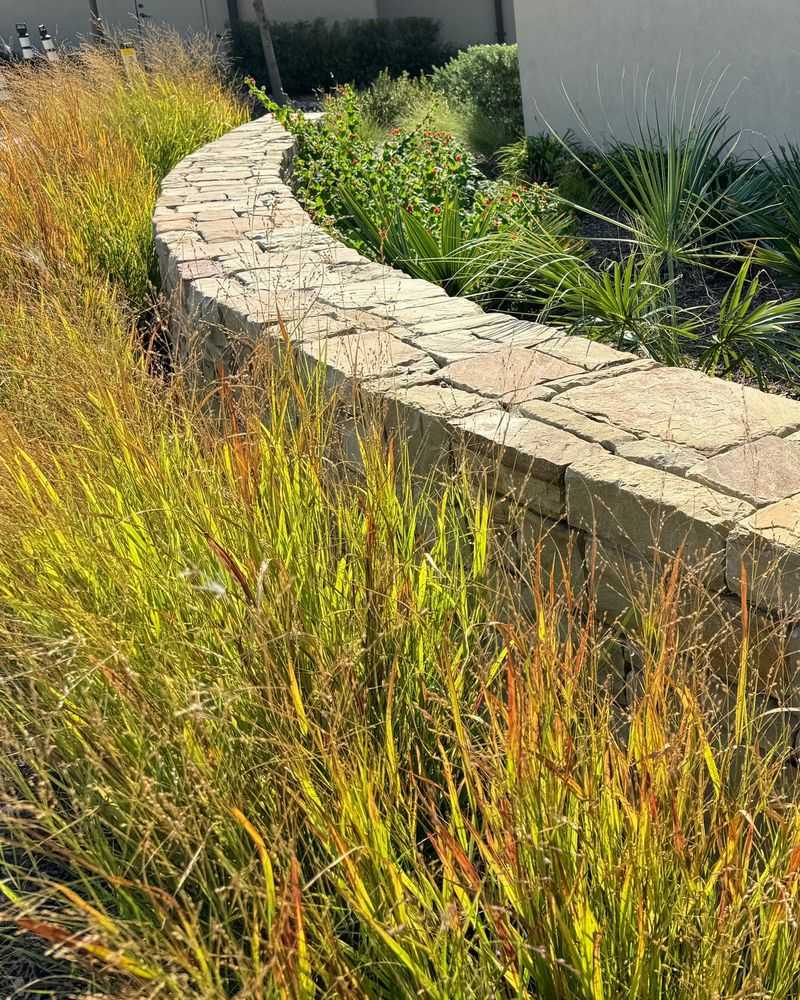
Picture a hillside after a big Texas storm. Muddy water rushes down, carrying your topsoil into the street. One tough native grass can help stop that mess, and its name is switchgrass.
Switchgrass, known to scientists as Panicum virgatum, has grown across Texas for thousands of years.
It once covered huge stretches of tallgrass prairie, right alongside big bluestem and Indiangrass. Bison grazed on it long before anyone built a house or planted a lawn.
So what makes it special for a sloped yard? The secret is mostly underground. Its roots can reach down 10 feet or more in good soil, forming a thick web that grips the earth.
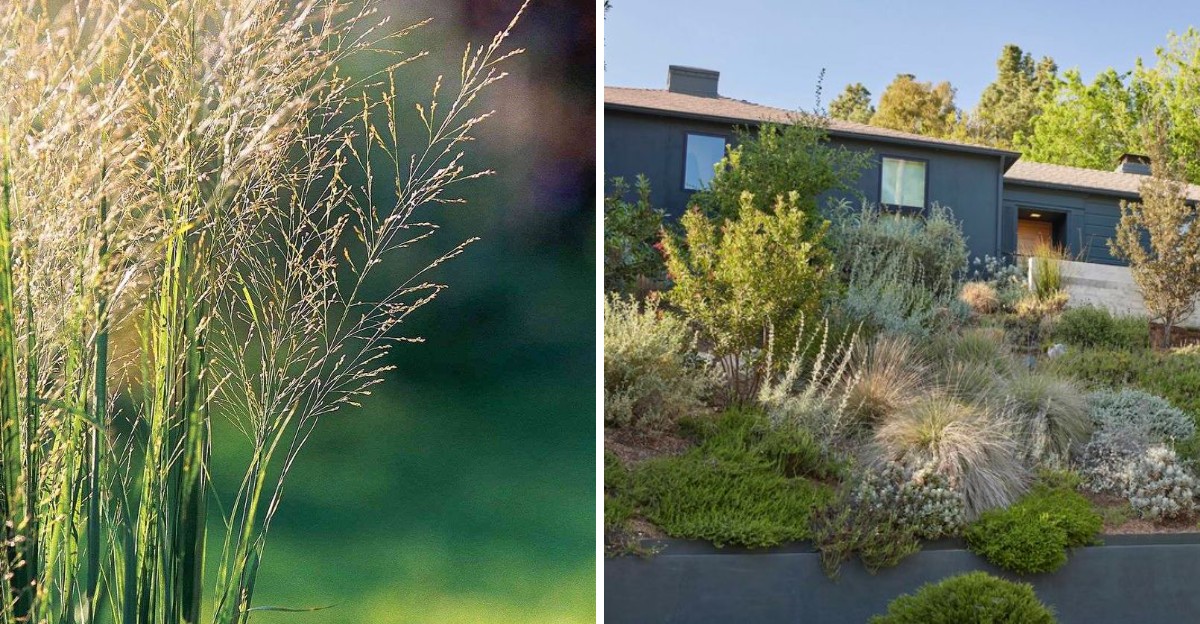
Above ground, the plant grows in upright clumps that usually stand 3 to 6 feet tall. In late summer, airy seed heads float above the leaves like a pinkish cloud. By fall, many types turn gold, orange, or even burgundy.
You can start switchgrass from seed or from nursery plants. Seeds are cheaper and work well for large areas. Small potted plants, often called plugs, give you a faster start on a smaller slope.
Spring is the best time to plant, once the soil warms up. Space plugs about 2 to 3 feet apart so they can fill in over time. Water them regularly for the first few months while the roots settle in.
Popular varieties include Alamo, which is a big Texas selection, and shorter types like Shenandoah for smaller yards.
Pick one that fits your space. Either way, you are adding a plant that belongs here and knows how to hold its ground.
Why Switchgrass Works On Sloped Ground
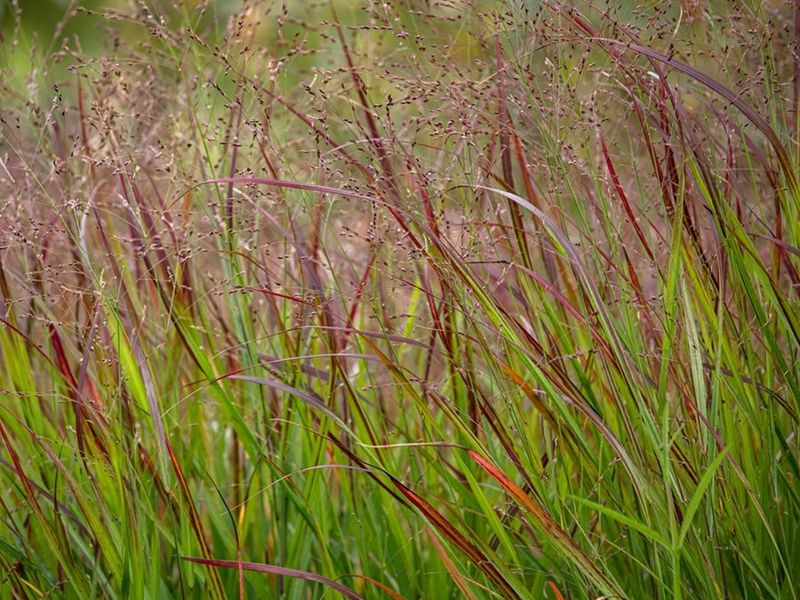
Rain is sneaky. A single drop hitting bare dirt can knock loose tiny bits of soil. Multiply that by millions of drops, and a slope can lose inches of earth in just a few seasons.
Erosion happens in two main ways on a hill. First, raindrops splash soil loose. Then runoff, the water that flows downhill, picks up that soil and carries it away.
Switchgrass fights back at both steps. Its leaves and stems catch falling rain and soften the blow before it reaches the ground. Less splash means less loose soil to begin with.
Your Texas Garden Changes Every Week. Your Plan Should Too.
Gardening in Texas changes quickly throughout the season. Every Friday you’ll receive a simple weekly plan showing exactly what to plant, prune, fertilize, harvest, and protect so you never miss the right timing.
Next come the roots. They spread deep and wide, weaving through the dirt like rebar in concrete. That tangled network binds soil particles together so water has a harder time pulling them apart.
The thick clumps also act like tiny speed bumps. When water flows downhill, it bumps into the stems and slows down. Slower water drops the soil it carries and has more time to soak into the ground.
Here is a fun fact. Farmers and highway crews have used switchgrass for years in grass strips called buffer strips. Those rows catch runoff at the edge of fields and help keep mud out of creeks and rivers.
Over time, old roots break down and add organic matter to the soil. That makes the ground spongier, so it holds even more water. Your slope actually gets healthier the longer switchgrass grows there.
Think of it as a living retaining wall. It will not replace a real wall on a very steep cliff, but on a gentle to moderate slope, it can make a huge difference.
Give Switchgrass The Right Growing Conditions
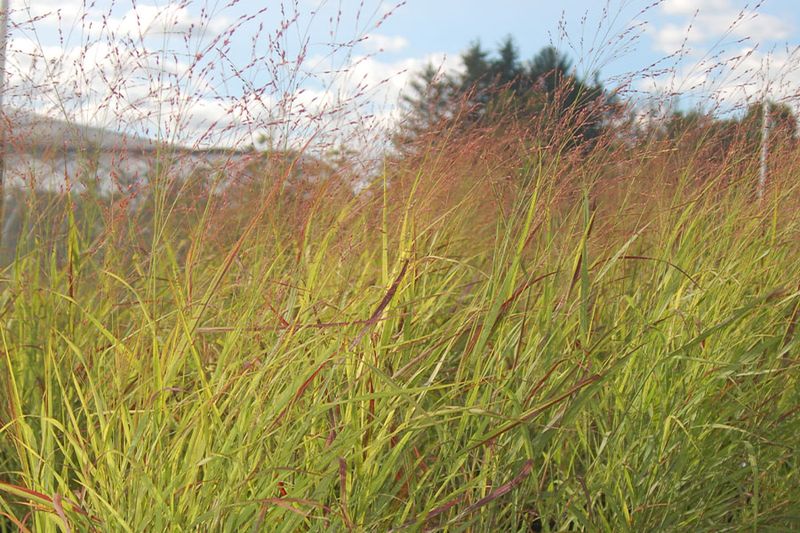
Sunshine lovers, unite. Switchgrass is happiest when it soaks up at least six hours of direct sun each day. Give it a bright spot, and it rewards you with strong stems and a thick stand.
Shade is a different story. In low light, the plant grows thin and floppy, and it may lean over or spread out weakly.
A floppy clump does a poor job of guarding your soil, so choose an open slope when you can.
Now for the dirt. Switchgrass is not picky and can grow in sandy soil, loamy soil, and even heavy clay. That is great news for Texas, where soil can change from one neighborhood to the next.
It handles both damp and dry spots too. In the wild, you can find it near creek banks and in drier upland prairies. Still, it does best when water can drain away instead of sitting in puddles for days.
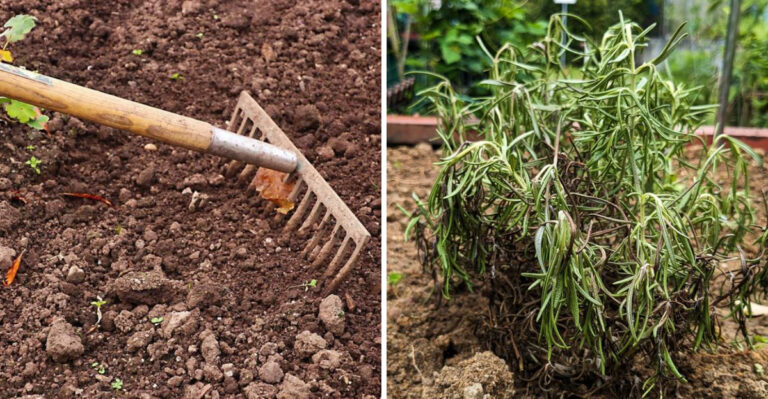
Before planting, pull out weeds and loosen only the top inch or two of soil. You do not need to till the whole slope. Heavy digging can actually make erosion worse before your grass has a chance to grow.
Space matters more than many people think. Each clump needs room to widen as it matures, so plant plugs 2 to 3 feet apart. If you are seeding, spread seed evenly and press it lightly into the soil.
Skip heavy fertilizer. Too much food makes the plant tall and weak, and it can invite weeds. A light layer of compost at planting time is all the boost most slopes need.
Be patient during the first year. Growth often looks slow while the plant builds roots underground.
How Switchgrass Handles Texas Heat
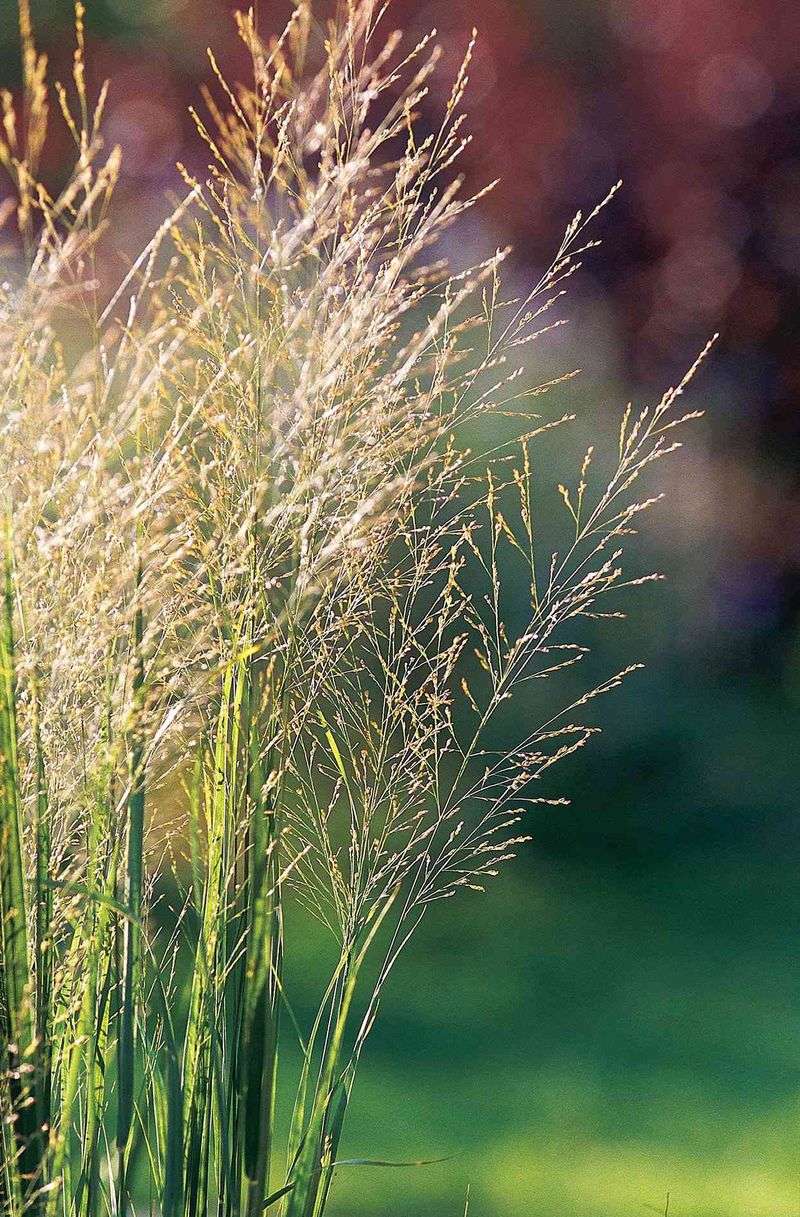
“Hot enough to fry an egg on the sidewalk.” Texans say it every July, and they mean it. Luckily, switchgrass does not mind the heat one bit.
Gardeners call switchgrass a warm-season plant. It stays quiet during the cool months and wakes up when spring temperatures climb.
Most of its growing happens from late spring through summer, just when other plants start to wilt.
Why does it love heat so much? Switchgrass uses a special kind of photosynthesis, often called C4. That process helps it turn sunlight into food more efficiently in hot, bright weather while losing less water.
Dry spells are another Texas challenge. Once switchgrass is established, usually after one or two growing seasons, those deep roots can reach moisture far below the surface.
Shallow-rooted turfgrass often turns brown and crispy long before switchgrass shows any stress.
That said, young plants need help. Water new plantings about once or twice a week during their first summer if rain is scarce.
Soak the soil deeply rather than giving it a quick sprinkle, since deep watering trains roots to grow down.
During a long drought, even mature switchgrass may slow down or go partly dormant. The leaves might look tired, but the roots stay alive underground. When rain returns, fresh green shoots usually pop right back up.
In winter, the tops turn tan and dry. Many people leave them standing because the stems still protect the soil and give birds a place to hide. Songbirds also enjoy snacking on the seeds.
For a hot, sunny Texas hillside, few plants are as tough. It is like having a plant that was built for your weather.
Use Switchgrass With Other Native Plants
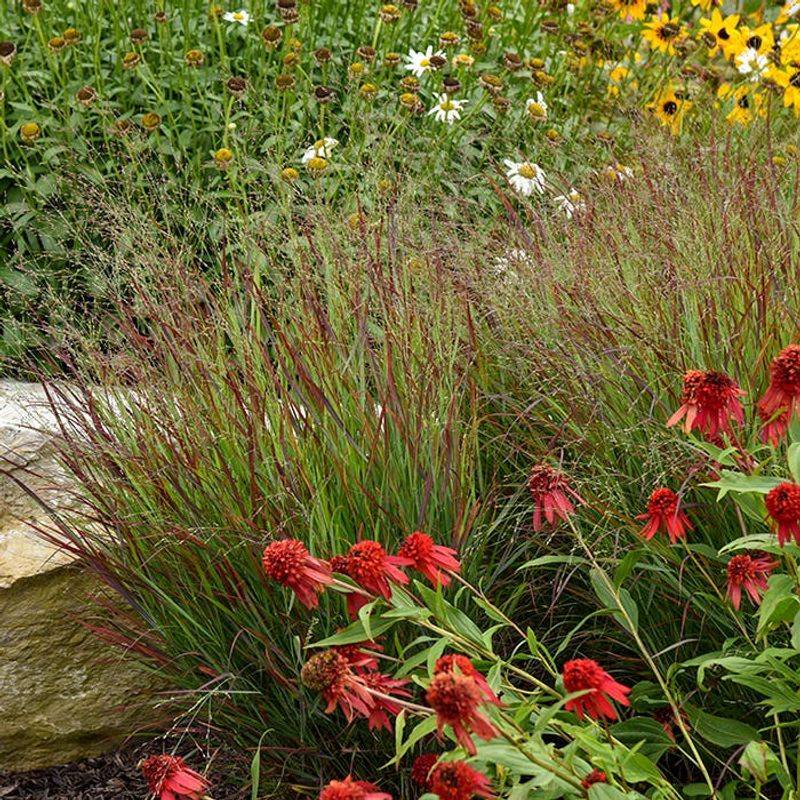
Ever notice how a sports team wins more with a mix of players? A slope works the same way. Switchgrass is a star, but it plays even better with a good supporting cast.
Switchgrass grows in clumps, which means small gaps of bare soil can sit between the plants. Rain can still sneak into those openings.
Filling them with other natives creates a fuller carpet of green that leaves water fewer places to cut through.
Native grasses make great teammates. Little bluestem stays shorter and turns a lovely copper color in fall. Sideoats grama, the official state grass of Texas, adds fine texture and handles dry spots well.
Groundcovers help protect the surface between the clumps. Buffalograss spreads by runners and forms a low mat.
Frogfruit is another tough native that creeps along the ground and attracts butterflies with tiny white flowers.
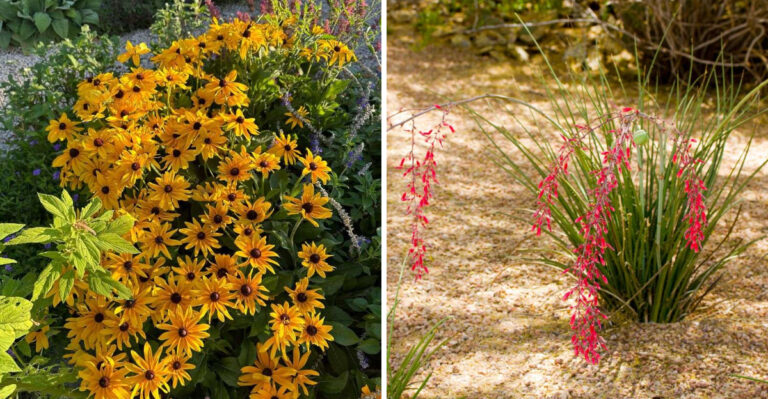
Wildflowers bring color and variety. Black-eyed Susan, Mexican hat, and purple coneflower all grow well with switchgrass. Their roots reach different depths, so together they hold soil at many levels.
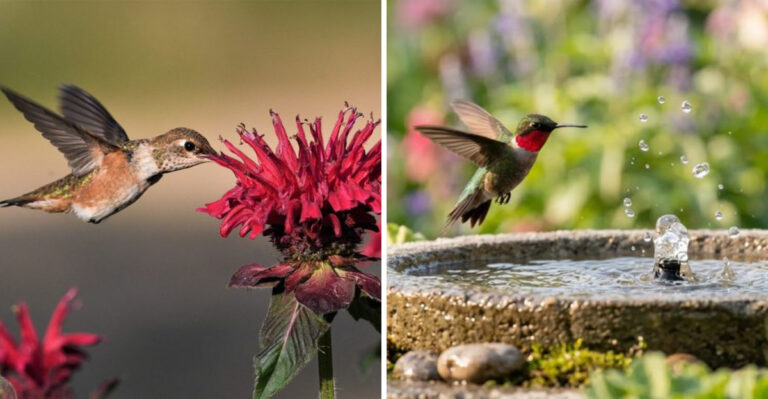
Mixing plants also helps wildlife. Bees, butterflies, and birds find food and shelter in a varied planting. You get a slope that looks like a small slice of Texas prairie.
Try planting taller switchgrass toward the top or middle of the slope and shorter plants near the bottom or edges. That layout keeps views open and makes the planting look neat. It also helps runoff slow down in stages as it travels downhill.
Shop at local native plant nurseries when you can. Staff there often know which plants thrive in your part of the state.
Maintain The Slope Without Disturbing The Soil

Good news for busy homeowners: the best care for a switchgrass slope is often doing less. Once the grass settles in, it mostly takes care of itself. Your main job is to protect the soil and let the roots work.
Keep digging to a minimum. Every time you turn over soil on a hill, you loosen it and give rain an easy target. If you need to add a plant, dig one small hole instead of clearing a big patch.
Weeds and invasive plants are the biggest threat in the early years. Watch for aggressive invaders like Johnsongrass, Bermudagrass, and King Ranch bluestem. Pull them by hand while they are small, ideally after a rain when the ground is soft.
Avoid walking on the slope too often, especially when it is wet. Footsteps can pack down soil and crush young shoots. A simple stepping-stone path along the side can give you access without harming the plants.
Once a year, in late winter, cut the old stems back to about 6 to 8 inches tall. That clears space for fresh spring growth. Leave the clippings on the ground as mulch, since they help shield the soil.
Give the grass time. Many gardeners use an old saying about native plants: the first year they sleep, the second year they creep, and the third year they leap. Strong roots take a couple of seasons to form.
Check the slope after heavy storms. If you spot small gullies, fill them with a bit of soil and add a new plug or some seed. Quick fixes keep little problems from growing.