Why New Fescue Can Still Struggle After It Sprouts In North Carolina
Seeing green sprouts is a great feeling. Many North Carolina homeowners relax at that point, and that is when trouble can start. New fescue seedlings are tiny and fragile.
Their roots are short, so a few dry days can set them back fast. Mowing too early, heavy foot traffic, and uneven watering all take a toll. Heat that lingers into fall adds more stress.
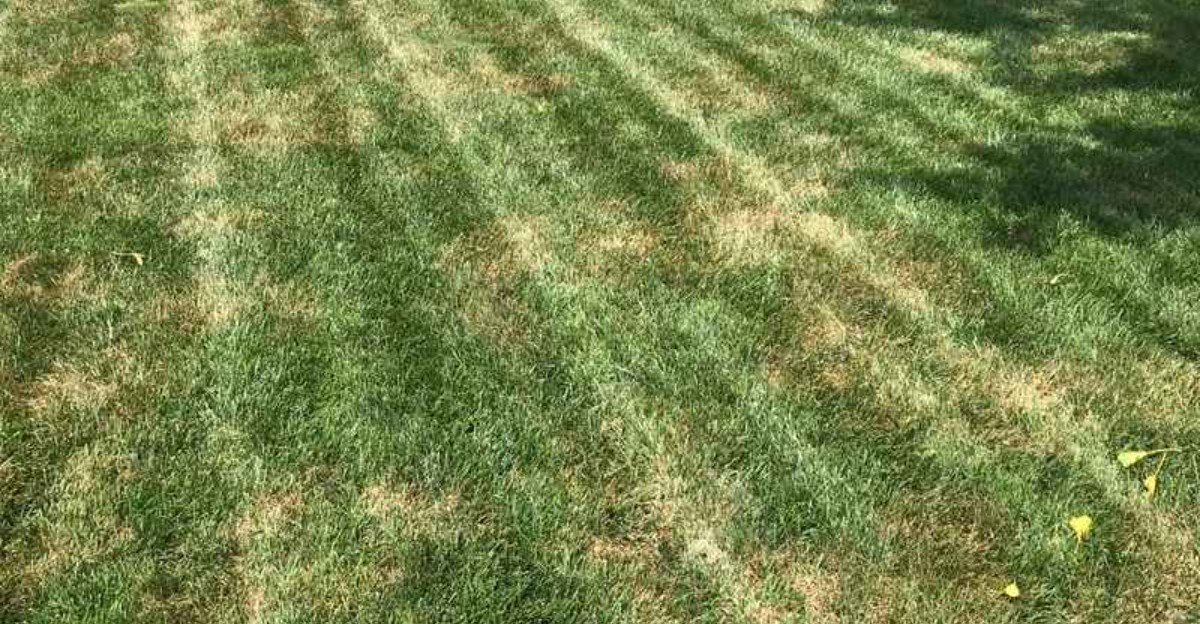
Some lawns even look good for a week and then turn thin and patchy. It feels unfair after all the work of seeding. The first few weeks after sprouting matter just as much as germination.
Knowing what the young grass needs helps you avoid the common traps. With the right care now, those little blades can grow into a thick, healthy lawn.
1. Shallow Roots Dry Out Too Fast
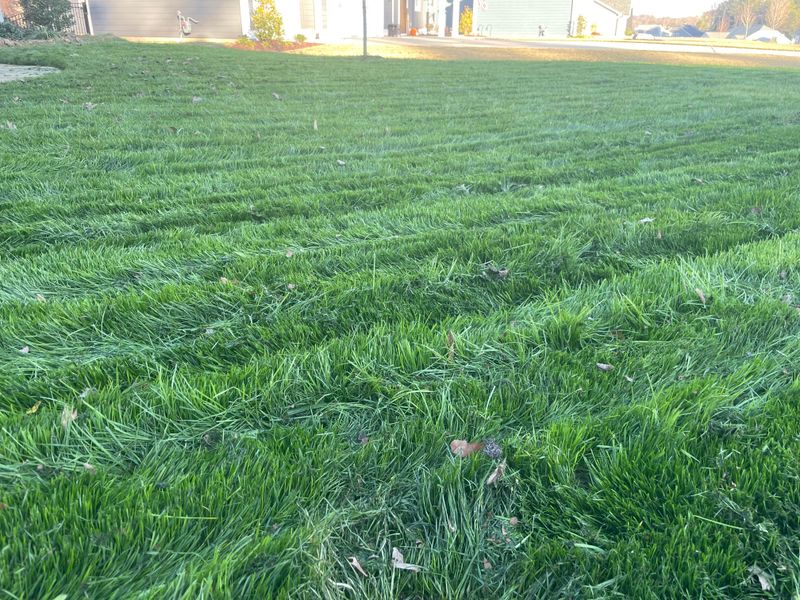
Sprouting is only the opening act. Underneath those tiny green blades, the roots of new tall fescue are still short and delicate, sitting in the top inch or two of soil for the first few weeks.
Because the roots live so close to the surface, they can only drink what is right there. When that thin top layer dries out, seedlings have nowhere else to find water.
Many homeowners see the green fuzz and decide the job is done, so they cut back on watering or jump straight to deep, weekly soakings.
That sudden change can leave baby grass thirsty. Seedlings may curl, turn grayish blue, or fade into thin, patchy spots. A deep soaking once a week sounds smart, but the water sinks below where young roots can reach while the surface bakes dry.
Here is a better plan. Keep watering lightly once or twice a day, just enough to keep the soil surface damp, until the seedlings reach about an inch or two tall. After that, start stretching the time between waterings while giving a little more each time.
Over the next few weeks, shift slowly toward deeper, less frequent watering. Roots follow moisture, so this gradual change trains them to grow downward instead of staying lazy near the top.
North Carolina makes this step extra important. Fall often brings dry spells, and warm afternoons in September and October can dry out bare soil in just a few hours.
A quick finger test helps a lot. If the top half inch feels dry, your seedlings are ready for another drink.
2. Too Much Water Or Night Watering Invites Disease

Kind intentions can backfire. After working so hard to keep seedlings moist, plenty of gardeners end up giving them far more water than they need, and fungus is happy to take advantage.
Young grass that stays wet for long stretches becomes an easy target for diseases like damping-off, Pythium blight, and brown patch.
Damping-off makes seedlings flop over at the soil line. Pythium can spread fast in warm, wet weather, leaving greasy, dark, or water-soaked patches that soon turn brown and matted.
Timing matters as much as amount. Water that goes on in the evening sits on the blades all night long, which creates a cozy home for fungi. Morning watering lets the sun and breeze dry the grass during the day, cutting down on those long damp hours.
Your North Carolina Garden Changes Every Week. Your Plan Should Too.
Gardening in North Carolina changes quickly throughout the season. Every Friday you’ll receive a simple weekly plan showing exactly what to plant, prune, fertilize, harvest, and protect so you never miss the right timing.
So aim for early morning, ideally before about 10 a.m. Skip evening and nighttime watering whenever you can, even if your schedule makes it tempting. Give only enough water to keep the surface moist, not soggy or puddled.
Walk your lawn every few days and look closely. Spots that look slimy, greasy, or collapsed, especially after warm nights, are warning signs.
Cutting back on water and improving drying time often helps, and a local garden center or extension office can help you decide whether a fungicide labeled for seedlings makes sense.
Early fall in North Carolina often brings warm, sticky nights with high humidity. Those conditions are exactly what seedling diseases love, so careful watering habits give your fescue a real fighting chance.
3. Mowing Too Early Or Too Short
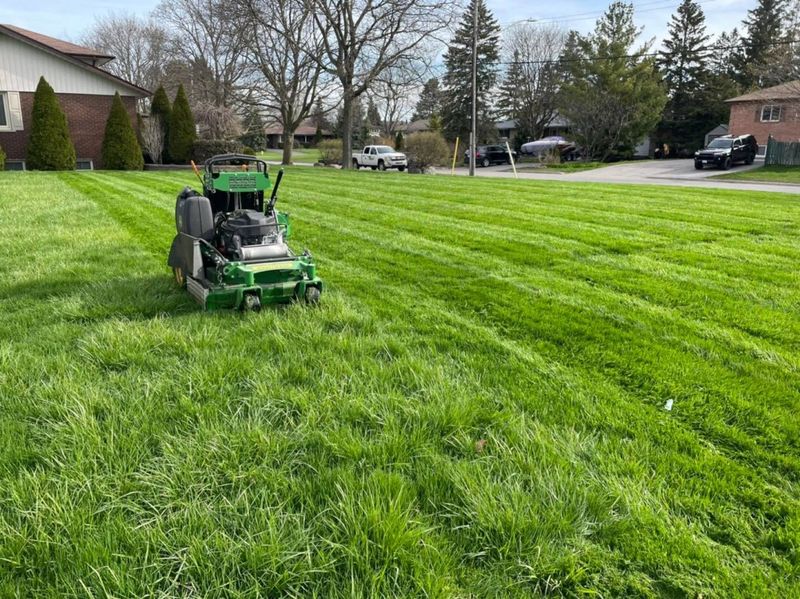
Mower fever hits fast. The grass looks a little shaggy, the neighbors are mowing, and suddenly that first cut feels long overdue.
Patience pays off here. New fescue seedlings have weak roots, so a mower can yank them right out of loose soil or scalp them down to bare dirt.
Even when the plants stay put, a very short cut removes the leaf area they rely on to make food and push roots deeper before cold weather sets in.
Think of each blade as a tiny solar panel. Less leaf means less energy, and less energy means a smaller root system heading into winter. A few simple habits make the first mowing go smoothly:
Wait until the grass reaches about 4 inches tall. Set your mower to cut around 3 to 3.5 inches, and make sure the blade is sharp so it slices cleanly instead of tearing.
Mow only when both the grass and soil are dry, since wet ground lets wheels sink and pull up seedlings.
Follow the one-third rule every time. Never remove more than a third of the blade height in a single mowing. If the lawn gets too tall, bring it down slowly over a couple of cuts.
In North Carolina, tall fescue does its best work when it stays tall. Longer blades shade the soil, keep roots cooler, hold moisture better during summer heat, and crowd out weeds. Starting good mowing habits now sets up a stronger lawn for years.
4. Fallen Leaves Smother Young Grass
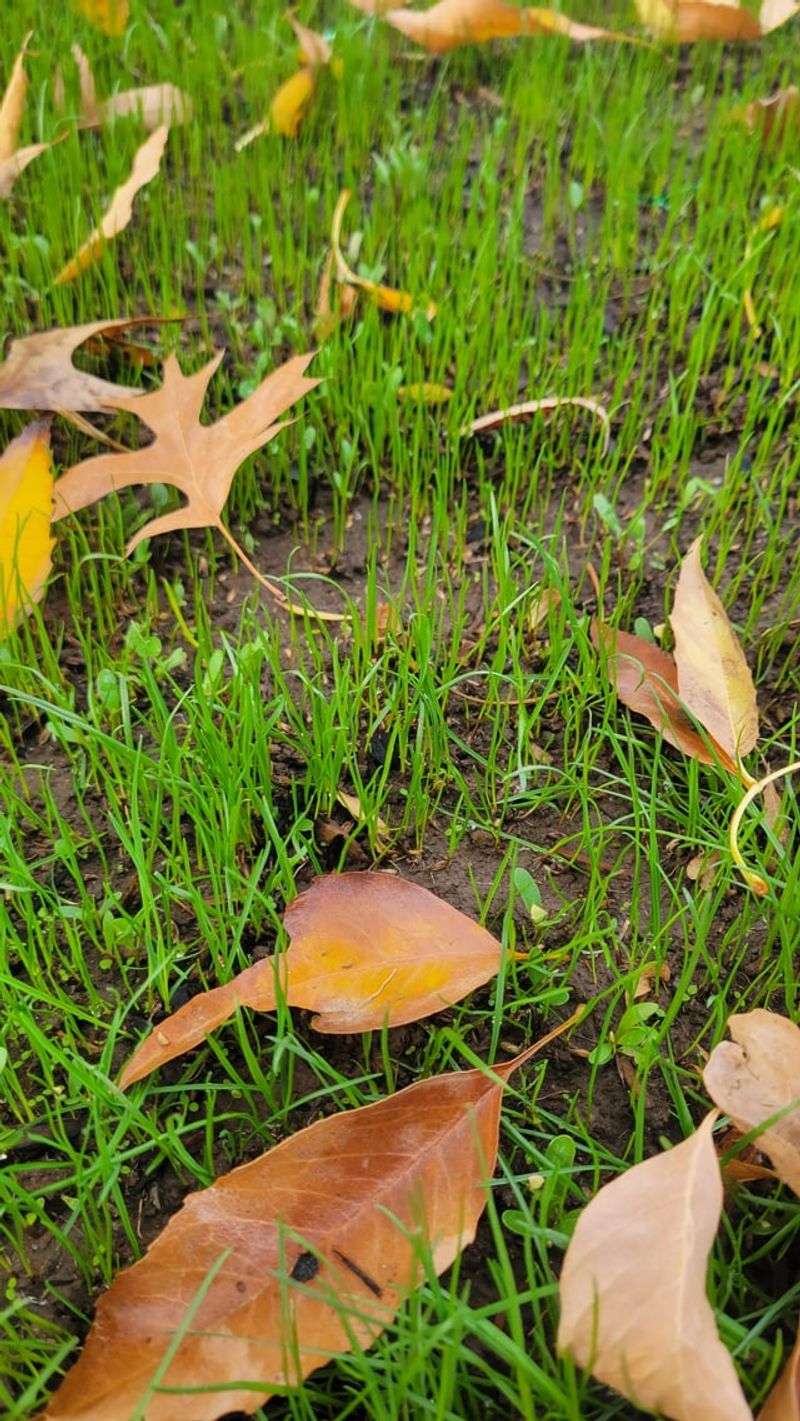
Autumn colors look gorgeous on the trees. Once those red and gold leaves land on a freshly seeded lawn, though, they turn into a heavy blanket that baby grass simply cannot handle.
A layer of leaves blocks the sunlight that seedlings need to grow. Without light, young fescue turns pale and yellow, stretches weakly, and starts to thin out. Leaves also trap moisture right against the tender blades, which raises the risk of disease.
Wet leaves are the worst offenders. After a rain, they mat down into a soggy sheet that can sit on the grass for days.
Keeping new areas clear makes a huge difference. Try to remove leaves every few days during heavy leaf drop rather than waiting for a giant pile. A light plastic leaf rake works well if you use soft, gentle strokes across the surface.
A leaf blower on a low setting may be even better, since it moves leaves without touching the seedlings. Aim the air at an angle so you push leaves away instead of blasting bare soil.
Skip heavy metal rakes and hard scraping. Young fescue roots are not anchored well yet, and aggressive raking can pull up whole clumps of new grass. A mulching mower can also chop leaves into small bits once the grass is tall enough to mow safely.
Across North Carolina, oaks, maples, sweetgums, and hickories usually drop the most leaves from late October into November. That timing lines up right with fall-seeded fescue, so staying on top of leaf cleanup protects your investment.
5. Weeds And Early Weed Herbicides Compete With Seedlings
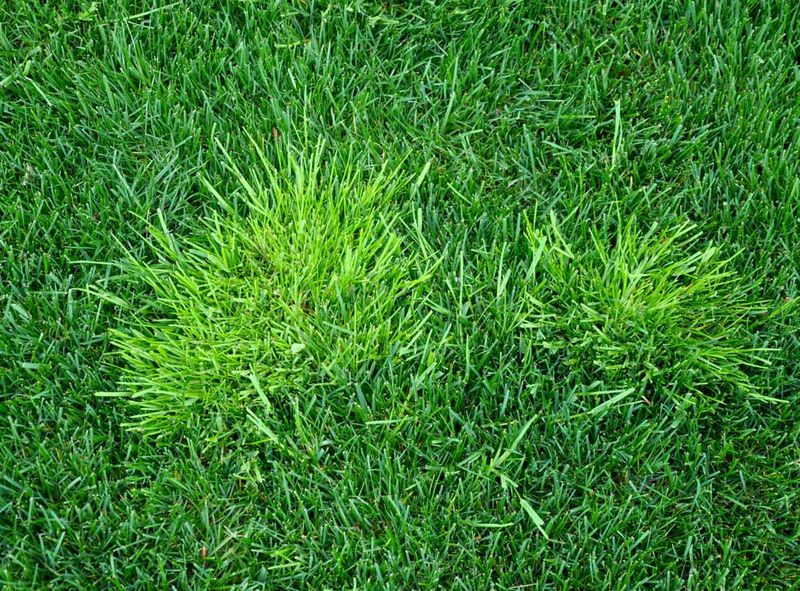
Two enemies show up at once. Fall weeds start popping up beside your new grass, and the quick fix of spraying them can hurt the very seedlings you want to protect.
Winter weeds sprout when soil cools in fall, the same window when fescue is getting started. They grab light, water, and nutrients, and fast growers can shade out young grass before it fills in.
Spraying right away seems logical, but most herbicides are tough on brand-new grass. Many weed herbicides and weed-and-feed products can stunt or injure seedlings, and some pre-emergent products stop grass seed from sprouting at all.
A product that works fine on an older lawn can be a problem for a baby one. Hand pulling is your best friend early on.
Pull larger weeds after a rain or watering, when the soil is soft and roots slide out easily. Press the soil back down gently so nearby seedlings stay snug.
Hold off on chemical weed control until your new fescue has been mowed several times. By then, the grass has stronger roots and can handle treatment better.
Even then, read every label carefully, since many products list a specific waiting period or a required number of mowings for new seedings.
North Carolina lawns see a steady wave of henbit, common chickweed, annual bluegrass, and purple deadnettle each fall. Fescue that grows thick and healthy becomes the best weed blocker of all, so a little patience now saves effort later.
6. Low pH Or Poor Fertility Slows Growth
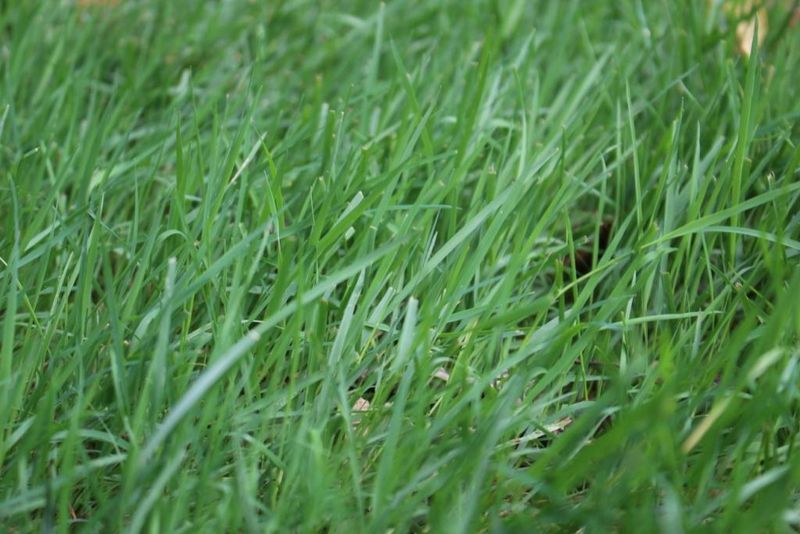
Pale grass is often trying to tell you something. When new fescue sprouts but stays thin, light green, and slow to fill in, the real trouble may be hiding in the soil itself.
Tall fescue grows best when soil pH sits in the range your soil test recommends, usually slightly acidic.
When soil gets too acidic, nutrients become harder for roots to use even if they are present. Seedlings in sour or nutrient-poor ground often look washed out and fail to thicken up.
Guessing rarely works. A soil test takes the mystery out of the process by showing your pH and nutrient levels, along with exactly how much lime and fertilizer to apply.
Testing before seeding is ideal, but it still helps afterward. Follow the results when adding lime, since lime works slowly and the right amount matters. Use a starter fertilizer at seeding to help young roots grow strong.
After that, stick with the NC State Extension tall fescue maintenance calendar. It recommends feeding fescue mainly in the fall, with timing and amounts designed for North Carolina conditions, so you avoid both underfeeding and overdoing it.
Many soils across the state, from Piedmont red clay to sandy Coastal Plain ground, are naturally acidic and often need lime for a healthy lawn.
Here is a handy bonus: North Carolina residents can get soil tests through the NC Department of Agriculture, and kits are available at county Cooperative Extension offices. A small effort now can turn a struggling lawn into a lush one.
7. Shade And Tree Roots Hold It Back

A strong start under a big oak can be misleading. Seedlings in shady spots often sprout beautifully in fall, only to grow thin and spotty by the following summer.
Tall fescue handles some shade better than many warm-season grasses, but it still needs a good amount of sunlight to stay thick.
Under trees, grass also battles hungry tree roots for water and nutrients. Leafy canopies can even block light rain from reaching the ground, so shady soil may stay drier than you expect.
Choosing the right seed is a smart first move. Look for blends labeled as shade-tolerant tall fescue, which often perform better in lower light than standard mixes.
More light helps too. Removing some lower limbs to raise the canopy, where it makes sense for the tree, lets extra sun and air reach the lawn. For large trees, hiring a certified arborist keeps the work safe and protects the tree’s health.
Give shaded areas a little extra water during dry spells, since they share their supply with tree roots. Keep mowing height on the higher side so each blade can catch as much light as possible.
Sometimes the kindest choice is letting go of grass in the toughest spots. Shade-loving groundcovers or a neat mulched bed around the trunk can look tidy and save you from reseeding every year.
Plenty of North Carolina yards feature tall oaks, pines, and maples that shade the lawn for much of the day. Matching your plan to those conditions keeps your yard green and stress-free.