What To Do With Snapdragons In Oregon When Summer Heat Finally Breaks
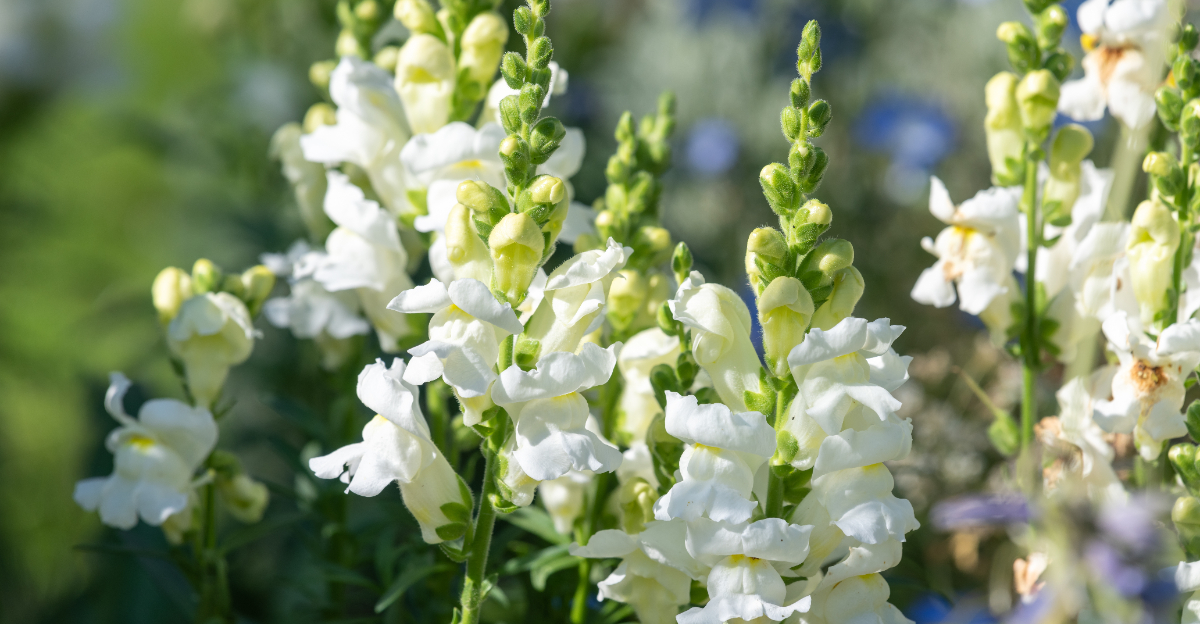
By late summer, Oregon gardens start to feel different. The light softens, evenings cool off, and flower beds seem to take one long, relieved breath.
That change in the air is your cue to look closer. Plants that looked tired in August can surprise you when kinder weather rolls back in.
A few simple steps now can stretch color deeper into fall. Better blooms, sturdier stems, and healthier roots often come from small jobs done at the right moment.
If your garden has been looking a little rumpled, do not give up on it yet. The season still has plenty of charm left, and a smart reset can bring back the magic fast.
1. Trim Back Spent Flower Spikes
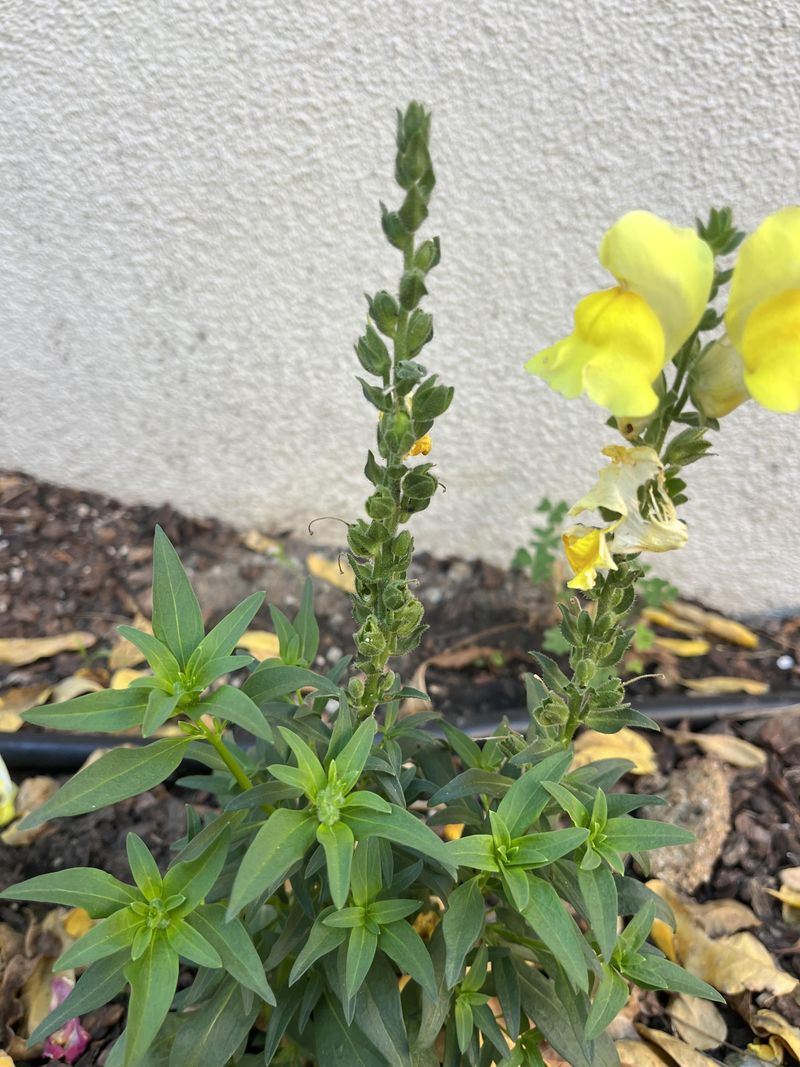
Cooler evenings are the signal for snapdragons to push out new growth. Faded flower spikes pull energy away from developing buds, so removing them now redirects that energy into fresh color.
Use clean scissors or sharp pruning shears for the job. Cut just above a leafy set of stems rather than snipping randomly along the stalk.
In western Oregon’s milder, wetter climate, this quick trim often triggers a strong second flush of blooms. Plants tend to respond fast once temperatures drop and rain becomes more regular.
In drier inland areas, trimming alone may not be enough on its own. Pair each cut with a deep watering session so roots can recover before cooler weather settles in.
Timing matters here, so trim as soon as spikes fade rather than waiting weeks. Letting old spikes linger pushes the plant toward seed production instead of new flowers.
Check the rest of the plant while you are at it. Remove any yellowing leaves near the base so air can move freely around the stems.
A light trim every couple of weeks through early fall keeps blooms arriving steadily. Skipping this step for too long can leave beds looking sparse by mid-September.
Snapdragons are naturally resilient once given this small push. With consistent trimming, many varieties keep producing color right up until the first real chill of the season.
Staying on top of this simple task often means fuller, bushier plants by fall’s end.
2. Reset Your Watering Routine
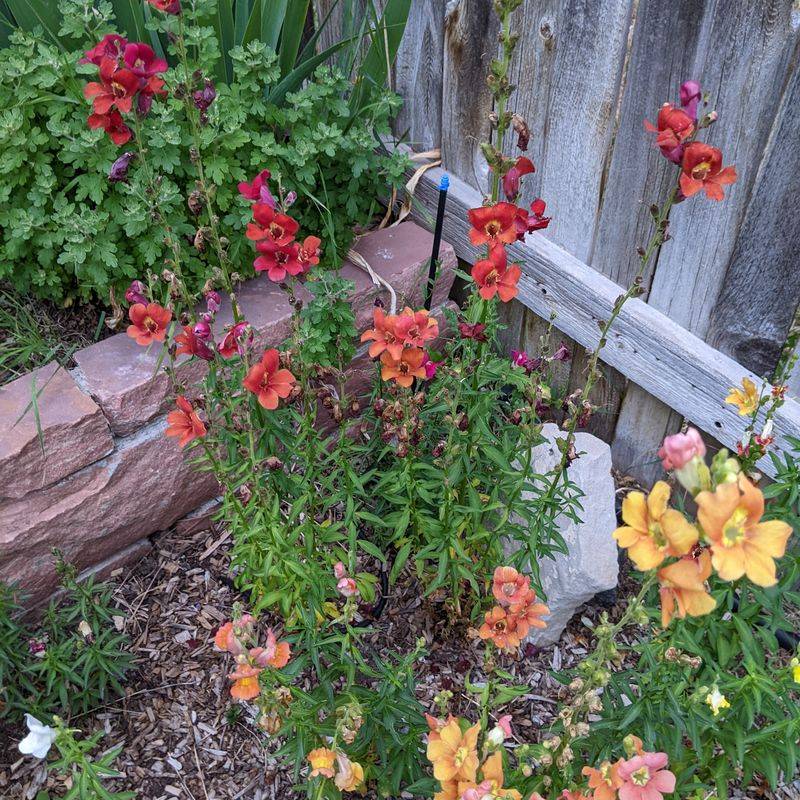
As the air cools, Oregon soil holds moisture longer than it did during the heat of summer. That shift means snapdragons need a different watering rhythm than the one they had in July and August.
Check the top inch of soil with a finger before reaching for the hose. Water slowly and deeply only when that top layer feels dry to the touch.
Heavy clay soil is common in many Oregon yards, and it can trap water close to the roots. On cool nights, that trapped moisture can stress the plant instead of helping it.
Watering in the morning rather than the evening gives excess moisture time to drain and soil time to warm slightly. This small adjustment matters more as nights grow longer and cooler.
A thin layer of compost around the base of each plant helps even out soil moisture over time. It also adds gentle nutrients without forcing fast, weak growth right before cooler weather.
Your Oregon Garden Changes Every Week. Your Plan Should Too.
Gardening in Oregon changes quickly throughout the season. Every Friday you’ll receive a simple weekly plan showing exactly what to plant, prune, fertilize, harvest, and protect so you never miss the right timing.
Raised beds and containers dry out faster than in-ground plantings, so keep an eye on them separately. Coastal gardens, which already hold more humidity, usually need less frequent watering overall.
Overwatering is one of the more common mistakes gardeners make once temperatures drop. Roots that sit in soggy soil for too long struggle to support strong fall blooms.
A steady, moderate watering routine paired with well-draining soil gives snapdragons the best chance at a long, colorful fall season across most parts of Oregon.
3. Feed Lightly For Fall Energy
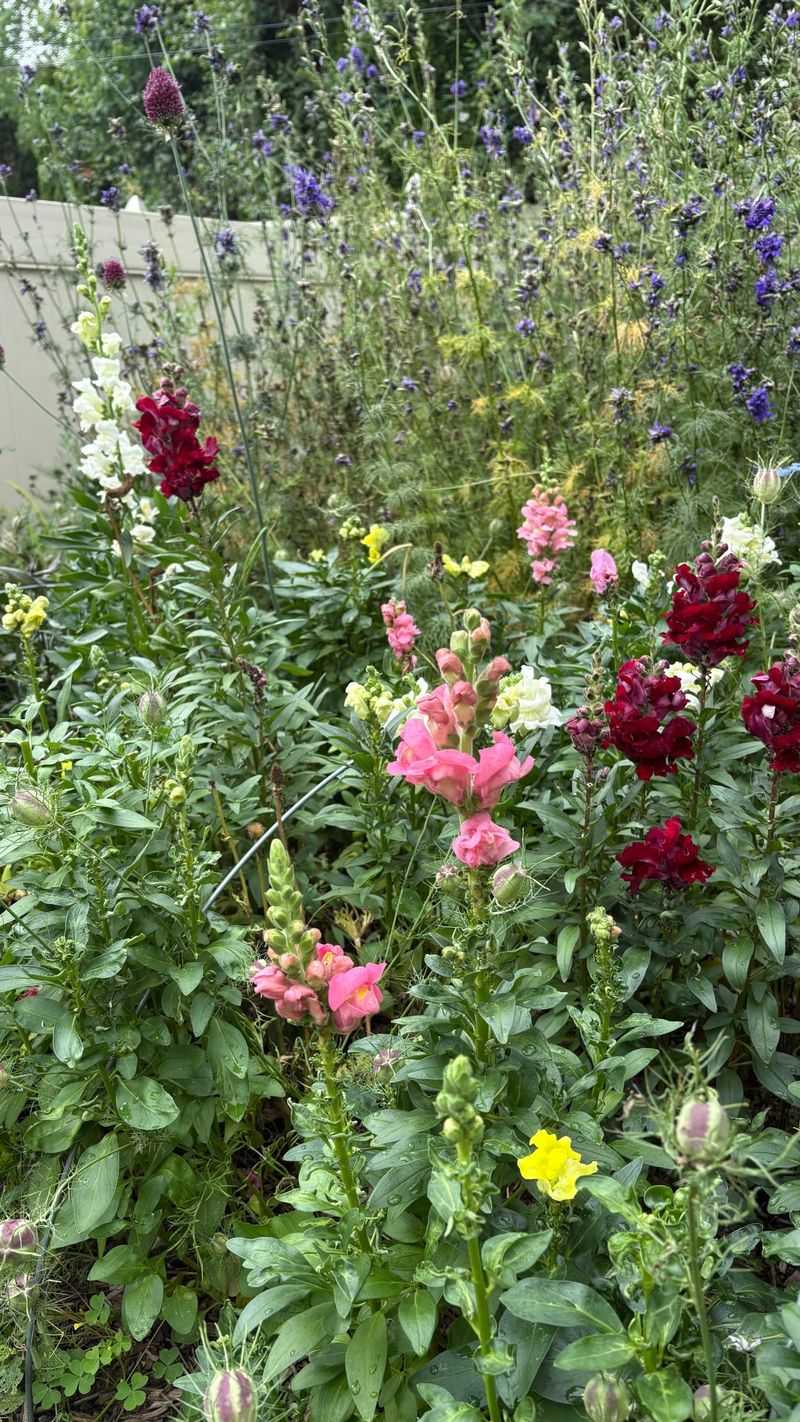
After months of summer stress, snapdragons appreciate a light boost rather than a heavy feeding. A small amount of balanced, low-strength fertilizer worked into the soil is usually all they need.
Water thoroughly right after feeding so nutrients move down toward the roots. Skipping this step can leave fertilizer sitting on the surface instead of reaching where it is needed.
Overfeeding tends to backfire once cooler weather arrives. Too much fertilizer often produces soft, floppy stems that bend easily during fall rain and wind.
Compost is a gentler option for gardeners who prefer to skip synthetic fertilizer entirely. Top-dressing with a thin layer supplies steady nutrients without pushing rapid, weak growth.
Coastal Oregon gardeners should feed even more sparingly than those inland. Mild coastal weather already encourages quick regrowth, so extra fertilizer can push plants past what they can support.
Timing the feeding to coincide with cooler evenings tends to work best. Plants respond to the change in temperature by directing new energy into buds rather than foliage.
Think of fall feeding as steady, background support rather than a big push. A small, well-timed snack helps snapdragons finish the season strong without overwhelming their stems.
Consistent, light feeding through early fall generally produces sturdier plants than one large application. Spacing out smaller amounts keeps growth balanced from one week to the next.
Inland gardeners, where nights cool faster, can feed slightly more often than those near the coast. Watching how stems respond after each feeding helps in adjusting the routine.
4. Pinch Back Leggy Growth For Fuller Plants
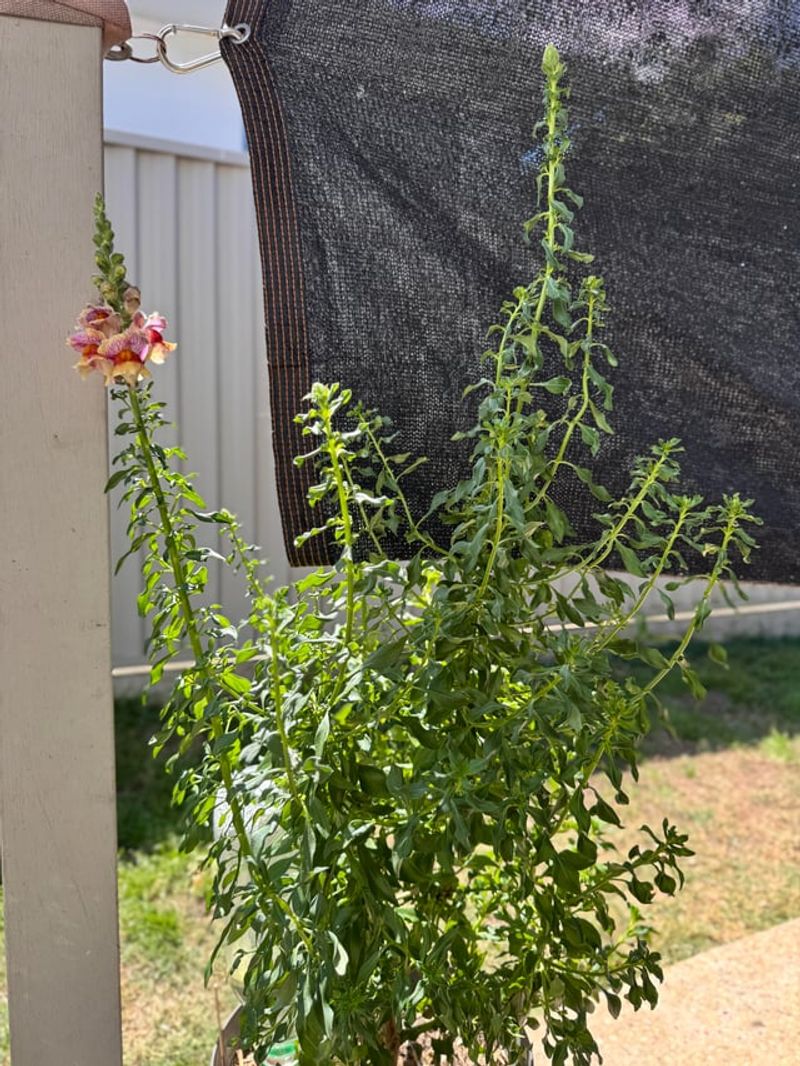
Snapdragons that grew tall and thin during summer heat often look leggy once cooler weather sets in. Pinching back a few growing tips now encourages the plant to branch out instead of stretching upward.
Look for stems that have grown noticeably taller than the rest of the plant. These are usually the best candidates for a light pinch.
Use clean fingers or small snips to remove just the top inch or two of growth. Cutting right above a leaf node encourages two new stems to form in that spot.
Pinching works best on plants that still have several weeks of growing season ahead. Doing this too close to the first frost leaves little time for new branches to develop and bloom.
Western Oregon’s longer, milder fall gives pinched plants plenty of time to fill back in. Inland gardeners with a shorter window before frost may want to pinch only lightly, if at all.
A plant that has been pinched a few times through the season usually ends up fuller and sturdier than one left to grow untouched. Bushier growth also tends to hold up better against wind and rain.
This small habit works well alongside trimming faded spikes and staking taller stems. Together, these light adjustments keep beds looking tidy and full right through the cooler months ahead.
Gardeners who pinch consistently often notice more flower spikes per plant by the time fall settles in. It is a quick task that makes a noticeable difference over several weeks.
5. Give Tall Stems Some Support
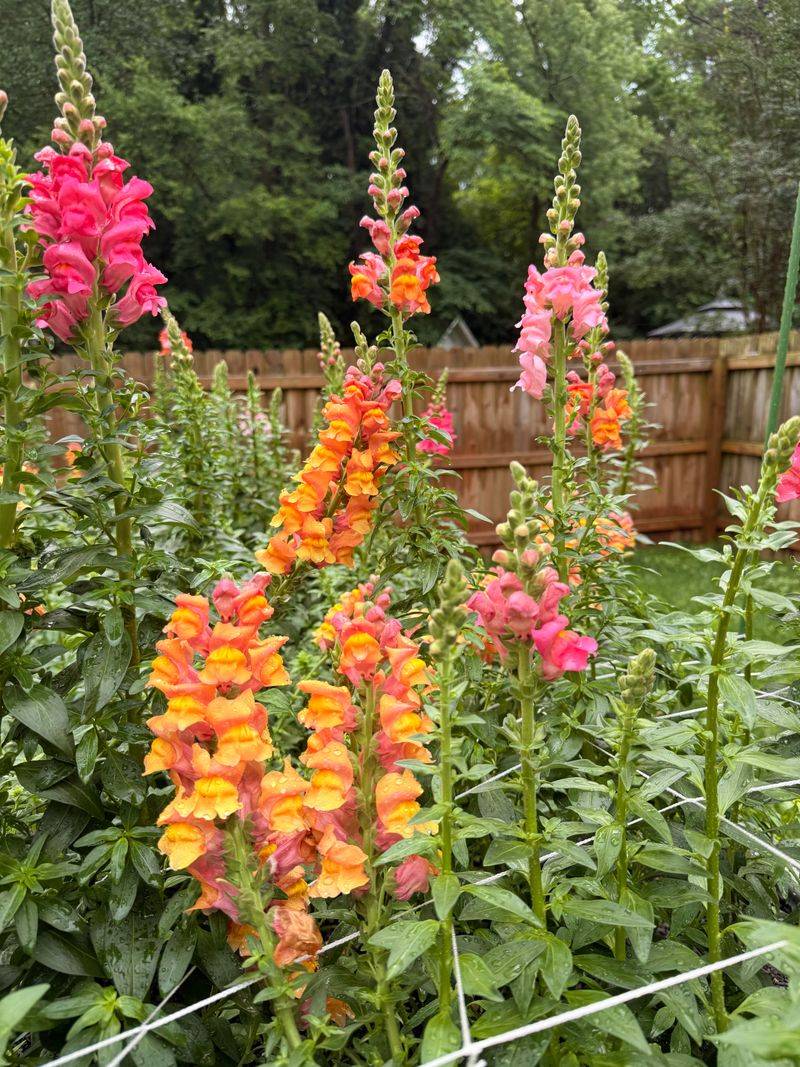
A sudden September shower can flatten tall flower stalks overnight, especially after weeks of steady summer growth. Adding support now, before storms arrive, saves stems from bending or snapping later.
Slim stakes, twiggy branches, or a small ring support all work well for snapdragons. Place them early, while stems are still short and easier to guide into position.
Push stakes a few inches into the soil next to each stem, taking care not to disturb the roots. Positioning them slightly behind the plant keeps the support less noticeable from the front.
Tie stems loosely with soft garden tape or twine rather than anything stiff or tight. Loose ties give leaves and buds room to move naturally without rubbing or snapping.
This light structure matters most in breezy valleys and open, exposed beds. Gardens tucked closer to buildings or hedges may need less support overall.
Support also helps keep blossoms cleaner after heavy rain. Stems left to sprawl on the ground tend to pick up soil splashback on their lower leaves and flowers.
Checking ties every couple of weeks ensures they still fit as stems continue to grow. Loosening a tie slightly now and then prevents it from cutting into thickening stems later in the season.
A few minutes spent staking now can prevent a much bigger mess after the first real fall storm rolls through. It is a small task that pays off every time the wind picks up.
6. Scout For Pests And Mildew
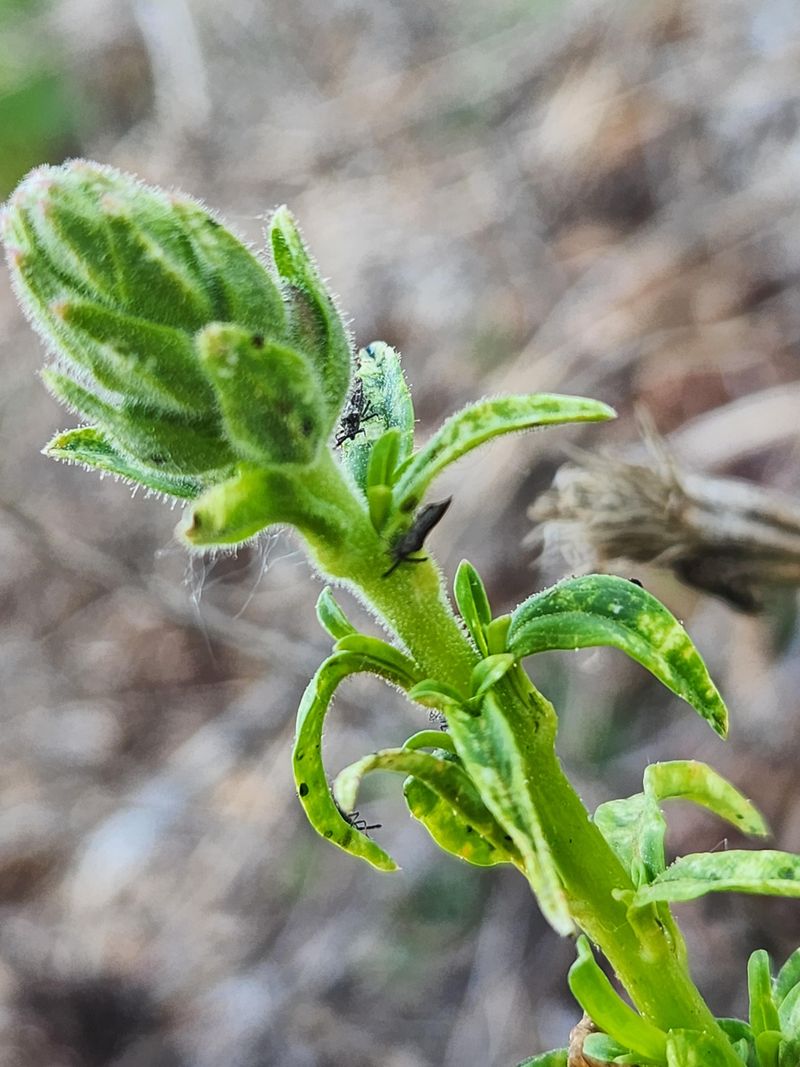
Tender new growth is exactly what pests look for once cooler weather brings a fresh flush of blooms. Checking plants regularly makes small problems much easier to catch and manage.
Look closely under leaves and along stems for aphids, chewed edges, or a fine, dusty coating that suggests mildew. These signs tend to show up fastest when warm days and cool nights trade places.
A firm spray of water is often enough to knock aphids off without reaching for anything stronger. Repeating this every few days usually keeps small populations from building back up.
Spacing plants a little farther apart improves airflow and helps leaves dry faster after watering or rain. Damp, crowded foliage is one of the easiest conditions for mildew to take hold in.
Removing any visibly affected leaves or stems right away helps stop problems from spreading to healthy growth nearby. Dropping trimmed bits in the trash rather than the compost pile keeps spores from lingering.
Oregon’s late-summer pattern of damp mornings followed by bright afternoons creates ideal conditions for both pests and mildew. Staying a step ahead with regular checks matters more here than in drier climates.
Morning is generally the best time to inspect plants, since dew and moisture make early signs of trouble easier to spot. A few minutes of scouting each week goes a long way toward healthy fall blooms.
Catching an issue early almost always means a simpler fix later on.
7. Save Seeds From Your Best Blooms
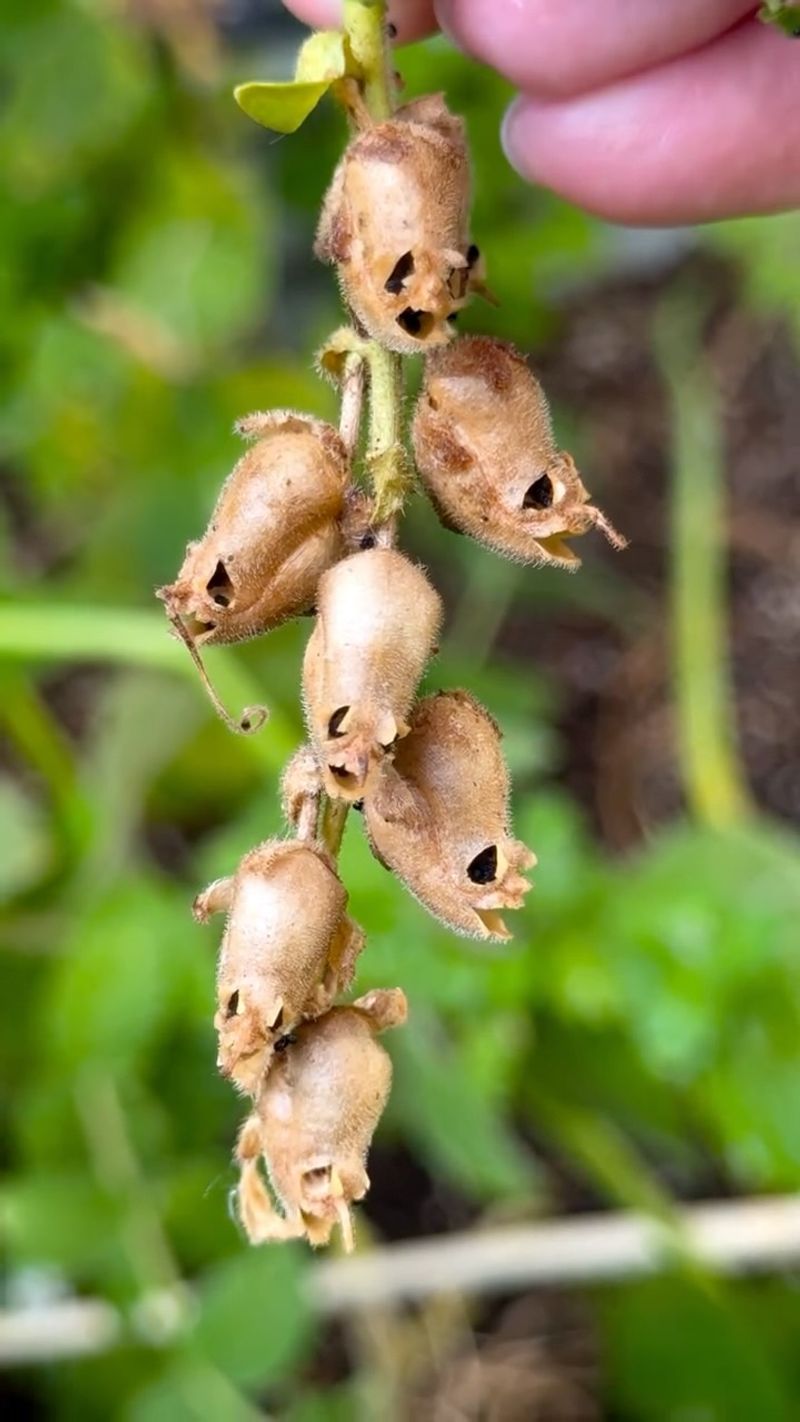
Some of the strongest, most vibrant blooms of the season are worth holding onto for next year. Letting a few spikes fade and dry naturally on the plant is the first step toward saving seed.
Choose blooms from plants that handled the summer heat especially well. Those traits often carry over into the next generation grown from their seed.
Wait until the seed pods turn brown and papery before collecting anything. Pods that are still green or soft usually have not finished developing yet.
Snip the dried pods into a paper envelope or small bag rather than plastic, which can trap moisture. Trapped moisture is one of the most common reasons stored seed fails to sprout later.
Label each envelope with the color, variety, and the general area of the garden where the plant grew best. Oregon’s climate varies widely from the coast to the high desert, so these notes matter.
Store envelopes somewhere cool and dry until it is time to plant again in spring. A closet shelf or a drawer away from direct sunlight usually works well.
Saving seed this way costs almost nothing and lets gardeners keep favorite colors going year after year. It also builds a small collection suited specifically to conditions in the home garden and its particular mix of sun, soil, and weather.
8. Prepare For Cool Nights Ahead
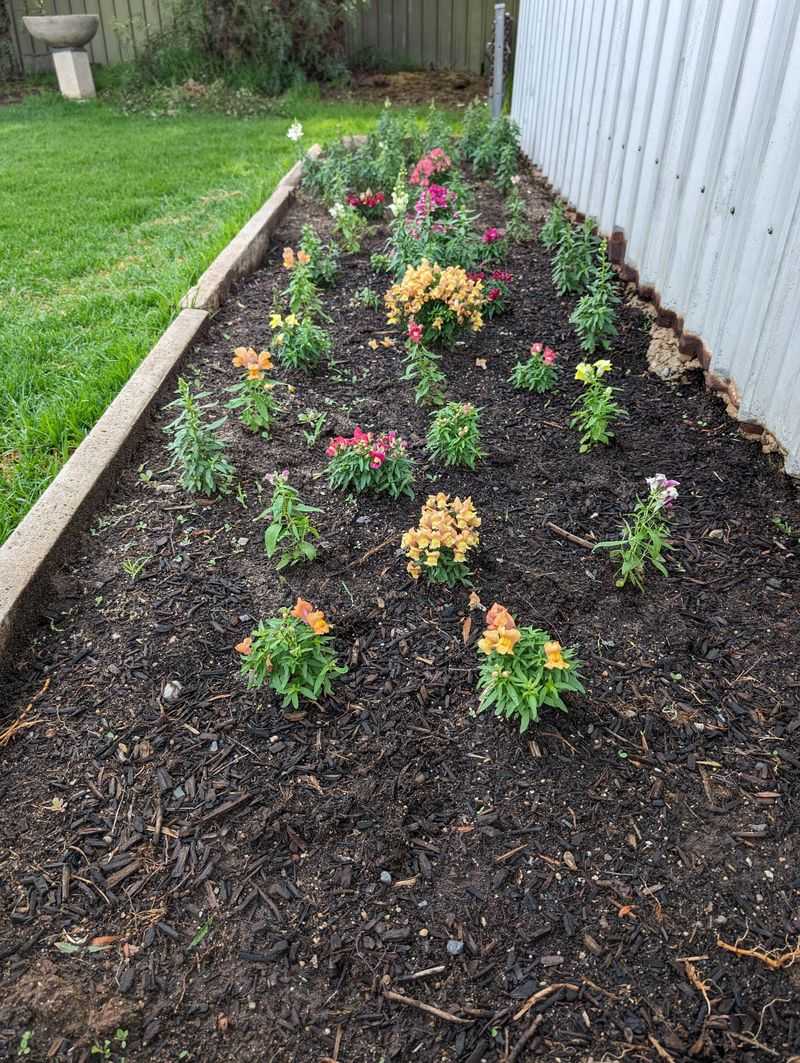
Oregon fall weather has a habit of shifting from mild to sharp within the span of a single week. Getting ahead of that change protects roots before the first real cold snap arrives.
Mulching around the base of each plant is one of the simplest ways to buffer against sudden temperature swings. Shredded leaves or fine bark both work well and are easy to find this time of year.
Spread a couple of inches of mulch around the base without piling it directly against the stems. Too much material touching the stems can trap unwanted moisture close to the plant.
Gardens near the coast tend to see gentler swings than those in inland valleys or higher elevations. Inland and high-elevation gardeners should pay closer attention as nights grow colder faster in those areas.
Keep row cover or an old sheet within easy reach if frost becomes a real possibility in your area. Draping it loosely over plants on especially cold evenings can make a noticeable difference by morning.
Remove any cover again once temperatures rise during the day so plants can get normal light and airflow. Leaving it on too long can do more harm than the cold itself.
With mulched roots and a little extra protection on the coldest nights, many snapdragons keep producing color well into autumn. A bit of preparation now often means weeks of extra blooms later.