What To Do With Potted Lantana Before Ohio Nights Turn Cold
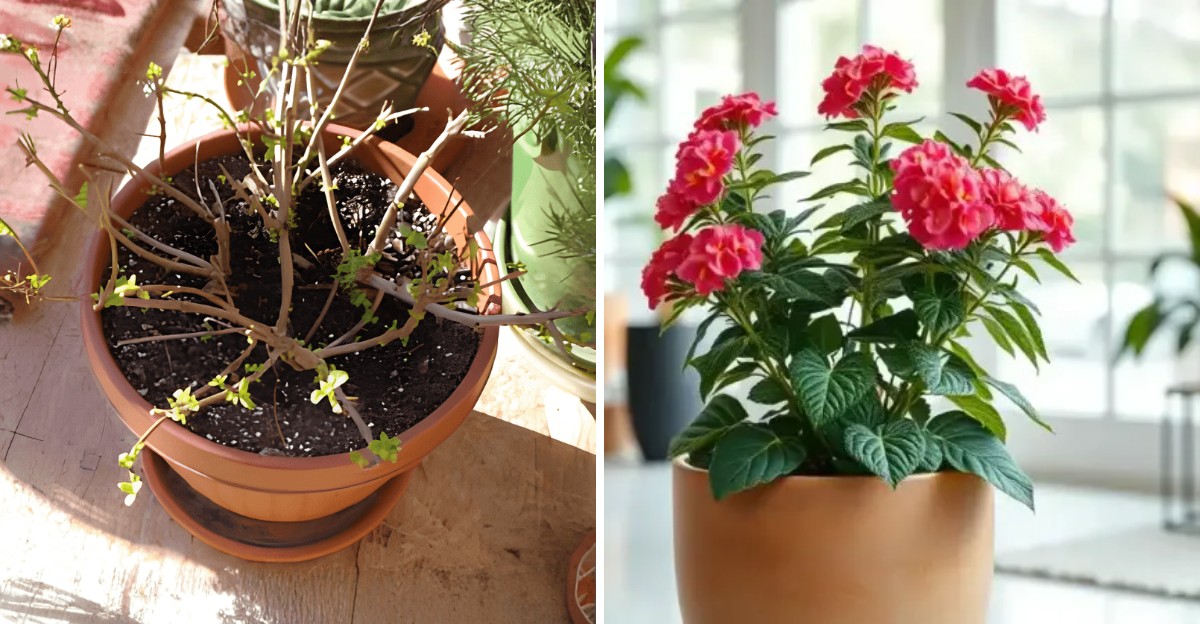
Your potted lantana has a shorter fuse than you’d think once Ohio nights start dipping, and waiting too long costs you the whole plant.
This one handles a light chill better than a lot of tender plants people rush indoors, which tricks owners into waiting past the point that actually matters.
Once temperatures cross a certain line though, the damage happens fast, and it’s not always obvious until days later when the plant simply doesn’t bounce back.
Getting it inside isn’t the whole story either. A specific adjustment once it’s indoors decides whether it holds onto its blooms or drops everything within the first week.
Watch your nighttime forecast closely before you assume you’ve still got time. Ohio’s cold snaps rarely give lantana the grace period owners expect.
1. Bring Lantana Indoors Before Frost Threatens
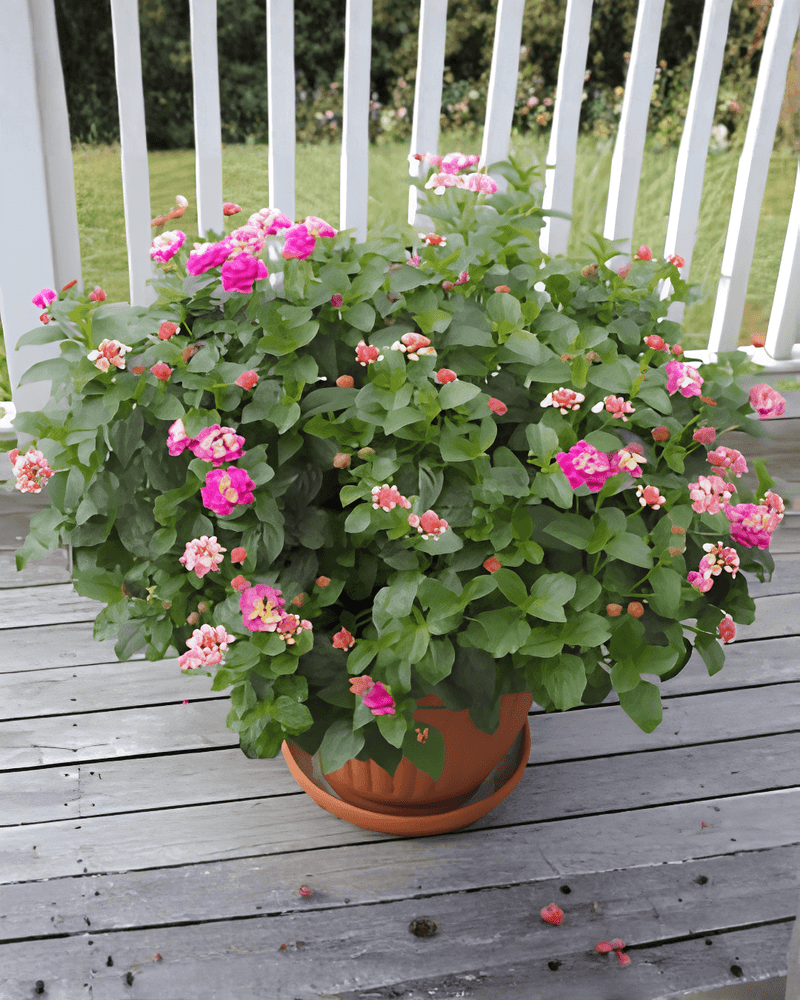
Picture a chilly October morning in Ohio when the lawn sparkles with white crystals. That pretty sight is bad news for lantana, which prefers temps between 60 and 85 degrees.
Frost arrives earlier than many people expect. In most of Ohio, the first frost lands between October 1 and 15, with northwest Ohio averaging around October 6.
Central Ohio, near Columbus, usually sees its first freeze closer to October 27, and southern spots may get a little extra time.
A light frost might not finish off your plant, but temperatures below 28 degrees call for real protection. Once things drop under about 36 degrees, lantana starts heading into a sleepy, dormant state.
The smartest plan is to move your pot inside before that first frost shows up on the calendar.
You can make the change easier with a simple trick. About a week before the big move, set the pot in a shady outdoor spot so it gets used to lower light.
This small step helps cut down on heavy leaf loss later.
Got lantana growing in the ground instead? Dig it up and pot it before nights stay under 50 degrees.
Keep an eye on your local weather app, and plan your move a few days ahead of any cold snap.
2. Inspect Leaves And Stems For Hidden Pests
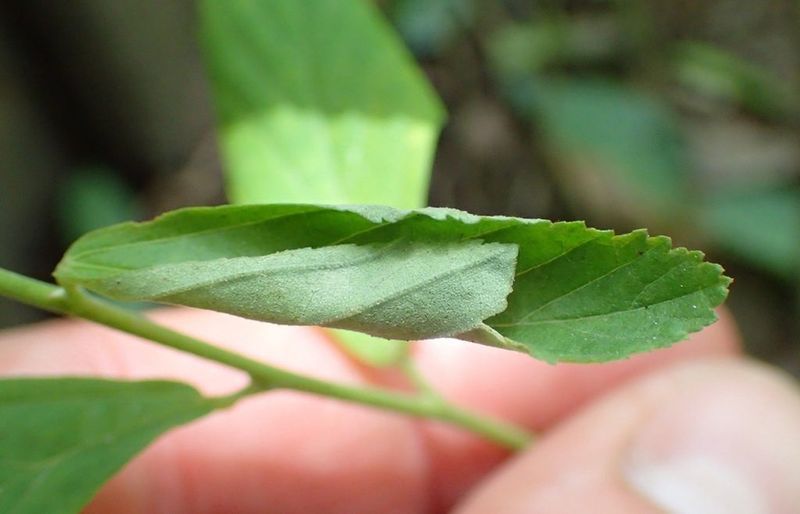
Nobody wants surprise guests who eat your houseplants. Bugs riding in on your lantana can spread fast once they find warm, dry indoor air.
Whiteflies and spider mites are the usual troublemakers. Both love the dry heat that furnaces pump out during Ohio winters.
Aphids and lace bugs can cause problems too, so it pays to look closely.
Grab a flashlight and flip over a handful of leaves. Pests like to hide on the undersides, where they are harder to spot.
Look for tiny moving dots, fine webbing, sticky spots, or leaves with pale speckles.
Spot something suspicious? Treat the plant right away with insecticidal soap or neem oil before it comes inside.
Spray the tops and bottoms of the leaves, plus the stems, and follow the label directions. A second round a week later can catch any stragglers that hatched.
Your Ohio Garden Changes Every Week. Your Plan Should Too.
Gardening in Ohio changes quickly throughout the season. Every Friday you’ll receive a simple weekly plan showing exactly what to plant, prune, fertilize, harvest, and protect so you never miss the right timing.
Prevention helps a lot once the plant is indoors. Good airflow around the pot helps keep pests and mildew away.
Spider mites dislike moist air, so try grouping plants together or setting the pot on a tray filled with pebbles and water.
Fun fact: a spider mite is so small that dozens could fit on the head of a pin. A quick weekly leaf check keeps these tiny pests from becoming a big headache.
3. Trim Long Stems Before Making The Move
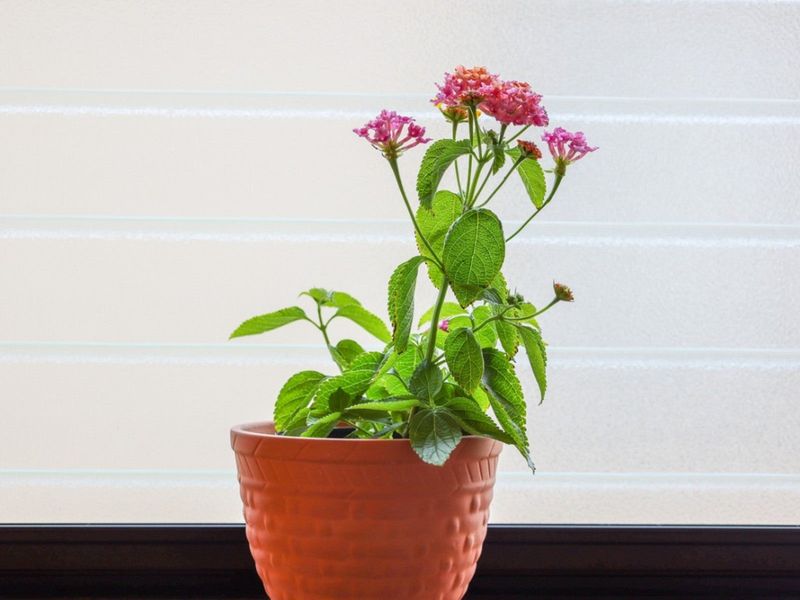
Ever tried to squeeze a giant beach umbrella through a doorway? Hauling a sprawling lantana inside can feel just like that, with stems snagging on everything.
A good trim solves the problem. Many growers cut the plant back by about half before bringing it in, which makes it easier to handle and lowers the stress of moving.
Others trim around one-third, focusing on long, floppy, or weak growth.
Some sources suggest cutting stems back to somewhere between 6 and 12 inches. Pick the size that fits your space and your sunny window.
There is no single perfect answer here.
Tools matter more than you might think. Use clean, sharp pruning shears so each cut is neat instead of crushed.
Wiping the blades with rubbing alcohol helps stop germs from spreading between plants.
Timing is the tricky part. Cutting too hard too early in fall can push out soft new growth that cold air easily damages.
So save the trim for right before the move, not weeks ahead.
The biggest haircut is best saved for late winter or early spring, once frost danger has passed. For now, you are just tidying up so your plant fits nicely indoors and settles in with less fuss.
4. Give Lantana The Sunniest Indoor Spot
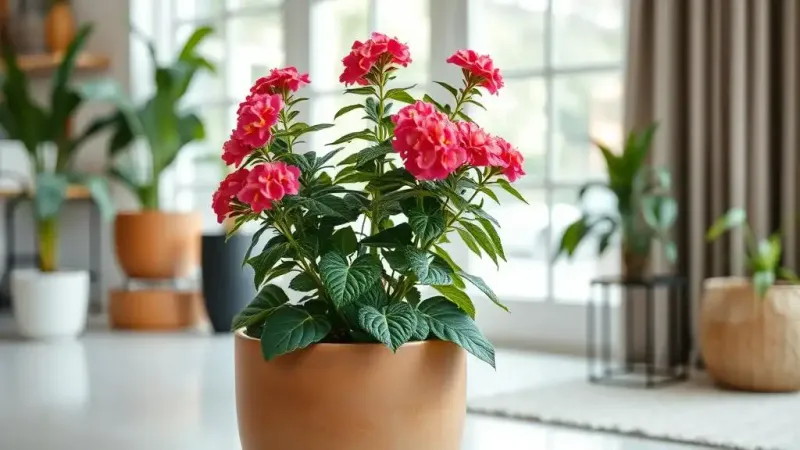
Lantana is basically a sunbather in plant form. It grew up loving hot, bright days, so a dim corner feels like a cloudy week that never ends.
If you want your plant to keep growing through winter, find the brightest spot in your home. Lantana needs at least six hours of direct sun to keep blooming.
A south-facing window or a sunroom works wonders.
Temperature matters too. For steady indoor growth, aim for a room that stays between 55 and 65 degrees.
That range keeps the plant comfortable without pushing it too hard.
Maybe you would rather let your lantana rest instead. That works as well!
A cooler spot between 40 and 50 degrees with low light lets the plant slip into dormancy, a bit like a bear taking a long nap.
Watch the leaves for clues. Yellowing, falling leaves, or a tired look often mean the plant wants more light.
Try moving it closer to the window or adding a simple grow light for a few hours each day.
Turning the pot a quarter turn each week also helps. Without it, the stems stretch toward the glass and grow lopsided.
A little spinning keeps your plant growing even and full.
5. Expect Some Leaf Drop After Relocation
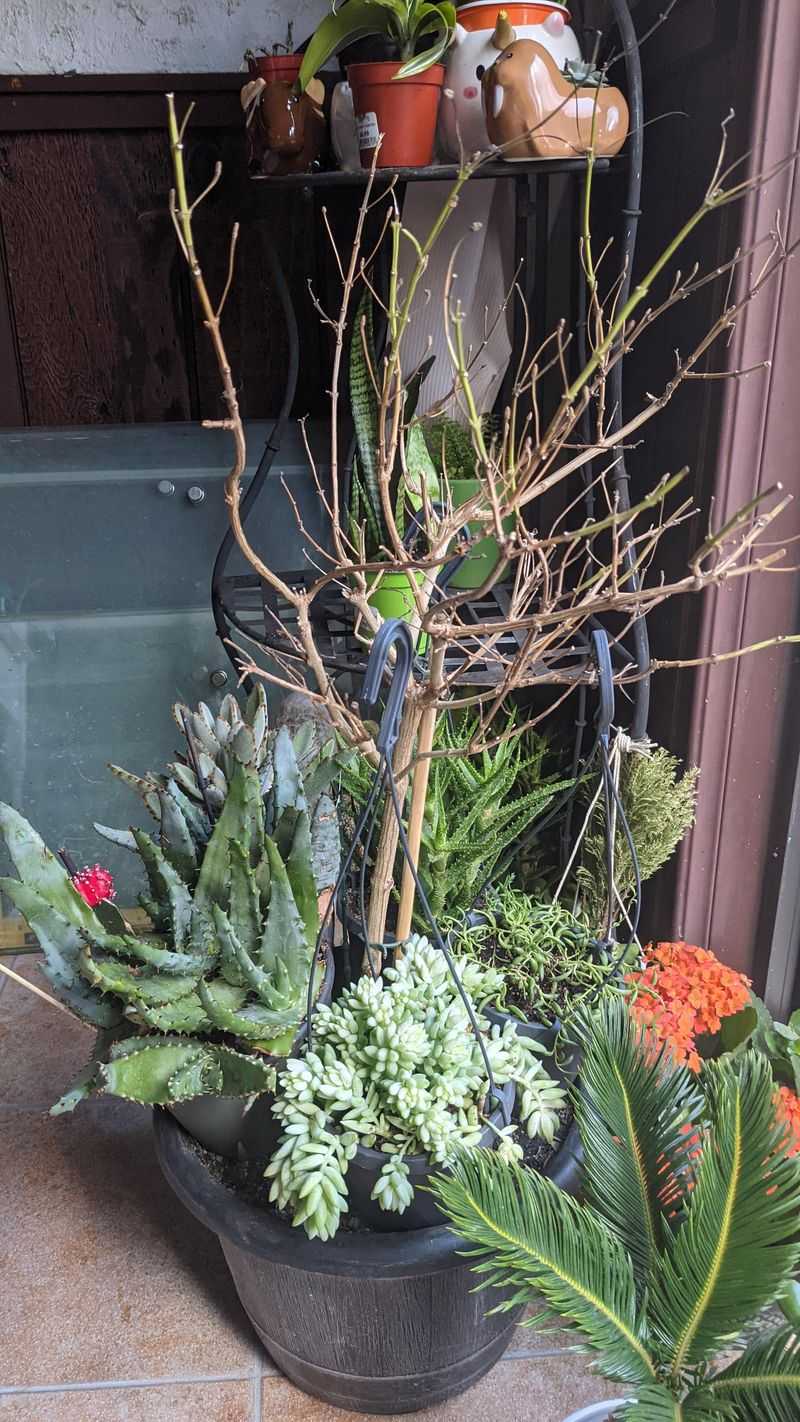
Don’t panic when leaves start raining onto your floor a week after the move. Your lantana is not being dramatic for fun, it is simply adjusting.
Think about how you feel stepping from a bright beach into a dark movie theater. Your eyes need time to catch up.
Plants go through something similar when light, temperature, and humidity suddenly change.
Indoors, the air is still and the light is weaker than outside. Lantana responds by dropping some leaves, and a few may turn yellow first.
This is a normal part of settling in.
Pay attention to which leaves fall, though. If green, moist leaves drop off, the plant may be getting too much water or too little light.
Those clues tell you what to fix.
Here are a few easy checks:
Poke a finger into the soil to test moisture. Look at how many hours of sun the spot gets.
Make sure no heat vent is blasting the plant.
Small changes can calm things down fast. Adjust one thing at a time so you can tell what actually helped.
Patience is your best tool during this stage.
In a few weeks, most lantanas settle into their new home. The leaf drop slows, and you might even spot fresh green growth poking out from the stems.
6. Reduce Watering As Winter Growth Slows
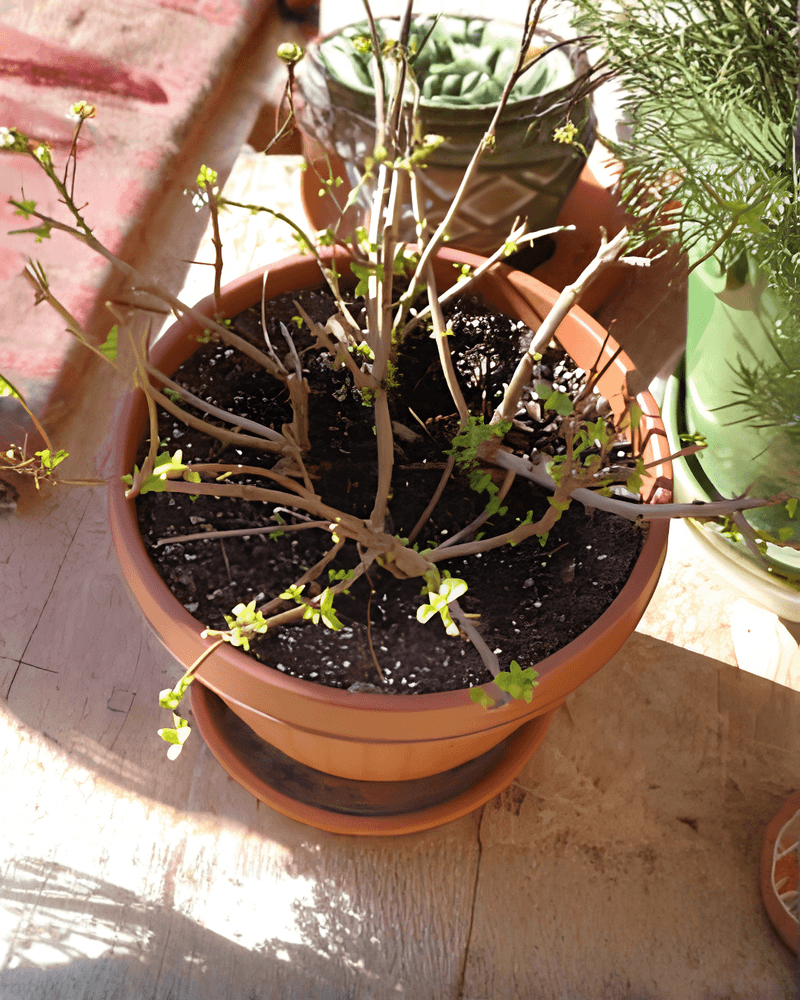
Here is a surprise for many plant lovers: in winter, less water often means a happier lantana. Soggy soil causes more trouble than dry soil during the cold months.
Your plant’s needs depend on which path you chose. A dormant lantana sitting in a cool, dim room barely uses any water.
Let the soil dry out a lot between drinks, and check it only every three to four weeks.
Give just enough water to keep the root ball from drying out fully. Too much moisture in a cool, dark spot can lead to root rot, which is hard to fix.
When in doubt, wait a few more days.
An actively growing lantana in a sunny window is a little thirstier. Water it when the top 1 to 2 inches of soil feel dry.
Your finger is a free and handy moisture meter.
When you do water, go deep instead of giving tiny sips each day. Pour slowly until water trickles out the drainage holes.
Then dump any extra from the saucer so roots do not sit in a puddle.
A pot with good drainage holes makes all of this easier. If your container has none, now is a great time to switch to one that does.
7. Keep Lantana Away From Cold Drafts
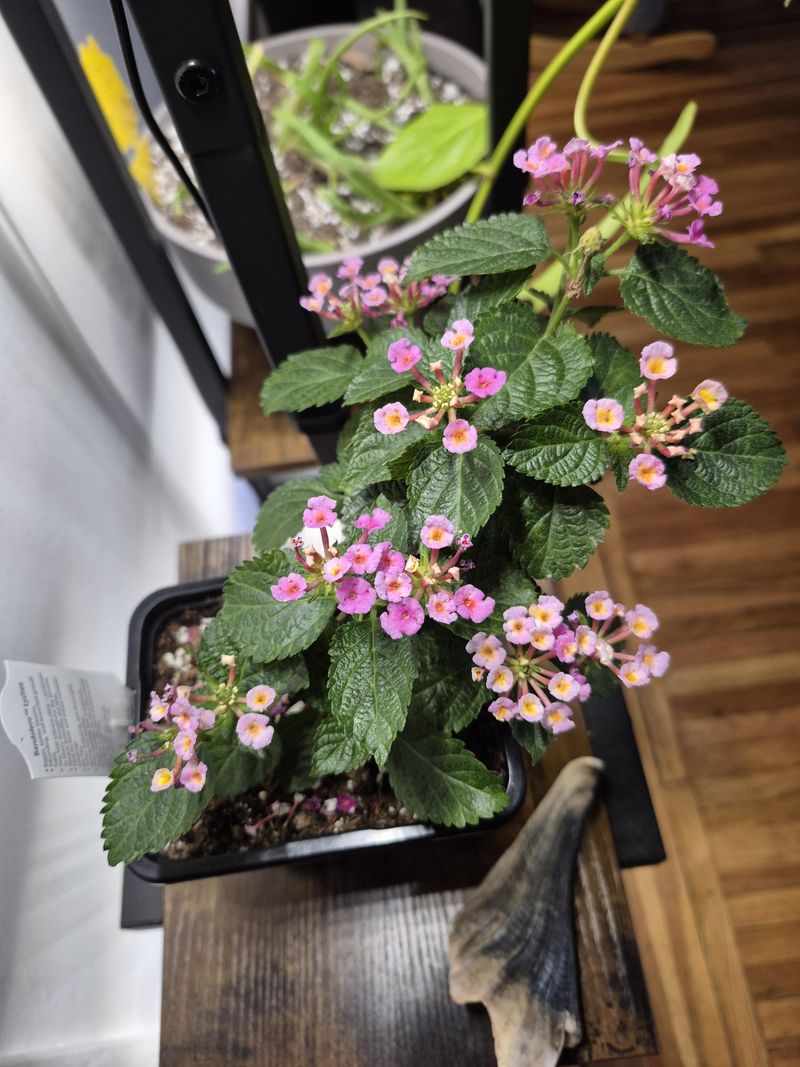
That sneaky chill by the front door every time someone walks in? Your lantana feels it too, and it does not like it one bit.
This plant is sensitive to cold, but wild temperature swings are even harder on it than steady cool air. A spot that is icy one moment and toasty the next stresses the plant out.
Watch out for a few common trouble spots around the house. Cold window glass can chill leaves that press against it.
Hot radiators and heating vents can dry out and scorch the foliage. Doors that open often let in blasts of freezing air.
Try to leave a few inches between the leaves and the window. On bitter January nights, sliding the pot back a little farther can help.
Some people tuck a piece of cardboard or bubble wrap against the glass for extra insulation.
Your goal temperature depends on your plan. For dormant storage, 40 to 50 degrees works well, such as in a cool basement or garage that stays above freezing.
For growing plants, 55 to 65 degrees is ideal.
A cheap indoor thermometer placed near the pot takes out the guesswork. It shows you right away if your chosen spot runs too hot, too cold, or just right.
8. Skip Heavy Feeding During Winter
Feeding a sleepy plant is a bit like handing someone a big dinner at midnight. Nobody wants it, and it can cause trouble.
Lantana is a low-fuss plant that does well without much help. In fact, too much fertilizer can mean fewer flowers, not more.
That surprises a lot of gardeners who love to give their plants extra treats.
During dormancy, skip fertilizer entirely. Feeding a resting plant can stress it and push out weak growth.
Your lantana simply is not ready to use those nutrients right now.
Timing actually starts back in summer. Experts suggest stopping fertilizer about two months before your expected first frost.
For much of Ohio, that means wrapping up feeding around early August.
Why so early? Late feeding encourages tender new shoots, and cold air easily damages them.
Letting the plant slow down naturally prepares it for the months ahead.
If your lantana lives in a good-quality potting mix, it may not need extra food at all for a while. Many mixes contain nutrients that last for months.
When early spring rolls around, you can start again. A slow-release fertilizer or a bloom-boosting formula gives your plant a gentle nudge.
Then get ready for a burst of color when warm weather returns.
9. Ease Lantana Back Outdoors After Spring Warmth Returns
Spring fever hits hard in Ohio, and the first warm afternoon makes everyone want to haul plants outside. Hold that thought for just a little longer.
Wait until nighttime temps stay above 55 degrees before moving your lantana out for good. Across much of Ohio, May 15 is the commonly used frost-free date, though some areas warm up sooner.
Moving the pot out too early can stunt fresh growth and delay those colorful blooms.
Next comes hardening off, a fancy name for slowly getting used to the outdoors. Plan on about two weeks for this step.
Your plant spent months in soft indoor light, so strong sun and wind can shock it.
Start by setting the pot in a shady, sheltered spot for a few hours each day. Every few days, leave it out longer and give it a bit more sun.
By the end of two weeks, it should handle full sun all day.
If you added mulch for winter protection, pull it away once the weather warms. That lets new shoots poke through without trouble.
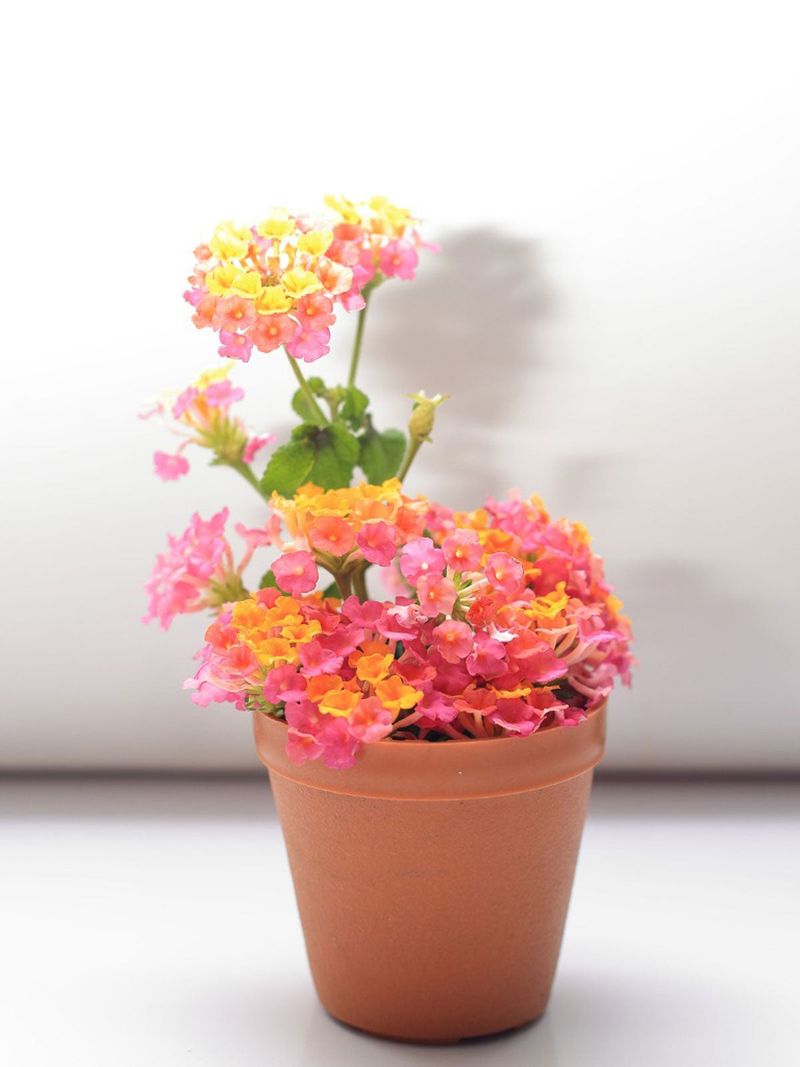
Soon enough, butterflies will be back, circling your cheerful clusters of flowers. All that fall and winter care pays off with another bright season on the porch.