The Cool-Weather Vegetables Florida Gardeners Can Start Sowing Now
Florida gardeners get a second spring while the rest of the country starts packing up the garden.
The strange part is how easy it is to miss.
September still feels sweaty. Afternoon sun still bites. Summer crops may look exhausted enough to convince you the season has nothing left to offer.
Then the nights shift.
Soil cools a little. The air feels less heavy. Suddenly, a completely different group of crops gets interested in your empty beds.
Which seeds deserve that freshly cleared space right now?
The answer changes as you travel from the Panhandle toward Miami. A September sowing that makes perfect sense in North Florida may need a little patience farther south.
That regional twist is exactly what makes fall gardening here so much fun. You are not closing the garden. You are changing the menu.
Clear a row, loosen the soil, and keep the seed packets close. Florida’s coolest growing season is just starting to show what it can do. And sharp gardeners get the best start.
1. Broccoli Handles Cooling Temperatures Well
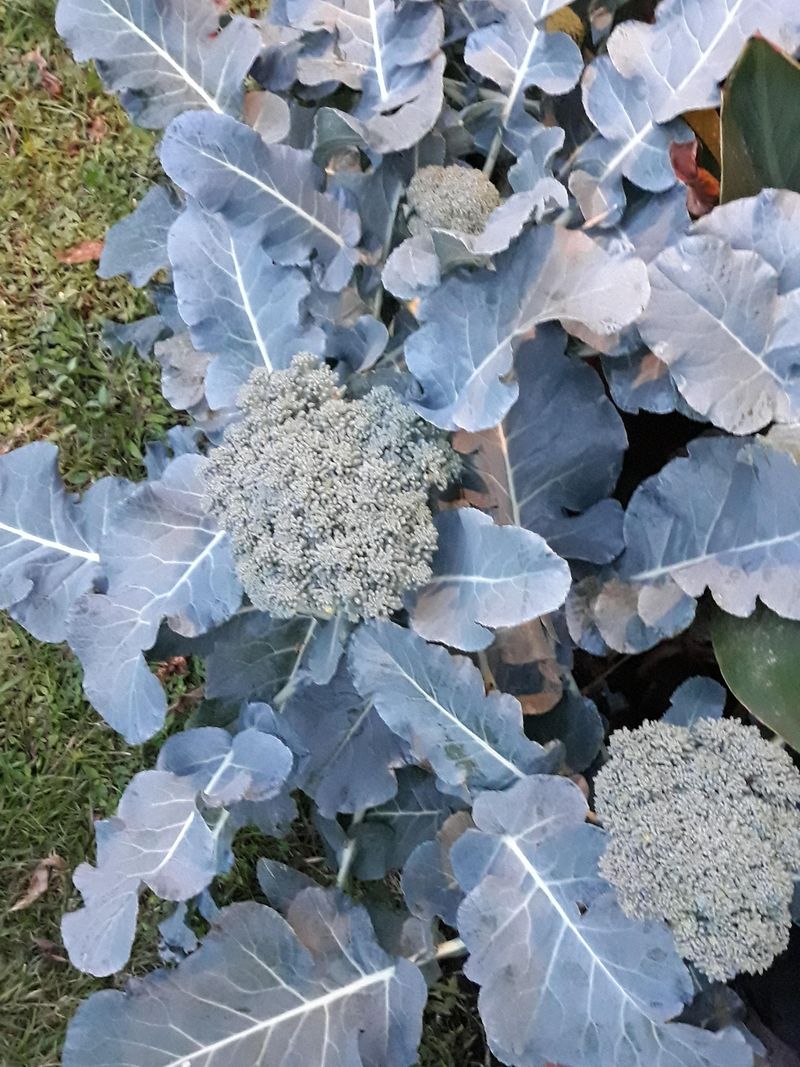
Broccoli is the crop that makes a Florida fall bed feel official.
Once nights ease away from peak summer heat, this cool-season favorite gets a much better shot at forming tight, firm heads instead of racing toward flowers.
North Florida gardeners can start first. Central Florida follows close behind, while South Florida usually gets a better broccoli window a little later in fall.
That regional difference matters more than the date on a national seed packet.
Start seeds in trays or use sturdy transplants once local conditions settle. Give plants enough room for broad leaves and good airflow, since crowded broccoli can turn one tidy row into a leafy traffic jam.
Keep soil evenly moist. Broccoli dislikes a cycle of dust-dry soil followed by a huge soak.
A layer of mulch can help hold moisture and keep the root zone more comfortable during warm afternoons.
Broccoli also appreciates fertile soil, so work compost into the bed before plants settle in. Follow fertilizer directions rather than feeding by enthusiasm alone.
Cut the main head while the buds stay tight and green.
Then leave the plant in place.
Small side shoots can keep appearing after the first harvest, which means one broccoli plant may have more to offer than its headline act.
That is a pretty good encore for a vegetable that spent summer refusing to cooperate.
2. Lettuce Grows Fast In Milder Weather
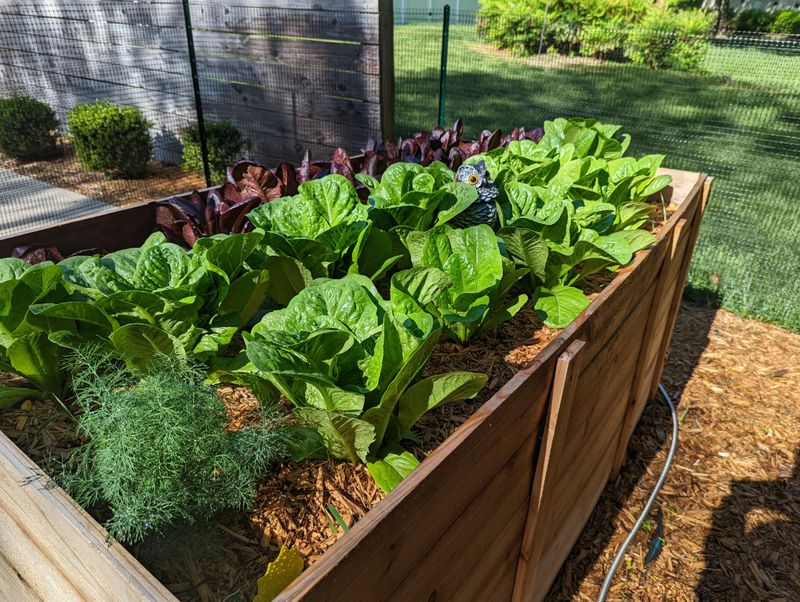
Need something quick while the slower fall crops take their time?
A small patch of lettuce can turn bare soil into dinner surprisingly fast.
Once Florida weather starts easing away from peak summer heat, tender greens become much easier to manage. North and Central Florida can begin the cool-season transition early. South Florida gets a longer runway once hotter conditions settle down.
Leaf lettuce, romaine, and butterhead types usually make easier home-garden choices than tight crisphead varieties.
Seeds need only a very light cover. Keep the surface consistently damp while they sprout, because tiny lettuce seeds sit close to the top and can dry out fast.
Your Florida Garden Changes Every Week. Your Plan Should Too.
Gardening in Florida changes quickly throughout the season. Every Friday you’ll receive a simple weekly plan showing exactly what to plant, prune, fertilize, harvest, and protect so you never miss the right timing.
Warm afternoons still matter in early fall.
A little afternoon shade can help young plants through lingering heat. Containers also work well, especially near the kitchen where regular harvests become hard to forget.
Sow a small patch, then another a couple of weeks later.
That simple schedule keeps salads coming without twenty heads reaching perfect size on the same Tuesday.
Harvest outer leaves first and leave the center intact. The plant can keep producing new leaves for several rounds.
Check the undersides while you pick. Caterpillars and other leaf-chewers also appreciate tender greens and rarely wait for an invitation.
For impatient gardeners, this is about as close as fall planting gets to fast food, only much fresher.
3. Carrots Reward Patient Fall Planting
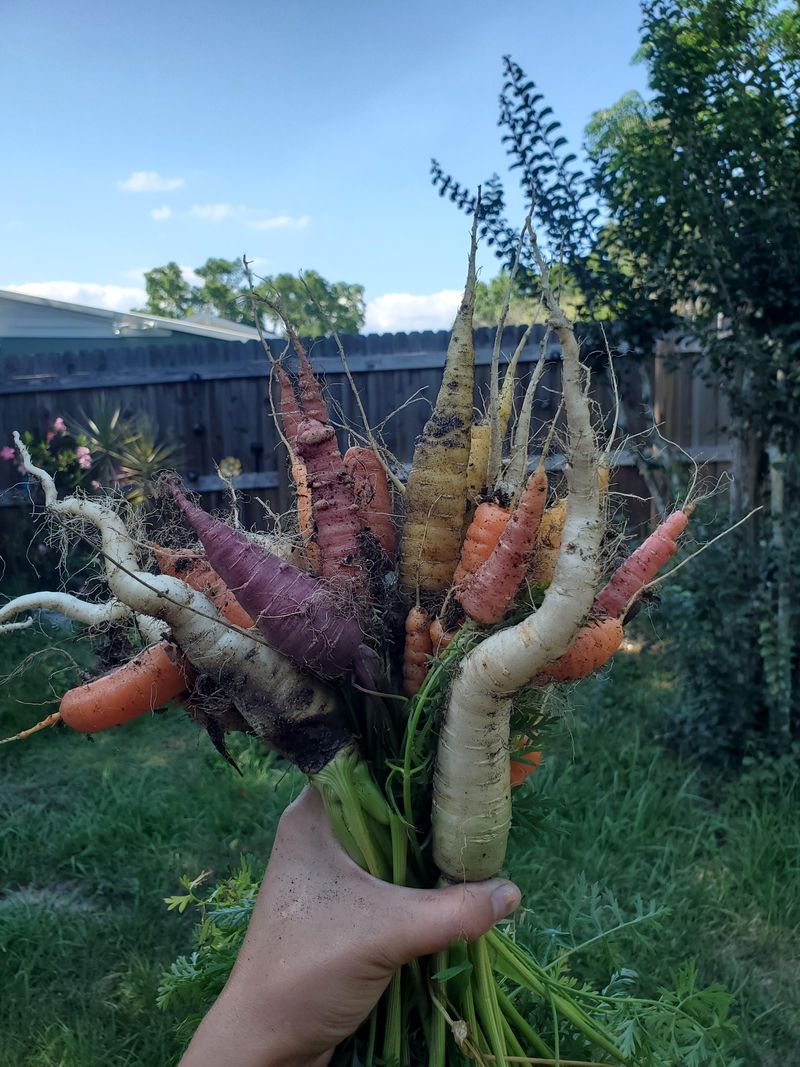
For the first few weeks, a freshly seeded row can look suspiciously uneventful.
Most of the action is happening where you cannot see it.
Carrots develop slowly underground, which makes Florida’s cooler season a much better fit than the hottest part of the year. Seeds can go directly into the bed across much of the state during the fall planting window.
Loose soil matters more than fancy fertilizer.
Break up compacted ground and remove stones, roots, or hard clumps before sowing. Straight roots need an easy path downward.
Florida sand can actually help with shape, but it dries quickly. Add organic matter and watch moisture closely during germination.
Carrot seeds are tiny. Cover them lightly, then keep the top layer damp while sprouts appear.
That stage can test your patience.
One day the row looks empty. Then a thin green line finally shows up and suddenly all that careful watering feels justified.
Thin seedlings once they gain some size. Crowded roots compete for space and often stay skinny or twist around each other underground.
Aim for a few inches between plants, based on the variety.
Shorter types can be especially useful in shallow beds or soil that tends to compact.
Do not pull everything at once. Harvest a few, check their size, and let smaller roots keep growing.
This crop likes to keep its progress private. The payoff arrives when the soil finally gives up the secret.
4. Collards Thrive Right Through Winter
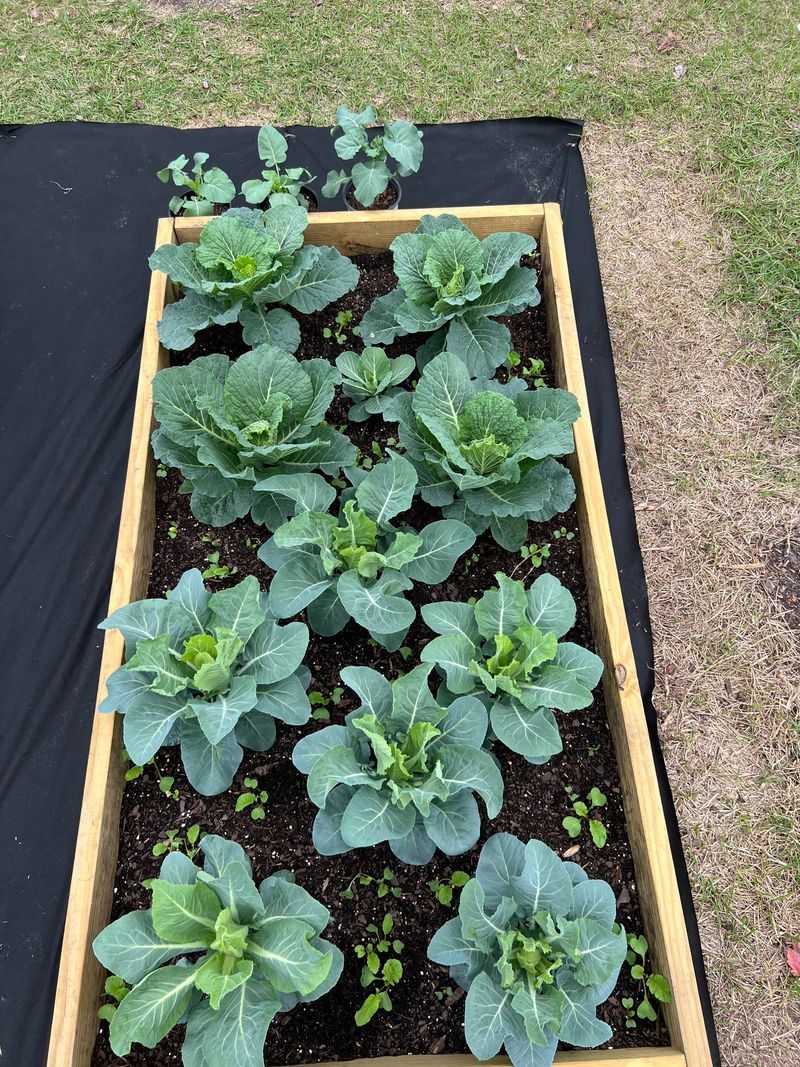
Some vegetables act offended by every little temperature swing.
This one tends to take Florida’s cooler months in stride.
Collards handle mild cold well, tolerate more warmth than some cabbage relatives, and keep producing long after quicker crops finish. September can work across much of Florida, though local conditions still decide how fast young plants settle in.
Start from seed or use transplants for a quicker jump. Give each plant enough space for broad leaves, since mature collards can become much larger than they look in a nursery tray.
Keep the soil evenly moist and add mulch around the root zone.
A steady supply of water helps leaves stay tender instead of turning tough after dry spells.
Collards also respond well to fertile soil. Work compost into the bed before planting and follow a sensible feeding plan through the season.
Harvest from the outside first.
Snap off lower leaves and leave the center untouched so the plant can keep producing fresh growth.
That turns one planting into a long-running kitchen supply instead of a one-time harvest.
Check leaf undersides during your rounds. Caterpillars and aphids enjoy collards too, and early trouble is much easier to handle than a leaf full of holes.
A cool spell can even improve flavor.
Summer crops may demand constant drama. Collards are more like the dependable neighbor who quietly keeps showing up with something useful for dinner.
5. Cabbage Can Make A Small Bed Work Hard
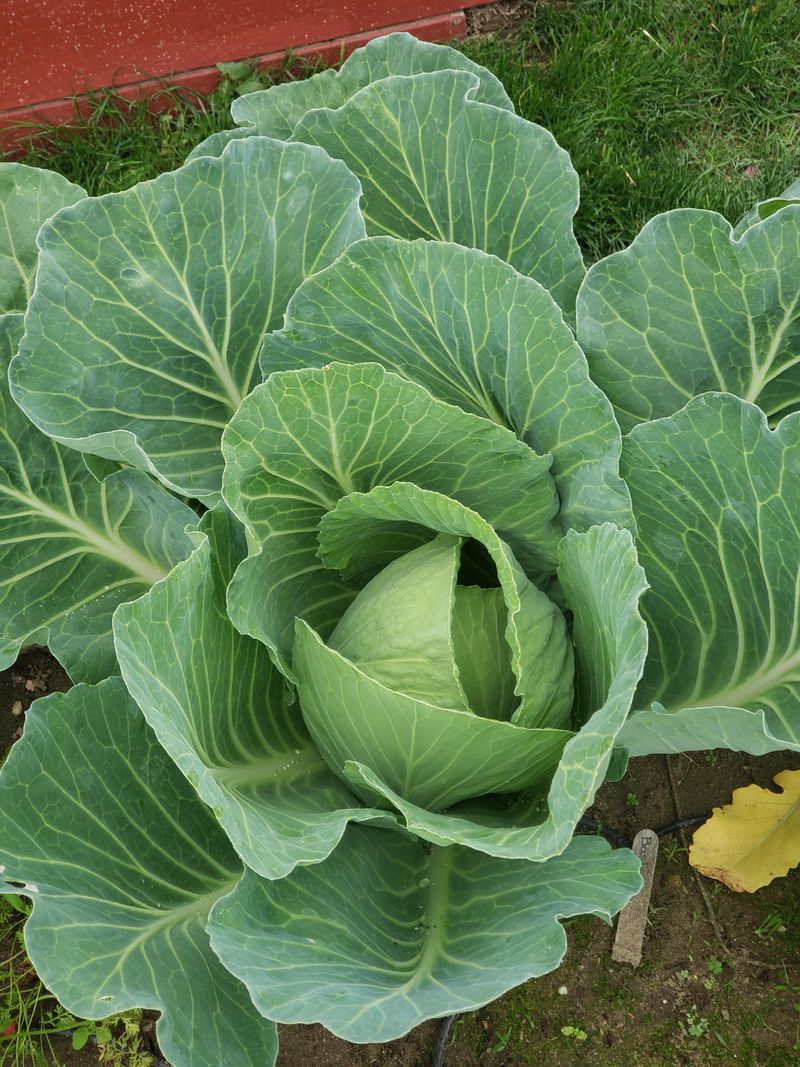
A four-by-four bed can hold more fall food than it first appears.
The trick is choosing crops that build upward instead of wandering everywhere.
Cabbage fits that job nicely. Each plant forms one dense head rather than sending vines across the bed, so neat rows can work even in modest spaces.
North and Central Florida gardeners can start early in the cool season. South Florida also gets a useful fall window as temperatures ease.
Choose a variety that matches your space.
Compact types can sit closer together, while full-size heads need more elbow room. Crowding may reduce airflow and leave plants competing for light and nutrients.
Steady moisture matters.
Dry soil followed by a sudden heavy soak can encourage heads to split, so consistent watering gives you a better shot at firm, even growth.
Mulch helps smooth out those moisture swings and keeps the soil surface cooler.
Start with transplants for a faster crop, or raise seedlings before they move into the bed. Give young plants good sun and enough room from the beginning.
Watch closely for caterpillar damage on the outer leaves. A few chewed spots can become a much bigger salad bar when nobody checks underneath.
Harvest once the head feels firm when gently squeezed.
Some plants may push smaller side heads after the main harvest, so do not rush to clear the stem.
One tidy row can turn into slaw, soup, sautés, and a crisper drawer that suddenly feels very productive.
6. Radishes Can Fill Gaps Before Slower Crops Catch Up
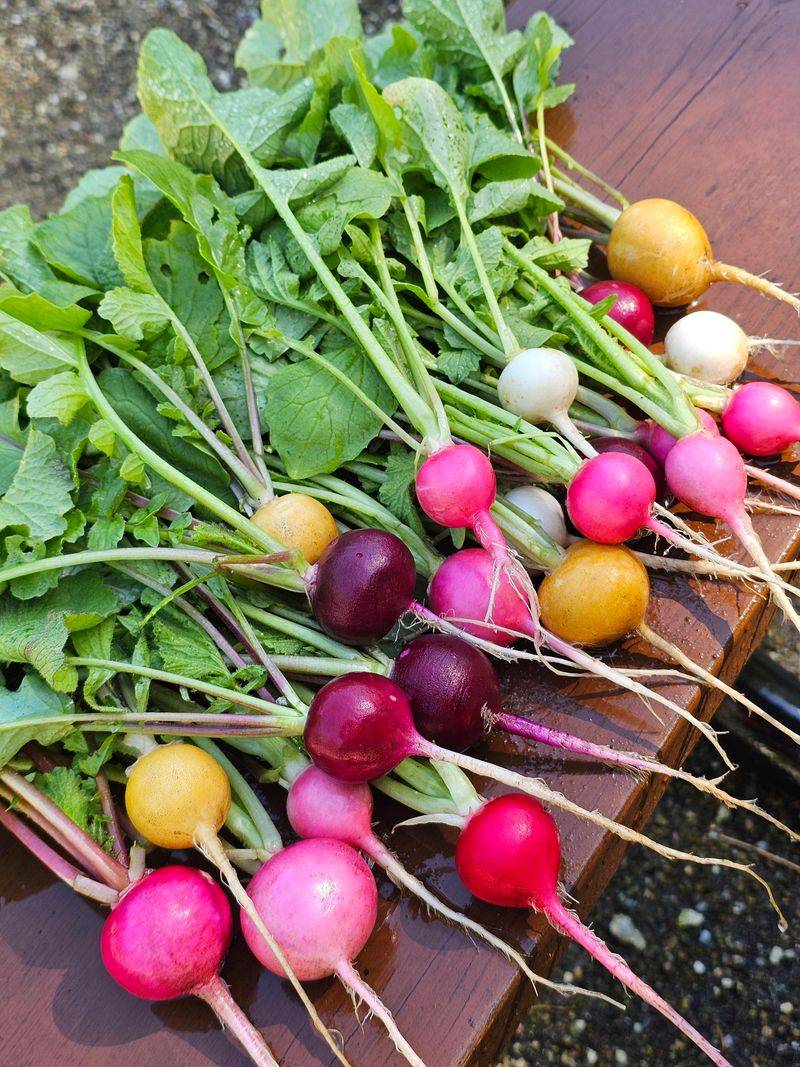
Got an awkward little gap between larger fall crops?
That empty strip does not have to stay empty for long.
Radishes grow quickly, need little room, and fit neatly between slower vegetables while broccoli, cabbage, or collards are still small. September opens a useful sowing window across much of Florida.
Sow directly into loose soil because the roots develop best without transplant disturbance. Cover seeds lightly and keep the surface damp until sprouts appear.
Spacing matters sooner than people expect.
A crowded row may produce lots of leaves and disappointing roots. Thin seedlings early so each radish has room to round out below the soil.
The thinnings are edible too, which makes the job feel less wasteful.
Keep moisture steady once roots start to swell. Dry spells followed by heavy water can make texture less appealing, and prolonged heat can push flavor toward extra peppery territory.
Small batches work better than one giant sowing.
Plant a short row, then repeat a week or two later. That keeps crisp roots coming without turning the refrigerator into a radish warehouse.
Harvest on time.
Many varieties grow past their best texture when left in the bed too long. Check size because the garden will not send a grand announcement.
This is the opening act of the fall vegetable season. It arrives fast, wakes up the crowd, and may be gone before the cabbage finishes tuning its instruments.
7. Turnips Give You Two Harvests From One Row
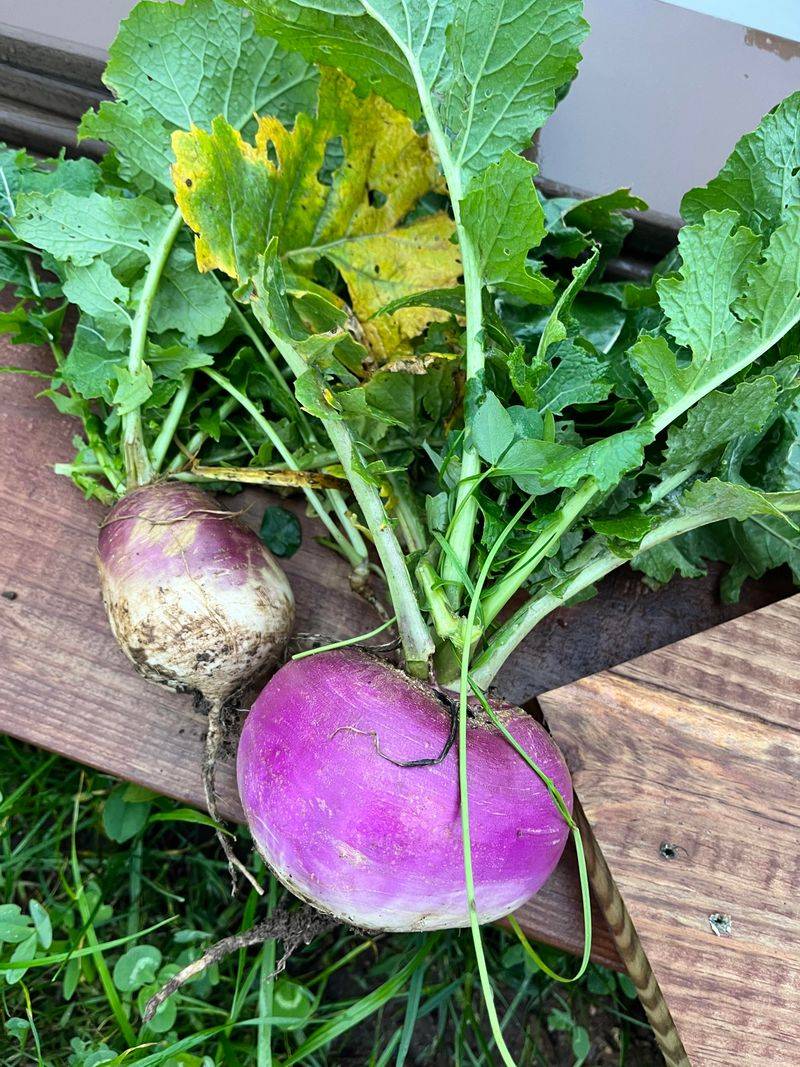
One row can quietly do two jobs at once.
That is a useful trick when garden space feels too valuable to waste.
Turnips give you tender greens above the soil and crisp roots below, which makes them especially handy in a smaller Florida bed. September opens a good sowing window across the state.
Direct seed into loose soil and cover lightly. Once seedlings gain a little size, thin them so the roots have enough room to swell.
Do not toss those extras.
Young turnip leaves are edible, so thinning can become the first small harvest instead of a sad trip to the compost pile.
Keep soil moisture steady through the season. Uneven water can leave roots tougher and stronger in flavor.
You can harvest outer greens while the root continues to develop. Leave enough foliage on the plant to keep energy moving toward the root below.
Variety changes the experience too.
Classic purple-topped types produce familiar storage roots, while small salad turnips can stay mild, crisp, and tender when picked young.
A cool spell often improves flavor, especially in the greens.
Use turnips between slower crops or give them a short row of their own. Their quick pace helps fill the gap before larger brassicas take over the bed.
Few vegetables offer such a tidy two-for-one deal.
Greens upstairs, roots downstairs, and not a square foot wasted. That is efficient gardening with a pretty good punchline.
8. Bunching Onions Can Keep A Narrow Row Productive
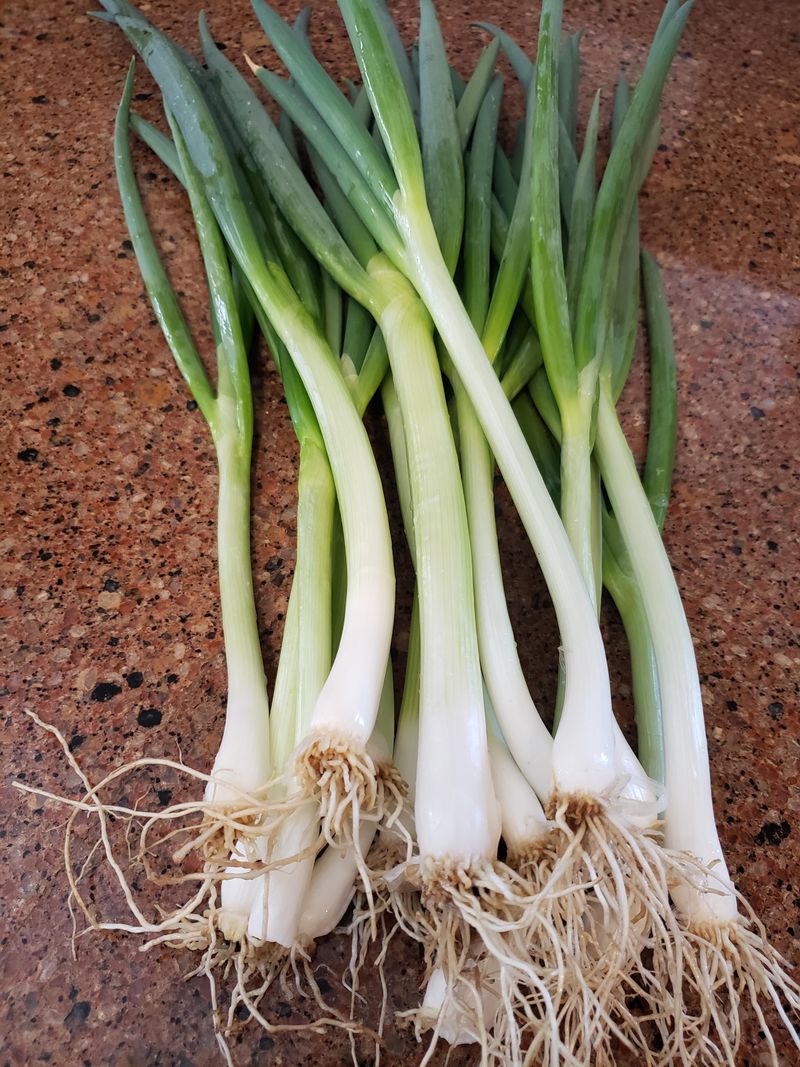
That skinny strip along the edge of the bed deserves better than bare soil.
A line of bunching onions can turn it into one of the most useful spots in the garden.
September is a good time to start seed across Florida. Unlike large bulbing onions, these are grown mainly for tender green tops and slender white bases, so you do not need to wait for hefty bulbs underground.
Sow seeds shallowly in loose soil and keep the surface moist through germination.
Once seedlings stand a few inches tall, thin crowded patches. Leave enough room for each plant to develop without turning the row into a knot of skinny stems.
You can make those thinnings useful in the kitchen too.
Steady moisture keeps the growth tender, while dry soil can slow the plants down. A light layer of mulch helps, but keep it loose around young seedlings rather than burying them.
Small spaces work surprisingly well.
Tuck a short row beside carrots, lettuce, or other fall crops. Containers are another easy option for gardeners with limited bed space.
Harvest can start once the stems reach a useful size. Pull whole plants or snip green tops from established bunches and leave enough growth for recovery.
Succession sowings can stretch the supply farther into the cool season.
They will not dominate the garden or demand a giant bed.
They simply stand along the edge, mind their business, and quietly make almost every dinner taste like you planned ahead.