What It Means When Coyotes Start Roaming California Backyards At Dusk
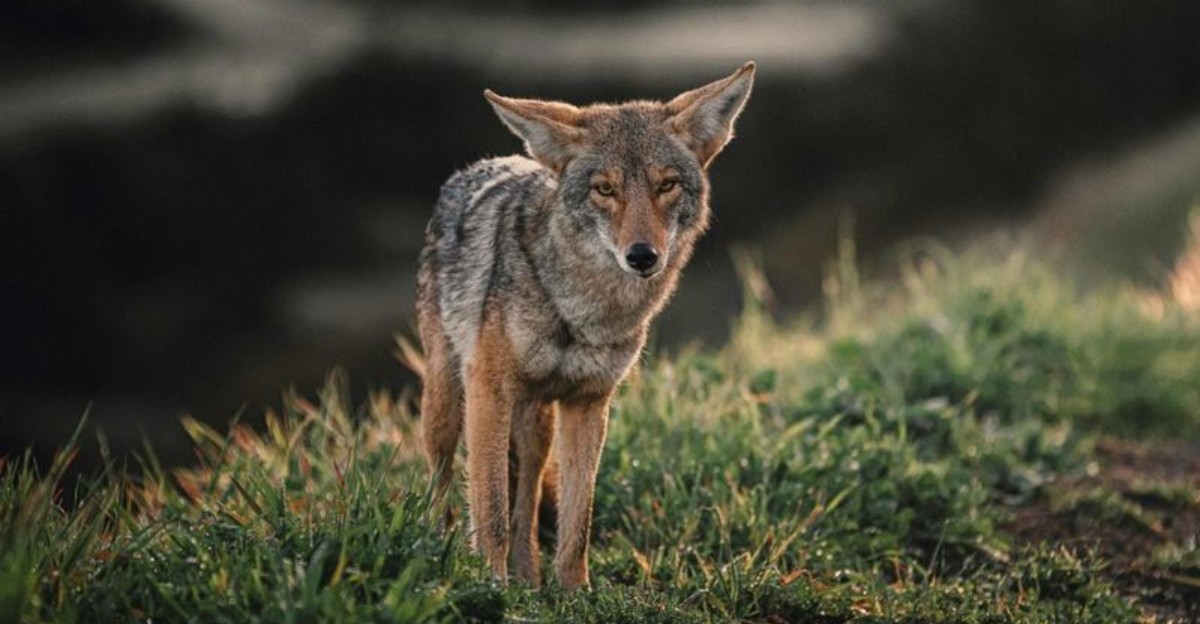
Seeing a coyote walk through your California backyard at dusk can be unsettling, especially when it happens more than once.
But these visits are often a sign that coyotes are following familiar routes, searching for food, or taking advantage of quiet spaces near homes.
As neighborhoods expand into natural areas, these adaptable animals are becoming more common around yards, parks, and green spaces.
You can learn a lot by paying attention to when coyotes appear, what attracts them, and how they move through your property.
A coyote near your fence does not always mean trouble, but it is a good reminder to make your yard less appealing to wildlife. Secure trash cans, remove easy food sources, and protect pets during evening hours.
Knowing why coyotes show up helps you handle these encounters calmly and keep your backyard safer.
1. Dusk Is A Normal Time For Coyote Activity
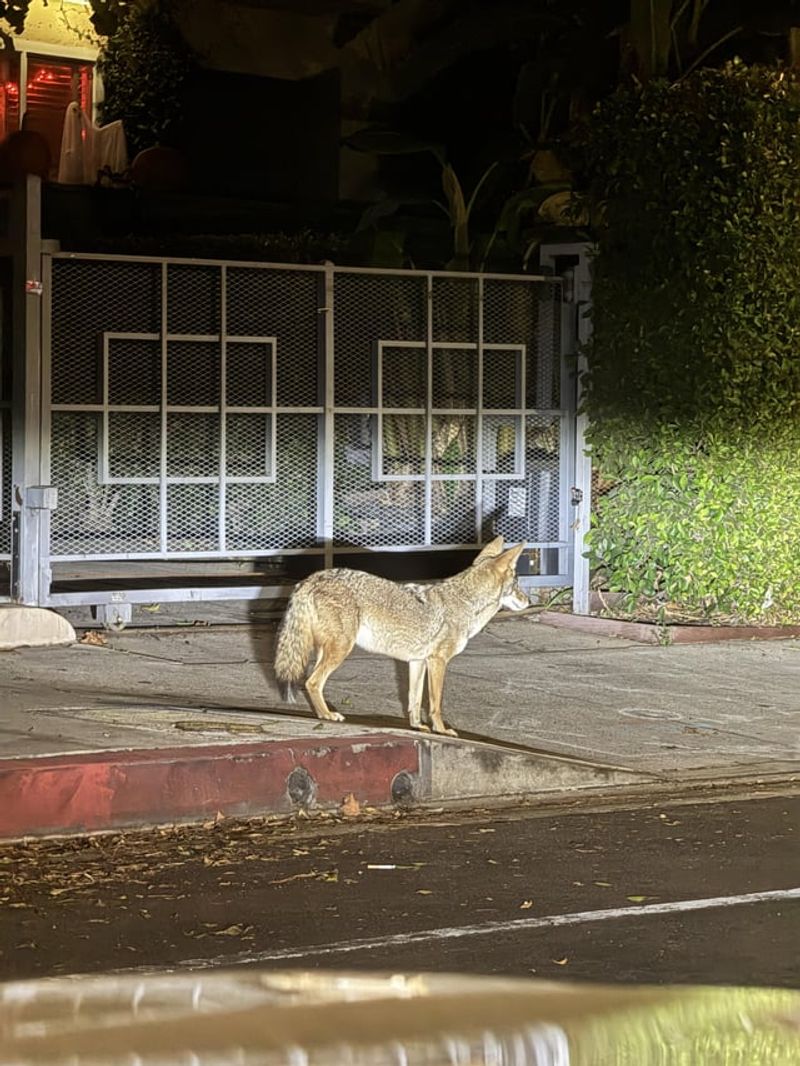
Most people see coyotes in the early evening and assume something is wrong. But coyotes are naturally crepuscular animals, which means they are most active during dawn and dusk. This is completely normal behavior that has nothing to do with your neighborhood specifically.
During the day, coyotes tend to rest in brushy areas, tall grass, or dense shrubs. As the light fades, they become more alert and start moving around to find food and water. This timing helps them avoid the heat and stay out of sight from larger predators and busy human activity.
Urban and suburban coyotes have adapted their schedules even more to avoid people. Studies show that city coyotes in California often shift to more nighttime activity compared to their rural cousins. Seeing one at dusk does not mean it is sick or lost.
Healthy coyotes move with purpose and are usually alert and cautious. A coyote that seems confused, moves in circles, or appears unaware of its surroundings may need to be reported to your local animal control. But a coyote trotting through your yard at sunset is most likely just doing what coyotes do every single evening across the country.
2. They May Be Following Food Sources
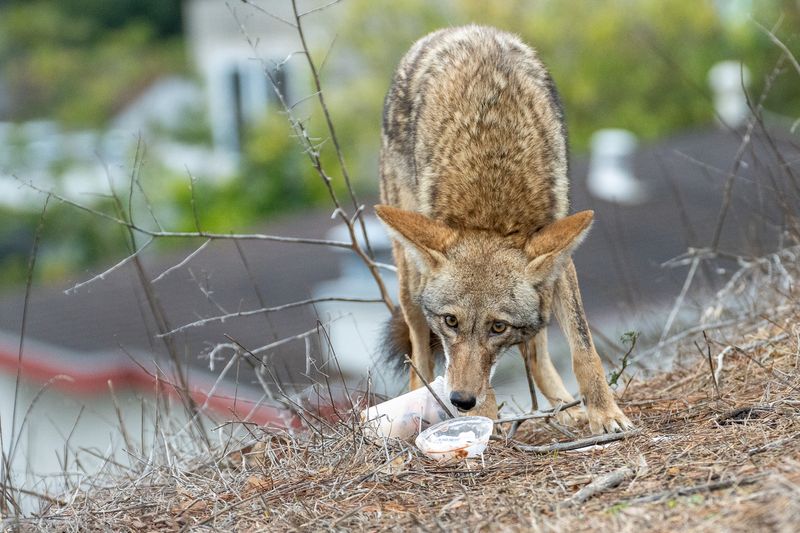
Food is almost always the main reason a coyote shows up near your California home. These animals are opportunistic eaters, which means they will eat just about anything that is easy to find.
Garbage cans, fallen fruit, pet food left outside, bird feeders, and even compost piles can all attract them.
Coyotes have an excellent sense of smell and can detect food from a surprising distance. Once they find a reliable food source in your yard, they are very likely to come back again and again. Over time, this can make them bolder and less cautious around people.
Neighborhoods with a lot of unsecured trash or outdoor pet food are much more likely to see frequent coyote visits. It is not that the coyotes are becoming aggressive. They are simply following the easiest path to a meal, just like any hungry animal would.
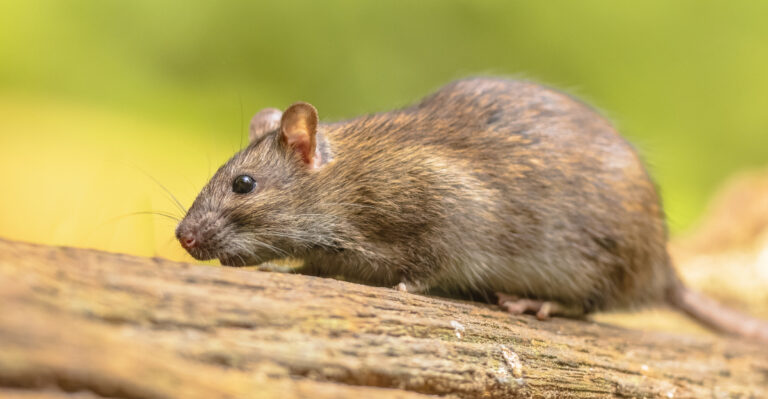
Birdseed that falls to the ground can also bring in mice and rats, which in turn attract coyotes looking for a quick snack.
Your California Garden Changes Every Week. Your Plan Should Too.
Gardening in California changes quickly throughout the season. Every Friday you’ll receive a simple weekly plan showing exactly what to plant, prune, fertilize, harvest, and protect so you never miss the right timing.
So even if you are not directly feeding coyotes, your yard may still be offering them a full menu without you realizing it. Taking a closer look at what food sources exist around your home is a smart first step.
3. Small Pets Can Become More Noticeable Targets
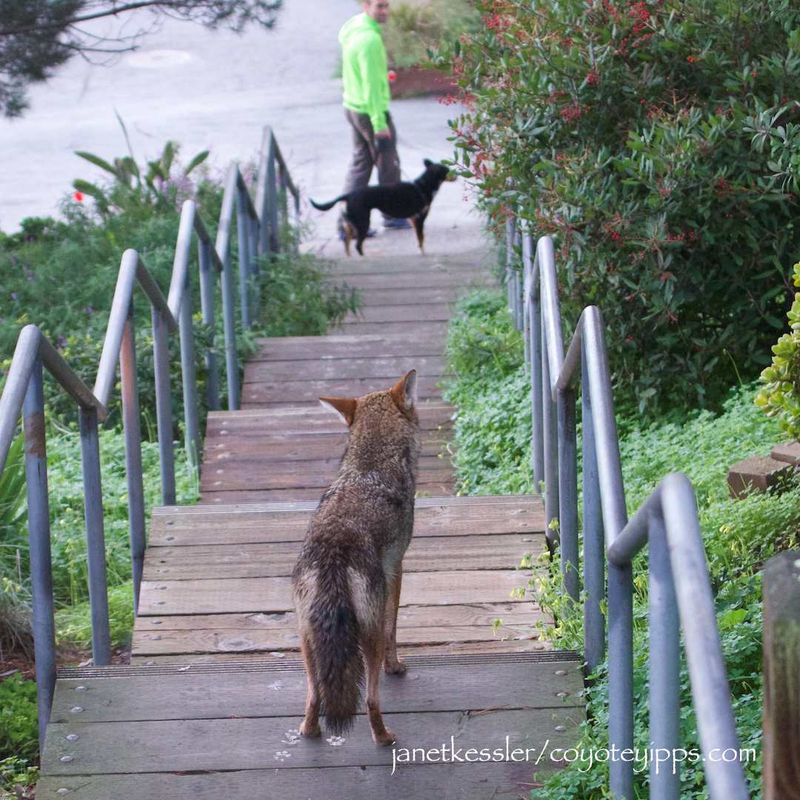
Pet owners should pay close attention when coyotes start appearing in the neighborhood. Small dogs, cats, and even medium-sized pets can attract a coyote’s interest, especially during the evening hours when coyotes are most active and bold.
Coyotes are natural hunters and will often view small animals as prey. A cat wandering the yard alone at dusk or a small dog left outside without supervision can be vulnerable.
This is not because coyotes are unusually aggressive. It is simply their natural instinct to chase and catch smaller animals.
The safest rule is never to leave small pets unattended outside after sunset. Walk dogs on a leash and stay nearby.
Bring cats indoors before dusk, especially if you have seen coyotes in the area recently. Even a fenced yard is not always a guaranteed barrier.
Some coyotes have learned to jump or dig under standard fences when they spot an easy target on the other side. Installing coyote rollers on top of fences can help prevent them from climbing over. Keeping your outdoor lighting bright near pet areas also helps deter coyotes from approaching.
Your pets depend on you to make smart choices on their behalf, and simple precautions can make a real difference in their safety.
4. Fruit Trees Can Attract Their Prey
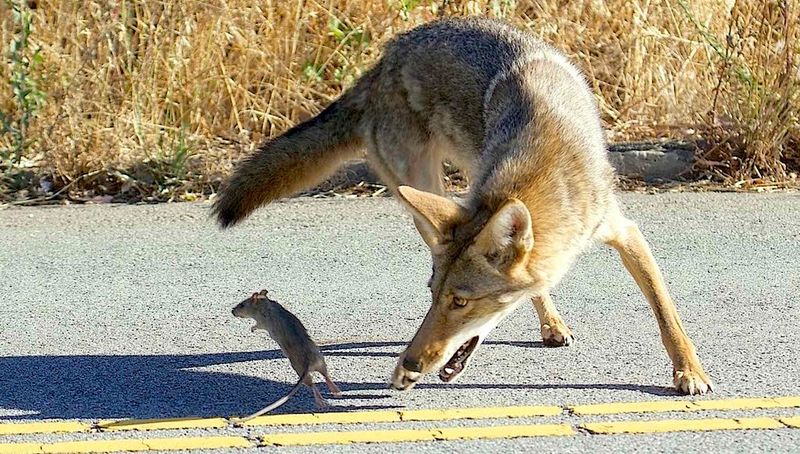
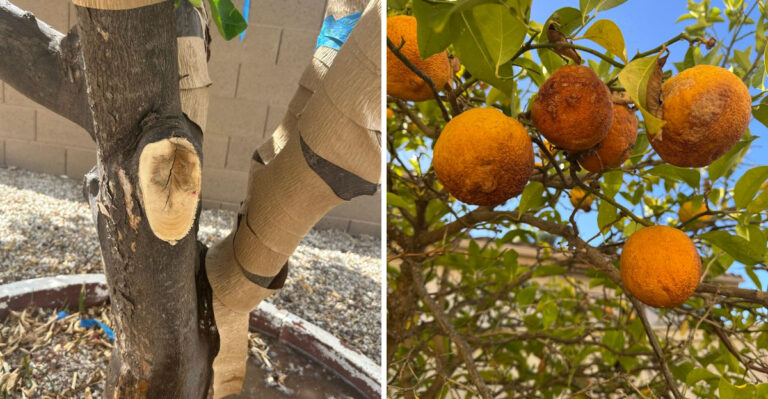
California homeowners are surprised to learn that fruit trees can play a big role in attracting coyotes. It is not always the fruit itself that brings them in. Instead, fallen fruit draws in rodents, rabbits, and other small animals that coyotes love to eat.
When apples, figs, plums, or citrus fall to the ground and are left to rot, they become a magnet for mice and rats.
These rodents then attract coyotes who are looking for an easy meal. Your fruit tree essentially becomes the starting point of a small food chain that ends in your backyard.
Picking up fallen fruit regularly is one of the easiest ways to break this cycle. Even doing it every few days can significantly reduce the number of small animals gathering in your yard. Fewer rodents means fewer reasons for a coyote to visit.
Coyotes are also known to eat fruit directly, especially when other food is scarce. Berries, grapes, and soft fruits are particularly appealing. So if you have a garden or an orchard area near your home, it is worth thinking about how often you are cleaning it up.
A tidy yard sends a clear message that there is nothing worth stopping for. Small habits like this add up quickly and can change your yard’s appeal to local wildlife.
5. Open Fences Create Easy Access
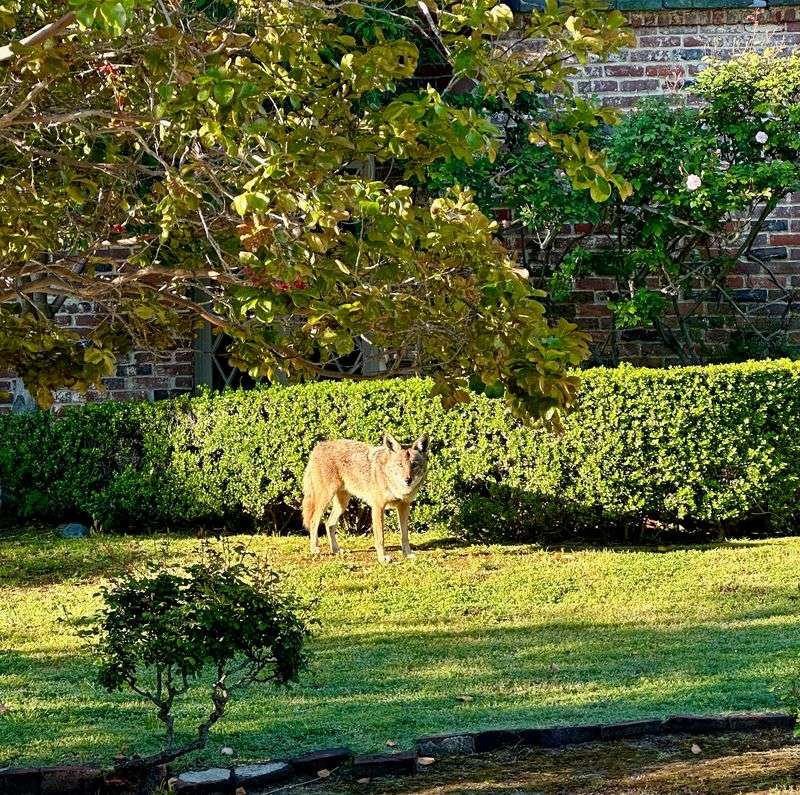
Fences are one of the first lines of defense most homeowners think about when it comes to keeping wildlife out.
But not all fences are created equal, and many standard backyard fences offer very little real protection against a determined coyote.
Coyotes are athletic and agile. They can jump fences that are up to six feet tall without much effort. They can also squeeze through surprisingly small gaps, dig under loose panels, or push through damaged sections.
A fence with gaps at the bottom or missing boards is practically an open invitation.
Chain-link fences are especially easy for coyotes to climb if they are motivated enough. Wooden privacy fences offer more resistance, but gaps near the ground or loose posts can still let a coyote through.
Regular fence inspections can help you catch these weak spots before they become a problem.
Adding a coyote roller to the top of your fence is a simple upgrade that prevents animals from getting enough grip to pull themselves over. Burying a wire mesh skirt along the base of your fence can stop digging. These changes do not have to be expensive or complicated.
Even patching a few gaps or adding a simple L-shaped footer along the bottom can make your yard much harder for a coyote to enter. Small repairs go a long way.
6. Removing Food Sources Helps Reduce Visits
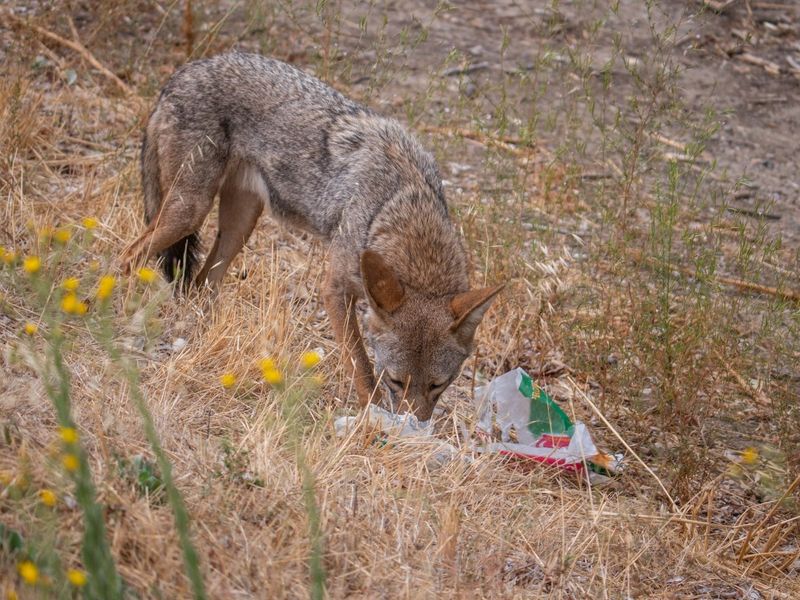
One of the most effective things you can do to reduce coyote visits is to remove what is drawing them in.
Coyotes, like many other wild animals, are creatures of habit. Once they find food in a spot, they will keep returning until that food disappears. Taking away their reason to visit is the most direct solution.
Start by securing your garbage cans with bungee cords or locking lids. Bring pet food and water bowls inside each evening. Clean up any fallen fruit from trees or garden plants.
Remove bird feeders or switch to seed types that do not spill onto the ground as easily.
Compost piles can also be a problem if they contain food scraps. Using a fully enclosed compost bin instead of an open pile reduces smells that attract wildlife.
Even small things like grease drippings from an outdoor grill can bring animals sniffing around your yard at night.
Coyotes are smart, but they are also practical. They go where the food is. If your yard consistently offers nothing worth eating, they will naturally shift their route and start exploring elsewhere.
This does not happen overnight, but within a few weeks of removing food sources, most homeowners notice a clear drop in wildlife activity. Being consistent is the key. One missed night of leaving food out can reset your progress and invite curious visitors right back in.
7. Coyotes Usually Prefer Avoiding People
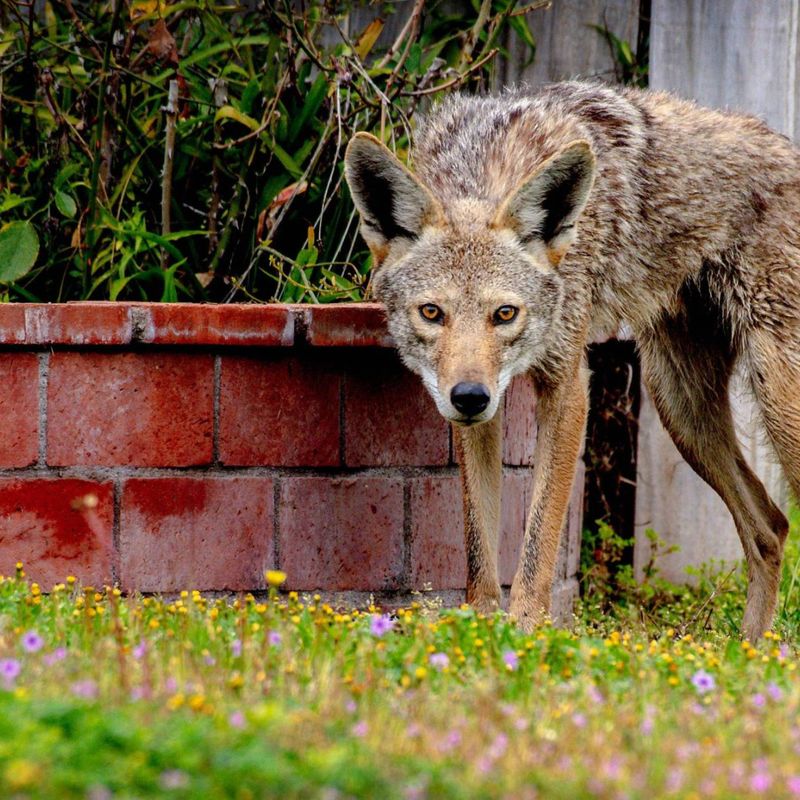
Coyotes are naturally wary of humans. In the wild, they typically avoid direct contact with people whenever possible.
The coyotes that appear bold or relaxed near homes have usually become that way because people have unknowingly made them comfortable.
When coyotes are fed, either on purpose or by accident through food scraps or unsecured trash, they start to lose their natural fear.
This is called habituation, and it is one of the biggest concerns wildlife experts have about urban coyotes. A habituated coyote is a bolder coyote, and that can create real problems.
Hazing is a simple and effective technique to restore a coyote’s healthy fear of people. If you see a coyote in your yard, wave your arms, shout loudly, clap your hands, or spray it with a garden hose.
The goal is to make the encounter unpleasant so the animal associates your California yard with discomfort.
Never run from a coyote or turn your back on it. Stand your ground and make yourself seem as big and loud as possible. Most coyotes will retreat quickly once they feel threatened.
Consistent hazing from multiple neighbors in an area can teach local coyotes that the whole neighborhood is not a comfortable place to hang around. It works better than people expect.
8. A Few Yard Changes Can Make A Difference
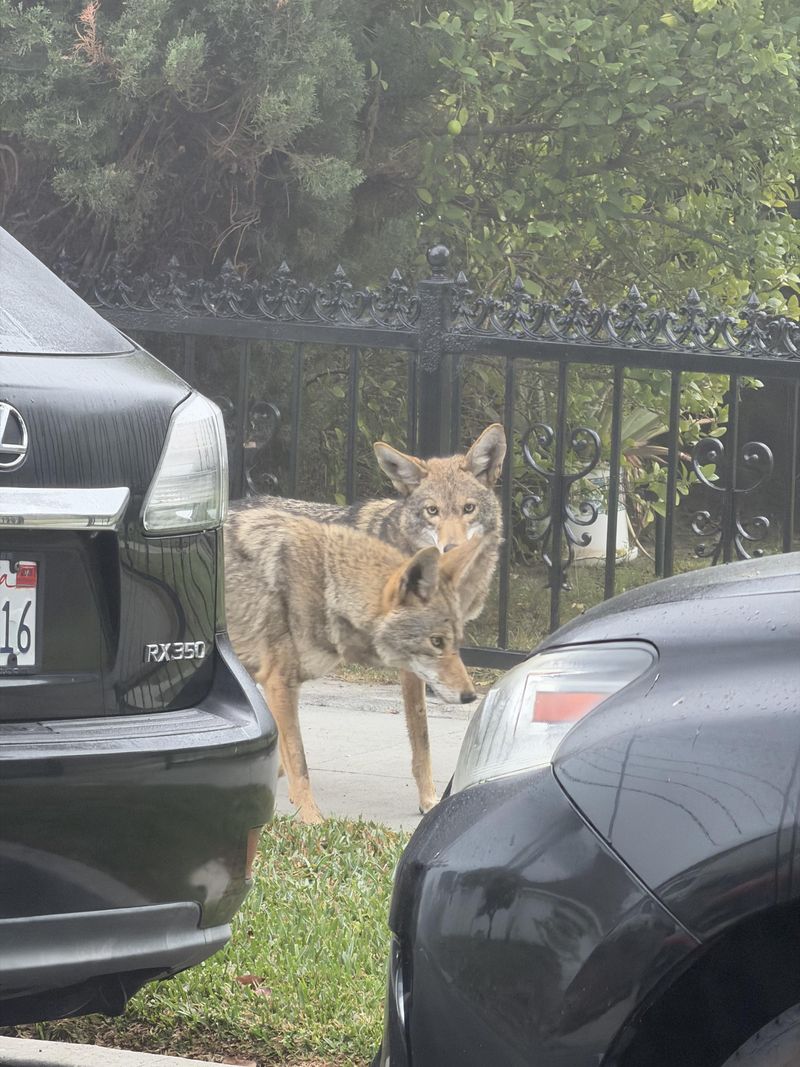
You do not need to completely overhaul your outdoor space to make it less attractive to coyotes. A handful of targeted changes can shift the balance and make your yard a far less appealing destination for wildlife looking for an easy evening meal.
Motion-activated lights are a great starting point. Coyotes prefer to move through dark areas where they feel less exposed. Bright lights that switch on suddenly can startle and discourage them from entering your space.
Solar-powered options are affordable and easy to install without any wiring.
Trimming back dense shrubs and tall grasses removes the hiding spots that coyotes and their prey like to use.
A California yard with clear sightlines gives coyotes nowhere to crouch and wait. It also makes the space feel less sheltered, which is something these animals actively avoid when they feel exposed.
Keeping a clean yard, securing food sources, fixing fence gaps, and using lights and noise deterrents together creates what wildlife experts call a less hospitable environment.
No single change works perfectly on its own. But when you stack several small adjustments together, the overall effect is much stronger.
Neighborhoods in southern California that have adopted community-wide habits like these have seen real results. Getting your neighbors involved doubles the impact. Coyotes are adaptable, but so are you, and a few smart choices go a long way.