The Tiny Spots On St. Augustine Blades That Can Explain A Lawn’s September Decline In Florida
September in Florida feels like walking through thick, warm soup with a side of hungry mosquitoes. Your yard should be soaking up all that heat, yet it still looks tired.
Maybe you noticed a few brownish patches near the driveway just last week. Now they seem to be spreading fast, like gossip at a block party.
You take care of it every single way you know how, weekends included. Still, the green keeps slowly fading into a sad, scorched shade of tan.
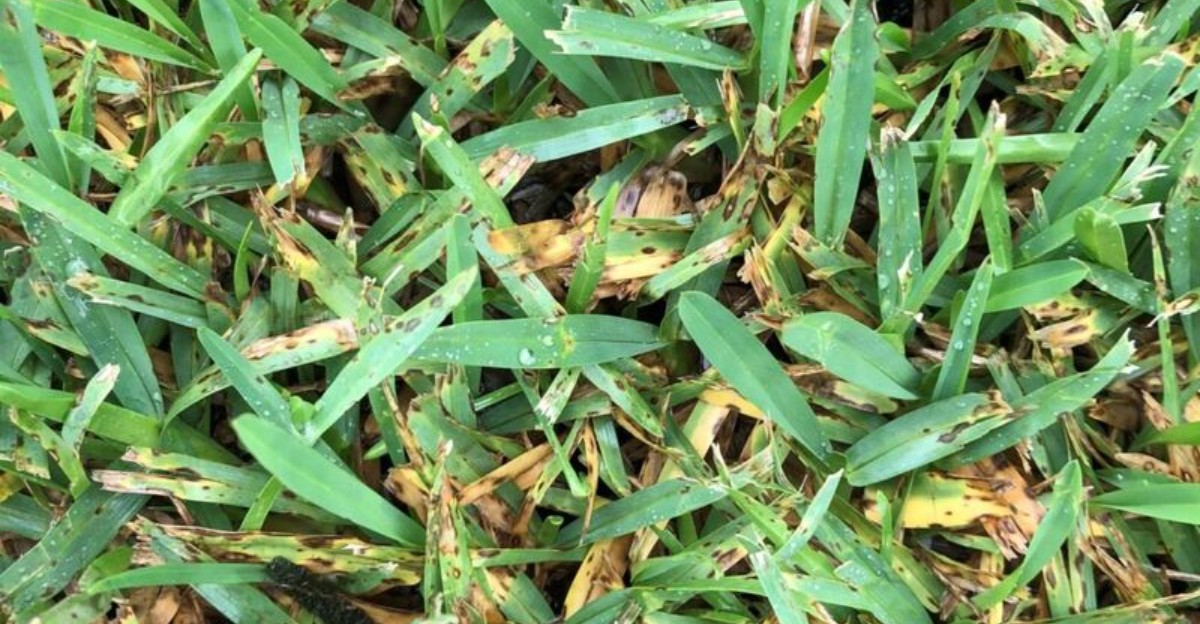
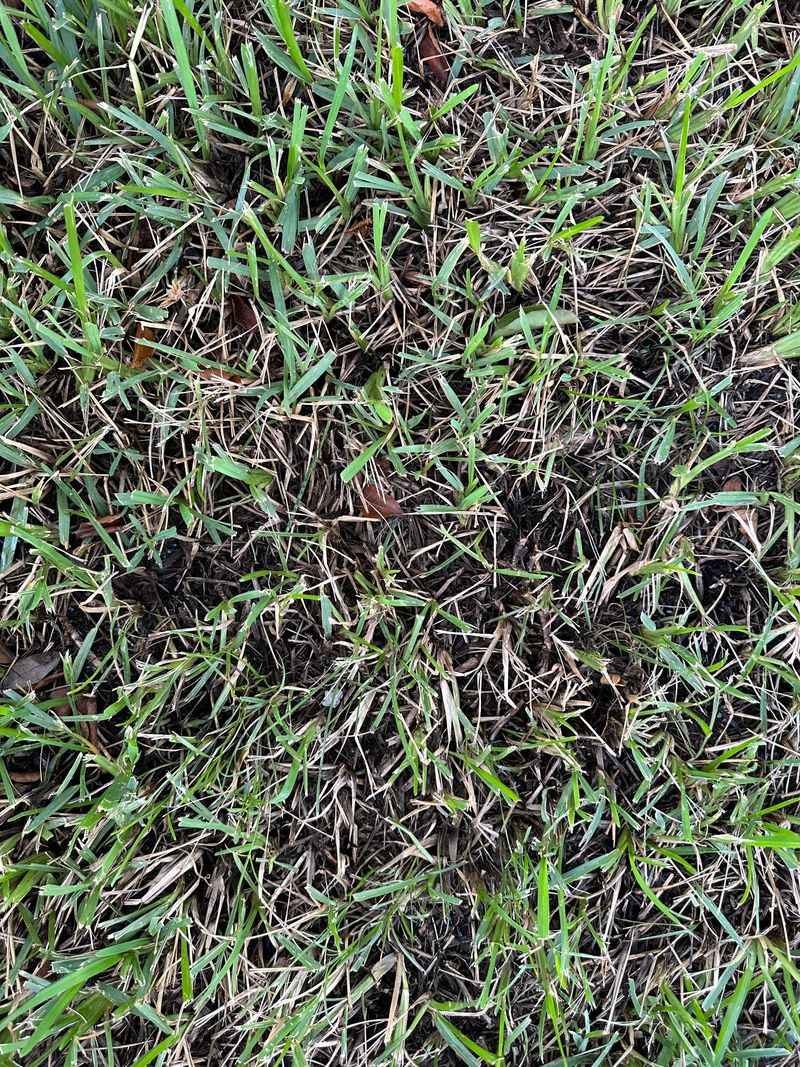
Kneel down close, and something odd suddenly appears on the blades themselves. Tiny marks, smaller than a grain of rice, quietly dot the leaves like freckles.
Those little specks are clues, and your grass has been leaving them there on purpose. Apparently your lawn has been quietly writing a secret diary all summer long.
Gray Leaf Spot Is The Culprit Behind Those Tiny Marks
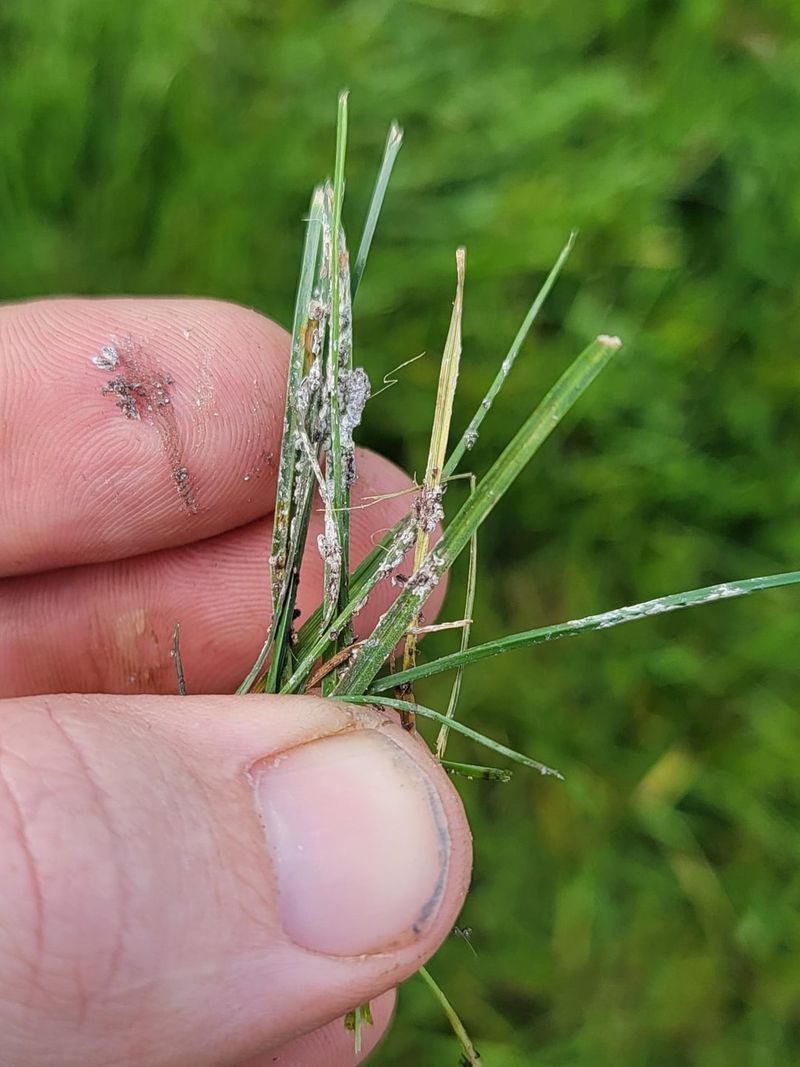
Grab a magnifying glass and look closely at one of those spotty blades. You will likely see small oval marks with gray centers and dark brown edges.
Those marks point to gray leaf spot, a fungal disease caused by Pyricularia grisea. It loves St. Augustine grass more than almost any other Florida turf.
Early spots look like tiny pinpricks, often olive green or brown in color. Within days they stretch into diamond shapes that can reach a quarter inch long.
On humid mornings, the gray centers may look fuzzy or velvety. That fuzz is actually millions of spores getting ready to hitch a ride elsewhere.
Wind, rain splash, mowers, and even your shoes can carry those spores across the yard. One infected patch can become a dozen within a week or two.
As spots multiply, the blades twist, yellow, and shrivel from the tip down. From the street, the lawn looks scorched, as if it missed several waterings.
Many homeowners respond by watering more, which sadly makes things worse. Checking the blades first saves money, time, water, and plenty of weekend frustration.
Fun fact: a close cousin of this fungus causes rice blast, a major crop disease in Asia. Your front yard is basically hosting an uninvited fungal guest.
Snap a clear photo of a spotted blade in bright light. Your county extension office can confirm the diagnosis, often for free or a small fee.
Warm Wet Nights Of Late Summer Fuel The Fungus
Picture a fungus reading the Florida weather forecast and grinning. Late summer hands it everything on its wish list, all at once.
Gray leaf spot thrives when daytime temperatures sit between 80 and 90 degrees. Nights that stay above 70 degrees keep the party going until sunrise.
Moisture is the other key ingredient. Blades that stay wet for twelve hours or more give spores plenty of time to sprout and invade.
September delivers afternoon thunderstorms, heavy dew, and sticky air that barely moves. Leaves might stay damp from evening rain straight through the next morning.
Tropical storms add even more water, sometimes dumping inches in a single day. Soggy soil stresses roots, leaving the grass weaker against infection.
Your Florida Garden Changes Every Week. Your Plan Should Too.
Gardening in Florida changes quickly throughout the season. Every Friday you’ll receive a simple weekly plan showing exactly what to plant, prune, fertilize, harvest, and protect so you never miss the right timing.
Shady yards suffer the most because sunlight dries blades slowly there. Spots near fences, oak trees, or the north side of the house often show up first.
New sod and freshly plugged areas are especially tender this time of year. Their young roots have not settled in, so every stress hits harder.
The good news is that relief usually arrives with October. Cooler nights and lower humidity slow the fungus down in most parts of the state.
Until then, think of September as peak season for spots. Keeping an eye on the lawn each week helps you catch trouble while it is still small.
A quick morning stroll with coffee in hand works perfectly. Look at blades near shady corners, since they often tell the story first.
Too Much Nitrogen Is The Classic Misstep
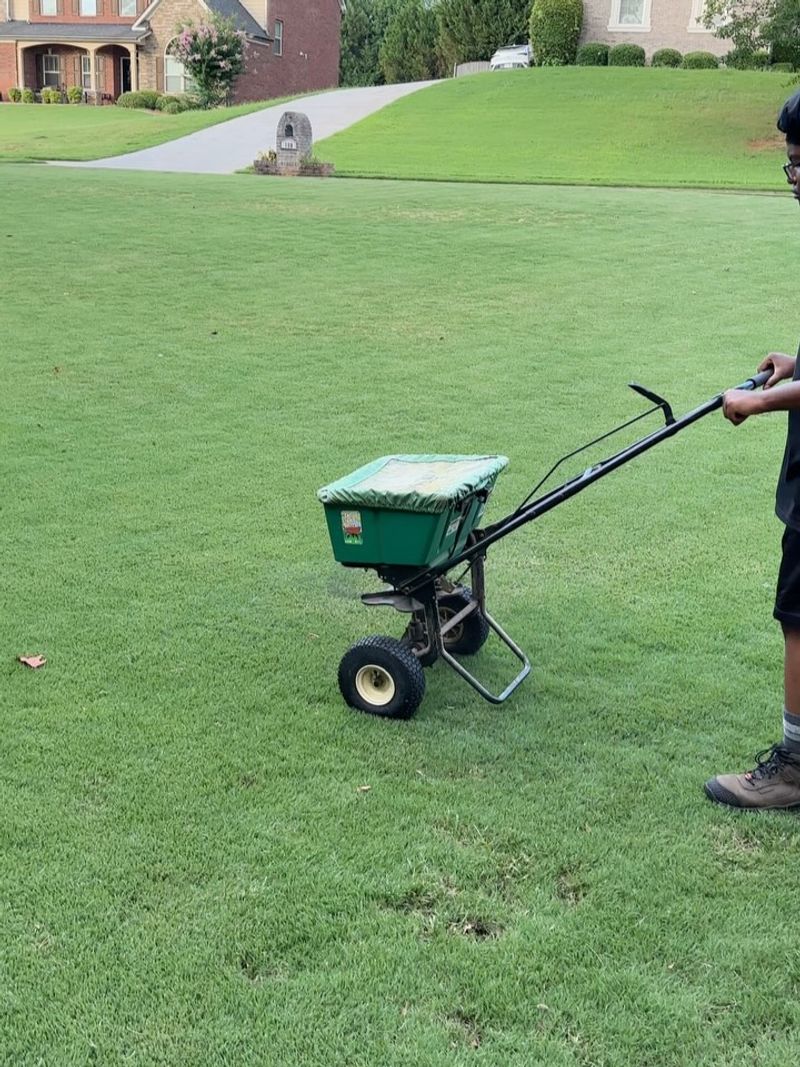
Here is a tough truth many Florida homeowners learn the hard way. That extra bag of fertilizer in late summer can backfire badly.
Quick-release nitrogen pushes out soft, juicy new blades almost overnight. Those tender leaves are like an open buffet for gray leaf spot spores.
University of Florida research has linked heavy summer nitrogen to much worse flare-ups on St. Augustine grass. More green today can mean more brown next week.
Many people see thinning turf and assume it is hungry. They feed it more, and the fungus happily takes the invitation.
Watering habits add to the problem. Evening sprinkler cycles leave blades wet all night, exactly when spores are most active.
Mowing too short creates another opening for trouble. St. Augustine likes to stay about three and a half to four inches tall.
Scalped grass has less leaf area to make food, so it struggles to recover on its own. Dull mower blades also tear tips, leaving rough cuts for spores.
Herbicides like atrazine can stress the lawn further during hot weather. Spraying weeds in September may weaken grass that is already struggling.
Many local rules also limit fertilizer in summer rainy months. Some Florida counties ban nitrogen applications from June through September to protect waterways.
If a fertilizer bag is calling your name, wait it out. Slow-release products in fall or spring are much kinder to struggling grass.
Patience feels strange when the lawn looks rough. Still, holding back is one of the smartest moves you can make right now.
Smart Watering Plus The Right Fungicide
Gray leaf spot is very manageable once you know the playbook. A few simple changes can slow it down within days.
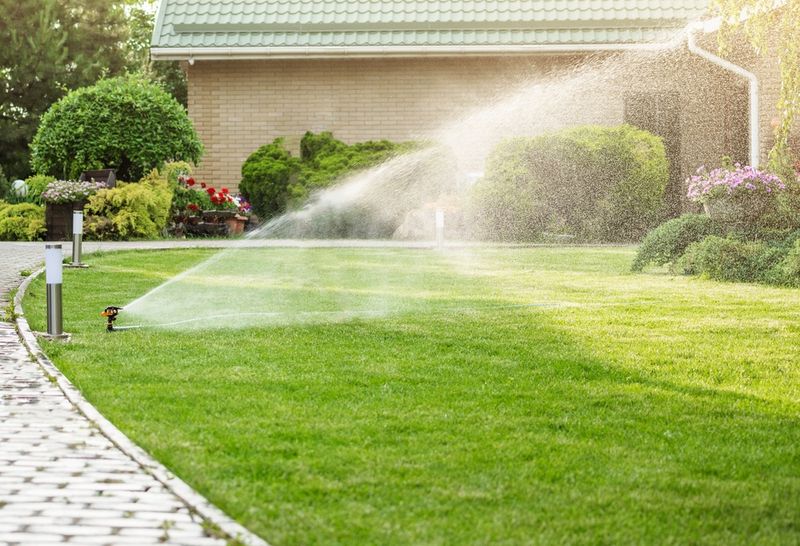
Start with the sprinkler timer. Water between 4 and 8 a.m., so blades dry quickly once the sun comes up.
Give the lawn about three quarters of an inch per session. Water only when blades fold in half or footprints linger on the grass.
Skip the sprinkler after a big thunderstorm soaks the yard. A cheap rain gauge helps you track exactly how much fell.
Next, raise the mower deck and sharpen the blade. Bag clippings from infected areas so spores do not spread across healthy grass.
Rinse the mower deck when you finish, especially before moving to a neighbor’s yard. Clean tools stop you from carrying spores down the street.
For stubborn cases, fungicides can help protect new growth. Look for active ingredients like azoxystrobin, thiophanate-methyl, or propiconazole on the label.
Fungicides do not erase existing spots, but they guard fresh blades from infection. Most need a second application about 14 to 21 days later.
Follow label directions carefully, including protective gloves and rates. Rotating between different chemical groups helps keep the fungus from building resistance.
Potassium can lend a helping hand too. A light potassium feeding strengthens cell walls, making blades tougher for spores to break through.
Think of it as giving the grass extra resilience. Pair it with smart watering, and your turf gets a real shot at bouncing back.
A Lawn That Bounces Back Fast
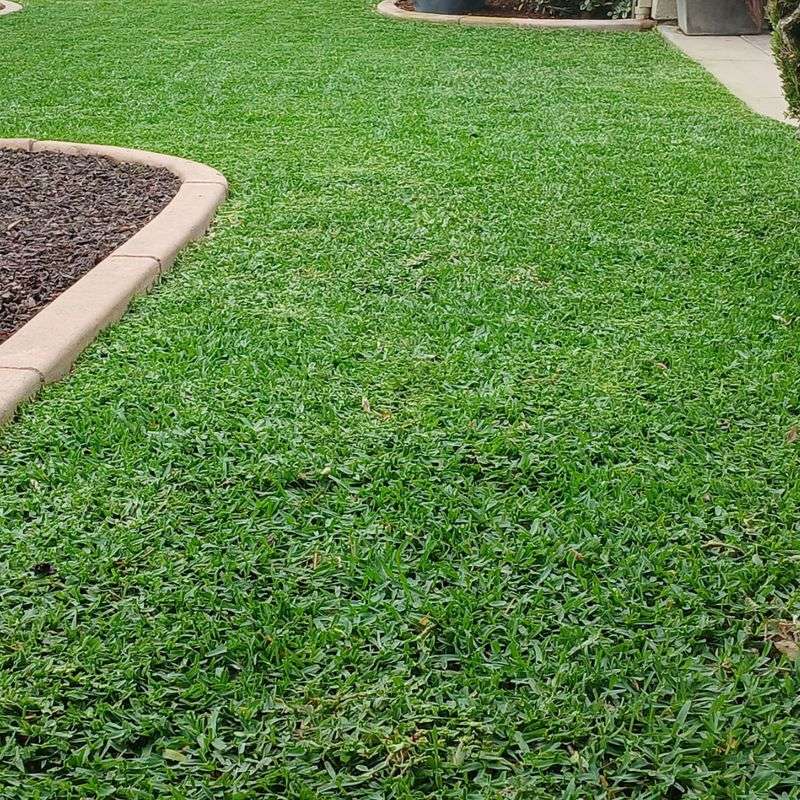
Imagine walking outside on a cool October morning and spotting fresh green runners. That moment is closer than it might seem right now.
St. Augustine spreads through above-ground stems called stolons. Even when blades look rough, healthy stolons can push out brand new leaves.
Once nights cool below 70 degrees, gray leaf spot usually slows down on its own. Humidity drops, blades dry faster, and spores lose their favorite conditions.
Recovery often starts within two to four weeks after weather shifts. Damaged blades get mowed off, and clean ones take their place.
Gently tug on a thin area to check the stolons. Firm, white, or green stems mean the grass is ready to rebound.
Brown, mushy stems may point to another issue like root rot or chinch bugs. In that case, a closer look or expert help makes sense.
Patches larger than a dinner plate may fill in slowly as winter approaches. Plugs or small pieces of sod can speed things along in stubborn spots.
Keep new plugs moist but not soggy for the first couple of weeks. Morning watering still matters, even as the weather turns friendlier.
By spring, many yards look like nothing ever happened. Grass that survived a rough September often comes back thicker and more even.
Some homeowners even say the scare made them better lawn keepers. A few spots became a crash course in reading what grass needs.
Take a photo every week during recovery. Watching the progress side by side feels surprisingly rewarding, like a slow-motion makeover show.
Year-Round Habits That Keep The Spots Away
Old Florida gardeners like to say the best cure starts in spring. With gray leaf spot, that advice fits perfectly.
Feed the lawn with slow-release nitrogen in spring and fall instead of midsummer. Follow your county rules, since many restrict summer fertilizing.
Soil testing takes the guesswork out of feeding. Your county extension office can analyze a sample and suggest the right nutrients.
Keep watering to early mornings throughout the whole year. Grass that is watered deeply but less often grows deeper, sturdier roots.
Trim tree branches that cast heavy shade over the lawn. More sunlight and airflow help blades dry faster after storms and heavy dew.
Think about your grass variety when replacing sod. Some St. Augustine cultivars, like Palmetto and CitraBlue, handle disease pressure better than others.
Older Floratam lawns are popular but can be quite prone to gray leaf spot in shade. Swapping a shady strip for a tougher cultivar may save headaches.
Mark your calendar for a weekly lawn walk starting in August. Catching the first tiny spots early makes treatment easier and cheaper.
Keep mower blades sharp and set high all season long. Clean tools after each use to cut down on spreading spores.
None of these habits take much time once they become routine. They simply give your grass fewer weak spots for trouble to find.
Next September, those freckled blades might be a thing of the past. Your lawn will thank you with a lush, green welcome mat instead.