The Delaware Lawn Job Homeowners Postpone Until The Window Closes
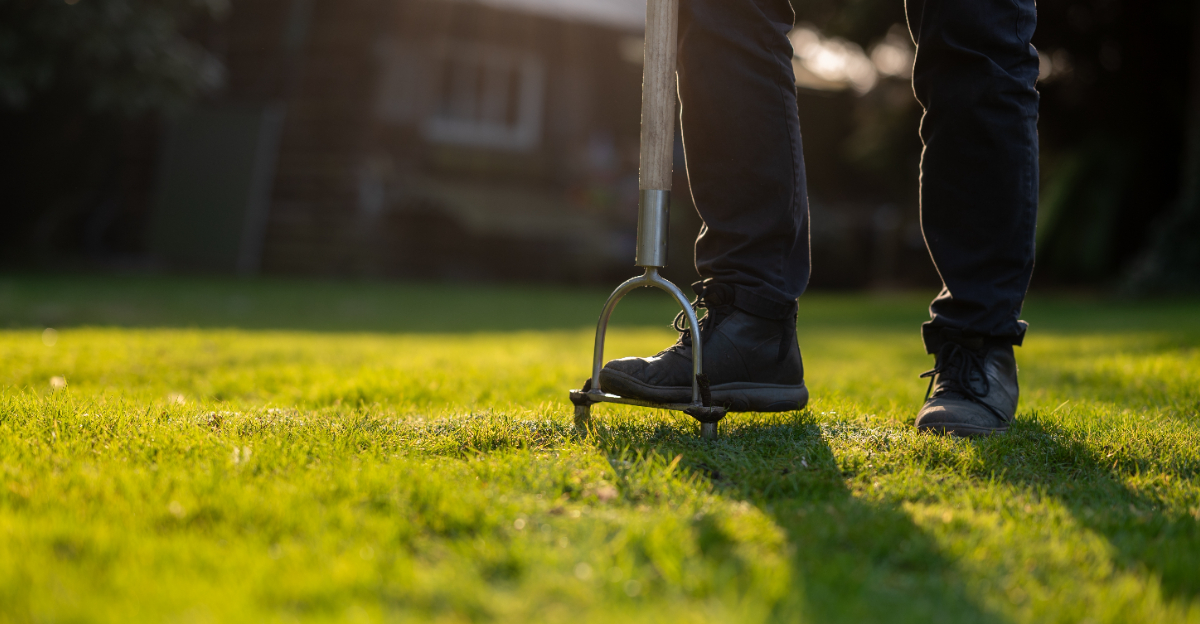
Your lawn is losing ground beneath your feet, and you likely won’t notice until spring exposes the damage. Weeks matter more than you think right now, and this window shuts faster than most Delaware homeowners expect.
You have roughly a month before the ground cools too much for roots to take hold. Delaware swings hard between scorching summers and frozen winters, leaving your grass thin and stressed by the time fall settles in.
Waiting until the weather feels convenient means watching your best shot disappear without warning. Thick, healthy turf never forms if your soil keeps shedding water instead of absorbing it.
Everything moves forward inside this narrow stretch of weeks, whether your lawn does or not. Nothing pauses for you, and neither should your plans.
Every day you wait narrows your options, and what comes next decides whether your yard thrives or falls further behind.
Core Aeration Works Best While Soil Is Still Warm And Actively Growing
Soil temperature is everything. Core aeration on Delaware lawns is most effective when ground temps sit between 50 and 65 degrees Fahrenheit.
That window typically runs from mid-September through mid-October in most parts of the state. Miss it, and the grass roots won’t have enough growing time to recover and fill in bare spots.
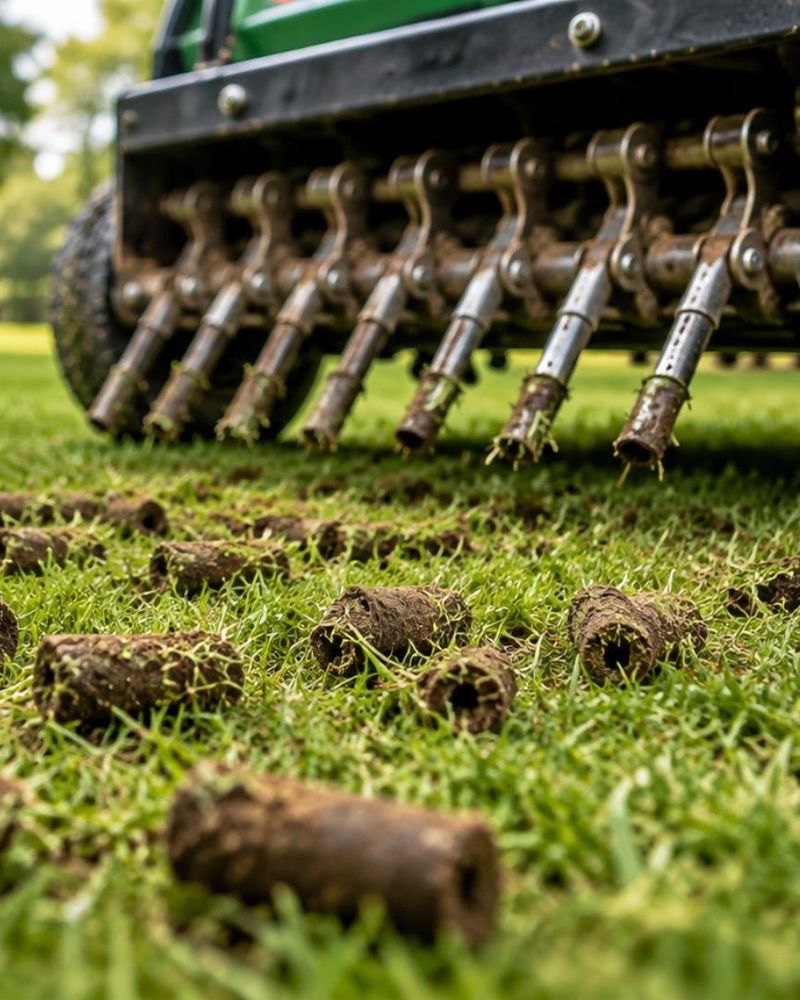
A lawn aerator punches hollow tines into the ground, pulling out small plugs of compacted earth. Those holes open up pathways for air, water, and nutrients to reach root zones that have been starved all summer.
Cool-season grasses like tall fescue and Kentucky bluegrass are the dominant turf types across the state. These grasses hit their peak growth phase in fall, which is exactly why aeration works so well right now.
Roots grow aggressively during this stretch, pushing deep before winter arrives. Giving them open channels to expand into is like clearing traffic on a highway.
Warm soil also keeps microbial activity high. Those microbes break down the pulled plugs and return organic matter back to the surface, which improves your lawn’s overall health over time.
Waiting until November feels like playing it safe, but it’s actually a gamble. Grass that gets aerated too late struggles to knit back together before frost locks everything down.
Getting this job done during that mid-September to mid-October window matters more than any other step in the process. Your grass will spend winter building the root system it needs to come back strong in spring.
How To Tell If Delaware Soil Is Compacted Enough To Need It
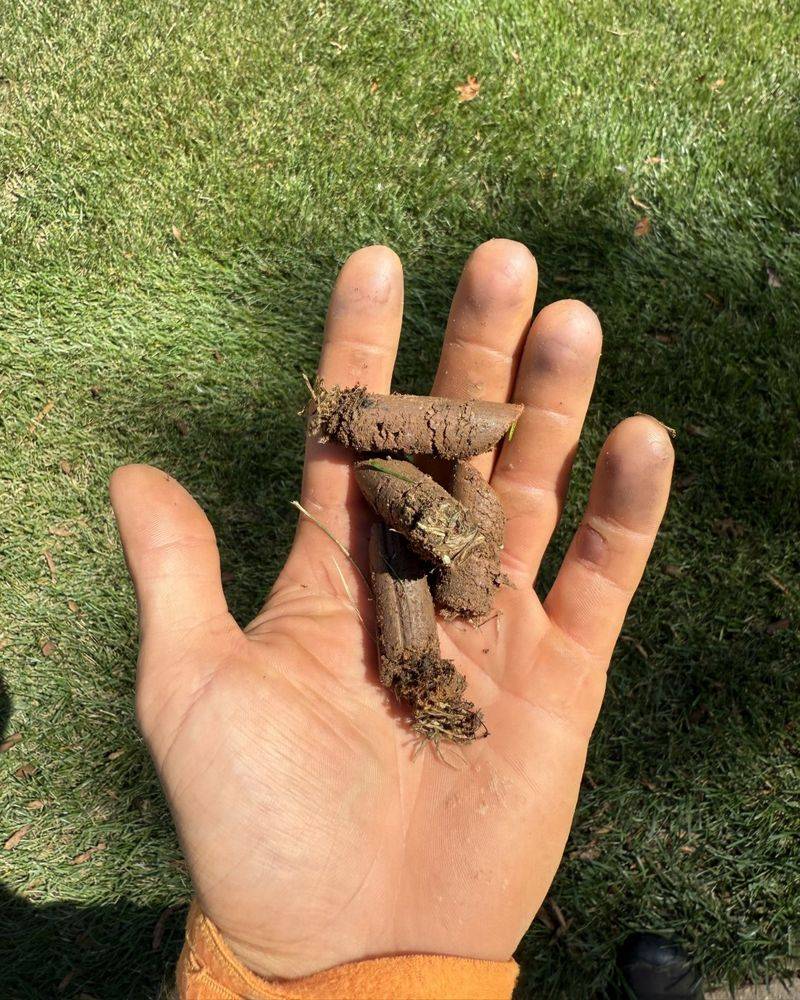
Your lawn is sending signals, and most homeowners just aren’t reading them. Puddles that hang around after rain are a classic sign of compacted soil underneath.
Water can’t penetrate compressed ground fast enough, so it pools on top and either evaporates or runs off. That means your grass roots are sitting in either a flood or a drought, depending on the day.
Try the screwdriver test right now. Push a standard flathead screwdriver into your lawn with just hand pressure.
Your Delaware Garden Changes Every Week. Your Plan Should Too.
Gardening in Delaware changes quickly throughout the season. Every Friday you’ll receive a simple weekly plan showing exactly what to plant, prune, fertilize, harvest, and protect so you never miss the right timing.
If it slides in six inches without much effort, your soil is in decent shape. If you’re leaning your whole body weight into it and barely getting two inches deep, you’ve got compaction problems worth fixing.
Heavy clay soil is common across much of the state, especially in New Castle and Kent counties. Clay packs down hard under foot traffic, mower weight, and repeated rain cycles.
Thin, patchy grass is another giveaway. Compacted ground suffocates roots, so even well-watered lawns look stressed and sparse when the soil underneath is packed tight.
Moss creeping into sunny spots is a subtle clue too. Moss thrives where grass struggles, and grass struggles most where soil is compacted and drainage is poor.
Checking these signs in early September gives you time to act before the aeration window closes. Catching compaction early is the difference between a lawn that bounces back and one that limps through another year.
Why Aeration And Overseeding Belong In The Same Weekend
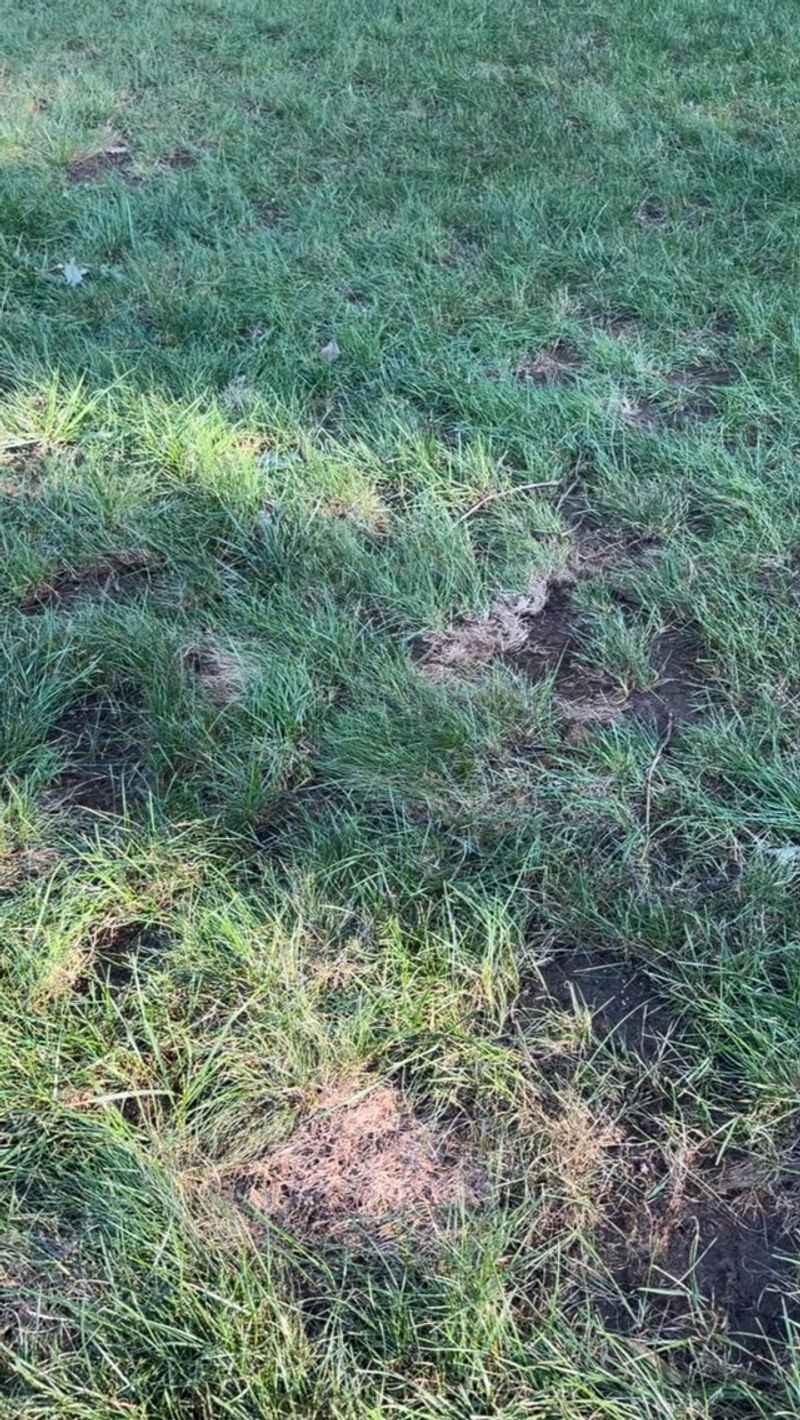
Doing aeration without overseeding is like opening a door and never walking through it. Those holes the aerator creates are perfect seed beds, and leaving them empty is a missed opportunity most lawns can’t afford.
Grass seed needs soil contact to germinate. When you broadcast seed right after aeration, kernels fall directly into the holes and press against moist earth.
That contact noticeably improves germination rates compared to tossing seed onto hard, dry surface turf. Seed that lands in an open hole has a real shot at rooting, while seed left on compacted ground mostly just sits there.
Timing both jobs in the same weekend keeps the process efficient. You rent or hire the aerator, do the whole lawn, then immediately follow with a broadcast spreader loaded with the right seed blend.
For Delaware lawns, a tall fescue blend with some perennial ryegrass mixed in performs well across most soil types. The ryegrass germinates fast and protects slower-growing fescue seedlings from washing away.
Moisture retention is another reason the combination works so well. Aerated soil holds water closer to the surface, keeping new seeds consistently damp during those critical first two weeks of germination.
Don’t let more than 24 hours pass between aerating and seeding. Wind dries out those open holes quickly, especially during warm fall afternoons.
Pairing these two tasks is what separates a lawn that bounces back fast from one that limps along all season, and the results speak loudly come spring.
The Order Of Operations That Gives Seed The Best Contact
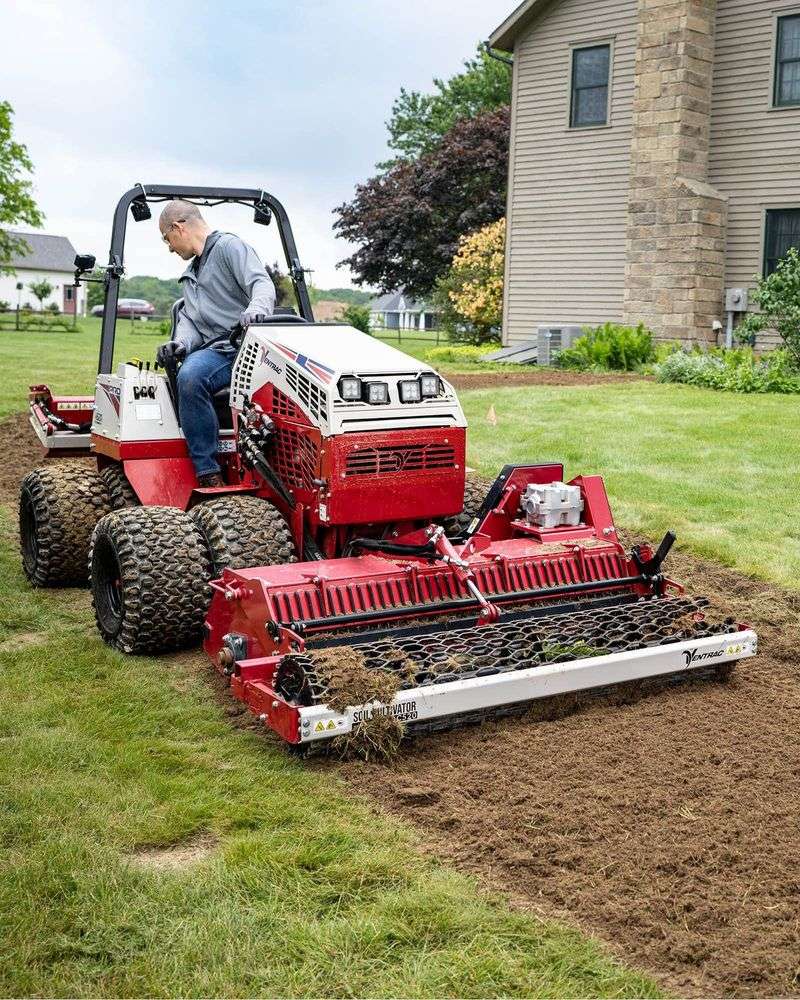
Sequence matters more than most people realize. Getting the steps in the wrong order can cut your results in half, even if you’re using quality seed and good equipment.
Start by mowing your lawn short, around two to two-and-a-half inches, before the aerator rolls through. Shorter grass means the tines reach the soil more accurately and pull cleaner plugs.
Next comes aeration. Make two passes over high-traffic zones like pathways, play areas, and spots near the driveway where soil takes the most abuse.
After aeration, resist the urge to rake up the plugs. Leave them in place for now, because they play an important role in the next step.
Spread your seed immediately after aerating. Use a broadcast spreader set to the recommended rate on the seed bag, usually between six and eight pounds per thousand square feet for overseeding.
Once seed is down, consider a light topdressing of compost or peat moss. A thin quarter-inch layer helps retain moisture and gives seeds an extra layer of protection from birds and wind.
Water the area lightly right after seeding. You want the top inch of soil consistently moist, not soaked, for the first two weeks.
Avoid heavy foot traffic on newly seeded areas for at least three weeks. New seedlings are fragile, and even one pass from a heavy boot can crush emerging growth.
Following this order gives your lawn the best possible shot at thick, even coverage before winter shuts everything down.
What To Do With The Soil Plugs Left Behind
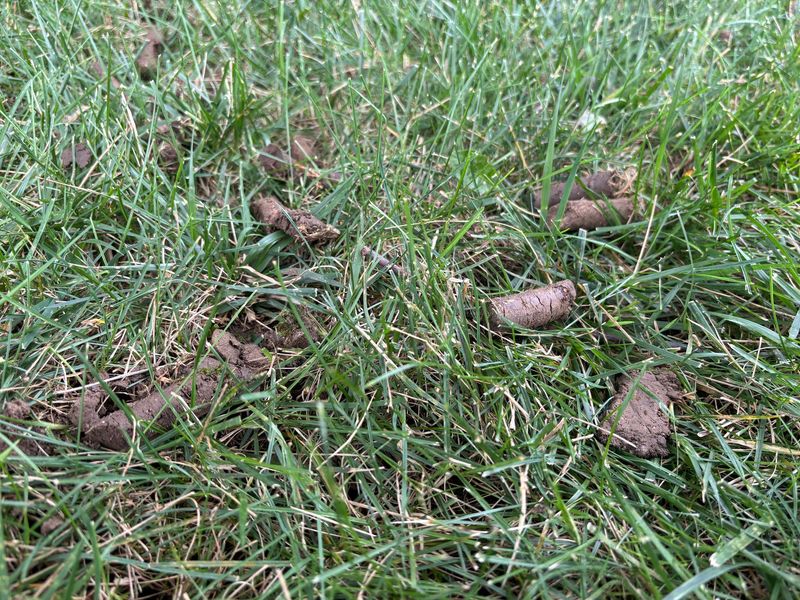
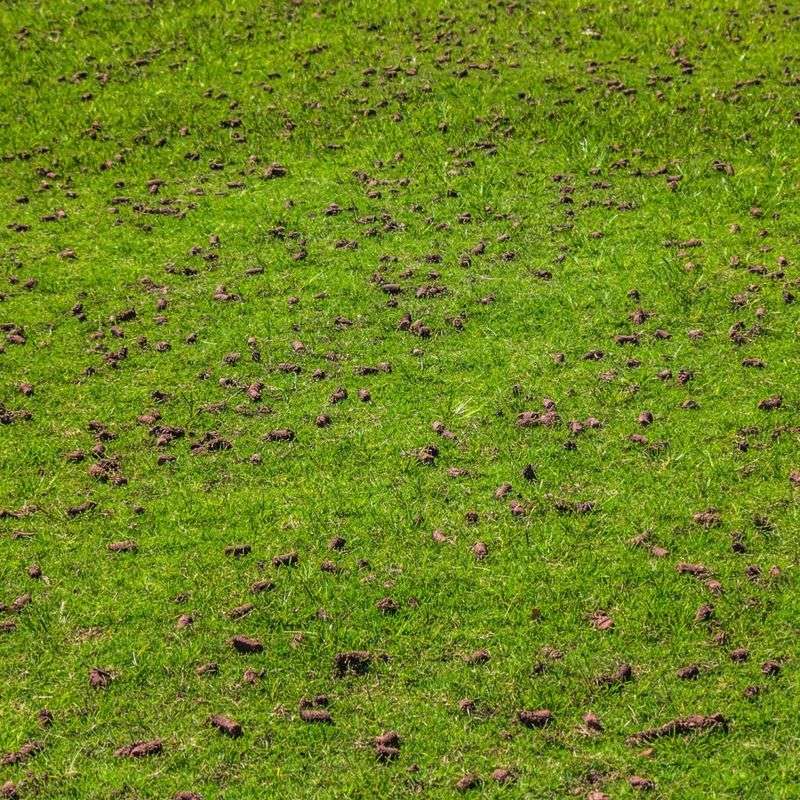
Those chunky brown cylinders sitting all over your lawn after aeration look like a mess. Most homeowners want to rake them up immediately, and that instinct is understandable but wrong.
Leave the plugs alone. Within one to two weeks of normal rain and mowing, they break down and filter back into the lawn naturally.
As they dissolve, those plugs return valuable organic matter and microbes directly to the soil surface. That breakdown process actually adds a thin layer of beneficial top-dressing without any extra effort or cost.
If the plugs bother you visually, wait at least a week before doing anything. Then run your mower over them on a dry day to speed up the breakdown process.
The mower chops the dried plugs into smaller pieces that settle into the turf faster. This works especially well on lawns with thatch buildup, since the plugs help reintroduce microbes that digest thatch from below.
Don’t bag your clippings after this step. Let the chopped plug material fall back into the lawn and do its work.
One thing to watch for is plugs landing on newly seeded areas. A heavy plug sitting directly on fresh seed can smother germination in that small spot.
Lightly scatter any plugs that land in dense clusters so they don’t block sunlight from reaching new seedlings. Small adjustments like this make the difference between a patchy result and a smooth, even lawn recovery.
The Fertilizer Timing That Follows Aeration In Delaware
Fertilizer applied right after aeration hits differently than fertilizer on an untouched lawn. Those open holes act like express lanes, carrying nutrients straight to the root zone instead of sitting on the surface.
For Delaware homeowners, the right product to reach for is a starter fertilizer with a higher phosphorus content. Phosphorus fuels root development in new seedlings, which is exactly what you need in the weeks following overseeding.
Look for a bag labeled something like 18-24-12 or similar ratios. The middle number represents phosphorus, and a higher value there signals a formula built for new growth.
Apply fertilizer within 48 hours of aerating and seeding. The soil is open, moist, and primed to absorb what you put down.
Avoid high-nitrogen fertilizers at this stage. Nitrogen pushes top growth fast, but fast top growth on new seedlings pulls energy away from root establishment, which is the opposite of what fall turf needs.
A second application of a balanced winterizer fertilizer around late October or early November rounds out the season. Winterizer products are higher in potassium, which strengthens cell walls and helps grass endure cold temperatures.
Don’t fertilize after the ground freezes. Nutrients applied to frozen ground rarely absorb into the soil, and they often wash away with rain or snowmelt.
Getting fertilizer timing right is the final piece of a plan that pays off every spring when neighbors start asking what your secret is.