What California Gardeners Should Never Put On Vegetables During A Heatwave (And Why It Backfires Fast)
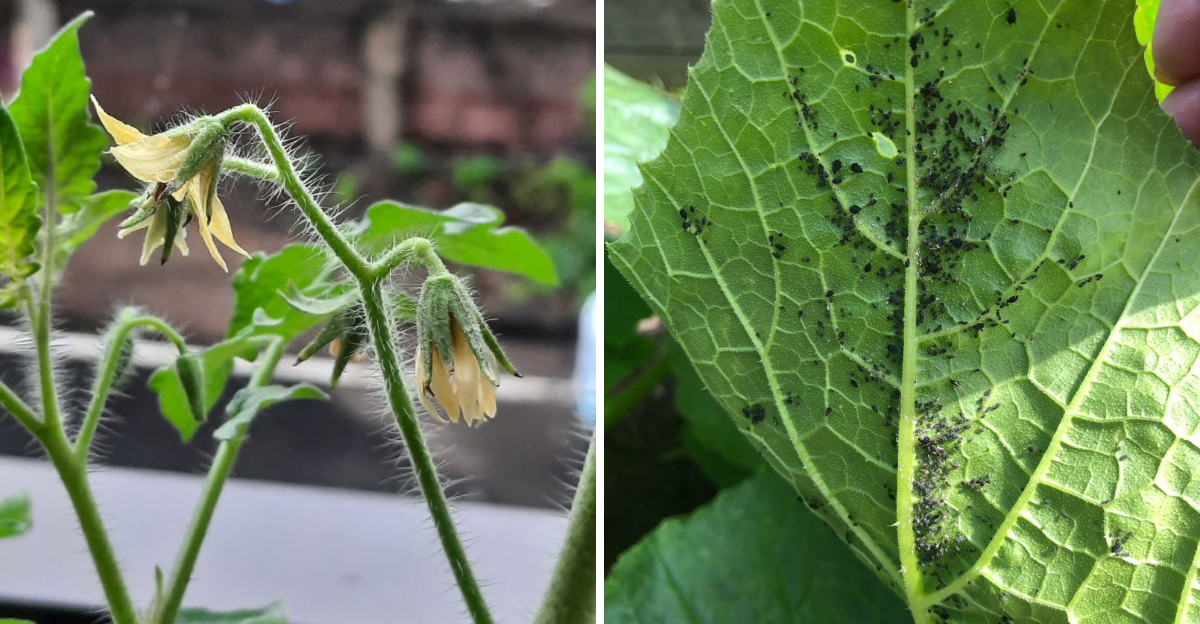
A California vegetable garden can look strangely fragile during a heatwave.
Tomato leaves droop by noon. Pepper blossoms disappear. Squash vines that looked vigorous a week earlier suddenly seem to spend the entire afternoon conserving energy.
That kind of stress makes gardeners want to intervene fast, and the most familiar response can feel almost impossible to question.
That is exactly where trouble starts.
One ordinary garden habit can turn a rough stretch of weather into a much harder recovery. It does not look reckless.
It often feels helpful, responsible, and perfectly timed. Yet under scorching conditions, the plant may respond in the opposite way a gardener expects.
The damage can begin below the soil before anything obvious appears above it.
So what turns a well-meaning summer rescue into another source of stress?
The answer has less to do with neglect than timing. During extreme heat, the smartest move may be resisting the urge to give struggling vegetables more of what usually helps them grow when conditions are far more forgiving.
1. Skip High Nitrogen During The Heatwave
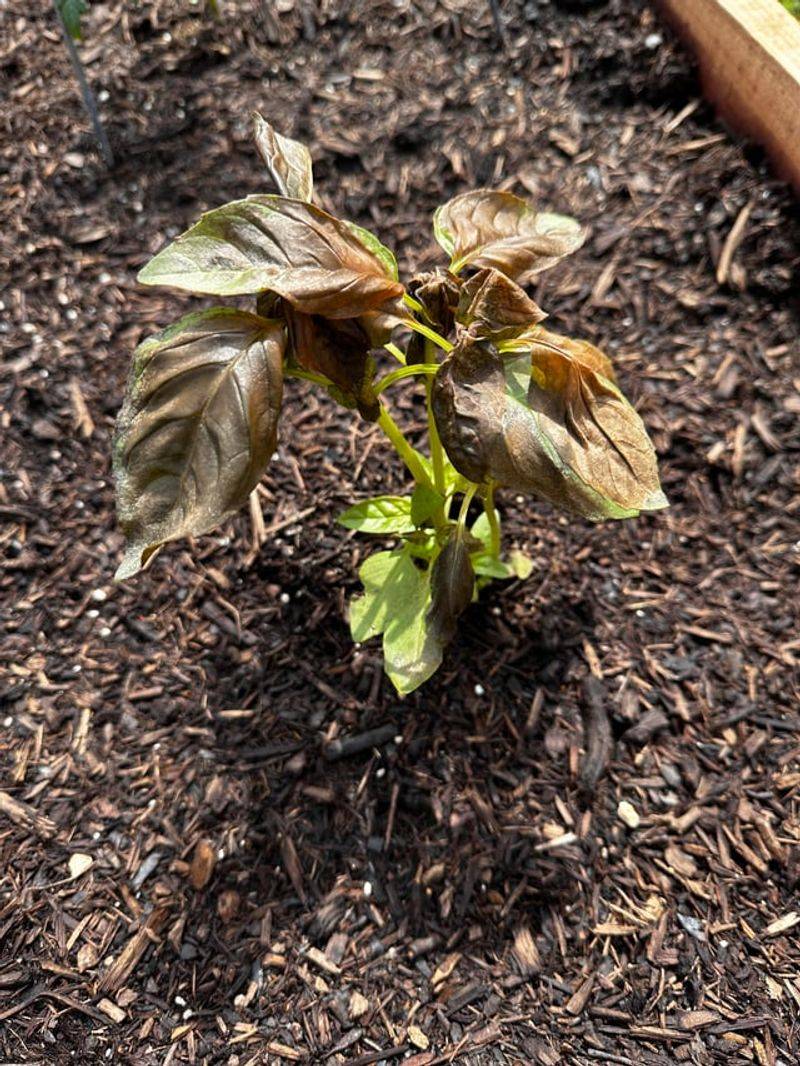
A drooping vegetable plant can look hungry when the real problem is heat.
During extreme temperatures, plants lose water faster, growth can slow, and tender new growth becomes harder to support.
Heavy nitrogen pushes the plant toward fresh leaves and shoots at the exact moment the existing canopy is already struggling to stay hydrated. Avoiding fertilizer before and during severe heat helps prevent that extra growth demand.
Fast-release products deserve the most caution.
They make nutrients available quickly, which can encourage a sudden flush of growth instead of helping the plant settle into survival mode.
That new tissue is soft, water-hungry, and more vulnerable to scorching. A tomato does not need to audition for a growth spurt while the afternoon temperature is trying to cook the mulch.
Keep the priority simple.
Water deeply enough to support the active root zone, mulch exposed soil, and provide temporary shade where crops are taking the hardest afternoon hit. Then watch how the plant behaves once temperatures ease.
A heatwave is temporary.
The fertilizer bag will still be there when the weather breaks and normal growth resumes. Waiting a few days is usually far less risky than asking a stressed plant to build new tissue while it is already spending most of its energy hanging onto the leaves and fruit it has.
2. Stop Pushing Tender New Growth
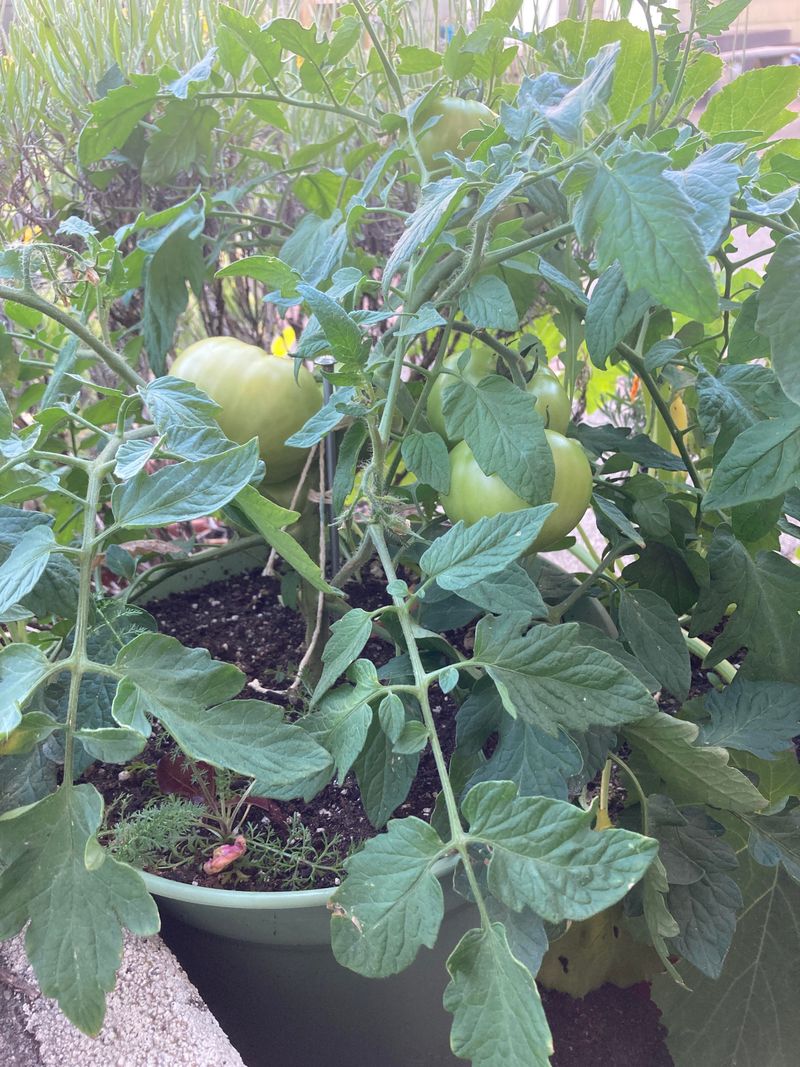
Fresh green shoots look like success during ordinary weather.
During a California heatwave, they can become extra mouths at the watering trough.
New leaves contain softer tissue and lose moisture readily, so a fertilizer-driven growth flush can raise the plant’s demand at a time when hot air is already pulling water from the canopy quickly.
Plants carrying lots of tender new growth are especially vulnerable during severe heat.
Established leaves have already done some hardening.
They are not invincible, but they are better prepared for sun, wind, and daily temperature swings than a burst of soft growth produced during stressful weather. Pushing more foliage also creates more surface area that the roots must keep supplied.
Your California Garden Changes Every Week. Your Plan Should Too.
Gardening in California changes quickly throughout the season. Every Friday you’ll receive a simple weekly plan showing exactly what to plant, prune, fertilize, harvest, and protect so you never miss the right timing.
Let tomatoes, peppers, squash, and cucumbers hold their current structure.
Do not mistake slower growth for a nutrient emergency. Heat alone can temporarily reduce growth, flowering, and fruit set. Once the weather becomes more favorable, healthy plants often resume activity without a dramatic intervention.
This is where restraint becomes productive garden work.
Keep roots evenly supplied with moisture, protect exposed fruit from sudden sun where practical, and avoid unnecessary pruning that removes useful shade from the canopy.
New growth can come later.
For now, the plant’s job is endurance. Asking it to produce a pile of tender leaves in punishing heat is like adding another room to the house while the air conditioner is already losing the argument.
3. Avoid Raising Water Demand In Peak Heat
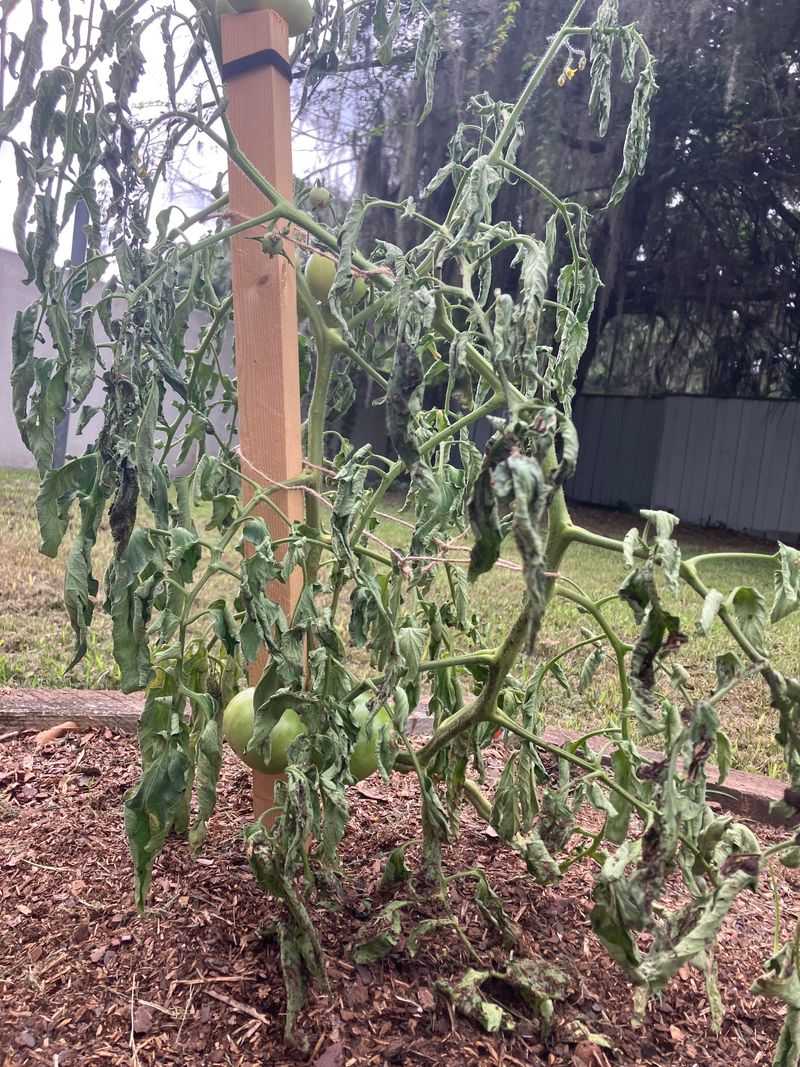
Heat changes the garden’s water math before fertilizer ever enters the picture.
As temperatures rise, evaporation and plant water loss increase. Roots must replace that moisture fast enough to keep leaves functioning.
A heavy nitrogen application can encourage additional foliage, which gives the plant more living tissue to support while the atmosphere is already demanding more water.
That trade becomes especially important in containers and sandy beds.
Small root zones dry quickly, and fast-draining soil holds less reserve between irrigation cycles. A bigger canopy created by aggressive feeding can turn a manageable watering routine into repeated wilting by late afternoon.
Do not solve that problem by flooding the bed.
Vegetable roots still need oxygen, and oversaturated soil during hot conditions can create another layer of stress. Supply enough water to refill the active root zone, then let drainage work rather than keeping the soil continuously soaked.
Mulch earns its keep here.
A moderate organic layer reduces evaporation from the soil surface and helps buffer root-zone temperature. Shade cloth can also reduce stress on crops taking the harshest afternoon sun.
The goal is not maximum growth during the heatwave.
It is keeping the existing plant hydrated without forcing extra demand. Once cooler weather returns, the same root system has a better chance to support renewed growth.
Until then, every unnecessary leaf is another little straw in the garden’s water glass.
4. Let Stressed Roots Recover Before Feeding
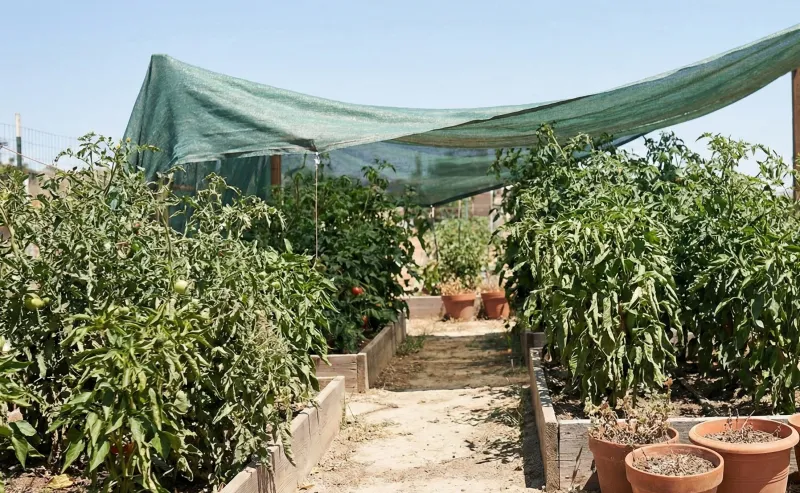
The part of the vegetable plant you cannot see deserves the most patience during extreme heat.
Roots are responsible for taking up water and dissolved nutrients, yet hot soil and repeated drying can reduce how efficiently that system works.
A heavy fertilizer application does not repair stressed roots. It adds more dissolved salts to the root zone while the plant is already struggling to maintain water balance. Fertilizer during extreme heat can increase stress rather than relieving it.
Dry soil makes that combination worse.
Fertilizer salts become more concentrated as moisture disappears, which can increase root stress. That is one reason aggressive feeding during a heatwave can backfire quickly instead of producing the green rebound gardeners expect.
Get moisture management under control first.
Water early enough for the root zone to recharge before peak afternoon heat. Check several inches below the surface rather than judging by dusty topsoil alone. Mulch can help keep that moisture from disappearing as quickly.
Avoid turning rescue watering into permanent saturation.
Roots need air after irrigation, so drainage still matters. A vegetable bed that stays swampy in hot weather can develop its own problems.
Wait for cooler conditions and visible recovery before returning to a regular feeding plan.
Firm leaves in the morning, resumed growth, and a root zone that cycles normally between moist and partly dry are better signals than the calendar.
Fertilizer works best when roots can actually use it. Until then, adding more is like stocking a pantry whose front door is temporarily jammed.
5. Protect Flowers And Fruit From Extra Stress
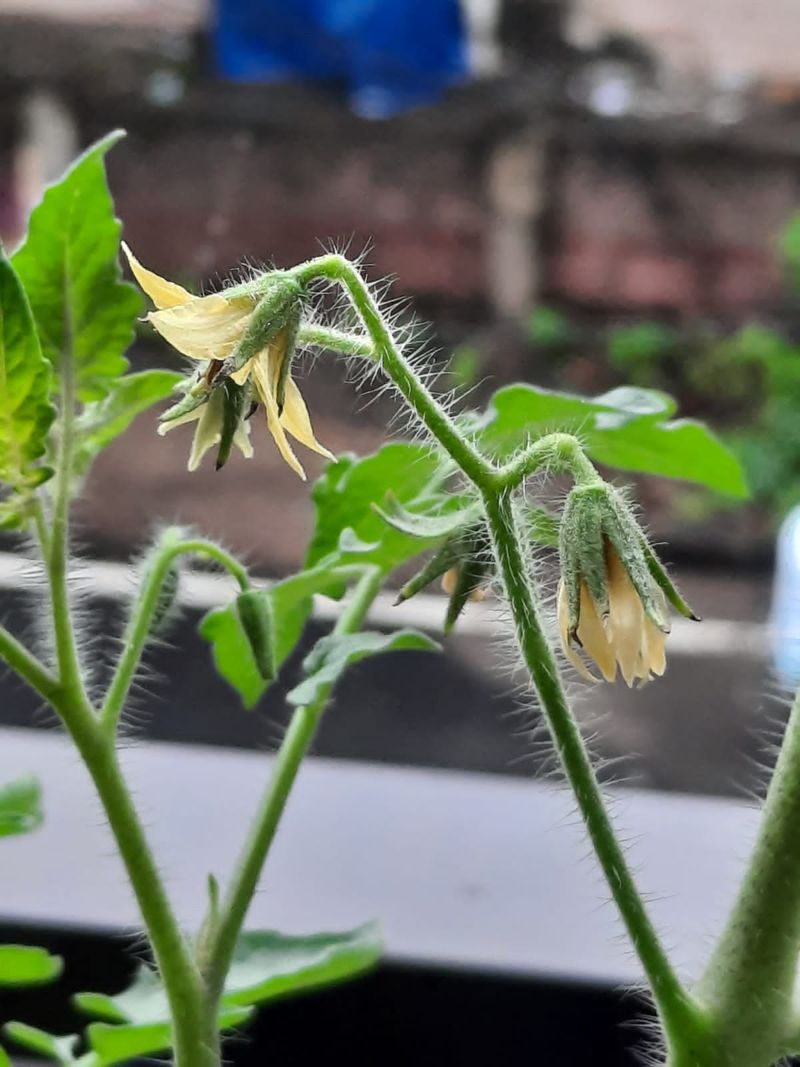
A tomato plant dropping blossoms in a heatwave is not necessarily asking for food.
High temperatures can interfere with flowering, pollination, and fruit set. Tomatoes commonly struggle once daytime heat climbs into the mid-90s, and peppers can also lose blossoms or set less fruit during prolonged heat.
Feeding harder does not override that temperature response.
Extra nitrogen can create the wrong kind of activity.
Instead of improving fruit set, too much nitrogen can shift growth toward foliage. Excess nitrogen is also associated with reduced fruit production and delayed maturity in fruiting plants.
That makes a heavy feeding especially poorly timed when flowers are already falling because of heat.
Protect what the plant already has.
Keep moisture consistent so developing fruit is not bouncing between drought and a sudden soak. Maintain enough foliage to shade fruit from intense sun, and use temporary shade where exposed plants are taking severe afternoon heat.
Do not strip leaves simply because they look tired.
A functioning canopy helps protect tomatoes and peppers from sunscald, and heavy pruning during a heatwave can leave fruit suddenly exposed.
The next flower cluster can wait for better weather.
Once temperatures moderate, pollen function and growth can improve, and the plant can return to reproductive work without being pushed.
During the heatwave, fertilizer is not a blossom repair kit. Stable moisture, shade, and patience do more useful work than a scoop of nitrogen trying to negotiate with the thermometer.
6. Stop Building An Aphid Buffet
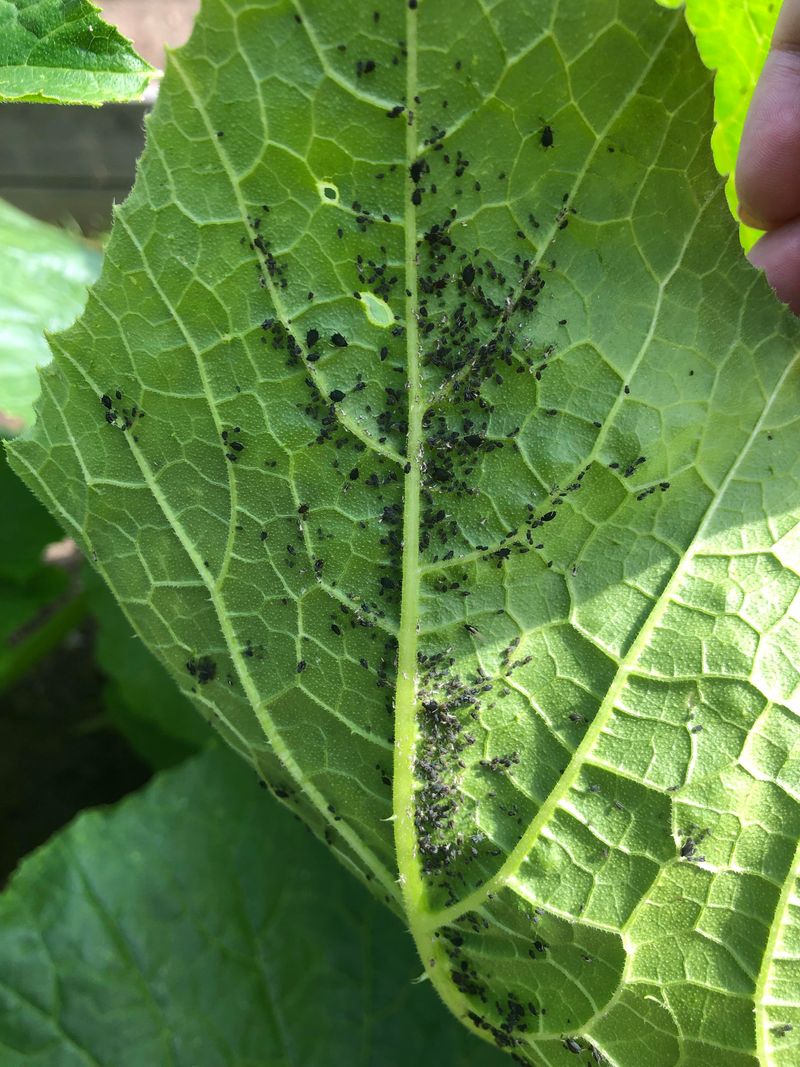
Aphids are very good at finding soft new plant tissue.
Excess nitrogen can produce succulent leaves and shoots, and high nitrogen levels are associated with larger aphid populations on many crops.
That does not mean one fertilizer application automatically creates an infestation. It means overfeeding can make the plant more attractive and easier for sap-feeding pests to use.
That is poor timing during a heatwave.
Vegetables are already balancing water loss, hot roots, flower stress, and intense sunlight. Adding a pest problem to that list turns one difficult week into a much longer recovery project.
Keep nitrogen moderate rather than chasing dark green foliage.
A plant does not need to look like a tropical jungle to be productive. Excessive vegetative growth can also shade crowded interiors, reduce airflow, and make pest inspection harder.
Check tender tips and leaf undersides regularly.
A small aphid colony is easier to handle than a canopy full of curled leaves and sticky honeydew. Strong water sprays can dislodge aphids from sturdy plants, while natural predators often help keep populations down.
Avoid broad pesticide use without a clear need.
The goal is to protect the garden’s balance rather than replacing one stress with another.
During extreme heat, the simplest pest prevention may start with the fertilizer scoop. Do not manufacture a buffet of tender growth while the rest of the plant is trying to conserve resources.
7. Feed Lightly After The Heat Breaks
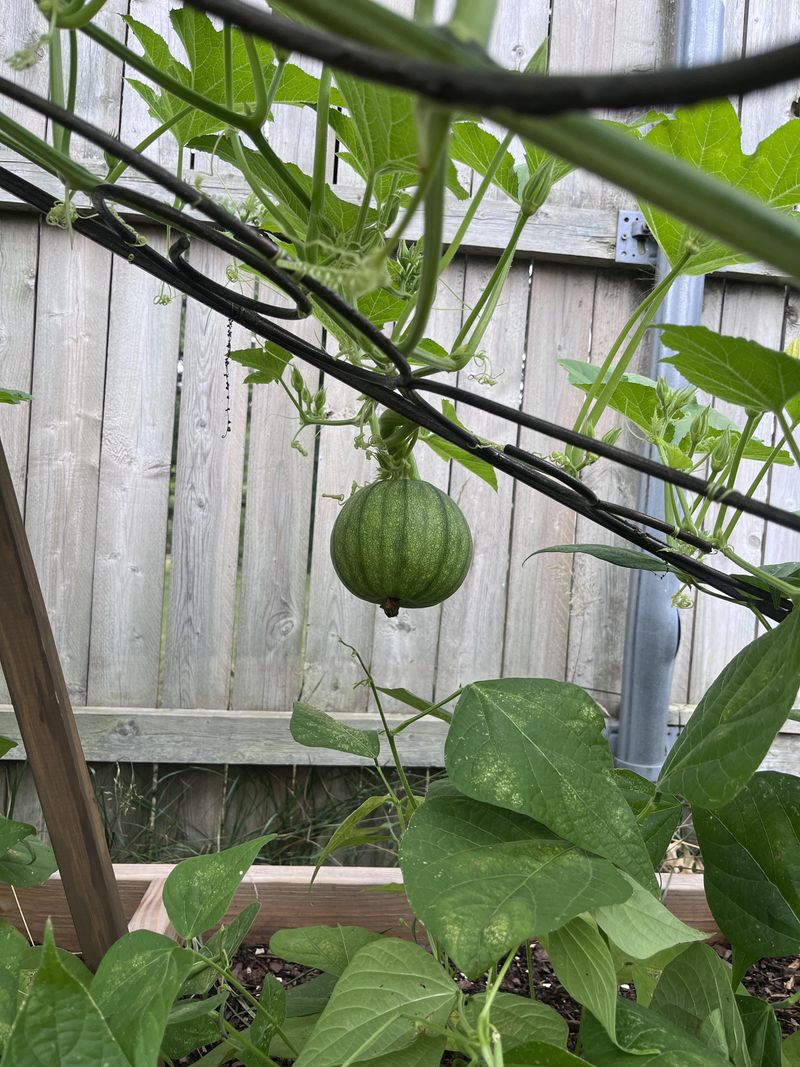
Cooler weather is the signal to reassess, not an invitation to empty the fertilizer bag.
A plant that spent several days under extreme heat may need time to resume normal growth. Heat-damaged plants can benefit from slow recovery followed by lighter feeding rather than an immediate return to a full fertilizer schedule.
Start with soil moisture.
The root zone should be moist enough for nutrients to dissolve and move through the soil, but not waterlogged.
Feeding bone-dry soil raises the risk of concentrated fertilizer salts around stressed roots, while feeding saturated soil adds little value when roots are short on oxygen.
Use the crop’s normal program as the ceiling.
A tomato already growing in fertile soil may need very little. A container vegetable with a limited volume of potting mix may need a small feeding sooner because nutrients wash out more readily.
The point is to restart nutrition according to actual need, not according to how dramatic the heatwave looked.
Watch new growth for several days.
Fresh leaves, resumed flowering, and normal morning turgor are better signs of recovery than one cooler afternoon.
Then return gradually to the regular routine.
A light, appropriately timed application is easier for recovering roots to handle than a sudden concentrated dose.
The thermometer does not need a farewell party. Let the plant prove it is ready to grow again before fertilizer gets invited back into the garden.
8. Match Fertilizer To The Crop And Soil
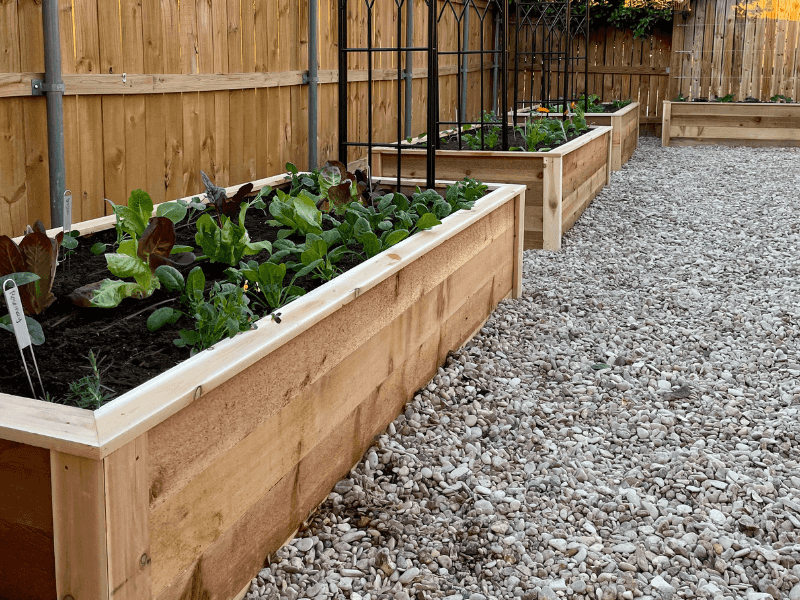
The safest fertilizer amount is not the same for every vegetable or every California garden.
Tomatoes, squash, peppers, leafy greens, and container crops use nutrients differently. Soil texture changes the picture too.
Sandy ground loses water and dissolved nutrients faster, while heavier soil can hold both longer. A blanket feeding routine ignores those differences before heat stress even enters the equation.
Start with what the plant is actually doing.
A vigorous tomato with dark green foliage does not need extra nitrogen simply because the temperature climbed. Excess nitrogen can create overly succulent growth, reduce fruiting, and delay maturity.
Containers deserve extra caution.
Their root zones heat rapidly and hold a limited amount of water. Fertilizer salts can become concentrated faster in a pot than in a broad garden bed, especially after repeated drying. Smaller, measured applications make more sense than one heavy dose.
Use label rates as limits, not challenges.
More product does not produce faster recovery, and doubling a dose can turn a nutritional input into another source of stress.
Once the weather settles, resume feeding according to the crop, soil, and growth stage.
That approach is less dramatic than tossing the same scoop across every bed, but vegetables are not ordering from one fixed menu. The right amount depends on who is eating and how well the roots can handle dinner.