Why Some Delaware Corn Fields Are Quietly Falling Short This Season
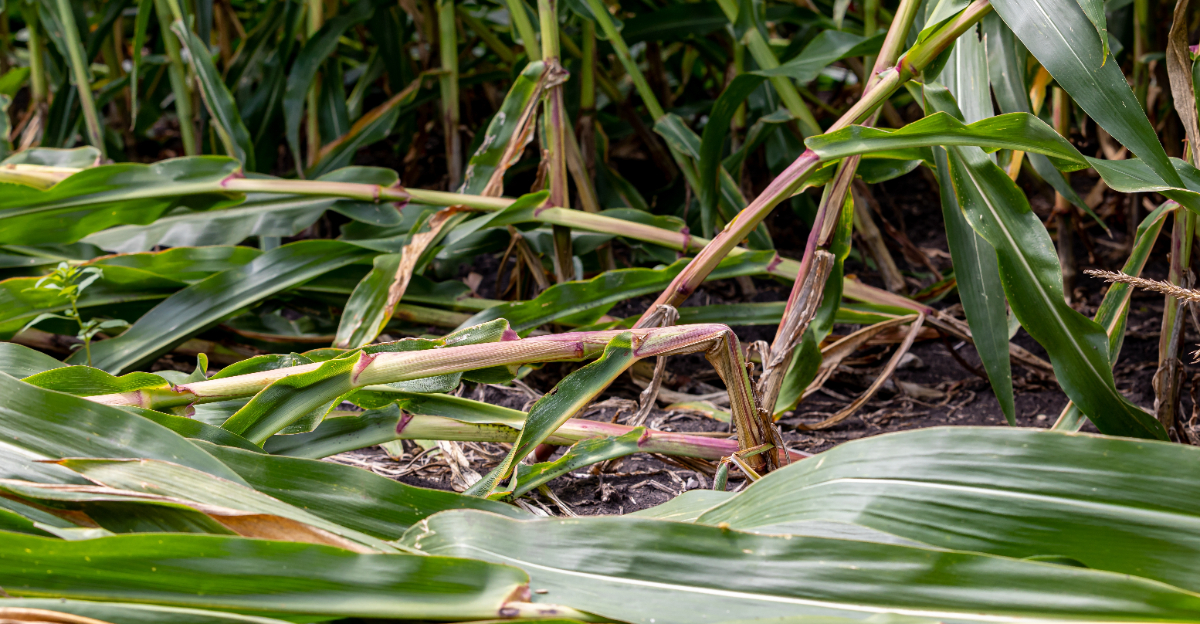
Your cornfields look calm, but calm can mislead. Beneath the surface, Delaware’s soil is quietly slipping. Stalks stand tall while your roots struggle underneath. Pests move where you cannot see them.
Nutrients disappear before you notice the shift. Weather swings challenge fields you thought were safe. Yields drop even when everything looks right. Farmers across Delaware are asking the same question.
Answers hide in details most growers overlook. Timing matters more than you have been told. Small mistakes compound into significant, costly losses. Every acre tells a different, urgent story.
Overlooking these signs affects your bottom line. Nothing about this season feels ordinary to you. Drainage issues linger longer than most growers realize. Insects thrive quietly while your attention stays elsewhere.
Disease pressure builds fast under the wrong conditions. Reports on paper rarely match what your fields reveal. Guesswork replaces good judgment when problems compound. You have no choice now.
1. Nitrogen Deficiency Goes Undetected Early On
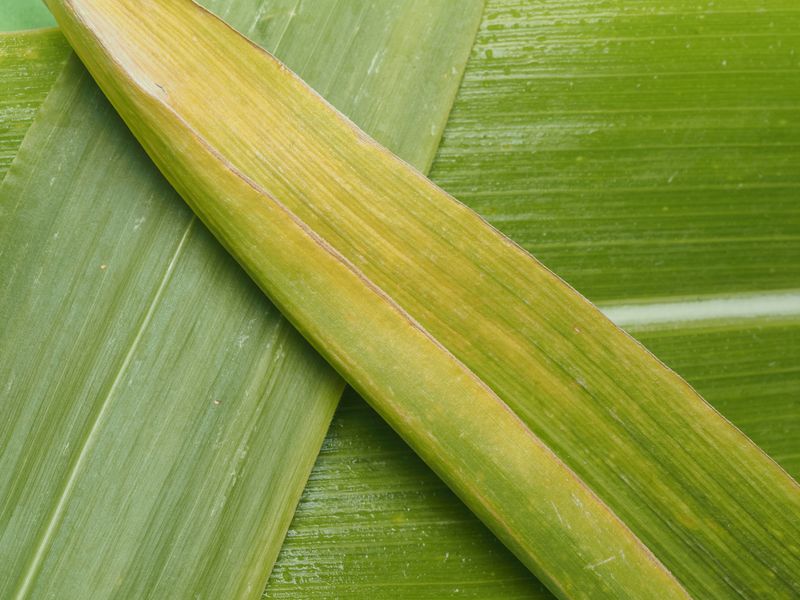
Corn requires a steady, adequate nitrogen supply. When that nutrient runs low, the plant starts sending distress signals that are easy to miss at first glance.
Early nitrogen deficiency shows up as a pale yellowing on older lower leaves. The yellowing creeps up the midrib of the leaf, forming a distinctive V-shape pattern growers sometimes mistake for normal aging.
By the time the upper leaves start fading, the crop has already lost valuable growing time. Catching this problem early means scouting fields regularly, not just driving past them on a county road.
Soil testing before planting season is the best defense a grower has. A simple test can reveal whether nitrogen levels are adequate or dangerously low before a single seed goes in the ground.
Some farmers rely on split applications, adding nitrogen in stages rather than all at once. That approach helps reduce leaching, especially after heavy spring rains that wash nutrients deeper than roots can reach.
Cover crops planted the previous fall can also help retain nitrogen in the soil profile. Legumes like clover fix atmospheric nitrogen and release it slowly as they break down over winter.
Foliar nitrogen sprays can offer a quick fix mid-season, but they are not a long-term solution. Addressing the root cause through better soil management keeps Delaware corn fields from quietly falling short year after year.
2. Compacted Soil Limits Root Development
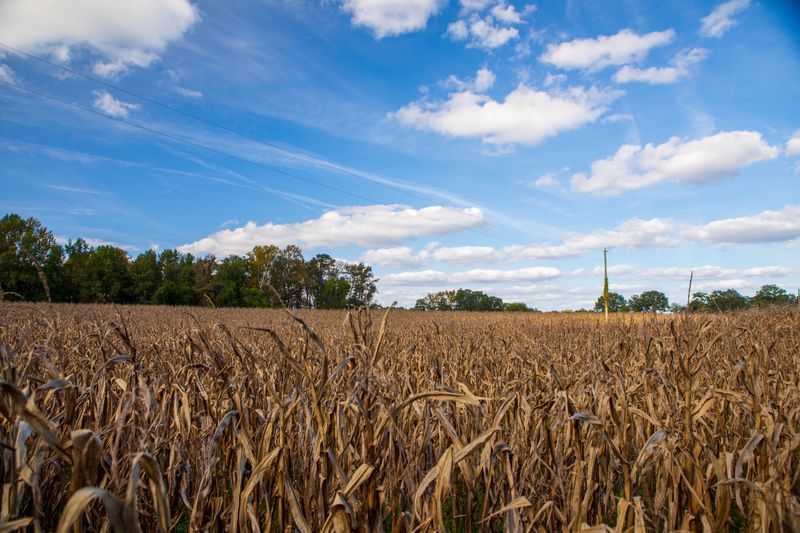
Compacted soil creates significant resistance for developing roots. Tight, dense ground stops roots from spreading out and reaching water and nutrients.
Compaction often happens gradually, built up over seasons of heavy equipment rolling across wet fields. A single pass with a loaded grain cart on soggy ground can compress soil layers for years.
Roots that hit a compaction layer simply stop growing downward. They curl sideways or bunch up near the surface, leaving the plant vulnerable during dry spells when deeper moisture matters most.
Corn with shallow roots cannot anchor itself well either. Strong summer storms can topple plants that might have stood firm in loose, well-structured soil.
Your Delaware Garden Changes Every Week. Your Plan Should Too.
Gardening in Delaware changes quickly throughout the season. Every Friday you’ll receive a simple weekly plan showing exactly what to plant, prune, fertilize, harvest, and protect so you never miss the right timing.
Tillage tools like subsoilers or deep rippers can break up hardpan layers that form below normal plow depth. Timing matters though, because tilling wet soil can actually make compaction worse.
Cover crops with deep taproots, like tillage radishes, help naturally fracture compacted zones over time. Their roots punch through tight layers and leave channels that future corn roots can follow.
Rotating equipment paths and using wider tires to distribute weight can reduce new compaction from forming. Small changes in field management now can protect soil structure for many seasons ahead, keeping yields where they belong.
3. Drought Stress Hits During Pollination
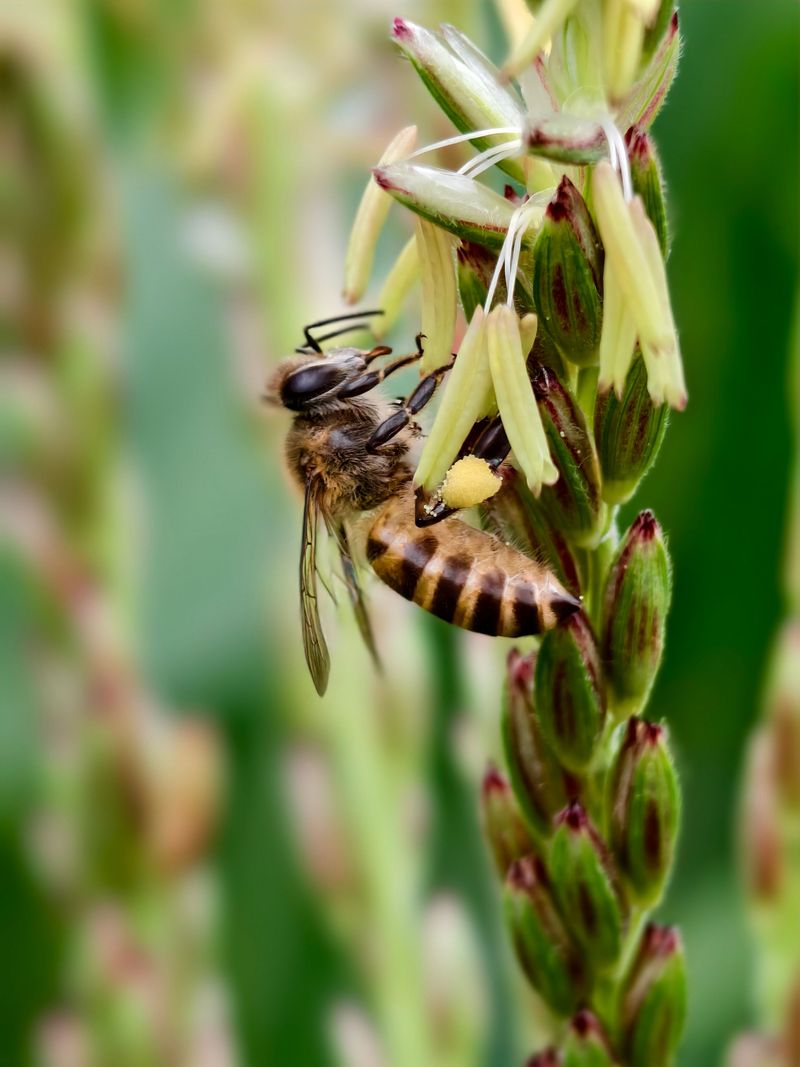
Timing is everything in corn production, and drought at the wrong moment can significantly reduce seasonal yield. The most critical window is pollination, when tassels release pollen and silks must catch it.
Heat and dry air during this two-week stretch can cause silks to dry out before pollen even reaches them. When that happens, kernels simply do not form, leaving cobs that look full but are mostly empty.
Drought stress also forces the plant to prioritize survival over reproduction. It pulls water from developing cobs to keep leaves alive, shrinking kernel size and reducing overall grain weight.
Summer heat in the region can spike quickly and sometimes outlast short-range forecasts. Watching weather patterns closely during the pollination window helps growers make smarter irrigation decisions before it is too late.
Irrigated fields have a clear advantage during dry summers, but many Delaware operations rely on rainfall alone. For those growers, choosing drought-tolerant hybrids before planting is one of the most effective risk-reduction strategies available.
Planting date also plays a role, since earlier planting can shift pollination into cooler June weather rather than peak July heat. A two-week shift in timing can sometimes mean the difference between a strong stand and a disappointing one.
Drought stress during pollination is one of the most easily overlooked yield losses in corn production. Quietly falling short this season, many fields show its effects only at harvest time.
4. Poor Drainage Limits Root Oxygen After Heavy Rain
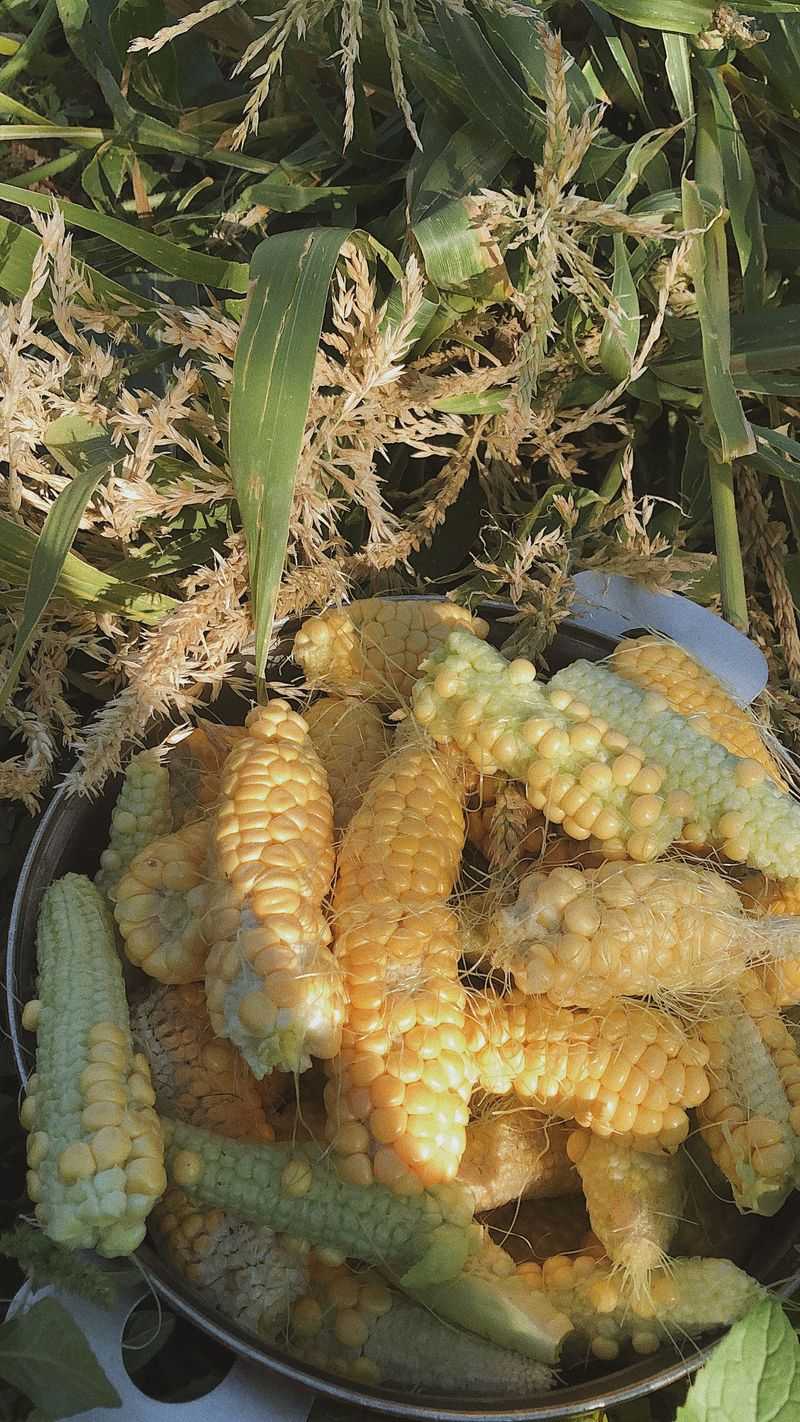
Too much water sounds like a luxury problem until you watch a promising corn stand decline in a flooded field. Poor drainage is one of the most frustrating and common causes of yield loss in low-lying Delaware farmland.
Corn roots need oxygen just as much as they need water. When soil pores fill completely with water, roots are deprived of oxygen within a short period, and the damage starts adding up fast.
Standing water after a heavy rain event can linger for days in fields with clay-heavy soils or blocked drainage outlets. Even after the water recedes, the root system may already be compromised.
Saturated soils also become breeding grounds for root rot pathogens like Pythium. These organisms thrive in wet conditions and infect weakened root tissue quickly, compounding the stress the plant is already facing.
Tile drainage systems are one of the most reliable long-term investments a grower can make. Properly installed drainage tiles move excess water off the field faster and protect roots during extended wet periods.
Surface grading and strategic field contouring can also redirect runoff before it pools. Growers who have mapped their field’s low spots can plan drainage improvements during the off-season when costs are lower.
Crop insurance can soften the financial blow of a flooded field, but it does not replace lost yield. Building better drainage infrastructure is the only real solution for fields that keep struggling season after season.
5. Nematodes Quietly Damage Root Systems
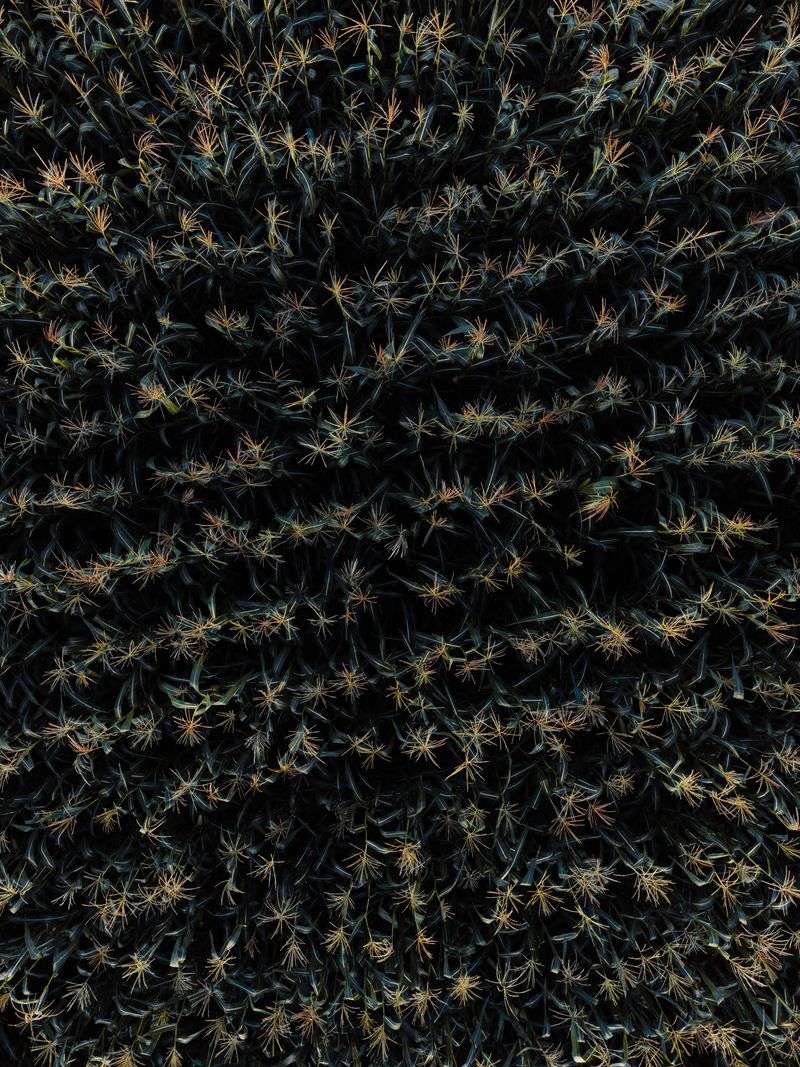
Most farmers never see the damage that nematodes cause, because the infestation happens entirely underground. These microscopic roundworms feed on corn roots and cause damage that looks a lot like nutrient deficiency from above.
Lesion nematodes and stubby-root nematodes are among the species known to affect corn root systems in the mid-Atlantic region. They pierce root cells, disrupt water and nutrient uptake, and leave entry points for secondary infections to follow.
Above ground, infested plants often appear stunted and pale, with yellowing that seems to move in irregular patches across the field. Those patches often follow soil type boundaries, which is a clue that nematodes may be the culprit.
Diagnosing nematode pressure requires a soil sample sent to a lab that specializes in nematode analysis. A standard fertility test will not detect them, so growers need to request the right test specifically.
Crop rotation is one of the most effective management tools available. Rotating corn with a non-host crop like soybeans for a season can significantly reduce nematode populations in affected fields.
Some seed treatments and biological soil amendments have shown promise in suppressing nematode activity. While not a complete solution, they can reduce pressure enough to protect yield potential in moderately infested fields.
Nematodes rarely get the attention they deserve in farm conversations, but their impact on Delaware corn production is real. Ignoring them means accepting unnecessary losses that a little proactive scouting could prevent.
6. Weeds Compete For Nutrients And Water
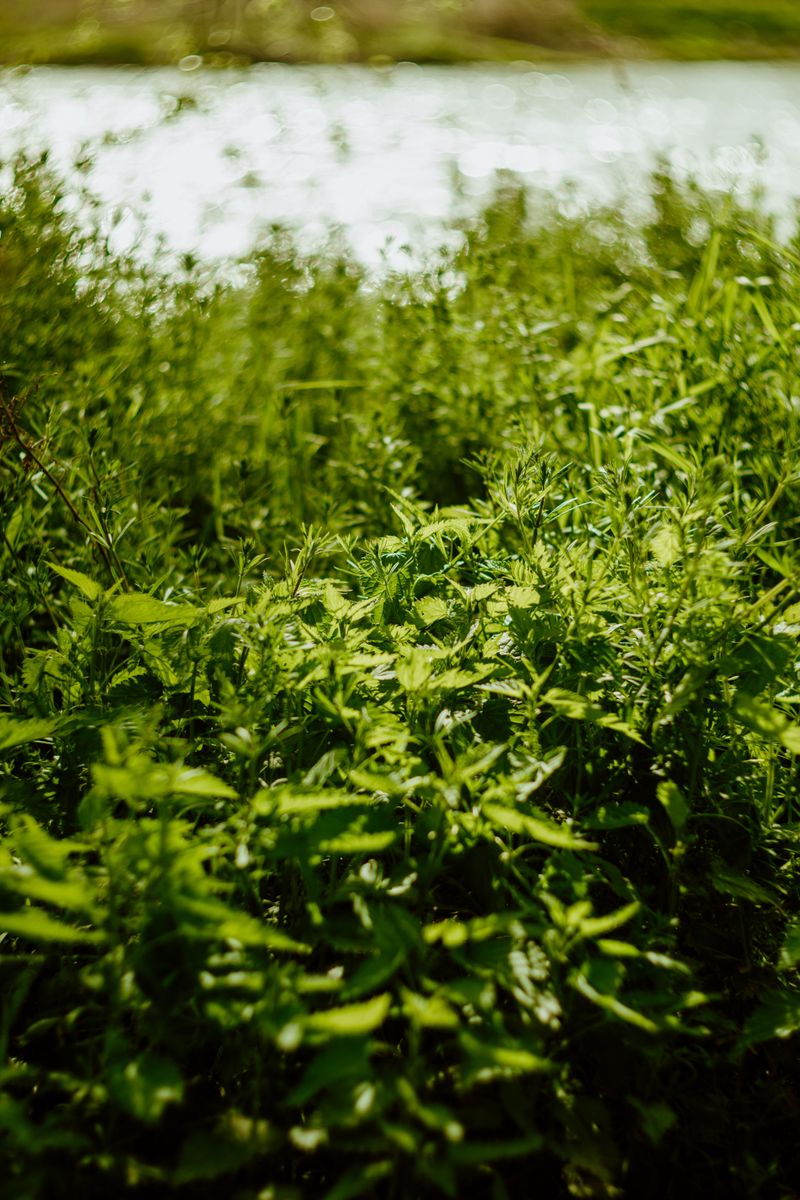
Weeds can establish quickly and unpredictably, and corn fields are some of their favorite real estate. A field that looks manageable in early June can become dense and unmanaged by mid-July.
Waterhemp and Palmer amaranth are two of the most aggressive weed species affecting corn fields across the mid-Atlantic. Both grow fast, produce thousands of seeds, and have developed resistance to several common herbicides.
Weeds steal moisture from the soil profile that corn needs during critical growth stages. In a dry summer, that competition can tip a borderline crop from acceptable to disappointing in just a few weeks.
Early-season weed control is especially important during the first six weeks after corn emergence. Research consistently shows that weeds present during this window cause the most significant yield losses.
Pre-emergent herbicides applied before weed seeds sprout are a strong first line of defense. Pairing them with a timely post-emergent application helps catch any escapes that made it through the initial treatment.
Cultivation between rows is making a comeback on some farms as herbicide resistance becomes more widespread. A well-timed pass with a rotary hoe or row cultivator can knock back weeds without adding chemical load to the field.
Staying ahead of weeds takes consistent effort and a willingness to scout fields more than once. A clean field in early summer almost always translates to a stronger yield at harvest time.
7. Disease Pressure Builds In Humid Conditions
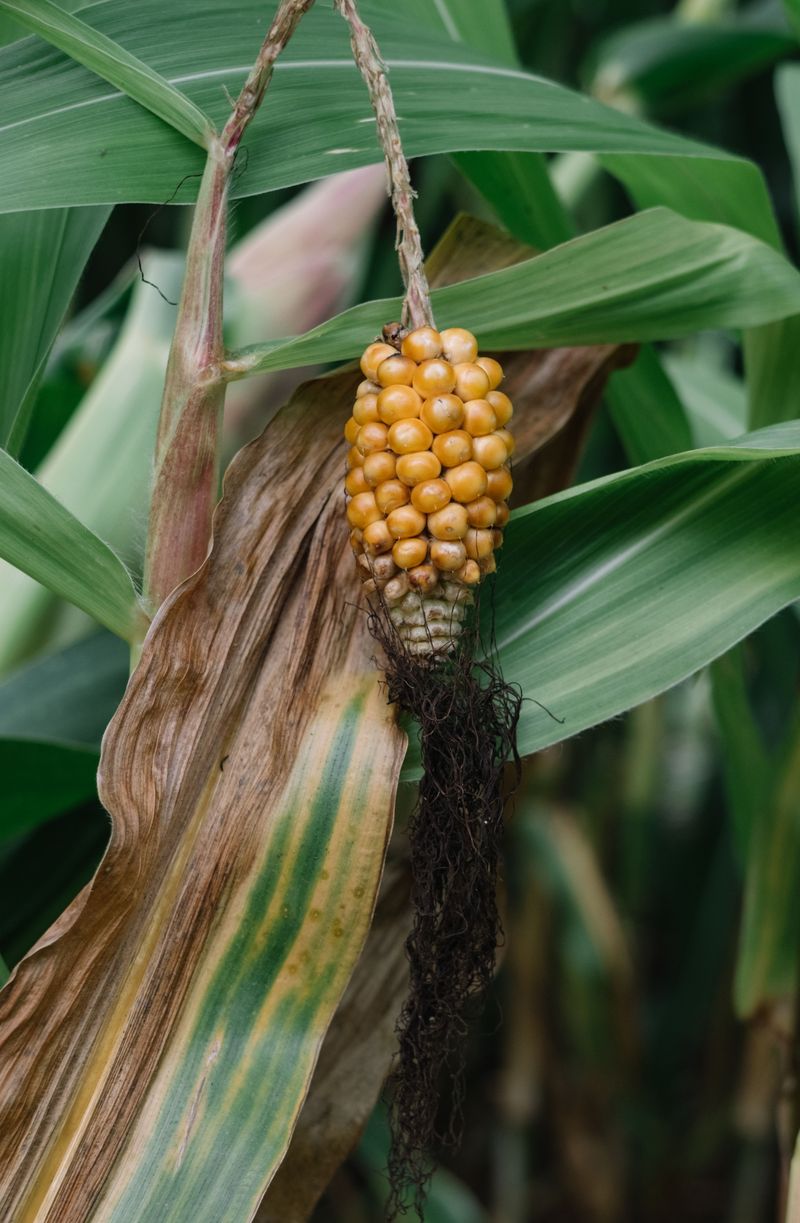
Humidity and corn do not always get along, especially when warm nights follow wet days. Those conditions create a perfect environment for fungal diseases that can spread through a field surprisingly fast.
Gray leaf spot is one of the more common fungal issues in the region, showing up as rectangular gray or tan lesions on lower leaves first.
Left unchecked, it works its way up the canopy and reduces the plant’s ability to photosynthesize efficiently.
Northern corn leaf blight leaves long, cigar-shaped lesions that are easy to spot once you know what to look for. Both diseases thrive when leaf surfaces stay wet for extended periods during warm summer nights.
Fields with heavy residue from previous seasons carry higher disease risk because fungal spores overwinter in old plant material. Tillage can help bury residue and reduce spore loads, though it comes with its own trade-offs for soil health.
Scouting fields weekly during humid stretches gives growers a chance to catch disease early. Catching an infection in its first stages leaves more options available, including fungicide applications that protect healthy tissue above the infection point.
Hybrid selection matters enormously when disease pressure is a recurring issue. Choosing hybrids with strong ratings against gray leaf spot and blight can reduce the need for chemical intervention significantly.
Disease pressure is one of the quieter reasons Delaware corn fields fall short some seasons. Building a management plan around hybrid resistance and timely scouting keeps losses to a minimum.
8. Uneven Plant Spacing Reduces Overall Stand
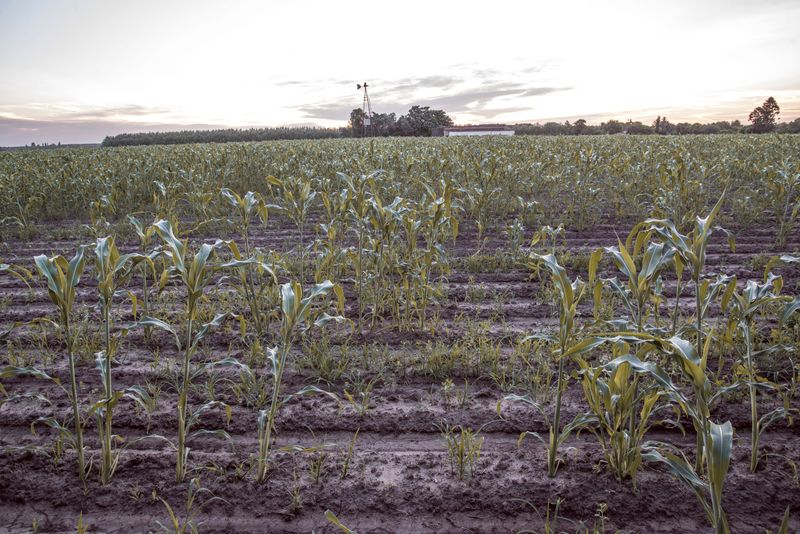
A corn field that looks full from the road can still be losing yield to a problem hiding in plain sight. Uneven plant spacing is one of those quiet issues that adds up to real losses by harvest time.
Ideal corn spacing puts each plant at an equal distance from its neighbors so every stalk gets the same access to sunlight, water, and soil nutrients. When spacing goes wrong, some plants grow in crowded clusters while others stand isolated with too much open ground around them.
Crowded plants compete with each other and often produce smaller, lighter ears. Isolated plants grow bigger but cannot compensate for the missing neighbors, leaving the overall field population below its yield potential.
Planter problems are the most common cause of uneven spacing. Worn seed discs, clogged seed tubes, or inconsistent down pressure can all cause seeds to drop unevenly as the planter moves across a field.
Checking planter performance before the season starts is one of the most valuable hours a grower can spend. Running the planter on a test strip and measuring spacing manually can reveal problems that are invisible during normal field operation.
Seed quality also plays a role, since irregular seed sizes can cause skips and doubles in planters calibrated for a specific size range. Buying certified seed from reputable suppliers helps ensure consistent singulation through the planting unit.
Fixing spacing issues starts with knowing they exist. Growers who scout stand establishment early in the season can adjust management practices before Delaware corn fields fall quietly short at harvest.