The Driveway Marker Trick That Saves Ohio Lawns From Snowplow Damage
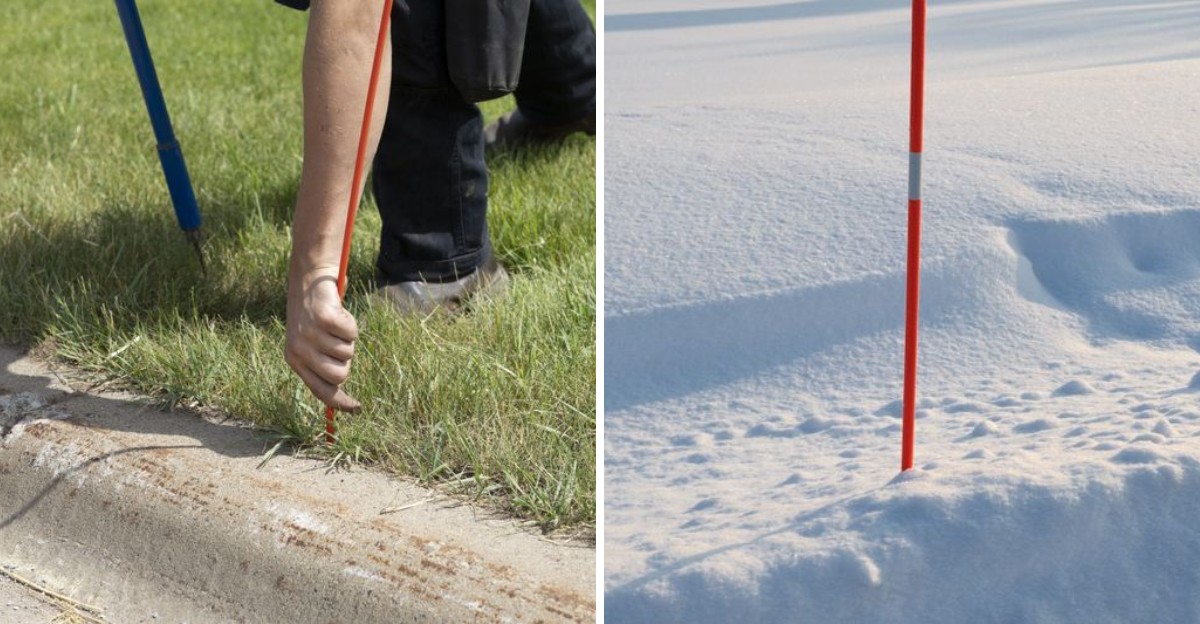
A strip of grass right beside the pavement often takes more winter abuse than most other parts of the yard. Some cities even call that damage incidental and leave the repair to you.
I learned the hard way how that feels. One March, the snow melted and revealed curled sod, scraped edging, and a crushed mulch bed I had babied all summer.
Here in Ohio, a single storm can erase every visible line between asphalt and lawn. The plow driver sees one flat white sheet, and the blade follows a best guess.
Truth is, the fix costs less than a bag of grass seed. It takes about an hour on a mild autumn afternoon. So why do so many of us wait until the sod is already rolled up like a carpet?
The Edge Of Your Driveway Vanishes Under The First Big Snow
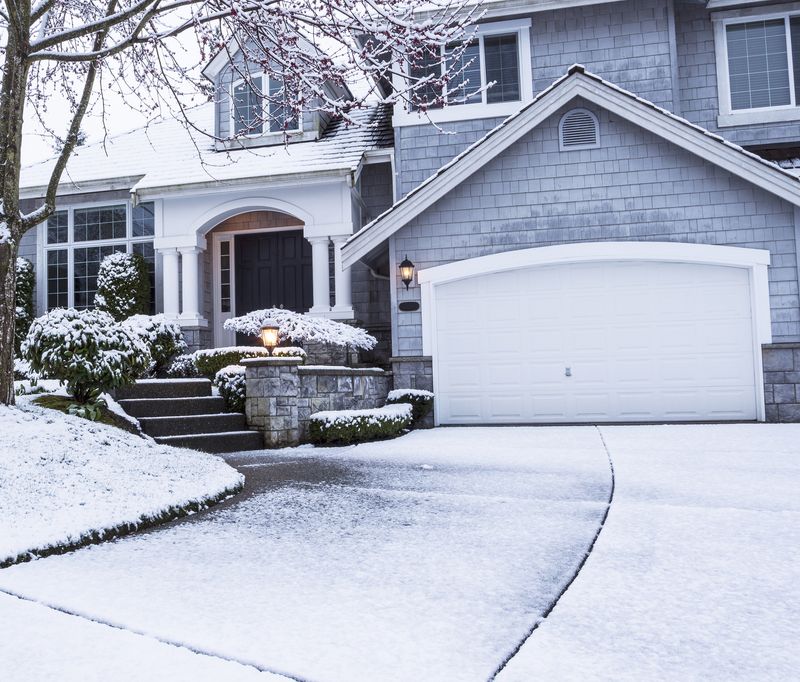
Snow is a sneaky eraser. After a few inches fall, the clean line between your blacktop and your grass simply disappears into one smooth white blanket.
Plow drivers are working early, often in the dark, and frequently on dozens of driveways before sunrise. They can’t see what you see in July. Without a clear guide, the blade drifts a few inches off the pavement and slices right into the turf.
That small drift adds up fast. Sod gets peeled back, mulch gets flung across the yard, and gravel or salty slush lands on your grass. Edging stones get chipped, and low shrubs near the drive get bent or snapped.
I used to blame careless operators. Truth is, most of the damage comes from poor visibility, not poor effort.
Curves make things worse. A driver can follow a straight run by memory, but a bend or a flared apron near the street is easy to misjudge. Corners where the drive meets the sidewalk are classic trouble spots too.
Once you understand the problem is about seeing, the solution becomes obvious. Give the driver something tall and bright to aim between, and the guessing mostly stops.
Bright Reflective Driveway Stakes Are The Whole Trick
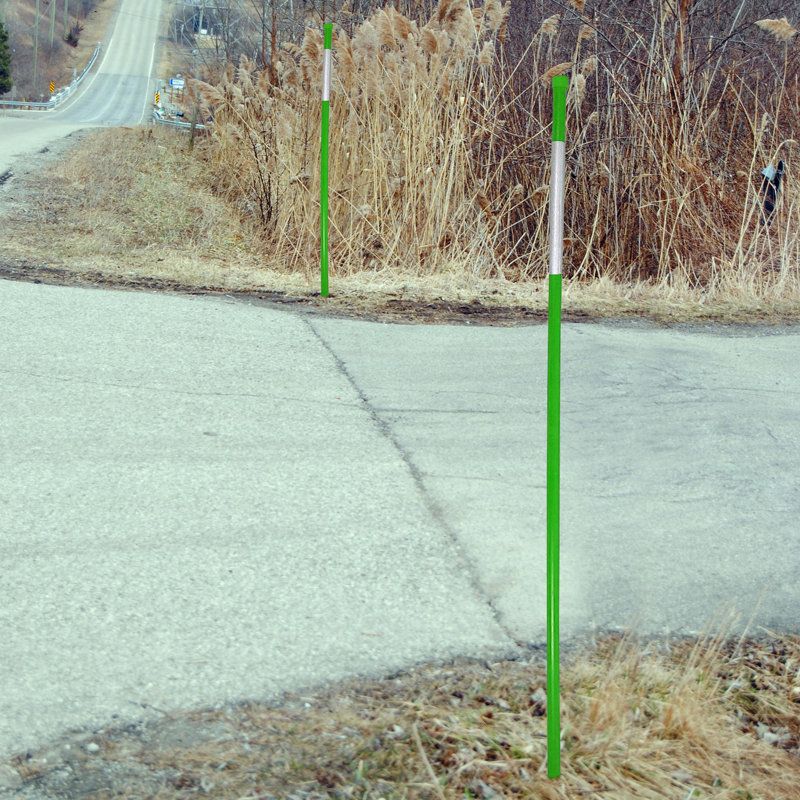
Call me stubborn, but I doubted a few skinny poles could save my lawn. One winter with them changed my mind for good.
Driveway markers, sometimes called snow stakes, are thin rods that stand several feet above the ground. Most are fiberglass in bright orange or yellow, with a band of reflective tape near the top. That tape catches headlights from a plow truck or a snowblower beam.
Their job is simple. They draw a visible outline of your driveway that stays above the snow, so the operator can steer between them like lane markers on a highway.
Cost is pleasantly low. A pack of a dozen or more usually runs about the price of a pizza night at many hardware stores, and good ones last several seasons.
Plenty of homeowners also love that the stakes help them. When you run your own snowblower, they keep you from chewing up the lawn edge or catching the auger on hidden stones.
Few winter chores give back so much for so little. Set them once in fall, and they quietly help protect the yard through most storms until spring.
Set Your Snow Stakes Before Ohio Ground Freezes
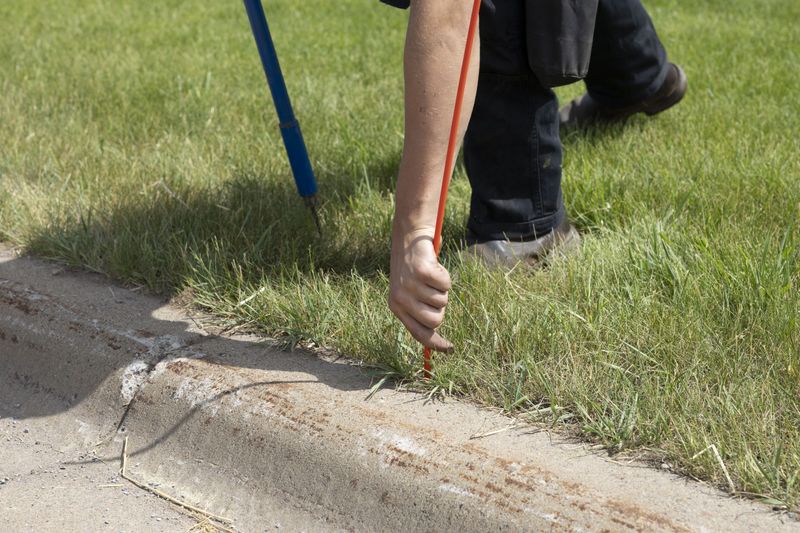
Timing beats muscle every single time with this job. I once tried pounding stakes into frozen ground in December, and I cracked two rods before giving up.
Aim for after your last mowing of the season but before the soil hardens. In much of Ohio, that window lands in late October through mid November. Northern counties near Lake Erie, which get heavier lake effect snow, may want to finish a little sooner.
Waiting for the forecast to mention snow is risky. Early storms happen, and plow contractors may make their first pass before you get outside.
Soft soil also matters for the stakes themselves. Fiberglass handles bending well, yet it can splinter when hammered hard against frozen dirt. A damp fall day after some rain makes the work easy.
Putting markers in after mowing keeps them safe from the mower deck too. Nobody enjoys untangling a fiberglass rod from a spinning blade.
Jot a reminder on your calendar alongside raking leaves and winterizing hoses. Treating it as a regular fall chore means you won’t scramble when the first heavy flakes arrive overnight.
Spacing Your Driveway Markers Like A Snow Removal Pro
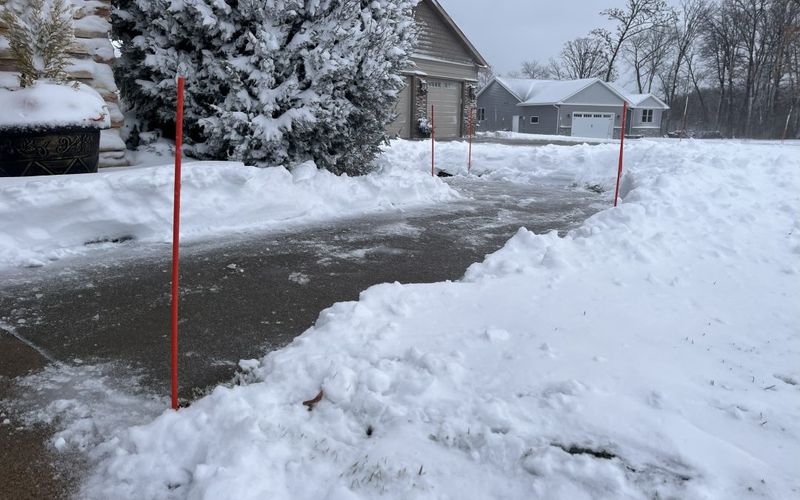
Placement is where good intentions turn into real protection. A few smart habits make the stakes far more useful.
Set each marker roughly 6 to 12 inches back from the pavement, on the lawn side. That small buffer shows the true edge while keeping the stake itself out of the blade’s direct path.
On straight stretches, space them about 10 to 20 feet apart. Tighten the spacing on curves and corners so the outline of the bend is easy to read, even in blowing snow.
Make a pilot hole first. A piece of rebar, a long screwdriver, or a pilot tool sold with many stakes opens the soil so the rod slides in without splitting. Push it deep enough to stand firm against wind, often several inches.
Turn the reflective band toward the street and approaching traffic. That way headlights hit it as the plow pulls in.
Mark both sides of the drive when there’s lawn on each side. A single row leaves the operator guessing about the other edge, and that’s exactly where trouble sneaks back in.
Taller Fiberglass Rods Hold Up Better In Deep Snowbanks
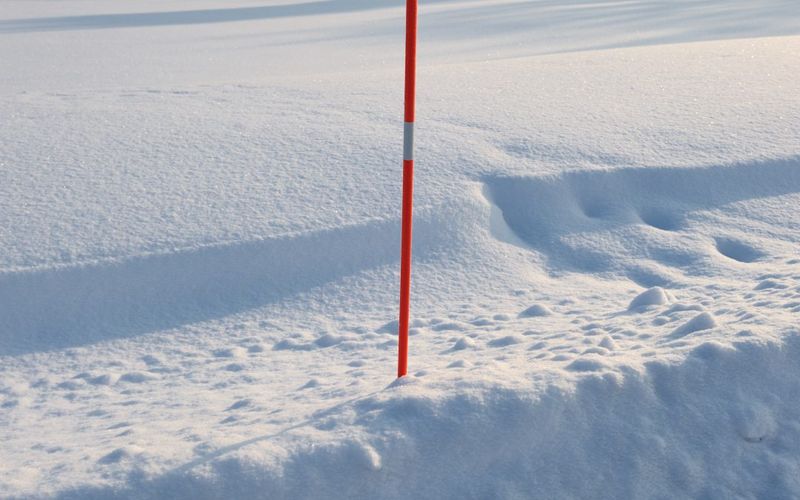
Not all stakes are equal, and a cheap flimsy one may disappear by February. Height and material deserve a few minutes of thought.
Common markers range from about 4 to 6 feet tall. Shorter ones may work in spots with light snow, but plowed snow piles up along the drive edge fast. A taller rod keeps showing above those growing banks late into winter.
Fiberglass stays popular for a reason. It flexes when a blade or snowblower brushes it, then springs back rather than snapping. Thin wooden dowels and plastic garden stakes tend to break or blow over.
Color matters more than people expect. Orange and yellow stand out against both white snow and a gray sky, while green or brown rods blend into the background.
Look for generous reflective tape near the top, since that section stays visible longest. Some stakes include a solid metal or plastic tip for easier insertion.
I’m a sucker for buying a few extras. A spare or two in the garage lets you replace a stake that gets bent or buried without a midwinter trip to the store.
Hidden Sprinkler Heads And Mailbox Posts Need Markers Too
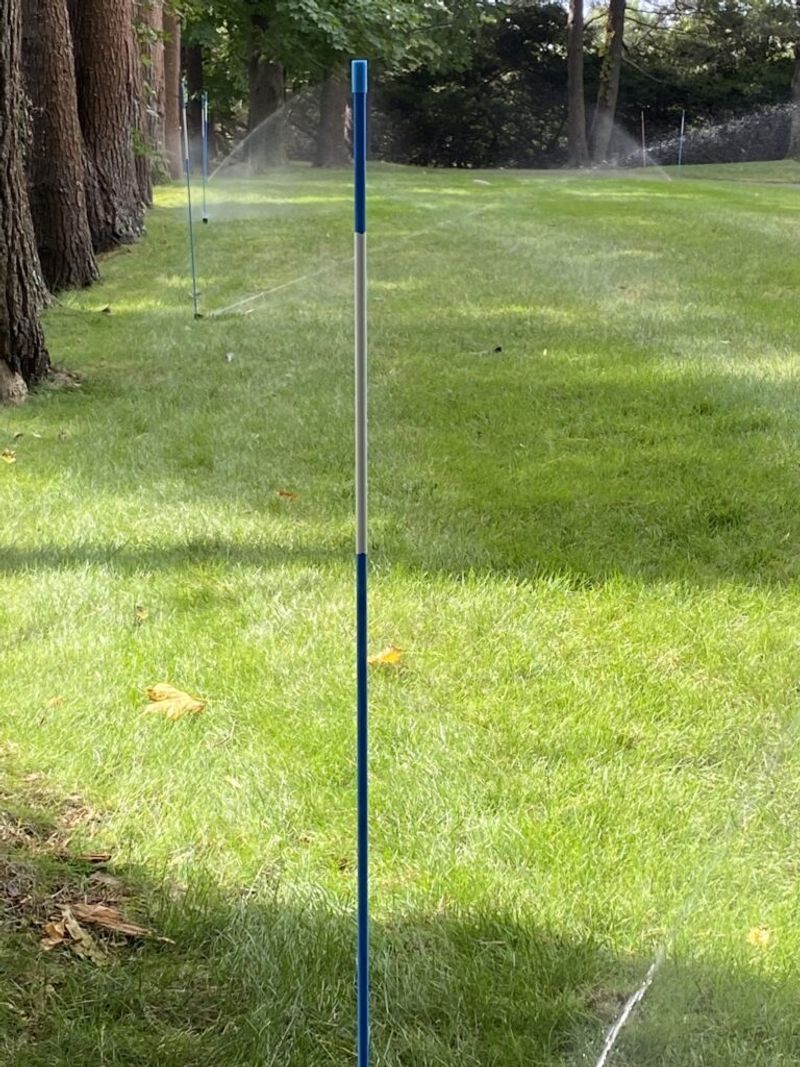
Grass edges get the attention, yet plenty of other treasures hide under snow. A plow blade doesn’t know your expensive landscape light is sitting two inches below the surface.
Walk your property in fall and look for anything low near the pavement. Irrigation heads, path lights, decorative boulders, low walls, curbing, and edging stones are frequent victims. So are young shrubs planted close to the driveway.
Place a stake beside each item so drivers can steer clear. Fire hydrants close to your drive deserve a marker too, since crews and firefighters need to find them quickly.
Mailbox posts are a classic problem. The heavy wave of snow thrown from a passing plow can knock them over. A marker helps, though a sturdy, well-set post matters most.
Not going to lie, I learned this after replacing three solar lights in one spring. They cost more than a full pack of stakes.
Consider drainage grates and culverts at the end of the drive as well. Marking them helps everyone avoid a jolting surprise and helps you find them when meltwater needs somewhere to go.
City Plows May Not Pay For Torn Grass Along The Curb
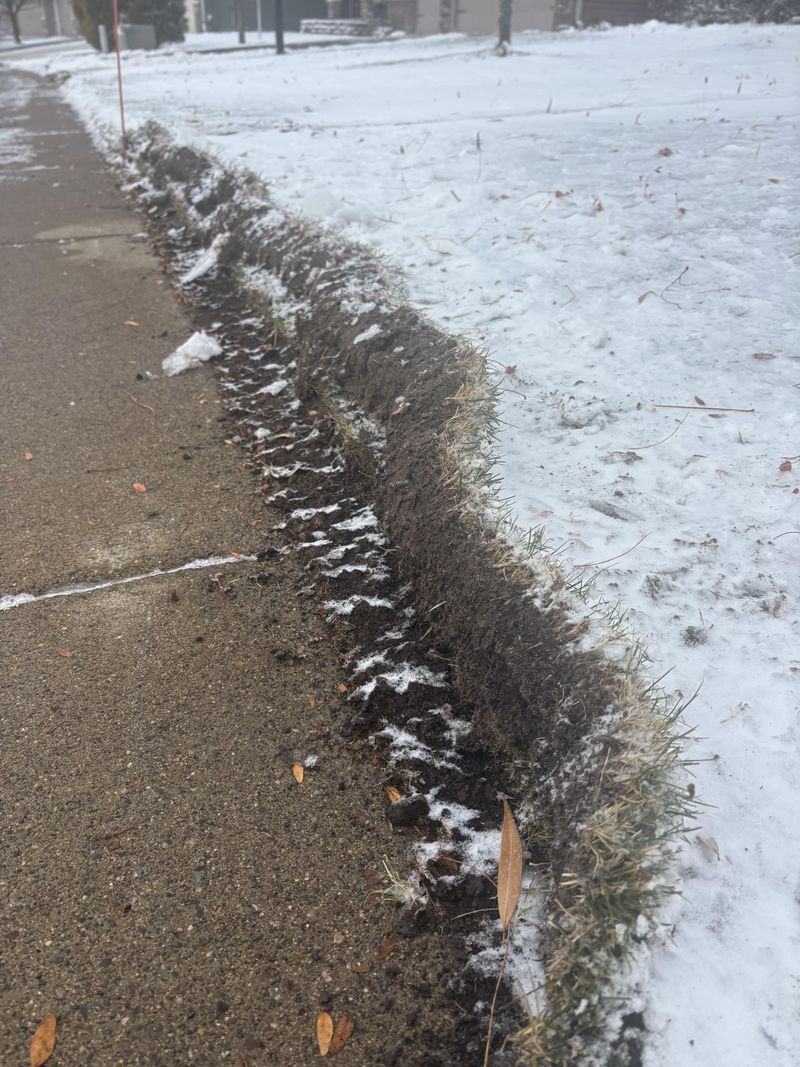
Here’s what surprised me most. Many Ohio communities treat lawn damage near the road very differently depending on how it happened.
Some Ohio cities repair plow-related turf damage in the public right of way, while others treat it as the homeowner’s responsibility. In some communities, scraping of the berm area right beside the pavement is treated as part of normal plowing. Rules vary, so check your own city or township website for details.
That means the strip between your driveway apron and the street can end up as your problem. Markers set just inside your property line help city crews see where your landscaping starts.
Private plow contractors have their own policies too. Before you sign, ask how they handle lawn damage and whether they expect homeowners to stake the property. Many do.
A quick photo of your yard edges in fall gives you a helpful record if a dispute comes up.
Remember that the area near the road may sit in a public right of way. Avoid placing anything rigid or dangerous there, and follow local guidance about what’s allowed close to the curb.
Spring Lawn Repair Gets Easier When Stakes Do Their Job
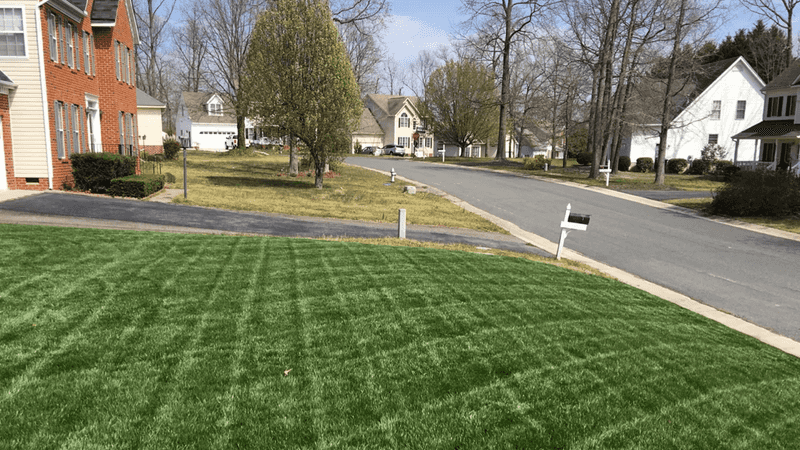
March tells the whole story. Once the snow melts, a staked yard usually shows tidy edges instead of rolled sod and scattered gravel.
Pull the markers after the last real snow threat, usually early to mid spring in most of Ohio. Rinse them, bundle them, and store them flat in the garage so they stay straight for next year.
Even with markers, a little damage can slip through. Small scuffs often recover as grass greens up. Rake out gravel, press lifted sod back into place, and water it.
Bare patches near the pavement may need reseeding. Ohio State University Extension notes that late summer into early fall is the prime seeding window for cool season grasses, though spring seeding can work with steady watering.
Salt from the road also stresses that edge strip. A good spring soaking helps flush it from the soil, and salt tolerant grass blends can help in tough spots.
Trust me on this one. An hour with a bundle of orange stakes in October saves whole weekends of patching later. Add it to your fall checklist, and let your lawn greet spring in one piece.