The Easiest Fruit Tree To Plant In Florida This October
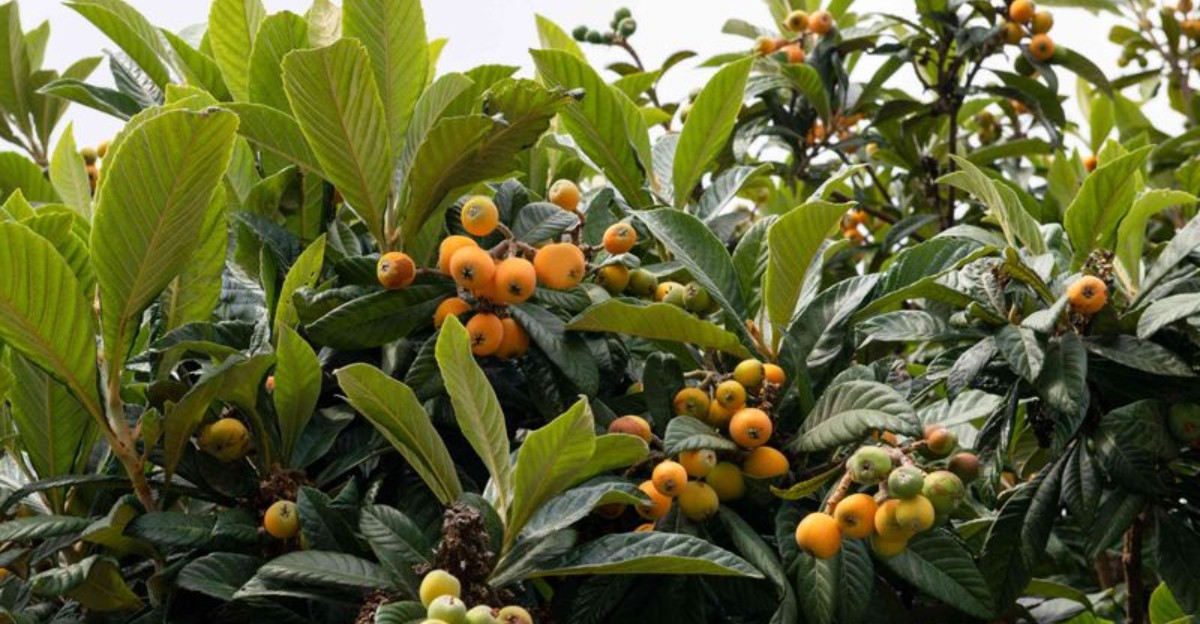
Most fruit trees in Florida come with a catch. Citrus battles fatal disease. Mangoes fear a cold snap.
Avocados hate wet feet, and peaches demand just the right chill hours. Many homeowners give up before they ever taste a single harvest.
But one tree breaks all the rules.
It shrugs off drought, sandy soil, and chilly nights. Few pests bother it.
It stays green all year and grows in yards from Pensacola to Miami. Some Floridians already have one and never realize it bears fruit.
The real surprise comes later. While most trees rest through winter, this one bursts into sweet, fragrant blooms. Months later, it rewards you with golden fruit before almost anything else in the garden ripens.
October gives this tree the perfect start. The soil is warm, the rains ease up, and young roots have months to settle in.
Plant one now. You will thank yourself later.
1. Meet Loquat, The Easy Florida Fruit Tree
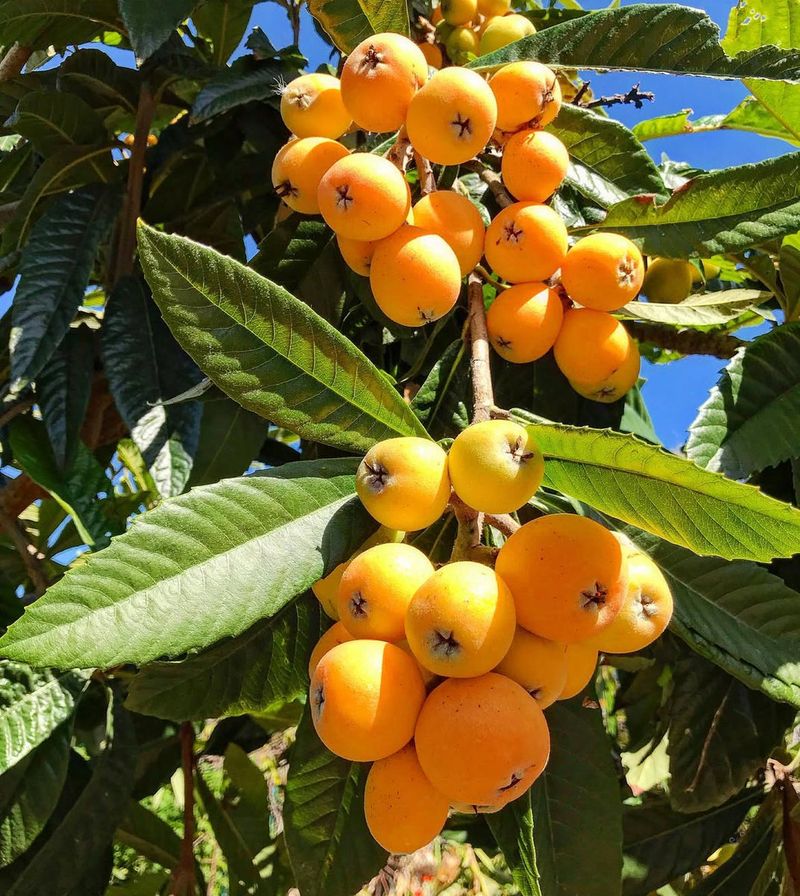
Some trees look like they belong on a tropical postcard, and loquat is one of them. Its big, leathery leaves stay green all year, giving your yard a lush look even in January.
Known to scientists as Eriobotrya japonica, loquat is a subtropical evergreen with roots in China. It has been grown in warm places around the world for centuries, and Florida suits it nicely.
Here is where things get exciting for busy gardeners. Once established, loquat handles dry spells reasonably well and can require less routine care than some other fruit trees.
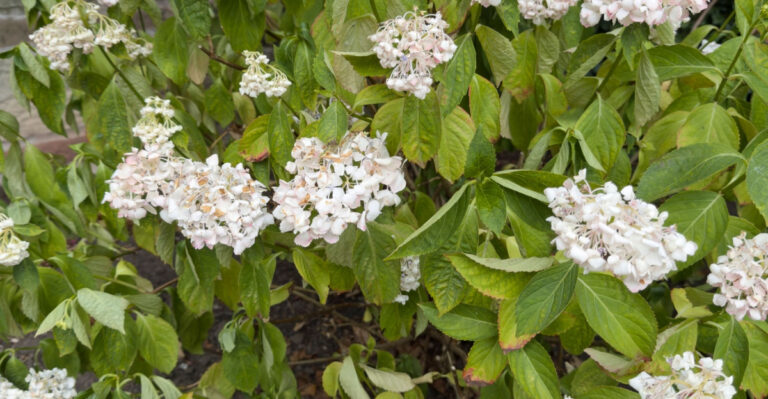
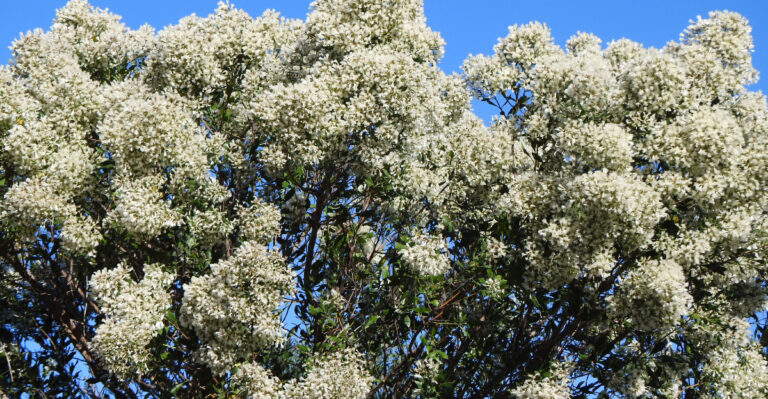
Fragrant white flowers show up from about October through February in the state. Bees love them, and the sweet scent drifts across the yard on cool evenings.
By late winter or early spring, clusters of small, golden fruit begin to ripen. The flavor lands somewhere between sweet and tangy, a bit like a mix of apricot, peach, and citrus.
You can snack on the fruit fresh right off the branch, peel and all if you like. Many families also turn extra loquats into jams, jellies, and preserves for later.
Fun fact: in some neighborhoods, older loquat trees are so common that people call them Japanese plums. Planting your own means joining a long, tasty tradition that neighbors will envy.
2. Plant Loquat While Fall Soil Is Still Warm
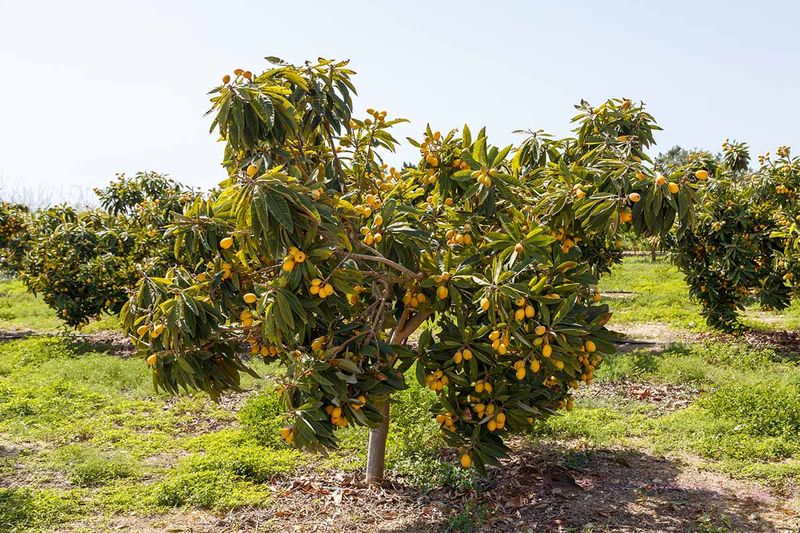
Think of October soil like a warm bath that has not cooled down yet. The air feels nicer, but the ground still holds plenty of summer heat underneath.
Roots love that combination more than you might guess. Warm soil keeps them growing, while cooler air means the leaves lose less water and the tree feels less stressed.
Experts agree that late fall, winter, and early spring are great planting windows for loquat in Florida. October sits right at the start of that stretch, giving your tree the longest head start possible.
Planting in milder weather also helps cut down on transplant shock. Instead of struggling to keep its leaves cool, the tree can pour its energy into building a strong root system.
Your Florida Garden Changes Every Week. Your Plan Should Too.
Gardening in Florida changes quickly throughout the season. Every Friday you’ll receive a simple weekly plan showing exactly what to plant, prune, fertilize, harvest, and protect so you never miss the right timing.
Here is a simple plan for planting day. Dig a hole about as deep as the root ball and two to three times as wide, then loosen the soil around the edges.
Set the tree so the top of the root ball sits level with the ground or slightly above it. Fill in with the native soil you removed, pressing gently to remove large air pockets.
Skip piling mulch against the trunk, since that can invite rot. Spread a two to three inch layer in a wide ring instead, keeping it a few inches away from the bark.
3. Give Loquat Full Sun For Better Fruit
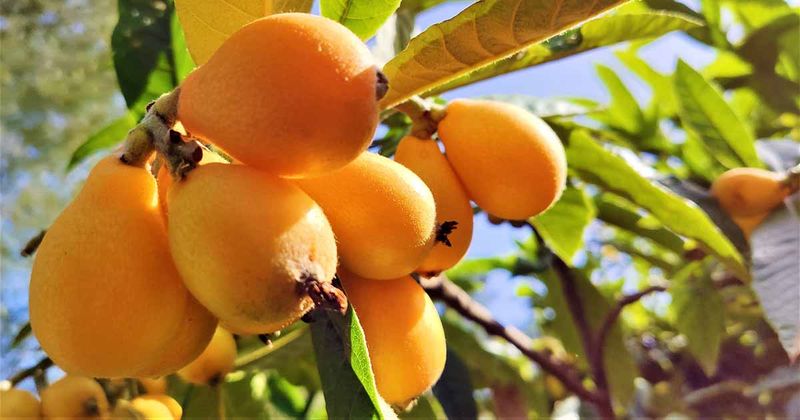
Loquats are sun worshippers at heart, the kind of tree that would happily wear sunglasses if it could. Give it a bright spot, and it pays you back with more blooms and tastier fruit.
Aim for at least six to eight hours of direct sunlight each day. Morning light is especially helpful because it dries dew off the leaves early, which can help limit leaf problems.
Sure, a loquat can put up with a little shade. However, trees tucked under big oaks or beside tall buildings tend to flower less, and fewer flowers mean a smaller harvest.
Before you dig, spend a day watching how light moves across your yard. Check the spot in the morning, at lunch, and in late afternoon to see if shadows creep in.
Remember that the sun sits lower in the sky during winter. A spot that looks sunny in October might fall into shade by December, right when your tree is busy blooming.
South-facing and west-facing areas often make the happiest homes in Florida yards. An open lawn space works wonderfully too, as long as nearby trees will not grow over it later.
Quick tip: stick a garden stake where you plan to plant and snap a photo of it a few times that day. Those pictures make it easy to judge sunlight without guessing.
4. Keep It Away From Flood-Prone Ground
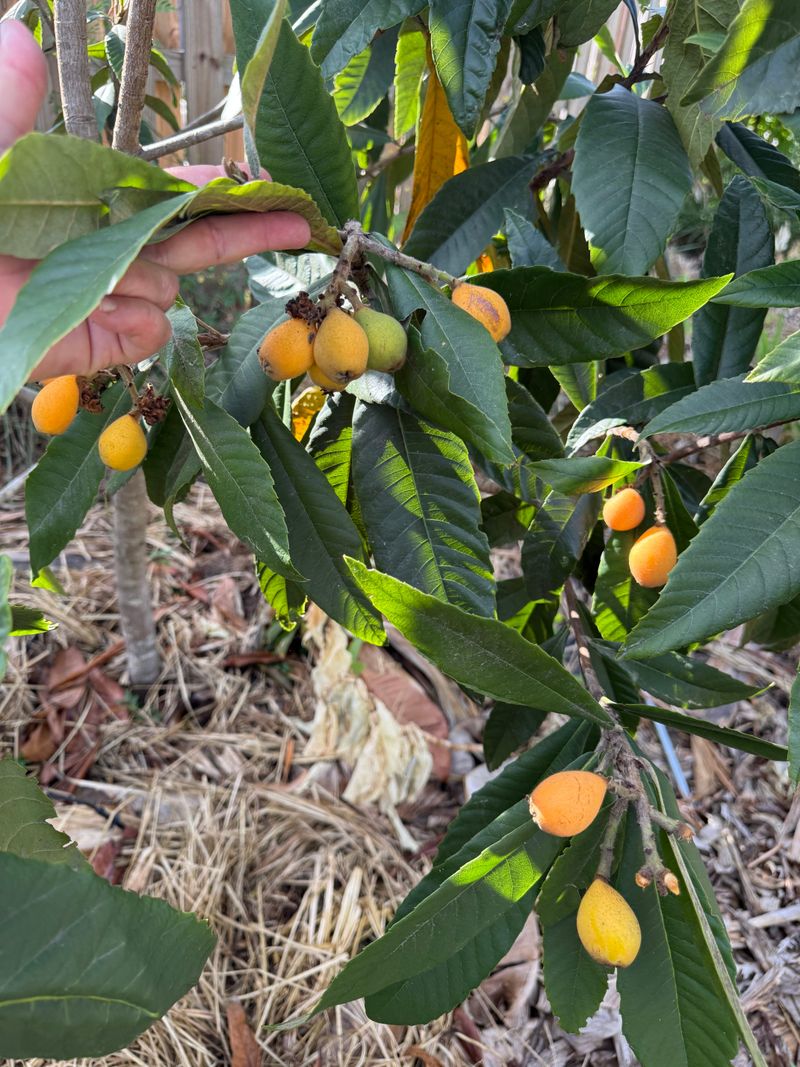
After a big summer storm, walk around your yard and notice where puddles linger. Those soggy low spots are exactly where your loquat should not go.
Loquat roots need air as much as they need water. When soil stays wet for days, roots struggle to breathe, and the whole tree can start to decline.
The good news is that loquats are not picky about soil type. They grow well in loamy soil, clay, sand, and even gravelly limestone, as long as water drains away.
A simple drainage test helps before planting. Dig a hole about a foot deep, fill it with water, and see how quickly it empties.
If the water drains reasonably quickly, the site may be suitable. If it remains standing overnight, choose a better-drained location or consider raising the planting area.
For yards that flood now and then, University of Florida experts suggest planting on a mound of native soil. Make it roughly two to three feet high and four to ten feet across.
That raised bed lifts the roots above standing water after heavy rain. It takes a bit of shoveling, but your tree will thank you through every rainy season to come.
Also skip spots near downspouts or at the bottom of a slope. Both areas collect extra water that lingers around roots.
5. Skip Root-Bound Nursery Trees Before You Buy
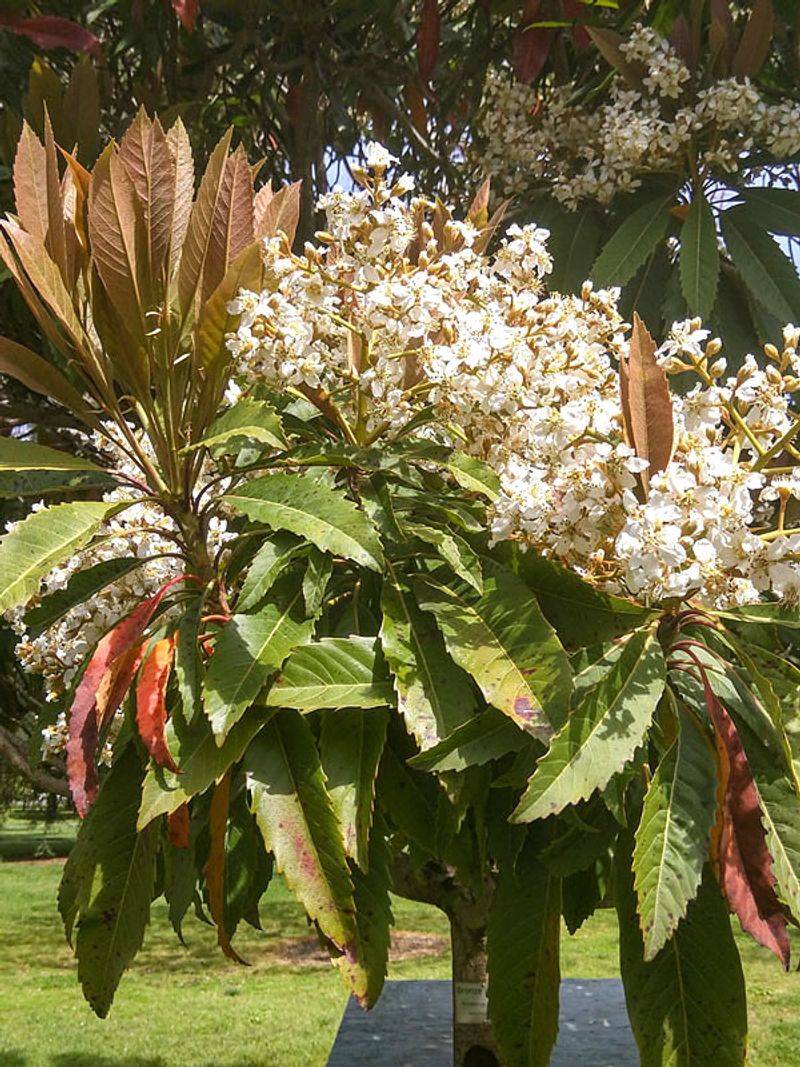
Shopping for a fruit tree is a little like picking out a used bike. It might look shiny on top, but the real story hides underneath.
With a loquat, that hidden story lives in the roots. A root-bound tree has filled its pot so tightly that roots wrap around and around the inside edges.
Those circling roots can keep growing in a circle even after planting. Over time, they may choke the tree’s own growth and leave it wobbly or weak.
Ask a nursery worker if you can gently slide the tree out of its container. Healthy roots look light colored and spread through the soil without forming a thick, tangled mat.
Be extra careful with small trees in tiny pots. They are more likely to be packed tight, even if the price tag looks tempting.
While you are inspecting, check the leaves and trunk too. Look for bugs, spots, wounds, or narrow pinched areas on the bark, and pick a tree that looks well watered and lively.
Also ask whether the tree is grafted, since grafted loquats fruit much sooner than seedlings. You can usually spot the graft as a small bump near the base of the trunk.
Already brought home a crowded tree? If the roots are tightly circling, loosen them carefully before planting and address any severely girdling roots according to the nursery or extension guidance for the tree.
6. Let One Tree Supply Spring Fruit For Years
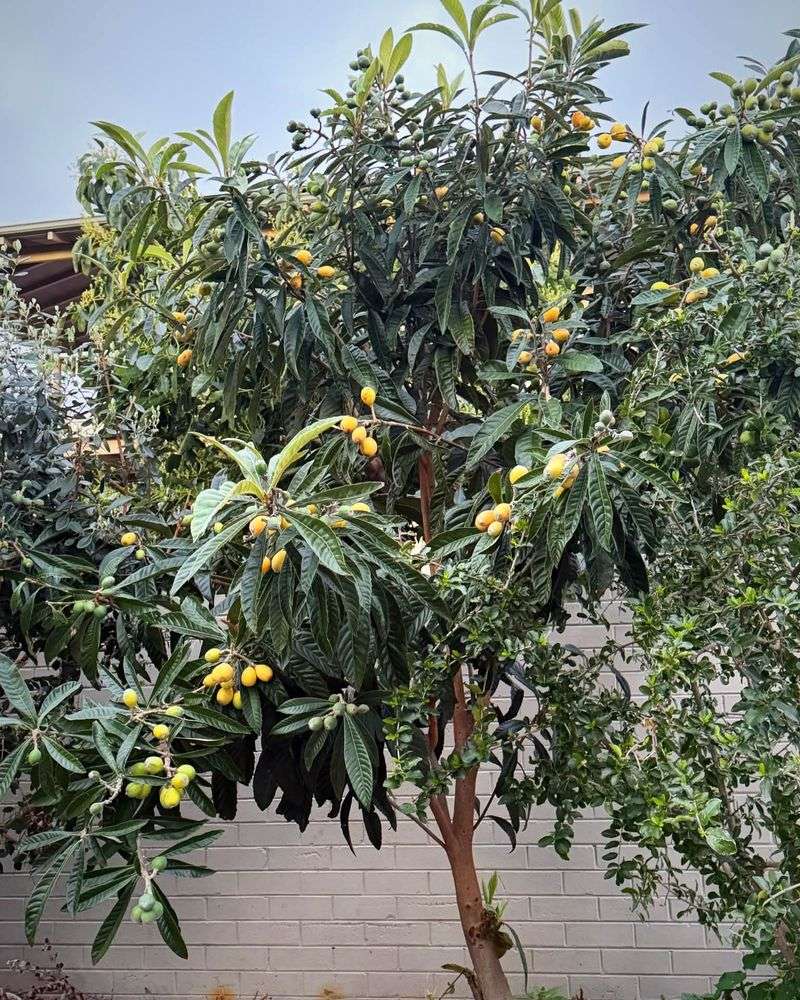
Grandparents across the state still talk about climbing the loquat tree in the backyard as kids. Some of those same trees are still producing fruit today.
Loquats are built for the long haul. Many live 20 to 30 years, and under good conditions some keep going for 90 years or more.
Patience pays off, but you may not need much of it. Grafted trees often start producing fruit within one to two years after planting.
Seed-grown trees are a different story. They can take six to eight years before the first harvest, and the fruit quality can vary a lot.
Once a loquat reaches full size, the harvest can feel surprising. A mature tree may produce anywhere from 35 to 300 pounds of fruit each year, depending on its size and care.
That is enough to snack on, share with neighbors, and still have plenty left for jam. Kids especially love plucking the soft, golden fruit straight from low branches.
Popular grafted varieties include Big Jim, Oliver, and Champagne. Each one has its own flavor twist, so ask your local nursery which types do best in your part of Florida.
One tree planted this October could become part of your family story. Picture future springs filled with sticky fingers, full bowls, and happy faces around the kitchen table.
7. Give Loquat Room To Grow Without Taking Over
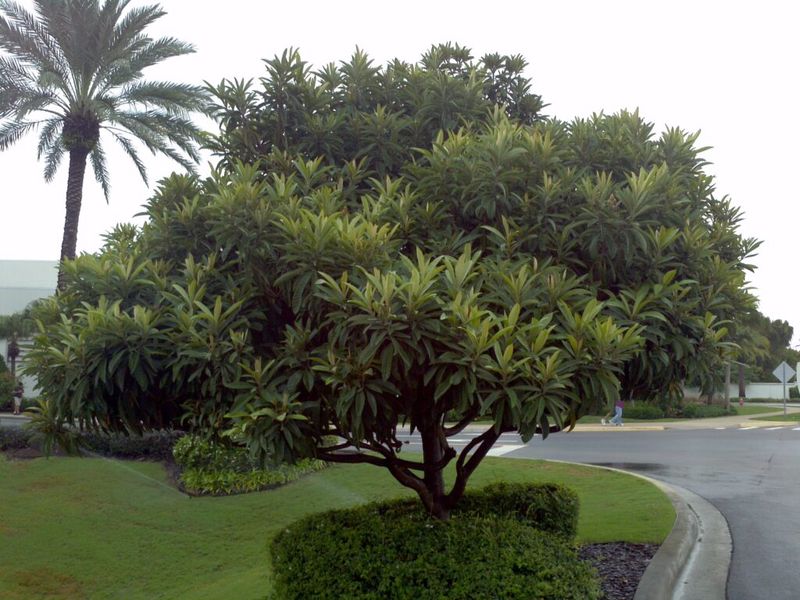
That cute little tree in a three-gallon pot has big dreams. Left unpruned, a loquat can reach 20 to 30 feet tall and spread 15 to 25 feet wide.
Planting too close to the house is one of the most common mistakes new growers make. A few years later, branches scrape the roof and roots crowd the foundation.
For the best harvests, experts suggest keeping loquats about 25 to 30 feet from buildings, power lines, and other trees. That space lets sunlight reach every side of the canopy.
Good airflow matters too. Leaves dry faster after rain when breezes can move through, which may help reduce disease problems in humid climate.
Working with a smaller yard? Regular pruning keeps a loquat compact, and trimmed trees can be planted a bit closer to other features.
Many home growers keep their trees around 10 to 15 feet tall. That height makes picking fruit easy without hauling out a tall ladder every spring.
The best time to prune is right after harvest, once the fruit is gone. Trimming later in the year can remove the branches that would carry next season’s flowers.
Before digging, look up as well as around. Overhead wires, roof edges, and a neighbor’s fence all deserve a little breathing room from your future shade tree.
8. Water Deeply While New Roots Get Established
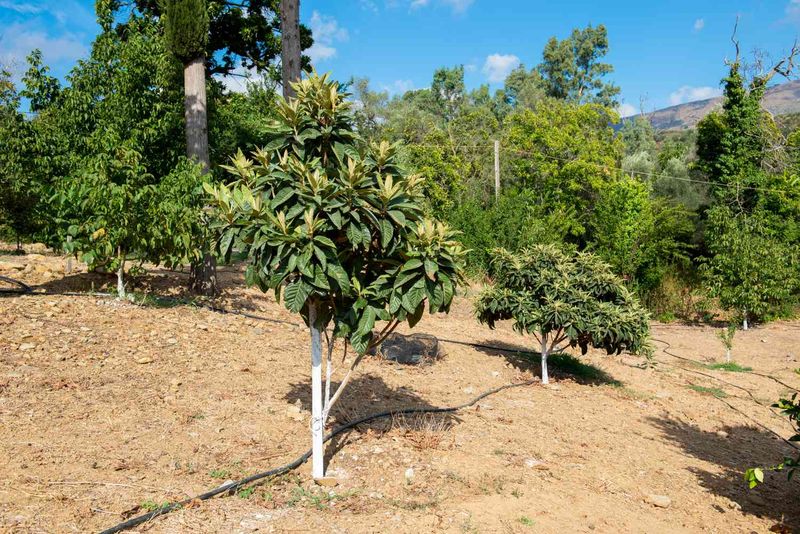
A new loquat is a bit like a kid on the first week of school. It needs extra attention at first, then it gradually learns to handle things on its own.
Right after planting, soak the soil thoroughly around the root ball. For the next week or so, water every other day to help the roots settle in.
After the first week, adjust watering based on rainfall, soil moisture, temperature, and drainage, keeping the root zone moist but not saturated while the tree establishes.
Florida’s dry season can surprise you, especially in spring. For the first three years, give your tree a weekly deep drink during long stretches without rain.
Checking the soil is easier than guessing. Push a finger or a small trowel about four to six inches down, and water only if the soil feels dry at that depth.
Too much love can backfire, though. Soggy soil can make loquats decline, so skip watering after heavy rains and let the ground dry a little between sessions.
A slow trickle from a hose for 20 to 30 minutes works nicely. Drip irrigation or a soaker hose also delivers water right where roots can use it.
Mulch helps too. A wide ring of wood chips keeps soil moist and cool between waterings.
9. Let October Planting Set Up A Stronger Spring
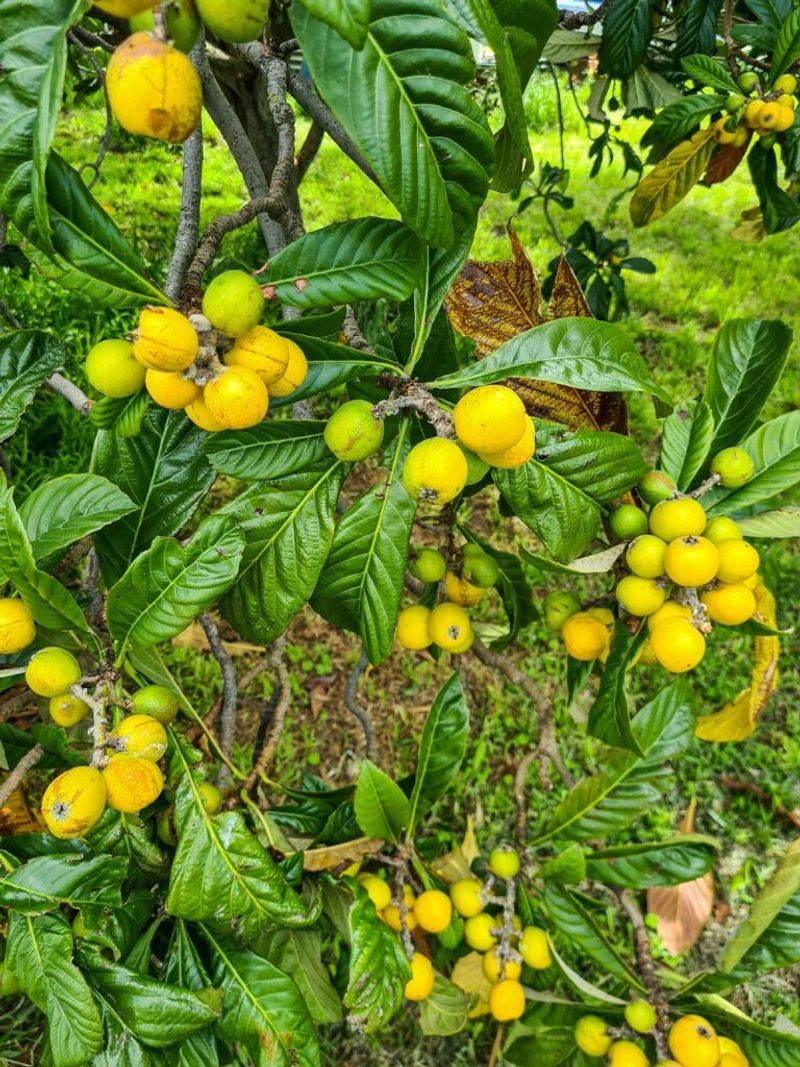
Gardeners who plant in October are playing the long game, and it pays off. By the time spring arrives, their trees are already settled and ready to grow.
Fall gives roots months to spread out before summer heat shows up. Cooler temperatures mean less stress, so the tree can focus underground instead of struggling to stay cool.
The soil has time to settle around the roots too. That snug contact helps the tree pull in water and nutrients more easily as the weather warms.
Florida throws a tricky combo at young trees each year. Spring tends to be dry, while summer brings heavy rains and steamy afternoons.
A tree with a deep, healthy root system handles both seasons much better. It can reach moisture during dry weeks and stay steady when storms roll through.
Planting now also makes life easier for you. Working outside in October feels far more pleasant than digging holes in the July heat.
While roots grow through winter, you might even see those first sweet-smelling blossoms. Young grafted trees sometimes surprise their owners with a small harvest early on.
So grab a shovel, pick a sunny, well-drained spot, and give your loquat a great start this month. Next spring, you may be glad you did.