The Egg Masses Appearing On Michigan Trees Now That You Should Scrape Off
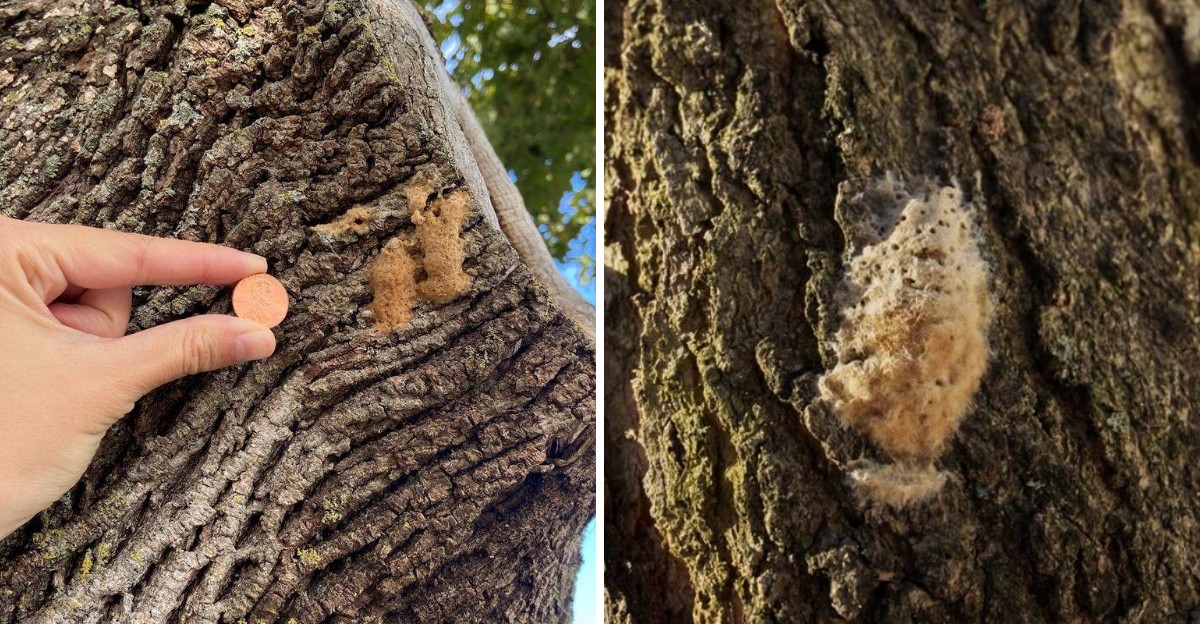
Fuzzy, tan-colored patches showing up on tree trunks and branches across Michigan this time of year are almost always spongy moth egg masses, each one holding hundreds of eggs that will hatch into caterpillars next spring.
These caterpillars are known for stripping trees of their leaves in large numbers, and a single untreated egg mass can contribute significantly to next year’s population explosion.
Scraping these masses off now, before eggs have a chance to hatch, is one of the most effective ways homeowners can reduce caterpillar numbers on their property.
Because the masses are often found on trunks, the undersides of branches, and even outdoor furniture or firewood, a thorough check of the whole yard is worth the effort.
Removing them now can mean a noticeably quieter, less damaged tree canopy when spring arrives.
1. Those Tan Fuzzy Masses May Be Spongy Moth Eggs
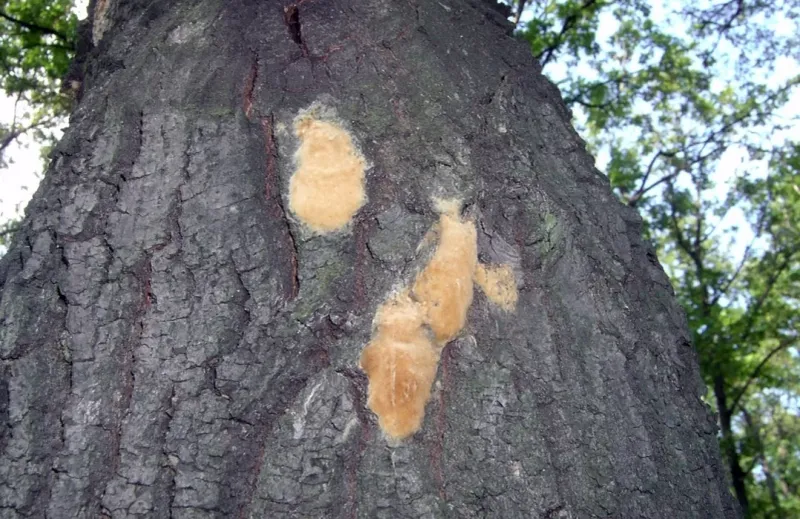
Take a slow look at your tree trunks this season and you may notice small patches that look almost like felt. These tan, fuzzy blobs are the egg masses of the spongy moth, an insect that has caused trouble across Michigan for years.
The masses often show up on oak, aspen, and other favorite trees. Each one is about the size of a quarter or a bit larger, and the fuzzy coating comes from tiny hairs the female moth leaves behind to protect her eggs through the cold months.
What makes fall so special is timing. When you find these masses now, you get a head start on stopping the caterpillars that would hatch in spring. Instead of waiting until leaves start vanishing, you can act early and quietly reduce the problem before it begins.
Spotting them takes a little practice. Look on the shady side of trunks, tucked into bark cracks, and along larger branches where the moth felt safe laying eggs.
Once you learn the tan, fuzzy look, you will start noticing masses everywhere, from tree bark to nearby surfaces. That awareness turns you into an early guardian for your yard.
Michigan gardeners who check their trees in autumn often feel surprised at how many masses hide in plain sight.
The good news is that finding them is the first and most important step. A careful eye today means fewer leaf-munching visitors when spring arrives and your trees begin to wake up.
2. Fall Is The Best Time To Remove Them
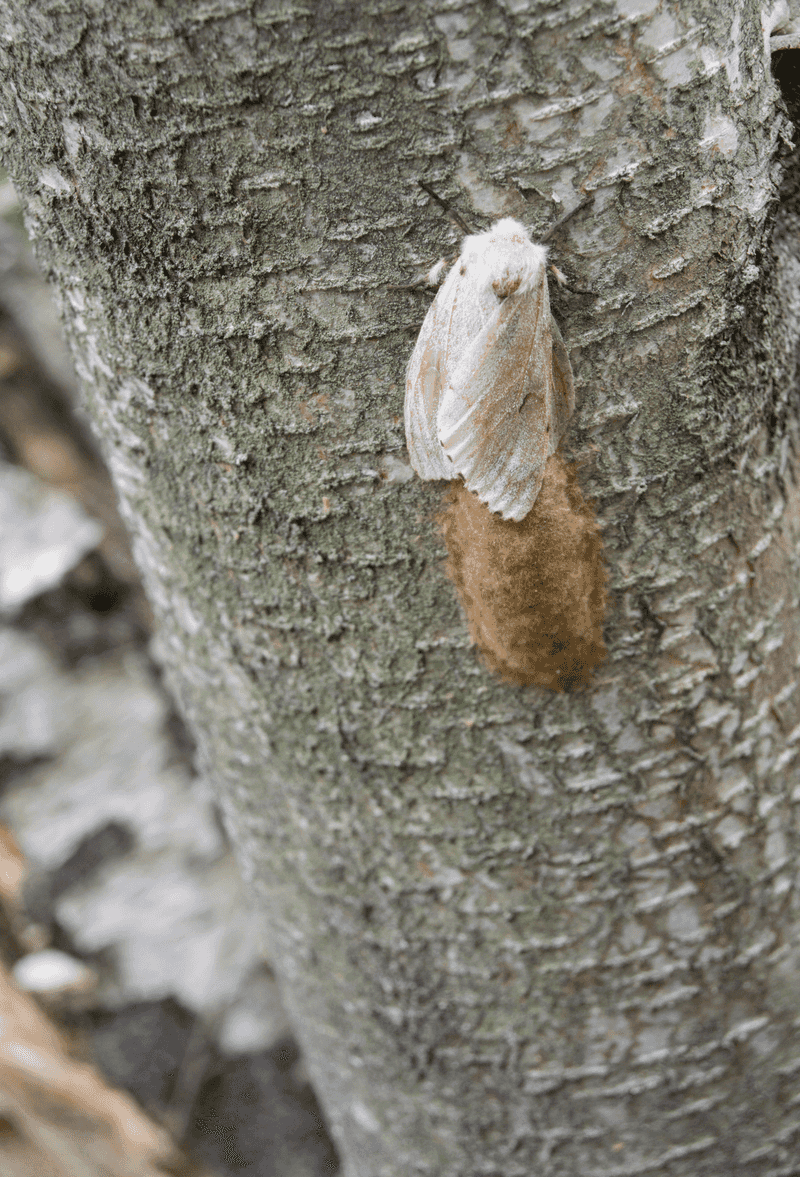
Timing changes everything when it comes to spongy moth control. During fall and winter, the eggs sit still and quiet inside their fuzzy coating, waiting for warmer days. That resting stage is exactly why autumn gives you such a great chance to act.
Because the eggs stay inactive through the cold months, you can remove them without worrying about caterpillars crawling out right away. Everything is calm, tucked away, and easy to reach on the bark.
Waiting until spring makes the job much harder. Once temperatures climb, tiny caterpillars hatch and spread across your trees, and by then the damage clock has already started ticking.
Your Michigan Garden Changes Every Week. Your Plan Should Too.
Gardening in Michigan changes quickly throughout the season. Every Friday you’ll receive a simple weekly plan showing exactly what to plant, prune, fertilize, harvest, and protect so you never miss the right timing.
Working in fall also fits nicely with other yard cleanup tasks. While you rake leaves and put the garden to rest, you can add a quick tree check to your routine and knock out egg masses at the same time.
The weather helps too. Cool, dry autumn days make it comfortable to walk around your property, inspect trunks, and scrape away masses without rushing.
Another bonus is visibility. With many leaves gone, branches and bark show clearly, so masses that hid all summer suddenly stand out against the wood.
Every mass you take away now is a batch of caterpillars that will not appear later. That simple head start protects your trees when they need it most.
By choosing fall for this task, you work with nature’s calendar instead of against it, making your effort far more effective and a whole lot easier.
3. One Egg Mass Can Mean Hundreds Of Caterpillars
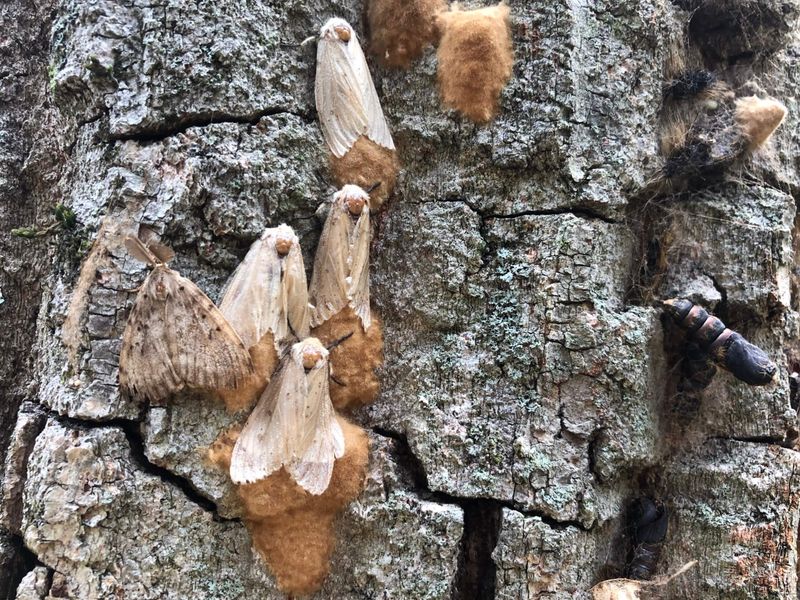
Here is a number that might surprise you. A single spongy moth egg mass can hold several hundred eggs, sometimes reaching close to a thousand. That tiny fuzzy patch is packed with future caterpillars.
Think about what that means for your yard. Just one mass you miss could turn into hundreds of hungry caterpillars climbing your trees next spring, all chewing leaves at the same time.
Now flip that idea around. Every mass you scrape off removes an entire crowd of insects before they ever hatch. Clearing even a handful of masses makes a real dent in next year’s population.
This is why backyard action matters so much. When many neighbors remove masses from their own trees, the whole area feels the benefit, and feeding pressure drops across the community.
Small trees especially need this help. A young or newly planted tree cannot handle hundreds of caterpillars stripping its leaves, so removing masses gives it a fighting chance.
The math is on your side. Spend a few minutes scraping, and you might prevent thousands of caterpillars over just a few trees.
It feels good to know that one simple task carries such weight. You are not just cleaning bark, you are stopping a huge wave of insects before it starts.
Keep a container handy as you search, because once you understand how many eggs hide in each mass, you will want to collect every single one you can find around your property.
4. Caterpillars Can Strip Tree Leaves
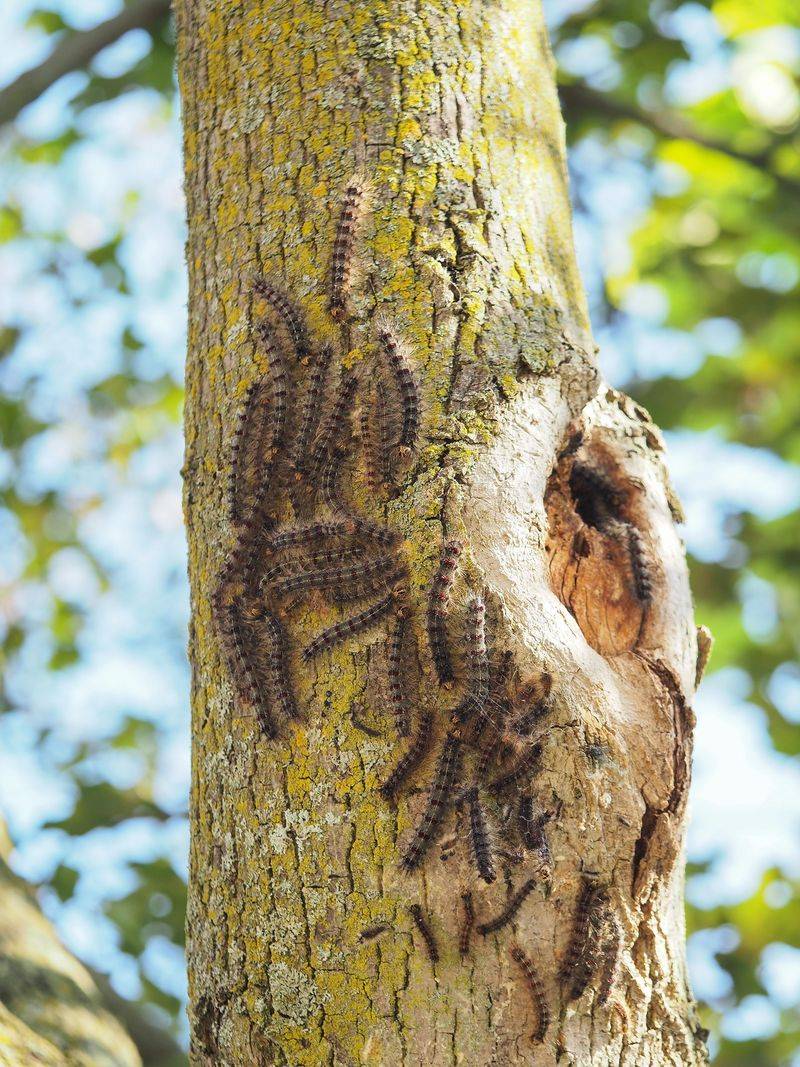
Picture a healthy tree in June suddenly looking bare and thin. When spongy moth caterpillars appear in large numbers, they feed on leaves so heavily that whole trees can lose most of their green.
This heavy feeding is called defoliation, and it hits Michigan trees hard. Oaks are a favorite target, but the caterpillars munch on many kinds of trees when their population grows large.
Losing leaves once might not seem terrible, since trees often push out new growth. The bigger worry comes when this happens year after year to the same tree.
Repeated leaf loss wears a tree down. Leaves are how trees make food from sunlight, so a tree stripped bare must use its stored energy just to survive and grow replacement leaves.
Trees already facing stress feel it most. Drought, poor soil, or crowded roots leave a tree with little energy to spare, and heavy caterpillar feeding pushes it even further.
That combination can weaken a tree over several seasons, making it more likely to suffer from other pests or diseases down the road.
Removing egg masses now helps break this cycle. Fewer caterpillars in spring means fewer leaves lost, which gives your trees more strength to stay healthy.
When you protect the leaves, you protect the whole tree. Every mass you clear in fall is a small shield against the leaf loss that could otherwise pile up season after season and leave your favorite trees struggling.
5. Check More Than Just Tree Trunks
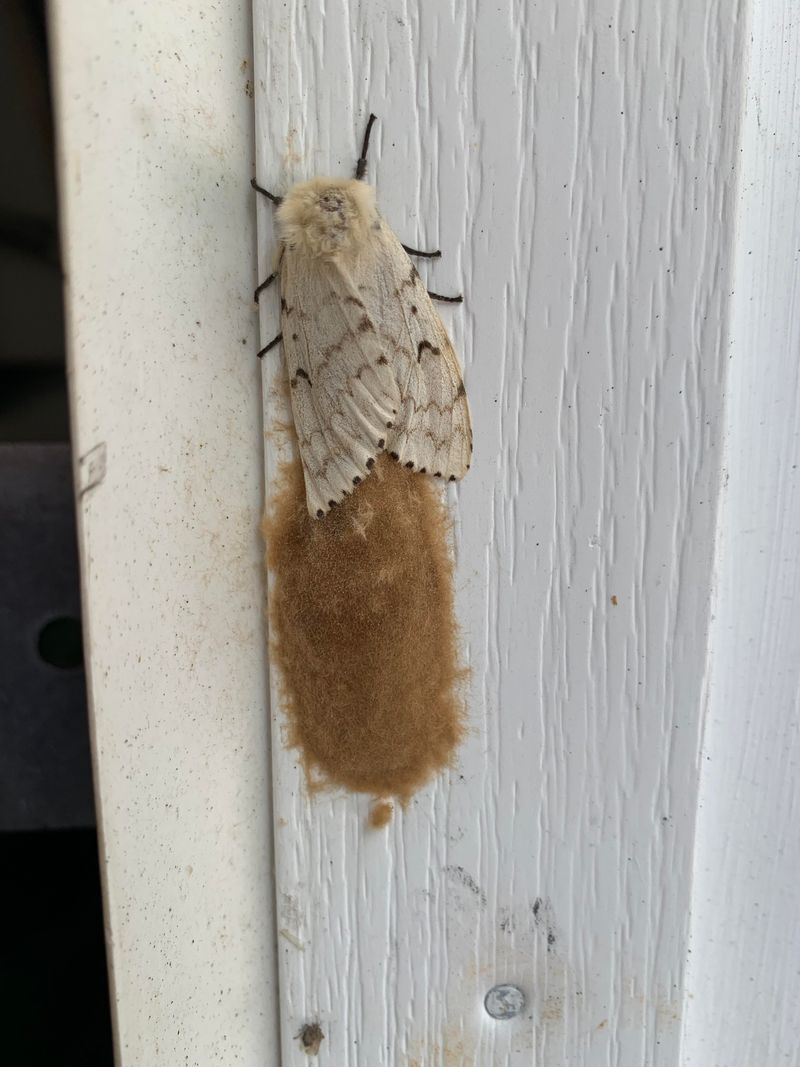
Tree trunks are the obvious place to search, but female spongy moths are not picky about where they lay eggs. They tuck their masses onto all sorts of outdoor surfaces around your home.
Look beyond the bark and you may find masses on fences, sheds, and the underside of outdoor furniture. Any quiet, sheltered spot can become a nursery for next spring’s caterpillars.
Firewood deserves special attention. Stacked logs often carry egg masses, and moving that wood can spread the eggs to new areas without you even knowing.
Check the sides of your house, garage walls, and even play equipment. Females often choose surfaces that stay still and protected through the winter months.
Branches high and low are worth a glance too. Masses hide along larger limbs, in the crooks where branches meet, and on the shady side away from wind.
Do not forget stone walls, mailbox posts, and the bottoms of grills or planters. Once you start looking closely, you may be amazed at the hidden spots moths choose.
Bringing a flashlight helps you peek into shadowy corners and cracks where masses blend in with the surface. A slow, careful sweep of your whole yard pays off.
By checking everything, not just trees, you catch masses you would otherwise miss. That thorough search means fewer caterpillars hatching anywhere on your property.
Think of it as a treasure hunt in reverse, where every tan patch you find and remove makes your yard safer for the growing season ahead.
6. Scrape Them Off Carefully
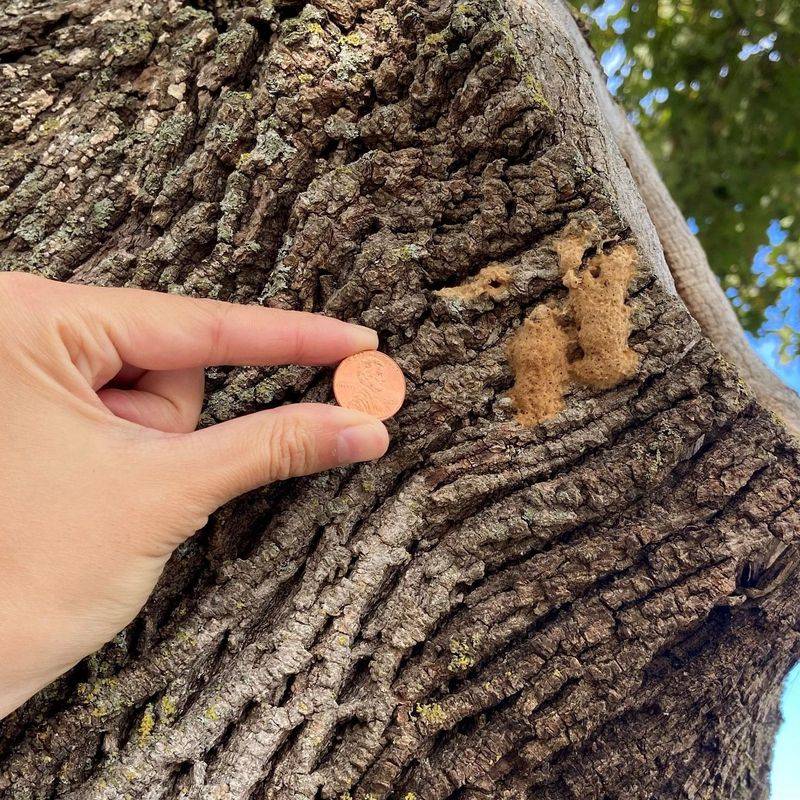
Removing egg masses is easier than you might think, but doing it the right way matters a lot. Grab a plastic scraper, an old butter knife, or a sturdy stick to lift the mass off the surface.
Hold a container or a bag right underneath as you scrape. You want to catch the whole mass so none of it drops to the ground where the eggs could still survive.
Brushing masses onto the soil is a common mistake. The eggs are tough, and simply knocking them down often lets them make it through winter and hatch anyway.
Instead, scrape the masses into a bucket of soapy water and let them soak for a day or two. This simple step keeps the eggs from ever hatching.
Sealing them in a bag works well too. Once collected, tie the bag shut and place it in the trash so the eggs cannot spread.
Work gently on young or thin bark so you do not scrape too deep and harm the tree. A firm but careful hand removes the mass while leaving the wood in good shape.
Some people wear gloves during this task, since the tiny hairs on the masses can bother sensitive skin. It is a smart comfort step.
Take your time and be thorough, getting every bit of the fuzzy patch. A clean, complete removal means those eggs will not surprise you when the weather warms and your garden comes back to life.
7. Protect Valuable Trees Before Spring
Scraping off egg masses is a wonderful start, but it works best as part of a bigger plan to keep your trees strong. Healthy trees handle insect feeding far better than weak ones.
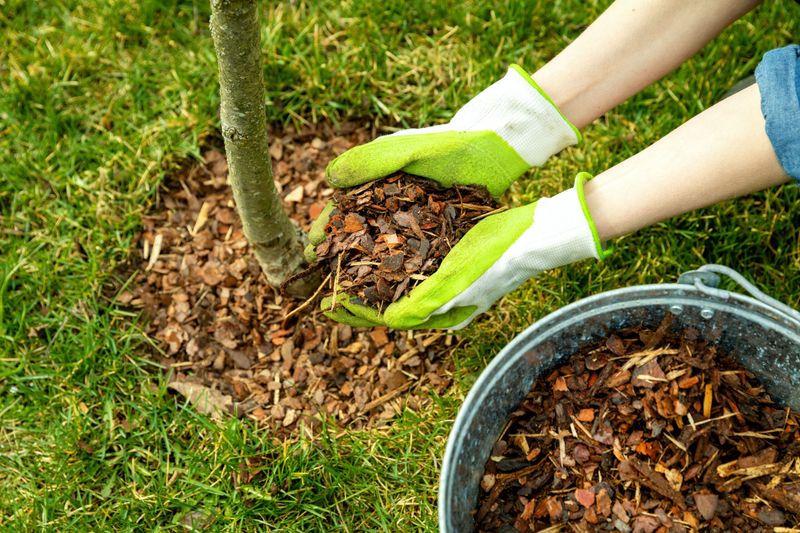
Good soil sits at the heart of tree health. Adding a layer of mulch around the base helps hold moisture and feed the roots, giving your tree a steady foundation.
Water matters too, especially during dry Michigan summers. A deep, slow watering helps roots reach down and keeps your tree from getting stressed when rain is scarce.
Reducing other pressures makes a big difference. Avoid piling soil against the trunk, keep lawn mowers from bumping the bark, and give roots room to grow without being crushed.
When a tree is well cared for, it can bounce back from a season of caterpillar feeding much more easily. Its stored energy helps it grow fresh leaves and stay resilient.
Focus your extra effort on the trees you treasure most, whether it is a shade oak or a tree with special meaning to your family. Those deserve the strongest protection.
Combining egg mass removal with steady care creates a powerful defense. You lower the number of caterpillars while also boosting the tree’s own strength.
Come spring, your prepared trees will leaf out fuller and healthier, ready to shrug off any feeding that does happen. A little planning now sets up a green, thriving yard for the whole warm season ahead.
8. Know What You Are Removing
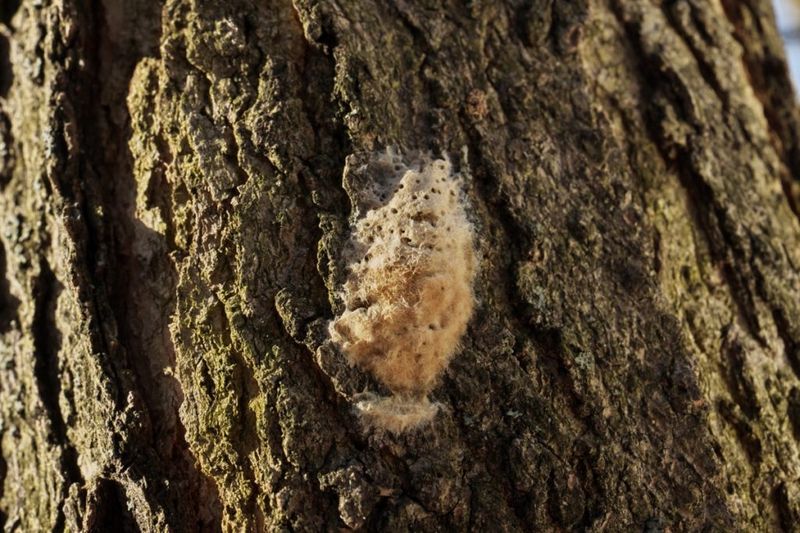
Before you start scraping, pause for a quick check. Not every bump or blob on your bark belongs to a spongy moth, and some belong to insects you actually want in your garden.
Many creatures leave egg cases behind, and some look a little like the tan, fuzzy spongy moth masses. Praying mantis egg cases, for example, are helpful and better left alone.
Learning the difference saves you from removing a friend by mistake. Spongy moth masses are tan, felt-like, and often shaped like a rounded teardrop stuck flat to the surface.
Other egg cases may be papery, foamy, or a different color. When something looks unfamiliar, it pays to compare it with a trusted photo before you decide.
Helpful tools are just a click away. The Michigan Department of Natural Resources and university extension websites share clear pictures that make identification simple.
You can also snap a photo and ask a local garden center or extension office. A quick question can confirm what you found and keep you from guessing.
Getting this right protects the balance in your yard. Beneficial insects help control pests naturally, so keeping their eggs safe supports a healthier garden overall.
Once you feel confident spotting the real spongy moth masses, the whole task becomes smooth and rewarding. You remove the troublemakers and leave the helpers in peace.
A moment of careful looking makes all the difference, turning your fall cleanup into smart, targeted care that truly benefits your trees and everything living around them.