The Plants California Gardeners Should Keep Away From Air Conditioning Units
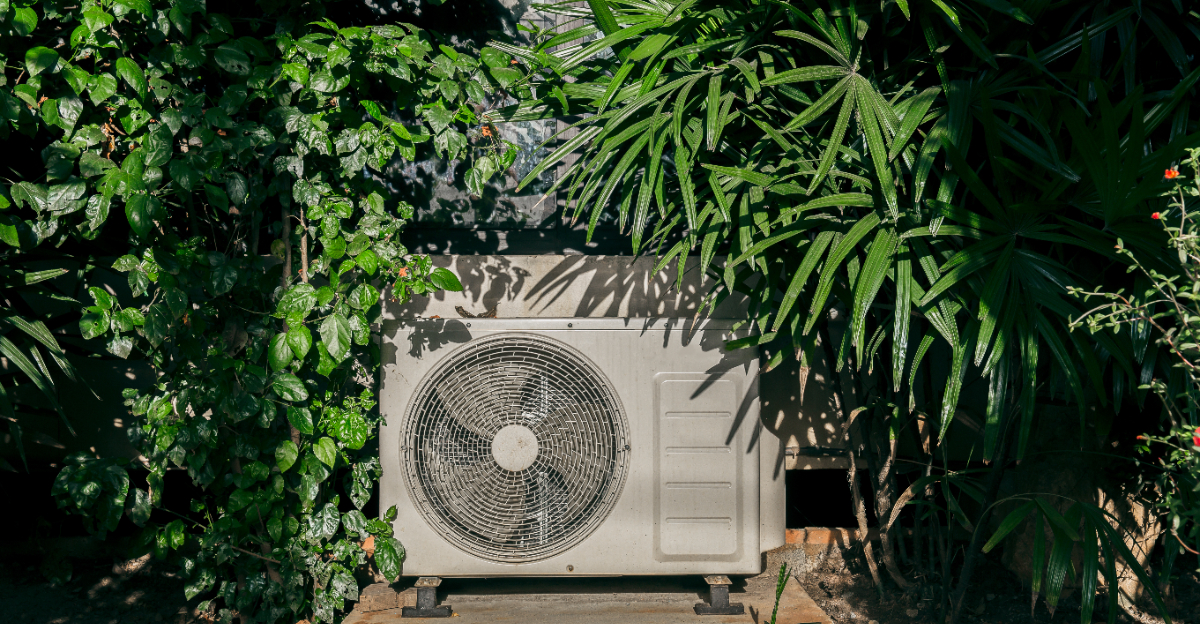
That sunny patch beside the air conditioning unit can look like prime planting space. It is close to the house, easy to reach, and practically begging for a little greenery. Sounds perfect, right? Not so fast.
The area around an outdoor AC unit has its own strange little climate. Hot air pours out, the ground can dry quickly, and constant vibration may stress anything growing too close.
Some plants tolerate those conditions well. Others turn a simple landscaping choice into a surprisingly annoying problem. Botanical drama strikes again.
The wrong plant can crowd the unit, trap debris, or struggle all summer long. A small shrub may also grow much faster than expected and become difficult to manage once temperatures climb.
Choosing carefully can save you extra yard work and help the space look better for longer. That empty patch may still become a great planting spot, but only if the right greenery moves in.
1. Bamboo Drops Leaves And Crowds The Unit Fast
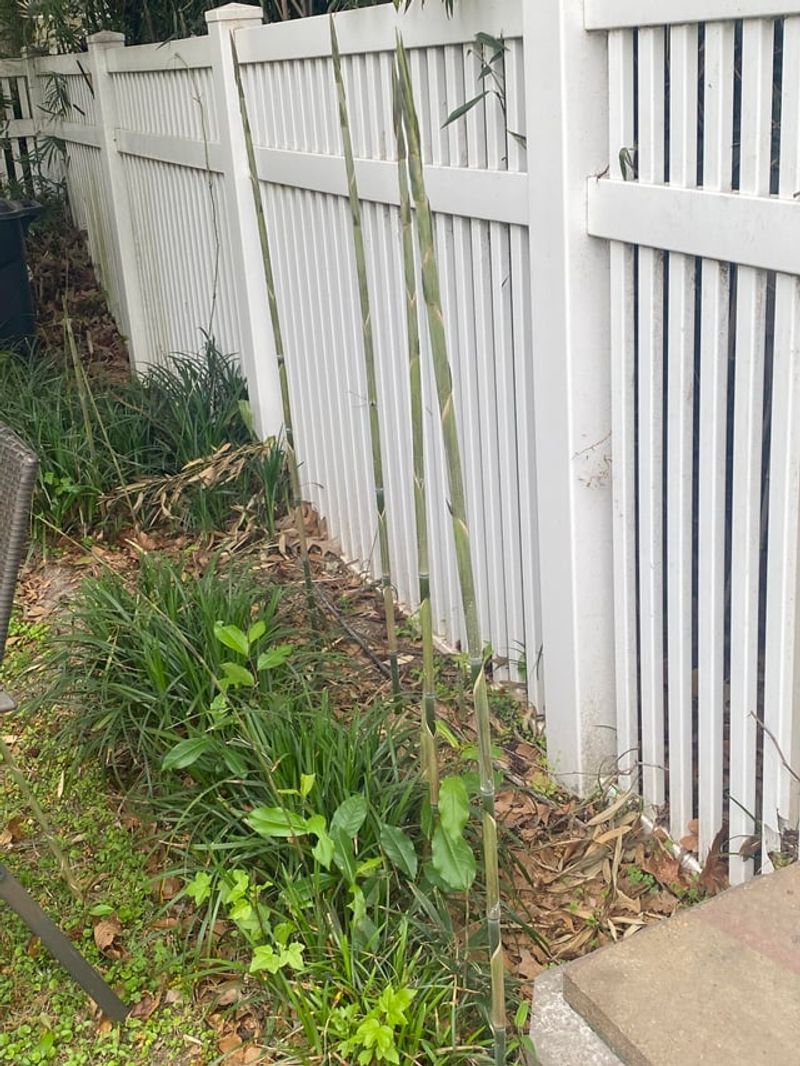
Few plants spread as aggressively as bamboo, and that speed is exactly what makes it such a headache near outdoor AC units.
Running bamboo varieties, which are extremely common in gardens across California, can send underground shoots several feet in a single season. Those shoots do not stop at property lines or equipment pads.
As bamboo grows taller, it sheds a constant supply of dry leaves and papery sheaths. These lightweight pieces blow easily into the fins and vents of your AC unit.
Once debris builds up inside, airflow gets restricted and your system has to work harder to do the same job.
Roots are another serious concern. Bamboo roots are tough, persistent, and surprisingly strong.
They can push against refrigerant lines, wiring conduits, and even the concrete pad your unit sits on. Over time, that pressure causes real structural damage that is expensive to fix.
Clumping bamboo is a slightly safer option if you love the look, but it still needs to be planted well away from any equipment.
Most HVAC professionals recommend at least five feet of clearance, and with bamboo, more space is always better.
Regular trimming helps, but it rarely solves the root problem completely. If bamboo is already growing close to your unit, calling a landscaping professional to assess the situation is a smart first step before things get worse.
2. Ornamental Grasses Shed Dry Blades Into Vents

Graceful movement makes ornamental grasses appealing, but their dry blades can become a problem fast. They are low maintenance, drought tolerant, and look beautiful swaying in the breeze.
The problem is that breeze also carries their dry, straw-like blades directly into nearby AC vents and condenser fins.
During late California summer and fall, ornamental grasses shed heavily. Fine, dry fibers break off from the tips and float through the air like tiny pieces of straw.
They work their way into the smallest gaps of your outdoor unit and accumulate fast. A clogged condenser cannot release heat properly, which forces your system to run longer and use more energy.
Your California Garden Changes Every Week. Your Plan Should Too.
Gardening in California changes quickly throughout the season. Every Friday you’ll receive a simple weekly plan showing exactly what to plant, prune, fertilize, harvest, and protect so you never miss the right timing.
Some popular varieties, like Mexican feather grass, are especially prolific shedders. Even a light wind can send hundreds of tiny blades airborne.
If your unit sits downwind from a large clump of ornamental grass, the buildup can happen within days after a windy stretch.
Keeping these grasses trimmed back in late summer helps reduce shedding, but placement is the real solution.
Plant ornamental grasses at least four feet from your unit, and position them so the prevailing wind blows debris away from the equipment rather than toward it.
Checking your unit monthly during peak shedding season and clearing any debris caught in the fins is a simple habit that protects your system and keeps energy bills in check.
3. Rosemary Gets Woody Too Close To Equipment
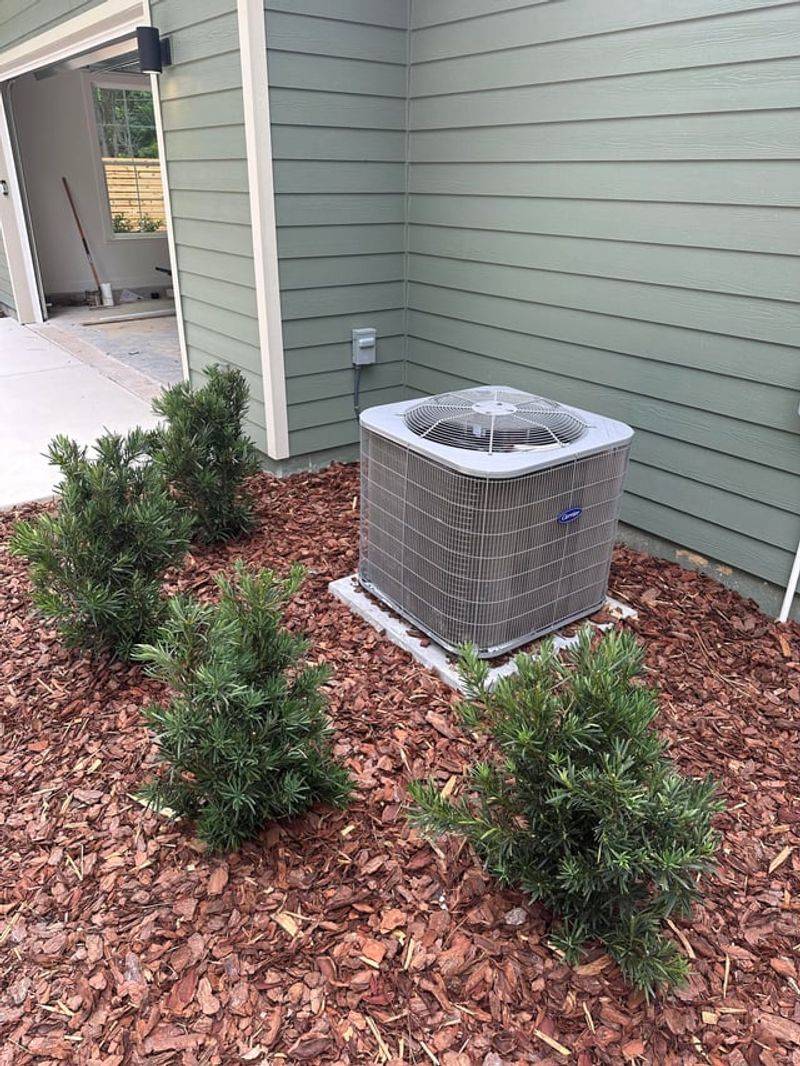
Heat-loving and famously low-maintenance, rosemary can quietly turn into a dense woody shrub. It smells incredible, handles heat well, and practically takes care of itself.
But left to grow without limits, rosemary becomes a dense, woody shrub that can reach four feet tall and just as wide.
When rosemary grows right next to an AC unit, a few problems show up quickly. The woody stems and branches press against the unit casing, scratching the surface and sometimes bending the delicate aluminum fins.
Those fins are critical for heat exchange, and even small bends reduce how well your system works.
Rosemary also drops tiny needle-like leaves constantly. These fall into the unit and collect in the base pan, where they can hold moisture and encourage rust.
The oils in rosemary leaves are also flammable, which is a concern in fire-prone regions of California where dry conditions are common during summer and fall.
Pruning rosemary regularly keeps it manageable, but many gardeners find it grows back faster than expected.
A better approach is to transplant established rosemary bushes to a raised bed or border at least three feet from any equipment.
Smaller, compact rosemary varieties work well in tight spaces and are easier to control near patios and walkways. Moving it does not have to be a big project, and your AC unit will thank you for it.
4. Lavender Can Trap Dry Debris Around The Base
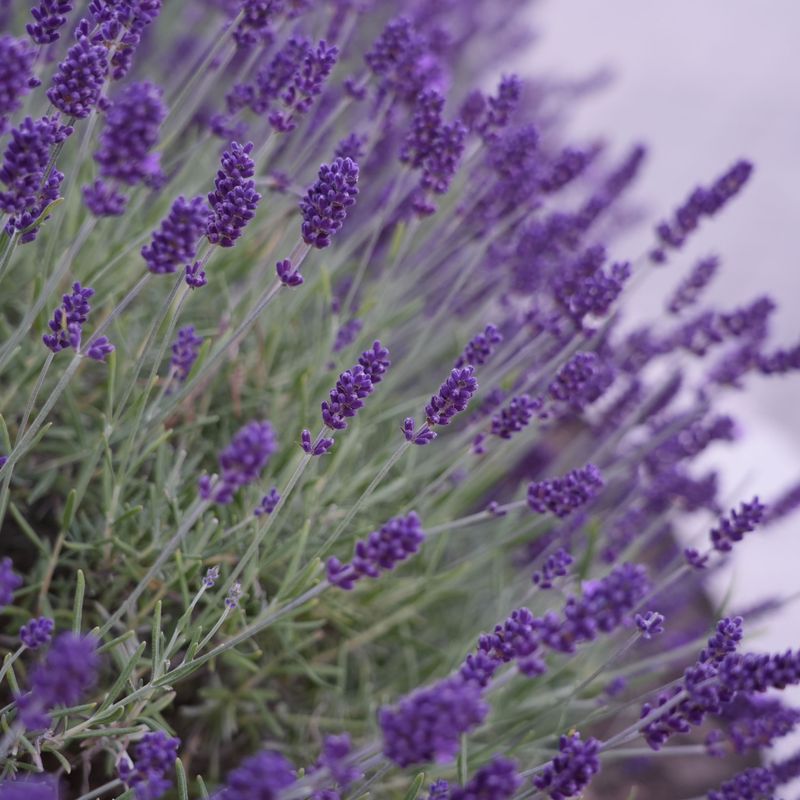
Lavender is a garden favorite for good reason. The purple blooms are stunning, the fragrance is calming, and pollinators love it.
In drier inland areas and along the central coast, lavender thrives with very little water. But that same drought-hardy nature means it produces a lot of dry, woody material over time.
As lavender matures, its lower stems become thick and brittle. Old flower stalks dry out and break off easily in the wind.
These lightweight pieces drift around the yard and collect in corners, under equipment, and inside AC unit bases. The base pan of an outdoor condenser is a perfect trap for this kind of debris.
A packed base pan blocks drainage holes and holds standing water after rain or irrigation. Standing water leads to rust, mold, and sometimes pest activity.
Ants and other small insects are drawn to moist, sheltered spaces, and a debris-filled AC base offers exactly that kind of environment.
Lavender planted within two feet of a unit creates a near-constant debris problem that is hard to stay ahead of.
Spacing it at least three feet away and keeping the plants well-pruned after each bloom cycle reduces the amount of material that can reach your equipment.
Cutting plants back by about one-third after flowering keeps them compact and less likely to drop large amounts of dry material near sensitive outdoor equipment throughout the year.
5. Juniper Creates Dense, Flammable Growth Nearby
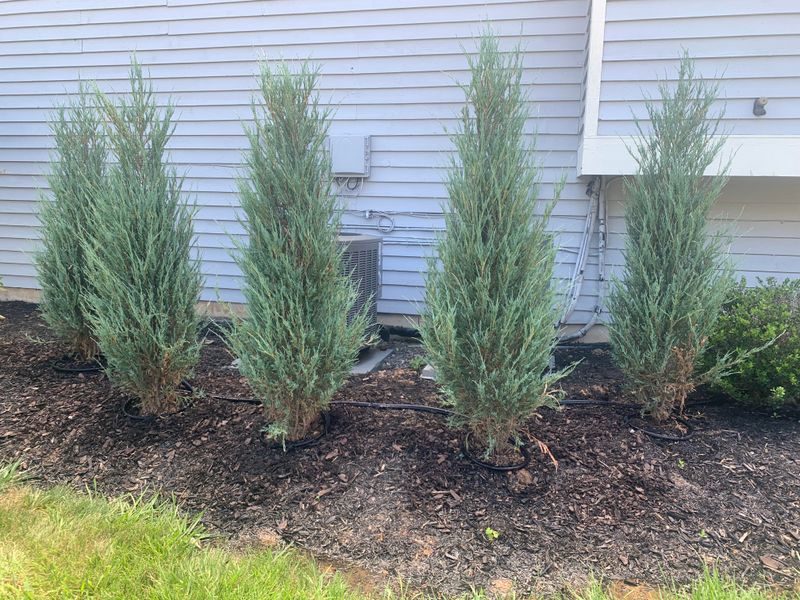
Tough evergreen growth makes junipers a popular choice for low-water landscapes. They are tough, evergreen, and come in dozens of varieties.
But junipers have a characteristic that makes them particularly risky near outdoor AC equipment: they hold withered, dry material deep inside their branches.
As juniper grows, the inner branches shade out and stop getting sunlight. Those interior sections turn brown and dry but stay trapped inside the plant.
Over time, a mature juniper can be mostly withered wood on the inside while looking perfectly green on the outside. That hidden dry material is highly flammable, which is a real concern in fire-prone areas of California.
Beyond the fire risk, juniper branches are stiff and scratchy. When planted too close to a unit, they push against the casing and fins as they grow.
The small berries and scale-like leaves shed constantly and find their way into every gap and vent opening.
Cleaning them out requires removing the plant material first, which can be difficult when branches are densely packed around equipment.
Spacing is everything with juniper. Ground-cover varieties should stay at least three feet from any unit, while larger upright varieties need five feet or more.
If you already have a juniper crowding your AC setup, a professional trim to open up the area around the unit is a worthwhile investment before the next fire season arrives.
6. Bougainvillea Sends Thorny Stems Into Service Space

Bougainvillea is practically a symbol of warm-weather gardening in the southern parts of California. The bright, papery blooms are eye-catching, and the plant thrives in full sun with minimal water.
But anyone who has ever tried to prune a bougainvillea knows the real story: those thorns are sharp, long, and unforgiving.
When bougainvillea grows near an AC unit, the thorny stems eventually reach the equipment.
They scratch the outer casing, puncture refrigerant line insulation, and make routine service visits much harder for technicians.
Most HVAC professionals charge extra time when they have to navigate thorny vegetation just to access the unit for basic maintenance.
The papery bracts that make bougainvillea so beautiful also become a nuisance. They fall in large quantities, especially after a dry spell or a strong wind.
Lightweight and numerous, they blow into vents and condenser fins easily. A single storm can send enough bracts into a unit to noticeably restrict airflow.
Training bougainvillea onto a trellis or wall on the opposite side of the yard from your AC unit is the smartest approach.
If space is limited, keep it trimmed aggressively and use thick gloves and long sleeves whenever you work near it.
Never let it grow freely in the direction of your unit. The combination of thorns and heavy shedding makes bougainvillea one of the most problematic plants you can have near outdoor cooling equipment in a warm-climate yard.
7. Star Jasmine Can Tangle Around Lines And Panels
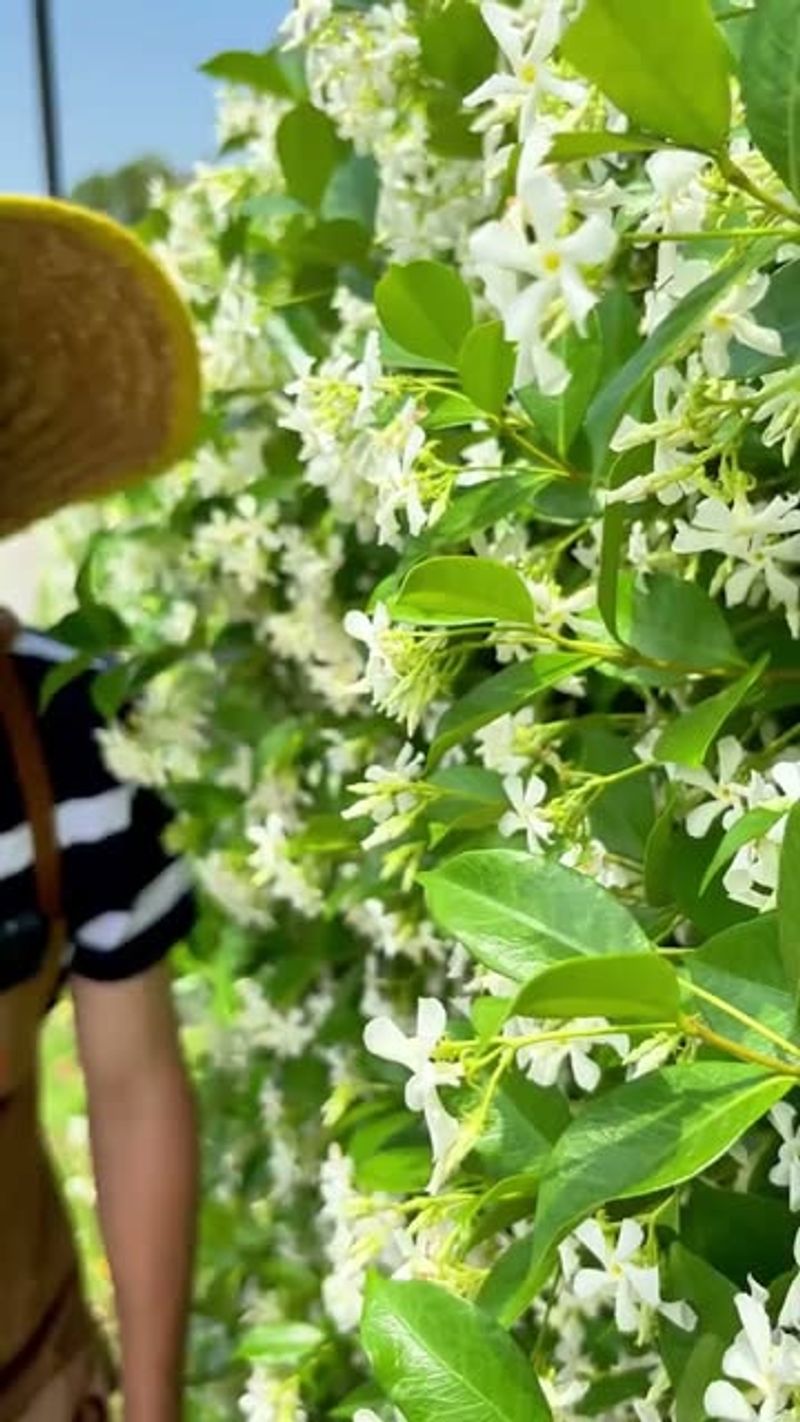
Fast growth and sweet fragrance explain why star jasmine appears in so many California yards.
It fills spaces fast, stays green year-round, and produces clusters of small white flowers in spring. The downside is that it never really stops growing.
Left unchecked, star jasmine sends out long, twining stems that grab onto anything nearby. Refrigerant lines running from the unit to the house are a favorite target.
Once the vine wraps around these lines, removing it without causing damage becomes a delicate and time-consuming task. Tugging too hard on a vine that has tightened around a refrigerant line can cause a leak.
The vines also work their way into electrical panels and access covers. When a technician needs to open a panel for repairs or routine checks, tangled vines can make the job take twice as long.
Some technicians will refuse to work on a unit until the vegetation is cleared, which means an extra service call before the real work even begins.
Keeping star jasmine as a ground cover at least four feet from your unit is the safest approach. Use edging or a physical barrier to prevent it from creeping closer over time.
If it is already climbing near your unit, trim it back carefully and redirect growth toward a fence or pergola away from all HVAC equipment and utility lines.
8. Climbing Roses Make Repairs Harder Than Necessary
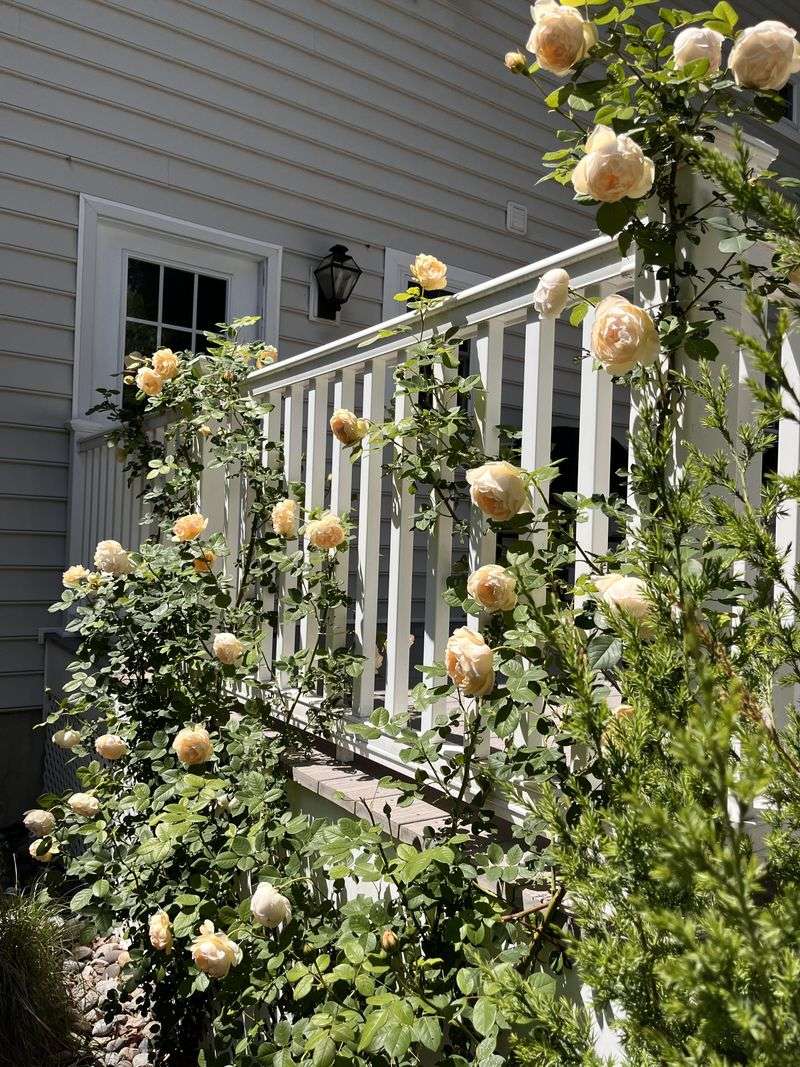
There is something undeniably romantic about climbing roses arching over a garden wall or fence. In coastal neighborhoods and well-watered inland yards, they grow vigorously and reward patient gardeners with stunning blooms.
But climbing roses near an AC unit create a situation that is anything but romantic for the technician who has to service the equipment.
The long, arching canes of a climbing rose can extend six feet or more in a single growing season. Without regular guidance and pruning, those canes sprawl in every direction.
When a unit sits nearby, canes inevitably lean against it, scrape the casing, and eventually work their way over the top or around the sides.
Thorns on climbing roses are larger and more aggressive than on bush varieties. They catch on wiring, insulation wrap, and service panel latches.
A technician reaching in to check electrical connections risks cuts and snags that slow down even routine maintenance visits. That added difficulty often translates directly into higher service bills.
Rose petals and leaves also shed heavily, especially during hot, dry stretches. The petals are soft but accumulate quickly in the unit base and along the fins.
Positioning climbing roses on a trellis or arbor on a separate part of the yard keeps them beautiful without creating problems.
If relocation is not possible, a sturdy support structure that directs growth upward and away from the unit is the next best solution.
9. Pampas Grass Belongs Far From Outdoor Units
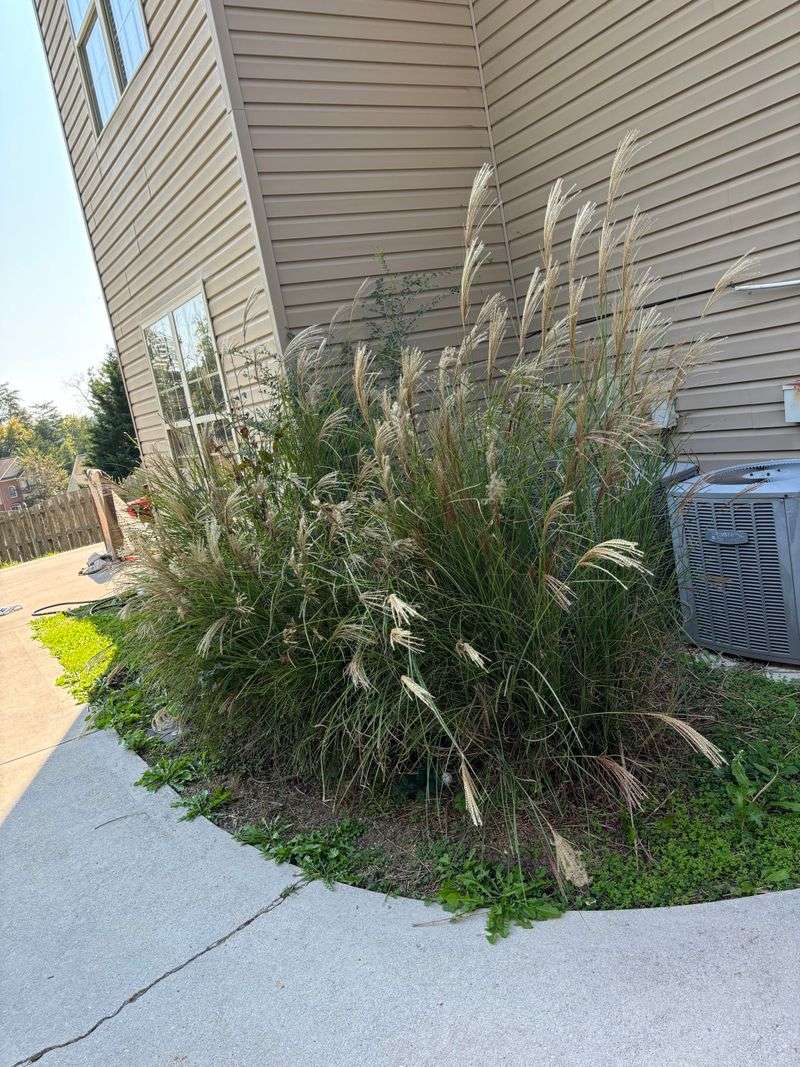
Pampas grass makes a bold statement in any yard. The tall, feathery plumes can reach ten feet high, and the silvery-white tassels sway dramatically in the breeze.
It is a showstopper plant, no question. But in northern regions and inland valleys of California, where fire risk is high and winds are strong, pampas grass near an AC unit is a combination worth reconsidering.
The plumes of pampas grass release thousands of tiny, fluffy seeds every fall. These seeds are carried by even light breezes and travel surprising distances.
If your unit is anywhere near a pampas grass plant, those seeds will find their way into every vent and gap.
Seed fluff inside a condenser acts like insulation, trapping heat and reducing airflow efficiency fast.
The dry leaves of pampas grass are also razor-sharp along the edges. Handling the plant without thick gloves is a bad idea, and reaching around it to service your unit is even worse.
The leaf edges can slice through insulation wrap on refrigerant lines if branches press against them over time.
Most landscaping guides recommend keeping pampas grass at least ten feet from structures and equipment.
In fire-prone areas, the recommendation is often to remove it entirely and replace it with a less flammable alternative.
If you love the look, consider planting it as a dramatic focal point in a corner of the yard that is well away from your home, your unit, and any fencing.