The Fall Decoration That’s Helping An Invasive Vine Take Over New York
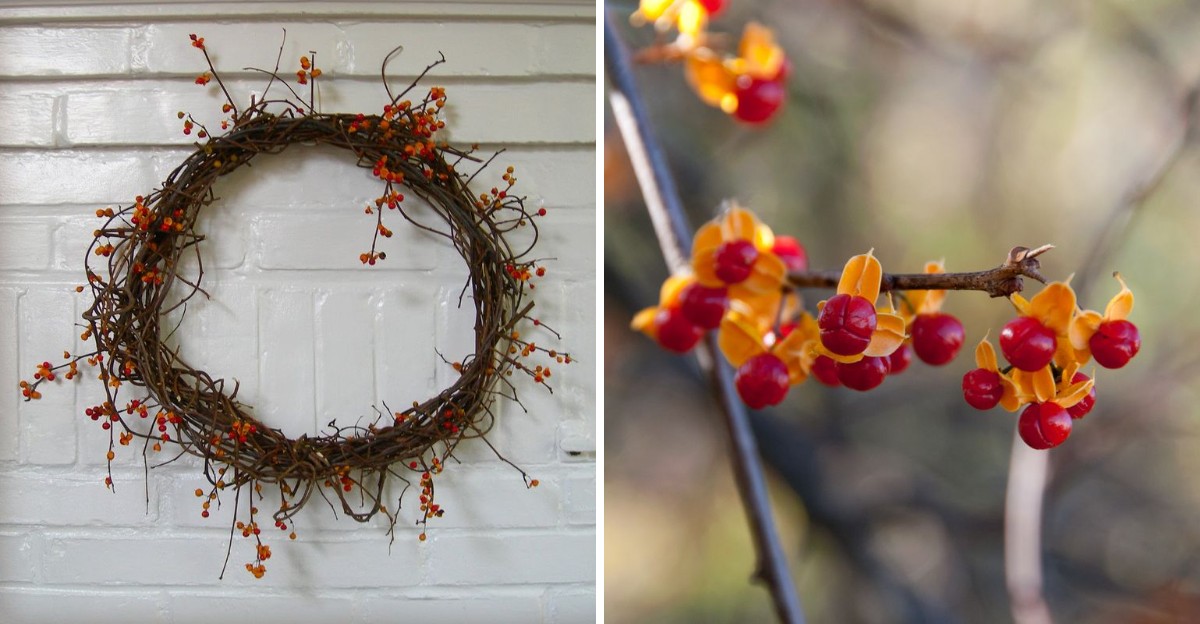
Those cheerful orange and red berries on an autumn wreath might be hiding a sneaky secret. Every fall, New Yorkers twist bright bittersweet vines into door wreaths, table swags, and porch displays.
The colors glow like a crackling bonfire, and the vines smell faintly of crisp woods and dry leaves. But one popular kind, Oriental bittersweet, is no friendly local plant.
It’s a fast-growing invader that smothers trees and crowds out native plants, and the state bans selling or moving it. Even worse, a wreath tossed outside after the season can spread its seeds, since birds happily carry them off.
Luckily, a few simple choices make a big difference. You can still enjoy gorgeous fall decor without giving a troublemaker a free ride.
Oriental Bittersweet Is A Fast-Spreading Invader
Back around 1860, someone thought a pretty Asian vine would make a lovely garden plant. Few people guessed how much trouble Oriental bittersweet would cause later.
Today, the vine is widespread across New York and the rest of the Northeast. It grows especially thick in the Hudson and Mohawk Valleys, where it blankets roadsides and forest edges.
Speed is its biggest weapon. A single vine can stretch up to 60 feet long and grow several inches thick.
Picture a garden hose that slowly turns into a tree trunk. That gives you a sense of how woody and tough older vines can become.
Seeds are only part of the story. The plant also spreads through its long, creeping roots, sending up new shoots in fresh spots.
Shade does not slow it down much either. Oriental bittersweet handles sunny roadsides, shady woods, open fields, and backyard fence lines with ease.
Scientists call this kind of plant a generalist. It adapts to many conditions, so few places are truly safe from it.
Want to help? Learn to recognize the vine before it climbs out of reach in your yard.
Young plants are much easier to pull than older ones. Grab small seedlings by the base and remove as much root as you can.
For bigger vines, cut them near the ground and keep watch for new sprouts. Patience matters, because roots can send up fresh growth for several seasons.
Local groups like PRISMs also offer guides and volunteer workdays for curious neighbors.
Birds Carry Its Berries Far And Wide
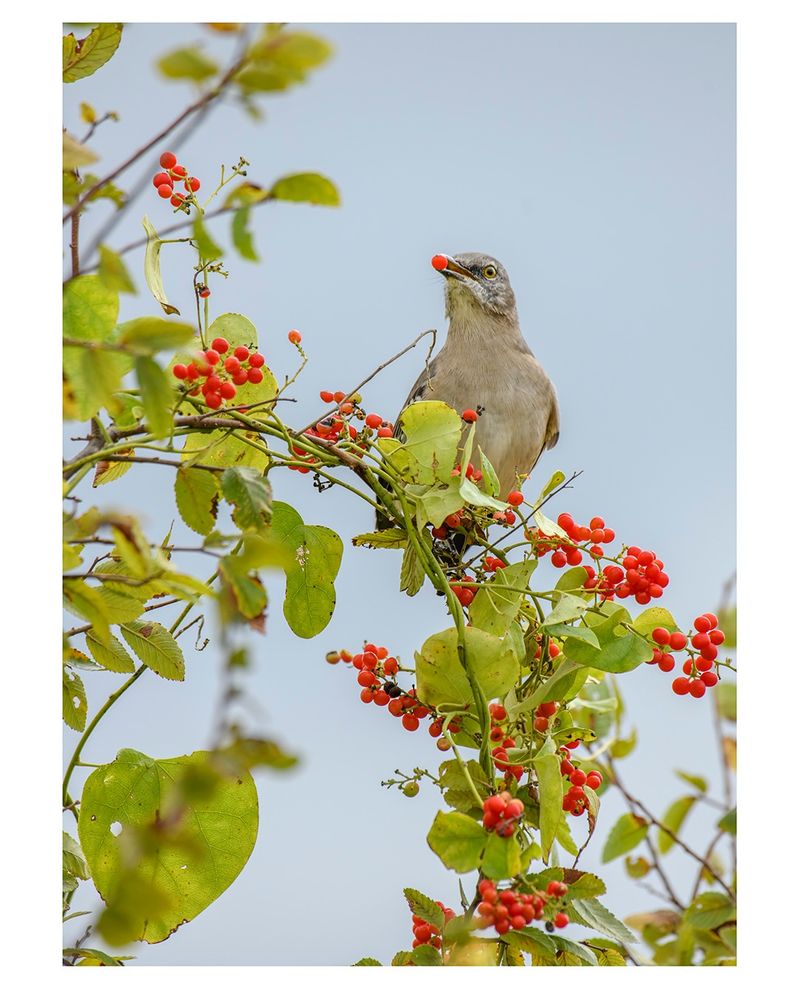
Imagine a robin in January, hungry and cold, spotting a vine loaded with glowing berries. For that bird, it looks like a free buffet in the middle of winter.
Oriental bittersweet produces huge numbers of bright red-orange berries. Even better for the vine, those berries stay put on the stems all winter long.
Many birds and small mammals snack on the fruit when other food is scarce. Robins, starlings, and other songbirds are frequent visitors.
Here is the clever part. The seeds pass through the bird and land somewhere new, wrapped in a tiny pile of natural fertilizer.
Seeds can stay healthy inside a bird’s gut for quite a while. So a bird might eat in one town and drop seeds miles away.
Your New York Garden Changes Every Week. Your Plan Should Too.
Gardening in New York changes quickly throughout the season. Every Friday you’ll receive a simple weekly plan showing exactly what to plant, prune, fertilize, harvest, and protect so you never miss the right timing.
Look under a favorite perch, such as a fence, power line, or lone tree. You will often find bittersweet seedlings popping up right there in a neat line.
Birds are not the villains here. They are simply doing what birds do, and the vine takes advantage.
Gardeners can help by offering better food choices. Native shrubs like winterberry holly, viburnum, and serviceberry feed birds without spreading invaders.
Another tip is to check under your bird feeders and fence posts each spring. Pulling tiny seedlings early saves you hours of cutting later.
Fun fact: one bird’s flight path can plant a bittersweet trail across an entire valley. Small actions in your yard truly ripple outward.
Tossed Wreaths Can Plant New Vines
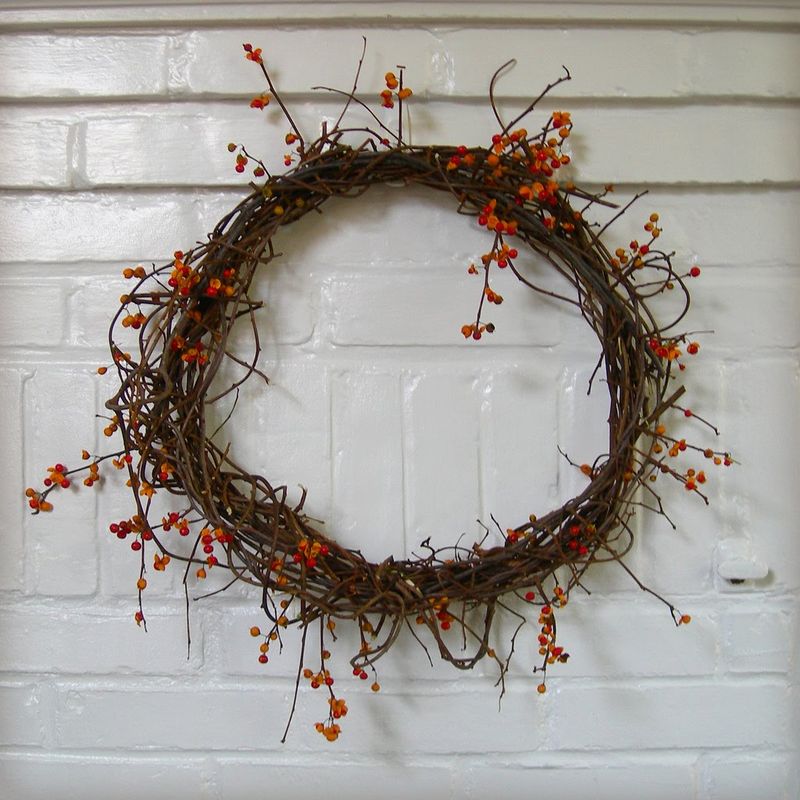
Here is a twist nobody expects. That charming wreath on your front door could be planting a jungle when you toss it out.
Every autumn, people cut fruiting bittersweet stems for wreaths, swags, and centerpieces. Craft fairs and farm stands across the state often sell them by the bundle.
Unfortunately, drying the vine does not stop its seeds. The seeds inside those cheerful berries can stay alive long after the leaves crumble away.
Now think about what happens in December. Many folks toss old wreaths into the woods, a brush pile, or the backyard compost heap.
Seeds drop onto the soil and wait for spring. Before long, a brand new vine starts climbing the nearest shrub or fence.
The numbers add up fast. One vine can make hundreds of berries, and each berry holds several seeds.
So a single wreath might hold enough seeds to start a small army. Multiply that by thousands of homes, and the problem grows quickly.
Experts say humans play a big role in spreading the vine this way. Composting decorations is one of the most common ways it escapes into wild areas.
Before buying a wreath, ask the seller what kind of bittersweet it uses. Many sellers honestly do not know, which is a clue to be careful.
If you already own one, enjoy it indoors and away from open windows. Then plan a safe goodbye when the season ends.
It Can Strangle And Topple Trees
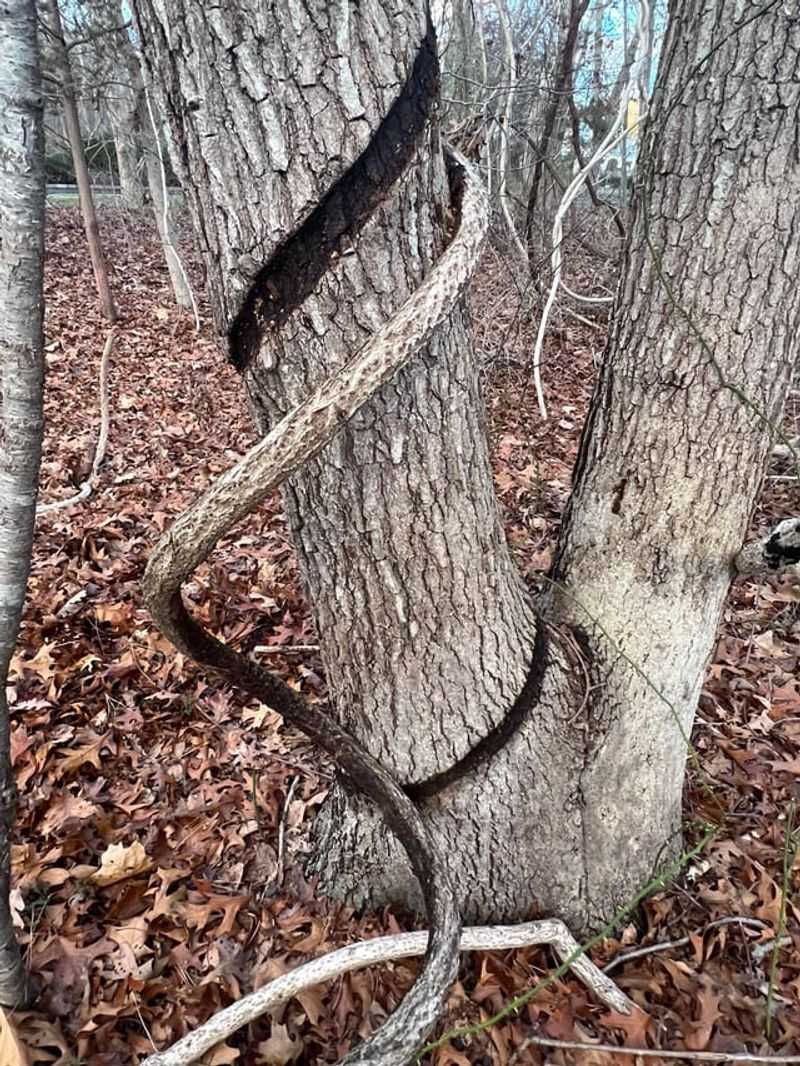
Think of a boa constrictor, but made of wood and moving in slow motion. Oriental bittersweet wraps itself around trees with a grip that tightens year after year.
The vine climbs by coiling around trunks and branches. As both the tree and vine grow, the vine squeezes harder and digs into the bark.
Foresters call this girdling. It cuts off the flow of water and nutrients, slowly starving the tree.
Up top, the trouble continues. Thick leaves spread over the canopy and steal sunlight the tree needs to make food.
Weight becomes another danger. Huge woody vines add heavy loads, especially when snow, ice, or wind arrive.
During storms, smothered trees can snap or tip over. When vines link several trees together, one falling trunk may drag its neighbors down too.
Homeowners in New York sometimes discover this after a storm knocks a tree onto a fence or driveway. Spotting the vine early can prevent costly cleanup.
Walk your property each fall when leaves turn yellow. Bittersweet leaves glow a bright gold that makes the vine easy to spot.
If you find a vine on a tree, cut it near the ground and again at waist height. Leave the upper part to wither, since pulling it down can break branches.
For very large vines, call a certified arborist. They have the tools to help without harming the tree.
Native Bittersweet Looks Similar But Behaves Differently
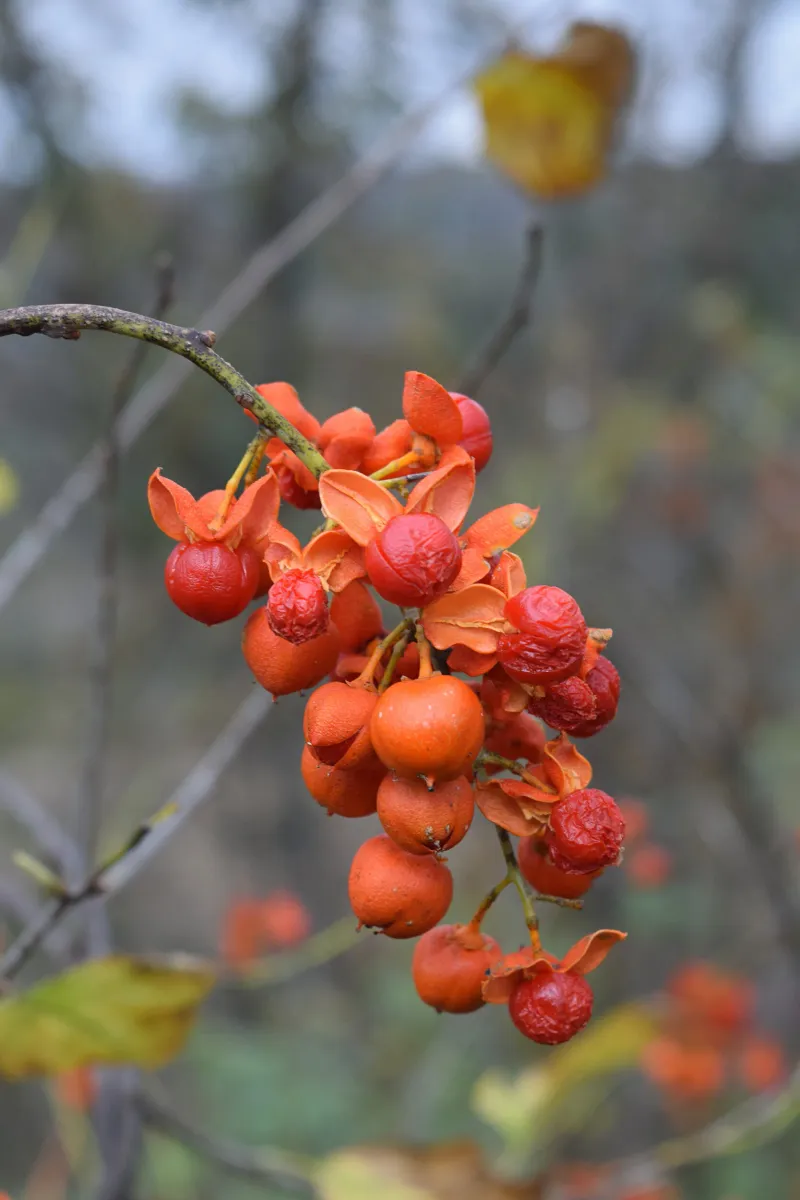
Meet the cousin who gets blamed for everything. American bittersweet, known as Celastrus scandens, often takes the heat for its troublesome Asian relative.
Both plants have twisty vines and bright orange-red fruit. At a glance, even nature lovers mix them up.
Their personalities, though, are quite different. The native vine is less woody, grows more slowly, and stays much smaller.
American bittersweet plays nicely with its neighbors. It has lived in North American woods for ages without bullying the forest.
Sadly, the native type is struggling. Habitat loss and competition from the invader have shrunk its numbers in many areas.
An even sneakier threat exists. The two species can crossbreed, creating hybrid plants.
Over time, hybrids may blur the native plant’s unique genetic identity. Scientists worry that pure American bittersweet could become rare in some regions.
So when people rip out every bittersweet vine they see, they might accidentally remove the good guy. Careful identification matters before you grab the pruners.
A helpful tip is to snap clear photos of any vine you find. Plant ID apps or your county Cornell Cooperative Extension office can confirm which type you have.
If you find true American bittersweet on your land, consider leaving it be. You will be protecting a native plant that needs a little extra help right now.
Gardeners can also buy it from native plant nurseries that guarantee correct labels.
Berries Along The Stems Point To The Invasive Type
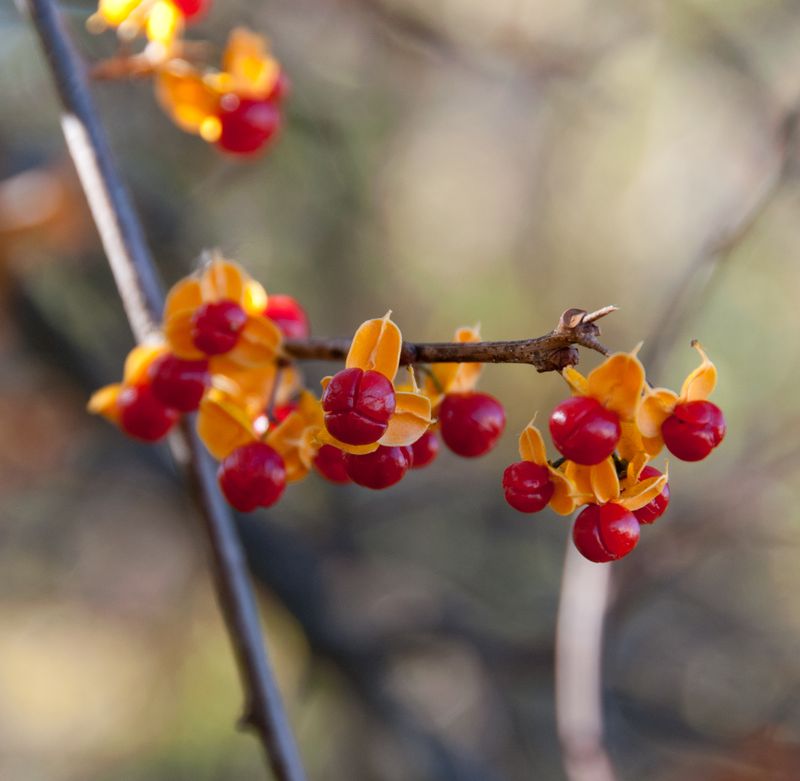
Ready to play plant detective? The easiest clue sits right on the stem, and you do not need a magnifying glass.
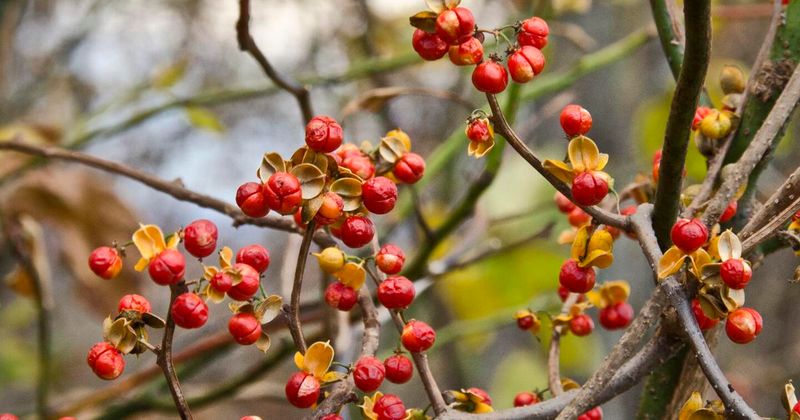
Look at where the berries grow. Oriental bittersweet has small clusters of three to seven berries spaced along the whole stem.
Those clusters sit in the leaf axils. That is the spot where each leaf joins the stem.
American bittersweet does things differently. Its fruit grows in bigger bunches only at the tips of stems and twigs.
So remember this simple rule. Berries all along the vine usually mean invader, while berries at the ends suggest native.
Color offers another hint. Oriental bittersweet capsules are usually yellow, which pops sharply against the scarlet berries inside.
American bittersweet capsules tend to be dark orange. They blend more closely with the red-orange berry beneath.
Leaves give a final clue during summer. Oriental bittersweet leaves are often rounder, almost circular.
American bittersweet leaves look more pointed, a bit like a football. Comparing a few leaves can confirm your guess.
Keep in mind that hybrids may show mixed traits. When in doubt, treat a plant with care and ask a local expert.
Try snapping a photo of a craft store wreath next fall. Most of the ones sold in New York feature berries along the stems, which tells you a lot.
Practice makes this skill easy and fun.
Bag And Trash Old Decorations Instead Of Composting Them
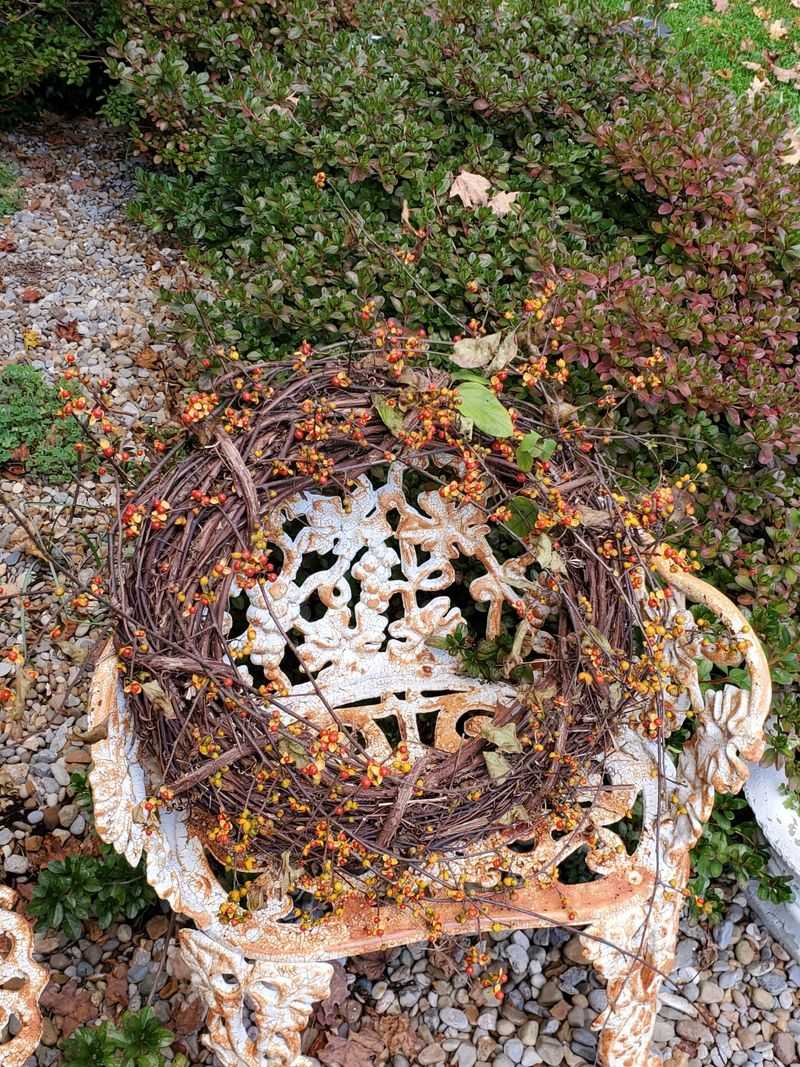
Composting feels like the earth-friendly choice for most autumn decorations. With bittersweet, though, the compost bin can turn into a seed nursery.
Seeds in old wreaths can stay alive for a long time. Given soil and a little rain, they sprout happily.
Most home compost piles do not get hot enough to stop them. That means you could spread the vine across your garden with every scoop.
The simplest fix is to bag it. Place old bittersweet decorations in a sealed plastic bag and put them in the trash.
Another option is solarizing. Seal the wreath in a black plastic bag and leave it in the sun for at least a month.
The heat inside the bag helps break down the seeds. Afterward, the bag can still go out with regular garbage.
Some people choose to burn wreaths where local rules allow. Check your town’s fire regulations first, since many New York communities limit outdoor burning.
Never toss decorations into woods, ditches, or brush piles. Those spots give seeds a perfect place to start fresh.
Shake the wreath gently over a sheet before bagging it. Loose berries collected this way can go straight into the bag too.
Share this tip with neighbors, friends, and anyone hosting a fall craft event. A quick chat might stop dozens of new vines from taking root next spring.
Native Alternatives Make Beautiful Fall Decor
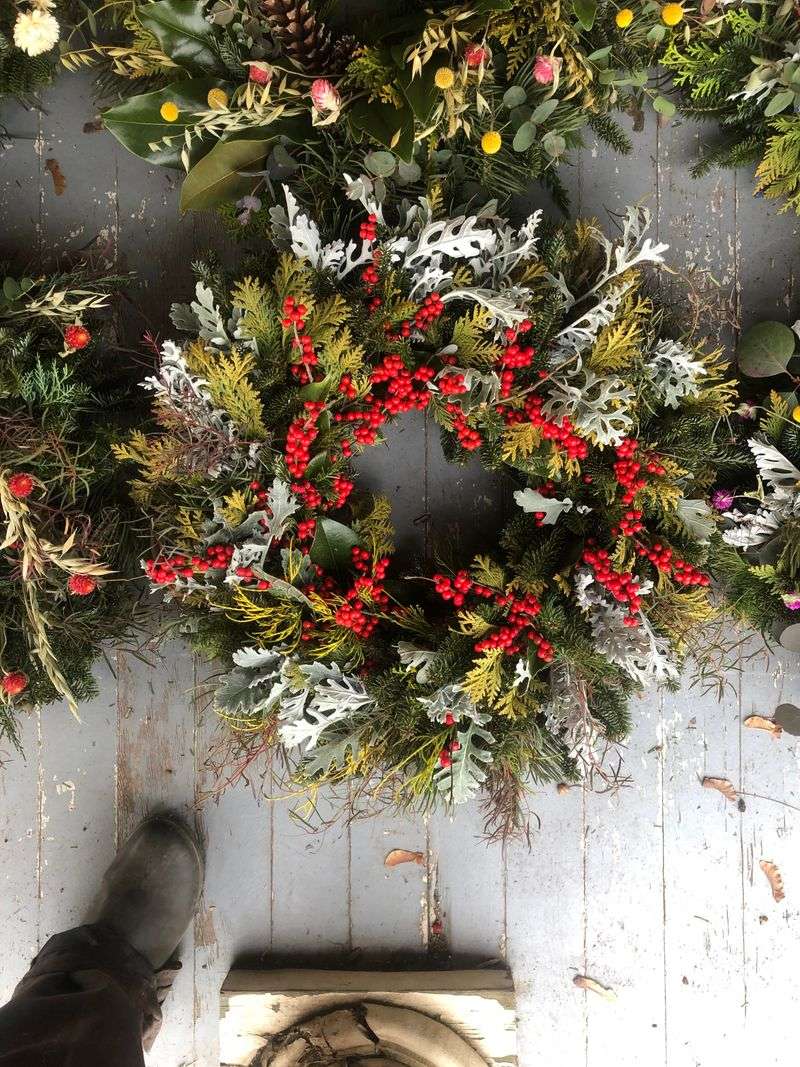
Good news for crafters: skipping the invader does not mean skipping the color. Plenty of native options bring that same warm, harvest glow.
American bittersweet is the obvious swap. Its orange fruit looks stunning in wreaths and fits well in woodland gardens.
Buy it only from trusted native plant nurseries, not from wild patches. Over-picking for wreaths has already shrunk native populations in some places.
Better yet, grow your own on a sturdy fence or trellis. You will need male and female plants for berries, so ask the nursery for help.
Winterberry holly is another star. Its glossy red berries glow on bare branches from fall into winter.
Dried native grasses add texture and movement. Little bluestem and switchgrass turn lovely shades of copper and bronze.
Don’t forget simple treasures from the yard. Oak leaves, pinecones, and seed heads from coneflowers make charming, free decorations.
Pumpkins, gourds, and corn stalks round out a classic look. None of them threaten New York forests when the season ends.
Try a mix-and-match wreath with grapevine, winterberry, and dried grasses. It looks rustic and costs very little to make.
When you are done, these materials can usually go in the compost. Just remove any wire, ribbon, or plastic first.
Choosing native decor lets you celebrate autumn while protecting the woods you love. Your porch and your local trees will both thank you.