The Fall Fertilizing Mistake That Leads To Weak Lawns In Pennsylvania
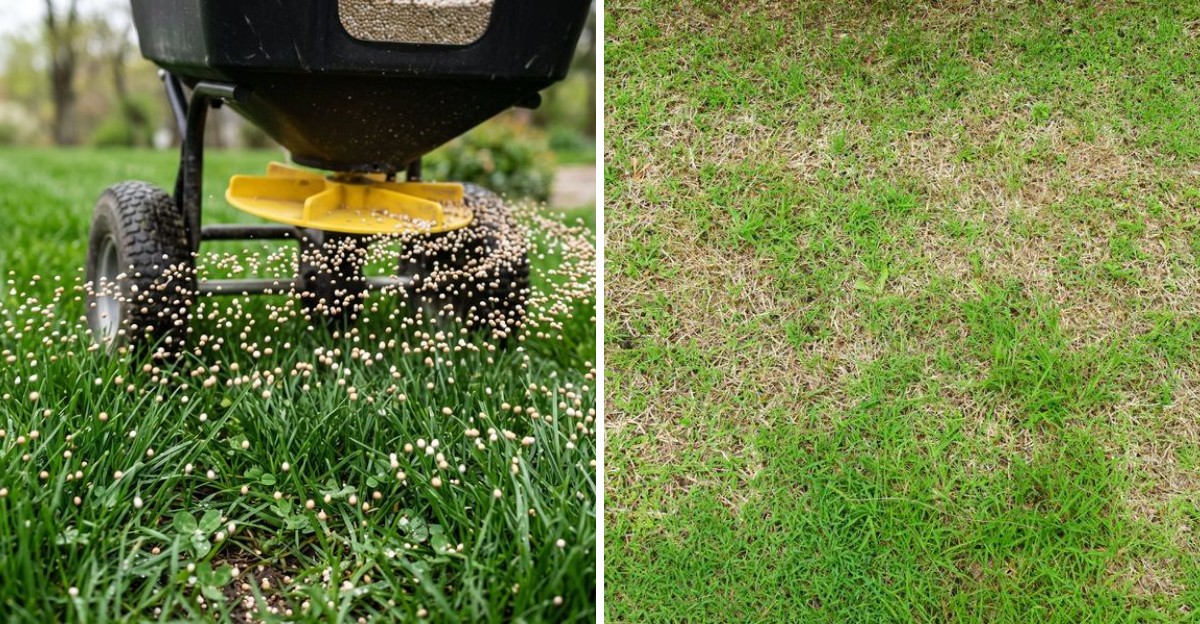
A lawn can look perfectly green in October and still head into winter hungry. The blades above the soil tell only half the story.
I learned this the hard way one spring in Pennsylvania. My grass came back thin and patchy, even though I had fed it faithfully. The bag was fine and so was the spreader, but my calendar was way off.
Cool-season grass does its most important work in autumn, mostly underground. Roots grow, sugars get stored, and next year’s thick turf quietly takes shape. Feed at the wrong moment, and all that effort goes to the wrong place.
Personally, I can’t imagine skipping my fall routine now. The difference shows up in April, when some lawns wake up lush and others limp along.
Your Fertilizer Spreader Might Be Rolling Out At The Wrong Time
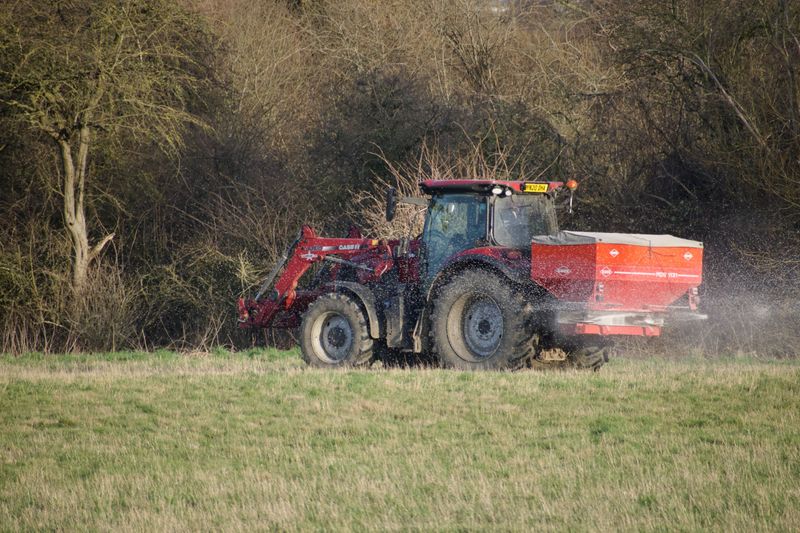
Timing is the sneaky culprit behind most weak lawns. Plenty of folks feed their grass on a random weekend in fall, then wonder why it struggles in spring.
Penn State Extension points out that cool-season grasses like Kentucky bluegrass, tall fescue, and perennial ryegrass benefit most from fall feeding. The catch is that early fall and late fall do very different jobs.
Early fall feeding helps grass bounce back from summer heat and drought. Late fall feeding, done right, helps roots store energy for winter.
The mistake happens when people miss these windows. Some wait until the ground is frozen solid, when roots can barely take in nutrients.
Others pour on heavy nitrogen while the grass is still growing fast, pushing out soft blades that frost can damage.
I like to think of fall feeding as packing a lunch for a long trip. Pack too late and the traveler has already left. Pack the wrong food and they run low halfway.
You need to match each application to what your grass is doing. Watch the weather, watch the mower, and let the grass tell you when it’s ready.
Frozen Lawns Can’t Use That Late Bag Of Winterizer
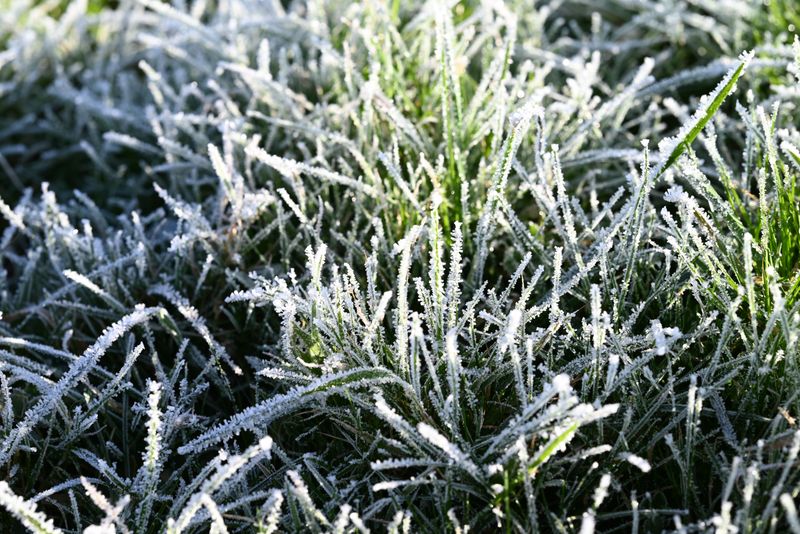
Late November rolls around, and someone in the neighborhood finally remembers that bag in the garage. Out comes the spreader, right onto stiff, frosty grass.
Once the soil freezes, grass roots slow down to a crawl. They simply can’t absorb much nitrogen or potassium. Those granules sit on top of the ground, waiting for a thaw that might be weeks away.
That waiting game causes real trouble. Melting snow and winter rain can wash fertilizer off the yard and into storm drains.
In Pennsylvania, that runoff can flow toward streams that feed the Chesapeake Bay, where extra nutrients feed algae blooms.
Pennsylvania’s fertilizer law reflects this concern. It restricts applying fertilizer to frozen ground and limits how much nitrogen can go down at once.
Rules like these exist because frozen-ground feeding helps neither your lawn nor the water.
So when is too late? A good rule is to finish late-season feeding while grass is still green and soil isn’t frozen. For most of the state, that means wrapping up by mid-November, a little earlier up north.
Your Pennsylvania Garden Changes Every Week. Your Plan Should Too.
Gardening in Pennsylvania changes quickly throughout the season. Every Friday you’ll receive a simple weekly plan showing exactly what to plant, prune, fertilize, harvest, and protect so you never miss the right timing.
Save leftover fertilizer in a dry spot instead. It will keep just fine until your next proper window.
Soft New Grass Blades Hate Early Winter Frost
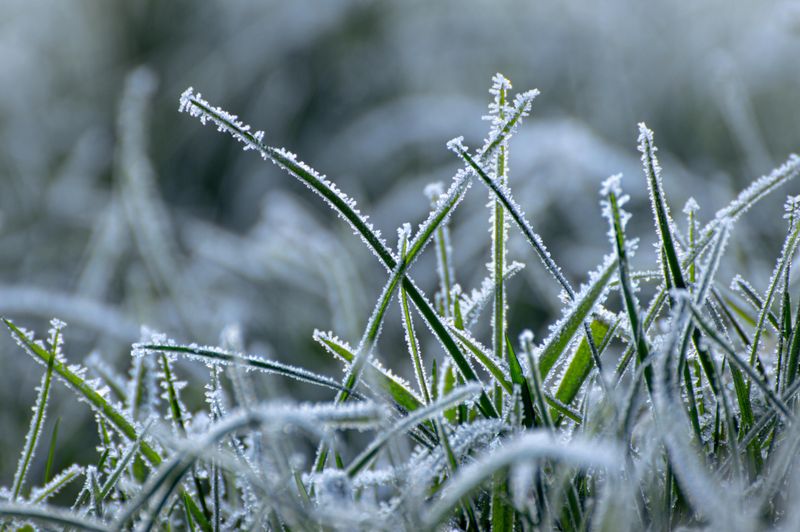
Lush, fast growth in October feels like a win. Honestly, it can be a trap. Heavy nitrogen applied while grass is still growing hard pushes the plant to make fresh leaves.
Those new blades are soft and full of water. When a sudden cold snap hits, they get damaged more easily than tougher, older growth.
There’s a hidden cost too. Every bit of energy spent on leaves is energy not stored in roots and crowns. Grass needs those stored carbohydrates to survive winter and green up in spring.
Researchers have also linked lush, late growth to snow mold problems in some lawns. Gray or pink matted patches showing up after snowmelt are often a sign that turf went into winter too tender and too tall.
What works better? Keep early fall nitrogen moderate, following label rates. For late fall feeding, apply after top growth slows down but while leaves are still green. At that stage, grass sends more of its nutrients to roots instead of new blades.
Keep mowing until the grass stops growing too. A final cut around two and a half to three inches helps it head into winter tidy and strong.
A Simple Soil Test Kit Beats Guessing Every Time
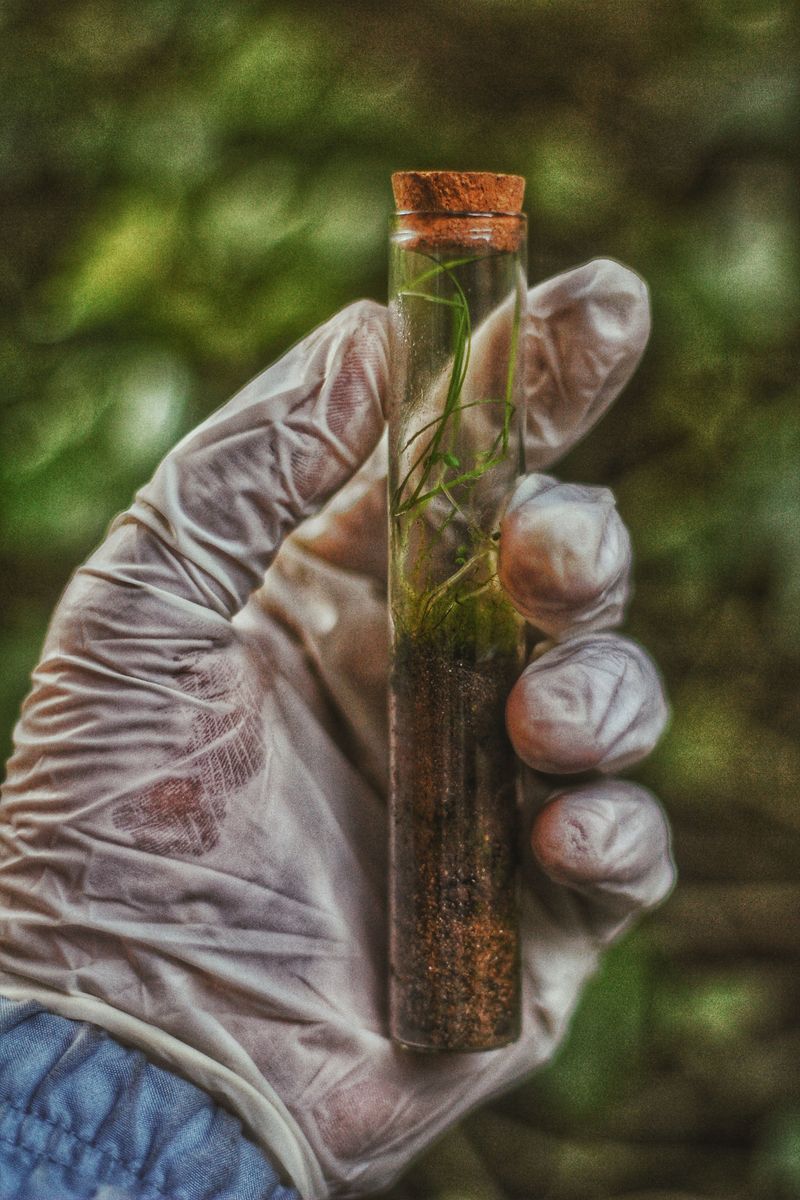
Guessing at fertilizer is a bit like buying shoes without knowing your size. You might get lucky, but probably not.
Penn State Extension sells affordable soil test kits through county offices and garden centers.
You mail in a small sample, and the lab sends back your pH and nutrient levels with specific recommendations. It’s one of the best deals in lawn care.
Here’s something many homeowners don’t realize. Pennsylvania’s fertilizer law limits phosphorus on established lawns unless a soil test shows a need or you’re seeding new grass.
Many lawn fertilizers now show a zero in the middle number for that reason. Potassium is another nutrient people overlook.
It helps grass handle cold, drought, and disease. If your soil test shows low potassium, a late fall product with more potash can make a real difference.
Soil pH matters as well. Much of Pennsylvania has naturally acidic soil, and grass often struggles below a pH of about 6. Lime might do more for your lawn than another bag of fertilizer.
Fall is a great time to sample. Take soil from several spots, about three to four inches deep, and mix it together for one reliable reading.
Watering After You Fertilize Helps Granules Reach The Roots
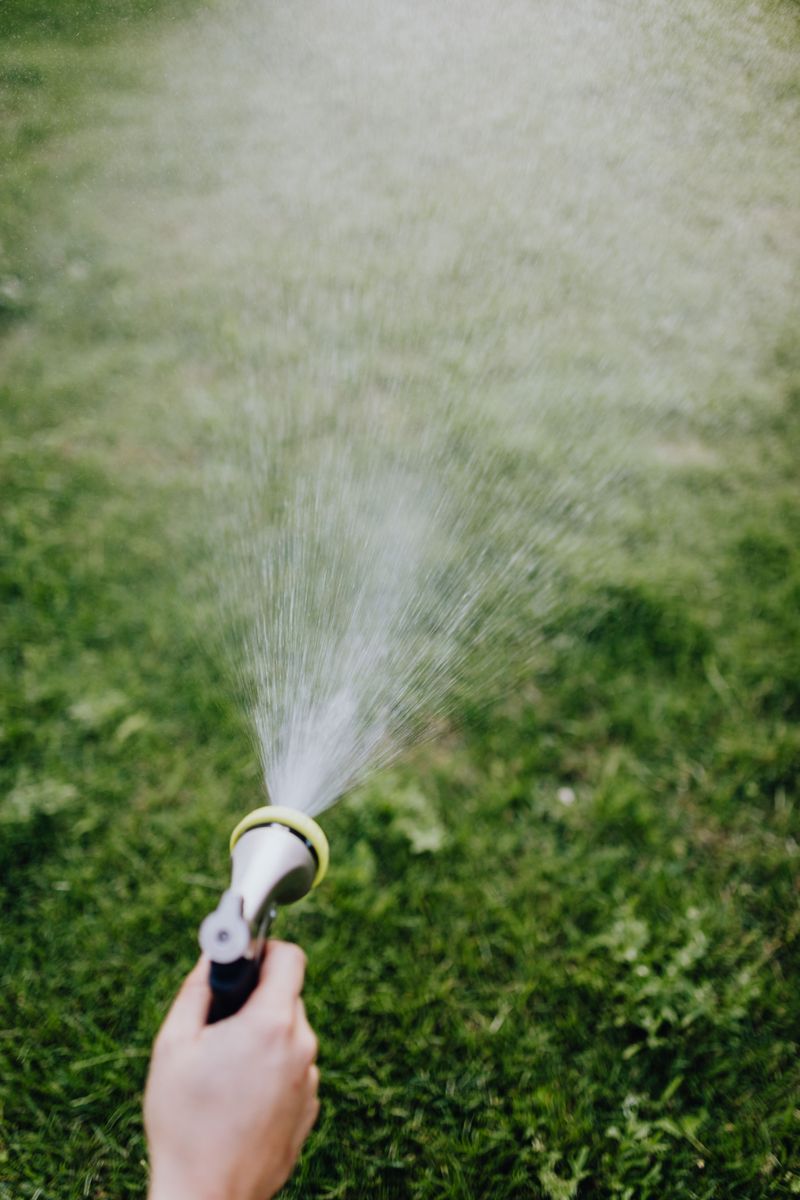
Picture-perfect application doesn’t mean much if the granules just sit there. Dry fertilizer on dry ground often goes nowhere fast.
Granular fertilizer needs moisture to dissolve and move into the soil. Without water, it stays on the surface, where some nitrogen can escape into the air. Heavy rain later might wash it away instead of soaking it in.
I usually check the forecast before I fill my spreader. A light rain predicted within a day or so is perfect. If the sky stays clear, I give the lawn about a quarter inch of water from the sprinkler.
Avoid fertilizing right before a big storm, though. Downpours can carry granules onto sidewalks and into gutters. Pennsylvania’s law also requires sweeping any fertilizer off hard surfaces like driveways and streets.
Another helpful habit is fertilizing when grass blades are dry. Granules can stick to wet leaves and sometimes cause burn spots, especially with quick-release products.
Early fall in Pennsylvania can still be surprisingly dry, so don’t assume the soil is moist. Push a screwdriver into the ground. If it slides in easily, you’re in good shape. If it fights you, water first.
Skipping Fall Feeding Leaves Thin Patchy Grass By Spring
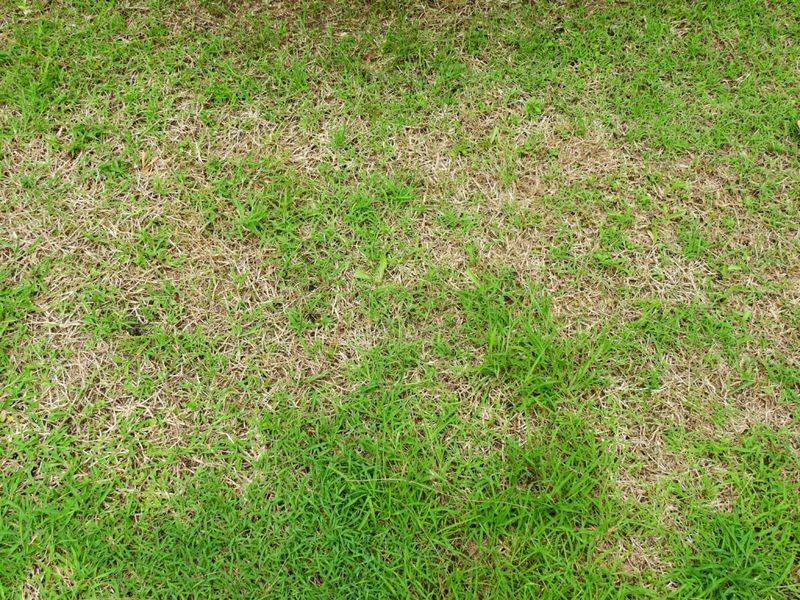
Some people pack up the lawn tools after Labor Day and call it a year. Their grass usually tells on them come April.
Fall is when cool-season grass grows roots and spreads. Kentucky bluegrass sends out underground stems called rhizomes, filling in thin areas. Without nutrients to fuel that work, the lawn heads into winter weaker than it should.
The results show up slowly. Spring green-up might be late and uneven. Thin spots linger, and weeds like crabgrass and dandelions happily move into the open space.
Fun fact for lawn lovers: grass roots keep growing in fall soil even after leaf growth slows. Warm soil and cool air create a sweet spot for root development.
That’s why turf experts often call fall the most valuable feeding season for northern lawns.
Feeding also helps lawns recover from summer stress. Heat, drought, foot traffic, and grubs can leave turf worn out by September.
You don’t need fancy products. One solid early fall feeding, plus an optional late fall one, covers most home lawns.
If your lawn is low-maintenance, even a single September application makes a noticeable difference next spring.
Mark Your Calendar For Two Smart Pennsylvania Lawn Feedings
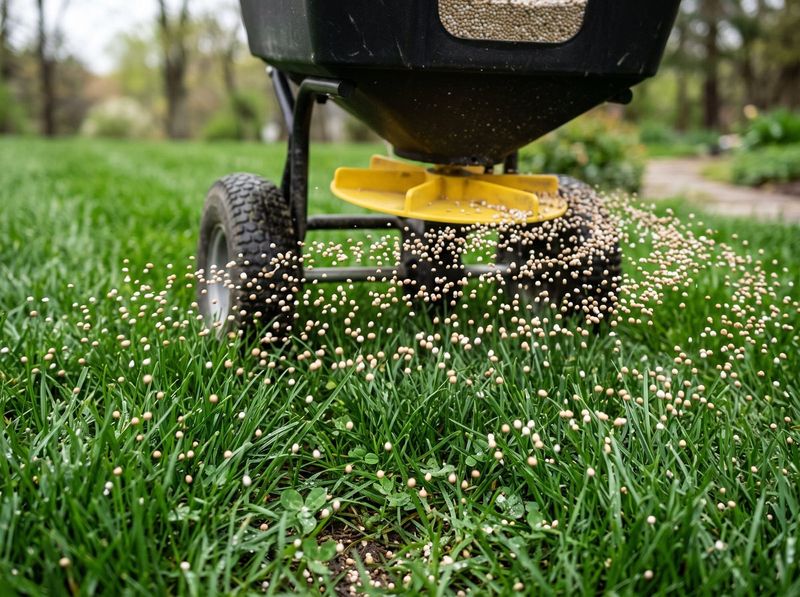
Ready for a plan that actually works? Two well-timed feedings can turn a tired yard into the best-looking lawn on the block.
The first goes down in early fall, roughly late August through September. Nights cool into the 50s and 60s, and grass starts recovering from summer.
A balanced lawn fertilizer with moderate nitrogen helps roots and new shoots get going. This is also prime time to overseed thin spots.
The second, optional feeding comes later, often late October to mid-November. Choose it once mowing slows but before the soil freezes. A product with more potassium, if your soil test calls for it, supports winter hardiness.
Regional timing varies across the state. Lawns in the northern tier and higher elevations cool off sooner, so aim earlier. Southeastern areas near Philadelphia can often wait a bit longer.
A few habits tie it all together. Follow label rates, keep granules off pavement, and water lightly if rain doesn’t arrive. Leave a buffer near streams and ponds.
Personally, I set phone reminders for both windows. It’s a small step, and my lawn thanks me every spring with thick, springy grass that feels great underfoot.