What To Plant Instead Of Invasive Periwinkle In Pennsylvania Shade Gardens
Periwinkle has covered Pennsylvania shade gardens for decades, and it’s easy to understand why it became so popular.
It spreads fast, stays green year round, requires almost nothing in the way of maintenance, and handles deep shade that defeats most other ground covers.
For a long time, it seemed like the obvious answer to a difficult gardening problem. But periwinkle is invasive. And the damage it causes in natural areas bordering residential properties is significant and increasingly well documented.
The good news is that Pennsylvania has excellent native alternatives for shaded ground cover that do everything periwinkle does without spreading into woodland edges and crowding out the native plants that Pennsylvania’s ecosystems depend on.
The swap is straightforward. Here’s what to plant instead.
1. Wild Ginger (Asarum Canadense)
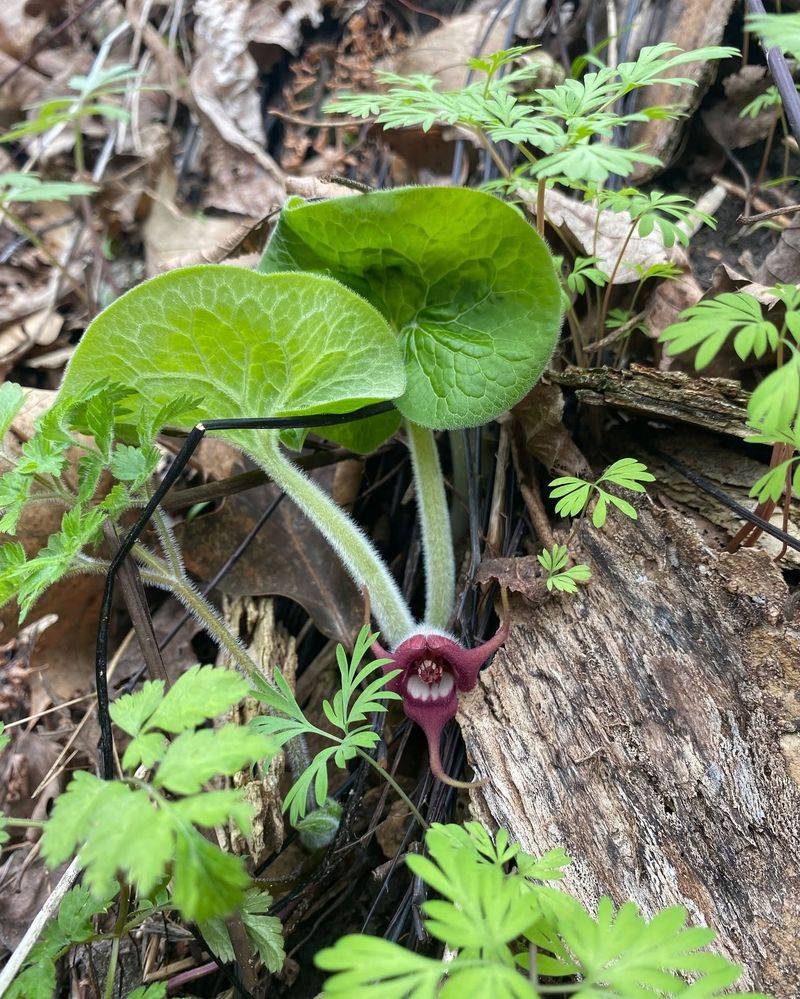
Tucked low to the ground, wild ginger spreads its heart-shaped leaves like a soft green carpet across shady soil. This native beauty feels right at home under Pennsylvania trees where sunlight barely peeks through.
The leaves grow thick and lush, creating a cover that blocks weeds without bullying its neighbors.
Hidden beneath those leaves are small, reddish-brown flowers that bloom close to the ground in spring. Beetles and ants help pollinate them, which is a fun quirk of nature you rarely see.
Wild ginger loves rich, moist soil and cool, shaded corners. Once it settles in, it needs almost no fuss from you. A little mulch and occasional watering during dry spells keep it happy and spreading nicely.
Gardeners love how this plant fills bare spots slowly and politely, unlike aggressive invaders. It stays where you plant it and forms tidy colonies over a few seasons. That makes it perfect for edging paths or covering ground beneath shrubs.
The roots have a spicy scent similar to true ginger, though it is not the same plant used in cooking. Native people once used it as a seasoning and remedy, adding a neat bit of history to your garden.
Deer usually leave wild ginger alone, which is a relief for anyone tired of nibbled plants. Rabbits tend to skip it too, so your hard work stays intact. Plant it in fall or early spring for the best start.
With a little patience, you will enjoy a healthy, native ground cover that supports local wildlife and looks fresh from spring through autumn.
2. Foamflower (Tiarella Cordifolia)
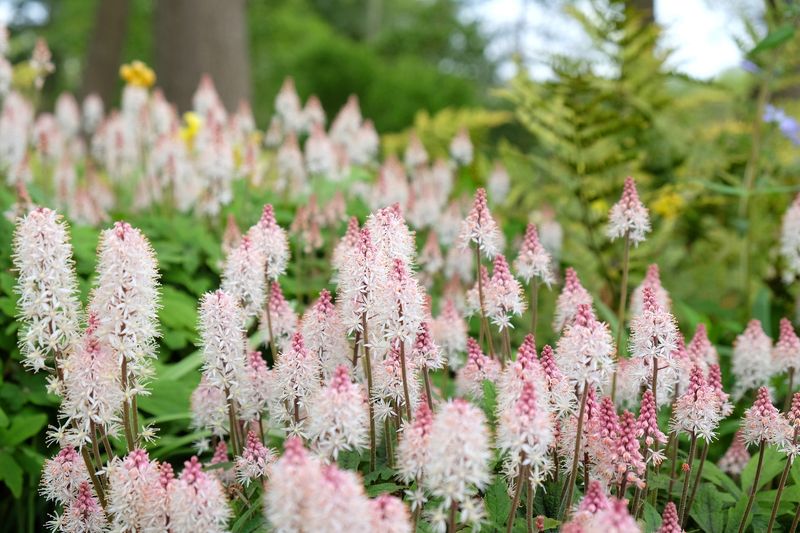
Imagine soft clouds of tiny white flowers floating above pretty leaves, and you have foamflower. This native charmer earns its name from the frothy blooms that appear in mid-spring.
The flower spikes rise a few inches above the foliage, looking almost like sea foam caught in a garden.
Bees and other pollinators visit these blooms happily, giving your yard a lively buzz. After the flowers fade, the leaves keep the show going all season long.
Foamflower leaves are shaped a bit like maple leaves, often marked with dark veins that add texture and interest. Some varieties turn shades of bronze and red in cooler weather, giving fall color to shady beds.
Your Pennsylvania Garden Changes Every Week. Your Plan Should Too.
Gardening in Pennsylvania changes quickly throughout the season. Every Friday you’ll receive a simple weekly plan showing exactly what to plant, prune, fertilize, harvest, and protect so you never miss the right timing.
This plant grows in gentle clumps and spreads slowly through runners, forming a soft ground cover over time.
It never gets pushy or invasive, which makes it a smart swap for periwinkle. You can tuck it between hostas, ferns, or along a woodland path.
Moist, well-drained soil with plenty of organic matter suits foamflower best. It thrives in partial to full shade, exactly the spots where grass and other plants struggle. A layer of leaf mulch keeps its roots cool and comfortable.
Care is easy since foamflower rarely faces pest problems. Deer tend to pass it by, and it needs little more than occasional watering during dry stretches. Divide the clumps every few years to make new plants for free.
With its dainty flowers and long-lasting leaves, foamflower brings gentle beauty and reliable coverage to Pennsylvania shade gardens without any of the headaches invasive plants cause.
3. Creeping Phlox (Phlox Stolonifera)
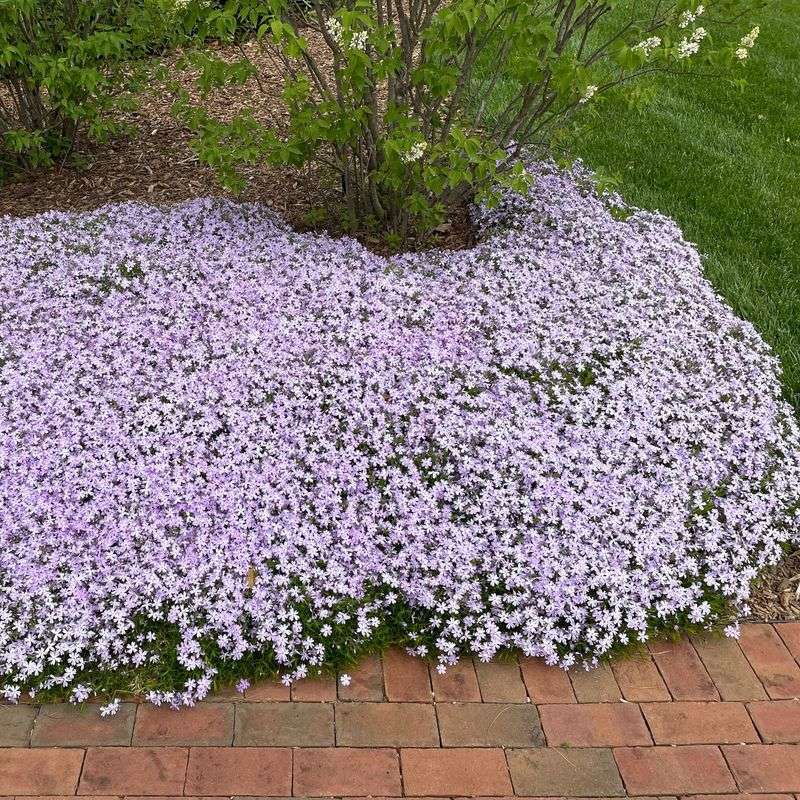
Few plants light up a shady spring garden quite like creeping phlox. Its blanket of pink, blue, or lavender flowers spreads low across the ground and steals the show every April.
This woodland variety differs from the sun-loving kind you might see on rocky slopes. Creeping phlox prefers dappled shade and moist soil, making it a natural fit under trees and along shaded borders in Pennsylvania.
The flowers sit on short stems just above a mat of green leaves. Butterflies and hummingbirds stop by often, drawn to the sweet nectar hidden inside each bloom. Watching them dart around is one of spring’s best treats.
After the flowers finish, the leafy mat stays green and tidy through summer and fall. It hugs the ground and roots as it spreads, filling in bare patches without climbing over everything nearby. That polite growth habit keeps it easy to manage.
Plant creeping phlox in soil rich with compost or leaf litter. It likes steady moisture but not soggy roots, so good drainage matters. A spot with morning sun and afternoon shade often works wonderfully.
Once established, this ground cover asks for very little. Trim it lightly after blooming to keep it neat and encourage fresh growth. Divide clumps in early fall if you want more plants to share.
Because it stays close to the ground, creeping phlox works great along walkways, at the front of beds, or spilling over low walls. Swapping out periwinkle for this cheerful native gives your garden color, pollinator food, and a spread you can actually control.
4. Christmas Fern (Polystichum Acrostichoides)
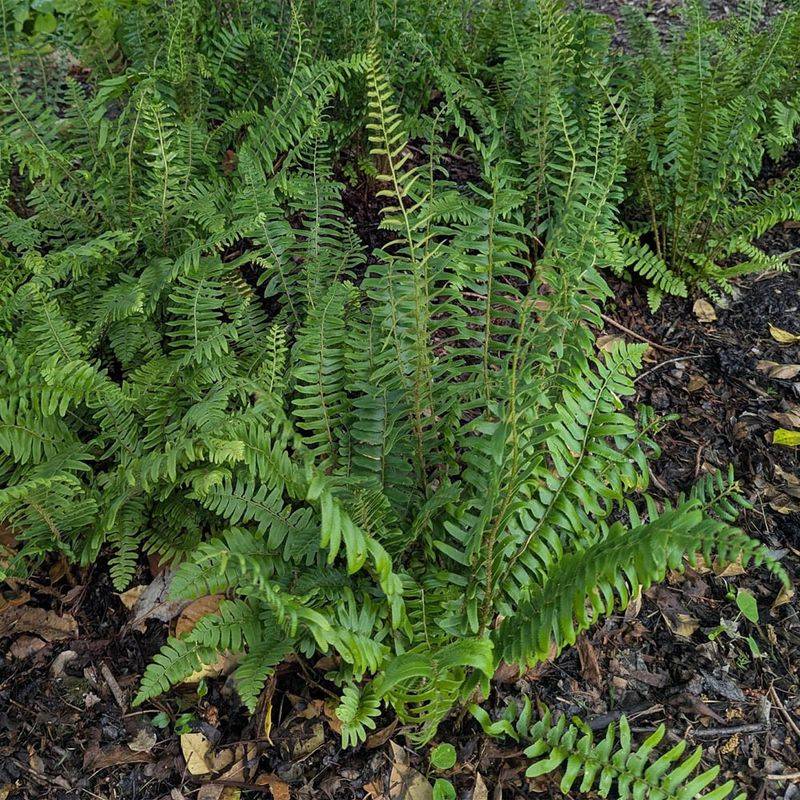
Green all year, even when snow covers the ground, the Christmas fern is a true garden hero. Early settlers named it because they gathered its fronds for holiday decorating in December.
This tough native fern grows in graceful clumps of leathery, dark green fronds. Each leaflet looks a little like a tiny Christmas stocking, which is a fun detail to point out to kids exploring the garden.
Unlike periwinkle, the Christmas fern stays neatly in place and never runs wild. It slowly forms larger clumps over the years without smothering the plants around it. That makes it a dependable choice for filling shady corners.
Pennsylvania woodlands are full of these ferns growing naturally on slopes and along stream banks. They handle rocky, dry, or moist soil with ease and hold up well against erosion thanks to their strong root systems.
Shade is where this fern shines, so plant it under trees or on the north side of your house. It tolerates deep shade better than many plants and asks for very little once it settles in. Water it during long dry spells and add leaf mulch each fall.
Deer and rabbits generally ignore Christmas ferns, so you rarely deal with chewed fronds. Pests and diseases are almost never a problem either, which keeps your workload light.
The evergreen fronds give your garden structure and color through the gray winter months when most plants have faded.
Pairing these ferns with spring bloomers creates a layered, natural woodland look that feels calm, healthy, and welcoming to birds and other wildlife.
5. Green And Gold (Chrysogonum Virginianum)
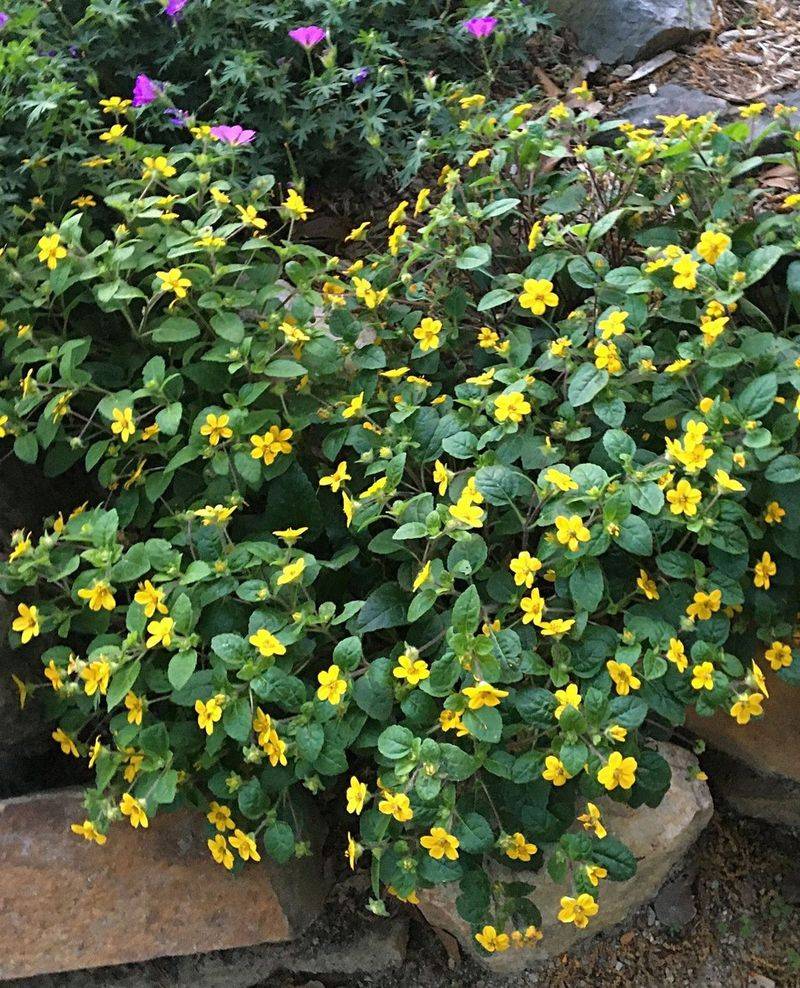
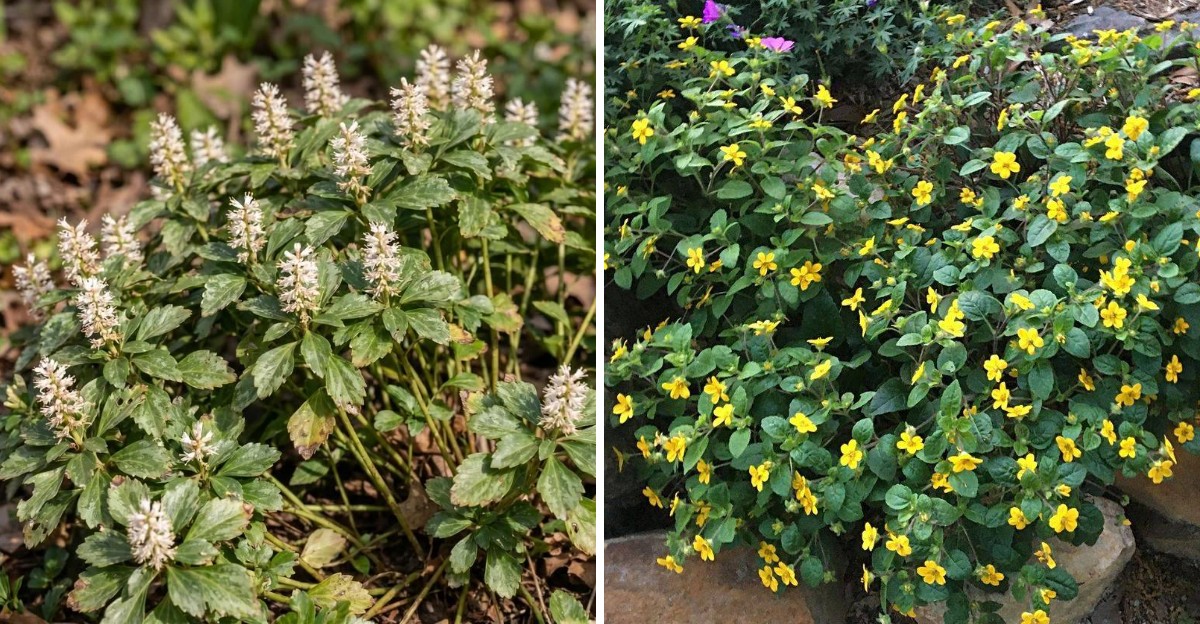
Bright yellow stars scattered across low green leaves make green and gold impossible to ignore. This cheerful native ground cover blooms longer than almost any other shade plant on this list.
Flowers begin in spring and often keep popping up on and off into fall. That long show gives your garden steady color when many shade plants have already finished blooming. Bees and small pollinators appreciate the extended buffet.
The plant stays low, usually under six inches tall, and spreads gently to form a soft mat. It fills empty ground nicely but never turns into a bully like invasive periwinkle. You stay in control of where it grows.
Green and gold does best in partial shade with a bit of morning light. Rich, well-drained soil keeps it happiest, though it handles average garden dirt just fine. Adding compost when you plant gives it a strong head start.
Watering during dry weeks helps it look its best, especially in its first year. Once the roots take hold, this plant becomes fairly easygoing and forgiving of occasional neglect.
Native to the eastern United States, green and gold fits right into Pennsylvania woodland gardens. It pairs beautifully with ferns, wild ginger, and other shade lovers, creating a layered natural look.
Because it hugs the ground, this plant works wonderfully at the front of beds or along paths where its sunny blooms can be seen up close.
Deer tend to leave it alone too. Choosing green and gold over periwinkle rewards you with months of color and a ground cover that plays nicely with everything else.
6. Wild Blue Phlox (Phlox Divaricata)
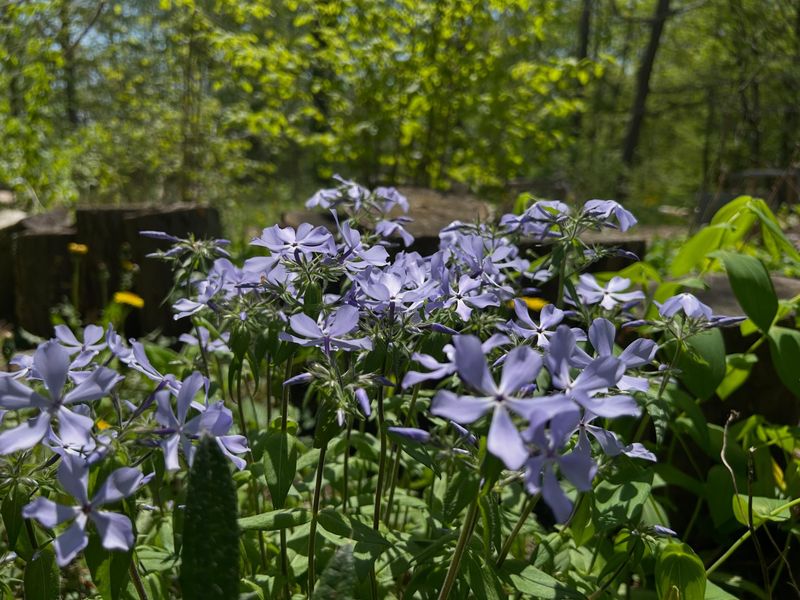
A drift of wild blue phlox in bloom looks like a patch of sky settled right into your garden. The soft lavender-blue flowers give off a sweet fragrance that fills the spring air.
This native wildflower grows taller than creeping phlox, reaching about a foot high with loose, airy flower clusters. The blooms appear in April and May, right when the garden is waking up and hungry for color.
Butterflies, moths, and hummingbirds flock to these flowers for nectar. The long, tube-shaped blooms are especially popular with pollinators that have long tongues, making this plant a real gift to backyard wildlife.
Wild blue phlox spreads by slowly sending out short shoots, gently expanding into a loose patch over time. It never overwhelms its neighbors, so it blends beautifully into a woodland planting rather than taking it over.
Moist, humus-rich soil in dappled shade suits this plant perfectly. It naturally grows in Pennsylvania woods, so it feels right at home under the shade of maples and oaks. A layer of leaf mulch keeps its roots cool and moist.
Trim back the stems after flowering to keep the plant tidy and encourage healthy growth. In dry spells, give it a good drink to keep the leaves fresh and green.
Pairing wild blue phlox with ferns and foamflower creates a dreamy spring scene full of soft colors and texture.
Since it supports so many pollinators and behaves politely in the garden, it makes a far better choice than invasive periwinkle for shady Pennsylvania spaces that need a splash of gentle beauty.
7. Allegheny Pachysandra (Pachysandra Procumbens)
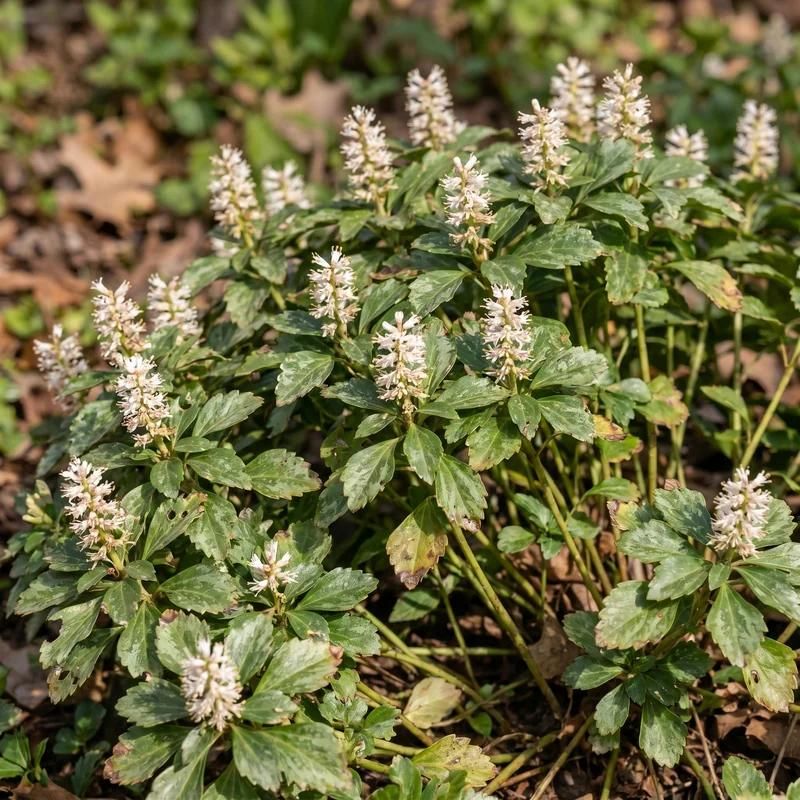
Here is a native cousin to the common pachysandra many people plant, but this one is far better behaved and truly belongs in our region.
Allegheny pachysandra brings quiet elegance to shady beds without the invasive habits of its Japanese relative.
The leaves have a lovely mottled pattern, mixing green with silvery-gray marks that catch the eye. In late winter and early spring, short spikes of fragrant white flowers rise up before the new leaves fully unfold.
This ground cover spreads slowly and stays where you want it, forming neat clumps rather than a runaway mat. That gentle growth makes it a smart pick for gardeners who want coverage without constant trimming and pulling.
Rich, moist, well-drained soil in shade or partial shade keeps Allegheny pachysandra thriving.
It naturally grows in southeastern woodlands and adapts well to Pennsylvania gardens with a little care and good soil.
Water it during dry stretches, especially while it is getting established. A layer of shredded leaves or compost feeds the soil and keeps the roots cool and happy through hot summers.
Deer usually avoid this plant, and it rarely deals with serious pests or diseases. That means less worry and more time to simply enjoy your garden.
Because the foliage is semi-evergreen, it holds its good looks well into the colder months, giving your shade garden lasting texture.
Planting Allegheny pachysandra instead of periwinkle or the invasive Japanese type supports local ecosystems while still giving you that classic, tidy ground cover look you love in shaded spaces.