9 Native Michigan Shrubs That Handle Road Salt Spray
Road salt spray quietly damages countless Michigan shrubs planted too close to driveways, sidewalks, and busy streets, often without homeowners realizing the actual cause.
Most people assume struggling plants near these areas simply need more water or better soil, missing the real issue entirely. But a specific group of native shrubs actually tolerates this exact kind of salt exposure without much complaint at all.
Understanding which shrubs genuinely handle these harsh conditions could completely change what you choose to plant along your property’s most exposed edges.
Many homeowners are surprised to learn how many attractive, resilient options exist once they know what to look for.
This list could finally solve a frustrating cycle of replacing damaged plants in the same problem areas year after year. Choosing the right shrub now could mean one less battle every winter from here on out.
1. Common Juniper
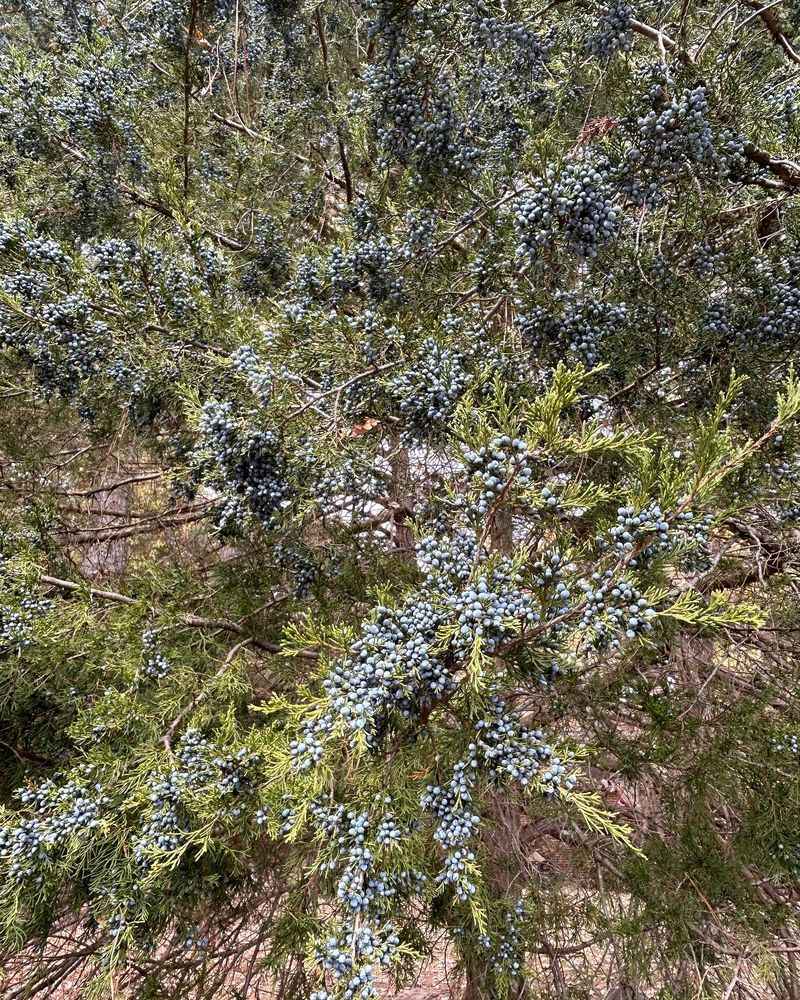
Tough as they come, common juniper stands up to salty road spray without losing its rich blue-green color.
Its needle-like leaves have a waxy coating that helps block salt from soaking in, so winter splashes bother it far less than they bother many softer shrubs.
This evergreen loves sunshine and soil that drains fast. Spots near roads often stay dry and gravelly, which suits it perfectly. Wet, soggy ground is the one thing it dislikes, so avoid low areas where water pools after storms.
You will spot it growing wild across Michigan on rocky hills and open fields. That natural toughness makes it a smart pick for exposed places where gentler plants give up. It handles wind, poor dirt, and cold with ease.
Common juniper comes in many shapes, from low spreading forms to taller upright ones. Pick the size that fits your space and give it plenty of room to breathe. Good air flow keeps its foliage healthy year-round.
Small blue berry-like cones dot the branches and add quiet interest. Birds enjoy them during the colder months, so you get a little wildlife bonus too.
Once its roots settle in, this shrub needs almost no fuss. Skip heavy watering and let nature do most of the work. A sunny, well-drained roadside edge is exactly where it shines, giving you steady green color while shrugging off the salt other plants cannot stand.
2. Creeping Juniper
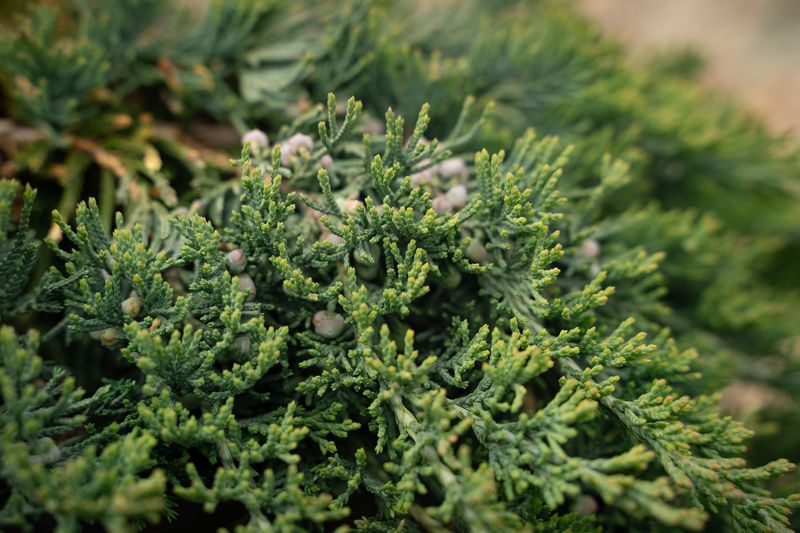
Low and wide, creeping juniper hugs the ground like a soft green carpet. Its trailing branches spread out instead of up, making it a champion for slopes and roadside edges where taller plants would look out of place.
Salt spray rolls right off its waxy needles, so winter splashes leave it looking fresh. Dry, sandy soil is no problem either, which is lucky because roadside dirt often bakes in the sun and drains fast.
Because it grows so close to the earth, this shrub does a great job holding soil in place. On a steep bank, its roots grip the ground and stop rain from washing dirt away. That makes it both pretty and useful.
Full sun brings out its best color and keeps the foliage thick. Plant several together and they will knit into one continuous mat over time, crowding out weeds and cutting down on your yard work.
Your Michigan Garden Changes Every Week. Your Plan Should Too.
Gardening in Michigan changes quickly throughout the season. Every Friday you’ll receive a simple weekly plan showing exactly what to plant, prune, fertilize, harvest, and protect so you never miss the right timing.
Some types shift to a purple-tinged shade in cold weather, giving you a little seasonal surprise. The rest of the year, expect steady blue-green or silvery tones that pair nicely with rocks and gravel.
Exposed, windy spots that trouble other plants suit this creeper just fine. It asks for little water once established and rarely needs trimming.
If you have a sunny slope near the street that always struggles, this native ground-hugger may be your answer. It handles the salt, holds the hill, and looks good doing it all season long.
3. Shrubby Cinquefoil
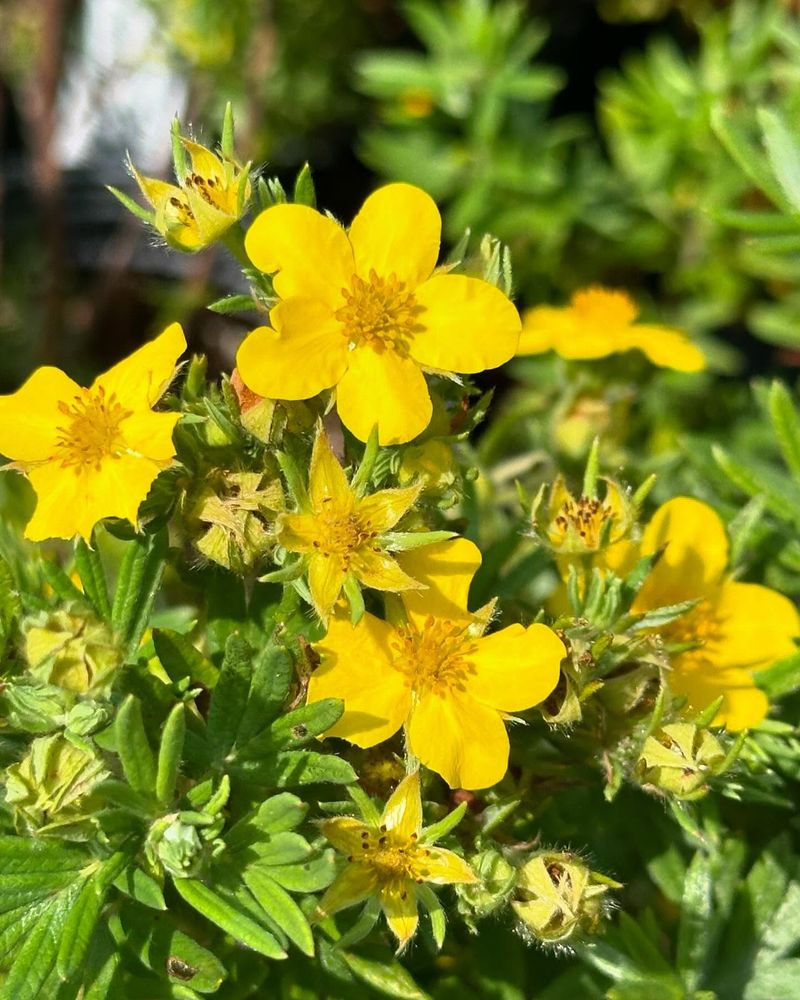
Cheerful yellow flowers cover shrubby cinquefoil from early summer all the way into fall. Few shrubs bloom this long, and even fewer do it while shrugging off salty road spray at the same time.
This compact plant handles rough conditions that send other shrubs packing. Poor soil, dry ground, and salty splashes barely faze it, so a tough roadside edge feels like home. Its small leaves and sturdy stems take a beating and keep on going.
One thing worth knowing is that its natural range in Michigan is more limited than some other shrubs on this list.
You will find it mainly in certain rocky or open habitats rather than everywhere across the state. That said, it grows well in gardens statewide when given full sun.
Sunshine is the key to those bright blooms. Plant it where light pours in most of the day, and you will be rewarded with color that lasts for months.
Its rounded, tidy shape stays neat without much pruning. A quick trim in early spring keeps it full and encourages fresh flowers. Otherwise, it pretty much takes care of itself.
Bees and other helpful insects love visiting the golden petals, so you get a lively little pollinator stop right by the street.
For a small, hardworking shrub that adds long-lasting cheer to a salty, sunny spot, this one is hard to beat. It stays low, blooms big, and asks for very little in return.
4. Ninebark
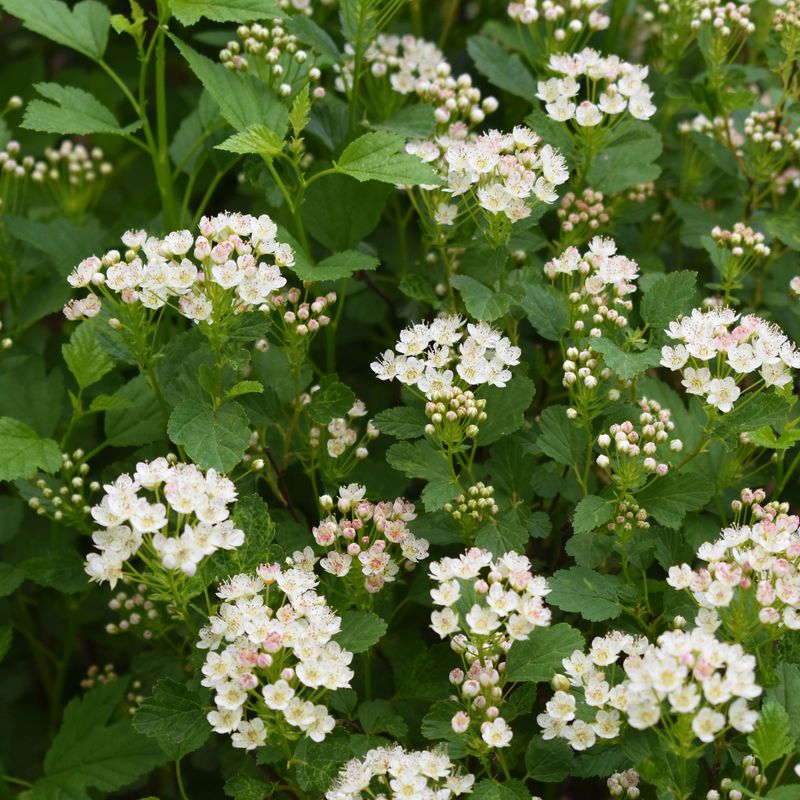
Peeling, papery bark gives ninebark its fun name and its year-round charm. Even in winter, the shredding layers add texture, while spring brings clusters of white or pink-tinged flowers that draw plenty of buzzing visitors.
This native shrub takes salt spray in stride, so a roadside spot suits it well. What really sets it apart is how flexible it is about moisture. Whether the ground stays a bit dry or holds some dampness, ninebark adjusts and keeps growing strong.
That easygoing attitude makes it one of the most forgiving choices on this list. New gardeners often love it because it bounces back from tough weather and rarely fusses over soil quality.
Before you plant, think about size. Ninebark can grow large, sometimes reaching several feet tall and just as wide.
Near a road, give it enough space so it does not crowd the pavement or block your view. Choosing a compact variety helps if room is tight.
Leaf color adds another layer of fun. Some types show deep burgundy or golden foliage that pops against green lawns and gray sidewalks. Pair them with plainer plants for a striking contrast.
In fall, seed clusters turn reddish and hang on the branches, feeding birds through the colder months. The show really never stops.
With its peeling bark, pretty blooms, and relaxed care needs, ninebark earns its place near any Michigan street. Just remember to plan for its mature size, and it will reward you for years.
5. Staghorn Sumac
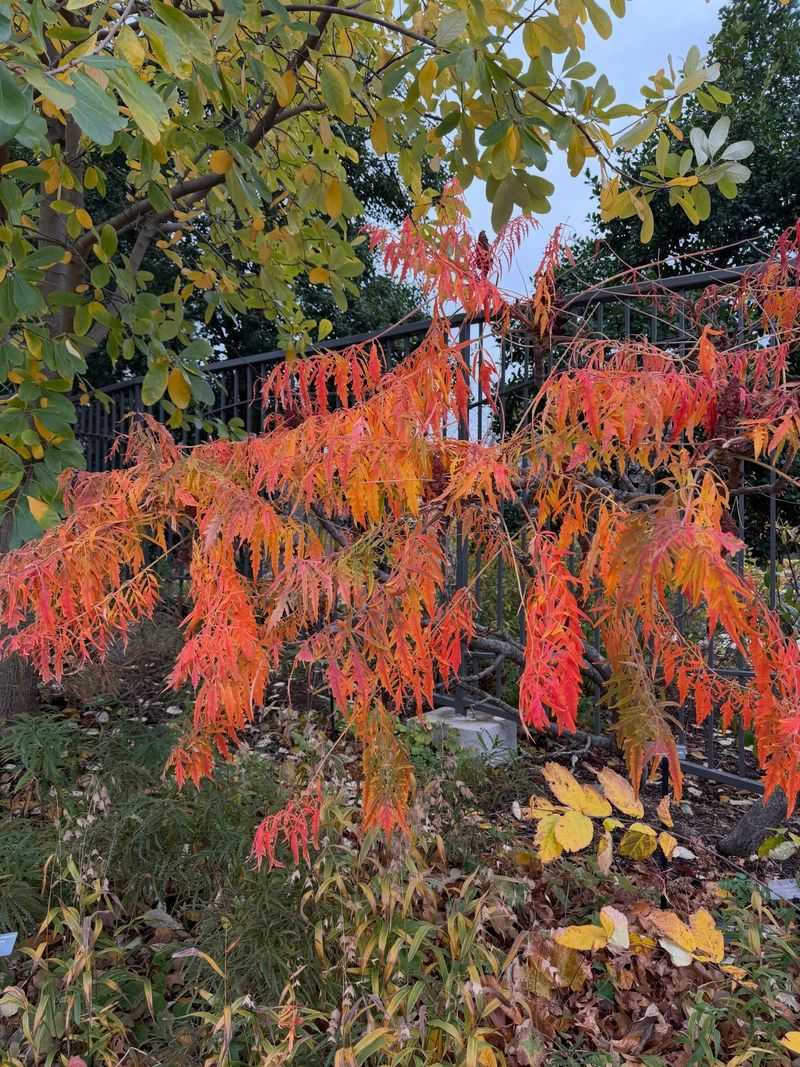
Fiery red and orange leaves make staghorn sumac one of the boldest fall sights in Michigan. When the season turns, this shrub lights up roadsides with color that stops people in their tracks.
Its fuzzy branches resemble the velvet on a deer antler, which is how it earned its name. Those same tough branches shrug off salt spray, dry soil, and the harsh conditions that come with life next to a road. Not much slows this plant down.
Poor, gravelly dirt that other shrubs reject is exactly where sumac thrives. It sends roots deep and wide, pulling nutrients from ground that looks almost bare. That makes it perfect for the toughest, most neglected corners of your yard.
Here is the catch worth planning for: this shrub loves to spread. It sends up new shoots from its roots and can form a whole colony over time. Give it plenty of room, or plant it where you actually want it to fill in.
Bright red fruit clusters stand upright at the branch tips and stay through winter. Birds nibble on them during lean months, and they add a splash of color against the snow.
The fern-like leaves create a soft, tropical look all summer before the big autumn finale. It is a lot of drama from one hardy native.
If you want fearless fall color in a salty, dry spot, staghorn sumac delivers. Just respect its spreading habit and let it do its thing.
6. American Elderberry
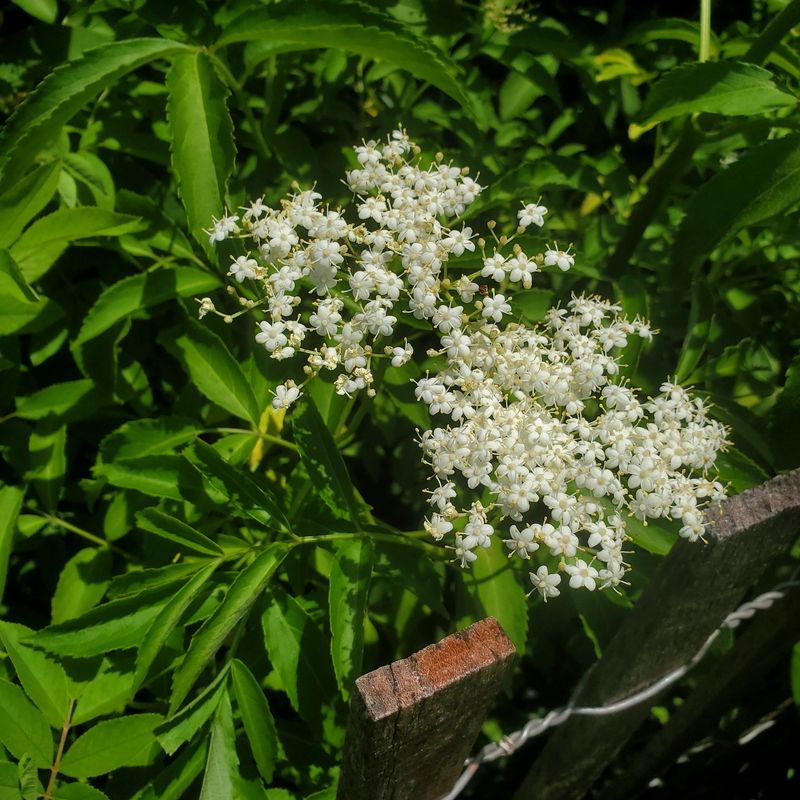
Big flat clusters of tiny white flowers make American elderberry look like it is holding up lace parasols in early summer. Later, those blooms turn into dark purple berries that birds and people both enjoy.
This native shrub handles salt spray well, so a roadside spot can work nicely. There is one important detail, though. Elderberry likes steady moisture and does not enjoy ground that dries out completely.
It grows best where the soil stays a little damp. For that reason, it fits roadside sites that do not bake dry in summer. Think of areas near a low spot, a ditch, or a place where rain tends to collect. In those conditions, this shrub really takes off.
Growth comes fast once it settles in. Elderberry can shoot up several feet in a single season, filling space quickly and creating a leafy screen. If it gets too large, a hard pruning in early spring keeps it in shape.
The berries have long been used to make jams, syrups, and drinks, though they should always be cooked first. Cooking makes them safe and brings out their rich flavor.
Pollinators flock to the flowers, and songbirds feast on the fruit, so this plant keeps a lot of wildlife happy. It is a busy hub of activity all season.
When your roadside area holds enough moisture, American elderberry rewards you with blooms, berries, and fast growth. Just skip the driest spots and give it the dampness it craves.
7. Common Snowberry
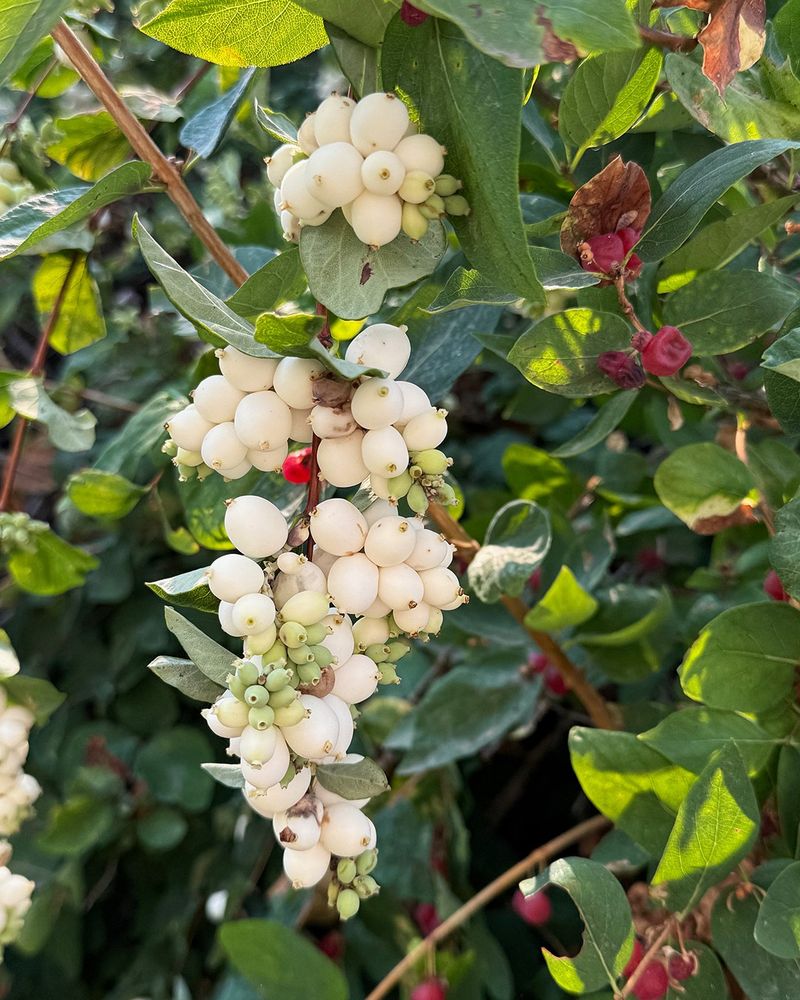
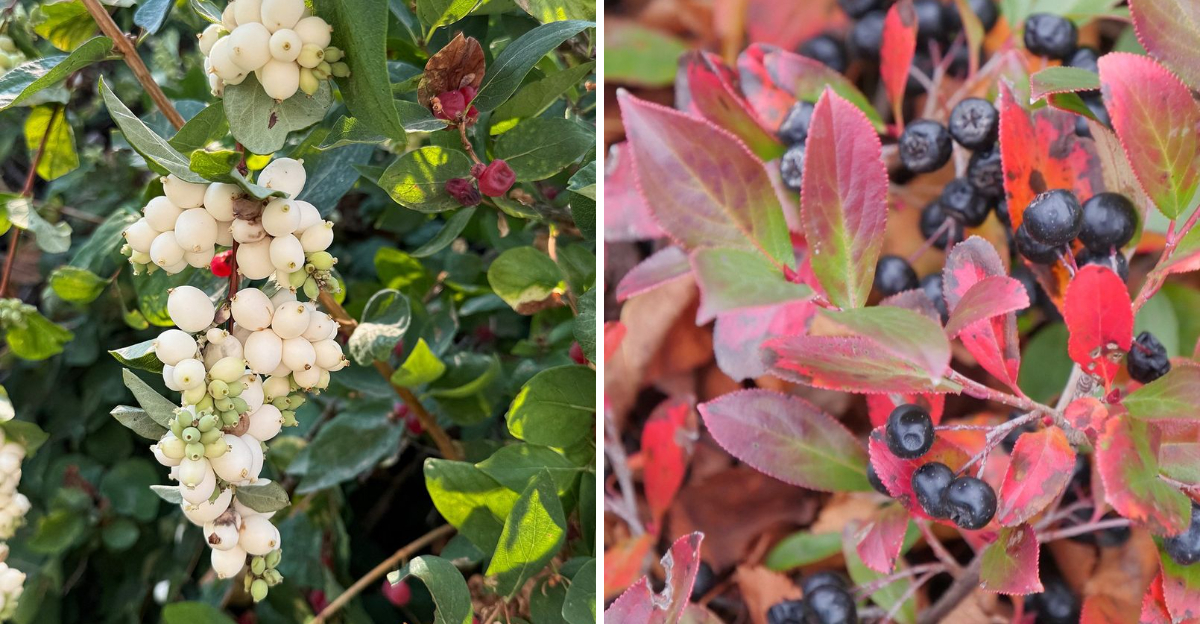
Round white berries that look like tiny snowballs give common snowberry its name and its winter charm. Long after the leaves fall, those bright fruits cling to the branches and stand out against gray skies and snow.
Salt spray hardly bothers this native shrub, making it a reliable roadside pick. It stays green and healthy where salty splashes would leave other plants looking sad and brown.
One of its best tricks is how it spreads. Snowberry sends out underground runners that pop up new stems nearby, slowly filling in bare patches. That habit makes it perfect for tricky roadside spaces that always seem hard to plant.
Because it knits together into a thick stand, it also helps hold soil in place and crowd out weeds. On a slope or along a rough edge, this can save you a lot of upkeep.
Small pink-tinged flowers appear in summer and draw in bees before the berries form. The blooms are easy to miss, but the pollinators find them just fine.
This shrub is not fussy about soil and puts up with sun or part shade. That flexibility lets you tuck it into spots where other plants refuse to grow.
Keep in mind the white berries are only for the birds and should not be eaten by people. Enjoy them with your eyes, not your mouth.
For filling stubborn roadside gaps with tough, salt-proof greenery and cheerful winter berries, common snowberry gets the job done with almost no effort from you.
8. Sweetfern
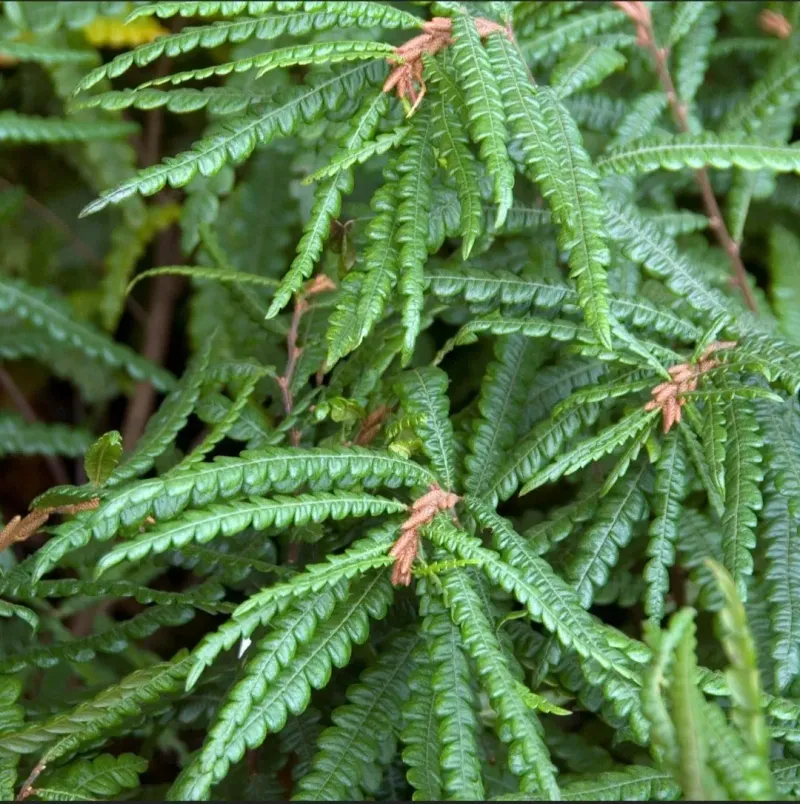
Crush a leaf of sweetfern and a warm, spicy scent fills the air. Despite its name, this is not a fern at all but a low, tough shrub with fern-like leaves that smell wonderful.
Dry, sandy soil is where sweetfern truly shines. Many plants hate lean, poor ground, but this native actually prefers it. That makes it a superstar for exposed Michigan sites where the dirt is thin and gritty.
Salt spray does not trouble it, so roadside edges suit it well. Combine its salt tolerance with its love of sandy soil, and you have a plant built for the harshest spots along the street.
Here is a neat trick it pulls off. Sweetfern works with tiny helpers in its roots to pull nutrients from the air, which lets it thrive where other plants starve. That is why it can grow in ground so poor that almost nothing else will.
Its low, mounding shape spreads gently over time, covering bare patches without getting out of hand. On sandy banks, it helps hold the soil steady too.
Full sun keeps it healthy and full. Give it a bright, open spot and it will reward you with soft green texture all season long.
Because it dislikes rich, wet soil, resist the urge to pamper it. No heavy fertilizer, no extra watering once it settles in. The tougher the site, the happier it seems.
For lean, sandy, salty roadsides that defeat everything else, sweetfern is a fragrant, hardworking answer worth planting.
9. Black Chokeberry
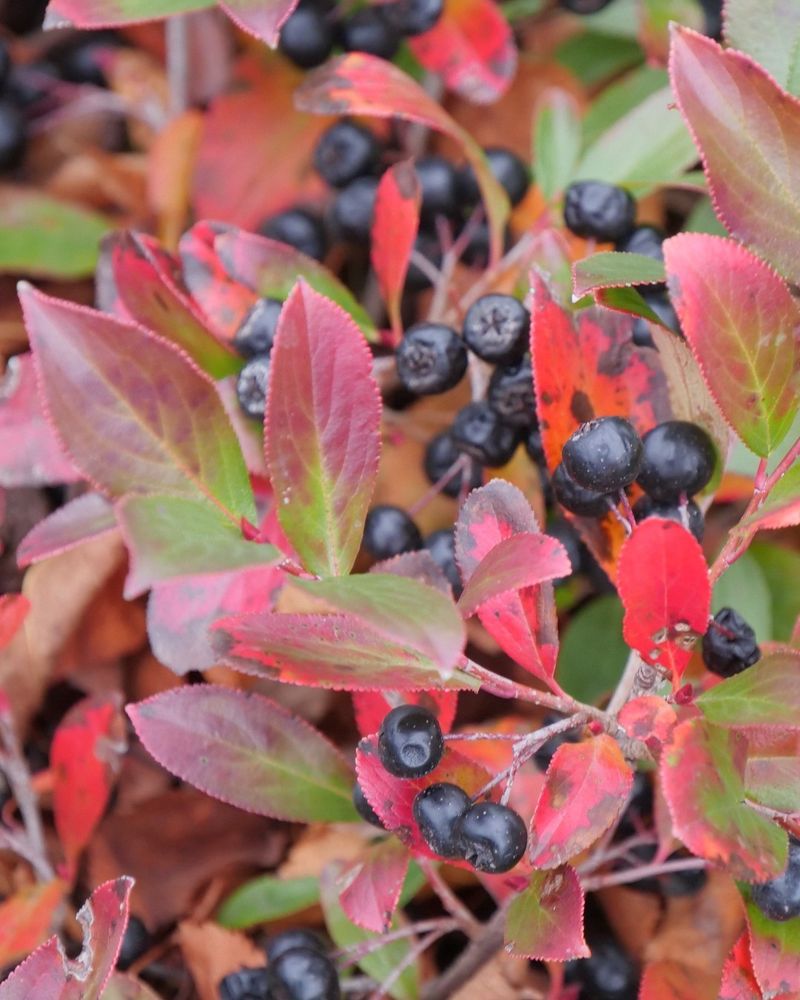
Few shrubs pack in as much seasonal beauty as black chokeberry. Spring brings clusters of white flowers, summer fills the branches with dark berries, and fall sets the leaves ablaze in brilliant red.
This native handles moderate salt spray, so it can hold its own near a road without much trouble. It is not the most salt-proof plant on this list, but it manages the splashes of a typical roadside just fine.
What really makes it easy to love is how flexible it is about soil. Wet ground or dry, rich or poor, chokeberry adapts and keeps growing. That wide comfort zone means you can plant it almost anywhere and expect good results.
The dark berries are packed with nutrients and can be used in juices, jams, and baked treats once cooked. They taste quite tart on their own, which is how the plant earned its name, but they sweeten up nicely in recipes.
Birds also flock to the fruit, especially in late season when other food grows scarce. So even if you skip the harvest, the berries never go to waste.
That fiery fall color is the real showstopper. When autumn arrives, the whole shrub glows red and orange, brightening any dull roadside corner.
Its medium size fits most yards without crowding, and it needs very little pruning to stay tidy.
For three seasons of interest, easy care, and steady toughness, black chokeberry rounds out this list as a friendly, all-around winner.