The Fall Lettuce Pennsylvania Gardeners Should Sow Once The Heat Breaks
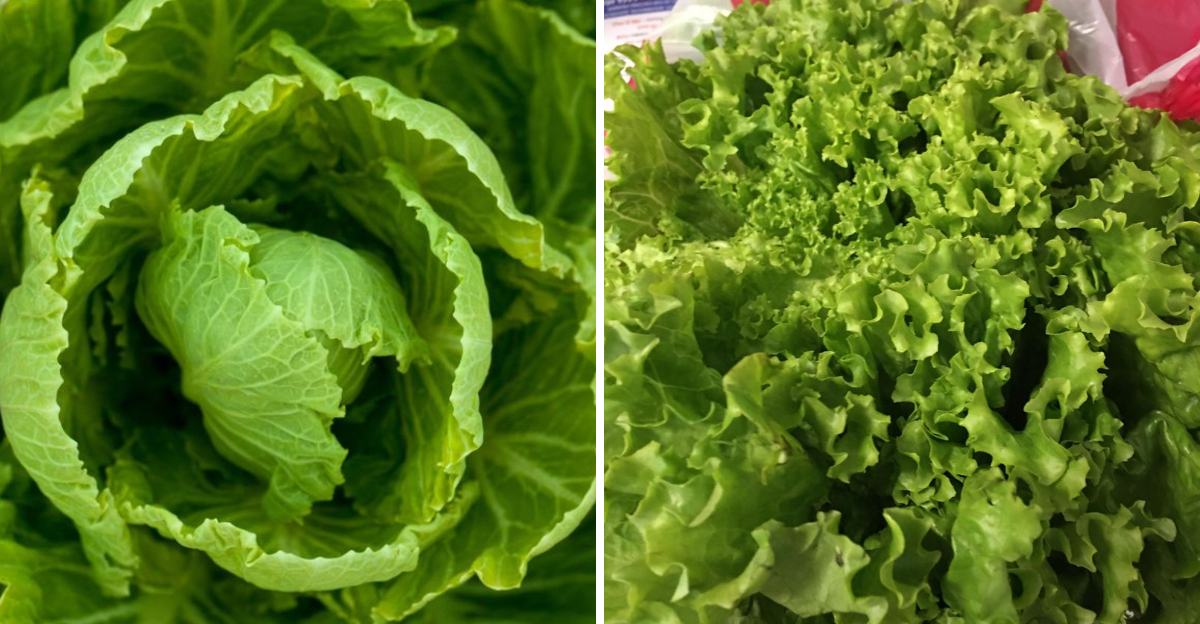
A Pennsylvania salad bed can look finished in August, right when its best second act is about to begin.
The soil still feels warm. Afternoon sun still carries summer attitude. Then one cool night changes the mood.
That shift matters more than a date on the calendar.
Lettuce waits for the kind of weather that makes gardeners reach for a light sweater after sunset. Catch that window, and a bare patch can turn crisp, colorful, and surprisingly productive before winter closes the door.
The tricky part comes next.
Some varieties race toward the salad bowl. Others need extra time to form tight heads. A few save their best color for cold nights, almost like fall flips on a hidden switch.
So which packet deserves the first open row?
Pennsylvania gives no single answer from Erie to Philadelphia. Your nights, soil temperature, and first hard freeze set the pace.
Once summer finally loosens its grip, seven lettuces can make that cooler stretch taste like the garden just started completely fresh again.
1. Start With Buttercrunch After The Heat Breaks
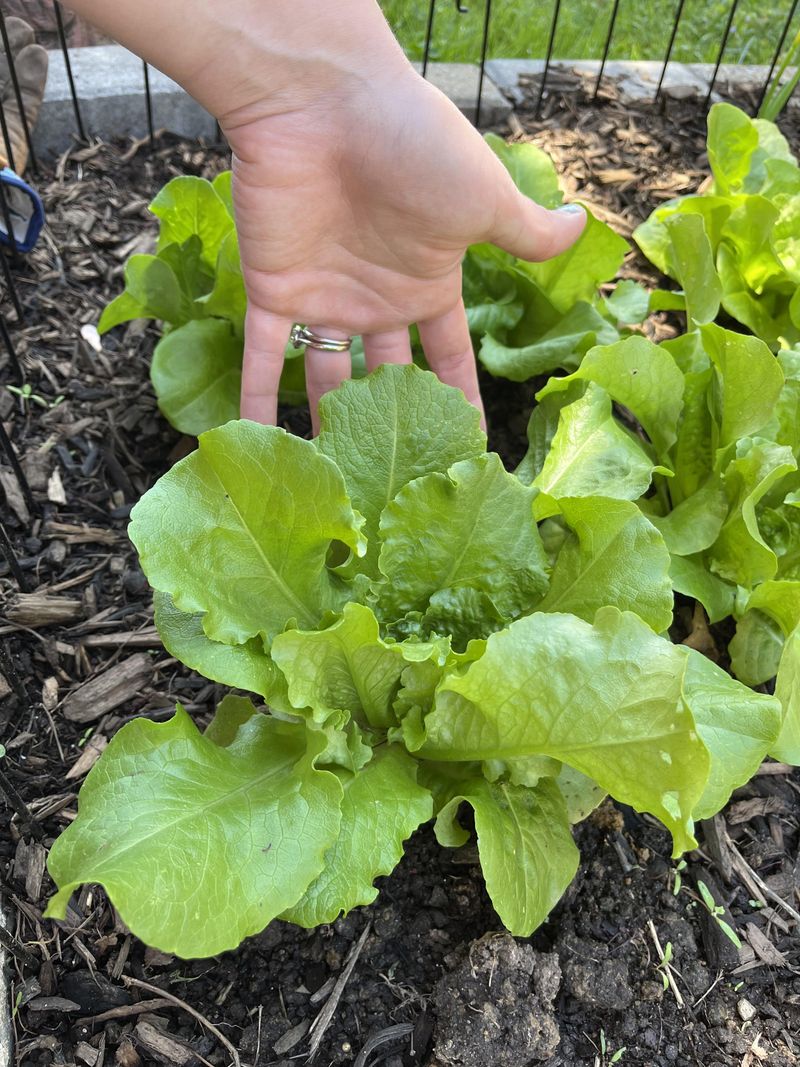
The first cool spell can make a bare garden row feel useful again.
That is a good moment to reach for Buttercrunch. This butterhead lettuce forms a loose rosette, then pulls itself into a compact head with soft leaves and a tender bite.
Cool fall weather suits it well. Days in the 60s and nights in the 40s can bring out the texture that made this variety a longtime favorite.
Keep the seed shallow.
A depth of about one-eighth to one-quarter inch works well because lettuce seed needs light near the surface. Keep that top layer evenly moist until sprouts appear. Dry soil at the wrong moment can stall the whole row.
A light layer of straw around young plants can help hold moisture after they settle.
Give the crop about 55 to 65 days for a full head. Pennsylvania timing changes by region, so count backward from the first hard freeze expected in your area.
Philadelphia and Chester County gardeners may still have room into mid-September. Centre County and Pocono gardens usually need an earlier start, often around late August.
Do not let a half-finished head boss you around.
Outer leaves taste good long before the plant reaches perfect grocery-store shape. Harvest what looks ready and leave the center intact for another round.
Buttercrunch may sound fancy, but its fall strategy is simple: cool weather, steady moisture, and no patience for perfection.
2. Sow Black Seeded Simpson For Fast Leaves
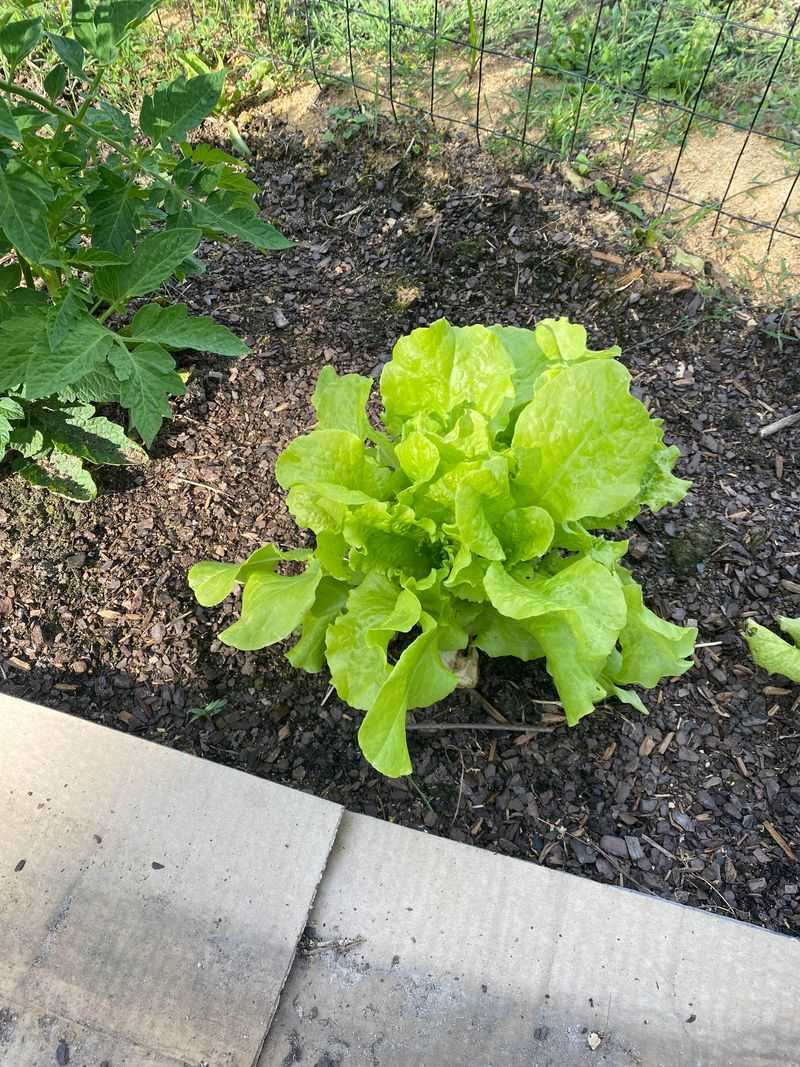
A late start does not have to ruin the fall lettuce plan.
Black Seeded Simpson moves fast enough to rescue a garden bed after summer hangs around longer than expected. Baby leaves can become ready in about 28 days after germination, which gives Pennsylvania gardeners useful flexibility.
This loose-leaf type skips the tight-head stage.
That means you can cut outer leaves and leave the center intact for another round. Once seedlings reach about 2 to 3 inches tall, thin them to roughly 6 inches apart.
Those little thinnings belong in lunch, not the compost pile.
Your Pennsylvania Garden Changes Every Week. Your Plan Should Too.
Gardening in Pennsylvania changes quickly throughout the season. Every Friday you’ll receive a simple weekly plan showing exactly what to plant, prune, fertilize, harvest, and protect so you never miss the right timing.
For a longer harvest, sow another small patch every 10 to 14 days while your local season still allows enough time.
Central Pennsylvania gardeners may keep that rhythm through mid-September. Warmer southeastern areas can sometimes stretch into early October.
Wide bands work well in a small bed.
Scatter seed across a broader strip instead of one narrow row. That can give you more leaves per square foot and a fuller salad patch without much extra effort.
Black Seeded Simpson stays lighter green than many fall lettuces, so it pairs nicely with darker red or bronze varieties nearby.
Keep soil moisture steady through dry autumn stretches. Stress can push leaves toward a harsher flavor.
This lettuce is basically the friend who arrives late, skips the small talk, and still gets dinner on the table before everyone else.
3. Add Red Sails For Color And Slow Bolting
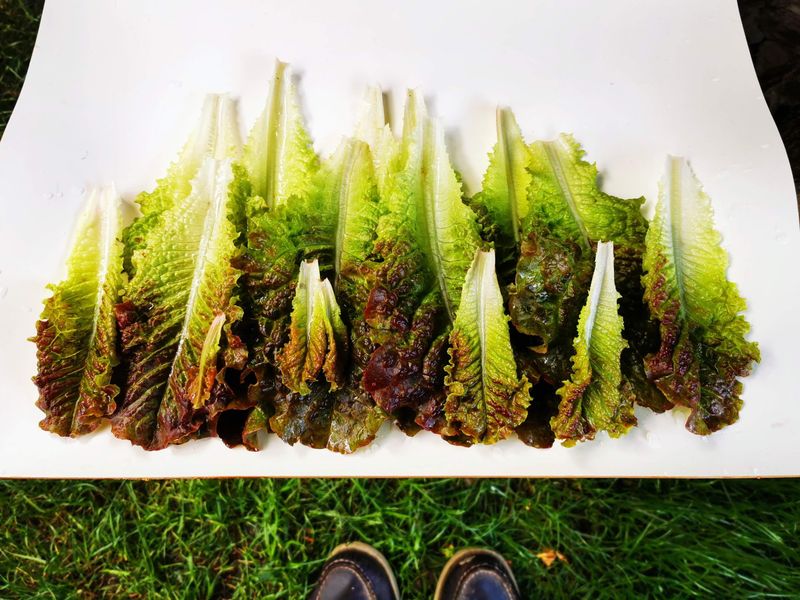
October can turn a plain lettuce bed into something that looks almost ornamental.
Red Sails earns that effect with broad, ruffled leaves that shift from green near the base to red-bronze toward the tips. Cooler nights can deepen the color, so the plant often gets more dramatic as the season settles in.
That color comes from natural pigments known as anthocyanins.
The practical bonus is that Red Sails also handles the warm side of fall better than many loose-leaf types. A sudden hot spell can still push any lettuce toward a flower stalk, so the goal is steady growth once temperatures begin to moderate.
Give each plant about 6 to 8 inches of space.
That room lets the leaves spread while the bed stays open and airy. Start harvest once plants reach about 4 to 6 inches tall. Take outer leaves first and leave the center intact for more growth.
A light frost may leave established plants in decent shape, and a floating row cover can buy extra time as colder nights arrive.
You also get a nice kitchen advantage.
Red Sails tends to hold its crispness well after harvest, so a busy week does not automatically turn the crisper drawer into a lettuce apology.
Use it beside pale green varieties for contrast. The bed looks better, the salad gets more color, and fall gets to show off with no mums required.
4. Use Winter Density For Compact Heads
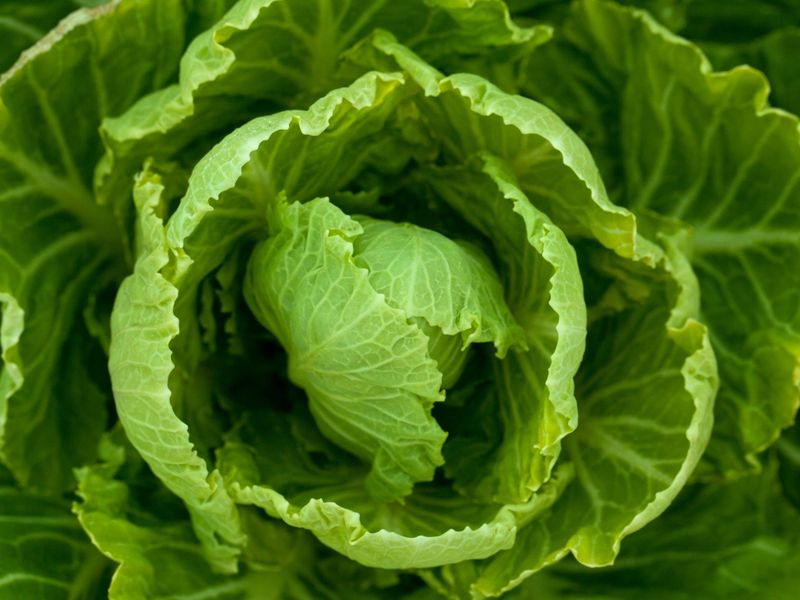
Small beds appreciate a lettuce that knows how to stay in its lane.
Winter Density grows upright and compact, which makes it useful when fall garden space starts to feel crowded. The heads combine crisp outer ribs with a softer, sweeter center, so you get some romaine character without the tall, loose form.
Give each plant about 8 to 10 inches.
That gap matters during damp Pennsylvania falls. Heads packed too tightly can hold moisture between leaves and create a friendlier environment for fungal trouble.
A little air between plants does more work than gardeners often expect.
Winter Density needs more time than a loose-leaf variety. Plan on roughly 60 to 65 days for a compact head, then work backward from the colder part of your local season.
Scranton and Allentown gardeners usually need seed in the ground by late August for a comfortable margin. Lancaster and Philadelphia-area gardens may have room into early September.
Do not treat the maturity date like a contract.
Cold weather can slow growth, and a hard freeze may arrive before every head tightens. Harvest the leaves at whatever stage the plant reaches. The flavor stays useful long before full size.
Cool nights can deepen the mild sweetness, which makes the wait feel worthwhile.
Winter Density is the neat roommate of the lettuce bed. It takes its share of space, keeps its elbows in, and still brings something good to dinner.
5. Try Rouge d’Hiver For Cool Weather Color
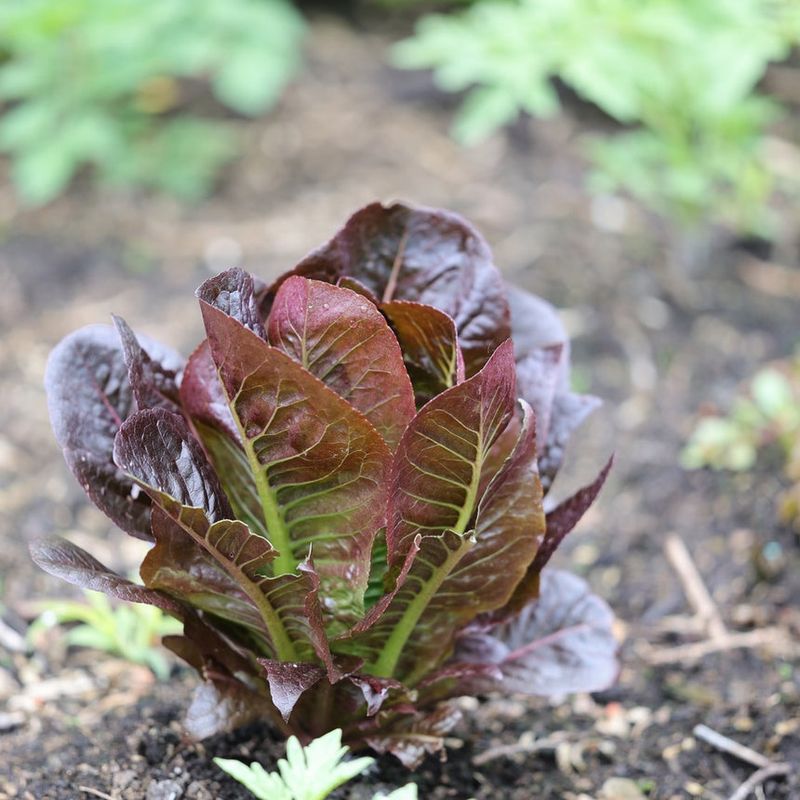
Cold nights do something wonderful to this old French romaine.
Rouge d’Hiver starts green, then cooler weather pulls deep red-bronze tones across the outer leaves. The center stays pale and tender, so one head can look like fall painted it from the outside in.
Its name means “red of winter,” and the variety lives up to that reputation best after nights drop into the 40s and low 50s.
Late August or early September can work across many Pennsylvania gardens, while local frost dates create the real deadline.
Give the plants enough room to form upright heads.
Young seedlings deserve a quick slug check during moist spells. Slugs often hide under leaves or along bed edges, then leave ragged holes behind after dark.
Keep the area tidy and remove easy hiding places near the row.
Iron phosphate bait labeled for vegetable gardens can provide another option when slug pressure climbs. Follow the package directions closely and keep the application focused.
Once plants establish, light frost usually causes little trouble. A floating row cover can extend the season when colder nights move in.
Northern gardens may need that extra layer sooner than southern ones.
Rouge d’Hiver brings the kind of color that makes a salad look suspiciously expensive.
Leave the decorative bowl in the cabinet. The lettuce already showed up dressed for dinner.
6. Plant Green Ice For Crisp Leaf Harvests
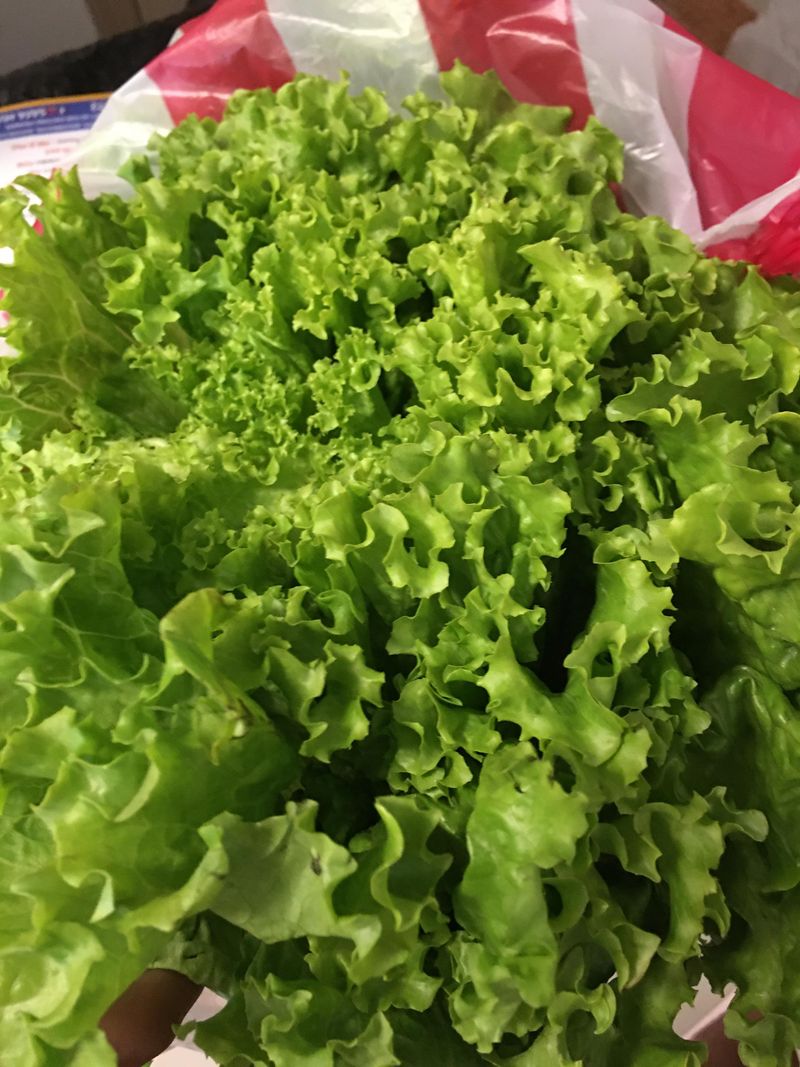
A crisp leaf can make the whole fall crop feel worth the effort.
Green Ice brings deeply frilled, glossy foliage with a firmer bite than many loose-leaf lettuces. Cool weather helps that texture shine, so autumn suits the variety especially well.
You do not need to wait for a full head.
Start with outer leaves once plants reach about 5 to 6 inches tall. Take no more than roughly one-third of the foliage at a time. The center can supply several more harvests.
That approach stretches one seed round far beyond a single cut.
Give plants about 6 to 8 inches of space. Crowded rosettes can produce thinner leaves and hold too much moisture around the center.
Steady soil moisture matters too.
Dry periods followed by a heavy soak can stress the plant and encourage rougher flavor. Inconsistent moisture can also contribute to brown leaf edges known as tip burn.
Check the bed often during dry fall weather and water before the root zone gets excessively dry.
Green Ice works especially well for gardeners who want repeated small harvests for sandwiches and side salads rather than one big head all at once.
You can step outside, take a handful, and leave the rest for later.
That is about as close as a lettuce bed gets to its own refill button.
7. Scatter A Cold-Tolerant Mix For Variety
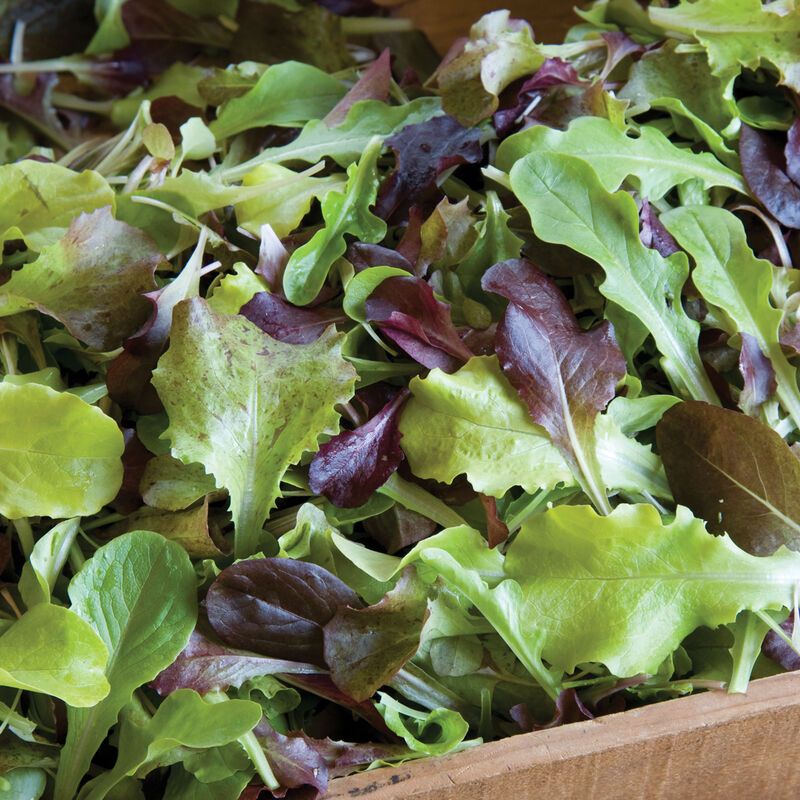
One packet can turn an empty September patch into a salad bar with very little ceremony.
A cold-tolerant lettuce mix gives you several leaf shapes, colors, and maturity rates in the same bed. That variety spreads the harvest over a longer stretch because every cultivar does not reach peak size on the same day.
Broadcast the seed across a prepared patch.
Once leaves reach about 3 to 4 inches tall, cut across the bed with scissors about an inch above the soil. Many plants can push fresh leaves from the center for another round.
After that first cut, thin the strongest plants to about 4 to 6 inches apart. The extra room lets selected rosettes grow larger while the salad bowl already holds the first harvest.
Cold tolerance will vary inside the packet.
One cultivar may shrug off a chilly night that leaves another noticeably less cheerful. A floating row cover can protect the whole mix, and you do not need to identify every leaf before sunset.
Northern Pennsylvania gardeners may need that cover earlier. Gardens closer to Philadelphia often gain a little extra time before severe cold settles in.
Remove the cover during milder daylight hours so plants receive plenty of light.
A mix takes some control away, and that is part of the fun.
You scatter one packet, fall sorts out the personalities, and dinner gets a different salad almost every time.