The Plants Pennsylvania Gardeners Keep Multiplying From Cuttings Every Year
There is something deeply satisfying about turning one plant into many, especially when it costs you almost nothing.
Taking cuttings is one of those gardening skills that sounds more complicated than it actually is, and once you get comfortable with it, you will start looking at your garden completely differently.
That coleus you love? More of it. The rosemary that somehow survived last winter? Definitely more of it.
For Pennsylvania gardeners, late summer is prime time for this kind of work, with the growing season winding down and a natural urgency to save tender favorites before temperatures drop.
The good news is that plenty of common garden plants root surprisingly easily from cuttings, and you do not need a greenhouse or any special equipment to make it happen.
Just a sharp pair of snips and a little patience.
1. Coleus Makes More Colorful Plants
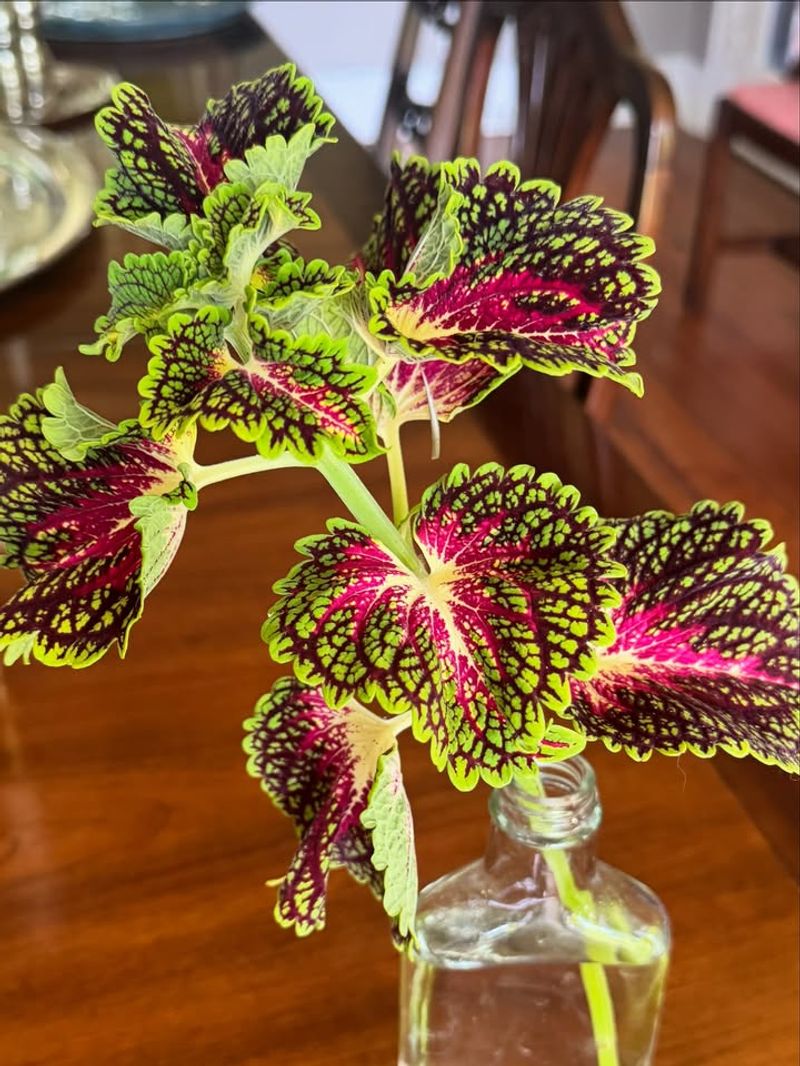
Few foliage plants reward Pennsylvania gardeners quite like coleus, especially when you realize how effortlessly it multiplies from cuttings.
The colors alone make it worth saving, with varieties ranging from deep burgundy to bright lime green to swirling combinations that look almost painted.
Taking cuttings before fall frost hits is a practical way to keep favorite varieties going indoors through Pennsylvania winters.
Snip a healthy stem about four to six inches long, remove the lower leaves, and place it in a glass of clean water near a bright window. Roots often appear within a week or two, making coleus one of the most beginner-friendly plants to propagate.
Once rooted, the cutting can be potted up in fresh potting mix and grown indoors until spring planting time.
Coleus thrives in containers, shaded garden beds, and mixed plantings where bold foliage adds contrast. Because named varieties do not come true from seed, taking cuttings is the only reliable way to keep a specific color pattern going year after year.
Gardeners who have found a coleus they truly love often take multiple cuttings each late summer, giving them plenty of rooted plants ready for containers and beds the following season.
Keeping a few plants on a sunny windowsill through winter is a satisfying way to extend the garden indoors.
2. Geraniums Grow More Blooms From Cuttings
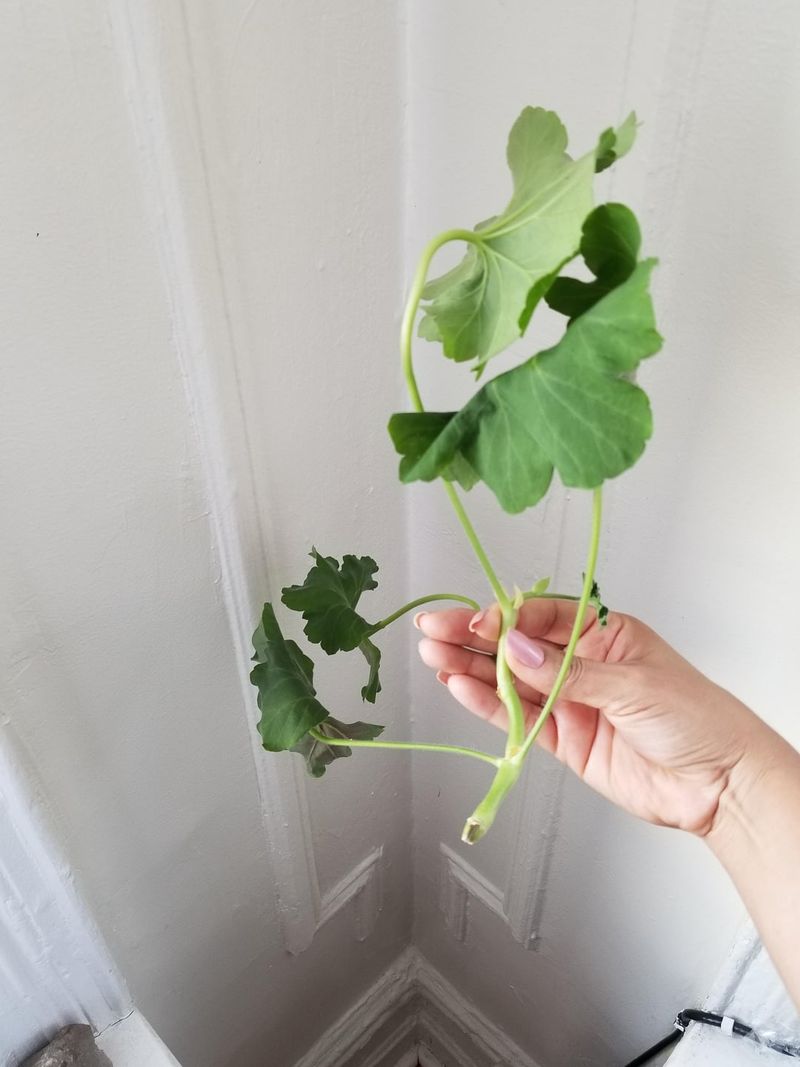
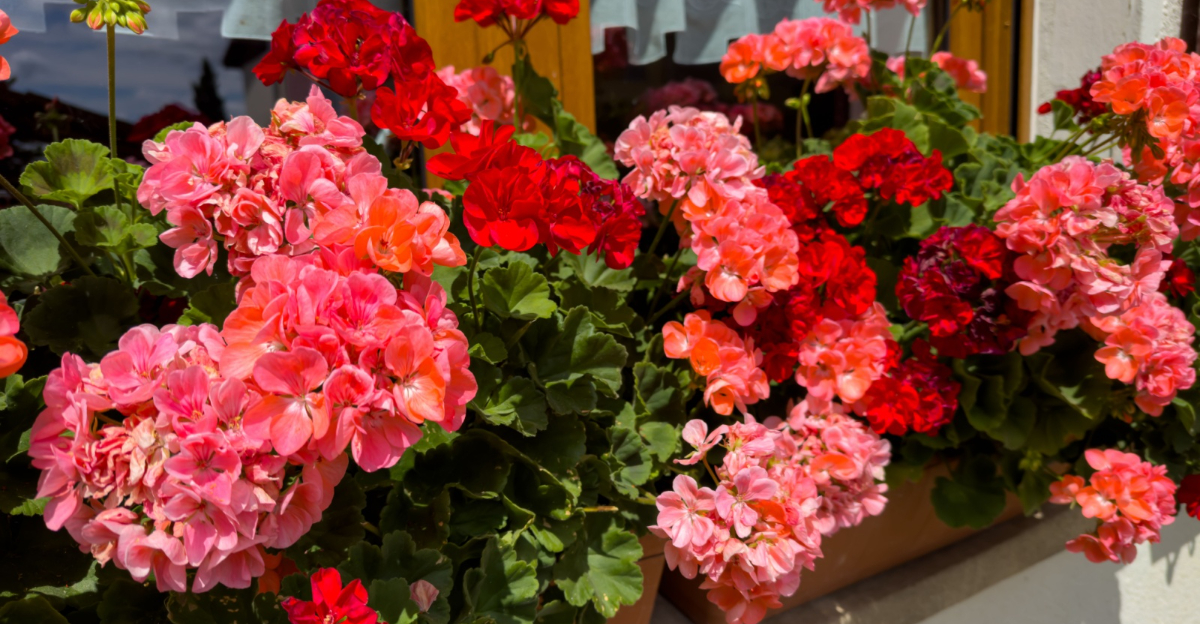
Zonal geraniums have been a staple of Pennsylvania porches, window boxes, and container gardens for generations, and part of their lasting appeal is how easily they can be multiplied from cuttings.
Rather than purchasing new plants every spring, many gardeners take cuttings in late summer or early fall, root them indoors, and overwinter them on a sunny windowsill.
This approach saves money and keeps beloved color varieties going from one year to the next.
A good geranium cutting is about four inches long, taken just below a leaf node, with the lower leaves removed. The cut end can be allowed to dry for an hour or so before being placed in moist potting mix to help reduce the chance of rot.
Bright indoor light and moderate watering through Pennsylvania winters give the young plants a solid start before spring arrives.
Your Pennsylvania Garden Changes Every Week. Your Plan Should Too.
Gardening in Pennsylvania changes quickly throughout the season. Every Friday you’ll receive a simple weekly plan showing exactly what to plant, prune, fertilize, harvest, and protect so you never miss the right timing.
Geraniums root reliably without rooting hormone in many cases, though using a light application can sometimes speed up the process.
New plants grown from cuttings tend to bloom freely once established, making them excellent choices for containers, hanging baskets, and front garden beds.
For gardeners who have a particular shade of salmon, coral, or red they want to repeat season after season, taking cuttings each fall is a straightforward and rewarding habit worth building into the garden routine.
3. Begonias Add More Easy Color
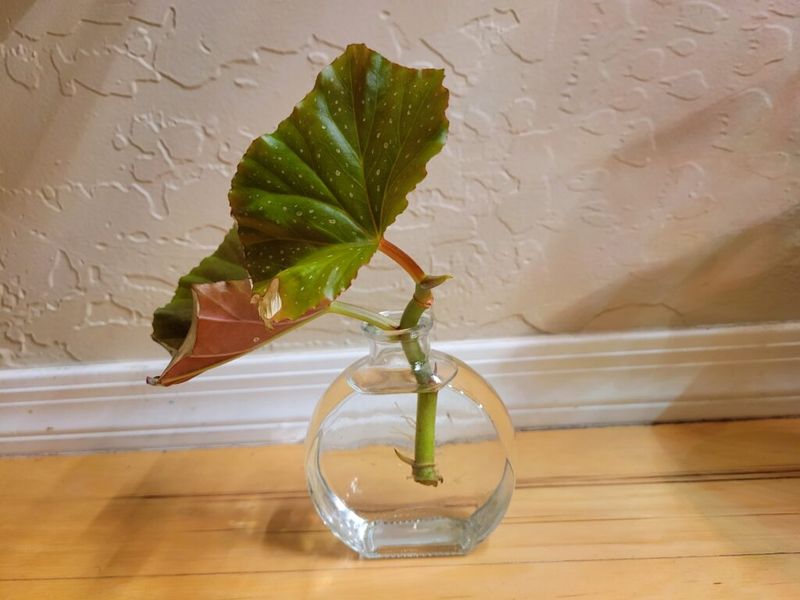
Wax begonias are among the most reliable warm-season plants in Pennsylvania gardens, delivering steady color from late spring through fall without much fuss.
What makes them even more practical is that stem cuttings root without much effort, giving gardeners a cost-effective way to produce more plants for beds, containers, and hanging baskets each year.
Taking cuttings in late summer before temperatures drop is a smart move in Pennsylvania, where frost can arrive earlier than expected in some regions.
A cutting of three to four inches, with lower leaves removed and the stem placed in moist potting mix or a cup of water, can begin producing roots within a couple of weeks.
Keeping the cuttings in a warm spot with indirect light supports healthy rooting without stressing the young stems.
Tuberous begonias can also be propagated from stem cuttings taken in spring or early summer when new growth is active and stems are firm but not woody.
Both types offer gardeners a way to expand their planting without buying flats of new transplants every season.
Begonias grown from cuttings can be used to fill shaded spots under trees, brighten up patio containers, or add a splash of color to front walkways.
Keeping a few rooted cuttings on a bright windowsill through winter is a practical way to have plants ready well before the local nurseries stock up in spring.
4. Basil Roots Into More Fresh Herbs
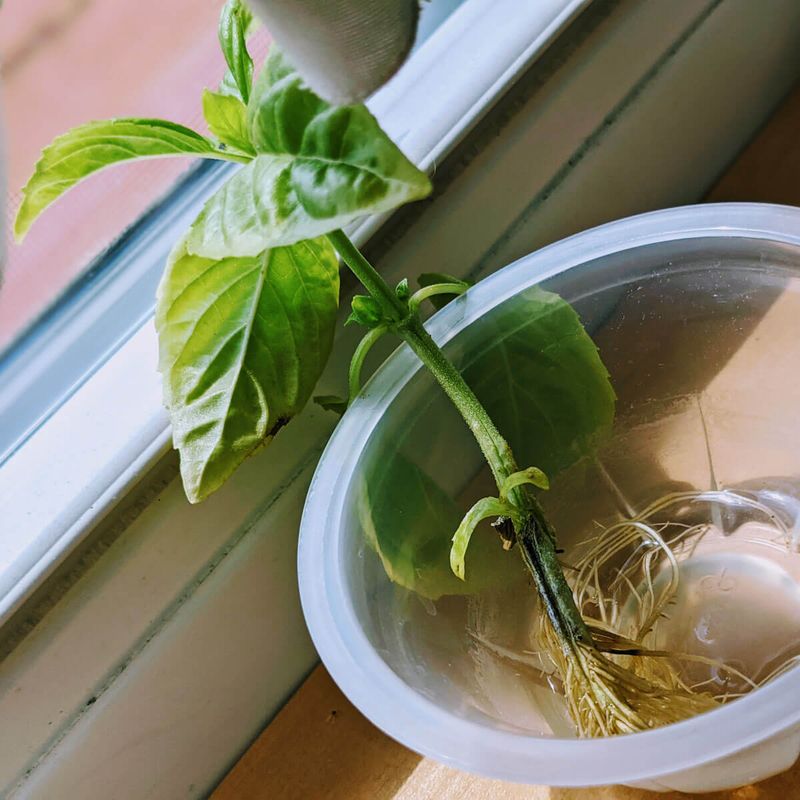
Snipping a few stems of basil and placing them in a glass of water on the kitchen windowsill is one of the most satisfying small gardening moments there is.
Within days, tiny white roots begin to appear, and within a couple of weeks, you have a new plant ready to pot up and keep producing fresh leaves.
For Pennsylvania herb gardeners who want a steady supply of basil without buying new transplants every season, this simple technique is genuinely useful.
Basil cuttings root best when taken from healthy, actively growing stems that have not yet flowered. A stem of about four to six inches works well, with the lower leaves removed so the submerged portion stays clean in the water.
Changing the water every few days helps keep things fresh and supports healthy root development.
Once rooted, the cutting can be moved into a pot of well-draining potting mix and placed in a warm, sunny spot. Basil needs warmth and light to thrive, so a south-facing window works well for indoor plants during Pennsylvania’s cooler months.
Growing basil from cuttings is also a practical way to extend the herb season indoors after outdoor plants have finished for the year.
A single healthy parent plant from the summer garden can produce several rooted cuttings, keeping fresh basil within reach through fall and into early winter for cooking and kitchen use.
5. Rosemary Grows From Stem Cuttings
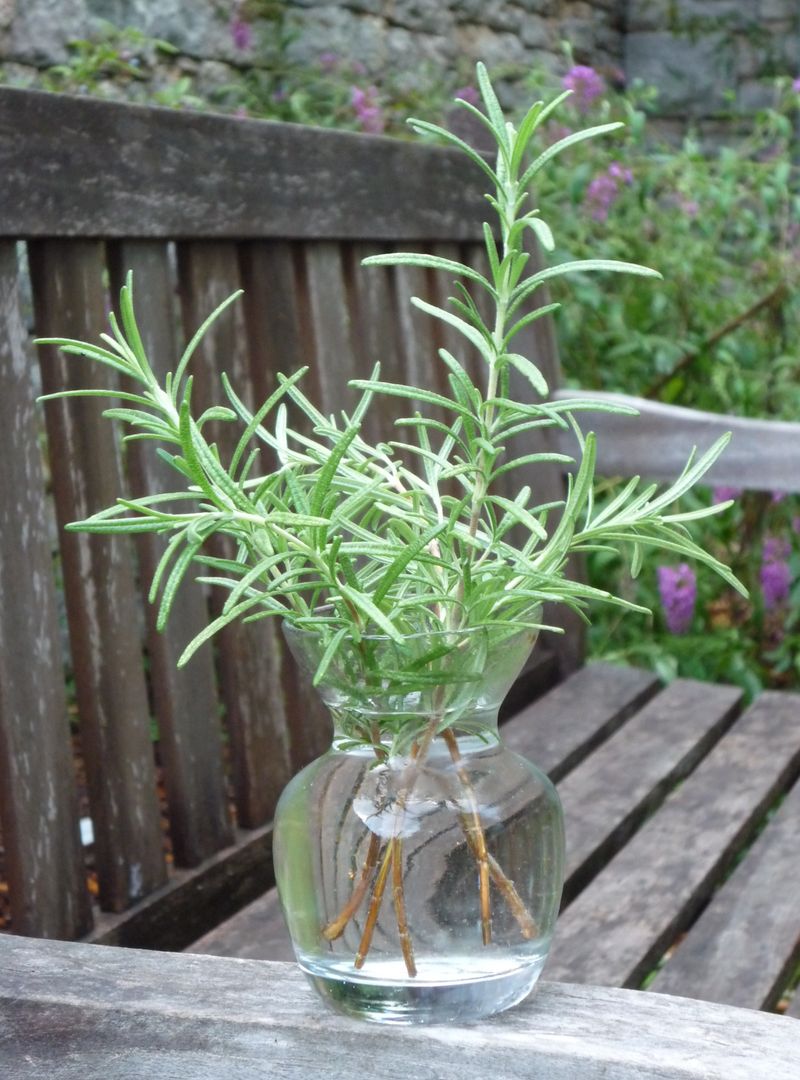
Rosemary has a well-earned reputation as a sturdy, aromatic herb, but it can be slow to root from cuttings, which makes starting with the right technique especially worthwhile.
In Pennsylvania, rosemary is not fully winter hardy in most regions, so taking cuttings and overwintering them indoors is a practical way to keep a favorite plant going from one year to the next without starting over from scratch each spring.
Softwood cuttings taken in late spring or semi-hardwood cuttings taken in late summer tend to give the best results.
A cutting of about four to six inches, with the lower needles stripped away and the stem dipped lightly in rooting hormone powder, is placed in a gritty, well-draining propagation mix.
Keeping the soil lightly moist rather than wet helps prevent issues with the stem while roots develop over several weeks.
Patience is part of the process with rosemary, as it roots more slowly than herbs like basil or mint.
Placing the cuttings in a warm spot with bright indirect light and covering them loosely with a clear plastic bag can create a more humid environment that supports rooting.
Once established, rooted rosemary plants can be moved to a sunny indoor spot through Pennsylvania winters and then transitioned back outside in spring.
A well-rooted cutting can grow into a productive, fragrant plant that provides fresh sprigs for cooking throughout the growing season.
6. Thyme Makes More Kitchen Herbs
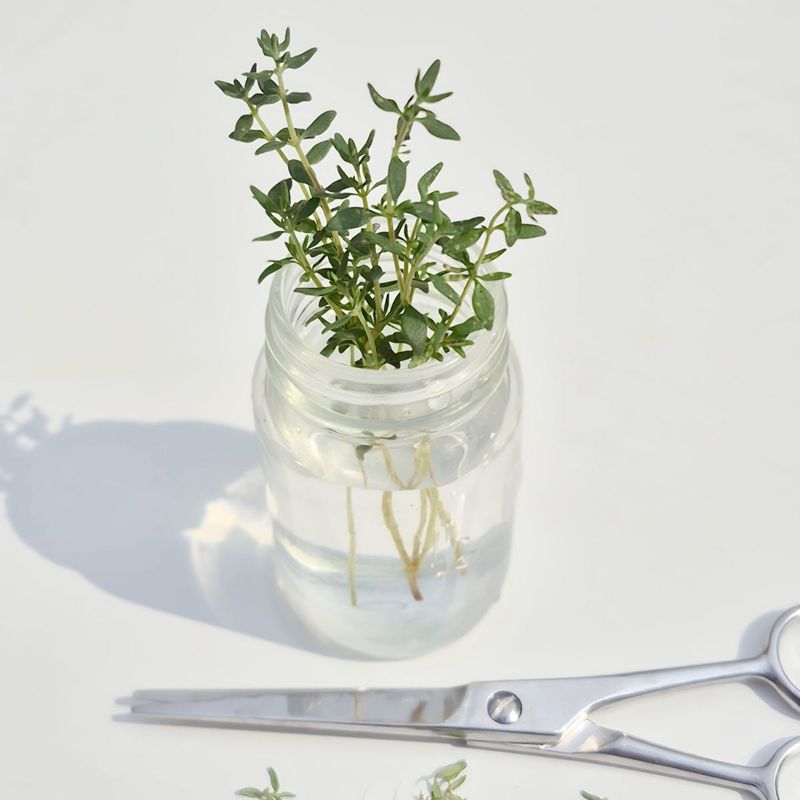
Thyme is one of those herbs that earns its place in every Pennsylvania kitchen garden, offering fragrant leaves for cooking all season long while also looking attractive spilling over the edges of containers and raised beds.
Taking cuttings is an easy way to multiply thyme plants, and it gives gardeners a chance to refresh older plants that have become woody at the base over time.
Softwood cuttings taken in late spring or early summer, when new growth is tender and green, tend to root more readily than cuttings taken from older, woodier stems.
A cutting of two to four inches, with the lower leaves removed and the stem placed in moist propagation mix, can begin rooting within a few weeks when kept in a warm spot with good indirect light.
Misting the cuttings lightly and covering them with a humidity dome or clear plastic bag can help maintain moisture around the leaves during the rooting process.
In Pennsylvania, thyme is considered hardy enough to survive winters in many parts of the state, but keeping rooted cuttings indoors through the colder months gives gardeners a reliable backup supply.
New plants grown from cuttings can be used to fill gaps in herb beds, expand container plantings, or share with neighbors and friends.
Thyme pairs well with other low-growing herbs in mixed containers, making it a practical and attractive addition to both kitchen gardens and ornamental plantings throughout the growing season.
7. Oregano Spreads Into More Plants
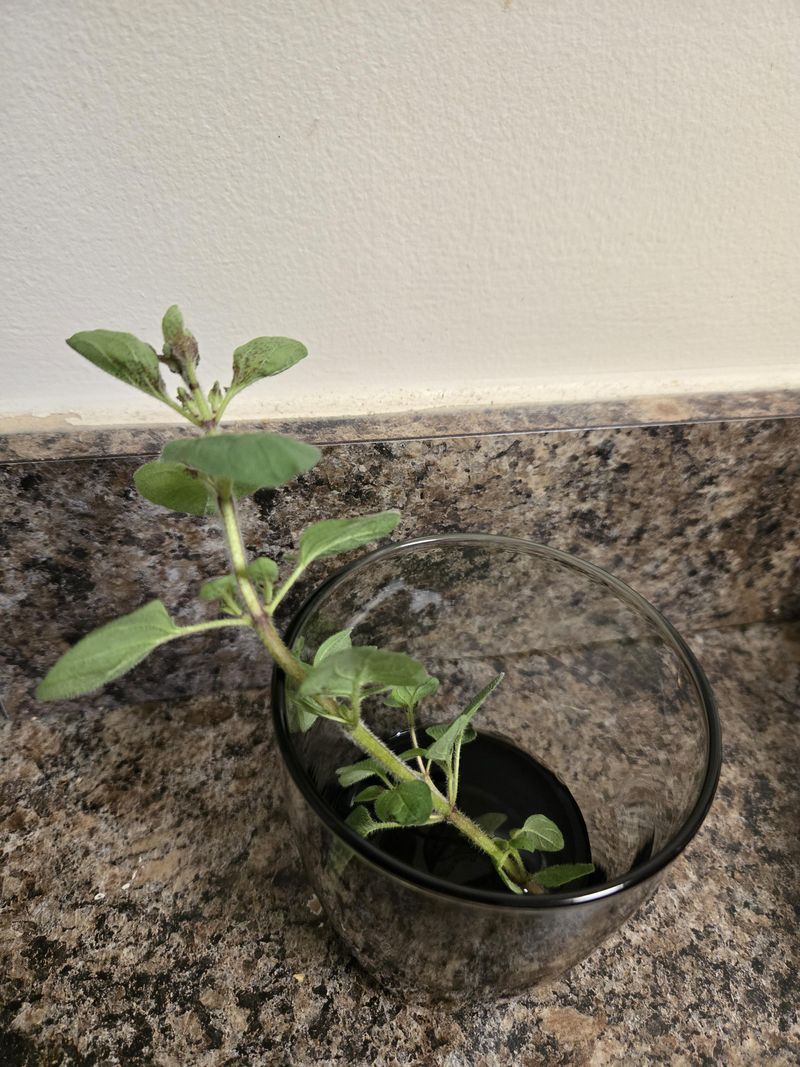
Oregano is a generous herb that seems almost eager to multiply, and taking cuttings is one of the most reliable ways to produce new plants with the same flavor and fragrance as the parent.
For Pennsylvania gardeners who cook with fresh herbs regularly, having several oregano plants growing in containers or garden beds means a steady supply of leaves through the warm months without running out mid-season.
Stem cuttings of three to five inches taken in late spring or early summer, when the plant is actively growing but has not yet flowered, tend to root well.
Removing the lower leaves, dipping the stem lightly in rooting hormone, and placing it in moist potting mix gives the cutting a good environment for root development.
Keeping the soil evenly moist and the cutting in a warm spot with indirect light supports the process over the following weeks.
Oregano is fairly hardy in Pennsylvania and can often survive winters outdoors in sheltered spots, but taking cuttings each season ensures a supply of vigorous young plants with fresh growth.
Older plants can become straggly and less productive over time, so replacing them with rooted cuttings from a healthy parent plant helps maintain flavor quality in the herb garden.
New oregano plants work well in containers, raised beds, and mixed herb gardens, and they make thoughtful gifts for friends and neighbors who enjoy cooking with fresh ingredients throughout the growing season.
8. Mums Bring More Fall Color
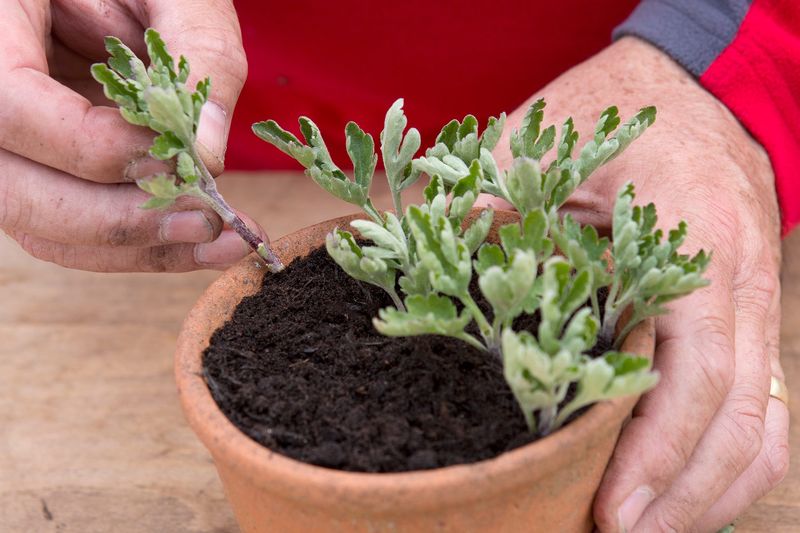
Come September and October, chrysanthemums are practically synonymous with fall gardening across Pennsylvania, filling porches, garden centers, and roadside stands with deep golds, rich purples, and warm oranges.
What many gardeners may not realize is that mums can be propagated from stem cuttings taken in spring, producing more plants from a single healthy parent without spending extra money on new pots each fall.
Cuttings are typically taken in late spring or early summer when new growth is a few inches long and stems are soft and green.
A cutting of about three to four inches, with lower leaves removed and the stem placed in moist propagation mix, can root within a few weeks when kept in a warm spot with good light.
Pinching the young plants back through early summer encourages bushy, compact growth and more flower buds by fall.
Hardy garden mums, as opposed to florist mums sold strictly as seasonal decorations, have a better chance of surviving Pennsylvania winters when planted in the ground before early fall.
Taking cuttings each spring from plants that made it through the winter is a satisfying way to build up a collection of reliable fall bloomers over time.
Rooted cuttings can be grown in containers or planted directly into garden beds, where they reward patient gardeners with a generous display of color right when the rest of the garden is winding down for the season.