The Fall Shade Bloomer Texas Gardeners Are Missing
Shady corners can be the toughest spots in a Texas garden. Most flowering plants want full sun.
That leaves dim areas under trees or along the north side of the house looking plain, patchy, or forgotten. But there’s one plant that actually saves its best show for the shade, and for fall.
Just as many summer flowers start to fade, it sends up tall stems covered in glowing scarlet blooms.
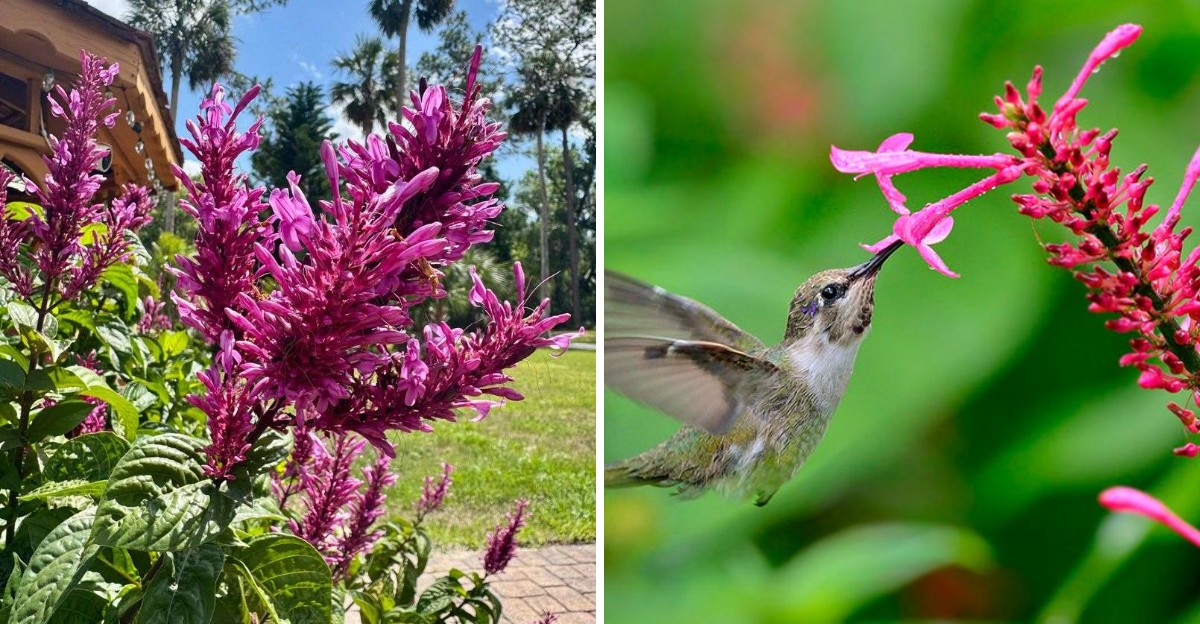
The color looks especially vivid against its glossy, deep green leaves. Hummingbirds can’t resist it, and it often becomes a favorite refueling stop during fall migration.
Even better, it’s surprisingly easy to grow. It handles Texas heat, needs very little fuss, and often comes back strong after a cold winter in milder parts of the state. Somehow, plenty of gardeners have never heard of it. That’s about to change.
Stunning Color For Shady Fall Gardens
Walk into a shady Texas yard in October and you might spot a burst of red that looks almost too bright to be real.
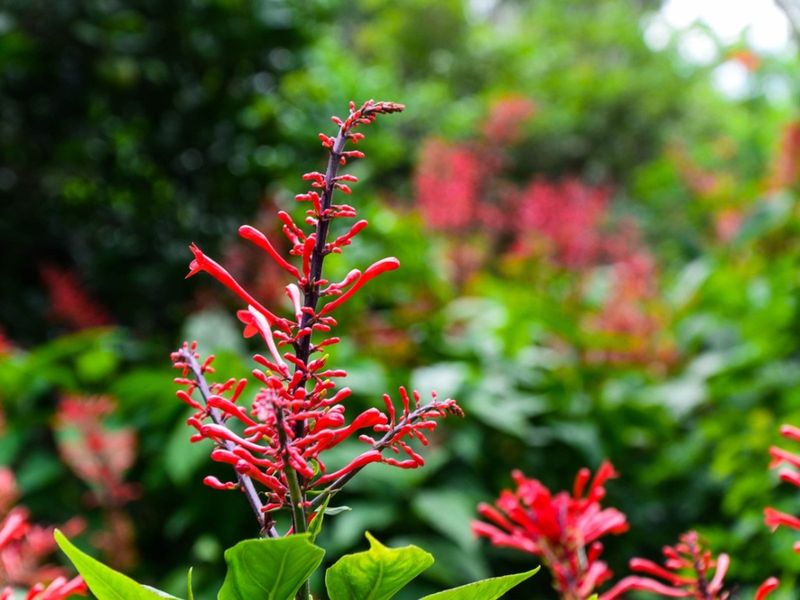
That eye-catching plant is often firespike. Its scientific name is Odontonema strictum, but most folks just call it firespike or cardinal guard.
Firespike is a shrub with big, glossy leaves. The leaves are dark green and shiny, almost like they have been polished. In mild places, the plant stays green all year long.
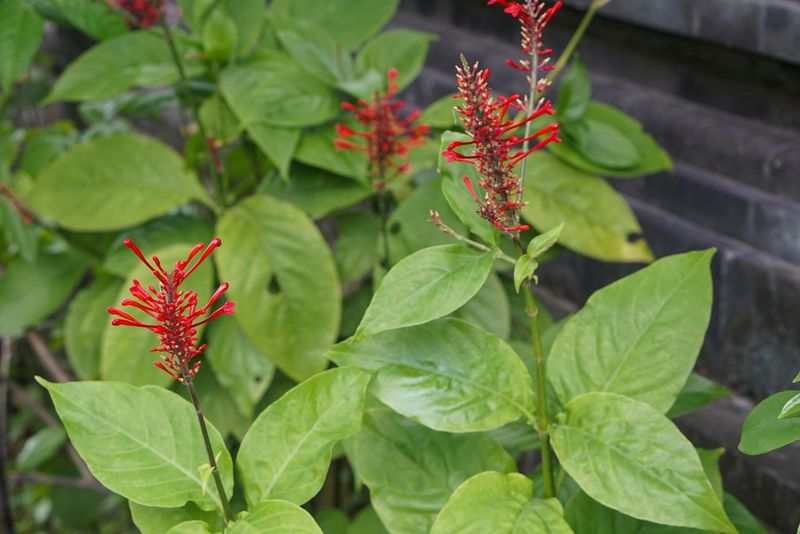
The real show comes from the flowers. Tall spikes rise above the leaves, packed with narrow red tubes. Each spike can hold dozens of blooms at once, and they glow even in low light.
Here is what makes firespike so special. Most flowering plants need lots of sun to bloom well. Firespike breaks that rule and blooms heavily in shade during fall.
Fun fact: firespike is native to Central America. It found a happy home in the warm, humid South, where it feels right at home.
So why do so many Texas gardeners miss it? Big garden centers do not always carry it. You may need to ask a local nursery or trade cuttings with a neighbor who already grows it.
Once you have one, you can easily share it. Stem cuttings root quickly in moist soil or even a glass of water. That makes it a great plant to pass along to friends.
If your shady beds feel dull and plain, firespike could be the fix. It adds height, shine, and a pop of color right when other plants are slowing down.
Few shrubs give this much beauty for so little work, and your shady corners will finally get the attention they deserve.
A Long Fall Bloom Season
Timing is everything in a garden. Spring brings azaleas and redbuds, but by late summer, shade gardens often go quiet. Firespike steps in right when the stage looks empty.
Most plants start their flower show in late summer, around August or September. Then they keep going. Firespike often blooms all through fall, right up until the first frost arrives.
That is a long run for any flower. In many parts of Texas, it can mean two or even three months of steady color. New spikes keep forming as older ones fade, so the show rarely slows down.
Your Texas Garden Changes Every Week. Your Plan Should Too.
Gardening in Texas changes quickly throughout the season. Every Friday you’ll receive a simple weekly plan showing exactly what to plant, prune, fertilize, harvest, and protect so you never miss the right timing.
Think about what else is blooming in your shady spots at that time. For most people, the answer is not much. Ferns and hostas look nice, but they do not offer bright flowers.
Firespike fills that gap perfectly. It gives your yard a second season of excitement. Neighbors walking by will likely stop and ask what it is.
Want to make the most of that long season? Try planting firespike near a porch, patio, or window. You will enjoy the color every day without even stepping outside.
You can also pair it with plants that bloom earlier in the year. Spring bloomers like columbine or Turk’s cap can share the bed. That way, the space always has something going on.
Cut flower lovers will be happy too. A few spikes look great in a vase indoors. Snip them in the morning when they are fresh, and place them in cool water right away.
A fall garden does not have to fade away. With firespike, autumn becomes one of the most colorful times of the year, even in the shadiest parts of your yard.
Thrives Where Other Flowers Struggle
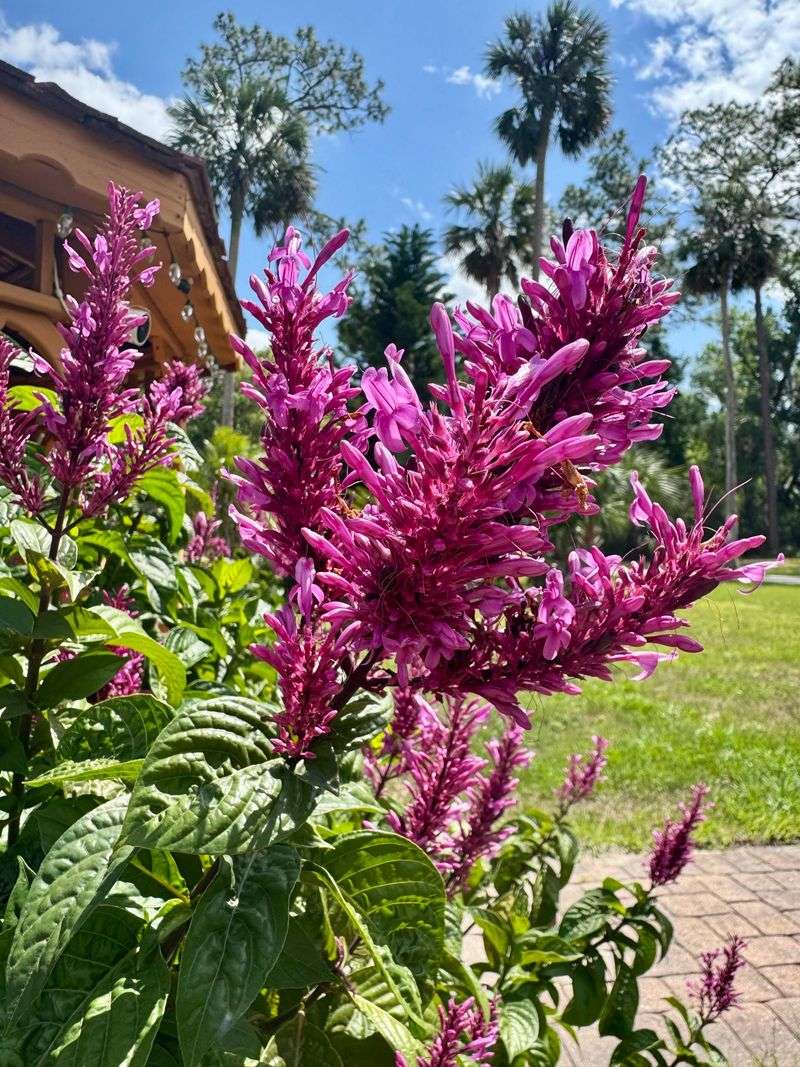
Every yard has that one tricky spot. Maybe it sits under a big pecan tree or along the north side of the house. Grass gives up, flowers sulk, and you are left wondering what will grow there.
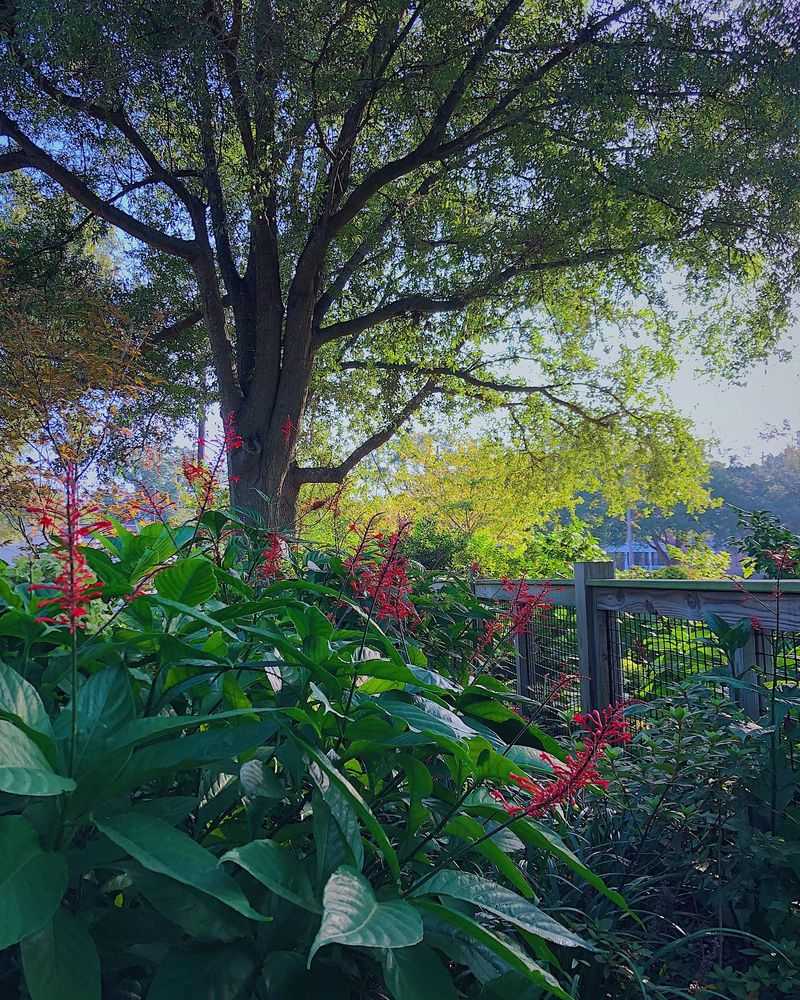
Good news: firespike actually likes those places. It grows well in part shade and even full shade. Spots that get only a few hours of morning sun suit it just fine.
Areas under trees are a great match. The leafy canopy shields firespike from harsh rays. Dappled light filtering through branches gives it just enough brightness to bloom.
Shady foundations work well too. North-facing walls stay cooler than other sides of the house. Firespike enjoys that steady, gentle environment.
Now for a word of caution. Too much hot afternoon sun can scorch the leaves. You may see brown, crispy edges or faded patches if the plant gets baked in the Texas heat.
A simple rule helps here. Morning sun is okay, but afternoon shade is a must. If you notice scorched leaves, think about moving the plant or adding shade nearby.
Root competition under trees can be tough, though. Big trees drink a lot of water. Give firespike extra mulch and a little more water to help it settle in during its first year.
Another smart trick is to plant a small group instead of just one. Three or five firespikes together create a bold mass of color. It looks planned and polished, even in a hard-to-use space.
Shade does not have to mean boring. With firespike, those forgotten corners can become the brightest part of your landscape every fall.
A Hummingbird Magnet
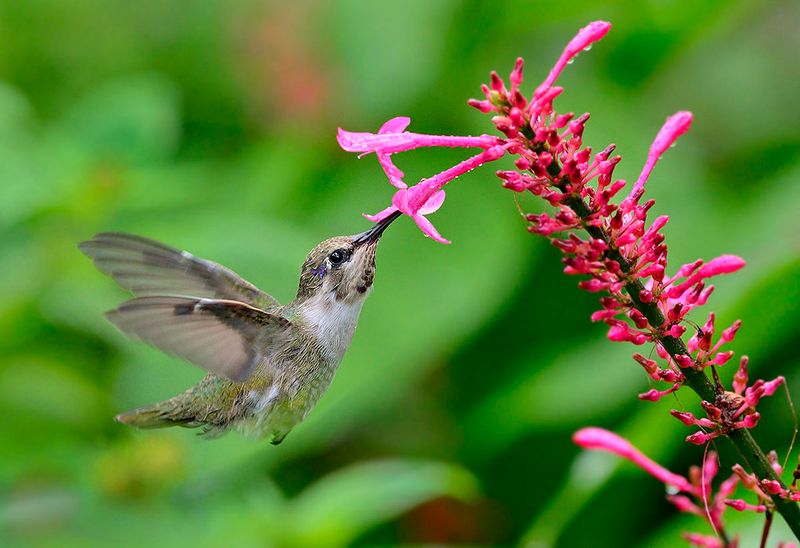
Grab a chair and a glass of tea, because the show is about to start. Plant firespike, and hummingbirds will come zooming in like they got a special invitation. Some gardeners say the birds find it within days of the first blooms opening.
Why do hummingbirds love it so much? The flowers are long, narrow tubes. That shape fits a hummingbird’s slender beak perfectly, letting it reach the sweet nectar inside.
The color helps too. Hummingbirds are drawn to bright red. Firespike flowers practically wave a flag that says food is here.
Fall timing makes it even better. Each autumn, huge numbers of hummingbirds pass through Texas on their way south. They need lots of energy for the long trip to Mexico and Central America.
A garden full of firespike is like a roadside diner for these tiny travelers. They stop, refuel, and keep going. You get a front-row seat to one of nature’s coolest events.
Did you know? Ruby-throated hummingbirds can double their weight before migrating. That extra fat helps them fly across the Gulf of Mexico without stopping.
Butterflies also visit firespike for nectar. Swallowtails and sulphurs often flutter between the red spikes. Your shade garden can turn into a busy little wildlife hub.
Want more visitors? Skip harsh bug sprays near your plants. They can harm the very creatures you hope to attract.
A small birdbath or shallow dish of water nearby adds a nice touch. Kids especially love watching the birds dart and hover. It is a simple way to bring nature closer to home.
What To Expect In Winter
Winter in Texas can be a wild ride. One week feels like spring, and the next brings a hard freeze. Firespike reacts to those cold snaps in a way that surprises new growers.
When a hard freeze hits, firespike usually freezes back to the ground. The leaves turn brown and mushy, and the stems go limp. It can look like the plant is gone for good.
Do not panic, and do not dig it up. In warmer parts of Texas, the roots stay alive underground. When spring warms the soil, fresh green shoots pop right back up.
Gardeners along the Gulf Coast and in South Texas often see the best regrowth. Central Texas gardens usually bounce back too, especially with a little protection. A thick layer of mulch over the roots acts like a warm blanket.
Things get trickier in North Texas and the Panhandle. Winters there can be long and very cold. Roots in the ground may not survive a deep freeze.
The answer is simple: grow firespike in a container. A large pot lets you enjoy it outside during warm months. When cold weather is coming, roll it into a garage, shed, or sunroom.
Inside, keep watering light. The plant only needs enough to stay barely moist. Bright, indirect light helps it rest happily until spring.
Another backup plan is taking cuttings in fall. Root a few stems indoors as insurance. If the outdoor plant does not return, you already have new ones ready.
A little winter planning goes a long way. With the right steps, firespike will be back to wow you next fall.
Easy Care And Planting
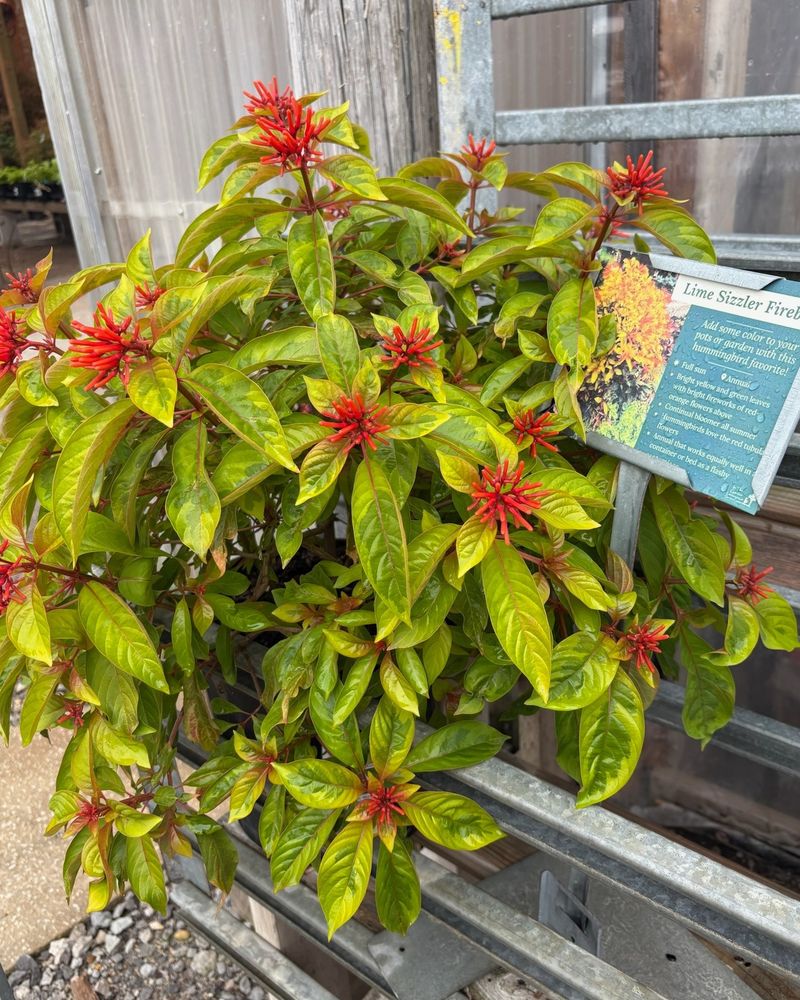
Let’s be honest, nobody wants a plant that needs babysitting. Busy schedules and hot summers make fussy plants hard to love. Firespike is wonderfully low-key once it gets going.
Start by picking the right spot. Choose a shady or partly shady area with soil that drains well. Firespike usually grows about 3 to 6 feet tall, so give it room to stretch out.
Soil matters, but you do not need to be an expert. Mix in compost or other organic matter before planting. It helps the soil hold moisture while still letting extra water drain away.
Spring is the best time to plant. Dig a hole about twice as wide as the root ball. Set the plant in, fill with soil, and water it deeply.
Add two or three inches of mulch around the base. Shredded bark or leaves work great. Mulch keeps roots cool and helps save water during Texas heat.
Watering is simple. Give it a good soak during dry spells, especially in its first summer. Once established, it can handle short dry periods, though it blooms best with steady moisture.
Fertilizer is optional. A light dose of slow-release plant food in spring is plenty. Too much can lead to lots of leaves and fewer flowers.
Pruning takes just minutes each year. In late winter, trim away any frost-damaged stems. Cut them close to the ground so fresh shoots have space to grow.
Pests rarely bother firespike, and deer usually leave it alone too. With so little effort needed, it might become your favorite plant. Your shady garden will thank you every fall with bright red blooms.