The Texas Wildflower You Have to Sow Before November for Spring Blooms
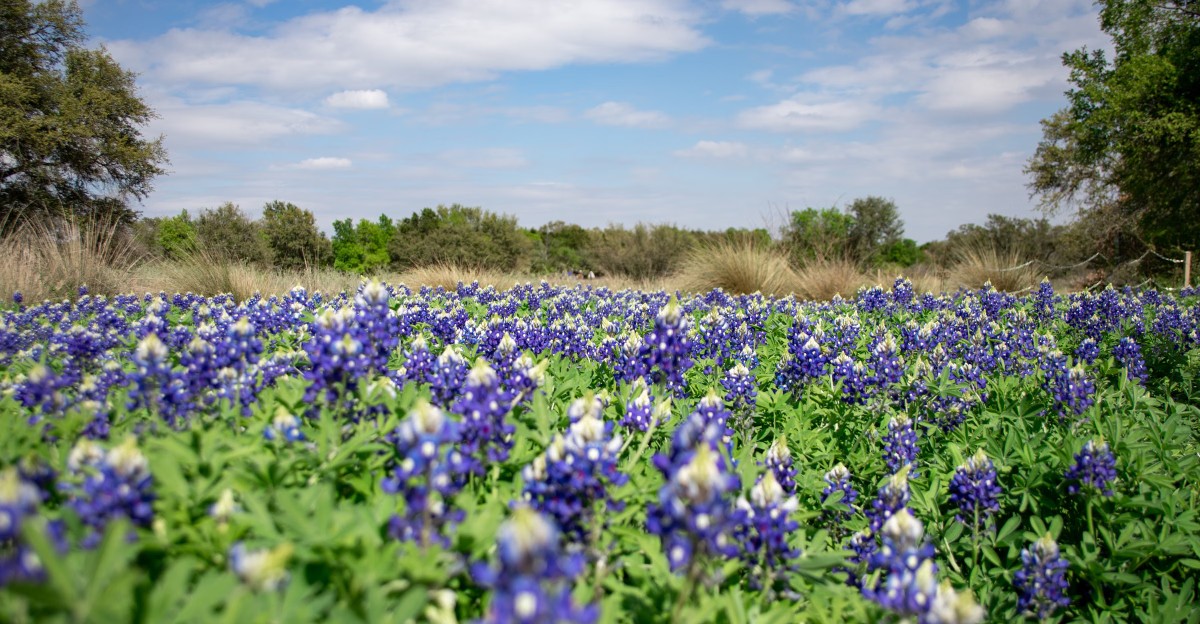
The seed of Texas’s most famous spring flower has a coat so hard that many seeds wait years to sprout. Yes, years. Some sit in the ground through several seasons before they wake up.
I love that kind of stubborn patience in a plant. Still, you don’t have to wait that long. A little fall planning gives you a real head start.
The secret is timing. These seeds want to go into the ground in early fall. They sprout with the autumn rains and spend winter as low green rosettes. Roots grow deep during the cool months.
Personally, I think that hidden winter work is the best part. By March, those quiet little leaves can turn into waves of color. So, is your calendar ready for a little fall seed magic?
1. All the Real Action Starts Underground in Fall

Most people only notice wildflowers in spring. By then, though, the hardest work is already done. The real story begins months earlier, out of sight.
After fall sowing, seeds soak up moisture from autumn rains. Tiny roots push down first. Then a flat cluster of leaves, called a rosette, forms close to the ground.
All winter, those rosettes look small and plain. You might walk past them and shrug. Below the surface, however, the plant is building a long taproot that can reach deep for water.
That root system matters a lot. A strong root helps the plant handle dry spells in late winter. It also feeds the big burst of growth when warm days return.
Seeds planted late, in winter or spring, miss this slow build. They often grow weak, bloom poorly, or skip blooming altogether. Plenty of Texas gardeners learn this the hard way after a spring sowing flops.
So, which wildflower depends on this hidden season the most? It happens to be one Texans already love, and the next section reveals it. Fall is when you set the stage.
2. Your Bluebonnets Are Counting on a Cool Winter Head Start
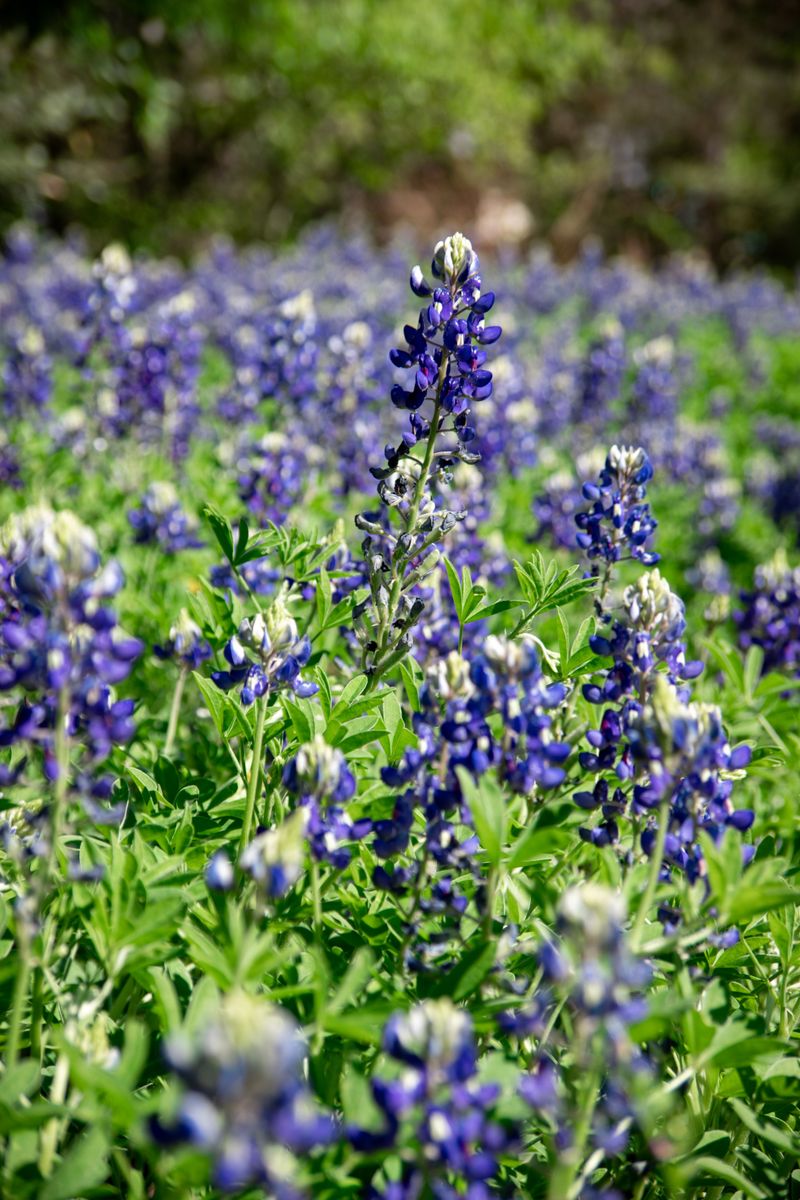
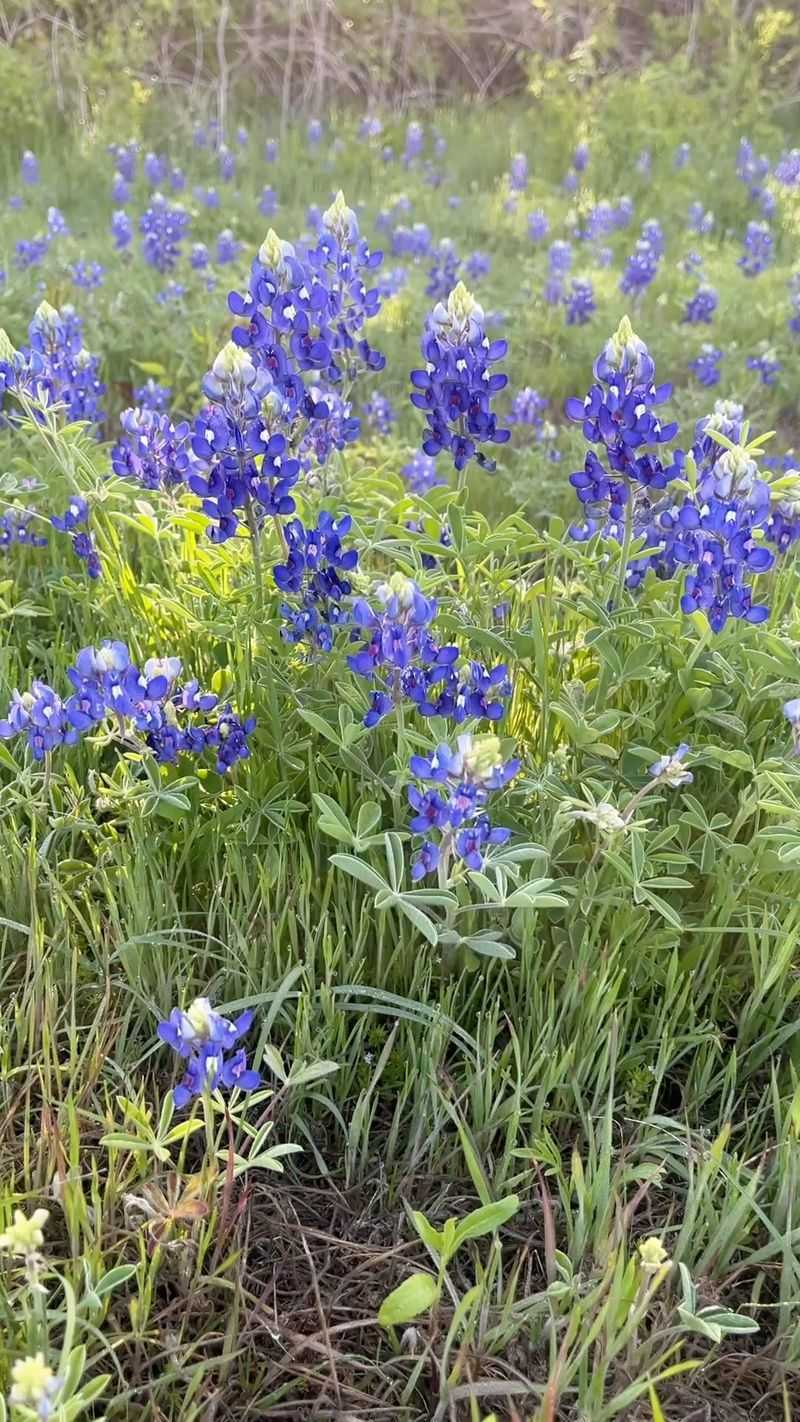
Meet the star of every roadside photo in spring: the Texas bluebonnet, or Lupinus texensis. It became the state flower in 1901. Folks still pull over just to snap family pictures in a blue field.
Bluebonnets are winter annuals. That means they sprout in fall, grow through the cool months, bloom in spring, and set seed by early summer. Their whole life plan depends on that schedule.
Cool weather helps them root deeply and form healthy rosettes. Many extension experts note that bluebonnets grow best with this long, slow winter season. Planting in spring skips that step, so blooms are often few or missing.
Another neat detail is the flower color. Each bloom has a white tip at the top. After pollination, that tip often shifts to a reddish-purple shade, a signal to bees that the flower has already been visited.
Bluebonnets also belong to the legume family. Their roots partner with soil bacteria that pull nitrogen from the air.
Your Texas Garden Changes Every Week. Your Plan Should Too.
Gardening in Texas changes quickly throughout the season. Every Friday you’ll receive a simple weekly plan showing exactly what to plant, prune, fertilize, harvest, and protect so you never miss the right timing.
That helps them grow in thin, rocky soils where other plants struggle. In short, fall sowing works with their natural rhythm, not against it.
3. Mark Your Calendar for September Through Early November
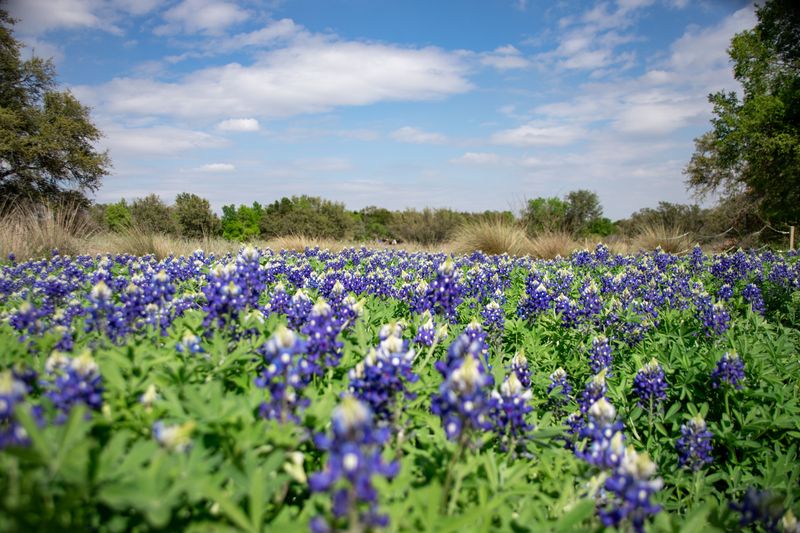
Timing can feel tricky, but the rule is simple. Most Texas sources, including Texas A&M AgriLife and the Lady Bird Johnson Wildflower Center, suggest sowing bluebonnets from September through early November.
Earlier in that window is often better. Seeds planted in September or October have more time to sprout and settle in before cold snaps. Many gardeners aim for mid-October as a sweet spot.
Your region matters too. North Texas and the Panhandle cool down sooner, so sowing toward the early side makes sense there. Gardeners in South Texas and along the coast can lean a bit later.
Watch the weather as well. Planting just before a soaking fall rain gives seeds a helpful boost. Moisture is what wakes them up.
What if you miss the window? You can still try in late November, but results often drop. Spring sowing rarely gives a strong show.
A handy trick is to set a phone reminder for late September. That way, the seed packet doesn’t end up forgotten in a drawer. Trust me, it happens to the best of us every single year.
4. Sunshine and Fast Drainage Make Them Happiest
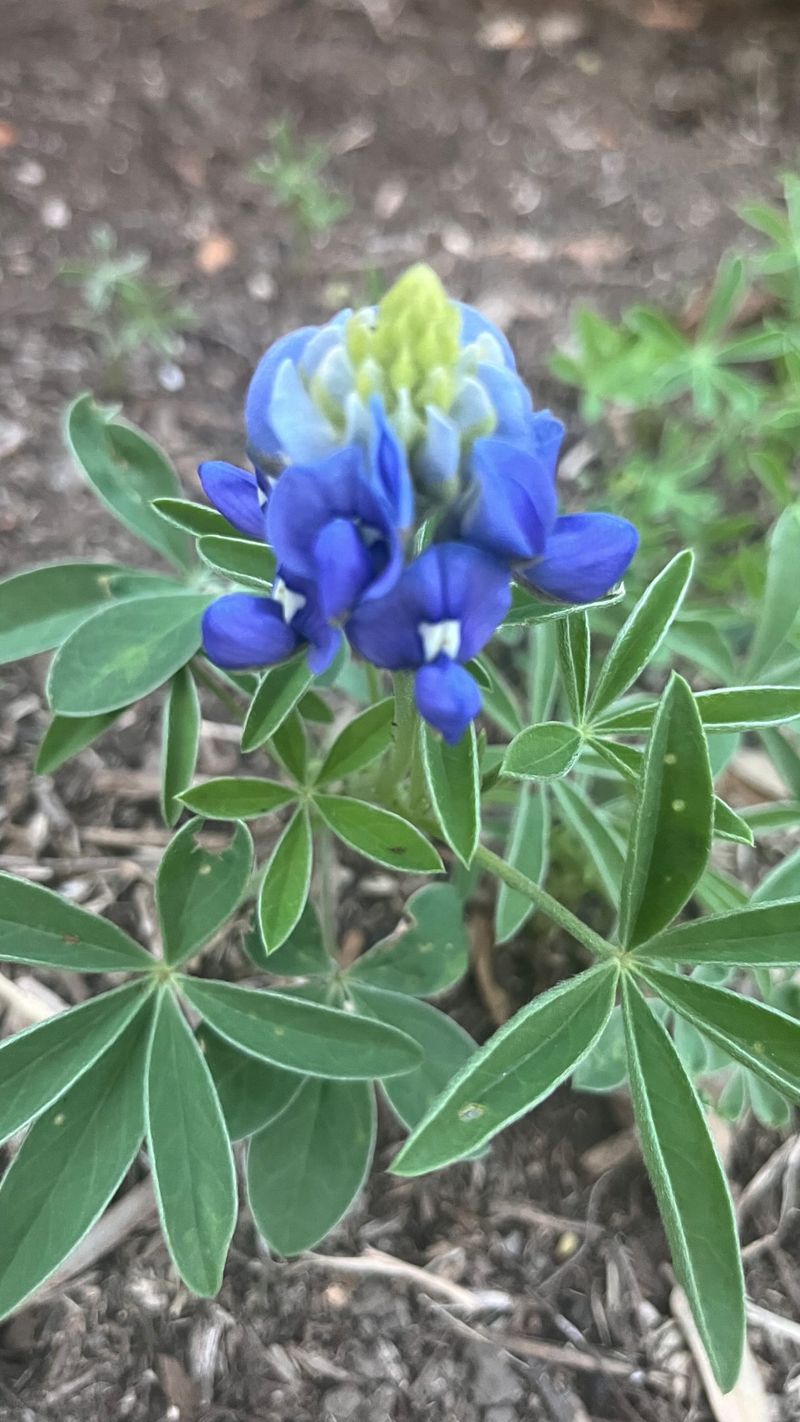
Bluebonnets are a bit like sun-loving cats. Give them a bright, warm spot, and they settle right in. Put them in shade, and they sulk.
Aim for at least eight hours of direct sun each day. Less light often leads to tall, floppy plants with fewer flowers. Open lawns, sunny slopes, and areas near driveways can work well.
Drainage is just as important. These plants grow wild in rocky, alkaline soils across Texas. Heavy, soggy clay that stays wet can lead to root rot.
Here are a few site checks:
Dig a small hole and fill it with water. If it drains within a few hours, you’re in good shape. If water sits all day, try a raised bed or a gentle slope.
Skip rich compost and heavy fertilizer. Bluebonnets actually prefer lean soil, and too much food can mean leafy plants with fewer blooms.
One more tip: choose a spot that won’t get mowed in spring. Plants need time to flower and drop seed. A corner of the yard or a front bed is often perfect for a lasting patch.
5. Give Those Tough Little Seeds a Helping Hand
Remember that hard seed coat? Nature built it to spread sprouting over many years. In your garden, though, you probably want flowers this spring.
That’s where scarification comes in. It’s a fancy word for nicking or scuffing the seed coat so water can get inside. Many growers rub seeds lightly between two pieces of sandpaper for a few seconds.
Another method is soaking. Place seeds in warm water overnight. Seeds that swell up are ready to plant right away. You can also buy pre-treated seed, which saves a step.
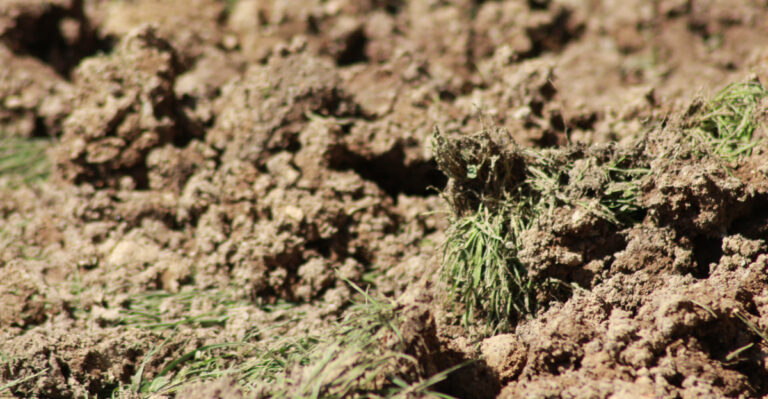
Next, prepare the ground. Rake away thatch and loosen the top half inch of soil. Bluebonnets need direct contact with dirt to sprout well.
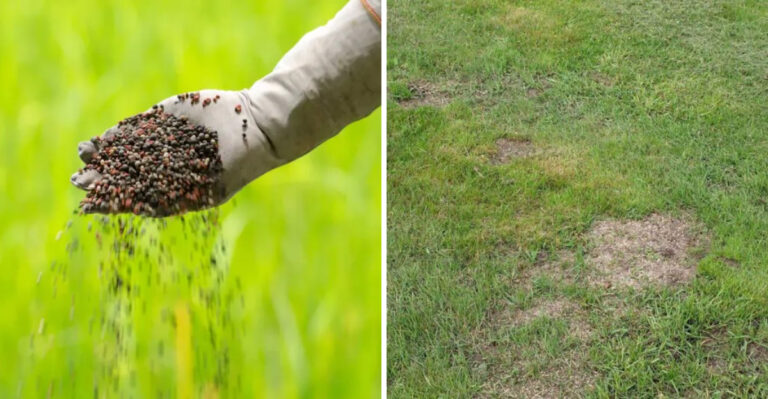
Scatter seeds at roughly eight to ten seeds per square foot for a nice, full look. Then rake very lightly. Seeds should sit no deeper than about a quarter inch.
Finally, walk over the area or press it with a board. That firm contact helps seeds hold moisture. Water gently afterward. It’s a simple routine, and it can turn a spotty patch into a thick blue carpet.
6. Those Baby Rosettes Need a Little Babysitting
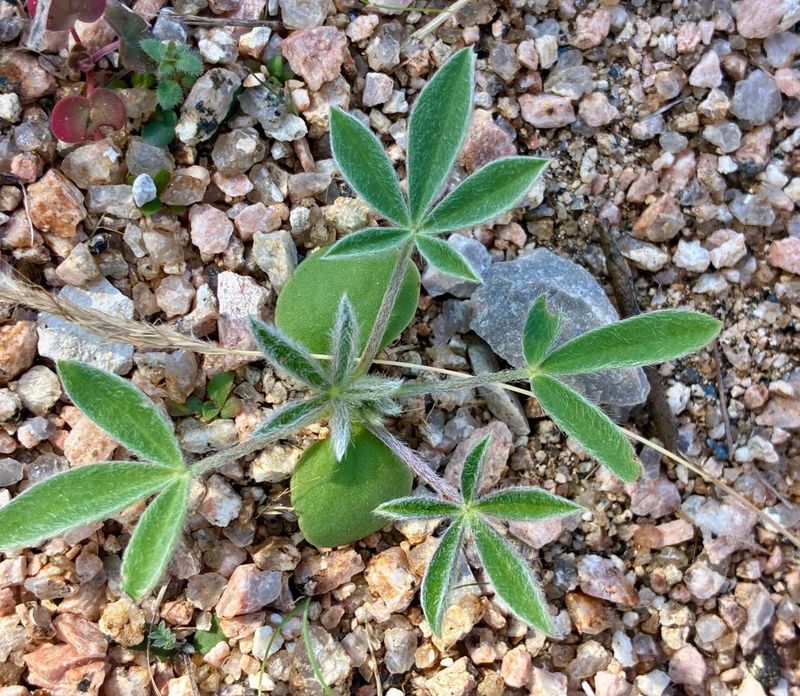
Watching the first sprouts pop up feels like a small victory dance. In a week or two after watering, tiny leaves often appear. Now comes the easy but important part.
Keep the soil lightly moist for the first few weeks. A soft sprinkle a couple of times a week helps if fall rains are sparse. After seedlings are settled, you can cut back a lot.
Too much water is a common mistake. Wet, cold soil can cause rot, especially in clay. Let the top inch dry out between waterings once plants are established.
Weeds are the other challenge. Cool-season grasses and weeds love the same growing time. Pull them by hand while they’re small, and be careful not to yank your seedlings.
Learn to recognize bluebonnet leaves early. They’re fuzzy, grayish-green, and shaped like a little hand with five to seven fingers. That makes them easier to spot among the weeds.
Also watch for hungry pill bugs, snails, and rabbits. A light barrier or chicken wire over young plants can help. With a little care now, your rosettes stay healthy all winter long.
7. Let the Pods Ripen and the Show Comes Back
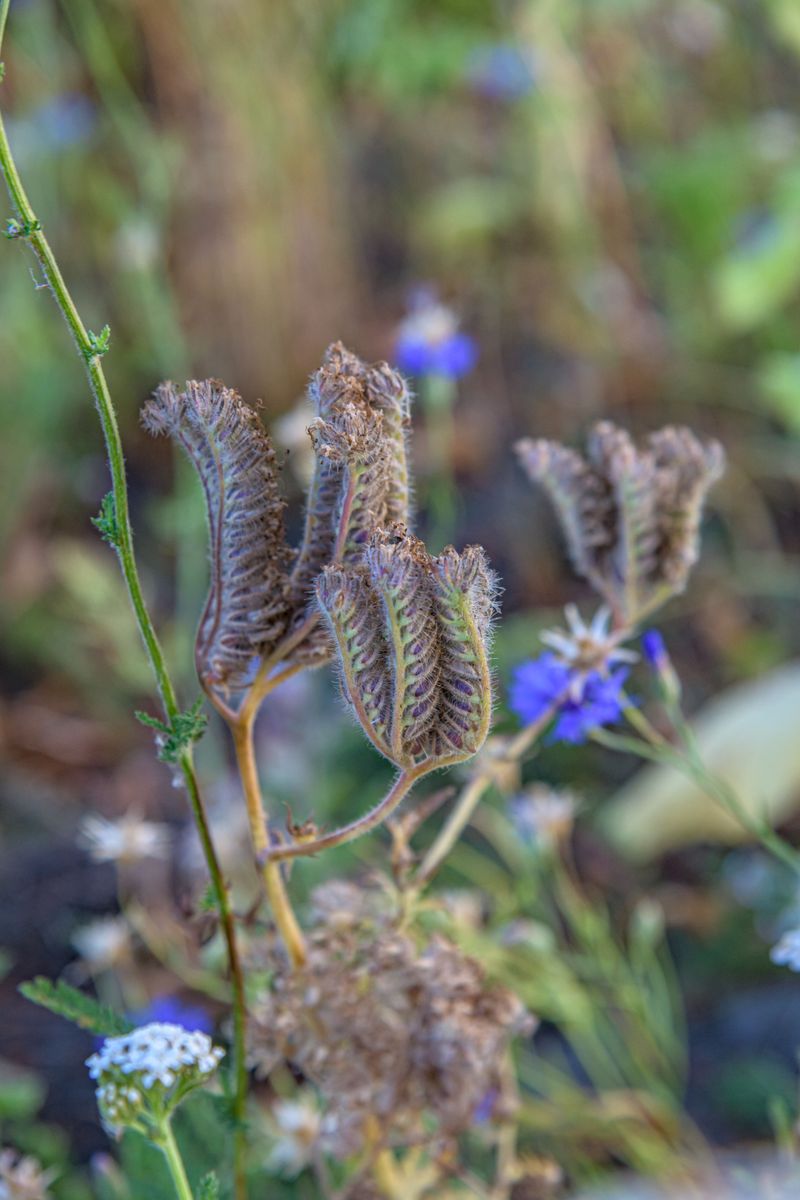
Here’s a sweet surprise. One good planting can keep giving for years. The secret is patience after the flowers fade.
Once blooming ends, fuzzy green pods form along the stems. Over several weeks, they turn yellowish, then brown and dry. When fully ripe, the pods twist and pop, flinging seeds across the ground.
Hold off on mowing until most pods have opened. Many Texas experts suggest waiting until early summer, often late May or June. Yes, the patch looks scruffy for a while, but that messy stage builds next year’s crop.
Some of those hard seeds sprout next fall. Others may wait a year or more. That stagger helps your patch bounce back after a dry season.
Want to share? Collect a few brown pods in a paper bag before they burst. Store the seeds in a cool, dry place until fall.
Over time, your little patch can spread into a wider sea of blue. I like how a single packet of seeds can turn into a yearly tradition. Next fall, you’ll know exactly what to do.