The Fall Trick That Keeps Mice Out Of California Garages And Sheds All Winter
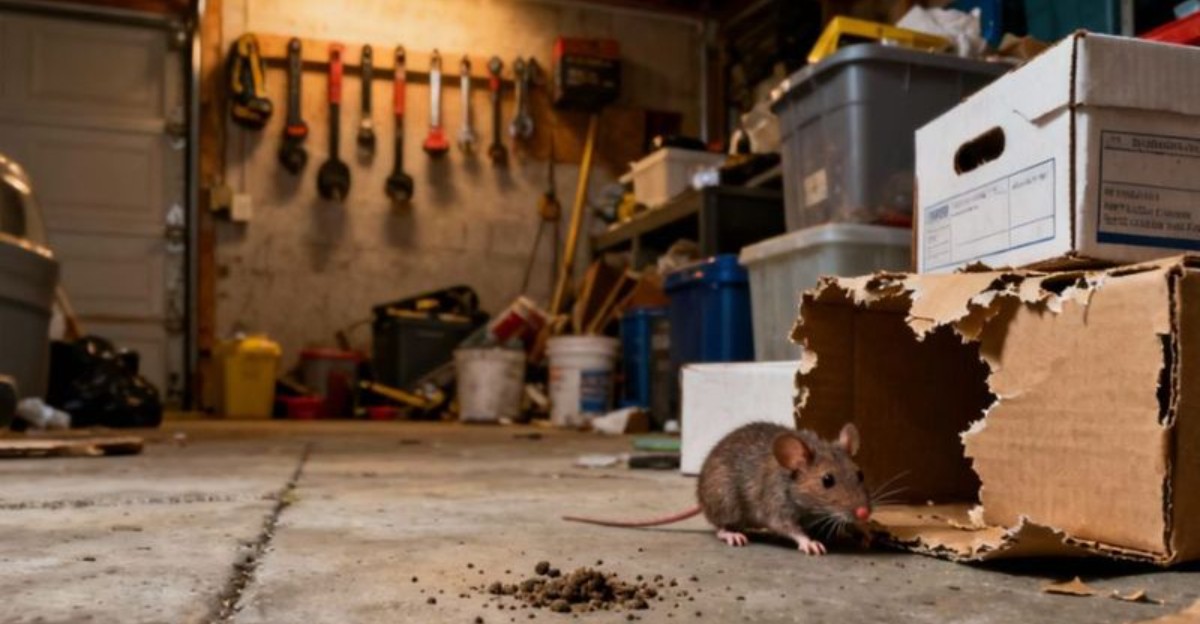
A house mouse can slip through a gap about the width of a pencil. I still remember staring at a tiny crack under my shed door and laughing, because surely nothing could fit there. Then I found the chewed seed packets.
Fall is when these little squatters start shopping for winter housing. Cooler nights and fewer wild food sources push them toward warm, quiet spaces with snacks nearby. Your garage might look like a toolbox to you, but to them it looks like a five-star hotel.
Personally, I wasted money on sprays and buzzing plug-in gadgets before learning what actually works.
The real fix in California is cheap, a little gritty, and backed by university pest experts. You can handle most of it in a single weekend afternoon.
So what keeps those whiskered visitors outside until spring arrives?
That Tiny Gap Under Your Garage Door Is A Mouse Doorway
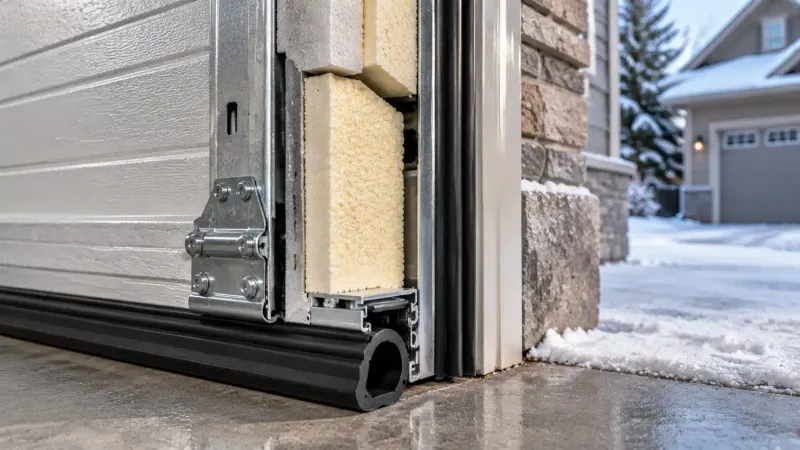
Mice are basically furry contortionists. Their skulls are narrow and their bodies are soft, so a gap of about a quarter inch is often enough for a house mouse to squeeze through.
That means the real problem usually is not an open door. It is the small stuff you stop noticing, like a cracked bottom seal on the garage door, a gap where a pipe enters the wall, or a warped shed door that no longer closes snug.
As fall nights cool across the state, mice start looking for shelter close to food. Garages and sheds check every box. They are dry, quiet, and often packed with birdseed, pet food, and soft nesting stuff.
I like to think of it this way. Every gap is a tiny welcome sign, and mice can read those signs in the dark with their whiskers.
The UC Statewide Integrated Pest Management Program calls this approach rodent-proofing, or exclusion. In plain words, you physically block the ways in.
That one idea is the trick behind this whole article. Everything else, from clutter to food storage, supports it. Once you see your garage the way a mouse does, those little cracks look a lot bigger.
Grab A Pencil And Hunt For Hidden Entry Holes

Your best inspection tool is probably sitting in a kitchen drawer. A plain wooden pencil makes a quick and honest gap gauge.
Walk slowly around the outside of your garage and shed. If a pencil slides into a crack or under a door, a mouse can likely follow it.
Check these common trouble spots carefully:
Where pipes, wires, and cables enter the walls. Corners of the garage door, where seals wear out first. Gaps along the foundation, vents, and eaves. Spaces under the shed floor and around the door frame.
Do the same check from inside with the lights off on a sunny afternoon. Any sliver of daylight peeking through is a spot worth marking.
Keep a roll of painter’s tape handy. I stick a small piece next to each gap I find, so nothing gets missed later.
Look for clues too. Small dark droppings, greasy rub marks along walls, and chewed corners on boxes tell you mice have already scouted the place.
Honestly, this walk-around surprised me the first time. I found eleven gaps on a shed I thought was snug. Ten minutes with a pencil saved me a whole winter of scratching sounds.
Steel Wool And Hardware Cloth Beat Chewing Teeth
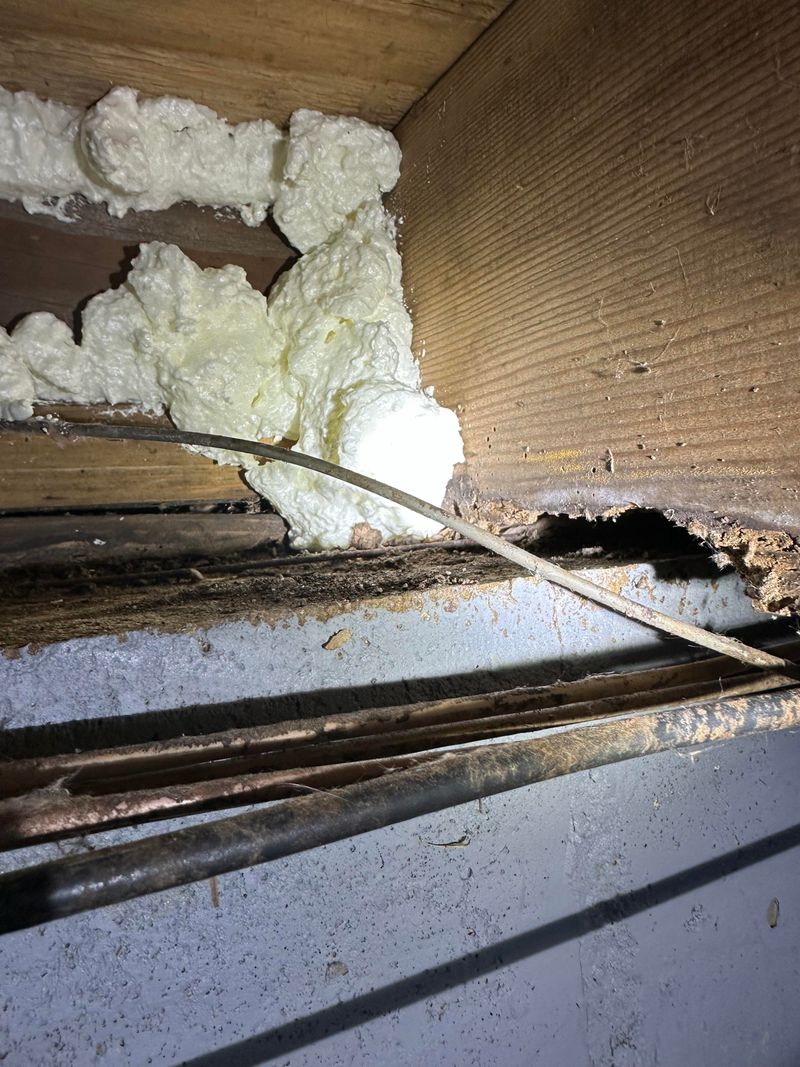
Rodent teeth keep growing their whole lives, so chewing is part of their daily routine. Soft plastic, rubber, and plain spray foam rarely slow them down for long.
For small holes, pack steel wool or copper mesh in tightly. Then seal over it with caulk so the stuffing stays put. Copper mesh is handy near damp spots because it resists rust.
Larger openings need tougher material. UC IPM recommends quarter-inch hardware cloth, sheet metal, or cement mortar for gaps that mice could gnaw through.
Vents deserve special attention. Cover them with quarter-inch hardware cloth so air still flows but mice stay out. Screw it firmly in place rather than relying on staples alone.
Foam can still play a role. Use it only as a filler behind metal, not as the main barrier.
A few supplies make the job easy:
Steel wool or copper mesh, exterior caulk, tin snips, hardware cloth, and a cordless drill with short screws.
Personally, I find this part oddly satisfying. Every patched hole feels like locking a tiny door. Your weekend effort here pays off for years, not just one winter.
Fresh Door Sweeps And Weatherstripping Close The Biggest Gaps
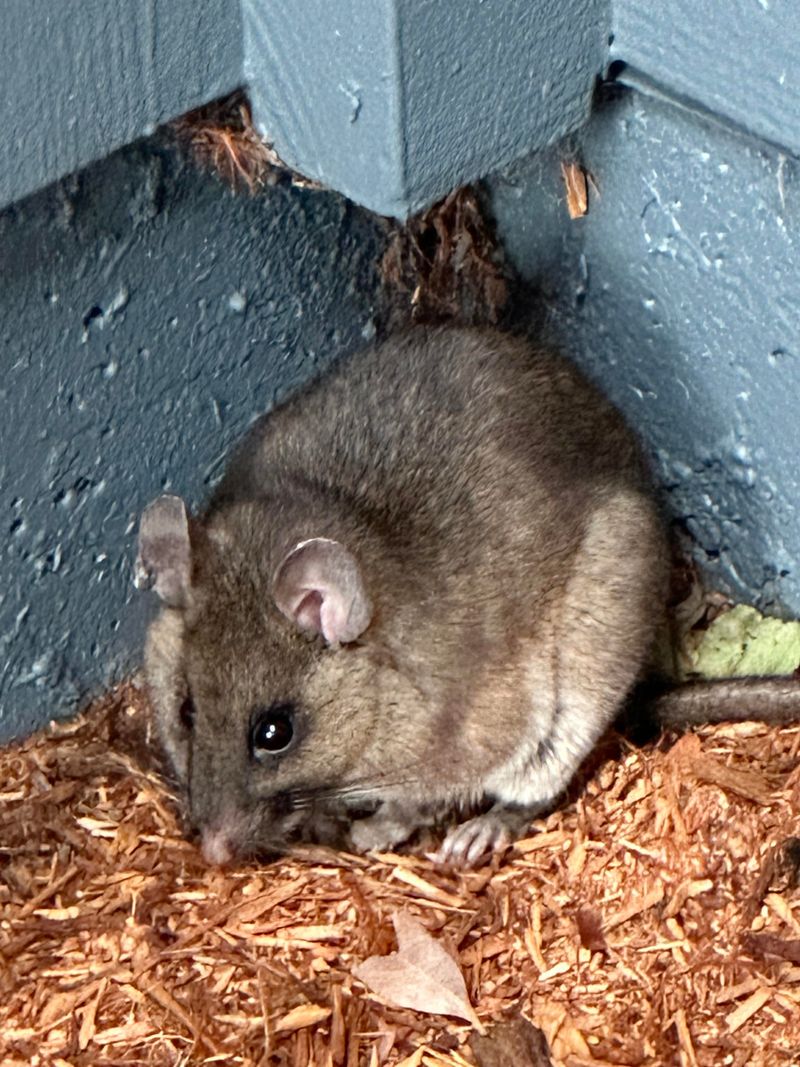
Garage doors take a beating. Sun, heat, and constant opening and closing slowly crack the rubber seal along the bottom, especially in hot inland valleys.
Once that seal shrinks or splits, you have a long, open runway for mice. Replacing it is one of the most valuable fixes you can make this fall.
Close your garage door and look along the bottom edge. If you can see daylight, it is time for a new bottom seal or a threshold strip glued to the floor.
Side and top weatherstripping matter too. Mice can climb, so gaps at the corners count as entry points.
Do not forget the door between your garage and house. A solid door sweep there keeps any sneaky visitor from moving indoors.
Sheds often need a little creativity. Many have doors that sag or never quite latched snug. A metal kick plate or a sturdy sweep along the bottom fixes that nicely.
Most hardware stores carry replacement seals cut to common door widths. Measure first, and bring the old seal along if you can.
I swapped mine in under an hour. The garage instantly felt quieter, warmer, and far less drafty.
Birdseed And Pet Food Belong In Metal Bins
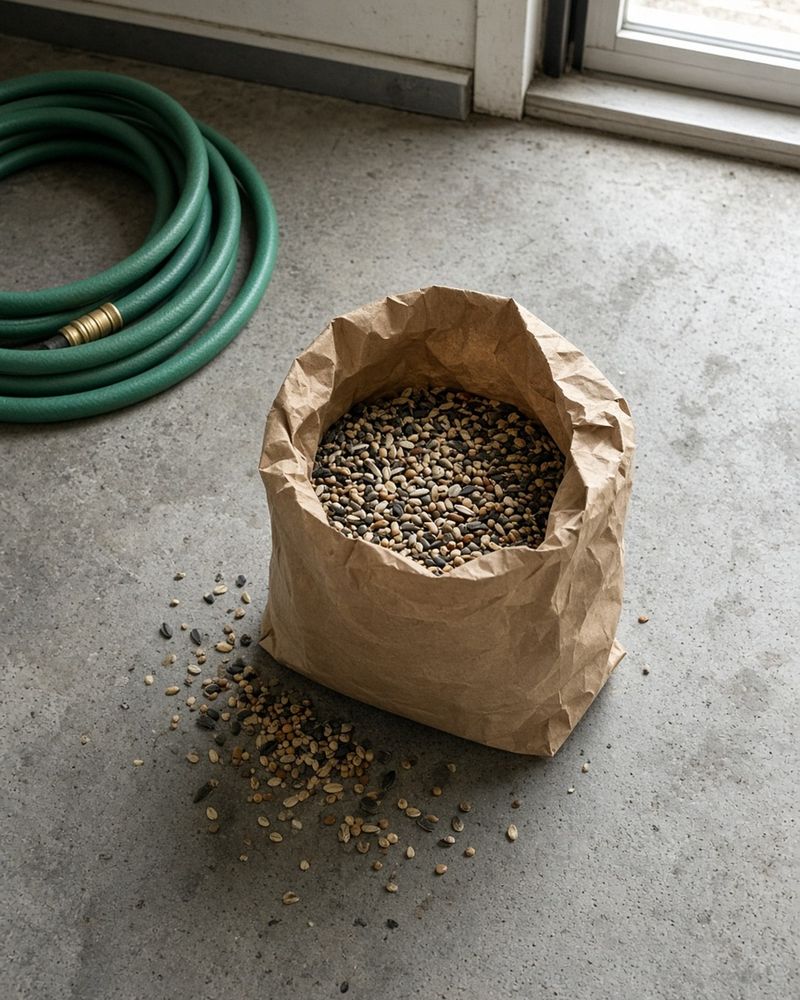
A forty-pound bag of birdseed is basically an all-you-can-eat buffet with a paper door. I learned that the hard way one January.
Mice follow their noses, and garages often smell amazing to them. Pet kibble, grass seed, birdseed, and even stored snacks all send out a strong invitation.
Move every food item into a hard container with a tight lid. Galvanized metal cans are a favorite among gardeners because rodents cannot chew through them.
Thick plastic bins work well for many households too. Just check them now and then for chew marks along the rim.
Here are a few other quick wins:
Keep garbage cans lidded and away from the garage walls. Sweep up spilled seed and kibble right away. Store flower bulbs and saved seeds in sealed jars or tins.
Water counts as well. A dripping hose bib or a leaky utility sink gives mice a reliable drink, so fix those small leaks.
Outside, pick up fallen fruit from citrus and avocado trees. Those are tasty treats for roof rats, which are common in many California neighborhoods. Take away the snacks, and the garage loses most of its charm.
Cardboard Boxes Make Cozy Mouse Nests
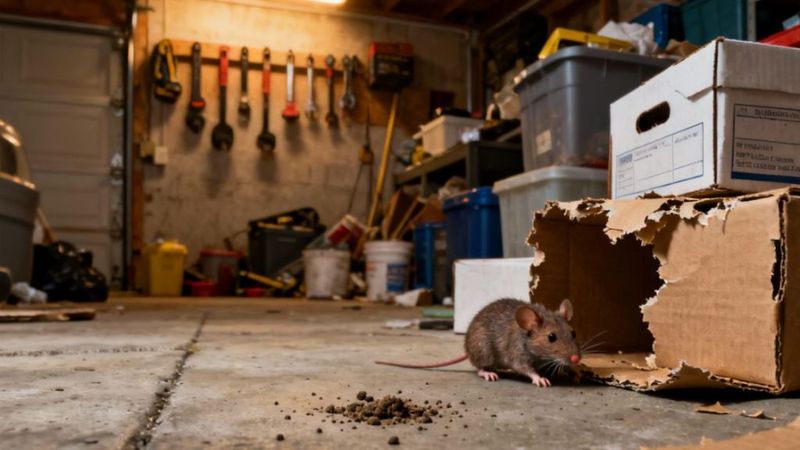
Shredded cardboard is mouse bedding of the highest quality. Add old towels, newspaper stacks, and a forgotten pile of burlap sacks, and you have built them a nursery.
Decluttering is not glamorous, but it matters. Fewer hiding spots means mice feel exposed, and exposed mice tend to move on.
Swap cardboard boxes for sturdy plastic bins with snap-tight lids. Clear bins are extra handy because you can spot trouble without opening everything.
Lift storage off the floor when you can. Metal shelving with a gap underneath makes it easy to sweep and check for droppings.
Leave a little walking space along the walls too. Mice love running along edges, so a clear path lets you notice signs early.
Fall cleanup is a great time for this project. The weather in most of the state is mild, so you can pull things onto the driveway and sort them comfortably.
A quick safety tip from public health officials matters here. Wear gloves, and do not sweep or vacuum droppings dry. Spray them with a disinfectant or a bleach solution first, then wipe them up.
Personally, I found three old bins I forgot about. Cleaning the garage felt like a bonus prize.
Trim Shrubs And Move Woodpiles Away From Shed Walls
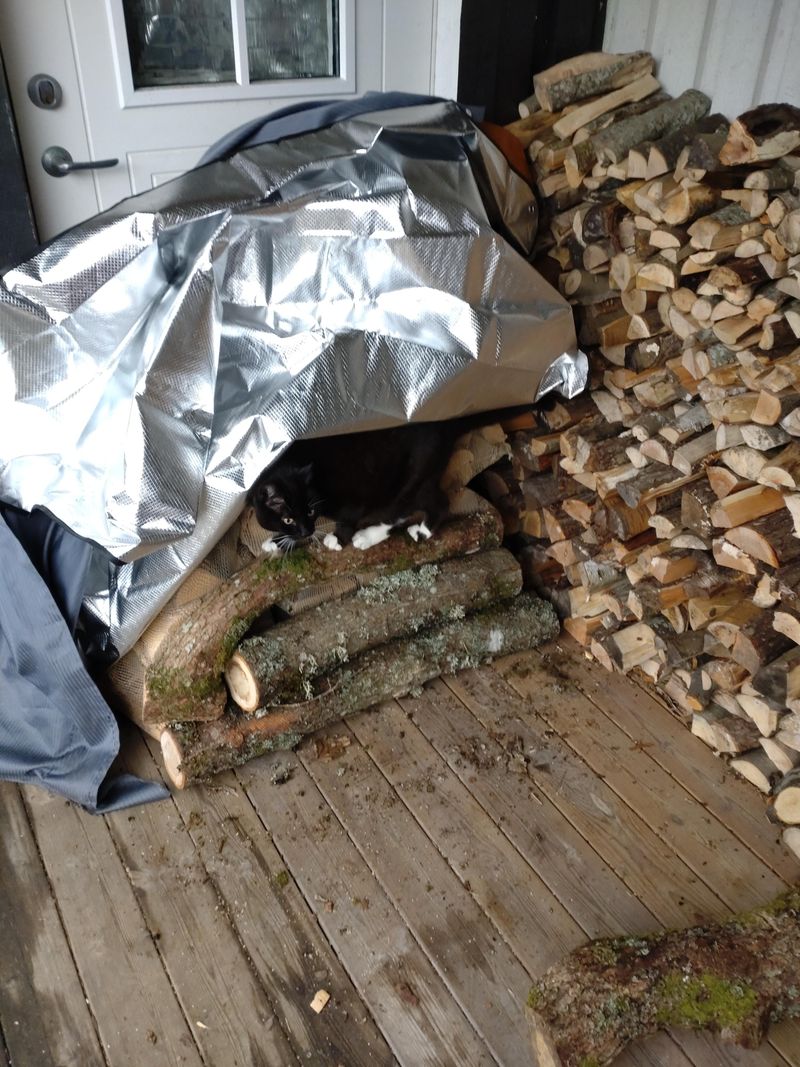
Overgrown ivy and a woodpile leaning against the shed wall look rustic. To a mouse, they look like a covered hallway leading straight to your door.
Rodents feel safer moving under cover. Dense plants, junk piles, and stacked lumber give them shelter right up to your entry points.
Try to keep a clear strip of about a foot or more around your garage and shed. Gravel or bare mulch along the base works nicely and makes signs easier to spot.
Store firewood on a rack off the ground and away from buildings. Compost bins should sit a good distance from the shed too.
Look up as well. Roof rats are skilled climbers, and branches touching the roofline give them a free bridge. UC IPM suggests trimming limbs back several feet from the roof.
Dense ivy is a known hideout for roof rats in many coastal and Southern California yards. Thinning it out helps a lot.
I like doing this pruning in fall. Many shrubs are slowing down, and the yard feels tidier heading into the rainy season. You get a neater garden and fewer furry visitors at the same time.