What To Do If A Black Widow Bites You While Cleaning Out Your Maryland Garage
Some of the most painful spider bites in North America barely register at first. A tiny pinprick, maybe a quick sting, and you keep moving boxes around like nothing happened.
I learned the hard way that garage cleanup brings surprises. Old paint cans, forgotten flower pots, and that stack of cardboard by the door all make cozy hideouts for a shy little spider with a famous red mark.
Truth is, most bites happen because a hand slips into a dark spot without looking first. The spider is not hunting you. She is guarding her silk and her egg sacs, and your glove just happened to get in the way.
Here in Maryland, these spiders are native neighbors, not rare visitors. So what really happens in the hour after that little nip, and what should your next move be?
That Tiny Pinprick Near The Garage Shelf Can Turn Into Spreading Muscle Pain
A black widow bite often feels like nothing special at first. Many people describe a quick pinprick, and some do not notice it at all until later.
The real clue shows up within about 30 minutes to an hour. You may see two faint puncture marks with mild redness and swelling. Then a dull, cramping ache can start near the bite and slowly travel toward your belly, back, or chest.
Doctors call this reaction latrodectism. The venom affects nerves that control muscles, so the pain can feel like a deep cramp rather than a surface sting. A bite on the arm might lead to tightness in the chest, while a bite on the leg can cause stomach cramps that feel a lot like a bad bellyache.
Other signs can include sweating, headache, nausea, restlessness, and a faster heartbeat. Some folks feel shaky or anxious too.
Here is what matters most. If you were reaching into a dark corner and feel a sharp prick followed by growing muscle pain, take it seriously. Do not brush it off as a splinter. Noticing the pattern early gives you a head start on the right care.
Wash, Ice, And Elevate The Bite Before Anything Else

Stay as calm as you can. Panic speeds up your heart, and staying still helps you think clearly about your next steps.
Start by washing the bite with mild soap and water. Cleaning the skin lowers the chance of infection, which is a separate problem from the venom itself. Pat the area dry with a clean towel.
Next, grab an ice pack or a bag of frozen peas from the kitchen. Wrap it in a thin cloth and hold it on the bite for about 10 minutes, then take it off for 10 minutes. Repeat this pattern. Cold can ease swelling and soothe the pain.
If the bite is on an arm or leg, raise that limb to about heart level. Take off rings, watches, or tight sleeves near the bite before swelling sets in.
Skip the old myths. Do not cut the skin, try to suck out venom, or tie a tight tourniquet. Those tricks cause more harm than help.
If you can safely trap the spider in a jar, do it. A photo works too. Doctors find it helpful, but your safety comes first, so leave her alone if she is hard to reach.
Call Poison Control Or Head To The ER When These Warning Signs Show Up
Keep this number handy: 1-800-222-1222. That line connects Marylanders to poison control experts any hour of the day, and the call is free and private.
Call right after a suspected bite, even if you feel okay. The specialists will ask about your symptoms, age, and health history. Then they will tell you whether home care is enough or whether you need to see a doctor.
Go to the emergency room or call 911 right away if you notice any of these signs:
Severe muscle cramps or a rigid, board-like belly. Trouble breathing or chest tightness. A racing heartbeat or very high blood pressure. Heavy sweating, vomiting, or severe weakness.
Some people need extra caution from the start. Young children, older adults, pregnant women, and anyone with heart problems or high blood pressure should get checked quickly, even with mild symptoms.
I get it. Nobody wants to spend a Saturday afternoon in a waiting room. Still, black widow symptoms can build over several hours, so waiting to see if things get worse is not the smart play. A quick phone call costs nothing and can save you a lot of trouble.
Hospital Treatment For Black Widow Venom Is Better Than You Might Expect
Hearing the word venom can make anyone nervous. The reassuring part is that modern medicine handles black widow bites well, and serious complications are rare in healthy adults.
At the hospital or urgent care, the team will check your vital signs and look at the bite. Most treatment focuses on comfort. You may get pain medicine, sometimes strong prescription options, plus drugs that relax tight muscles.
If your blood pressure climbs too high, doctors can give medicine to bring it down. They may also ask when you last had a tetanus shot. Garage floors and old tools are not the cleanest places, so a booster might be suggested.
For severe cases, an antivenom exists. Doctors save it for people with intense symptoms that do not improve with other care, because it can cause allergic reactions in some patients. They weigh the benefits carefully before using it.
Most people start feeling better within a day or two. Some mild aches, tiredness, or weakness can linger for several days or even a few weeks.
Fun fact for the curious: black widows rarely inject a full dose of venom when they bite in self-defense, which helps explain why many bites stay mild.
The Shiny Black Spider With A Red Hourglass Is The One To Watch
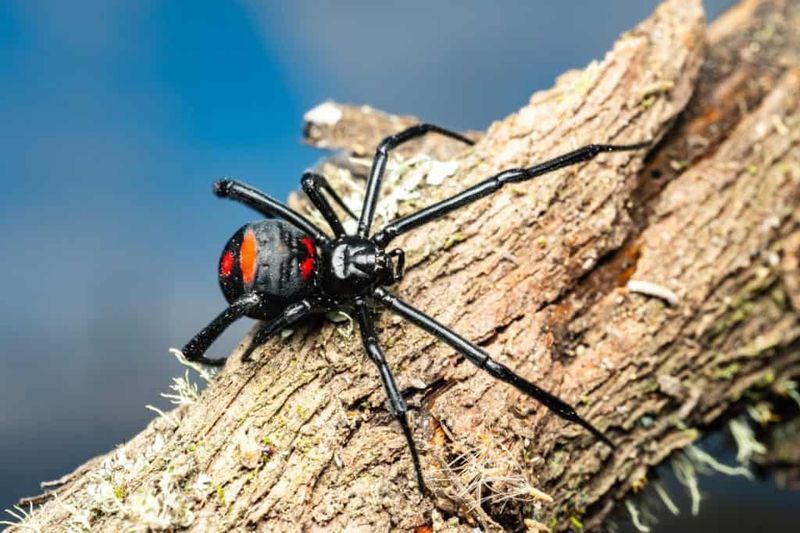
Two kinds of black widows call Maryland home, the southern black widow and the northern black widow. Both are native here, and both belong to the same group of cobweb spiders.
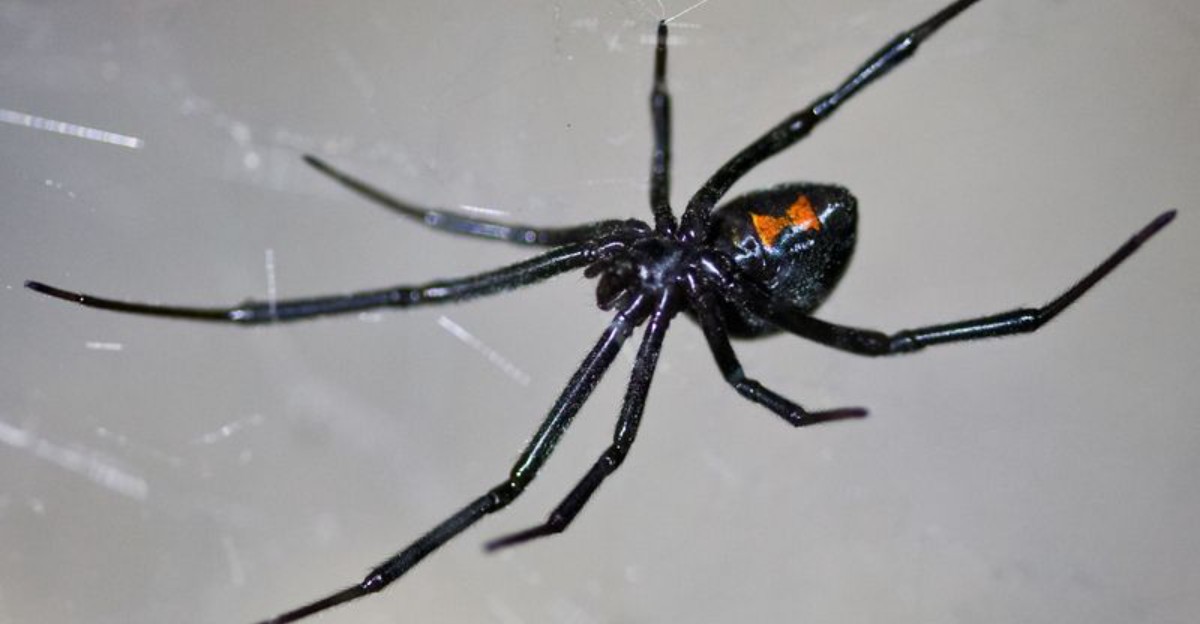
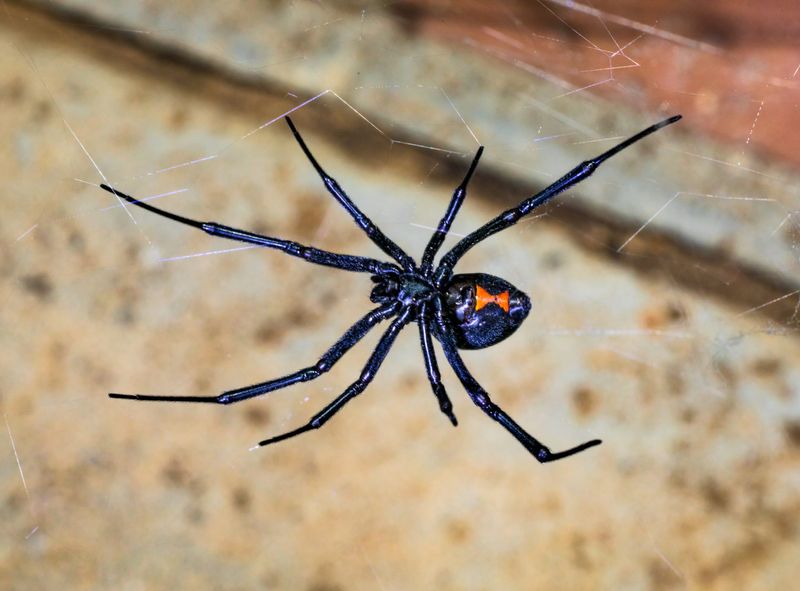
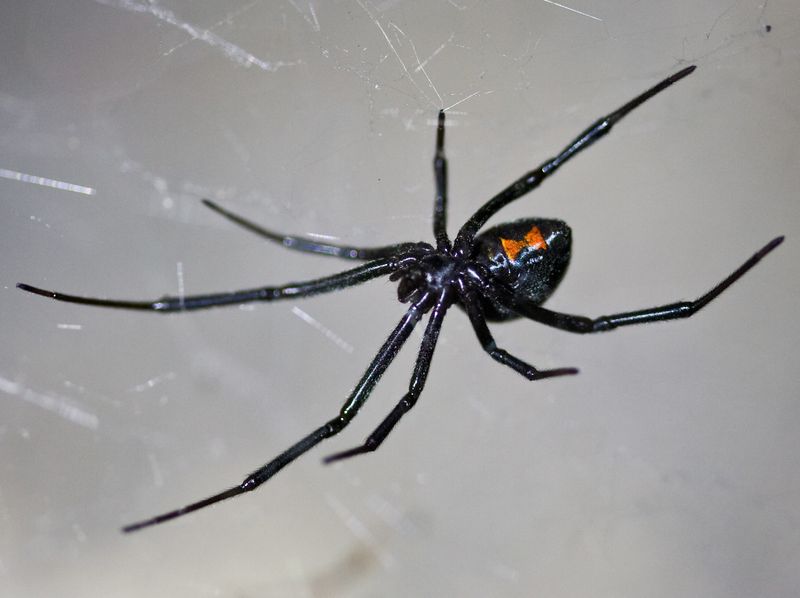
Adult females are the ones that matter for bites. They have glossy, jet-black bodies about half an inch long with a round, shiny abdomen. Flip one over, and you will see a red or orange hourglass shape on the belly.
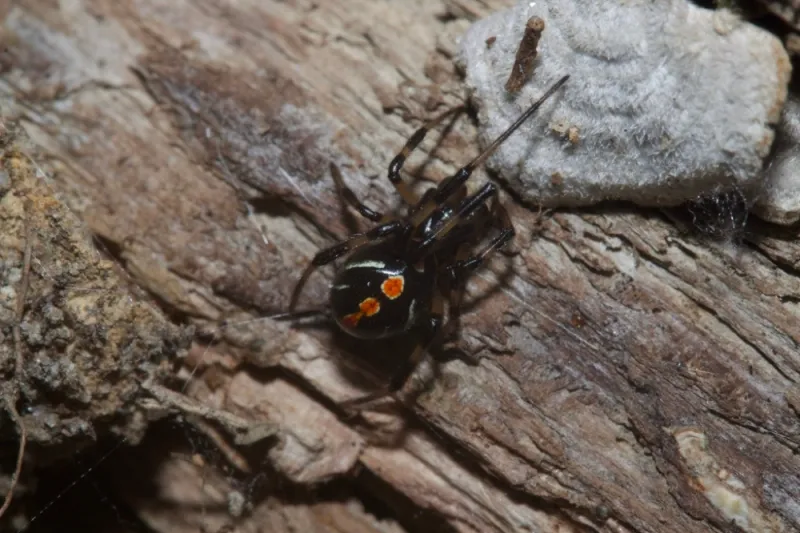
The northern species often has a broken hourglass, looking more like two separate red marks. It may also have small red spots along its back. The southern type usually shows a complete hourglass.
Males and young spiders look quite different. They are smaller and often brown or gray with white, yellow, or red markings. Males are not known to bite people.
Look at the web too. Black widows spin messy, tangled webs close to the ground instead of neat round ones. Many plain dark spiders get blamed by mistake, including false widows, whose bites are usually mild, and common house spiders.
Personally, I appreciate how shy these spiders are. They usually retreat when disturbed and bite mostly when pressed against skin or guarding egg sacs.
Cardboard Boxes And Woodpiles Make Your Garage A Cozy Spider Hotel

Spiders love the same things we neglect. That stack of seed-starting trays, the bag of potting soil you forgot about, and the old clay pots under the workbench all make perfect shelters.
Black widows prefer dark, dry, quiet spaces that rarely get disturbed. In a garage, that often means the bottom of storage boxes, inside rolled-up hoses, behind shelves, under lawn mower decks, and along the tracks of the garage door.
Firewood stacked against the wall is another favorite spot. So are gloves and boots left on the floor for weeks at a time. Plenty of bites happen when someone slips on an old gardening glove without shaking it out first.
Food matters too. Garages attract crickets, beetles, and other bugs, and those insects keep spiders well fed through the warm months.
In Maryland, black widows are most active from late spring into fall. As temperatures cool, they may tuck deeper into sheltered corners, so fall and spring cleanup can bring surprise encounters.
Before you start clearing things out, wear thick gloves and long sleeves. Use a flashlight to check dark spaces, and move boxes with a tool before reaching in with your hands.
A Tidy Garage With Sealed Cracks Keeps Black Widows From Moving Back In
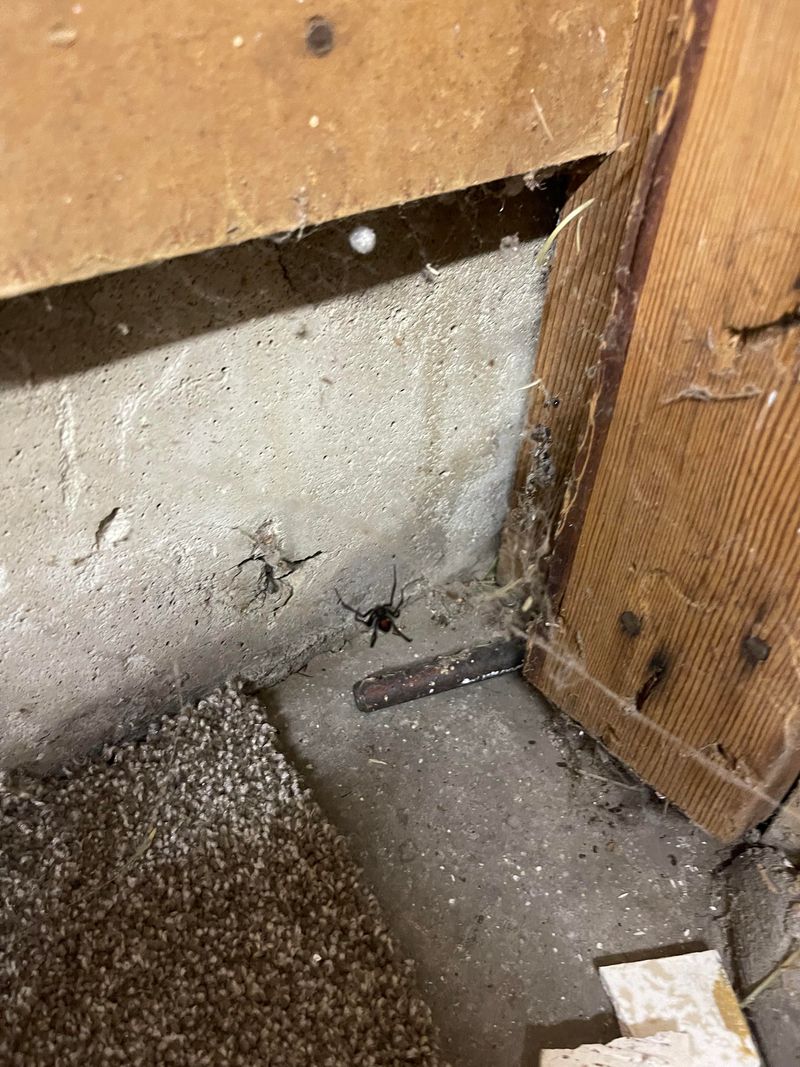
Prevention feels a lot less exciting than first aid, but it pays off every time you step into the garage.
Start by trading cardboard boxes for sealed plastic bins. Spiders struggle to slip inside tight lids, and cardboard often draws in bugs. Store bins on shelves, off the floor and a few inches away from the walls.
Sweep or vacuum corners, under shelves, and along door tracks every few weeks. Removing webs and egg sacs is one of the best ways to reduce spider numbers. Toss vacuum bags outdoors in a sealed trash can.
Next, check for openings. Caulk cracks in walls and add weatherstripping along the bottom of the garage door. Seal gaps around pipes and wires too.
Outside, keep firewood stacked away from the house and up off the ground. Trim back thick plants touching the walls, and swap bright white porch lights for yellow bulbs that attract fewer insects.
One more habit makes a big difference. Shake out gloves, boots, and garden clothes before you put them on.
If the problem feels too big to handle, a licensed pest professional can help. A little routine care keeps your garage a place for tools, not spiders.