The Tiny Venomous Snake Texas Gardeners Can Miss In Mulch And Groundcover
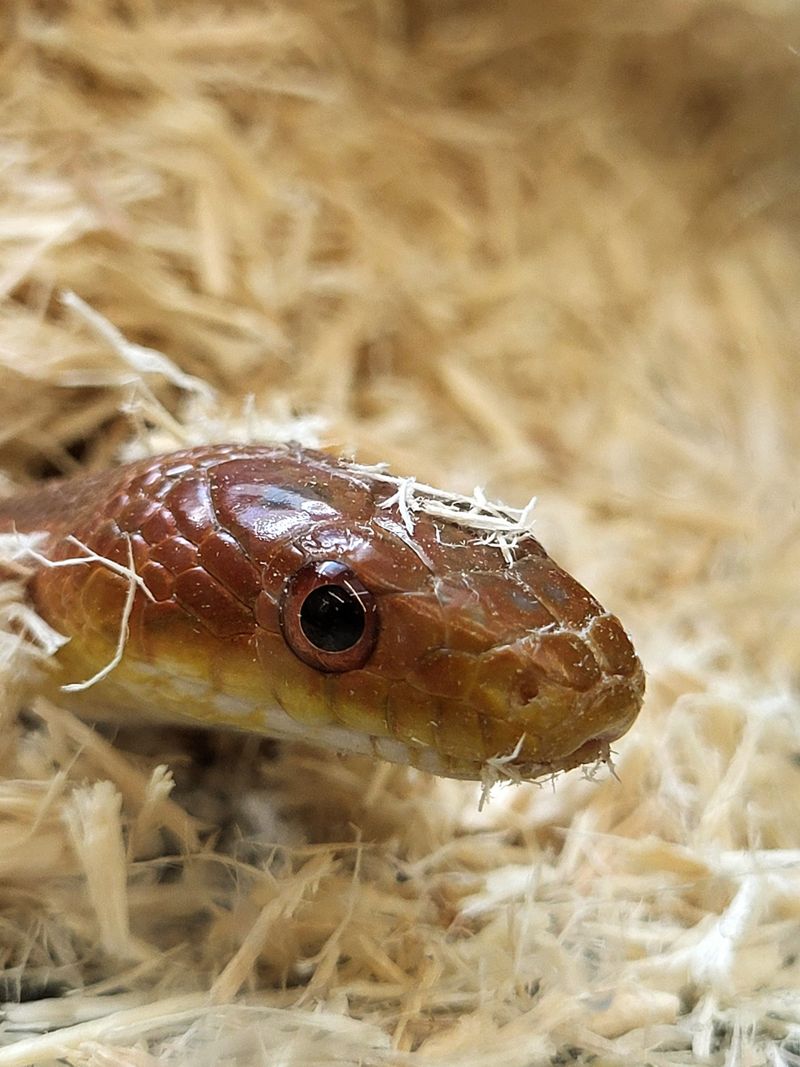
Baby versions of one common garden snake are born with a bright yellow tail tip they wiggle like a caterpillar to lure frogs closer. I find that both clever and a little unsettling.
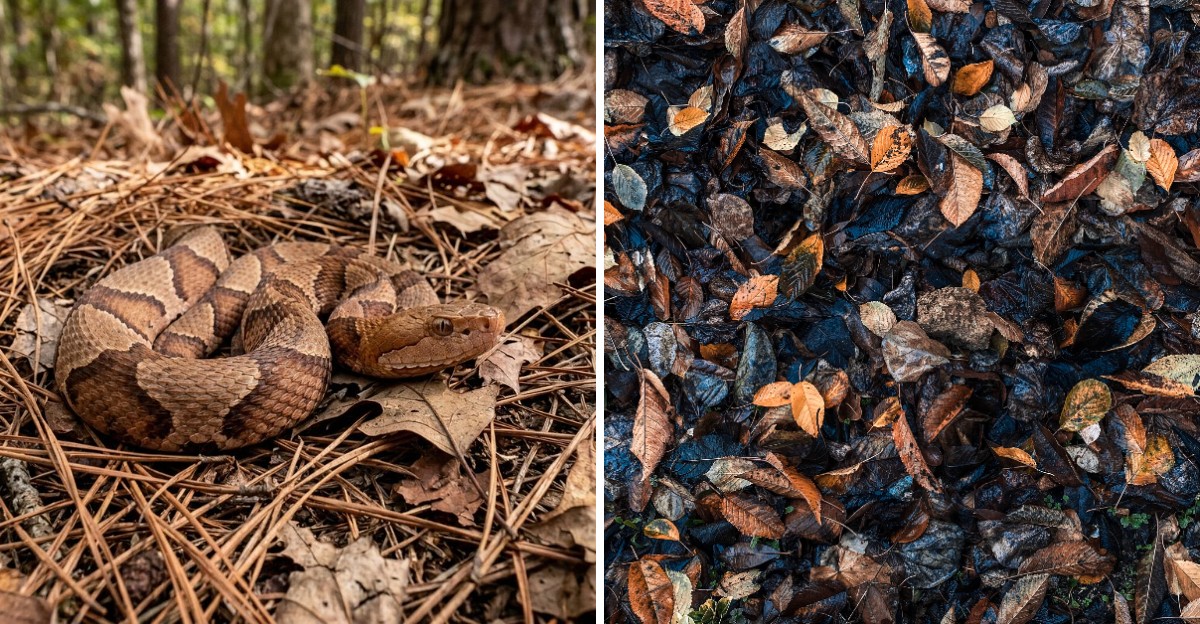
The adults are no flashier. Their tan and copper bands match pine straw, hardwood mulch, and fallen oak leaves so well that people often step right past them. Most bites happen when someone reaches into a spot they cannot see.
I believe every Texas gardener has knelt beside a thick bed of ivy or liriope without a second thought. You pull a weed, you spread fresh mulch, and you move on. Meanwhile, a quiet neighbor may be resting inches from your gloves.
The snake is not out to get you, and it would much rather stay hidden. So how do you spot something built to blend in, and what should you do when you finally see it?
That Patterned Snake In The Mulch Bed Is Easy To Overlook
Copperheads are the small pit vipers most likely to share a Texas yard with you. Texas Parks and Wildlife lists them across much of the eastern, central, and north-central parts of the state, and they handle suburbs surprisingly well.
Personally, I was shocked to learn how often they live near homes without anyone noticing. They are calm, quiet, and happy to sit still for hours. Their whole survival plan is to stay put and let danger walk by.
That habit is exactly why gardeners miss them. A rattlesnake may buzz a warning, but a copperhead usually freezes. Many bites happen when a hand or foot lands right on top of one that was just trying to stay hidden.
The far western deserts have a separate subspecies, the Trans-Pecos copperhead, with lighter, more contrasting bands. Rocky canyons and dry washes suit it better than lush flower beds.
Across the more populated eastern half, though, wooded lots, creek edges, and leafy neighborhoods give copperheads plenty of room.
Knowing they may be nearby is the first step toward gardening with confidence instead of fear. You do not need to panic, just pay closer attention.
Look For Hourglass Bands On A Copper Colored Body
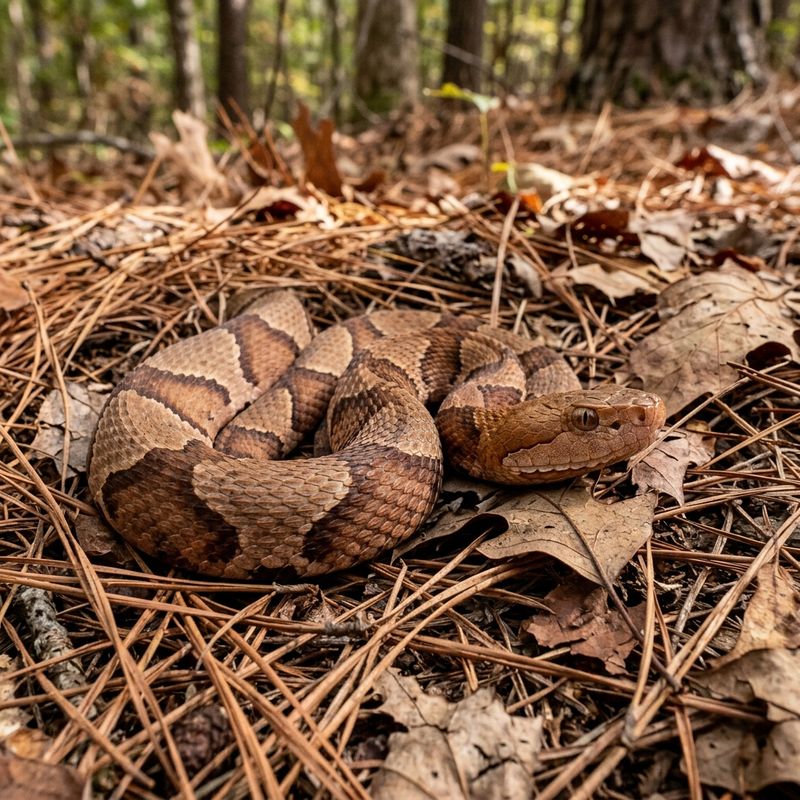
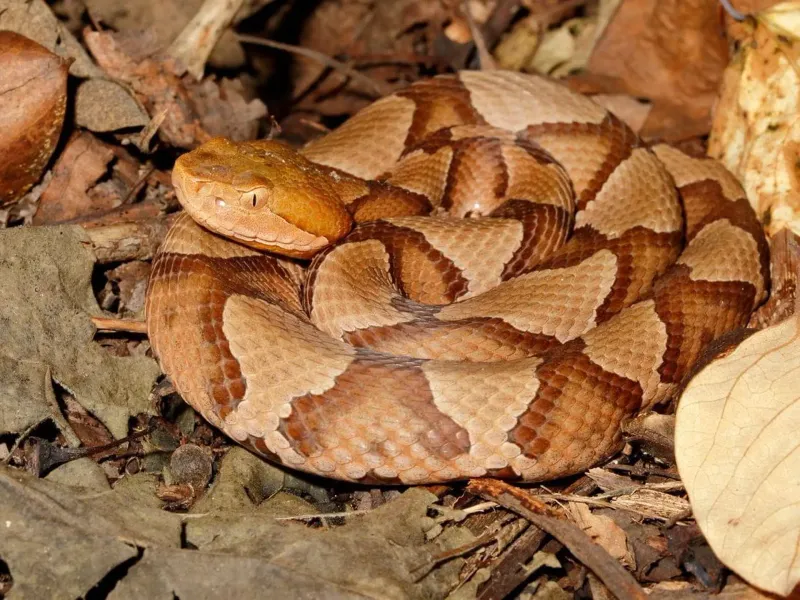
Hold a copperhead photo next to a pile of oak leaves and you will see the trick right away. The body is pale tan to pinkish brown, crossed by darker bands shaped like hourglasses or saddles.
From above, each band looks wide on the sides and narrow along the spine. Some folks describe it as a row of Hershey’s Kisses lined up along each side. That memory aid helps a lot.
Adults usually reach about 20 to 30 inches long, so they are not huge. The head is wide and somewhat triangular, with a copper tone that gives the snake its name. Pupils are vertical, like a cat’s eye, though you should never get close enough to check.
Plenty of harmless snakes get mistaken for copperheads. Juvenile rat snakes, hognose snakes, and water snakes all have blotches that can confuse people. Hognose snakes even flatten their heads and hiss dramatically.
The hourglass shape is your best clue. Blotches that stay round or square, rather than pinching thin at the back, usually point to a different species.
When in doubt, step back and treat the snake as venomous. A photo from a safe distance helps local experts identify it later.
Baby Copperheads With Yellow Tail Tips Hide In Groundcover
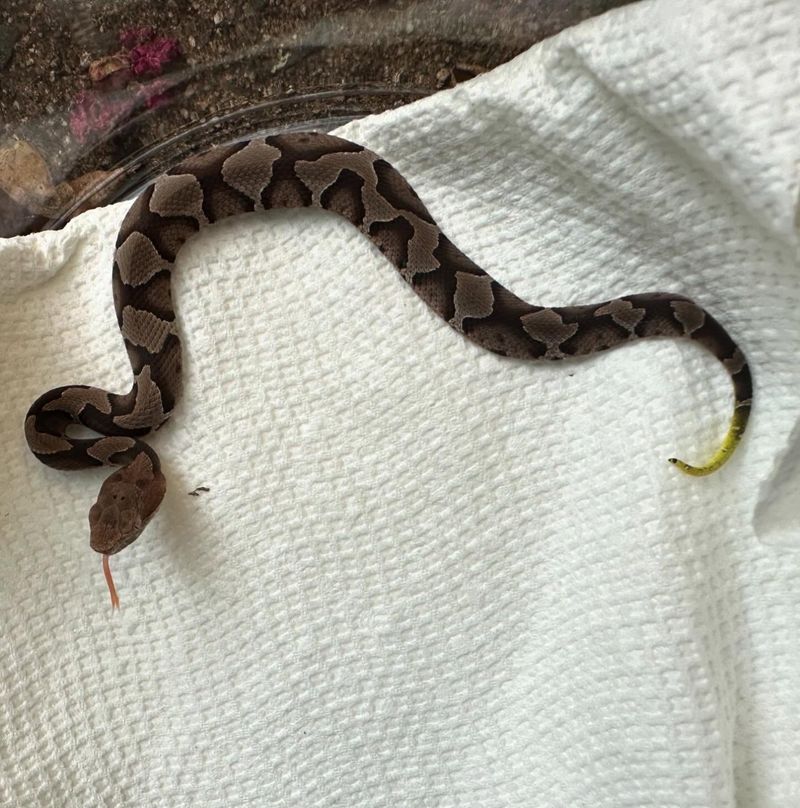
Late summer brings a surprise many gardeners never see coming. Copperheads give birth to live young, usually from August into early fall, and each baby measures only about 7 to 10 inches.
Those little ones come with a bright yellow or greenish tail tip. They twitch it to attract lizards and frogs, a trick scientists call caudal luring. Within a year or so, the color fades to match the rest of the body.
Size fools people the most. A pencil-length snake tucked under liriope, Asian jasmine, or ivy looks harmless. However, newborn copperheads arrive fully venomous and ready to defend themselves from day one.
Some people believe babies are more dangerous than adults because they cannot control their venom.
Researchers have not found good evidence for that idea. Adults generally carry more venom, but any bite deserves medical attention.
Groundcover beds are perfect nurseries because they stay shady and moist and are packed with small prey.
When you trim or weed those areas in late summer and fall, wear sturdy gloves and part the leaves with a tool first. A quick look beats an emergency room visit every time.
Cool Damp Mulch And Leaf Litter Feel Like Home
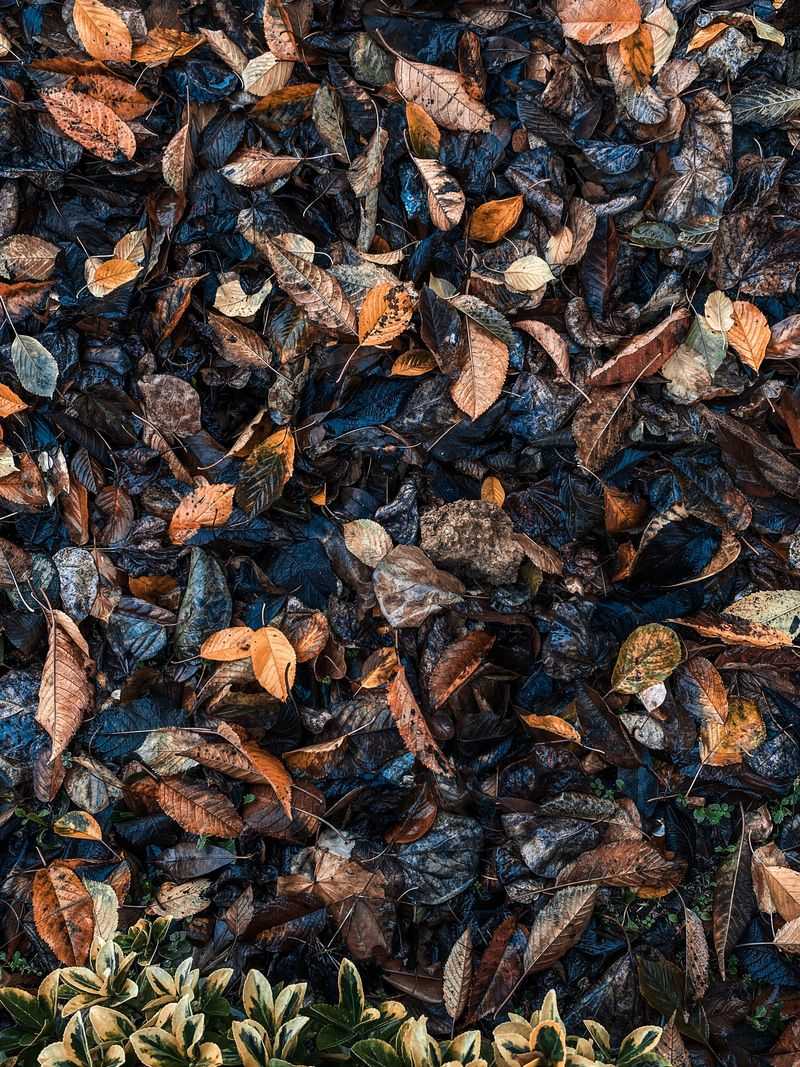
Mulch is wonderful for plants, and snakes happen to agree. A thick, moist layer keeps soil cool, and that same comfort draws in the creatures copperheads like to eat.
Their menu includes mice, small lizards, frogs, and big insects. Cicadas are a favorite, and copperheads sometimes climb low shrubs and trees on summer nights to grab them as they emerge. I can’t imagine a snack I’d want less.
Hiding spots matter just as much as food. Stacks of firewood, rock borders, old boards, compost piles, and overgrown fence lines all give cover. Leaf piles left over winter are especially inviting.
You do not have to give up mulch. Keep it around 2 to 3 inches deep instead of piling it high, and refresh it so it does not form heavy mats. Pull it back a few inches from your home’s foundation too.
Store firewood on a rack off the ground and away from the house. Clear clutter near doors, porches, and patios.
Fixing leaky outdoor faucets also helps, since constant moisture draws frogs. Fewer frogs and rodents usually means fewer hungry snakes looking for a meal near your beds.
Spring Evenings And Hot Summer Nights Bring More Activity
Timing plays a huge role in how often you might cross paths with one. In Texas, copperheads are mostly active from about March through November, depending on the weather.
Spring is busy. As temperatures warm, snakes leave winter shelters to hunt and find mates, and April and May often bring a noticeable jump in sightings. That lines up neatly with our own planting rush.
On mild spring and fall days, copperheads may rest in sunny spots to warm up. Once summer heat arrives, many switch to hunting at dusk and after dark. Evening watering and twilight weeding become the riskiest chores.
Late summer and early fall add newborns to the mix, as baby snakes spread out looking for food and shelter. Warm spells in winter can bring the occasional snake out too, so stay alert.
Carry a flashlight whenever you walk the yard at night, even just to the mailbox. Wear closed shoes instead of sandals.
These small habits fit easily into a gardening routine and make surprise encounters far less likely during the snake’s busiest months.
A Copperhead Bite Needs The Emergency Room, Not Home Remedies
Stay calm and move away first. That simple step prevents a second bite, which is more likely if you try to grab or chase the snake.
Call 911 or get to the nearest emergency room right away. Have someone else drive if possible.
Copperhead venom causes pain, swelling, and tissue damage, and doctors can watch how it progresses and give antivenom when needed.
While you wait, remove rings, watches, and tight clothing before swelling begins. Keep the bitten area still and roughly at heart level. Gently wash the wound with soap and water if it is handy.
Skip the old movie tricks. Do not cut the wound, try to suck out venom, use ice, or tie a tourniquet. Those methods can cause more harm. Leave the snake alone too, since many bites happen to people trying to capture or remove one.
Bites from copperheads rarely threaten a healthy adult’s life, but they can be very painful and recovery may take weeks.
Children, older adults, and pets need fast care. Snapping a photo from a safe distance can help, though your health comes before any picture.
Thick Gloves And A Garden Rake Make Weeding Safer
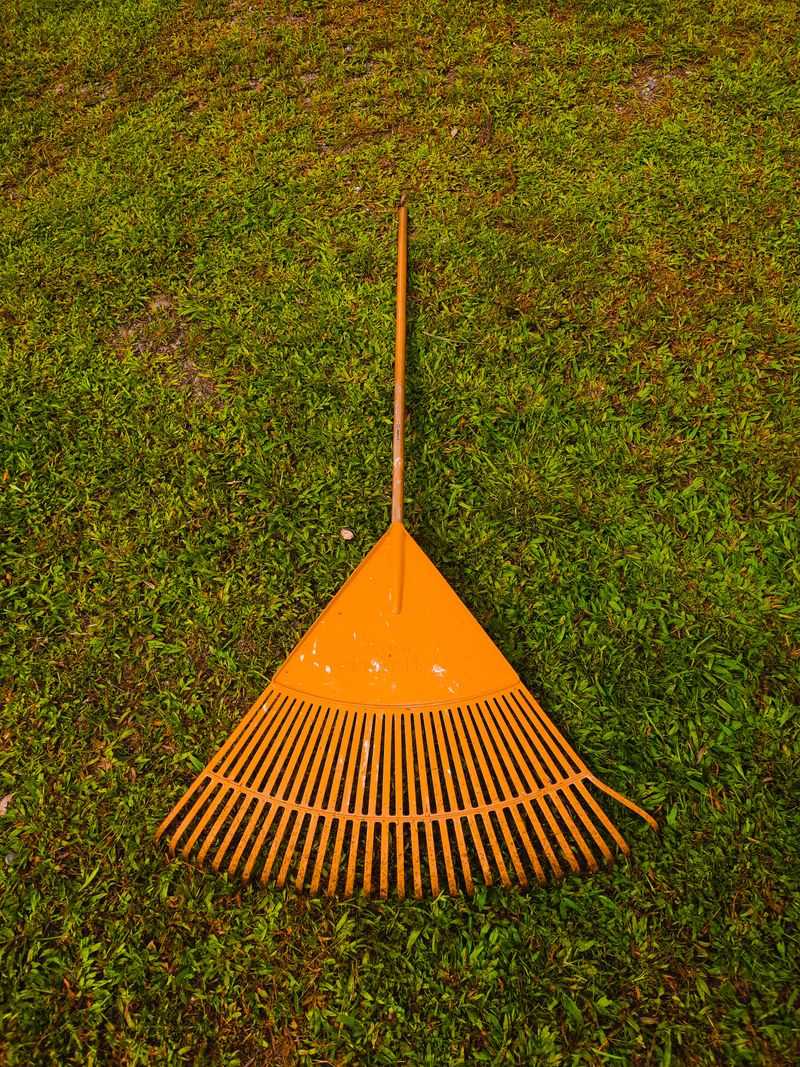
My favorite snake safety tool costs nothing extra because it is already in the shed. A rake, hoe, or long stick lets you check hidden spots before your hands go in.
Gently part groundcover, lift edges of mulch, and tap around shrubs first. Most copperheads will slide away once disturbed. That few seconds of warning makes a real difference.
Dress for the job. Leather or heavy-duty gloves, long pants, and boots that cover your ankles block many bites, since most strikes land on hands, feet, and lower legs. Skip flip-flops in the garden.
Look before you step over logs, rocks, or landscape timbers. Step onto them instead, so you can see what is on the other side. Never reach blindly into stacked pots, wood piles, or the space under a deck.
Teach kids these habits too, especially the rule to leave any snake alone and tell an adult. Keep dogs leashed or watched near dense beds, since curious noses get bitten often.
A little preparation keeps weeding relaxing instead of risky, and it quickly becomes second nature for the whole family.
A Tidy Yard Lets You Share Space With Copperheads Calmly

Copperheads actually help your garden in quiet ways. They eat mice, rats, and insects that would otherwise chew through plants or move into sheds.
The goal is balance, not removing every snake from the landscape. Mow lawns regularly, trim shrubs up off the ground, and thin out dense groundcover near walkways and doors. Open sightlines make snakes easier to see and less likely to linger.
Snake repellents sold in stores, including mothballs and sulfur products, have little research supporting them. Mothballs are also not meant for outdoor use and can harm pets and wildlife. Habitat changes work much better.
If a copperhead settles near your home and you feel uneasy, call a licensed wildlife removal service. Many Texas cities and counties can point you toward local help. Professionals have the right tools and training.
Personally, I find peace in knowing what to look for. Watch for hourglass bands, respect leafy hiding spots, and keep a rake handy.
With a few habits in place, you can enjoy your beds, share the yard with wildlife, and keep your gardening season full of good moments instead of scary ones.