When Michigan Gardeners Can Typically Start Planting Outdoors (By Region)
Michigan gardeners know spring can feel like a tug-of-war. A stretch of warm weather makes it seem like planting season has arrived, only for a cold night to prove it has not.
The timing for moving plants outdoors varies widely across the state, and that is where many gardens run into trouble.
Southern Michigan often gets an earlier start, while northern areas and the Upper Peninsula may need to wait weeks longer.
Guidance from Michigan State University Extension shows just how much planting windows can shift from one area to another.
Their calendars are based on USDA hardiness zones and average frost dates, but they also emphasize that these are guidelines, not guarantees.
Local weather, soil temperature, elevation, and proximity to the Great Lakes can all shift timing, sometimes even between nearby towns.
Understanding your region’s typical planting window, and checking real conditions before planting, can help you avoid setbacks and start the season with confidence.
1. Southeast Michigan And The Detroit Area
Southeast Michigan often has one of the earliest planting windows in the state, particularly in and around Detroit, where some locations fall into USDA Zone 6b.
In these warmer pockets, average last spring frost dates typically fall between mid-April and the end of April.
Based on MSU’s zone-based guidance, gardeners in Zone 6b can usually begin planting warm-season crops about one week earlier than the Zone 6a baseline.
That places the first typical outdoor planting window around the week of May 1, assuming weather conditions cooperate.
Crops like tomatoes, peppers, basil, cucumbers, beans, sweet corn, squash, and annual flowers can often be planted around this time in an average year.
However, even in Southeast Michigan, late frosts are still possible into May, especially outside urban areas.
Soil temperature is just as important as frost timing. Warm-season crops perform best when soil temperatures reach about 60°F.
Checking both the forecast and soil conditions before planting will give you the best results.
Gardeners in this region often benefit from one of the longest growing seasons in Michigan, especially when planting is timed carefully.
2. Southern Lower Michigan
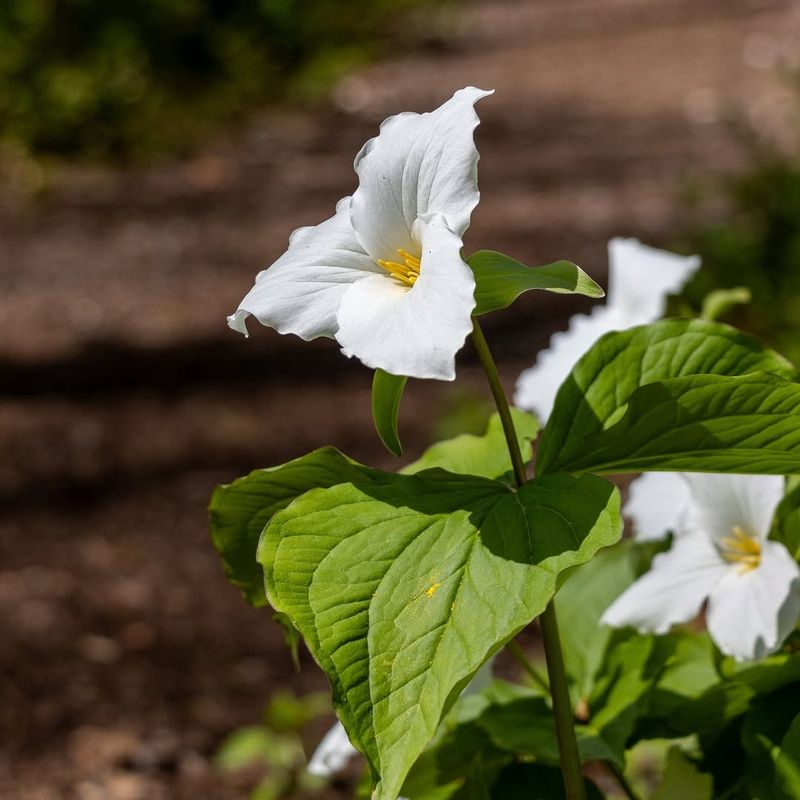
Southern Lower Michigan is largely classified as Zone 6a, including areas such as Jackson, Kalamazoo, and Ann Arbor.
This zone serves as the baseline for MSU’s Lower Peninsula planting calendar. Average last spring frost dates in Zone 6a typically fall between May 1 and May 15.
Following MSU guidance, the week of May 8 represents a common starting point for planting frost-sensitive crops outdoors in an average year.
Warm-season crops planted around this time generally establish well, but it is still important to monitor nightly temperatures. Late-season cold snaps can occasionally occur even after the average frost window.
Tomatoes, cucumbers, beans, squash, and annual flowers like zinnias and marigolds all perform well when planted during this period.
Soil temperatures usually begin reaching the upper 50s to low 60s in early May, especially in well-drained or sun-exposed garden beds.
Properly hardening off seedlings before transplanting can make a significant difference in how quickly plants adjust and begin growing.
Your Michigan Garden Changes Every Week. Your Plan Should Too.
Gardening in Michigan changes quickly throughout the season. Every Friday you’ll receive a simple weekly plan showing exactly what to plant, prune, fertilize, harvest, and protect so you never miss the right timing.
3. The Thumb And The Milder Parts Of Northern Lower Michigan
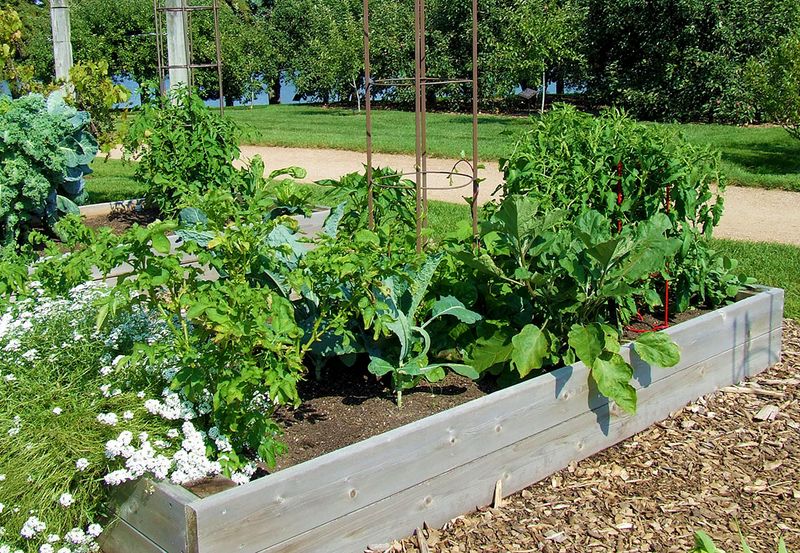
The Thumb and parts of Northern Lower Michigan are often classified as Zone 5a, though conditions vary widely depending on distance from the lakes and local terrain.
Cooler air from Lake Huron and Lake Michigan can delay spring warming, especially inland. According to MSU’s zone-based adjustments, Zone 5a gardeners should plan to plant about two weeks later than the Zone 6a baseline.
This places a typical planting window around the week of May 22. Frost risk can persist into late May in these areas, making it important not to rush planting. Waiting until conditions stabilize greatly reduces the risk of losing tender plants.
Warm-season crops such as tomatoes, peppers, cucumbers, squash, beans, and annual flowers generally perform well when planted after this point.
Shoreline areas may warm slightly earlier due to lake moderation, while inland areas may lag behind.
Sticking close to this timeframe, while still watching forecasts, provides a strong balance between caution and productivity.
4. Central Lower Michigan And Much Of The West Michigan Interior
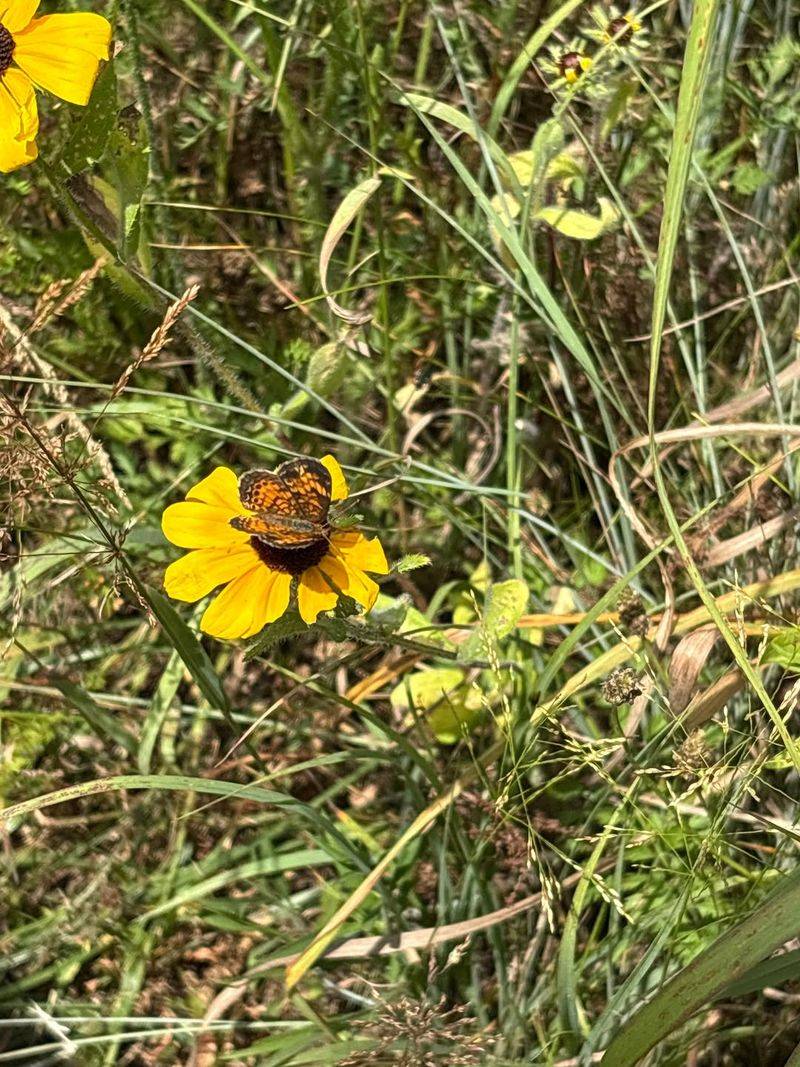
Central Lower Michigan and parts of the West Michigan interior include a mix of Zones 5b and 6a, depending on the exact location. Because of this variation, planting timing can differ even within the same general region.
MSU’s guidance suggests that Zone 5b gardeners should plant warm-season crops about one week later than the Zone 6a baseline. This places a typical planting window around the week of May 15 for colder inland areas.
Cities like Lansing and Grand Rapids may fall near zone boundaries, so local conditions should always be considered.
Gardeners in slightly warmer microclimates may be able to plant a bit earlier, while colder or low-lying areas may need to wait longer.
Beans, tomatoes, cucumbers, squash, basil, and warm-season flowers can all be planted during this time once soil temperatures reach about 60°F.
Because soil warms more slowly here than in southern Michigan, checking soil temperature before planting is especially important.
Patience during this window helps avoid frost damage and leads to more consistent early-season growth.
5. Colder Inland Northern Lower Michigan
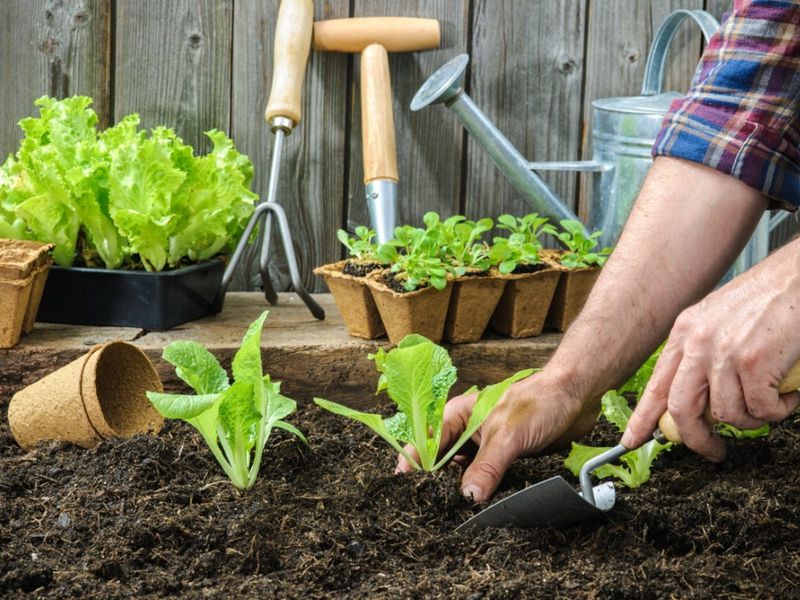
Inland areas of Northern Lower Michigan often behave more like Zone 4b, especially in locations farther from the moderating influence of the Great Lakes.
Without that temperature buffer, spring tends to arrive more slowly, and nighttime temperatures can remain cold well into late May.
In these cooler inland pockets, average last frost dates commonly fall between late May and early June, though occasional late frosts can still occur beyond that range in some years.
Based on Michigan State University Extension guidance, the week of May 29 is often a reasonable starting point for planting warm-season crops in many of these areas.
However, this timing should be treated as a general guideline rather than a fixed rule.
Frost risk can linger into early June, particularly in valleys, low-lying areas, and open rural landscapes where cold air tends to settle overnight.
Because of this variability, it is important to monitor local forecasts closely and be prepared to protect young plants if needed.
Row covers, frost cloth, or even temporary coverings can help safeguard transplants during unexpected cold nights.
Crops like tomatoes, beans, cucumbers, squash, and warm-season annual flowers can usually be planted around this time once soil temperatures are near 60°F. Choosing early-maturing varieties helps ensure a successful harvest.
6. Eastern And Southern Upper Peninsula, Plus Milder Upper Peninsula Shorelines
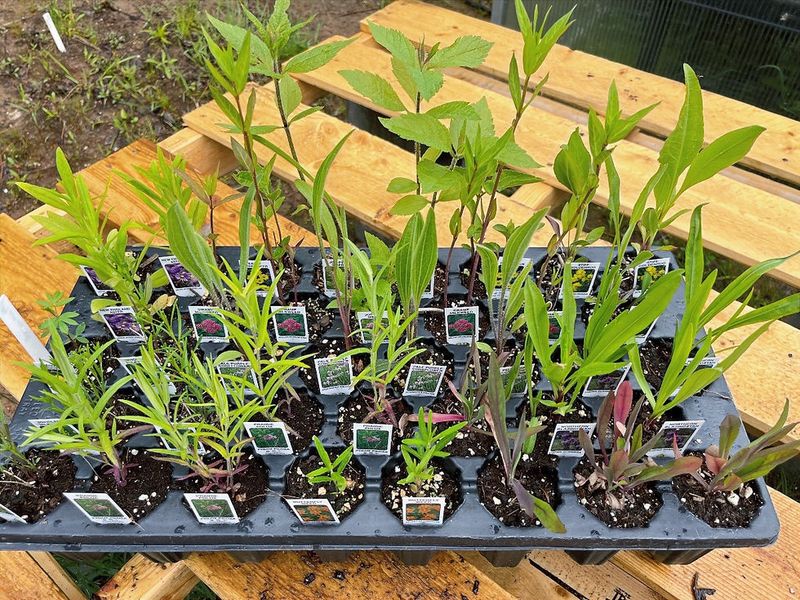
Parts of the eastern and southern Upper Peninsula, along with some shoreline areas, fall into Zone 5a.
These locations benefit from the moderating influence of the Great Lakes, which can help reduce extreme temperature swings and slightly lower the risk of late spring frost compared to inland areas.
As a result, growing conditions here are often a bit more forgiving than in the colder interior of the U.P., though they still require careful timing.
MSU’s Upper Peninsula planting guidance indicates that Zone 5a gardeners can typically begin planting warm-season crops about one week earlier than the Zone 4b baseline.
In practical terms, this places the usual planting window around the week of May 29 in an average year.
However, this timing should still be treated as a guideline rather than a guarantee, since local conditions can vary significantly even within short distances. Proximity to the lakes can make a noticeable difference.
Shoreline gardens often warm more slowly in early spring but are also less prone to sudden late frosts, while inland areas may experience wider temperature swings.
Elevation, wind exposure, and soil type can also influence how quickly the ground warms and how stable nighttime temperatures become.
Warm-season crops such as beans, tomatoes, cucumbers, squash, and summer annual flowers can generally be planted during this period once soil temperatures approach 60°F and the risk of frost has mostly passed.
Because the overall growing season remains relatively short, selecting shorter-season or early-maturing varieties is still a smart and often necessary strategy for reliable harvests in this region.
7. Most Of The Upper Peninsula Interior
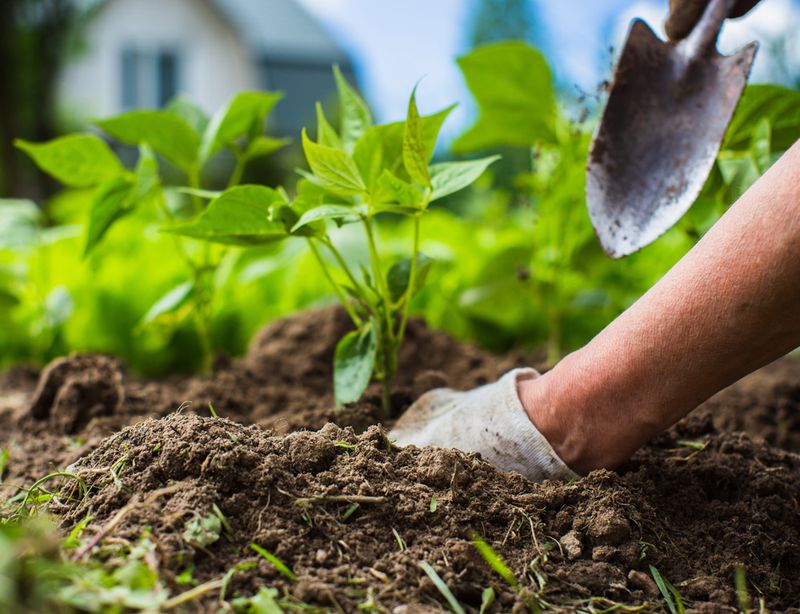
Much of the Upper Peninsula interior falls within USDA Zone 4b, where average last spring frost dates typically range from late May into early June.
Frost in early June is not unusual in some areas, particularly in low-lying or sheltered locations where cold air can settle overnight. Because of this, the growing season is shorter and requires careful timing.
Michigan State University Extension guidance places warm-season planting for this zone in early June, with the week of June 5 serving as a common starting point in average years.
Waiting until this period helps reduce the risk of frost damage, though it does not eliminate it entirely.
Gardeners should continue monitoring local forecasts, especially during the first week or two after planting.
Soil temperatures are just as important as frost timing and often warm more slowly than air temperatures in this region. Warm-season crops perform best when soil temperatures are near 60°F.
Tomatoes, peppers, beans, squash, cucumbers, and annual flowers can be planted once both soil and air conditions are suitable.
Choosing short-season or early-maturing varieties is strongly recommended to ensure crops have enough time to mature before fall frost returns.
8. The Coldest Western And Interior Upper Peninsula Pockets
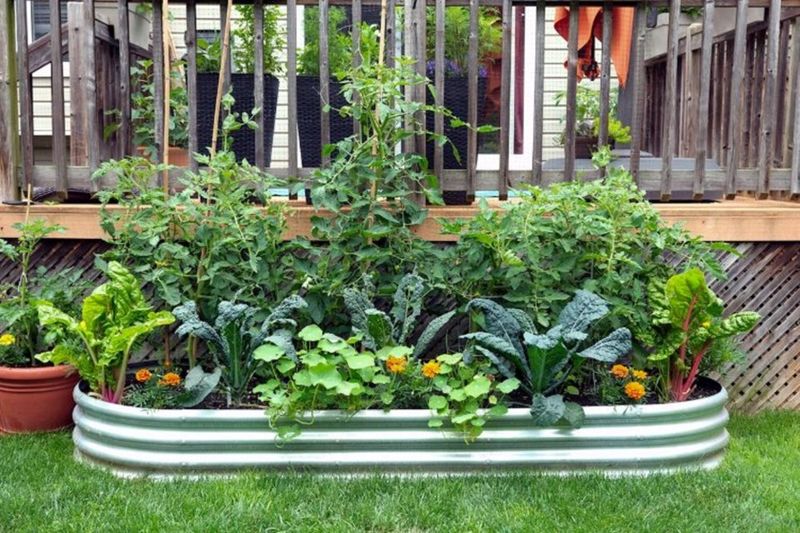
The coldest parts of the Upper Peninsula, particularly in western and interior areas, are generally classified as USDA Zone 4a.
In these locations, average last spring frost dates often extend into mid-June, and late frosts remain a real possibility even after that point in some years. As a result, gardeners in these areas face one of the shortest growing seasons in Michigan.
According to Michigan State University Extension guidance, Zone 4a planting should typically occur about one week later than the Zone 4b baseline.
This places a common starting window around the week of June 12 in average conditions.
However, this timing should still be treated as a guideline, since local weather patterns can vary significantly.
Even after mid-June, occasional cold nights can occur, making it important to monitor forecasts closely during early planting.
Soil temperatures may also lag behind air temperatures, so waiting until soils have warmed adequately, around 60°F for warm-season crops is key.
Tomatoes, peppers, beans, squash, cucumbers, and annual flowers can be planted during this period once conditions are suitable. Because of the limited season, short-season or early-maturing varieties are essential.
Many gardeners also use techniques like black plastic mulch to warm soil and row covers to protect young plants, helping extend the effective growing window.