Should You Prune Hydrangeas In Florida This September? The Buds Already Have Other Plans
September in Florida still feels like a warm, damp towel draped over the whole backyard, honestly. Out there, one shrub is quietly deciding if next spring brings big blooms or bare green leaves.
Your shears are hanging in the garage, and they look awfully eager after a long, sticky summer. Timing, though, matters far more than enthusiasm when it comes to this particular corner of the yard.
Some gardeners snip right now and get rewarded with fat clusters of color by early April. Others snip now and spend the next season staring at a very healthy, very flowerless bush.
The difference comes down to one small detail most folks skip before reaching for the clippers. Guess wrong, and your neighbor’s yard quietly becomes the prettiest thing on the whole street.
The Short Answer For Most Florida Gardens
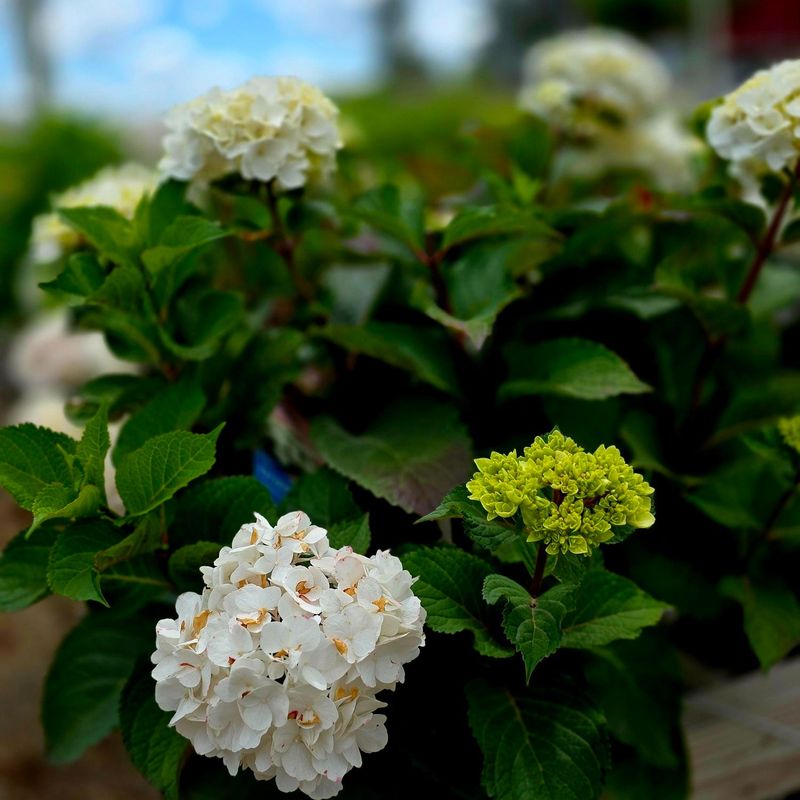
Put the shears down for now, because September is a risky month for most Florida hydrangea beds. The bigleaf types that fill our landscapes set their flower buds during late summer and early fall.
Cutting now removes the very stems holding next spring’s flowers, even though the plant looks fine afterward. You get a tidy shrub, plenty of leaves, and almost no color when April arrives.
Panicle and smooth hydrangeas play by different rules, since they bloom on stems grown the following spring. Those two can wait until late winter for a harder cut, which is safer anyway.
Florida’s mild autumn also encourages fresh growth, and tender new shoots do not harden off well. A late trim can push soft stems right into our surprise December cold snaps.
There is one exception worth remembering, and it involves broken, rubbing, or clearly unhealthy wood. Removing damaged pieces any month of the year keeps the plant tidy and reduces disease pressure.
Gardeners in the Panhandle get slightly cooler nights than folks near Naples or Fort Myers. Even so, the bud timing stays similar enough that September cuts carry the same gamble.
Spent flower heads are also fair game if they bother you, though many gardeners leave them. Snip just below the faded bloom, staying above the fat buds forming lower on the stem.
So the honest answer depends on the label you tossed out when you planted the shrub. Identify the type first, and the calendar question answers itself in about ten seconds.
Old Wood Versus New Wood, The Real Dividing Line
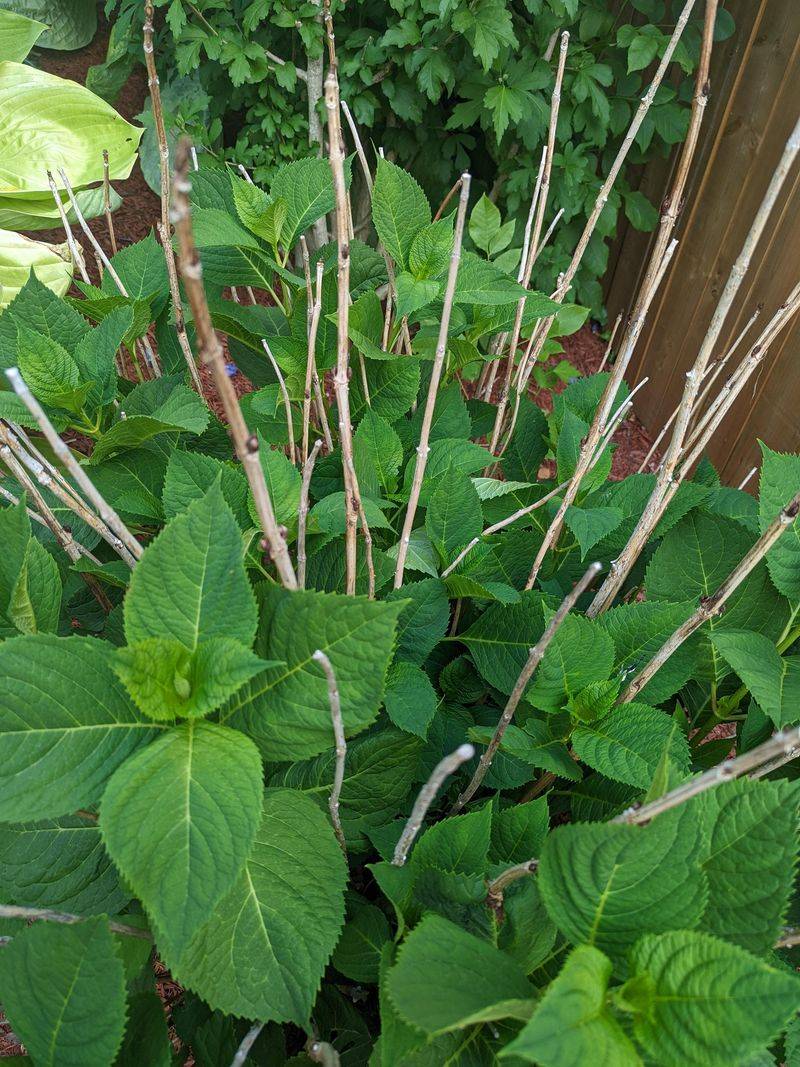
Gardeners toss around old wood and new wood like everyone was handed a glossary at checkout. Old wood simply means stems that grew during the previous season and survived the winter.
Bigleaf and oakleaf hydrangeas build their buds on those older stems, usually between August and October. Slice them off in September and the buds ride away in the yard waste bin.
New wood bloomers, like panicle and smooth hydrangeas, form buds on shoots that appear in spring. They forgive heavy cutting because they rebuild their flowering stems from scratch each year.
Telling them apart is easier than it sounds once you look at the leaves and flowers. Oakleaf types show lobed foliage shaped like oak leaves, plus cone-shaped white clusters in spring.
Your Florida Garden Changes Every Week. Your Plan Should Too.
Gardening in Florida changes quickly throughout the season. Every Friday you’ll receive a simple weekly plan showing exactly what to plant, prune, fertilize, harvest, and protect so you never miss the right timing.
Bigleaf varieties carry thick, glossy, rounded leaves and the familiar mophead or lacecap blooms. Panicle hydrangeas grow narrower leaves with pointed tips and long cone flowers that fade to rose.
Some newer bigleaf selections, sold as reblooming types, flower on both old and new stems. Even those bloom better when you leave the existing framework alone through fall and early winter.
A quick trick helps if the plant came without a tag or the tag vanished. Photograph the bloom next June, then match it online before you touch anything with blades.
The dividing line sounds technical, yet it decides if your shrub performs or sulks. Learn it once and you stop guessing about the calendar every single autumn.
September Timing In Florida’s Stretched Growing Season
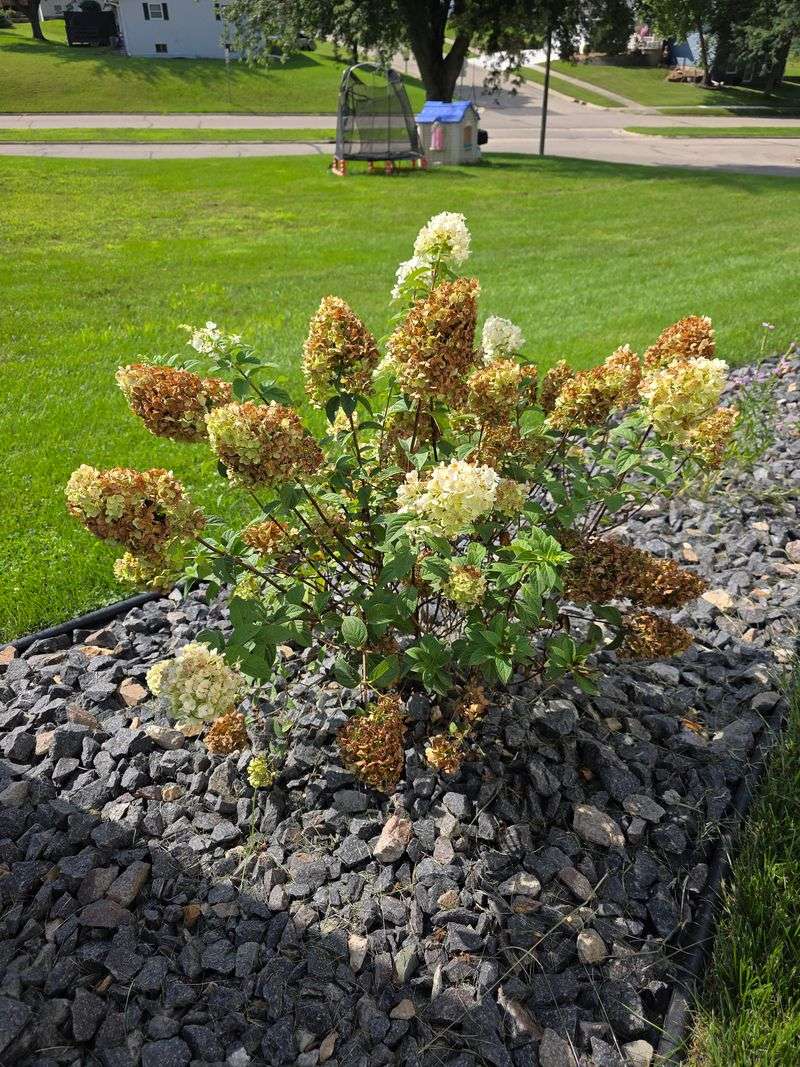
Down here the growing season refuses to quit, which confuses plenty of transplanted northern gardeners. Up north, September feels like closing time, so the shears come out with the wool sweaters.
Florida runs on a longer clock, and our shrubs keep pushing leaves well into November. Warm soil plus daily afternoon storms means growth continues long after the calendar suggests otherwise.
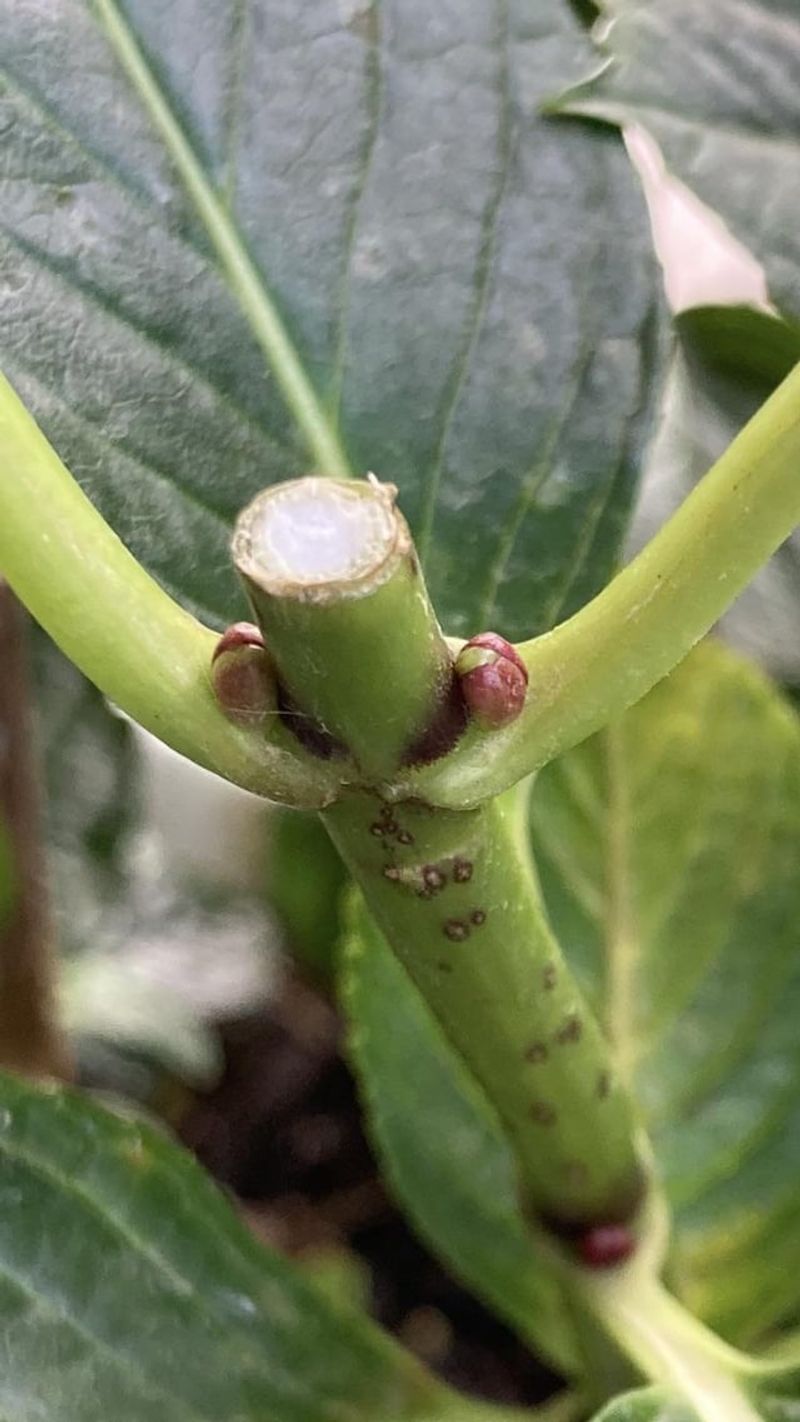
Bud set for old wood hydrangeas begins as day length shortens, right around this month. Those buds sit tucked at leaf joints, tiny and easy to mistake for nothing at all.
Cut during bud formation and the plant cannot rebuild them before cooler weather arrives. It will grow leaves instead, giving you a lush green meatball where flowers belonged.
The safer window for old wood types sits right after blooming fades, usually June or July. By then the shrub has finished its show and has not started building next year’s plans.
New wood bloomers prefer a late winter haircut, roughly late January through mid February statewide. Cool season pruning gives them plenty of runway to push strong stems before summer heat.
Hurricane season adds another wrinkle, since storms can shred branches without asking anyone’s permission. Wait until the wind settles, then clean up the mess rather than reshaping the whole plant.
September works well for watering, mulching, and pulling weeds around the base of each shrub. Save the blades for a season when the plant has far less to lose.
The Autumn Trim That Erases Next Spring’s Blooms
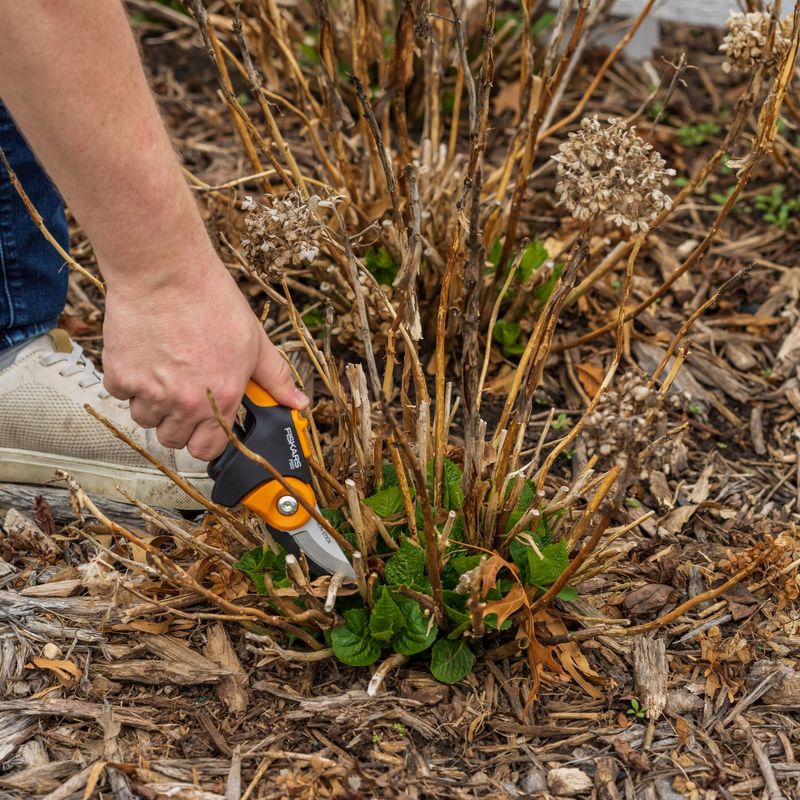
Every spring, garden centers hear the same sad story from customers holding phone photos. The shrub looks healthy, the leaves shine, and not a single flower showed up.
Nine times out of ten, somebody tidied the plant during fall cleanup the year before. A neighbor, a landscaper, or an enthusiastic weekend warrior gave it a neat rounded shape.
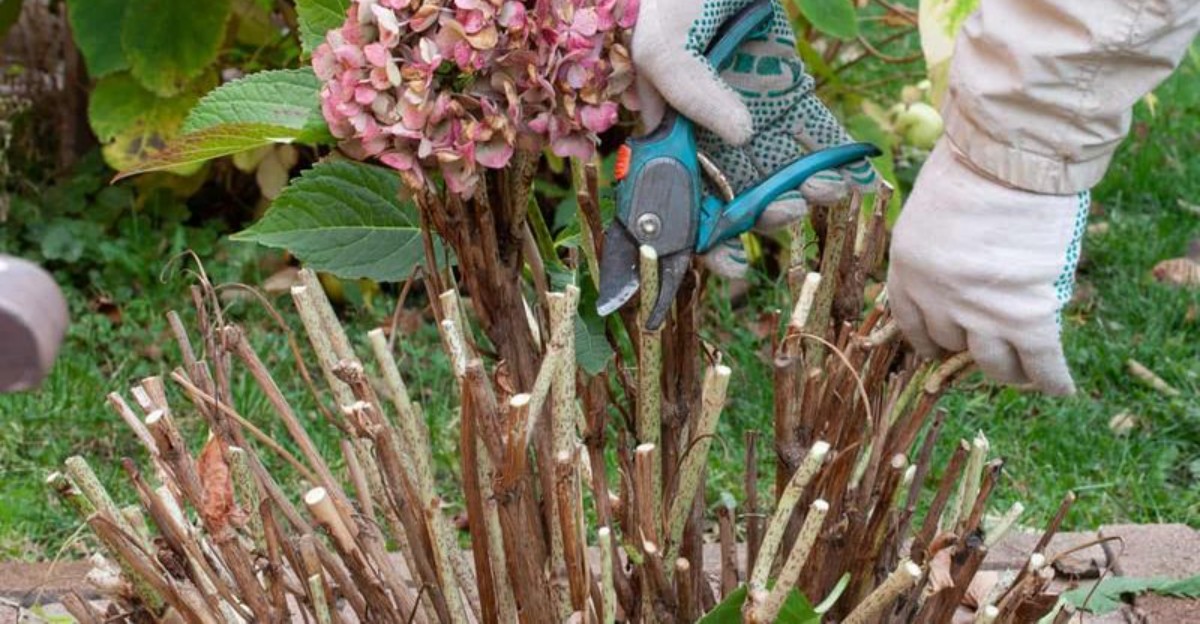
Hedge trimmers cause the most damage, because they shear every stem tip at once. Those tips hold the buds, so uniform shearing removes the entire flower supply in minutes.
Removing spent blooms gets confused with pruning, though the two jobs differ quite a lot in practice. One removes a faded bloom, while the other removes the woody stem holding future flowers.
Hired crews often work on a schedule rather than a plant calendar, which creates trouble. Ask yours to skip the hydrangeas in fall, or flag the plants with bright tape.
Another frequent slip involves cutting stems back to the ground for a fresh start. Bigleaf types respond by spending the next year rebuilding wood instead of producing color.
Fertilizer mistakes ride along with the trimming, especially high nitrogen products applied late. Extra nitrogen now feeds soft foliage and can reduce flowering the following season.
Leaf drop in fall is normal and needs no help from you or anyone else. Rake what falls, leave the stems standing, and let the plant handle its own business.
One skipped autumn trim costs nothing but restraint. Your shrub keeps its buds, and you keep your Saturday afternoon free.
Damage Control After A Too-Early Cut
So you already cut, and now this article feels like a very poorly timed letter. Take a breath, because the plant is fine and the situation is fixable over time.
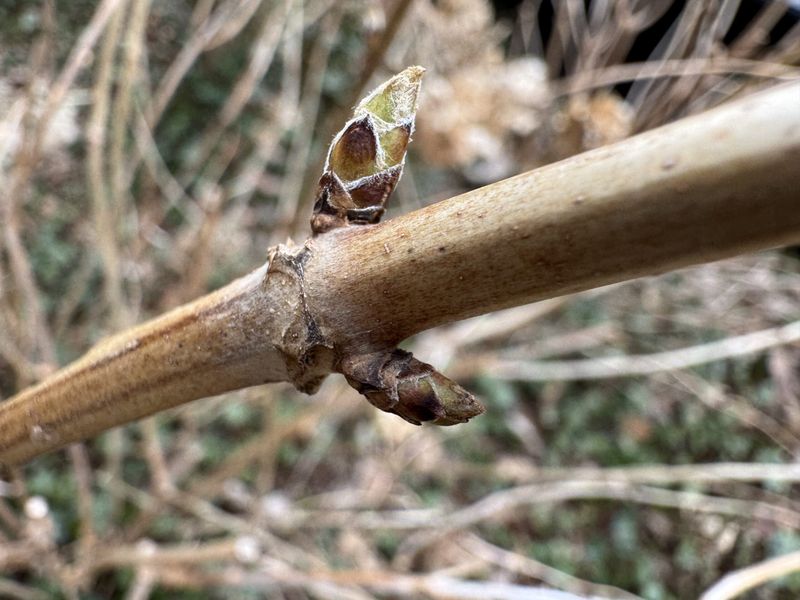
First, check what actually came off, since light shaping rarely removes every bud. Look along the remaining stems for small, plump swellings near the leaf joints.
Those swellings are flower buds, and any that survived will still open next spring. Partial blooming beats none, so resist the urge to even out the shape now.
A clean cut heals faster, so check that your blades were sharp and free of rust. Wipe pruners with isopropyl solution between plants to avoid spreading fungal trouble around the bed.
Skip the fertilizer for the rest of the year, especially anything heavy on nitrogen. Feeding a freshly cut shrub in September encourages tender growth that cold weather punishes.
Water steadily through our dry fall months, giving roots a deep soak twice weekly. Two or three inches of pine bark mulch keeps moisture steady and roots cool.
Come spring, let the plant grow without interference, even if the shape annoys you. Wait for the June window after flowering, then shape it properly with hand pruners.
Consider planting a reblooming variety nearby as insurance against future timing accidents. Those bloom on fresh stems too, which means a mistimed cut costs much less.
One missed season does not ruin anything permanent in a Florida landscape. Hydrangeas hold grudges for roughly nine months, then hand over the flowers again.
Next Year’s Flowers And The Habits That Protect Them
Picture next April with heavy blue or pink heads nodding over the mulch line. That picture starts with a few small habits practiced during quiet months like this one.
Write the variety name on a metal tag and wire it to the main stem. Plastic labels fade fast in our sunshine, while metal survives storms and lawn crews.
Mark your calendar for pruning windows instead of trusting memory twelve months from now. June for old wood bloomers, late winter for the panicle and smooth types.
Morning sun with afternoon shade keeps Florida hydrangeas happiest, especially bigleaf varieties near the coast. Plants baking in full western exposure wilt daily and produce fewer, smaller flower clusters.
Soil pH controls color on bigleaf types, which surprises newcomers every single season. Acidic soil leans blue, sweeter soil leans pink, and a cheap test kit tells you.
Container-grown hydrangeas need the same timing rules, plus a little extra water in fall. Pots dry out quickly on warm patios, and stressed plants set fewer buds.
Mulch matters more than most people admit, particularly in sandy soil that drains instantly. Keep it a few inches away from the stems so the crown stays dry.
Hand pruners beat hedge trimmers for this plant, since you choose each cut deliberately. Removing one older stem at ground level opens the shrub without sacrificing the bud supply.
Good flowers come from patience rather than effort, which feels backward to busy gardeners. Sometimes the best thing you can do in September is walk past with iced tea.