Why You Should Never Prune Crape Myrtles In Florida This Fall
October in Florida brings that first real exhale of the year. The air cools down, the porch becomes livable again, and suddenly every homeowner in the neighborhood gets the urge to do something productive in the yard.
Pruning shears come out, loppers appear from the garage, and crape myrtles across the state brace for what is coming.
Here is the thing though, your crape myrtle would genuinely prefer you put those tools away right now.
Fall pruning is one of those well-meaning garden habits that can quietly create a whole list of problems that do not show up until months later, usually right around the time you were expecting a gorgeous spring display.
The good news is that waiting costs nothing and pays off significantly.
Step away from the loppers, grab something cold to drink, and let the tree do its thing for a little while longer.
1. Fall Cuts Trigger Tender Growth Before Cold Snaps
Plants are a lot like kids who get candy before bed. Give them a reason to get busy, and they will not settle down when they should.
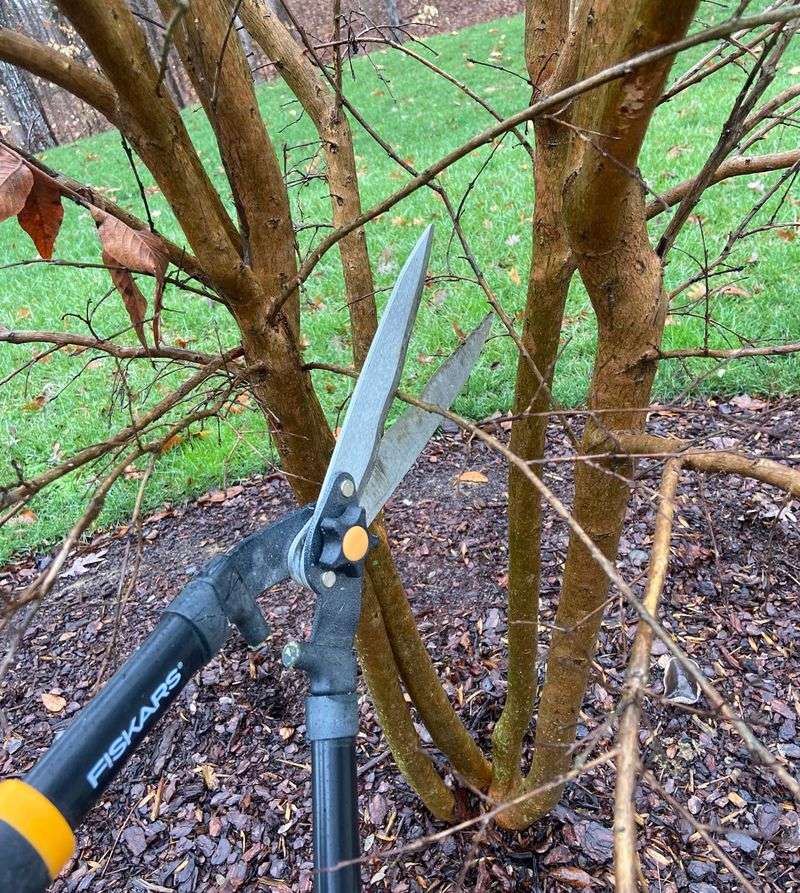
When you prune a crape myrtle in autumn, the tree reads it as a wake-up call. It pushes out soft, fresh shoots to replace what you removed.
Those new stems are thin, juicy, and not ready for cool weather.
Even in Florida, cold fronts sweep down from the north between December and February. North and Central Florida can see frost several nights a year.
A single chilly night can brown those tender tips and leave them shriveled.
The damage does not stop at ugly leaves. Frost-bitten stems can open the door to rot and fungus.
The tree then spends spring repairing itself instead of growing strong.
A better plan is to let your crape myrtle slow down naturally. As days get shorter, the tree hardens its wood and stores energy in its roots.
That process works best when nobody interrupts it with shears.
If a branch is truly broken or blocking a walkway, a small clean cut is fine. Just skip the big trimming job until late winter.
Your patience now pays off with healthier wood and fewer surprises when the weather turns.
2. Your Tree Is Storing Energy For Spring Blooms
Underneath the soil, a quiet savings account is filling up. Every leaf on your crape myrtle is working overtime this time of year.
During fall, leaves turn sunlight into sugars. Those sugars travel down into the roots and trunk, where they are stored like snacks for later.
Come spring, the tree uses that stash to push out leaves and those big, frilly flower clusters.
Pruning now removes leaves that are still doing this important job. Fewer leaves mean a smaller savings account.
The result can be weaker growth and fewer blooms next summer.
Gardeners in Florida often notice their trees hold leaves longer than trees up north. That extra time is a gift, since it gives the tree more days to store energy.
Your Florida Garden Changes Every Week. Your Plan Should Too.
Gardening in Florida changes quickly throughout the season. Every Friday you’ll receive a simple weekly plan showing exactly what to plant, prune, fertilize, harvest, and protect so you never miss the right timing.
Cutting branches early basically throws away that bonus.
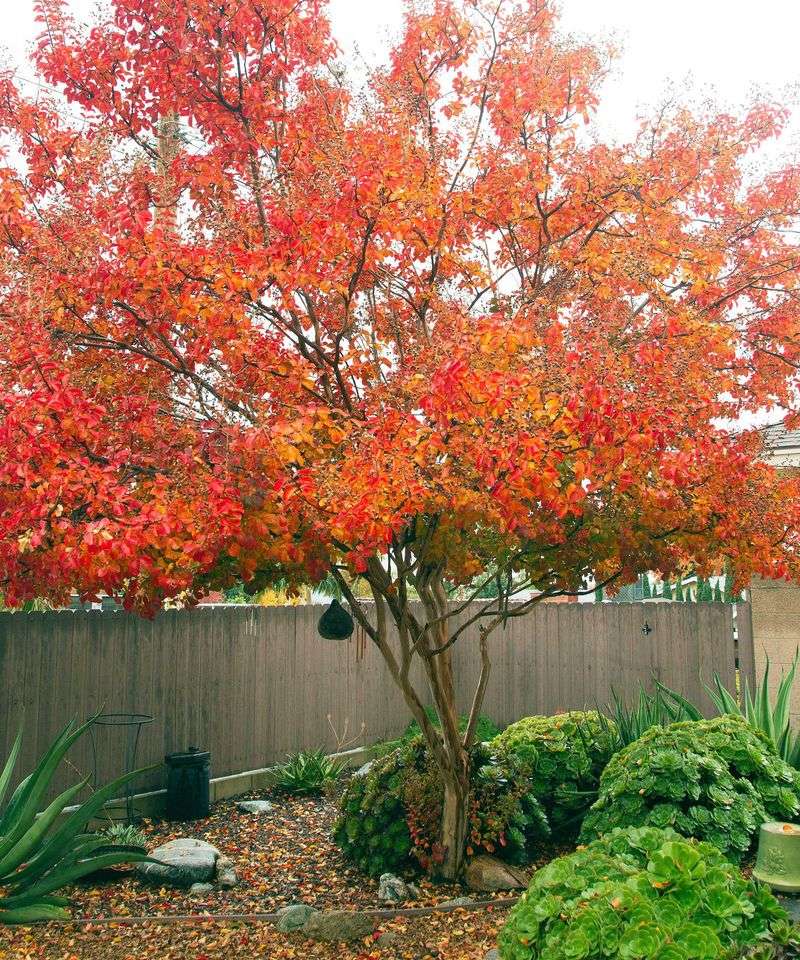
Here is a fun fact for your next backyard chat. Many crape myrtles show off red, orange, or gold leaves before they drop, which is part of their charm.
So enjoy the show instead of reaching for tools. Rake fallen leaves if you like, or use them as mulch around the base.
Let the tree finish its seasonal work, and it will thank you with a fuller, brighter flower display when warm weather returns.
3. Fresh Wounds Invite Pests And Fungus
Ever had a scrape that took forever to heal? Trees deal with the same problem, only they cannot grab a bandage.
Every cut you make leaves an open wound. In warm months, crape myrtles seal those spots fairly fast.
In fall, growth slows down, so wounds stay open much longer.
Florida stays humid for much of the year, even after summer ends. That moisture is perfect for fungal spores looking for a new home.
Diseases like powdery mildew and Cercospora leaf spot love a stressed tree.
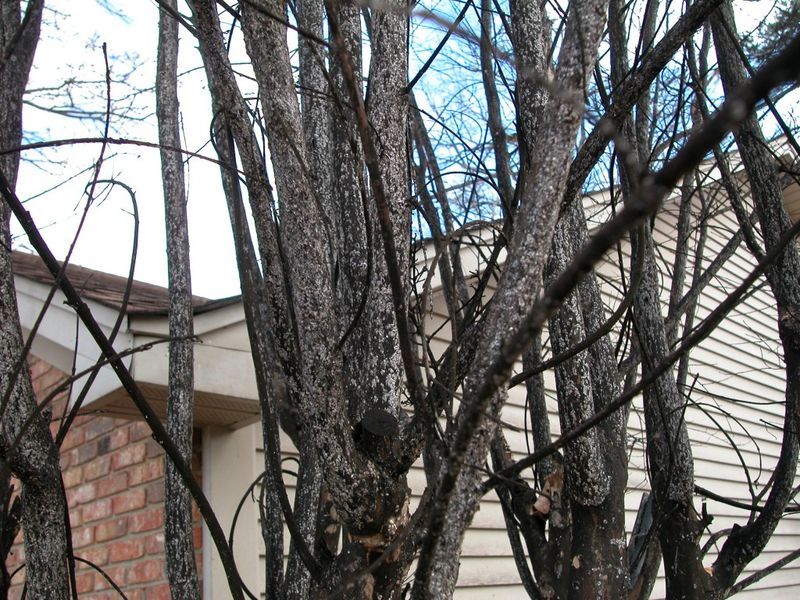
Insects pay attention too. Crape myrtle bark scale, a fairly new pest in the Southeast, often shows up on weakened trees.
It looks like tiny white or gray bumps and can leave a sticky mess behind.
Aphids add to the trouble by dripping honeydew. That sweet goo feeds black sooty mold, which coats branches and leaves in an ugly film.
Nobody wants their pretty tree looking like it rolled in charcoal.
The simple fix is waiting until late winter. Cuts made just before spring growth seal up quickly once the sap starts flowing.
Keep tools clean with rubbing alcohol between cuts, and check bark often for odd bumps or spots so you can act early.
4. Wildlife Loves Those Seed Pods
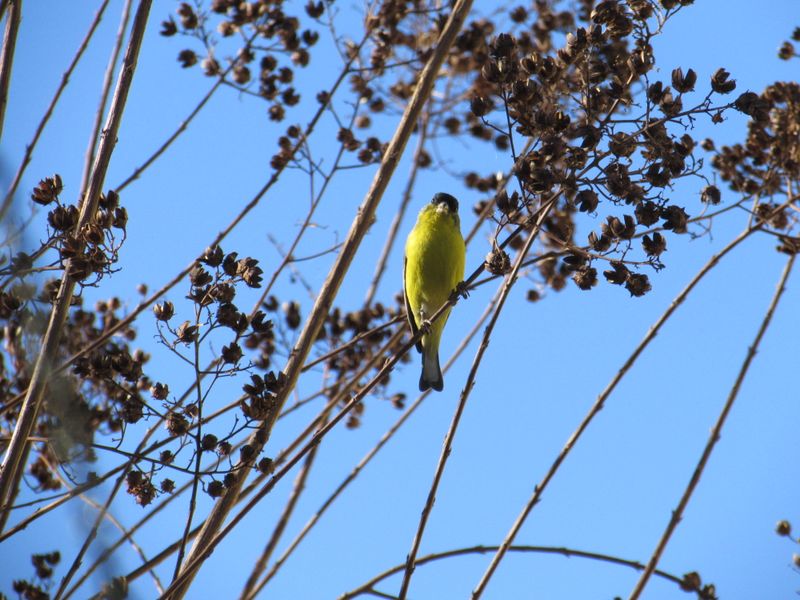
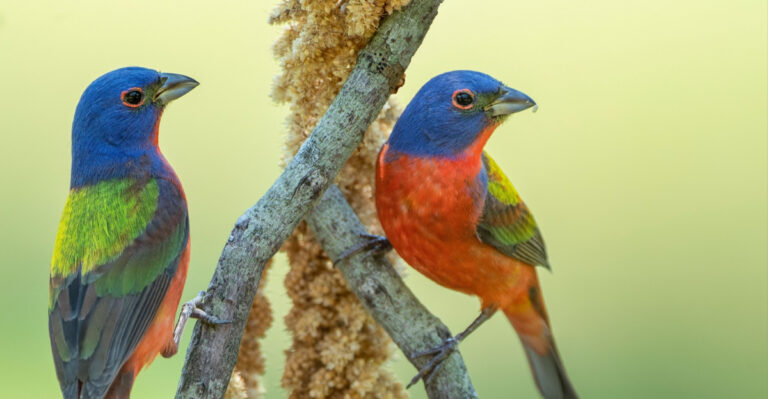
A bright red cardinal lands on a branch, pecks at a cluster of brown pods, and flutters away happy. That little moment is one of the best reasons to put the pruners down.
After the flowers fade, crape myrtles form small, round seed capsules. Many people see them as messy and cut them off.
Birds see them as a free buffet during the cooler months.
Finches, cardinals, and sparrows often visit these trees in Florida during fall and winter. Migrating birds passing through the state also stop for a quick snack.
Your yard becomes a rest stop on a long journey.
The branches themselves offer shelter too. Birds perch there to scan for danger or hide from hawks.
A tree full of twigs and pods feels safer than bare, chopped stubs.
Leaving the pods also adds winter interest to your landscape. They catch the light nicely and look charming against blue skies.
Some gardeners even snip a few to use in fall wreaths and table decorations.
If you enjoy watching birds, set a small birdbath near your crape myrtle. Fresh water plus natural seeds can turn your yard into a lively hangout.
Grab some binoculars and a field guide, and enjoy the show.
5. Hurricane Season Still Lingers In Florida
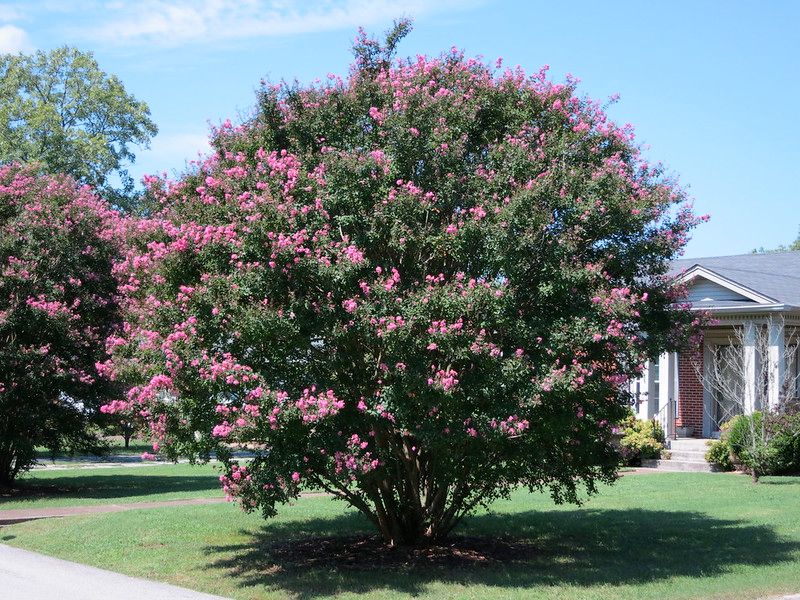
Officially, hurricane season runs through November 30. Anyone who has lived in Florida knows storms do not always read the calendar.
A freshly pruned crape myrtle is more vulnerable when strong winds roll in. Heavy cuts can leave weak spots where new shoots attach loosely.
Those thin sprouts snap off easily in a gusty storm.
Big pruning wounds also let water seep into the wood. Soggy wood can soften over time and crack under pressure.
A tree that looked fine in October might split during the next blustery front.
On the bright side, crape myrtles are fairly tough in wind when left in their natural shape. Their flexible branches bend instead of breaking.
Keeping the canopy balanced helps the whole tree sway more safely.
Before a storm, focus on safety instead of shaping. Remove only branches that are cracked, hanging, or rubbing against your roof.
Clear loose debris from the yard so nothing turns into a flying hazard.
After the storm passes, walk around and look for damage. Make clean cuts just outside the branch collar on anything broken.
Save the full makeover for late winter, when the weather is calmer and your tree is better prepared to bounce back.
6. Avoid Crape Topping Mistakes
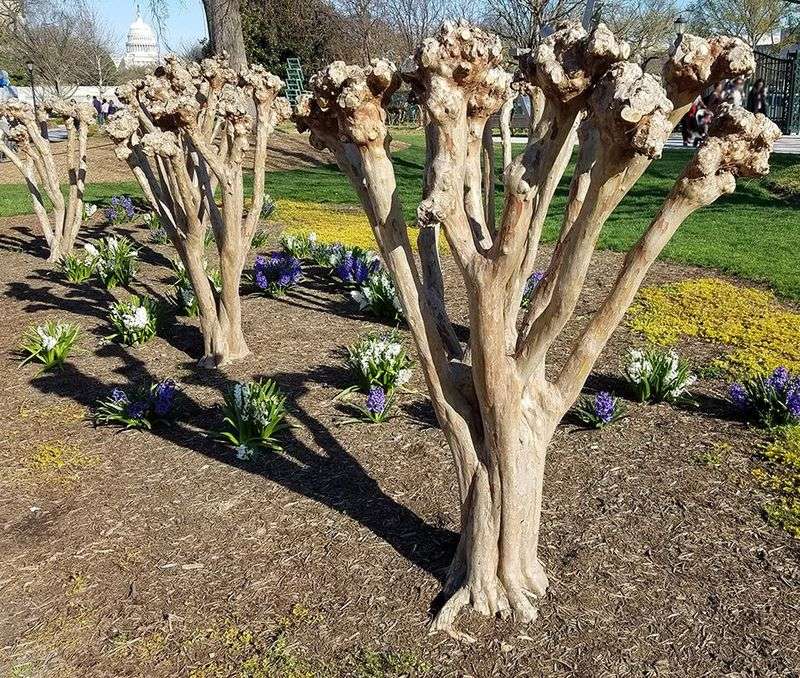
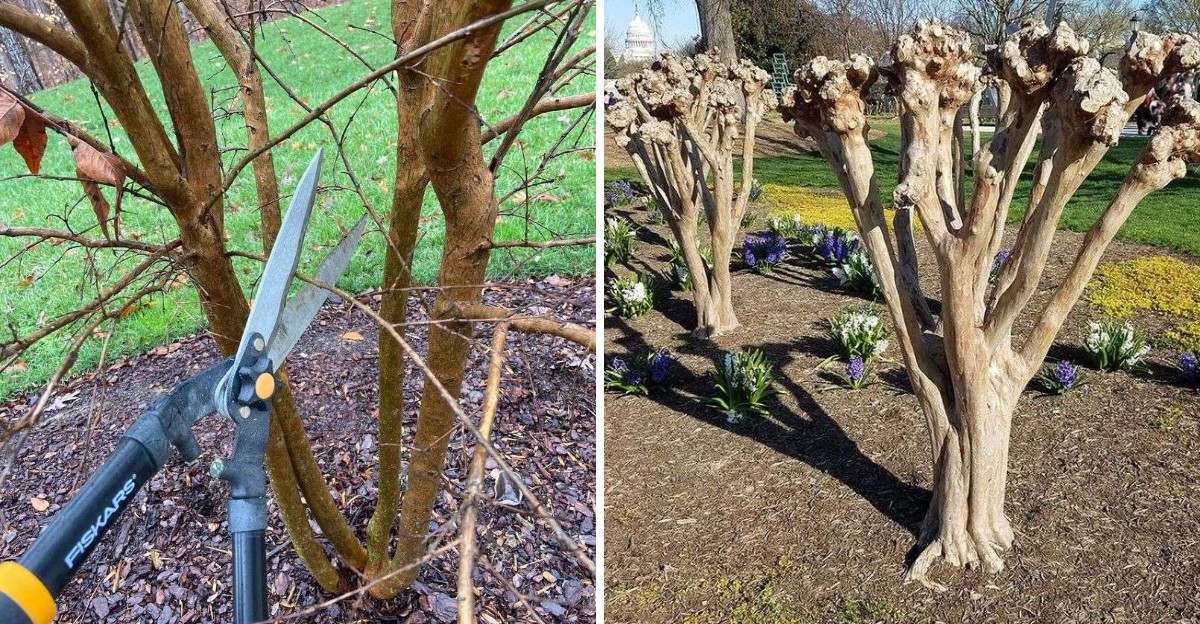
Drive through almost any neighborhood, and you will spot them. Crape myrtles chopped down to thick, knobby stumps that look like giant fists.
Gardeners and arborists have a colorful nickname for this habit, and it is not a flattering one. The practice of severely topping crape myrtles has become so widespread and so criticized in horticultural circles that experts across the South have been speaking out against it for years.
Fall is when a lot of folks get the urge to reach for the loppers and go all in.
Topping a tree this way causes several problems. The tree sends up a bunch of skinny whips from each cut.
Those whips often bend under the weight of flowers and look floppy.
Over time, the cut spots swell into ugly knuckles. The trunk loses its smooth, peeling bark look, which is one of the plant’s best features.
You also lose that graceful vase shape crape myrtles are famous for.
Many people top their trees because the plant grew too big for its spot. A smarter fix is choosing the right size variety from the start.
Dwarf and semi-dwarf types stay small without constant cutting.
If your tree needs shaping, follow a gentle plan in late winter. Remove crossing branches, suckers at the base, and anything growing inward.
Think thinning, not chopping. Your tree will keep its natural beauty and reward you with healthier blooms year after year.
7. Late Winter Is The Sweet Spot For Pruning
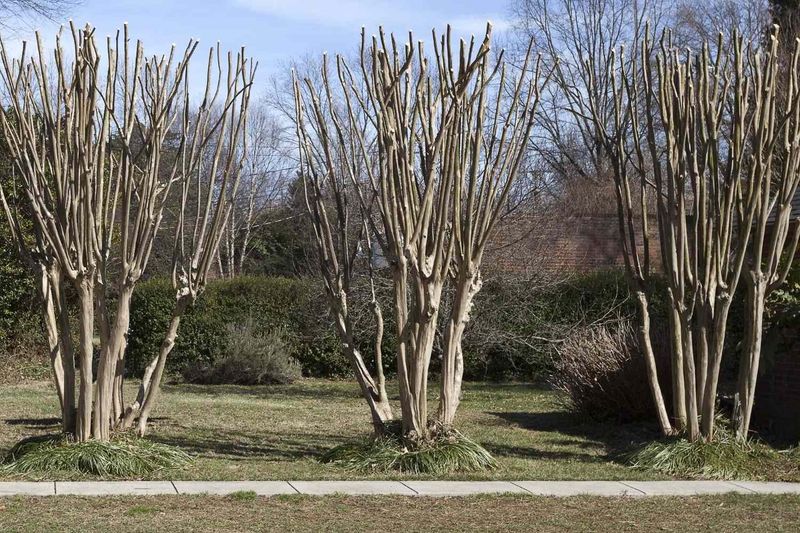
Timing really is everything in the garden. For crape myrtles, the best window usually opens in late winter, right before new leaves appear.
In most of the state, that means January through February. South Florida gardeners can lean toward the earlier end.
Folks in the Panhandle may wait until the end of February to dodge late frosts.
Why does this window work so well? The tree is resting, so cuts cause less stress.
Spring growth starts soon after, which helps wounds seal fast.
Bare branches also make the job easier. Without leaves in the way, you can see the tree’s structure clearly.
Spotting crossing limbs or awkward angles becomes simple.
Crape myrtles bloom on new wood, which is good news. Pruning in late winter does not cut off this year’s flowers.
Instead, it encourages fresh stems that will carry big summer blossoms.
Mark your calendar now so you do not forget. Sharpen your hand pruners and loppers ahead of time.
Gather gloves, a small saw, and rubbing alcohol for cleaning blades.
When the day arrives, step back often and look at the whole tree. Small, thoughtful cuts work better than big, rushed ones.
A calm afternoon in February can set your tree up for a gorgeous summer.
8. Better Fall Chores For Your Crape Myrtle
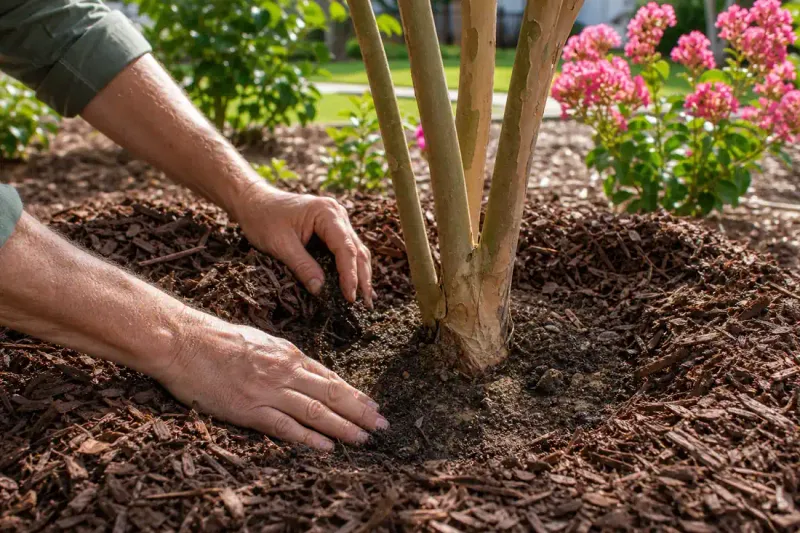
Just because pruning can wait does not mean your tree wants to be ignored. Fall offers plenty of helpful jobs that keep crape myrtles happy.
Start with mulch. Spread two to three inches of pine bark or pine straw around the base.
Keep it a few inches away from the trunk so moisture does not sit against the bark.
Mulch helps hold water in the sandy soil common across Florida. It also keeps roots cozy during cool nights.
As it breaks down, it adds nutrients to the ground.
Next, check your watering routine. Rainfall often drops in fall, and dry spells are common.
Give young trees a deep soak once a week if the weather stays dry.
Skip the fertilizer for now. Feeding in fall can push unwanted new growth, just like pruning does.
Save it for spring when the tree is ready to grow.
Take time to inspect the bark and leaves. Look for white bumps, sticky spots, or black mold.
Catching problems early makes treatment much easier.
Finally, pull weeds and grass growing near the trunk. They compete for water and nutrients.
A neat, clean base also keeps lawn mowers and string trimmers from nicking the bark by accident.
9. Patience Pays Off With Bigger Summer Blooms
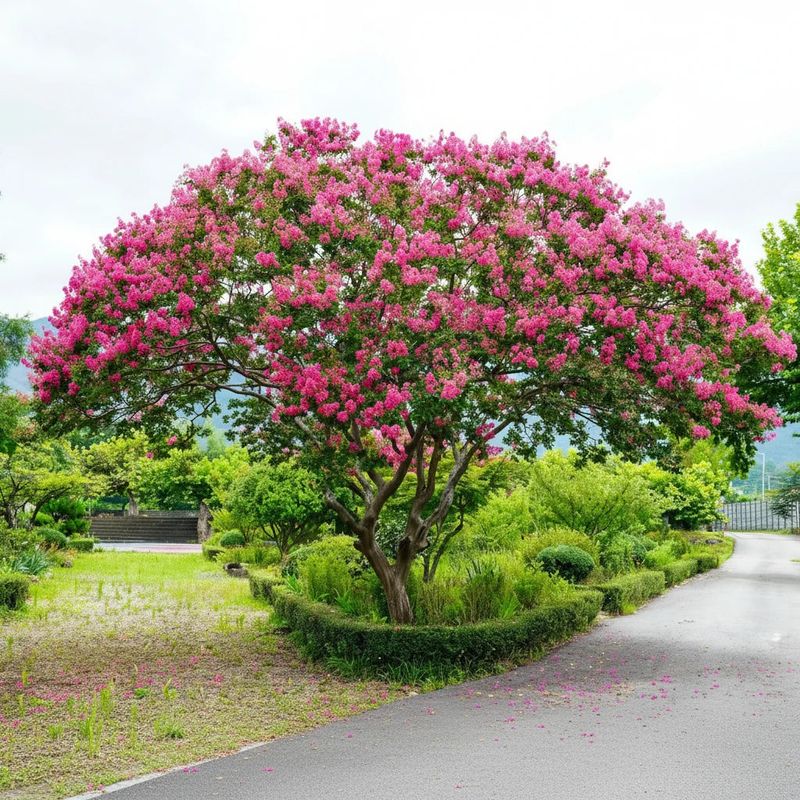
Few sights beat a crape myrtle in full summer glory. Clouds of pink, purple, red, or white flowers can stop neighbors in their tracks.
That beautiful display starts with choices you make right now. Holding off on fall pruning lets your tree rest, store energy, and stay strong.
All of that leads to a fuller bloom season.
Crape myrtles have been loved in the South for over 200 years. They were brought to the United States from Asia in the late 1700s.
Gardeners quickly fell for their long flowering season and tough nature.
In Florida, these trees can bloom from late spring well into fall. Some varieties even put on a second show if you snip faded flower clusters in summer.
That light deadheading is very different from heavy fall cuts.
Think of your patience as an investment. A few months of waiting can mean weeks of extra color.
Your yard becomes the one people slow down to admire.
Take photos of your tree each season to track its progress. You will notice how much healthier it looks year after year.
Share tips with neighbors, too, because a whole street of happy crape myrtles makes summer feel even sweeter.