How Michigan Gardeners Can Spot Onion Thrips In Home Celery Patches
Onion thrips have a way of quietly damaging celery well before most Michigan gardeners even realize something is wrong with their plants. By the time obvious signs appear, these tiny pests have often already spread across several stalks throughout the patch.
There’s a specific place to look, and a specific pattern to watch for, that most people never think to check until the damage becomes impossible to ignore.
Understanding exactly what to look for changes how early you can catch a problem that otherwise sneaks up on even attentive gardeners.
Many people assume celery issues come from watering or soil problems, missing the actual pest driving the damage entirely. Once you know what onion thrips actually look like up close, spotting them becomes a lot easier than you’d expect.
Catching this early could be the difference between a healthy celery harvest and one riddled with damage you didn’t see coming.
1. Look For Tiny Rice-Like Insects
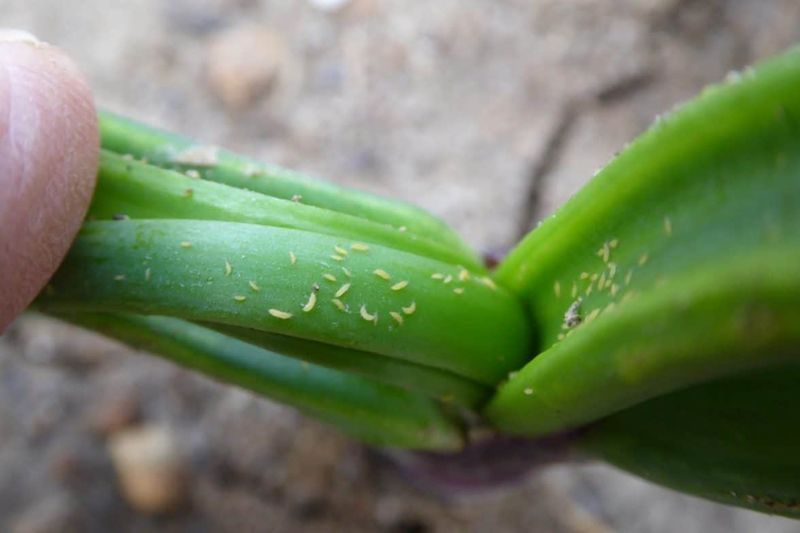
Picture a grain of rice shrunk down until it is barely bigger than a comma on this page. That is close to the size of an onion thrips, which makes them one of the trickiest pests to notice in a celery patch.
These insects are slender and pale, often yellow, tan, or light brown. Their bodies look narrow and stretched out, almost like a tiny sliver stuck to the plant. Because they are so small, you may need a magnifying glass to see them clearly.
Bring one outside on a sunny day and hold it over the leaves. Look along the stems and the undersides of the foliage, since that is where thrips like to gather. Move slowly, because sudden motion can make them scatter fast.
You might also spot their movement before you spot the bug itself. Thrips wiggle and dart in quick little bursts, so watch for tiny specks that suddenly shift position. That jerky motion is a helpful clue.
Michigan gardens can host many small insects, so it helps to compare what you see. Aphids are round and soft, while thrips are long and thin. Once you learn the shape, spotting them gets much easier.
Checking often builds your eye for these pests. The more you look, the faster you will recognize that skinny, rice-like body hiding in your celery. Early recognition puts you one big step ahead in protecting your plants.
2. Check Between Leaf Stems
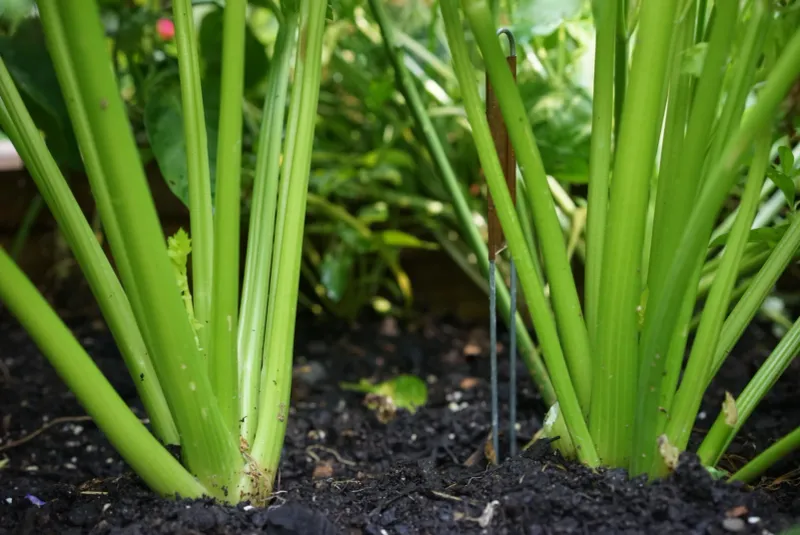
Thrips love a good hiding spot, and celery gives them plenty. The tight folds where stalks meet the plant become cozy shelters that shield these bugs from wind, rain, and hungry helpers like ladybugs.
Start your search at the heart of the plant. Gently spread the outer stalks and peek down into the center where new leaves are just starting to unfold. This soft, tender growth is a favorite feeding zone.
Pay attention to leaf folds too. Thrips slip into narrow creases and stay tucked away, which is why they are so easy to miss with a quick glance. You almost have to open the plant up to find them.
Your Michigan Garden Changes Every Week. Your Plan Should Too.
Gardening in Michigan changes quickly throughout the season. Every Friday you’ll receive a simple weekly plan showing exactly what to plant, prune, fertilize, harvest, and protect so you never miss the right timing.
Try using two hands. One hand can hold a stalk aside while the other holds a magnifier or your phone camera zoomed in. That extra light and focus reveals bugs you would never catch otherwise.
The spots where celery stalks join the base deserve close attention. Moisture and shade collect there, creating the exact conditions thrips enjoy. Run your eye slowly along each joint.
Michigan summers can bring humid days, and those muggy stretches encourage thrips to burrow deeper into protected areas. Checking after warm, sticky weather can help you catch a rising population.
Make this inspection a habit every few days. Once you know their favorite hideouts, you will check them automatically. That routine turns you into a sharp scout who spots trouble long before it spreads across the whole patch.
3. Watch For Silvery Damage
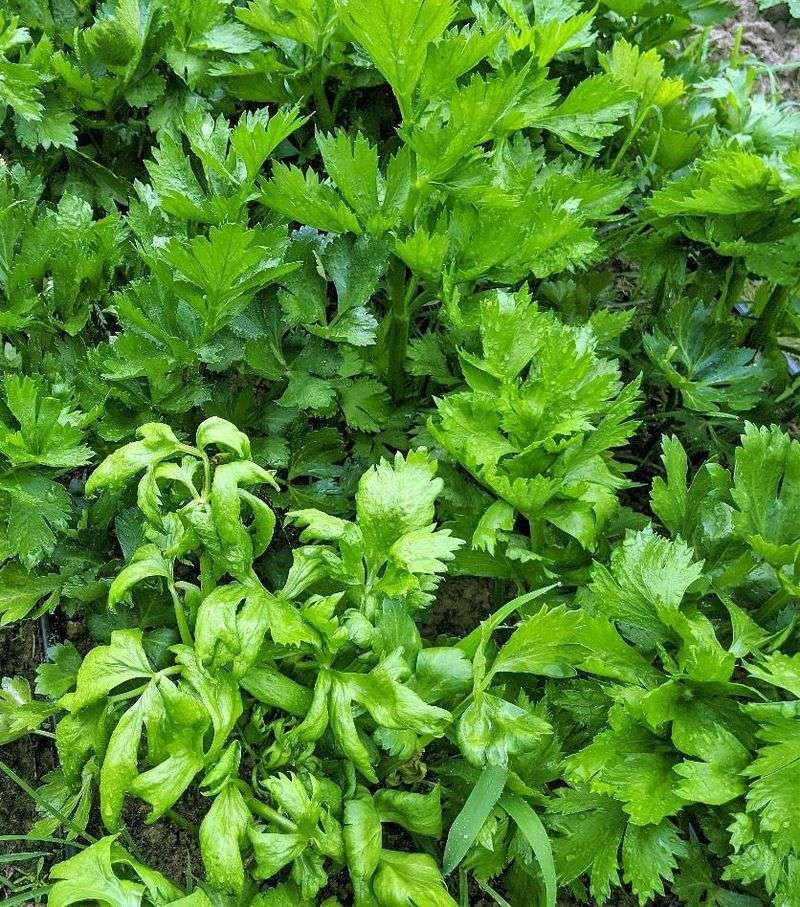
Sometimes you spot the trouble before you spot the bug. Thrips leave behind a clear signature, and once you know what it looks like, it stands out like a warning flag.
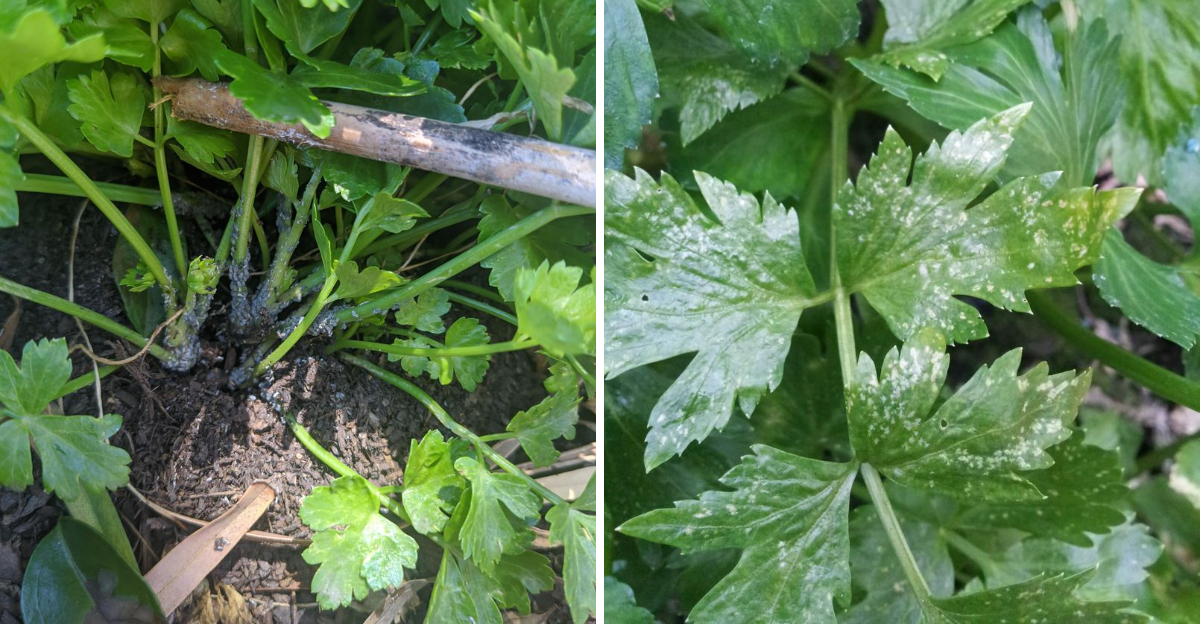
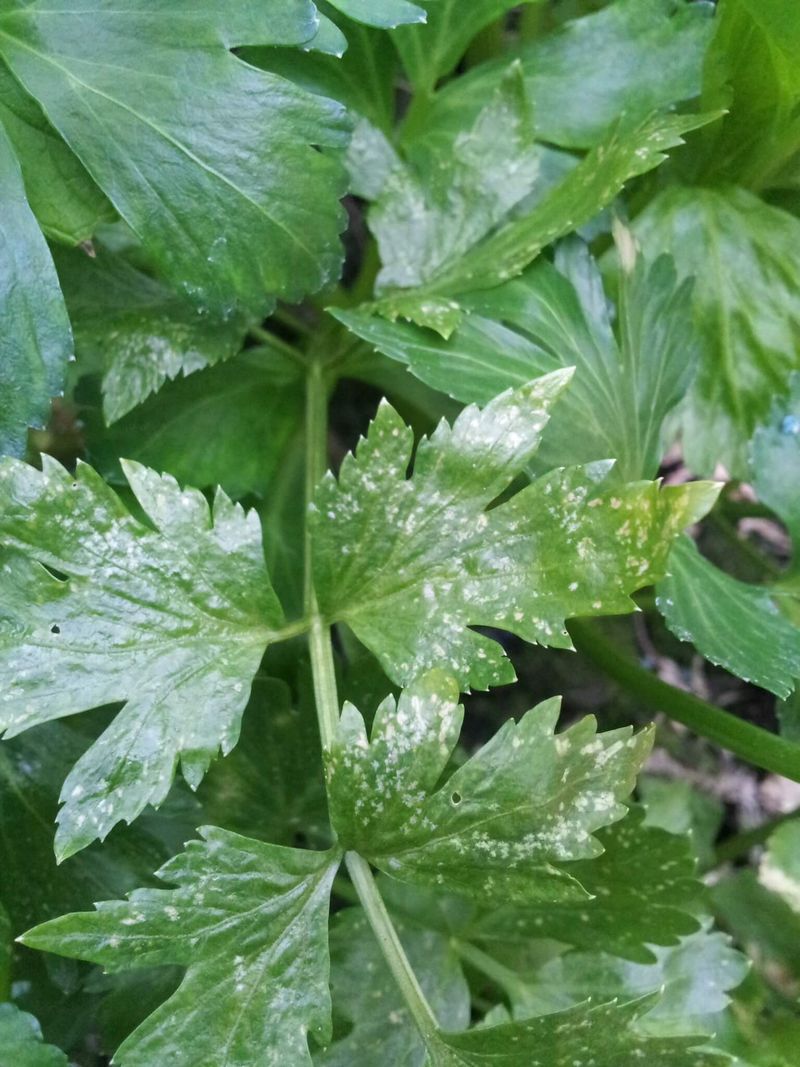
These insects feed by scraping the surface of leaves and stalks, then sipping the juices that leak out. That scraping removes the green color and leaves behind pale, silvery patches that almost shimmer in the light.
Tilt a celery leaf toward the sun and check for that metallic sheen. Healthy tissue looks a deep, even green, while damaged areas look scratched, faded, or dusty gray. The contrast is easy to catch once you train your eye.
Look closely and you might also see tiny black dots scattered across the silver spots. Those little specks are thrips droppings, and they confirm that the shiny damage came from feeding, not from something else.
Silvery streaks often show up on the stalks too, not just the leaves. Run your finger along the ribs and watch for rough or discolored lines that were not there before.
Michigan gardeners should keep an eye out especially during warm, dry stretches, since thrips feed more actively then. More feeding means more of that telltale shine appears.
Catching silvery damage early tells you thrips are already at work. Even if you cannot spot the bugs yet, the marks give you a reason to act. Treat that shimmer as an invitation to inspect more carefully and protect the rest of your patch.
4. Look For Distorted Growth
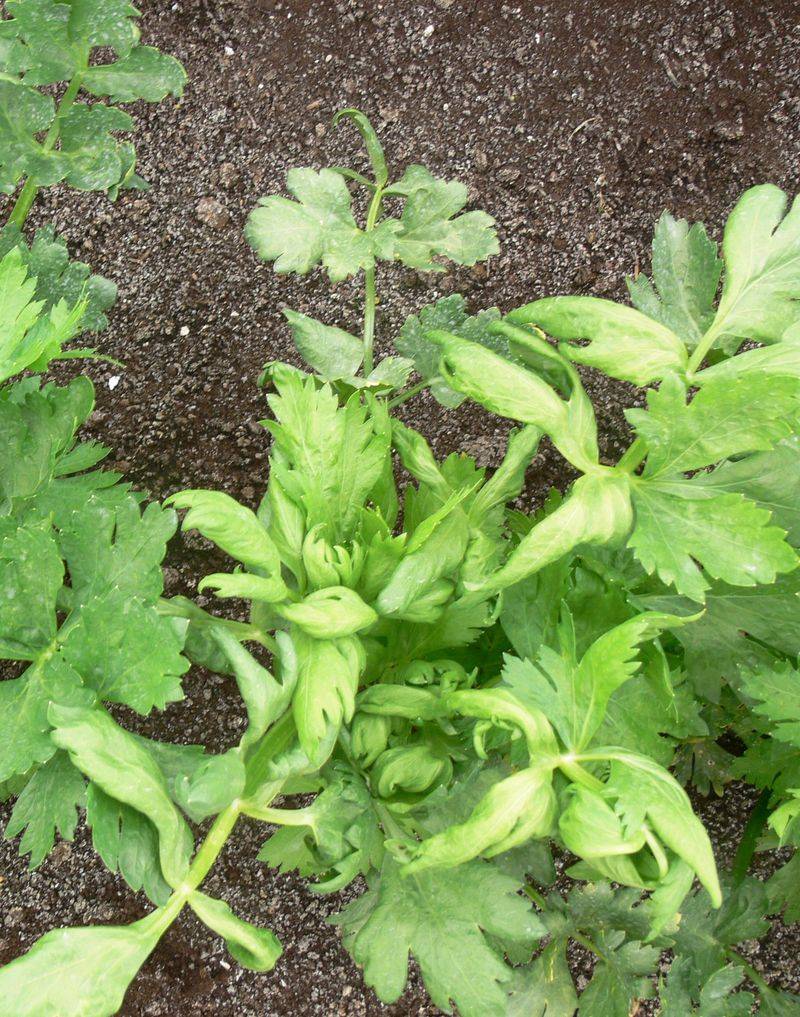
When thrips numbers climb, the whole plant starts to show it. Instead of standing tall and straight, celery begins to look bent, crumpled, and generally out of sorts.
Heavy feeding damages young cells before they finish growing. That leads to leaves that curl at the edges, twist into odd shapes, or pucker like crinkled paper. The plant simply cannot form smooth, flat foliage.
Color changes often join the twisting. Leaves may turn yellow, bronze, or dull instead of showing that bright, fresh green you want. Some spots look almost scorched even though the sun did not cause it.
Growth also slows down noticeably. A plant fighting a thrips problem puts energy into surviving rather than getting taller, so it may look short and weak compared to its neighbors.
Compare plants side by side to spot the difference. If one celery plant looks stunted and warped while others nearby look full and upright, thrips could be the reason behind the gap.
New growth in the center gives the earliest hint. Since thrips attack tender young leaves first, distortion usually starts at the heart of the plant and spreads outward.
Michigan gardeners who catch these signs should inspect right away, because distorted growth means the pests have been busy for a while. The plant is telling you it needs help.
Twisted leaves do not fix themselves, but healthy new growth can return once the pests are managed. Reading these clues keeps small setbacks from turning into a struggling patch.
5. Check Plants Near Onion Beds
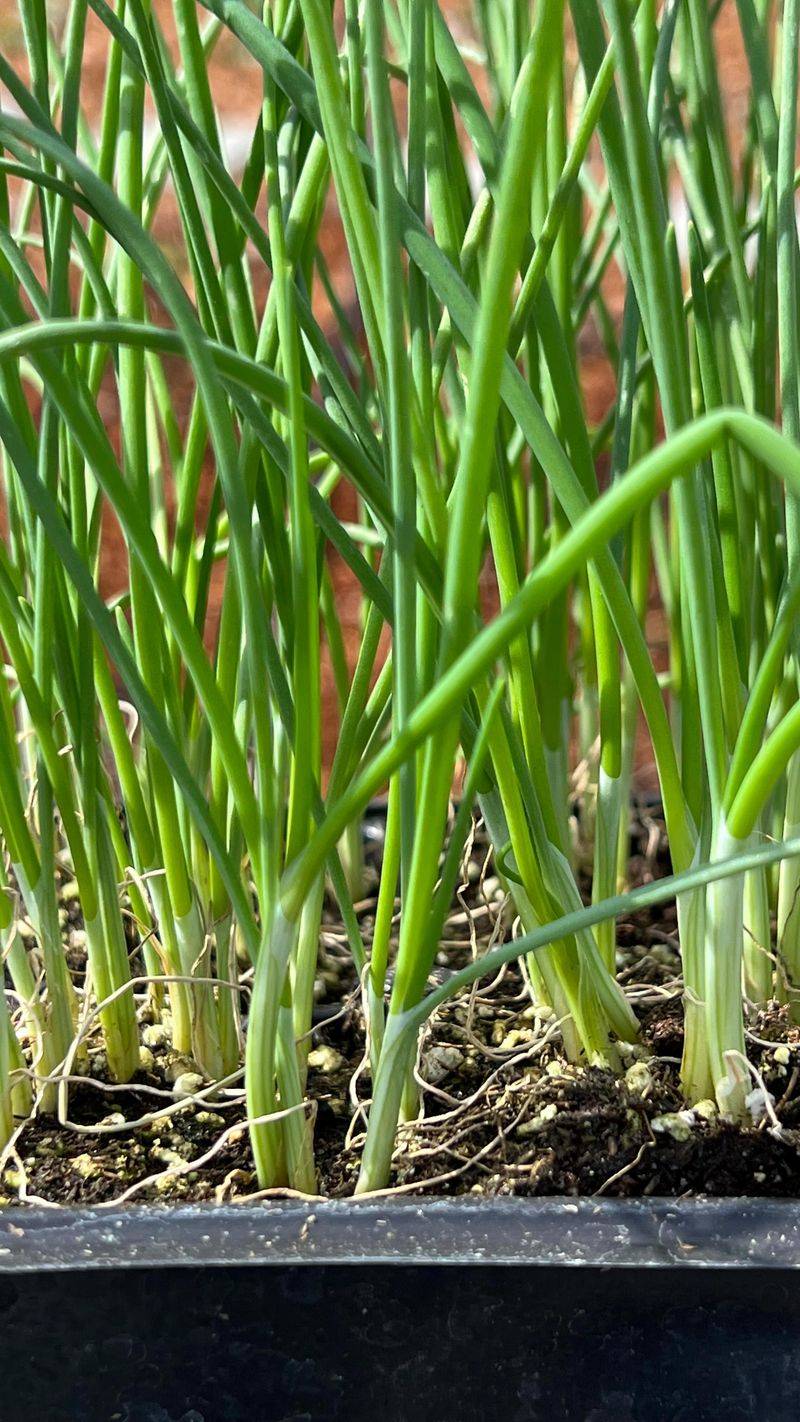
The name says it all: onion thrips have a strong love for onions. That connection matters a lot when you decide where to plant your celery.
Onions act like a magnet for these pests, drawing big populations as the plants grow. When the onion crop matures or gets harvested, all those thrips suddenly need a new place to feed, and nearby celery makes an easy target.
Give extra attention to any celery growing close to onion beds. As the onions finish their season, watch your celery even more carefully than usual, because a wave of thrips may be on the move.
Timing is everything here. Late summer in Michigan often lines up with maturing onions, so that stretch is exactly when neighboring celery faces the highest risk.
If you can, plant celery a little farther from onions, garlic, and leeks, since these relatives all attract thrips. A bit of distance can slow how quickly the pests jump over.
Should you already have both crops close together, plan on frequent checks. Look at the celery plants nearest the onions first, since they usually show the earliest signs.
You can also keep notes each year about which beds had thrips. That record helps you rotate crops smartly and avoid repeating the same crowded setup.
Knowing how thrips travel from one host to another gives you a real edge. A little planning around your onion beds protects the celery you worked so hard to grow.
6. Shake Leaves Over White Paper
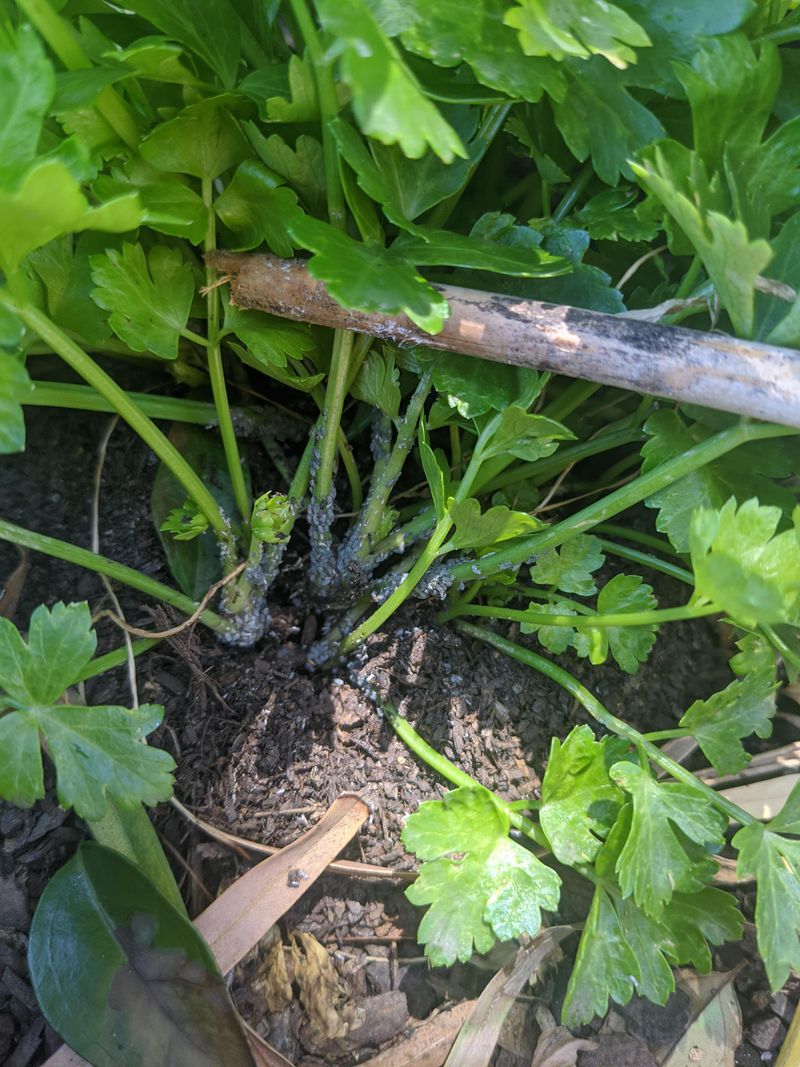
Here is a simple trick that works like magic for spotting bugs too small to see easily. All you need is a plain sheet of white paper and a steady hand.
Hold the paper flat right under a celery leaf or stalk. Then give the plant a few gentle taps or a light shake so anything hiding on it falls straight onto the bright surface.
Against the white background, thrips suddenly become visible as tiny moving specks. Their pale bodies stand out much better on paper than they ever do on a green leaf.
Watch closely for a few seconds. Thrips do not sit still, so you will see the specks crawl or wiggle across the sheet. That movement confirms you found live pests and not just bits of dust.
A white paper plate or an index card works just as well if that is what you have around. Some gardeners even use a light-colored cloth for the same effect.
Try this test on several plants across your patch, not just one. Checking different spots gives you a better picture of how widespread the thrips might be.
Do it in the morning when the air is calm, since wind can blow the tiny bugs away before you count them. A shaded, still moment gives the clearest results.
This quick method costs almost nothing and takes only a minute. For Michigan gardeners who want a reliable way to catch thrips early, the shake test is hard to beat.
7. Scout Before Damage Gets Severe
Thrips do not waste time. A small group can grow into a large crowd in just a couple of weeks, especially during warm Michigan summers when they reproduce quickly.
That fast growth is exactly why regular scouting matters so much. Checking your celery every few days lets you catch a rising population while it is still small and easy to handle.
Waiting too long lets the numbers snowball. Once thrips cover a plant, the silvery patches, twisting, and weak growth all pile up, and getting things back on track becomes much harder.
Set a simple routine to stay ahead. Pick a couple of days each week to walk through your patch, peek into leaf folds, and run the white paper test on a few plants.
Keep a small notebook or a note on your phone. Jotting down what you find helps you notice whether the problem is shrinking or spreading over time.
Early action gives you the most choices too. When you spot just a few thrips, gentle steps like a strong spray of water or insecticidal soap often do the job well.
Morning checks tend to work best, since the light is good and the bugs are less active. A calm, unhurried look reveals far more than a rushed glance.
Staying watchful turns pest control from a big battle into a small, easy chore. Michigan gardeners who scout often usually enjoy fuller, healthier celery and a lot less stress along the way.