The Florida Snake Myth About Mothballs That Doesn’t Actually Work
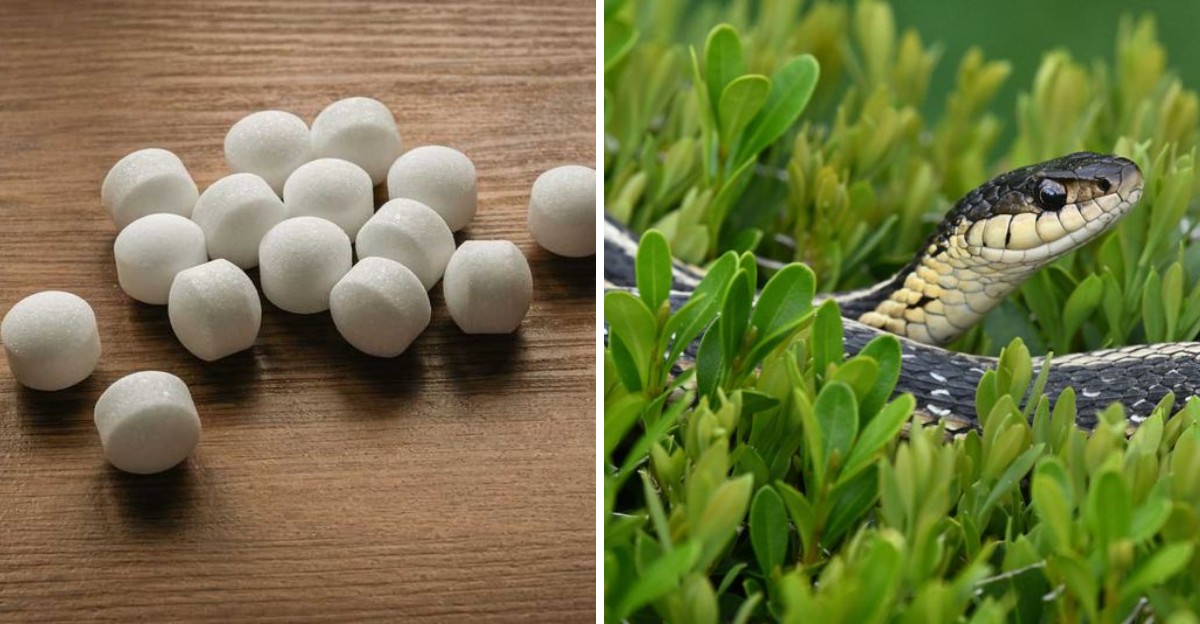
Researchers once set snakes loose in a pen scattered with those little white balls from grandma’s closet. The snakes slid right over them, and some even curled up beside them for a nap.
That detail made me laugh out loud. I grew up watching neighbors toss handfuls into flower beds, convinced the stink built an invisible wall around the yard.
In Florida, where black racers zip through the azaleas and garter snakes lounge under the hose reel, this trick still gets passed around like a family recipe.
I can’t imagine how many boxes have been sprinkled across lawns over the years. The smell lingers for weeks, so it feels like something must be working. Personally, I get the appeal of a quick and cheap answer.
The ones breathing in that sharp odor the most might be your pets, your garden, and you.
Snakes Slither Right Past That Mothball Smell
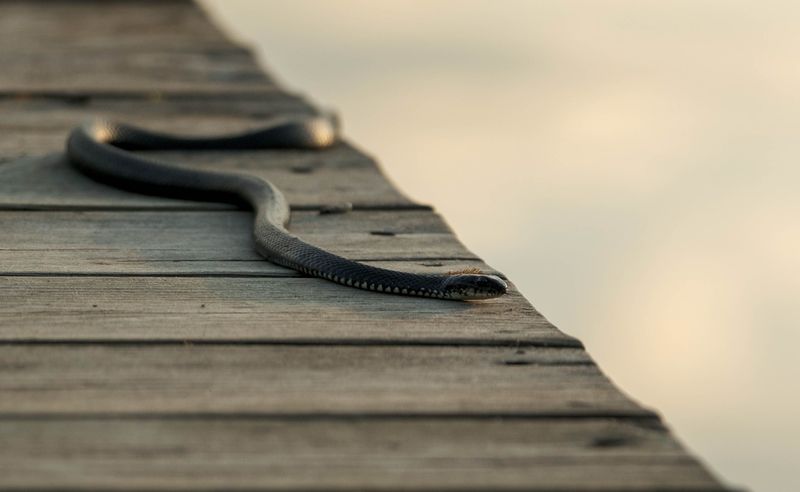
Those snakes in the pen test were not being brave. They simply did not care about the fumes, and that tells us a lot about how a snake senses the world.
A snake mostly gathers smells by flicking its forked tongue. The tongue picks up tiny bits of chemicals from the air and ground, then delivers them to a special spot in the roof of the mouth called the Jacobson’s organ.
That organ helps the snake track prey, find mates, and follow trails.
Humans react strongly to mothballs because our noses are tuned differently. A snake does not seem to read that odor as danger.
Wildlife experts and university extension specialists agree that mothballs do not repel snakes in any reliable way.
I find it a little humbling. We assume animals hate what we hate, yet a snake is busy hunting for a frog or a mouse, not judging the air quality.
So if you have been counting on that smell to guard your porch steps, it is time to rethink the plan. The scent bothers you, your family, and your neighbors far more than any snake slipping through the shrubs.
Those White Mothballs Are Actually Regulated Pesticides
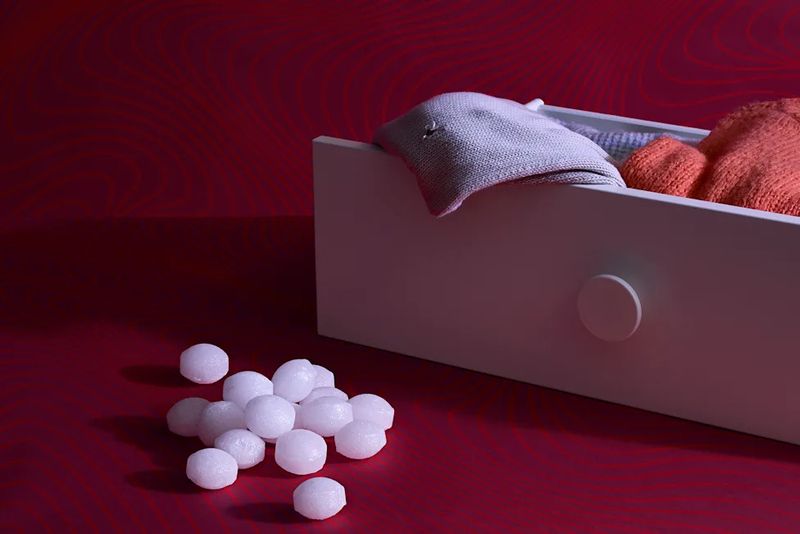
Flip over a box of mothballs and read the tiny print. You will find a pesticide registration number, because the EPA treats these products as pesticides.
Most mothballs contain either naphthalene or paradichlorobenzene. Both turn from solid to gas slowly, which is how they work against clothes moths.
They are meant for tightly sealed containers, like a closed garment bag or an airtight storage box.
Here is the part many people miss. Pesticide labels carry legal weight, and using a product in a way the label does not allow breaks federal law.
Mothball labels do not list snakes, and they do not allow scattering the balls in yards, gardens, or crawl spaces.
The National Pesticide Information Center, run with Oregon State University, has warned about this misuse for years. Outdoor use wastes money and spreads chemicals where they were never designed to go.
I like to think of the label as the manual. If a snake, squirrel, or raccoon is not listed, the product is not approved for that critter.
Following the instructions keeps you on the right side of the law and keeps your garden cleaner too.
Kids and Pets Face the Biggest Risk From Mothball Fumes
A mothball looks a lot like a mint or a piece of candy. To a toddler or a curious puppy, that small white ball in the flower bed seems like a treat waiting to be grabbed.
Swallowing mothballs can make children and pets very sick. Naphthalene is the bigger worry because it can damage red blood cells, a condition called hemolytic anemia.
Signs may include vomiting, weakness, pale gums, and dark urine.
Breathing the vapors can cause trouble too. People often report headaches, dizziness, nausea, and irritated eyes or throats.
When balls sit near windows, vents, or doorways, those fumes can drift indoors.
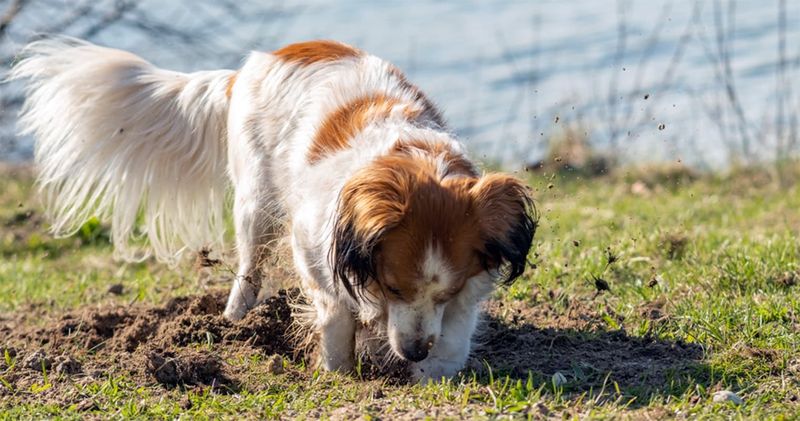
Cats seem extra sensitive to these chemicals, and dogs love to dig in fresh mulch. That combination makes a yard sprinkled with mothballs a real gamble.
If you suspect a child swallowed one, call Poison Control at 1-800-222-1222 right away. For pets, reach your veterinarian or an animal poison hotline quickly.
Personally, I would rather keep my garden a place where little hands and paws can explore safely. Picking up any old mothballs from beds and porches is a smart weekend chore.
Soil, Water, and Garden Wildlife Feel the Chemicals Too
Rain does not wash a problem away. It often carries it somewhere new, and mothball chemicals are no exception.
When mothballs sit outdoors, the vapors escape into the air while bits can seep into soil and runoff. Florida gets heavy summer storms and has a high water table in many areas, so chemicals in the yard can move toward ditches, ponds, and groundwater more easily.
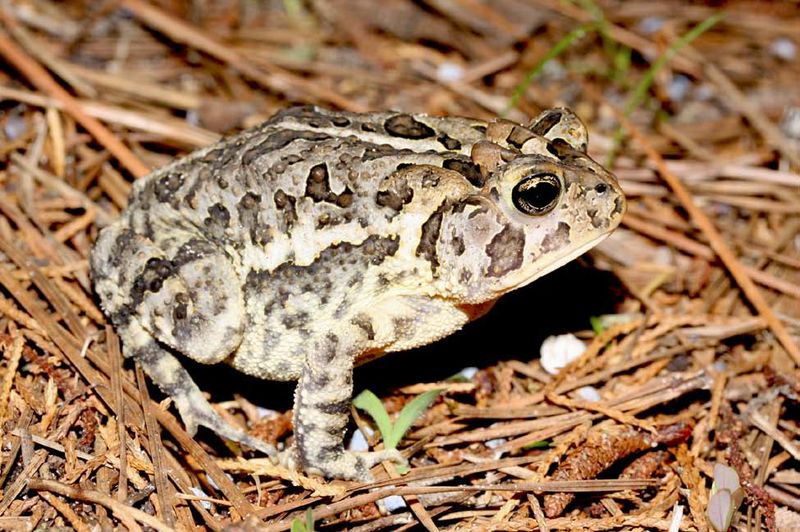
That matters for the creatures doing quiet work in your garden. Earthworms, toads, lizards, pollinators, and helpful insects all live close to the ground.
Exposing them to pesticides meant for a sealed closet makes little sense.
I picture the anole doing push-ups on my fence and the toad hiding under the bird bath each evening. Those little neighbors eat insects I would rather not see on my tomatoes.
Vegetable gardeners should be especially careful. Keep any chemical products far from edible plants unless the label clearly allows that use.
A healthy yard runs on balance. Removing leftover mothballs and skipping them in the future protects the soil life that feeds your plants and the critters that help control pests naturally.
Clear Out Brush Piles Where Snakes Love to Hide
Snakes are not picky about luxury. A loose pile of boards, a heap of palm fronds, or a stack of old pots looks like a five-star hotel to them.
Shelter is one of the two big reasons snakes settle into a yard. Cutting back hiding spots is one of the most effective steps you can take, and it costs very little.
Start with easy wins. Keep grass mowed, trim shrubs so they do not touch the ground, and rake up thick leaf piles.
Move firewood onto a raised rack and keep it away from the house.
Look closely at gaps too. Snakes can slip into cracks in foundations, holes near pipes, and spaces under doors or sheds.
Sealing those openings with sturdy material helps keep them outdoors where they belong.
In Florida, lush growth returns fast during the rainy season, so plan regular tidy-up sessions from late spring through fall. A quick monthly walk around the yard can reveal new clutter before it becomes a snake hideout.
I actually enjoy this work. My garden looks neater, and I spot fewer surprises when reaching for the hose.
Fewer Rodents Means Fewer Hungry Snakes in Your Yard
Follow the food, and you will usually find the snake. Rats, mice, frogs, and lizards draw hungry visitors faster than anything else in a yard.
Many common snakes visit because dinner is easy to find. If you cut back the menu, they tend to move on to better hunting grounds.
Spilled birdseed is a classic rodent magnet. Use a tray under feeders, sweep up scattered seed, or bring feeders in at night if mice become a problem.
Store pet food and livestock feed in sealed metal or thick plastic bins.
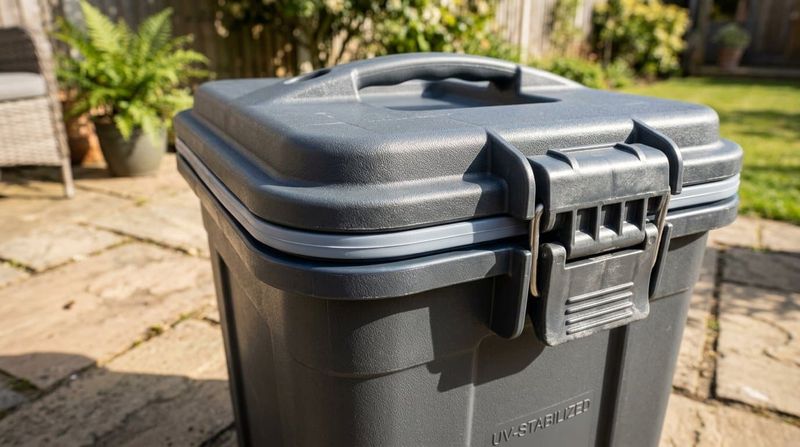
Garbage cans need tight lids. Compost bins should be closed and managed well, without meat or greasy scraps.
Fallen fruit from citrus or mango trees can feed rodents too, so pick it up regularly.
Here is a fun twist. Some snakes, like rat snakes, help control the very rodents that attract them.
That is part of why many experts suggest tolerating harmless snakes when you can.
Still, nobody wants a rat party by the back door. Keeping food sources tidy lowers rodent numbers, and the snakes often lose interest on their own.
Spotting a Snake on the Patio Calls for Calm Steps
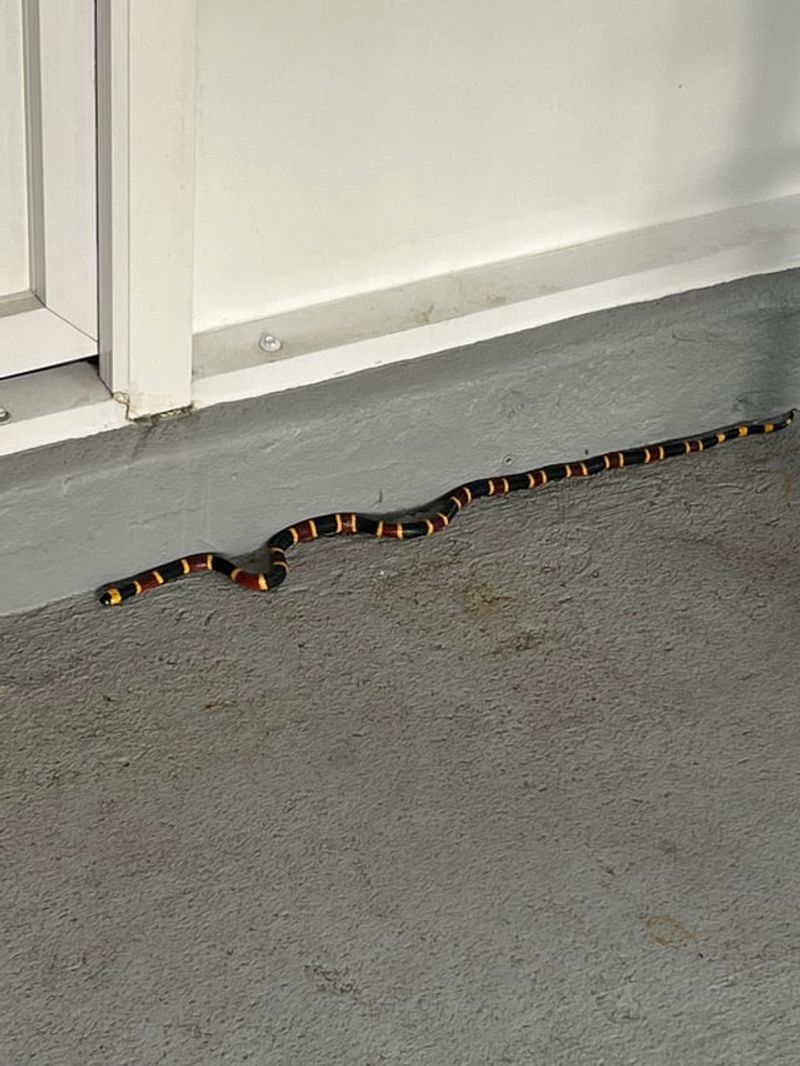
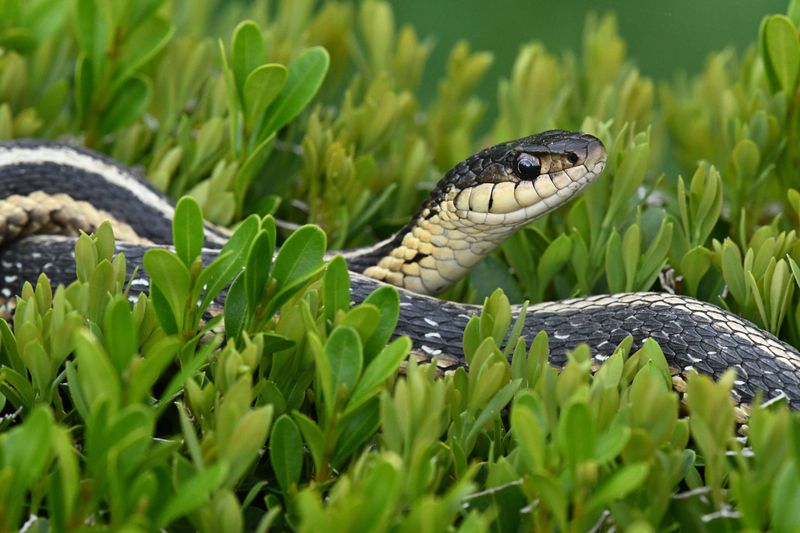
My heart jumped the first time a black racer zipped past my sandals. Seconds later, it was gone, far more scared of me than I was of it.
Florida has around 46 native snake species, and only six are venomous. Those six are the eastern diamondback rattlesnake, timber rattlesnake, pygmy rattlesnake, cottonmouth, copperhead, and eastern coral snake.
Copperheads and timber rattlesnakes live mainly in the northern part of the state.
When you see a snake, stop and step back. Give it room, keep kids and pets away, and let it leave.
Most bites happen when people try to grab, move, or harm a snake.
The Florida Fish and Wildlife Conservation Commission protects native snakes, and some species, like the eastern indigo snake, are federally threatened. Harming them can bring penalties.
If a snake ends up inside your home or garage, or you think it may be venomous, call a licensed wildlife trapper. The FWC website lists nuisance wildlife trappers by county.
Learning a few local species can ease a lot of worry. Free identification guides from the University of Florida are a great place to start.
Swap Mothballs for Smarter Snake Fencing and Habits
Now for the hopeful part. Once you toss the mothballs, you have room for methods that truly make a difference.
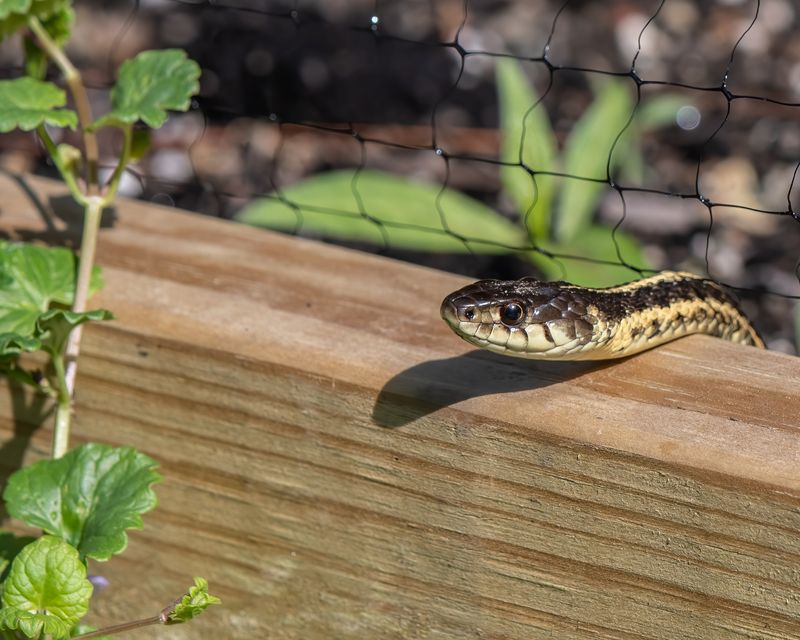
A snake fence can protect a small area, like a play space or garden bed. Use fine mesh hardware cloth with openings of a quarter inch or smaller.
Bury the bottom a few inches into the soil and angle the top outward, then keep plants trimmed away so snakes cannot climb over.
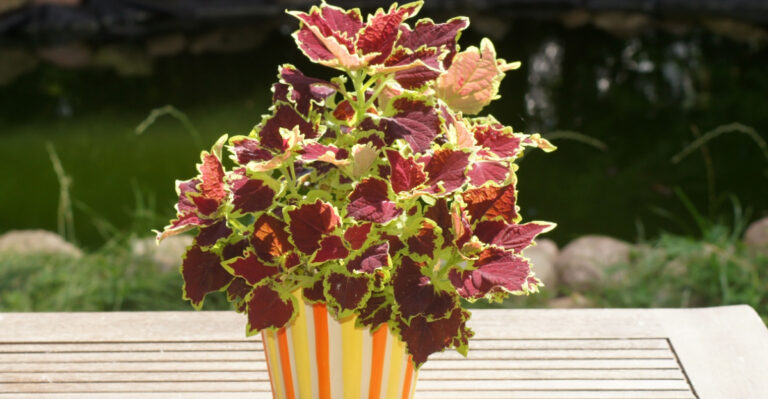
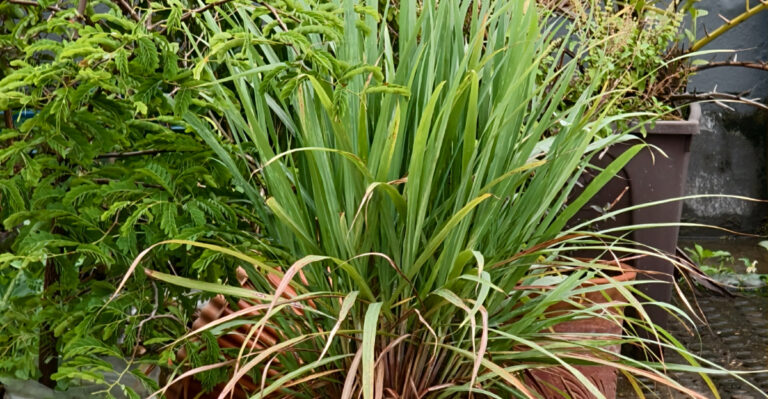
Be careful with store-bought repellents. University of Florida experts note that most products, including sulfur blends and so-called snake plants, have little solid evidence behind them.
Marigolds and garlic are lovely in a garden, yet they are not a dependable snake shield.
Steady habits work best. Keep the yard tidy, manage food sources, seal openings, and check high-risk areas often.
I also suggest disposing of old mothballs properly. Contact your county household hazardous waste program for drop-off options instead of tossing them in the yard.
A calm, informed approach makes your outdoor space safer for everyone. Snakes keep doing their pest-control job nearby, and you get to enjoy your garden without that eye-watering smell.