The Florida Yard Upgrade That Reduces Both Water Bills And Pest Problems At The Same Time
Water bills and pest problems do not seem like they belong in the same conversation. One is a utility issue.
The other is a yard management issue. In Florida, they share a root cause more often than anyone connects them, and fixing one without addressing the other leaves half the problem intact.
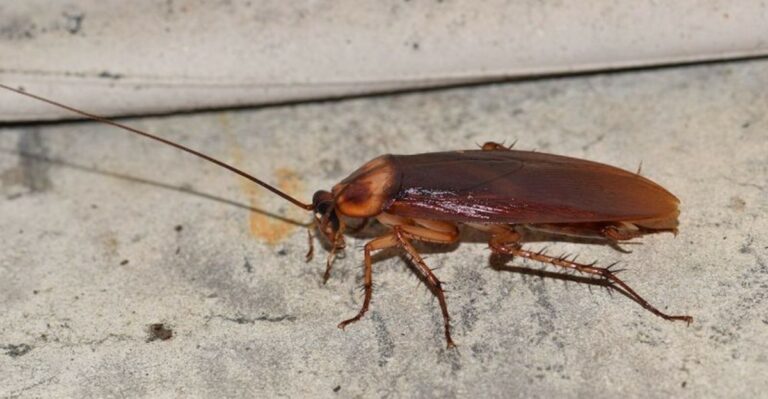
Florida yards that run high irrigation tend to create exactly the moist, dense, ground-level conditions that pests find most useful. Ticks, roaches, mosquitoes, and rats all benefit from what an overwatered yard quietly provides.
One yard upgrade addresses both at the same time. It changes how water moves through the landscape.
It also reduces what the irrigation system has to compensate for and removes the conditions that made the yard attractive to pests. It is not a product.
It is a structural change. And Florida yards that have made it tend to look better on top of everything else.
1. Replace Thirsty Turf With Planned Planting Beds
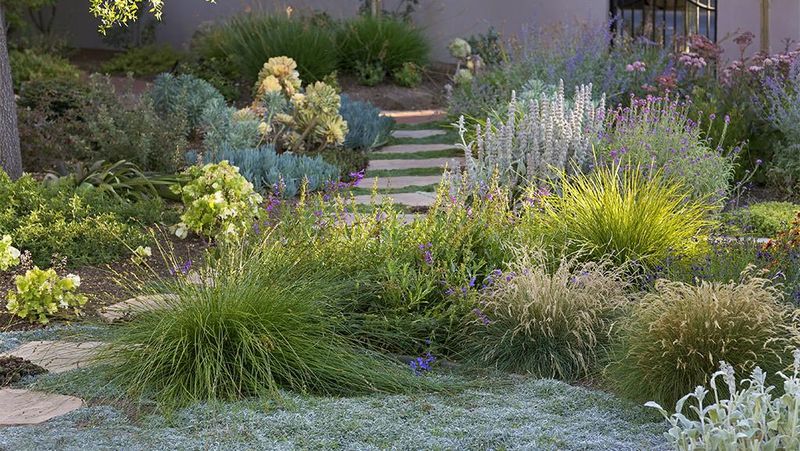
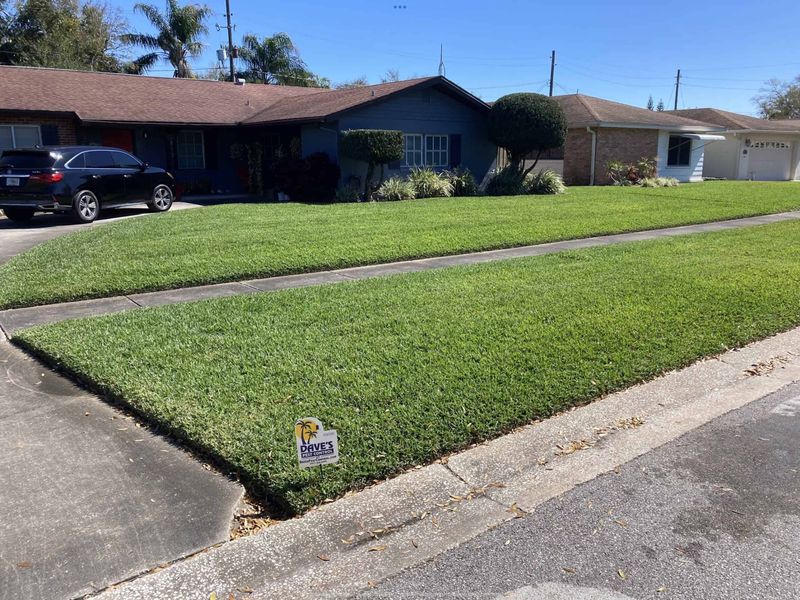
That skinny strip of grass along the driveway edge is one of the most expensive places in the Florida yard to maintain. It gets hit by sprinklers, baked by reflected heat, and walked on just enough to stay thin and patchy.
Replacing it with a planned planting bed is the core of this upgrade.
The goal is not to remove every blade of turf from the property. Grass still makes sense where people walk, kids play, or where open space is needed for recreation and footing.
The upgrade targets the low-use strips, the hot corners, the fence lines, the foundation edges, and the side yards where turf keeps struggling no matter what.
A planned bed should have clean edges to define the space and keep mulch contained. It needs plants suited to the site conditions, a layer of mulch, and access paths if the bed is wide enough to require maintenance from the inside.
Start small if the project feels big. One problem strip converted into a healthy bed is a real improvement.
Over time, those small wins add up to less water running off pavement and fewer stressed plants attracting pest attention near the house.
2. Choose Plants That Match The Site
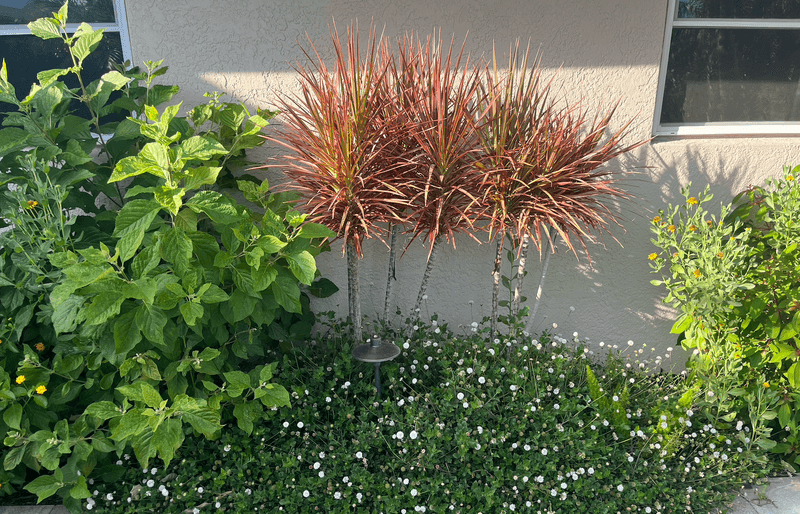
Matching the plant to the site sounds simple, but it is the step most often skipped in a rush to get something green in the ground. A shade-loving plant shoved into full afternoon sun will struggle from its first week.
A moisture-sensitive shrub planted in a low-drainage corner will stay stressed through every rainy season.
Stressed plants are more vulnerable. Insects and disease tend to find weakened plants faster than healthy ones.
Choosing a plant that fits the site’s sun, soil, drainage, salt level, wind exposure, mature size, and root space reduces stress from the start.
Check the mature size before planting anything near a wall, walkway, window, or utility line. A shrub that looks small at the nursery can crowd a foundation or block a vent within a few years.
UF/IFAS, county extension offices, and the Florida-Friendly Landscaping program all offer verified plant lists organized by site conditions. Using those resources is worth the time.
Your Florida Garden Changes Every Week. Your Plan Should Too.
Gardening in Florida changes quickly throughout the season. Every Friday you’ll receive a simple weekly plan showing exactly what to plant, prune, fertilize, harvest, and protect so you never miss the right timing.
Even well-matched plants can occasionally get pests. But a plant growing in the right place is more likely to stay healthy and recover quickly when problems appear.
3. Group Plants By Water Needs
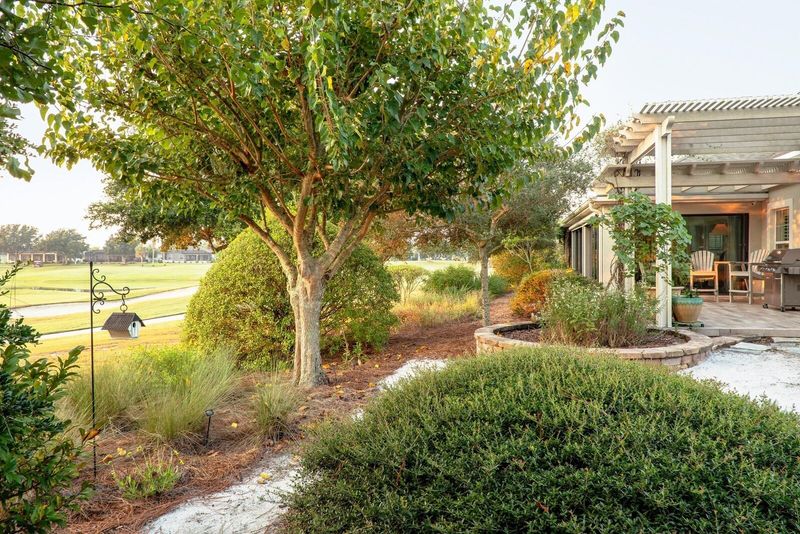
Hydrozoning means grouping plants with similar water needs together. Each zone can then be watered at the right frequency without overwatering or underwatering.
It is one of the most practical design ideas for reducing irrigation waste in a new planting bed.
When drought-tolerant plants share a zone with moisture-loving ones, the irrigation schedule becomes a guessing game. Water enough for the thirsty plants and the dry-loving ones get soaked on a regular basis.
Hold back to protect the drought-tolerant ones and the moisture-lovers suffer. Either way, some plants stay stressed, and stressed plants tend to attract more insect and disease pressure over time.
Grouping by water need also makes irrigation scheduling much easier to manage. A bed of drought-tolerant Florida native groundcovers along a hot sunny edge can run on a very different schedule than a bed of flowering perennials near a shaded porch.
Even hand watering becomes more targeted when the zones are clear. For foundation plantings, patio edges, and new beds near the house, hydrozoning keeps moisture in the right places.
It also avoids running irrigation across areas that do not need it.
4. Add Drip Irrigation Where Sprinklers Waste Water
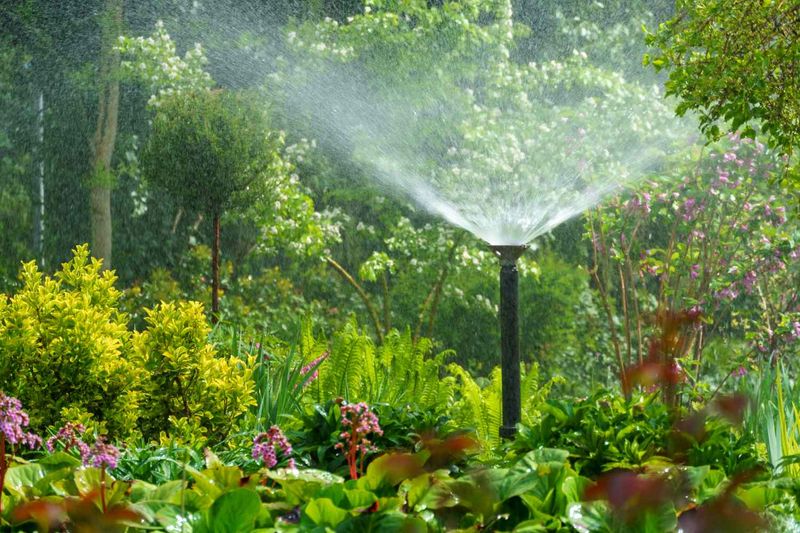
Sprinkler heads aimed at a planting bed often water the sidewalk, mulch surface, or air between plants. They miss the root zones that actually need moisture.
Drip irrigation or micro-irrigation can change that by delivering water slowly and directly near the roots of individual plants.
In a well-designed planting bed, drip lines can reduce overspray, limit the amount of foliage that stays wet, and target water where it does the most good. Keeping foliage drier can also reduce the conditions that encourage certain fungal problems.
That said, drip systems are not the right answer for every bed or every site. Sprinklers, micro-spray heads, hand watering, or seasonal rainfall may still be part of the plan depending on the plant mix, bed size, and layout.
Any drip system needs regular maintenance to work correctly. Filters need cleaning, emitters can clog, pressure should be checked, and the system needs seasonal adjustment as plants mature and water needs shift.
Local watering restrictions apply to drip systems just as they apply to other irrigation. Always check local rules before changing irrigation zones, and call before digging to avoid utility lines.
A well-maintained drip system is a useful tool, not a guaranteed savings plan for every yard.
5. Use Mulch To Cool Soil And Block Weeds
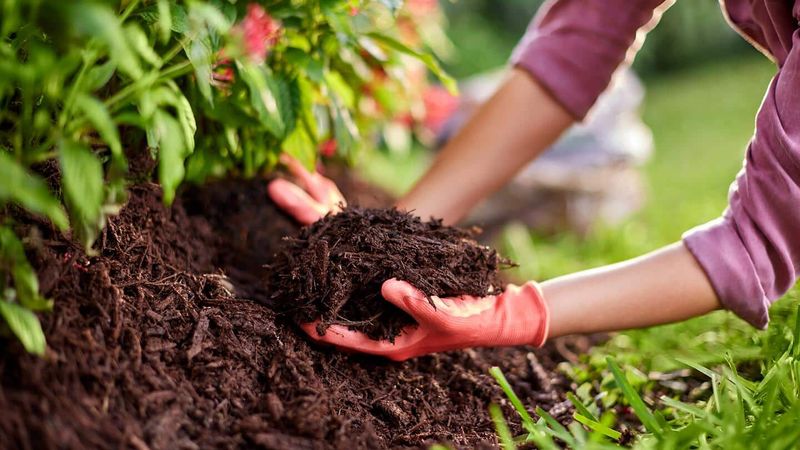
A fresh layer of mulch does several things at once in a planting bed. It slows evaporation from the soil surface, which means the bed holds moisture longer between waterings.
It moderates soil temperature during the hottest months, which helps roots stay healthier. It also reduces weed pressure, which means less competition for water and nutrients.
Two to three inches of mulch is generally enough for most planting beds. Going deeper than three or four inches can create problems.
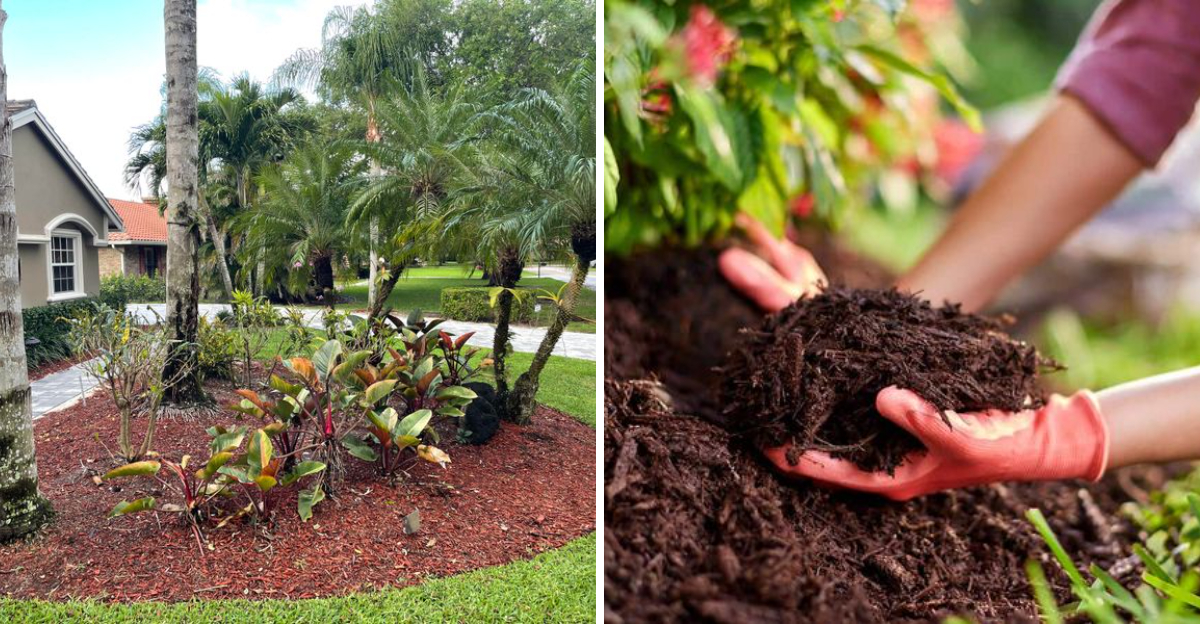
Thick, wet mulch piled against plant stems or trunks can soften tissue and invite rot and insects. Mulch pressed against a house foundation or wall can create damp, sheltered spaces that attract pests looking for cover near the structure.
Pull mulch back a few inches from stems, trunks, and the base of the house. Keep the bed surface loose enough to allow some airflow, and refresh mulch as it breaks down rather than piling on new layers over old compacted material.
Organic mulches like pine bark or wood chips break down over time and add organic matter to sandy soil, which is a common condition in many parts of this state.
Used correctly, mulch is one of the most cost-effective tools in a water-wise planting bed.
6. Keep Plants Spaced For Better Airflow
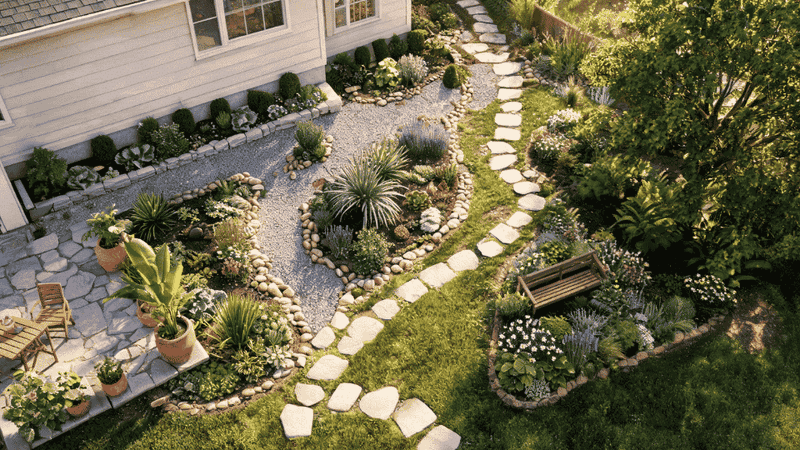
Crowding plants together for an instant lush look is one of the most common mistakes in a new planting bed. It feels satisfying at first, but within a season or two, the plants start competing for light, water, and airflow.
Leaves stay wet longer after rain or irrigation, and that moisture creates conditions where fungal problems can spread more easily.
Shrubs planted too close to walls, vents, windows, or walkways become difficult to inspect and maintain as they fill in. Dense growth pressed against a wall or window frame can trap moisture and give insects a sheltered path into the structure.
Spacing plants for mature size leaves room for air to move through the bed and for leaves to dry after rain. It also lets homeowners check for early pest activity.
Check the mature width of each plant before placing it in the bed. A plant listed at four feet wide at maturity should not be placed two feet from the wall or two feet from its neighbor.
Starting with a little open space between plants feels sparse at first, but it pays off in a healthier bed that is easier to manage. Groundcovers and mulch can fill gaps while shrubs grow to their intended size.
7. Reduce Pest Pressure Before Spraying Anything
Reaching for a spray bottle the moment a pest appears skips the most important steps. Correct identification comes first.
Treating the wrong pest with the wrong product wastes money, can harm beneficial insects, and rarely solves the actual problem. A caterpillar, a scale insect, and a fungal spot all look different up close and need different responses.
Integrated pest management, often called IPM, is an approach that prioritizes prevention and inspection before treatment. It starts with healthy, correctly placed plants that are watered properly and spaced for airflow.
A plant growing in the right conditions is not immune to pests. But it often recovers faster and attracts fewer recurring problems than a stressed plant in the wrong spot.
Sanitation matters too. Removing fallen leaves, trimming withered stems, and cleaning up debris around the bed reduces the hiding spots and food sources that some pests depend on.
When a problem does appear and persists, UF/IFAS, county extension offices, and licensed pest management professionals can help with identification and treatment options.
Broad pesticide sprays applied without identification can disrupt the beneficial insects that naturally keep some pest populations in check.
Prevention and correct identification are the most practical starting points for any pest concern in a Florida planting bed.
8. Let The Yard Use Less Water By Design
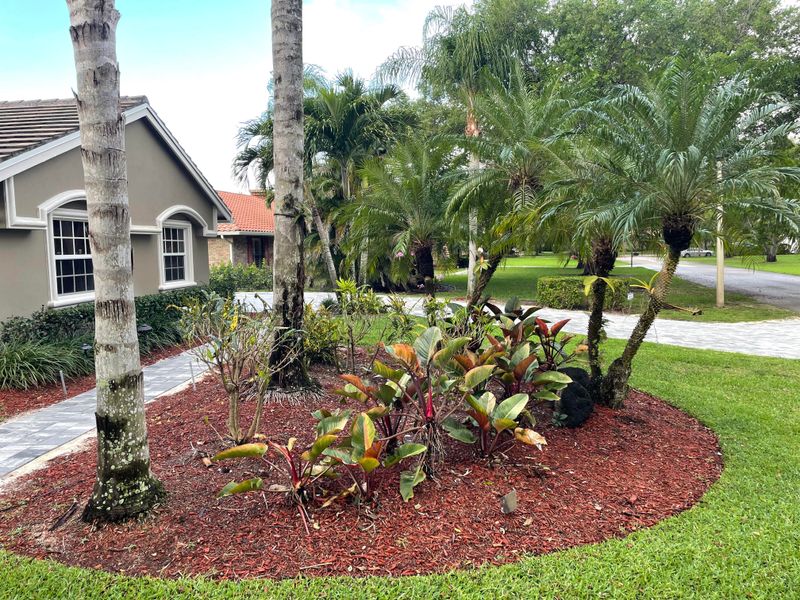
Saving water in the yard is not really about one product or one trick. It comes from the design itself.
When the right turf areas are replaced with planned beds, plants match the site, and water needs are grouped into zones, the yard uses less water. Aiming irrigation at root zones instead of pavement makes that savings part of the design.
Water bills and pest pressure both depend on more than just plant selection. Irrigation settings, seasonal rainfall, soil type, local restrictions, maintenance habits, and weather all play a role.
No upgrade eliminates every pest or guarantees a specific dollar amount saved. What a well-designed bed does is reduce the waste and stress that drive both problems in the first place.
Start with one problem area, a weak side yard strip, a hot driveway edge, or a foundation bed where the sprinklers keep soaking the wall. Get the design right in that spot, then build from there.
Keep turf where it serves a real purpose. Use mulch, correct spacing, site-matched plants, and irrigation that targets the root zone.
Check the bed regularly for early pest signs and adjust irrigation seasonally. A yard designed to work with the local climate costs less to maintain and stays healthier over time without constant intervention.