How To Water A Florida Lawn In July Without Wasting Every Drop
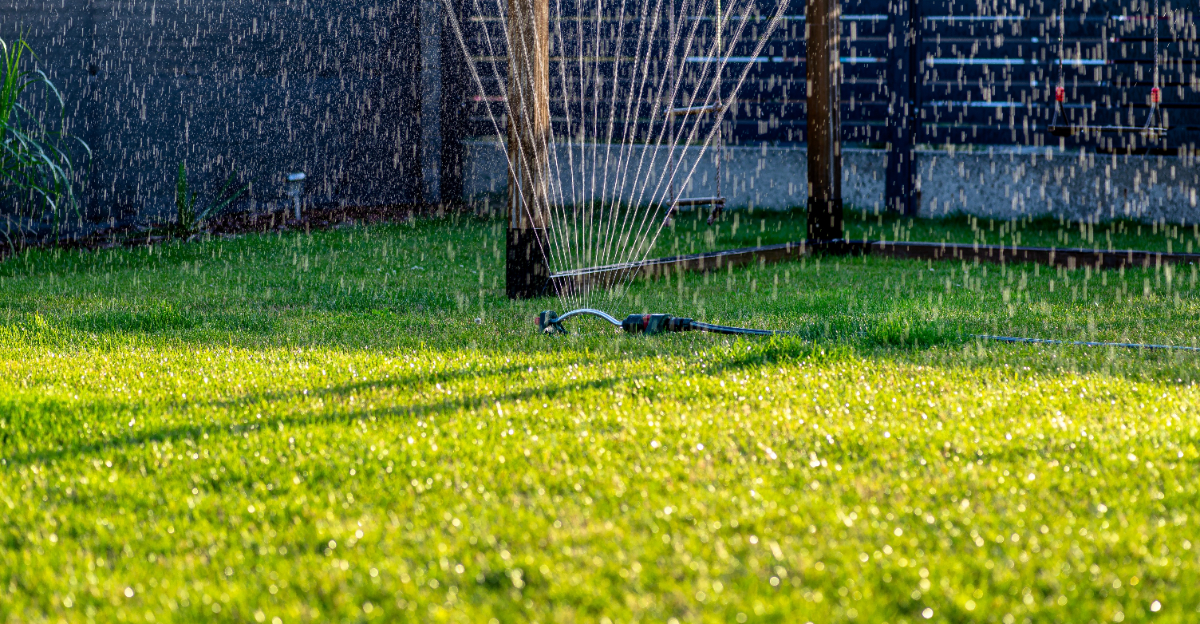
Florida July and water bills have a complicated relationship. The rainy season is running, the lawn looks like it should be fine, and yet the irrigation keeps firing on schedule and the grass still shows stress by midweek.
Something in that equation is not adding up, and most Florida homeowners are paying for the gap without knowing where it is. Watering a Florida lawn efficiently in July is not about watering less.
It is about watering right. The timing, the duration, the frequency, and where the water actually lands all matter more in July than at any other point in the lawn calendar.
Most irrigation habits that work fine in spring stop making sense once July’s rain pattern, heat intensity, and soil conditions shift the math entirely.
A few adjustments to how and when the lawn gets watered in July recover real money and produce a healthier lawn at the same time.
1. Stop Watering Before The Lawn Asks
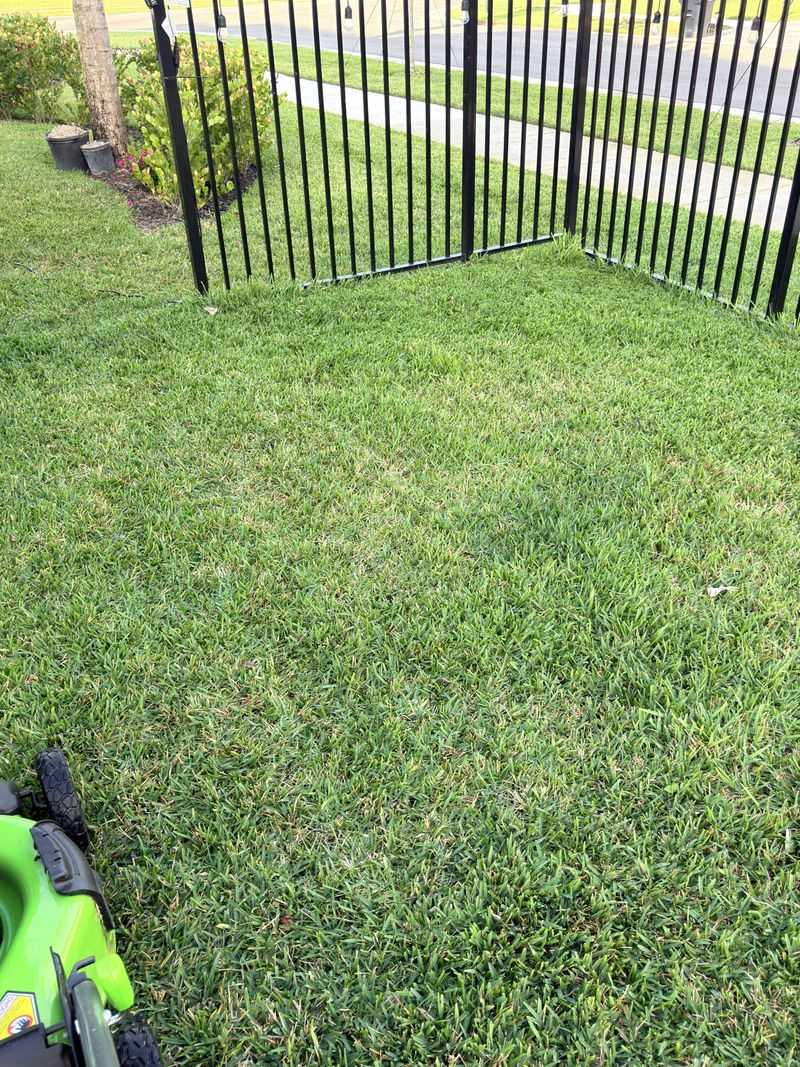
Running sprinklers on autopilot is one of the most common ways Florida homeowners waste water in July. Many irrigation systems are set once in spring and never adjusted, even as summer storms start rolling in almost every afternoon.
A timer has no idea whether the lawn actually needs water today.
Before turning on any sprinklers, take a quick walk across the lawn. If the grass springs back under your feet, it probably does not need water right now.
A lawn that holds footprints or shows folded leaf blades may be signaling actual dryness. Heat stress, recent mowing, or soggy soil from yesterday’s storm can cause similar symptoms.
Observation is the real starting point for smart July watering. Check the soil an inch or two below the surface.
If it still feels damp, hold off. Warm-season grasses like St. Augustine, Bahia, and Zoysia are more drought-tolerant than most homeowners realize, especially during Florida’s rainy season.
Watering before the lawn truly needs it can encourage shallow roots, raise disease pressure, and waste water that runs off before the soil can even absorb it. Start every irrigation decision with a look at the lawn, not just a glance at the clock.
2. Let Rainfall Reset The Sprinkler Schedule
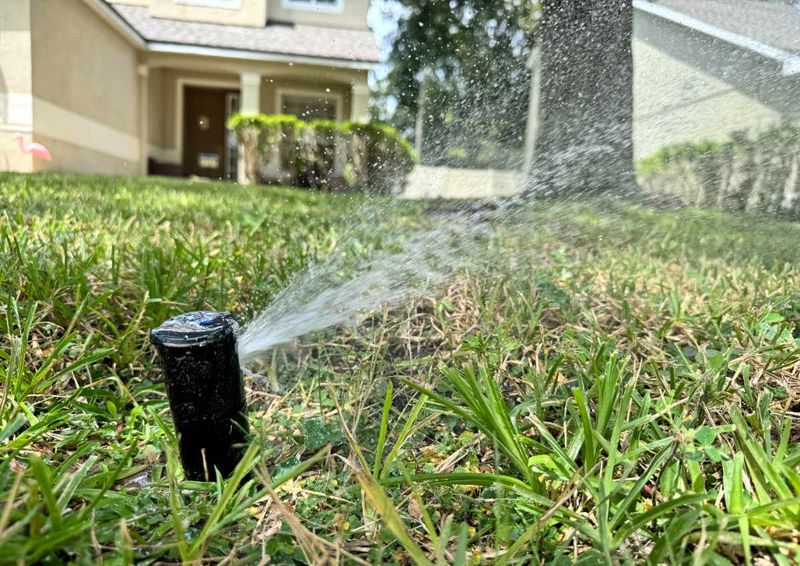
Florida’s rainy season peaks right in July, and afternoon storms can deliver more water in one downpour than most sprinkler systems apply in two full cycles.
Ignoring that rainfall and running irrigation anyway is one of the quickest ways to oversaturate soil, encourage shallow roots, and push water straight into storm drains.
A simple rain gauge placed near the lawn takes the guesswork out of post-storm decisions. If more than half an inch of rain fell yesterday, the lawn likely does not need supplemental irrigation today.
Cloudy stretches, high humidity, and cooler overnight temperatures can also slow soil drying, meaning the lawn stays moist longer than you might expect.
Smart irrigation controllers with rain sensors can automatically pause scheduled cycles after significant rainfall.
Even without a fancy device, the habit of checking a gauge or simply pressing a finger into the soil before running the system makes a real difference.
Your Florida Garden Changes Every Week. Your Plan Should Too.
Gardening in Florida changes quickly throughout the season. Every Friday you’ll receive a simple weekly plan showing exactly what to plant, prune, fertilize, harvest, and protect so you never miss the right timing.
Most water management districts in this state encourage homeowners to skip irrigation after measurable rainfall. Some local rules actually require it.
Adjusting your sprinkler schedule after summer storms is not just a good conservation habit. It protects the lawn from overwatering and keeps your water bill from spiking during the wettest month of the year.
3. Water Before Sunrise For Better Soaking
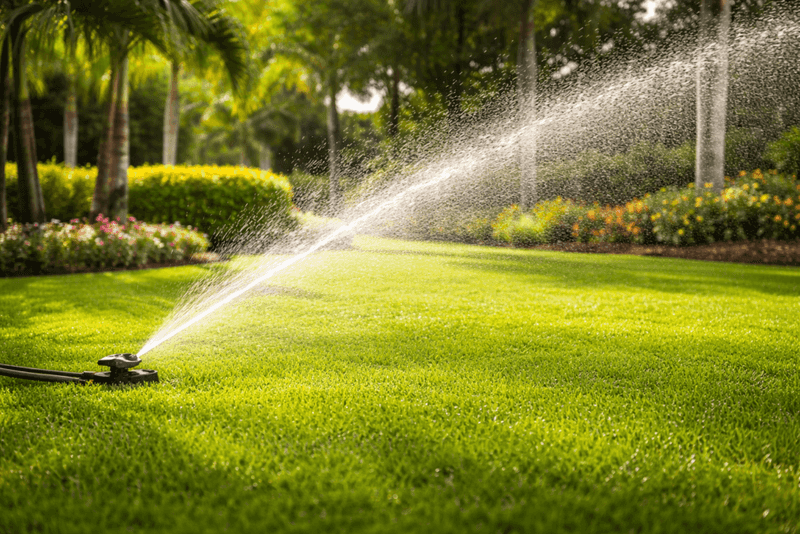
Early morning is the best window for lawn irrigation when the grass genuinely needs water. Temperatures are cooler before sunrise, wind is usually calm, and evaporation rates are at their lowest.
Water applied during this window soaks into the soil instead of disappearing into the air.
Watering in the middle of the day wastes a surprising amount of water through evaporation, especially during Florida’s intense July heat.
Midday irrigation also does very little to help a stressed lawn because moisture evaporates before roots can absorb it fully.
Evening watering is tempting when the afternoon feels cooler. It leaves grass blades wet for hours overnight, which can raise the risk of fungal issues on warm-season turf.
Many local watering restrictions already limit irrigation to early morning hours on designated days. Check your city, county, or water management district rules before changing your schedule.
If you use a hose-end sprinkler or manual setup, aim to finish by around 10 a.m. at the latest. Sprinkler systems can be programmed to start between 4 a.m. and 6 a.m. for the best results.
Good timing costs nothing extra and makes every gallon of water work harder for the lawn. Small schedule adjustments can noticeably improve how well moisture reaches the root zone.
4. Give Roots A Deep Drink Not A Daily Splash
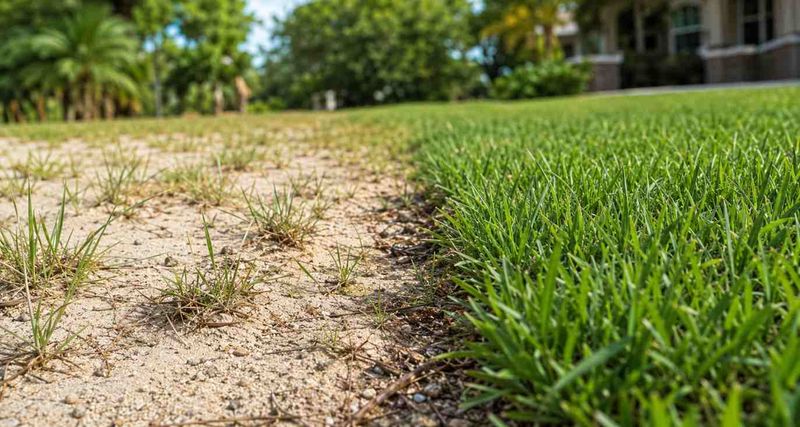
Light daily watering might feel like good lawn care, but it actually works against the grass over time. When only the top inch of soil gets wet, roots have no reason to grow deeper.
Shallow-rooted turf dries out faster, needs water more often, and struggles more during dry stretches between storms.
Deep, less frequent watering encourages roots to follow moisture further into the soil profile. For most warm-season grasses in this state, apply roughly one-half to three-quarters of an inch of water per irrigation event.
Do this only when the lawn actually shows stress, giving roots a real reason to grow down. Deeper roots mean a more resilient lawn that can better handle July’s unpredictable weather patterns.
Sandy soils, which are common across much of this state, drain quickly and may need shorter watering cycles split across two or three brief runs to avoid runoff. Clay or mixed soils hold moisture longer and may need even less frequent irrigation.
The goal is to wet the root zone thoroughly and then let the soil start to dry before watering again. Puddling or water running off the lawn is a clear sign the soil has reached its limit.
Stop the cycle, wait, and resume later rather than pushing more water onto ground that cannot absorb it.
5. Watch For Footprints Before Turning Sprinklers On
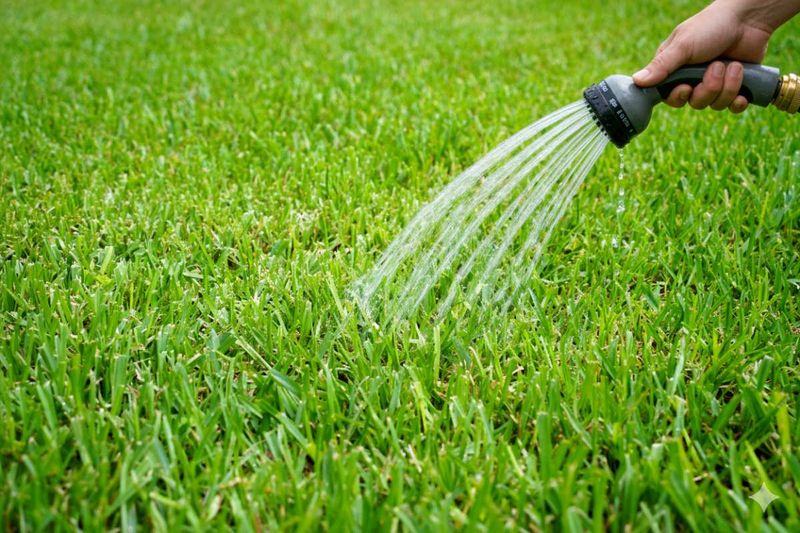
Your lawn sends clear signals when it actually needs water, and learning to read them saves both water and money. One of the most reliable signs is footprints that stay visible after you walk across the grass.
Healthy, well-hydrated turf springs back quickly. Grass that holds the impression of your steps is telling you the leaf blades have lost enough moisture to go limp.
A bluish-gray or grayish-green tint across the lawn is another stress indicator recognized by UF/IFAS extension resources. Leaf blades that fold lengthwise along the midrib are also a sign of moisture stress in grasses like St. Augustine and Bahia.
Check sunny spots and shaded areas separately because they often dry at different rates, especially under tree canopies or along south-facing fence lines.
Keep in mind that not every tired-looking lawn is a thirsty lawn. Heat, disease, heavy foot traffic, recent fertilization, or overly wet soil can all make grass look stressed without true dryness being the cause.
Check the soil before assuming the lawn needs water. Push a screwdriver or a finger about two inches into the ground.
If the soil still feels moist at that depth, hold off on irrigation and observe the lawn again in a few hours. Stress signs are a starting point for investigation, not an automatic trigger for the sprinklers.
6. Fix Runoff Before It Reaches The Street
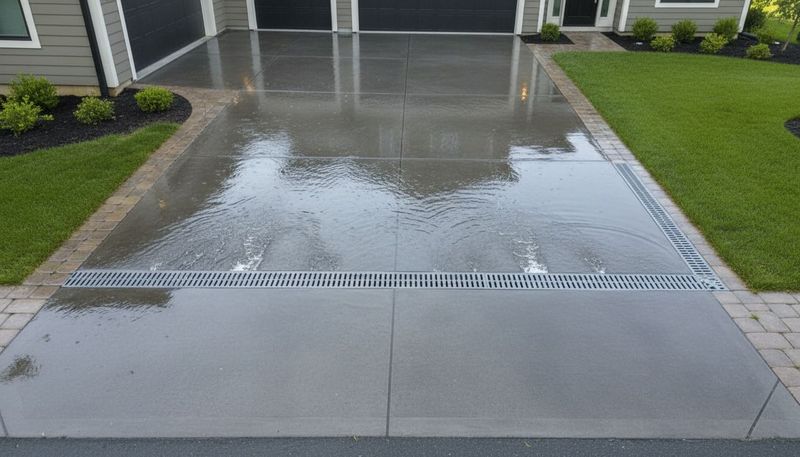
Water sheeting off your lawn and flowing down the driveway toward the curb is a frustrating sight. It means a portion of your irrigation is doing nothing for the grass at all.
Runoff is most common on sloped yards, compacted soil, and lawns where the sprinkler system runs too long in a single cycle without breaks.
Sandy soils can absorb water quickly, but even sandy ground has a limit. When water hits that limit, it moves sideways across the surface instead of soaking down.
One practical fix is to use a “cycle and soak” approach: run the irrigation zone for a shorter time, pause for twenty to thirty minutes, and then run it again. This gives water time to soak in before more is applied.
Broken or misaligned sprinkler heads that spray pavement instead of turf are another source of avoidable runoff. Walk the yard while the system runs to spot any heads that are watering sidewalks, driveways, or streets.
Adjust or replace them to redirect spray onto the lawn where it belongs. Beyond wasting water, runoff can carry fertilizer and lawn products into storm drains and local waterways, which creates problems beyond your yard.
Fixing runoff protects both your water bill and the surrounding environment at the same time.
7. Check Sprinkler Coverage With Simple Cups
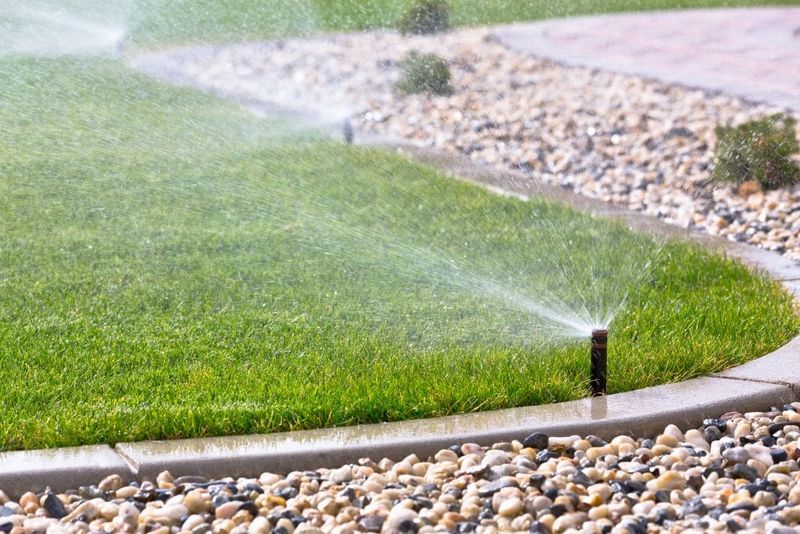
Uneven sprinkler coverage is a hidden reason some lawn areas stay brown while others look overwatered. One side of the yard might be getting soaked every cycle while a dry patch in the corner never receives enough water.
The problem is easy to find with a low-tech test that requires nothing more than a few containers from your kitchen cabinet.
Place four to six straight-sided cups or cans around the lawn in different spots, including areas near the edges and in the middle of each zone. Run your irrigation system for a normal cycle, then measure the water collected in each container.
Ideally, the amounts should be fairly close across all cups. Significant differences point to heads that need adjustment, nozzles that are clogged, or spray patterns that are blocked by overgrown shrubs or tilted heads.
Cleaning clogged nozzles is usually a simple fix that makes a noticeable difference in coverage. Adjusting the arc or radius of a spray head can redirect water back onto turf and away from pavement or fences.
Replacing a broken head is a straightforward repair most homeowners can handle without a professional. Running this cup test once or twice during the summer helps confirm the system is delivering water evenly across the entire lawn.
It shows whether one area is being starved while another is being flooded.
8. Follow Local Rules While Saving Water
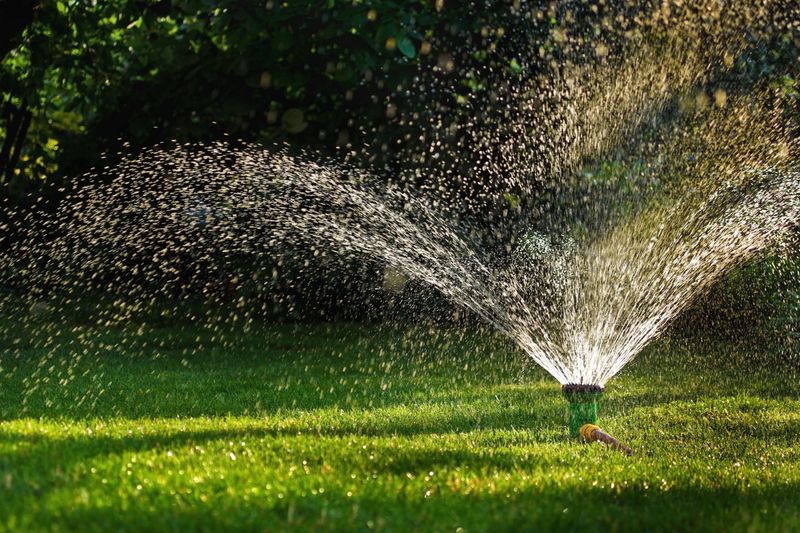
Efficient July watering habits only work well when they fit within the rules your local water management district, city, or county has set. Across most of this state, irrigation restrictions limit the days and times homeowners can run sprinkler systems.
Some areas allow only one or two watering days per week. Drought conditions can trigger temporary bans or further restrictions on top of regular rules.
Check with your water management district, municipality, or HOA before adjusting your irrigation schedule. Rules for newly installed sod are often different from rules for established lawns.
New sod areas may have a temporary exemption that allows more frequent watering during the establishment period. Knowing the specific rules for your address keeps you on the right side of local ordinances while still giving the lawn what it needs.
Working within restrictions does not mean accepting a struggling lawn. Pairing the allowed watering days with good timing and proper sprinkler coverage gives warm-season turf a real advantage.
Runoff prevention and rainfall awareness help too through the hottest part of the year. Saving water and following local rules are not competing goals; they point in exactly the same direction.
Water based on what the lawn shows you, what the sky delivers, and what your local rules allow. That combination is the most effective July lawn care strategy available to any homeowner in this state.