The Forgotten Texas Shrub More Backyard Gardeners Are Planting This Fall
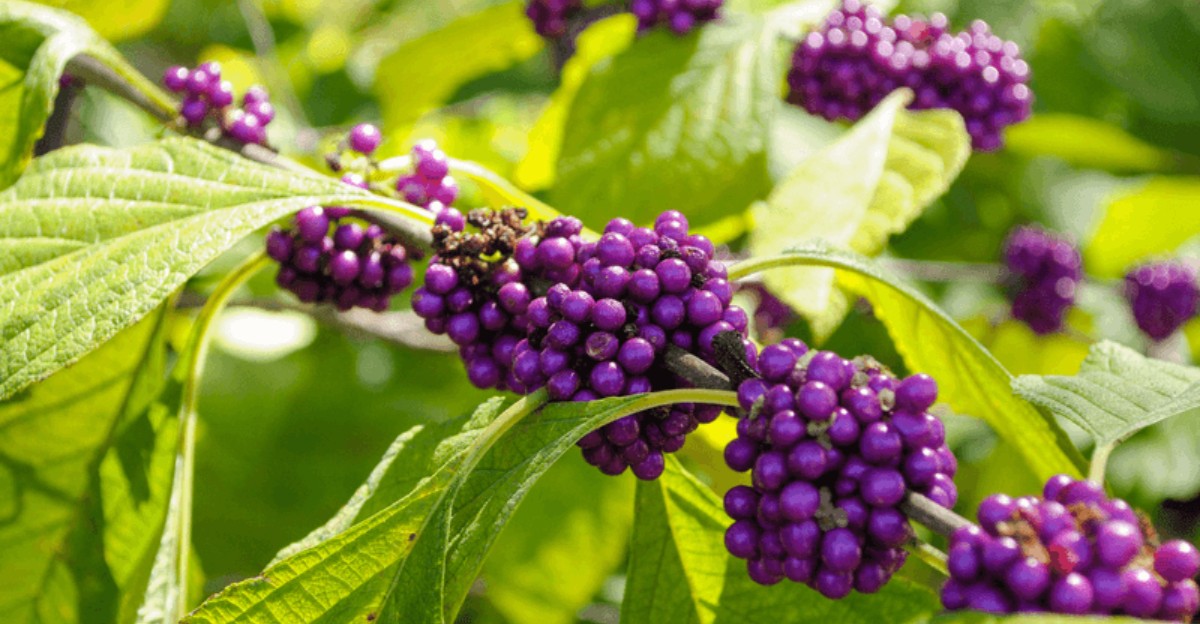
Something odd happens along old Texas fence lines every September, right as the summer heat loosens its grip. Clusters of impossible, almost neon purple appear where nobody in the family remembers planting a single thing.
The plant has sprawled along shady woodland edges across East Texas for generations. Somewhere between tidy lawns and clipped hedges, the whole shaggy thing quietly slipped out of fashion.
Now it is creeping back into suburban yards, crowded nursery carts, and ambitious weekend garden plans. Mockingbirds figured this out years ahead of us, and they are not remotely subtle about it.
Cooler mornings turn September into the season when Texas gardeners start digging holes with genuine enthusiasm. Your neighbors will squint at all that purple, ask questions, then quietly covet one themselves.
The Purple Jewel Of Southern Woodlands
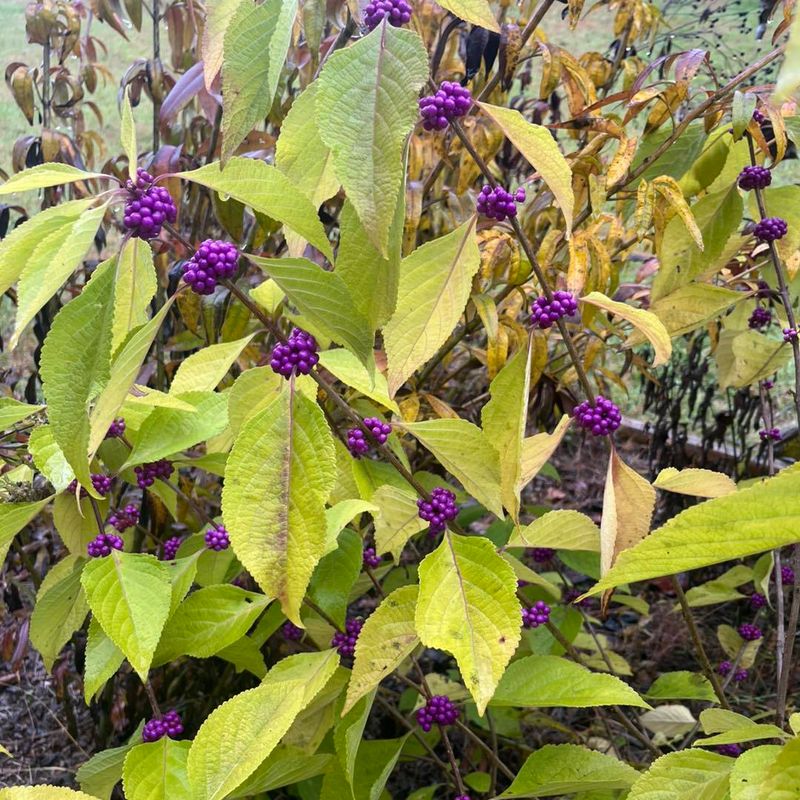
Crush one of the leaves nearby and you’ll catch a sharp, faintly sweet herbal scent. American beautyberry has been growing wild across East Texas since long before anyone invented the suburban lawn.
Botanists call it Callicarpa americana, which roughly means beautiful fruit, and the name turns out to be honest. Arching branches easily reach six feet tall and roughly the same distance across in decent soil.
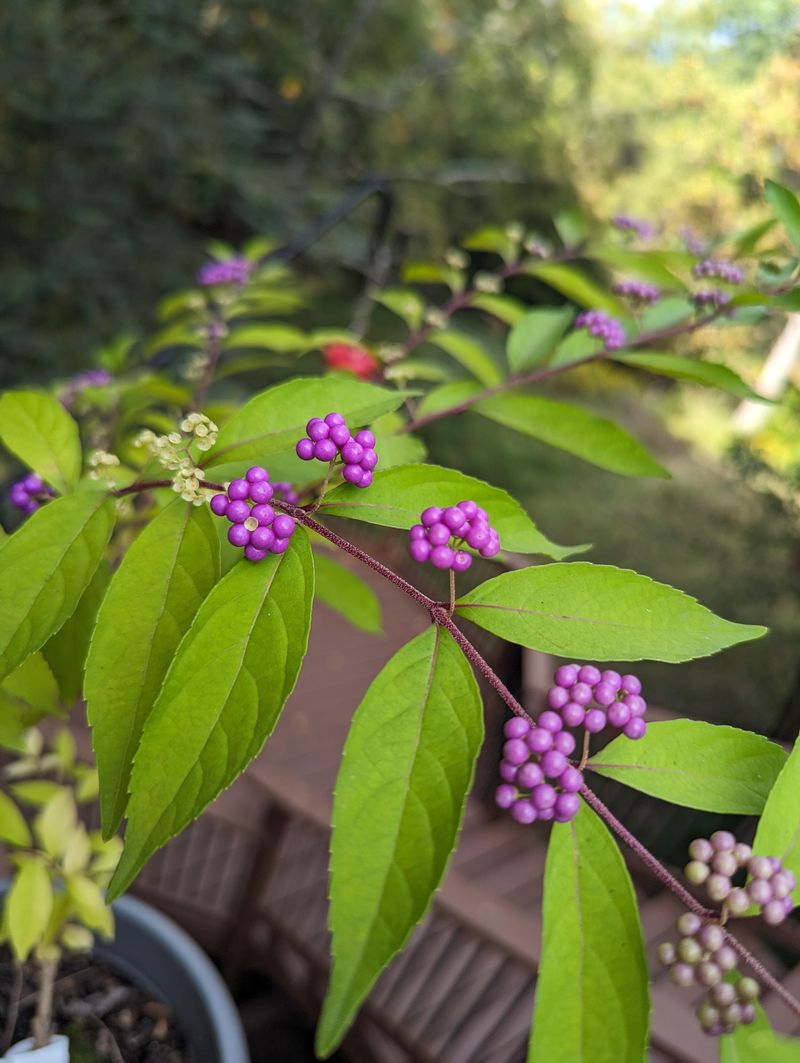
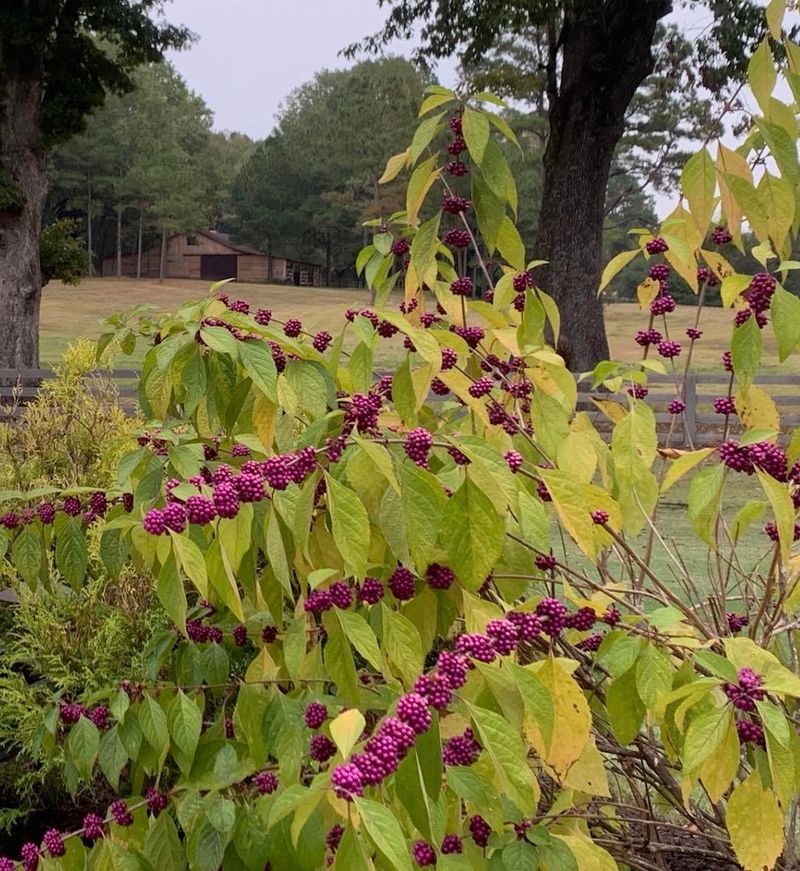
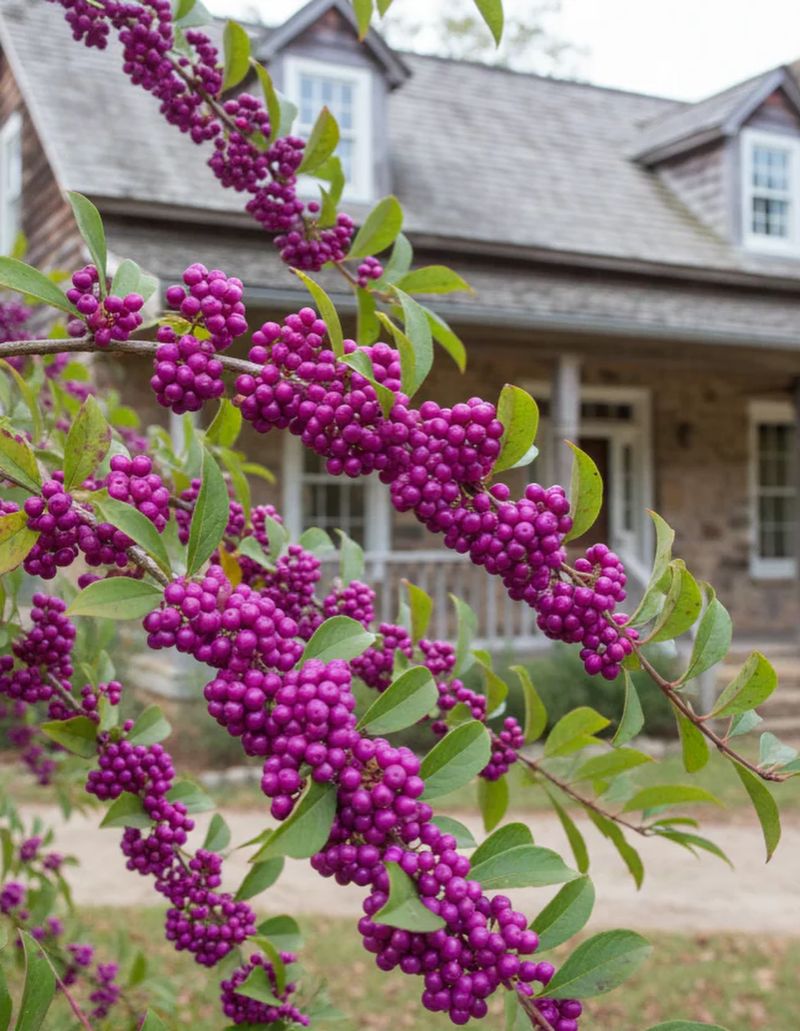
Berries ring the stems in tight bracelets, packed so close together they look almost artificial. Their color deepens from pale lavender in late summer into a glowing violet by mid October.
Leaves are soft, toothed, and slightly fuzzy, with fine veins running the length of each one. Early settlers rubbed crushed leaves on skin and livestock to keep biting insects at a distance.
Researchers at the USDA later identified natural compounds in those leaves that mosquitoes genuinely dislike. Folk wisdom, it turns out, had that chemistry figured out roughly two centuries ahead of schedule.
Texas nurseries mostly ignored the shrub for decades in favor of imported hedges and tidy boxwoods. Native plant sales slowly changed that, and demand now spikes across the state every autumn.
Gardeners describe it as the plant guests photograph before they even reach the front door. That single reaction explains much of the September rush happening at local growers right now.
Hardiness stretches from Zone 6 through Zone 10, so most of Texas qualifies easily. Few native shrubs ask for so little care and hand back so much autumn color.
The Long Stretch Of Neglect In Suburban Landscapes
Blame the 1980s, when builders leaned hard on the same handful of predictable evergreen shrubs for every new Texas subdivision. Anything native and a little loose in shape got labeled messy and pulled straight out.
Beautyberry drops its leaves in winter, which scared off homeowners who wanted year round green. Bare stems in January felt like a mistake to many owners instead of a normal season.
Garden centers also stock what sells fast, and unfamiliar natives sat unsold on the benches. A shrub that nobody recognizes rarely earns prime shelf space near the checkout register anyway.
Its wild reputation did not help either, since most Texans first met it along creek banks. Roadside plants tend to read as weeds to eyes trained on neatly clipped hedges.
Your Texas Garden Changes Every Week. Your Plan Should Too.
Gardening in Texas changes quickly throughout the season. Every Friday you’ll receive a simple weekly plan showing exactly what to plant, prune, fertilize, harvest, and protect so you never miss the right timing.
Drought years slowly shifted the conversation toward tough plants that survive on rainfall alone. Water restrictions in cities like Austin and San Antonio made thirsty imported shrubs look foolish.
Pollinator gardening then arrived, and suddenly berries and blossoms mattered more than perfect symmetry. Homeowners began asking their local nurseries for tough plants that birds and bees actually use.
Social media finished the job, because those violet berry clusters photograph beautifully in afternoon light. A single viral photo can empty an entire nursery bench by the following Saturday morning.
Decades of being overlooked did no harm to the plant, which kept thriving in the woods. Gardeners simply needed a few extra decades to catch up with the local mockingbirds.
September Soil Warmth For Root Establishment
Fall planting works because the ground stays warm while the air finally cools down. Roots keep growing underground through October and November, long after the top leaves drop.
Spring planting forces a young shrub to build roots while already fighting rising May heat. September planting hands it roughly eight months of head start before real summer arrives.
Aim for the stretch between mid September and early November across most of Texas. Gardeners in the Panhandle should lean earlier, since the first freeze shows up sooner.
Dig the hole twice as wide as the nursery pot but no deeper than it. Setting a shrub too deep stresses roots faster than almost any other beginner mistake.
Skip heavy fertilizer at planting time, because soft new growth cannot handle a cold snap. A thin layer of compost mixed into the backfill is plenty of encouragement.
Water deeply twice a week for the first month, then slowly stretch the gaps. Shallow daily sprinkles train roots to linger near the surface where they eventually bake.
Three inches of shredded mulch holds moisture and keeps soil temperature steady overnight. Leave a small gap around the stems so the bark does not stay constantly damp.
First year plants may look unimpressive, and that is normal for a fall install. By next September, the same shrub usually carries its first serious berry load.
Cooler weather also means fewer transplant losses, so nurseries push natives hard this month. Empty benches by October suggest plenty of neighbors already figured that out.
Sun Exposure And Overwatering Missteps
Most beautyberry disappointments trace back to one of two habits, too much sun or too much hose. Neither habit ruins the plant, though both can mute the berry display badly.
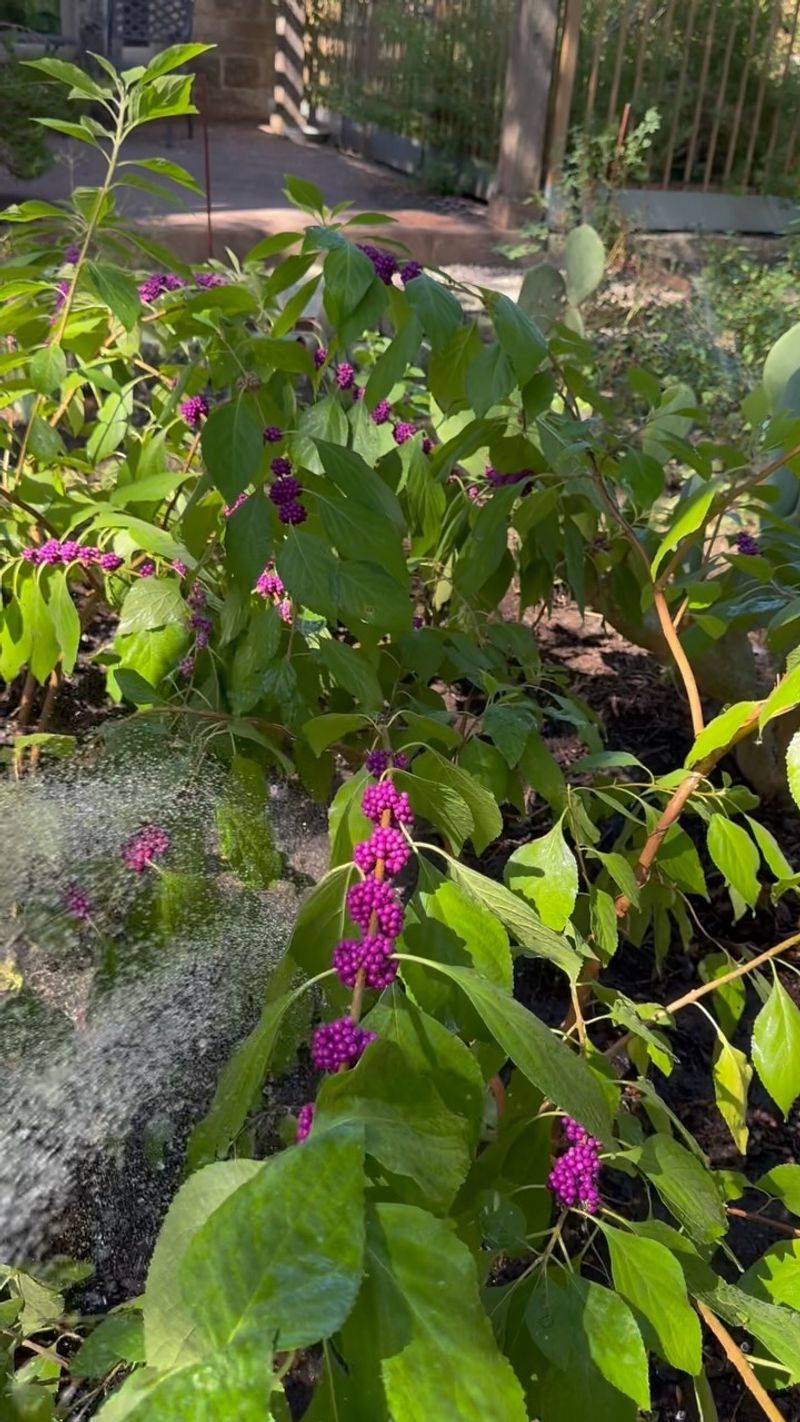
Across East Texas, dappled shade beneath tall pines tends to produce the heaviest fruit clusters. West of Interstate 35, harsh afternoon sun tends to scorch leaf edges by July.
Deep shade swings the other direction and leaves you with handsome foliage and stingy berries. Morning sun paired with afternoon protection hits the sweet spot in most Texas yards.
Overwatering established plants is the quieter problem, especially in heavy clay soils around Dallas. Roots sitting in soggy ground rot quietly, long before anyone notices the drooping leaves.
Check moisture by pushing a finger three inches down instead of trusting a sprinkler schedule. Dry at that depth means water, damp means wait another day or two.
Crowding is another common slip, since gallon pots hide the six foot spread coming later. Give each shrub at least five feet of elbow room from its neighbors.
Lawn sprinklers running daily near a beautyberry cause more trouble than any drought ever will. Place the shrub outside regular irrigation zones whenever your yard layout reasonably allows.
Yellowing leaves paired with constantly wet soil signal too much water, not a missing nutrient. Reaching for fertilizer at that moment usually makes the whole situation worse.
Fix the drainage, back off the hose, and the plant forgives you surprisingly quickly. Beautyberry holds grudges about as well as a friendly old dog does.
Late Winter Pruning For A Heavier Berry Set
Here is the trick most new owners miss entirely, beautyberry fruits on new wood. Cutting it back hard in late winter actually multiplies the berry clusters next fall.
February works well across most of Texas, before buds swell but after hard freezes fade. Take stems down to roughly twelve inches above the ground without any guilt.
A hard cut looks brutal in February and looks genuinely brilliant by the following September. Fresh shoots grow quickly, stay upright, and carry noticeably fatter bracelets along every branch.
Gardeners who prefer a natural shape can simply thin the oldest third of the stems. Berries still appear, though the overall display tends to look lighter and a bit looser.
Avoid pruning in fall, since those cuts remove the very branches about to fruit. Snipping in September is the fastest way to cancel your own purple show.
Old, woody plants that stopped producing usually respond well to a full renewal cut. Three years of neglect can be undone in one weekend with sharp loppers.
Feeding matters less than pruning, but a spring handful of balanced fertilizer helps thin soil. Compost spread under the canopy each March does the same job just as quietly.
Clean your pruners with a disinfecting solution between shrubs to keep fungal problems from traveling. Small habits like that protect the whole garden, not just this one plant.
Berries begin coloring in August and hold through November if the birds allow it. Pruning done correctly can stretch that purple show by several noticeable weeks.
Wildlife Traffic Brings Long-Term Yard Payoff
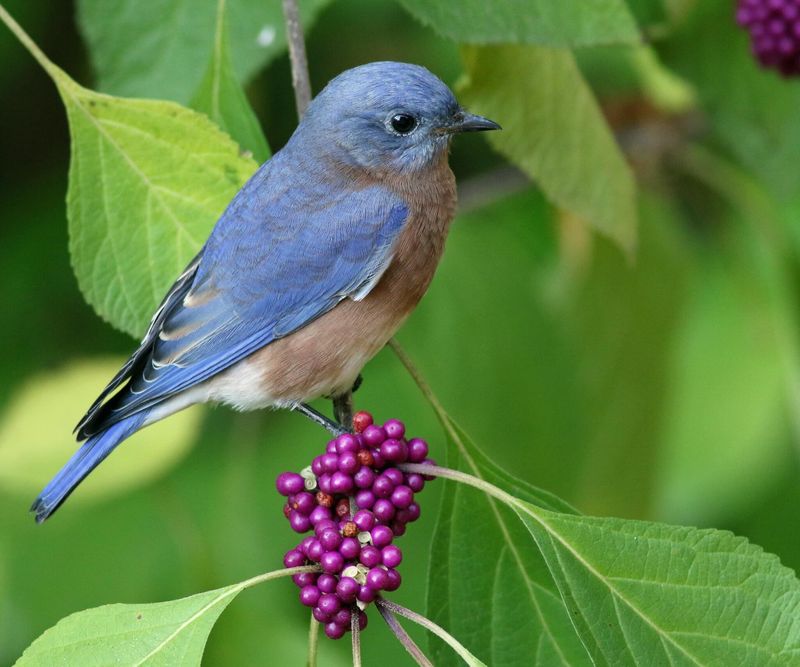
Roughly forty bird species across the southeastern United States are known to eat beautyberry fruit. Mockingbirds, cardinals, and brown thrashers treat one mature shrub like a neighborhood diner.
Deer browse the leaves, which matters if you garden near greenbelts or open country. Caging young plants for their first two seasons usually solves that problem for good.
Summer flowers are tiny pink clusters that honeybees and native bees work constantly. Fruit production depends on those visits, so skip broad spectrum insecticides anywhere nearby.
Humans can eat the berries too, though raw ones taste faintly medicinal and odd. Southern cooks turn them into a pale pink jelly with lemon juice and pectin.
Established plants shrug off Texas summers on rainfall alone after the second year. Water bills drop, and the shrub keeps performing without much coaxing from you.
Pests rarely bother it, and disease problems stay limited to poorly drained spots. Good airflow and sensible spacing prevent nearly every issue worth worrying about here.
Seedlings pop up nearby, which some gardeners love and others quietly pull each spring. Sharing extras with neighbors is how most Texas yards got their first one.
Plant one this September and expect a modest showing during the first autumn. By year three, you will be the house with the purple hedge everyone mentions.
Birds will thank you loudly at sunrise, invited or not. Consider it the price of admission for the best show on the block.